
1. Toothpaste: Once a Powder, Not a Paste
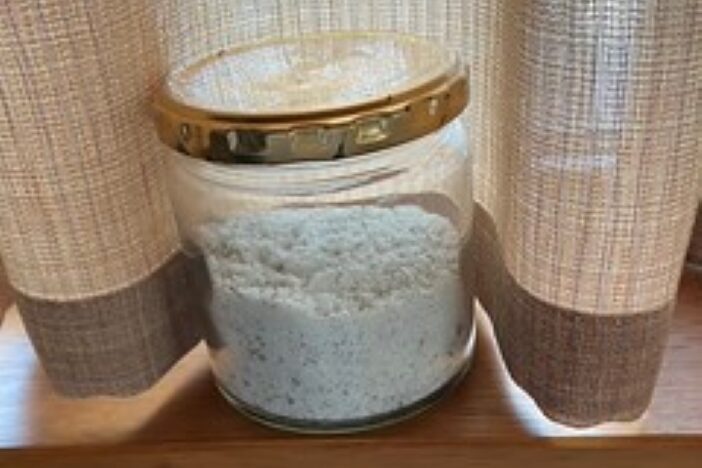
It’s easy to assume toothpaste has always come in neat tubes, squeezed onto brushes without a second thought. But earlier versions were far from what we use now. People used tooth powders made from crushed bones, shells, and chalk. It wasn’t smooth or minty, it was gritty, practical, and focused more on cleaning than comfort. Over time, the shift to paste came with better understanding of oral care and convenience.
Historians often note that “early tooth powders were abrasive and lacked the flavoring agents we expect today,” which explains why the experience must have felt very different. The evolution wasn’t sudden, but it slowly turned a rough routine into something more pleasant. It makes you think about how even small comforts we enjoy now were once missing, and how gradual changes can reshape daily habits in ways we barely notice.
2. Mirrors: Polished Metal Before Glass
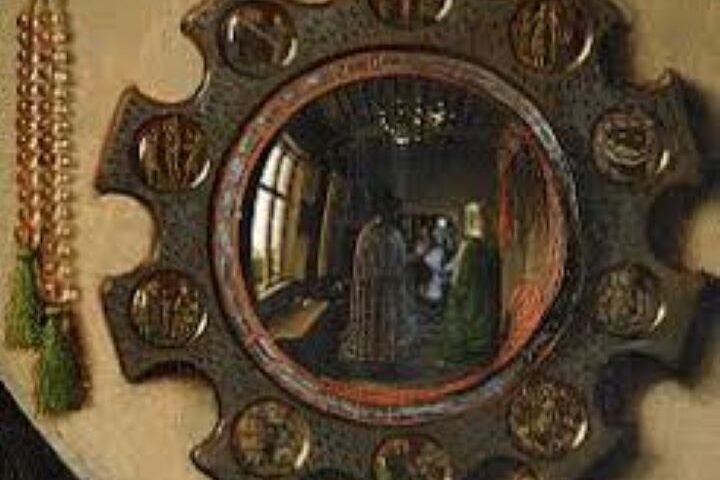
Looking into a mirror today feels normal, almost automatic. But before glass mirrors became common, people relied on polished metal surfaces like bronze or copper. The reflection wasn’t as clear, often slightly distorted, and required effort to maintain. Over time, glass mirrors with reflective backing became more widespread, offering sharper and more reliable images. According to historical records, “early mirrors required constant polishing to remain usable,” which made them less convenient than what we have now.
That shift to modern mirrors didn’t just improve clarity, it changed how people saw themselves daily. It’s interesting to think that something as simple as a clear reflection wasn’t always guaranteed, and how that might have shaped self-perception in subtle ways.
3. Refrigerators: From Ice Boxes to Electric Cooling

Before electric refrigerators became standard, people used ice boxes to keep food fresh. These were insulated containers where large blocks of ice were placed to maintain low temperatures. It worked, but required regular replacement of ice and careful management. As technology advanced, electric refrigeration changed everything, making food storage more reliable and less dependent on external supply.
Experts often explain that “ice delivery was once a common service before home refrigeration became widespread,” which highlights how different daily routines were. The transition didn’t just improve convenience, it reshaped how people shopped, stored food, and planned meals. It’s one of those changes that feels obvious now but was once a major shift in everyday life.
4. Soap: A Harsh Cleanser Before Gentle Care
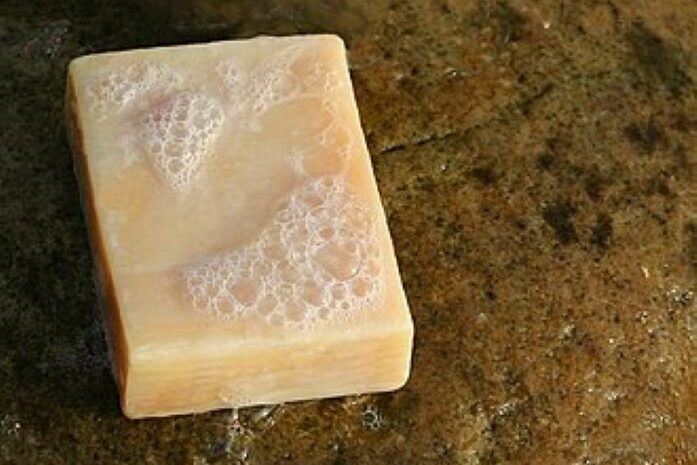
Soap has always been associated with cleanliness, but earlier versions were far from the gentle, fragrant bars we use today. Made from animal fats and ash, early soap was often rough on the skin and used more for heavy-duty cleaning than daily personal care. Over time, improvements in formulation introduced milder ingredients, better scents, and more skin-friendly options.
Historical sources often state that “early soaps were primarily used for cleaning textiles rather than personal hygiene,” which adds a layer of context to how its purpose evolved. The shift toward personal care made soap a daily essential in a more intimate way. It’s a reminder that what we now consider basic self-care once started as something much more functional and less refined.
5. Beds: Once a Shared Family Space
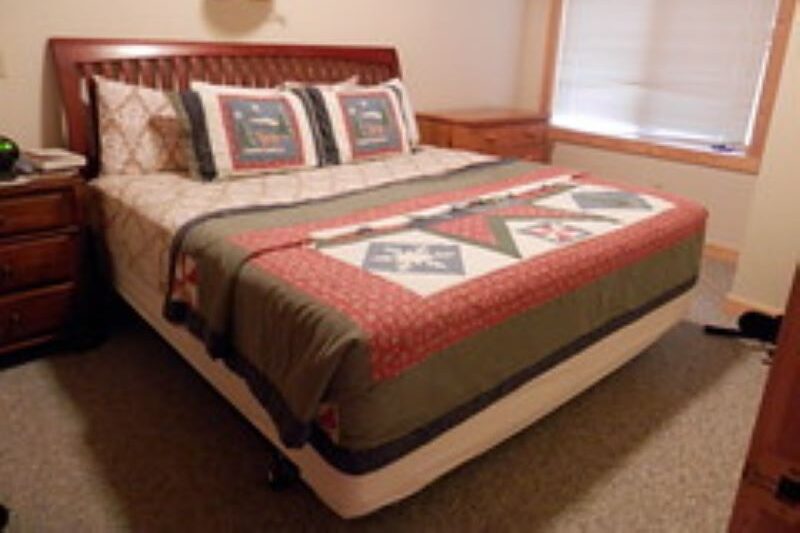
Today, a bed is seen as personal space, something tied to privacy and individual comfort. But in the past, it wasn’t uncommon for multiple family members to share a single bed. Space, resources, and living arrangements made this a practical choice. As housing and lifestyles evolved, beds became more individualized, reflecting changes in privacy and personal boundaries.
Historians often point out that “shared sleeping arrangements were common in many households due to limited space and resources,” which helps explain the difference. The shift toward personal beds didn’t just improve comfort, it changed how people related to rest and personal space. It’s one of those changes that feels small but actually reflects a much broader shift in how people live.
6. Candles: From Light Source to Atmosphere

Before electricity became reliable, candles were more than decorative items. They were essential for lighting homes after sunset. People depended on them for visibility, placing them carefully to stretch their use through the night. The glow wasn’t about aesthetics, it was about function. Over time, as electric lighting became widespread, candles slowly shifted into a different role. Today, they’re more about mood, scent, and ambiance than necessity.
Historians often mention that “before electric bulbs, candles and oil lamps were primary sources of indoor light,” which highlights how central they once were. The transition feels subtle but meaningful. Something that was once essential for survival is now used to create calm or set a tone. It’s a quiet reminder of how innovation can turn necessity into comfort.
7. Keys: From Status Symbols to Everyday Tools
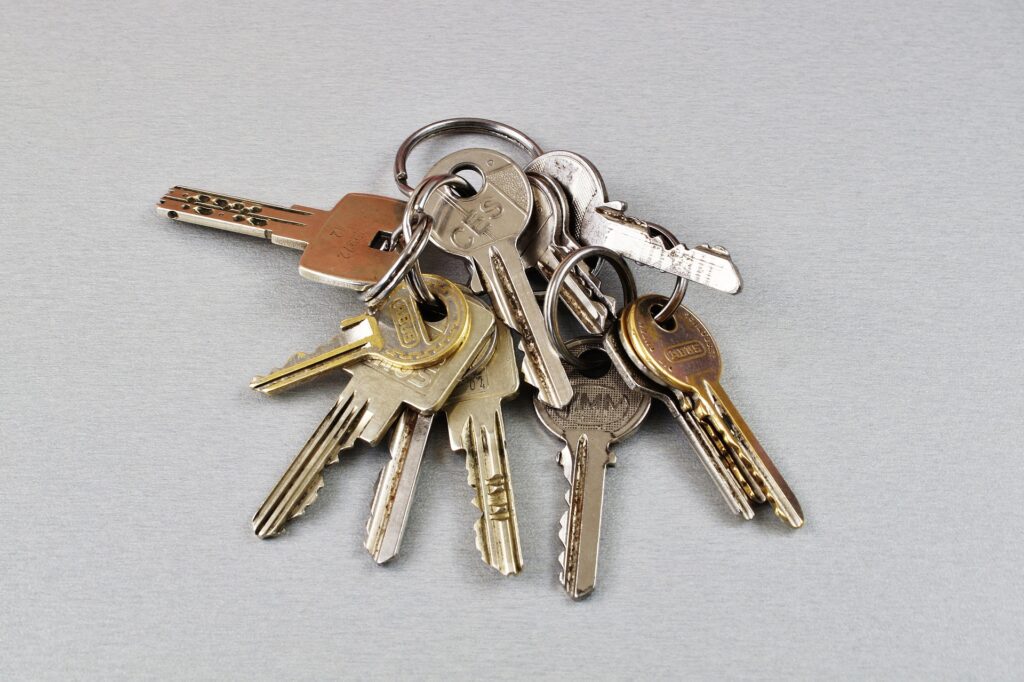
Keys today are small, practical items we carry without much thought. They’re tied to locks, security, and daily routine. But in earlier times, keys carried a different kind of meaning. Large, ornate keys often symbolized authority, responsibility, or access to important spaces. Over time, as locking systems became standardized, keys became simpler and more functional. Historical accounts often note that “keys were once crafted as symbols of status and trust, especially in large households,” which adds depth to their original purpose.
The shift to modern keys reflects a move toward practicality over symbolism. Still, it’s interesting to think that something so ordinary today once held a visible sense of importance, almost like a quiet badge of responsibility.
8. Chairs: Not Always for Everyone
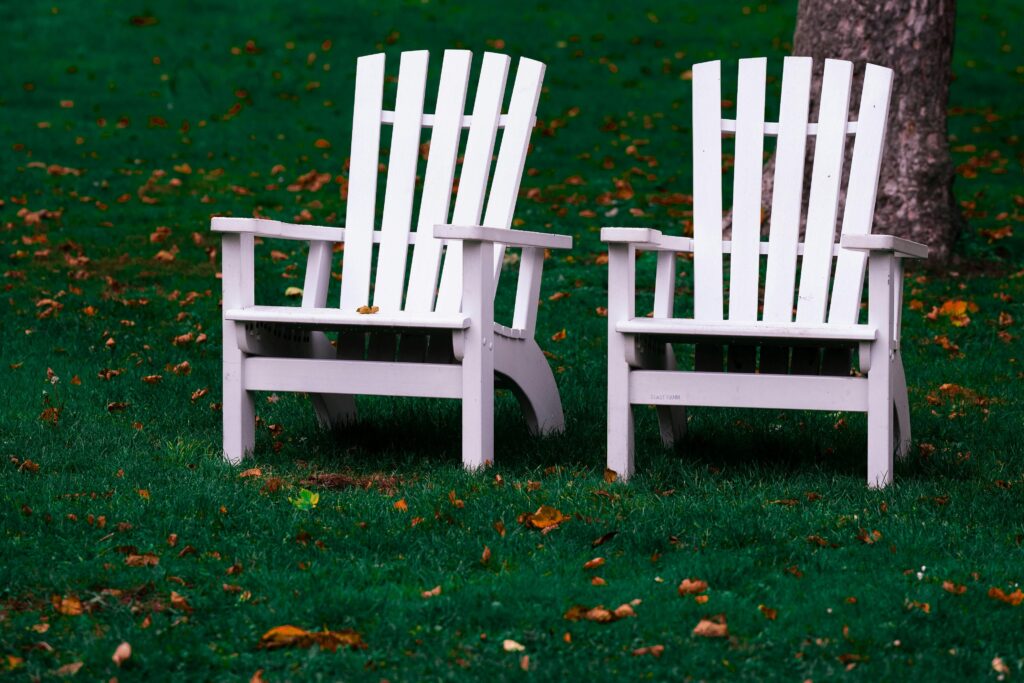
Chairs seem like basic furniture now, something everyone has and uses daily. But in earlier periods, chairs were not always common for everyone. In some cultures, they were reserved for people of status, while others sat on stools, benches, or the floor. As time passed, chairs became more accessible and widely used, losing their association with rank.
Historians often explain that “in earlier societies, chairs were considered symbols of authority and were not used by everyone,” which makes their current everyday presence feel different. The shift shows how objects can move from exclusivity to normalcy. What once separated people now simply supports them, quietly and equally.
9. Windows: From Open Gaps to Glass Panes

Windows today are designed for light, insulation, and protection. But originally, they were simply openings in walls, allowing air and light to enter without any covering. These gaps served their purpose but offered little comfort or security. Over time, glass panes were introduced, improving insulation and visibility while protecting interiors from weather.
Historical records often mention that “early windows lacked glass and were sometimes covered with cloth or shutters,” which shows how basic they once were. The introduction of glass changed not just comfort, but how people experienced indoor spaces. It’s one of those upgrades that feels obvious now but once marked a significant improvement in everyday living.
10. Forks: Once Unusual Dining Tools
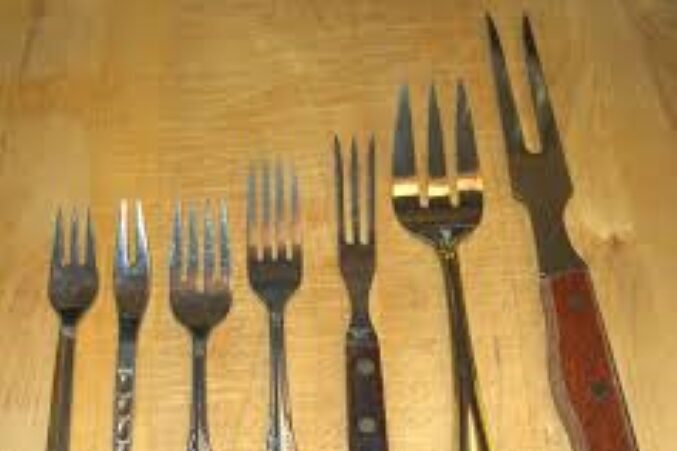
It’s interesting to think that something as common as a fork was once met with hesitation. In earlier times, many people relied on their hands, knives, or spoons to eat. The idea of using a fork felt unnecessary to some and even strange to others. In certain parts of Europe, it was seen as overly refined or unfamiliar, especially when it was first introduced into dining culture. Over time, however, forks slowly became accepted, particularly as table manners evolved and dining became more structured.
People began to see the benefit in using them for specific types of food, and eventually, they became a standard part of place settings. Food historians often note that “the adoption of forks into European dining was gradual and met with resistance before becoming widespread,” which reflects how habits don’t change overnight. The transition wasn’t just about utensils, it was about shifting norms and comfort. What once felt foreign became second nature, showing how everyday routines quietly evolve until they feel like they’ve always been there.
11. Alarm Clocks: Once Human Wake-Up Calls

Before alarm clocks became household essentials, waking up on time wasn’t something you could set with a device beside your bed. Instead, people relied on natural rhythms, church bells, or in some cases, other people. In industrial areas especially, “knocker-uppers” were hired to tap on windows early in the morning to wake workers for their shifts. It sounds unusual now, but it was a practical solution at the time. As mechanical alarm clocks became more affordable and reliable, this system slowly faded away. People gained the ability to control their own schedules without depending on someone else.
Historians often explain that “human alarm services existed before personal alarm clocks became widely accessible,” highlighting how recent this shift actually is. The change reflects more than convenience, it marks a move toward independence in daily routines. Waking up became a personal responsibility rather than a shared or outsourced task, quietly reshaping how people approached time and discipline.
12. Soap Bars: From Shared Use to Personal Care
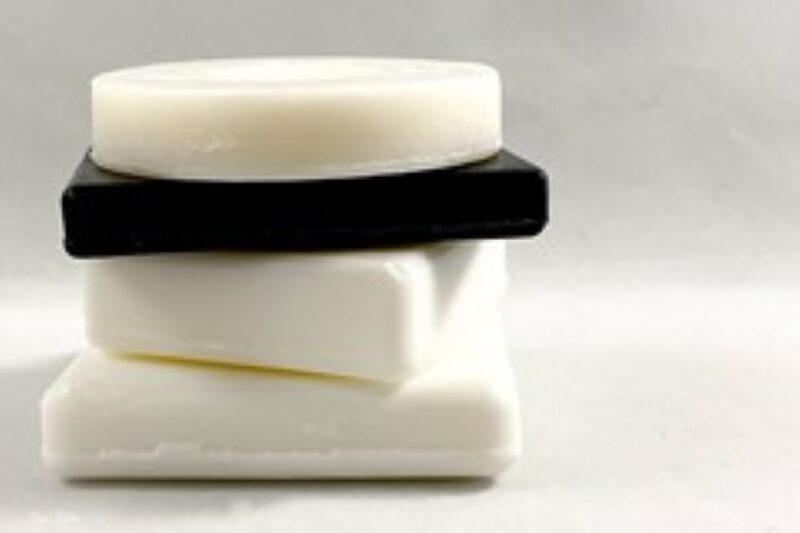
Soap today is often seen as a personal item, something tied to individual hygiene and routine. But in earlier times, especially when soap was harder to produce, it wasn’t always used that way. Households sometimes shared soap, and in some cases, it was reserved more for laundry or heavy cleaning than for regular personal use. As production methods improved and soap became more widely available, its role began to shift. It moved from being a general cleaning agent to something more closely tied to personal care and hygiene.
Historical accounts often mention that “soap became more accessible during industrialization, allowing for more frequent personal use,” which helps explain the transition. Over time, it became something people associated with daily routines rather than occasional use. It’s a simple shift, but it reflects how access can change behavior. What was once shared out of necessity became personal through availability, shaping how we think about cleanliness today.
13. Books: From Rare Objects to Everyday Reads
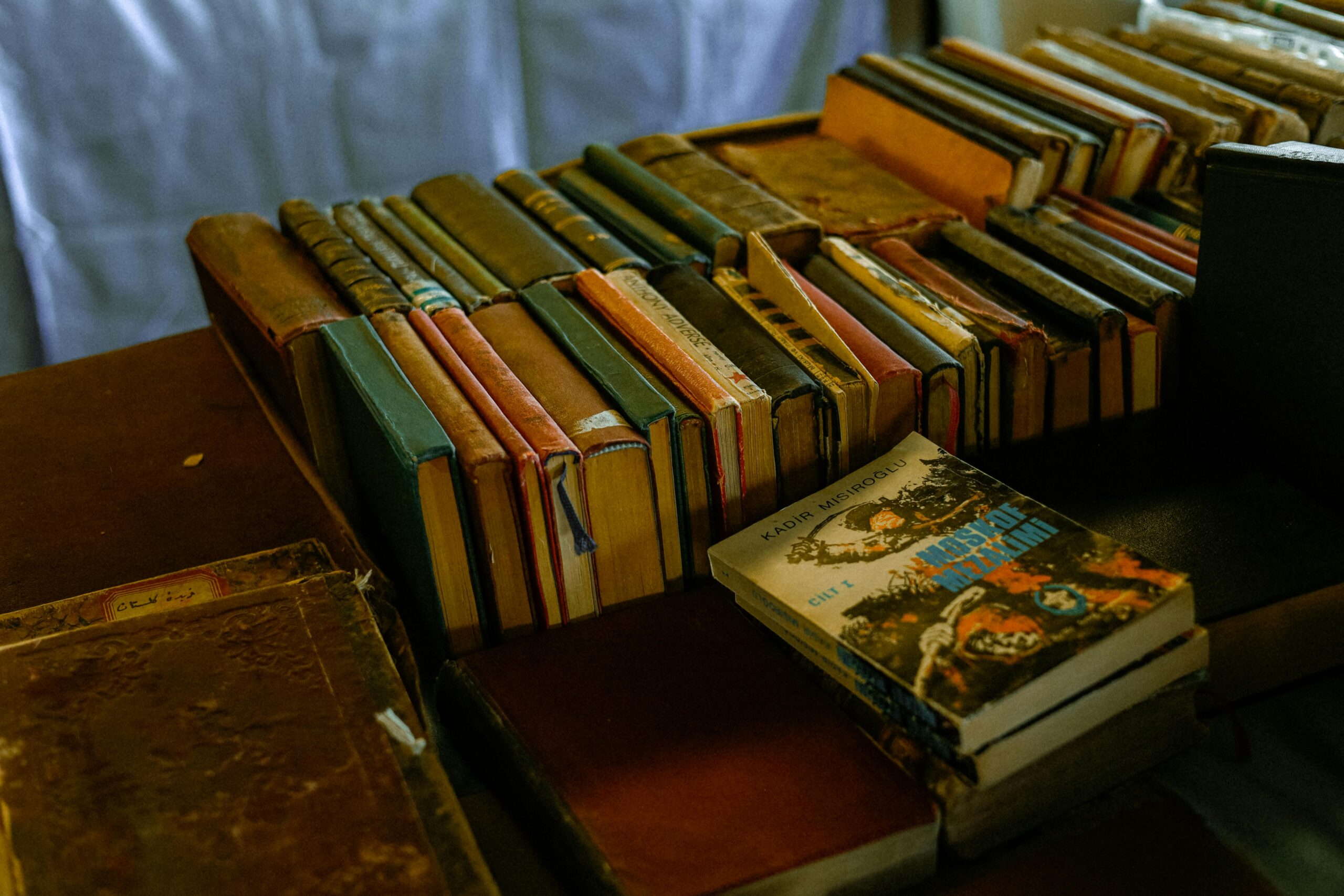
There was a time when owning a book was not a common experience. Before the printing press, books were copied by hand, making them rare, expensive, and mostly limited to religious institutions or wealthy individuals. Reading itself wasn’t as widespread, and access to written knowledge was restricted in ways that feel distant now. With the invention and spread of printing technology, books gradually became more accessible. This shift opened the door for more people to read, learn, and engage with ideas beyond their immediate environment.
Scholars often state that “the printing press revolutionized access to information by making books more affordable and widely available,” and that impact is still felt today. The transformation didn’t just change books, it changed society. It turned reading into a daily activity rather than a rare privilege. Looking at it now, it’s easy to forget how significant that shift was, but it quietly shaped how knowledge moves through the world.
14. Glasses: From Simple Magnifiers to Daily Essentials
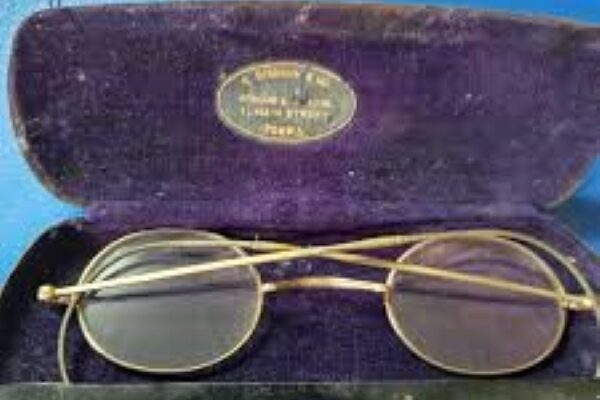
Eyeglasses today are designed with precision, tailored to correct specific vision needs with comfort and accuracy. But early versions were much simpler. They functioned more like magnifying tools, helping people see better up close but lacking the customization we’re used to now. They were useful, but limited in scope. As understanding of optics improved, glasses became more advanced, offering better correction for different vision conditions.
Designs also evolved, making them easier to wear and more accessible to a wider range of people. Historical sources often note that “early spectacles were basic and lacked the refined lenses available in modern eyewear,” which shows how far they’ve come. Over time, glasses became part of daily life for many, not just as tools but as necessities. The shift reflects how science and accessibility can come together to improve everyday experiences in ways that feel seamless once they’re established.
15. Clocks: From Public Towers to Personal Timekeepers

There was a time when knowing the exact time wasn’t something you could check instantly. People relied on large public clocks, often mounted on church towers or in town squares, to guide their day. These clocks didn’t just tell time, they structured community life. Work, prayer, and daily routines often revolved around when the bell rang rather than a personal schedule. As smaller, more affordable clocks became available, time slowly shifted from being communal to personal. People began carrying pocket watches, and eventually wristwatches and digital clocks became part of everyday life.
Historians often note that “the spread of personal timekeeping devices changed how individuals organized their daily routines,” reflecting a deeper shift than it first appears. Time became something you managed privately rather than followed collectively. It’s interesting to think how that change quietly shaped modern life, making us more independent but also more aware of every passing minute in a way earlier generations weren’t.
16. Cooking Pots: From Open Fires to Modern Kitchens
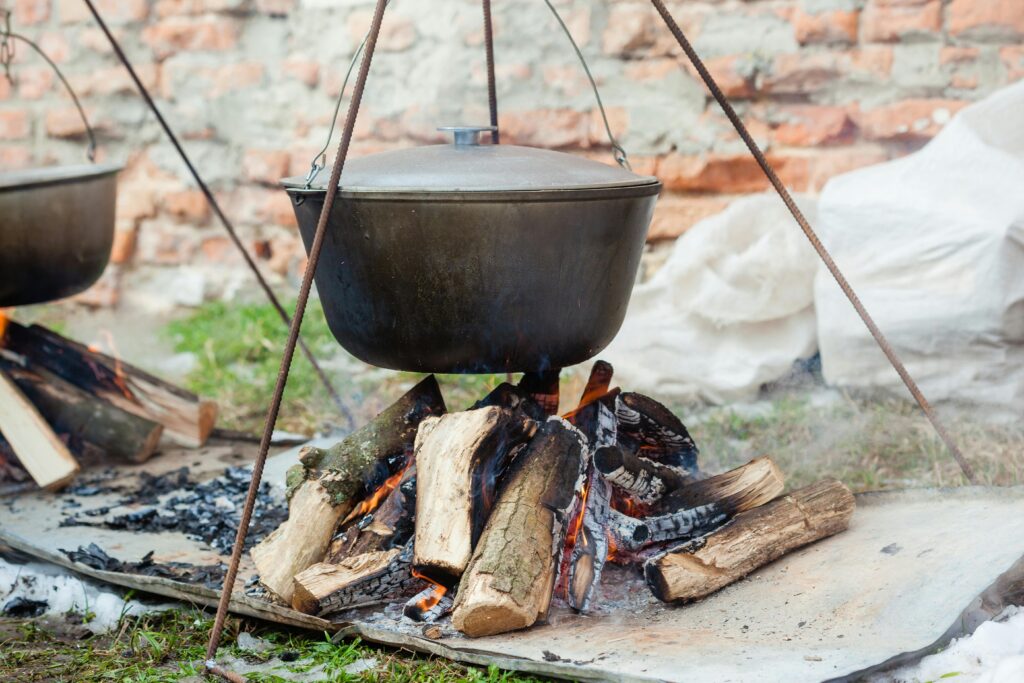
Cooking pots have always been central to preparing meals, but how they were used looked very different in the past. Early pots were placed directly over open fires, which meant cooking required constant attention. Temperature control depended on adjusting the fire itself, moving the pot, or simply watching closely to avoid burning food. With the development of stoves and modern kitchen systems, cooking became more precise and predictable.
Pots were redesigned to suit controlled heat sources, making everyday cooking less demanding and more consistent. Experts often explain that “early cooking relied heavily on managing open flames, making it less exact than modern methods,” which highlights the difference clearly. The shift didn’t just improve convenience, it changed the experience of cooking entirely. It allowed people to focus more on recipes and creativity rather than just managing heat. What was once a careful balancing act became a more relaxed, reliable process over time.
17. Brooms: From Outdoor Tools to Indoor Essentials

Brooms feel like simple tools, but their role has shifted more than we often notice. In earlier times, brooms were primarily used outdoors to clear yards, pathways, and larger debris. Homes themselves were often built in ways that didn’t require the kind of indoor cleaning we’re used to today. As living spaces became more enclosed and structured, the need for indoor cleanliness grew. Brooms were refined, made lighter, and better suited for sweeping floors inside the home.
Historical notes often mention that “early brooms were multipurpose tools used both indoors and outdoors depending on need,” which shows their flexibility. Over time, their use became more specific, tied closely to maintaining indoor spaces. It’s a quiet evolution that reflects how homes themselves have changed, becoming places that require a different kind of care and attention than before.
18. Towels: From Luxury Items to Everyday Use
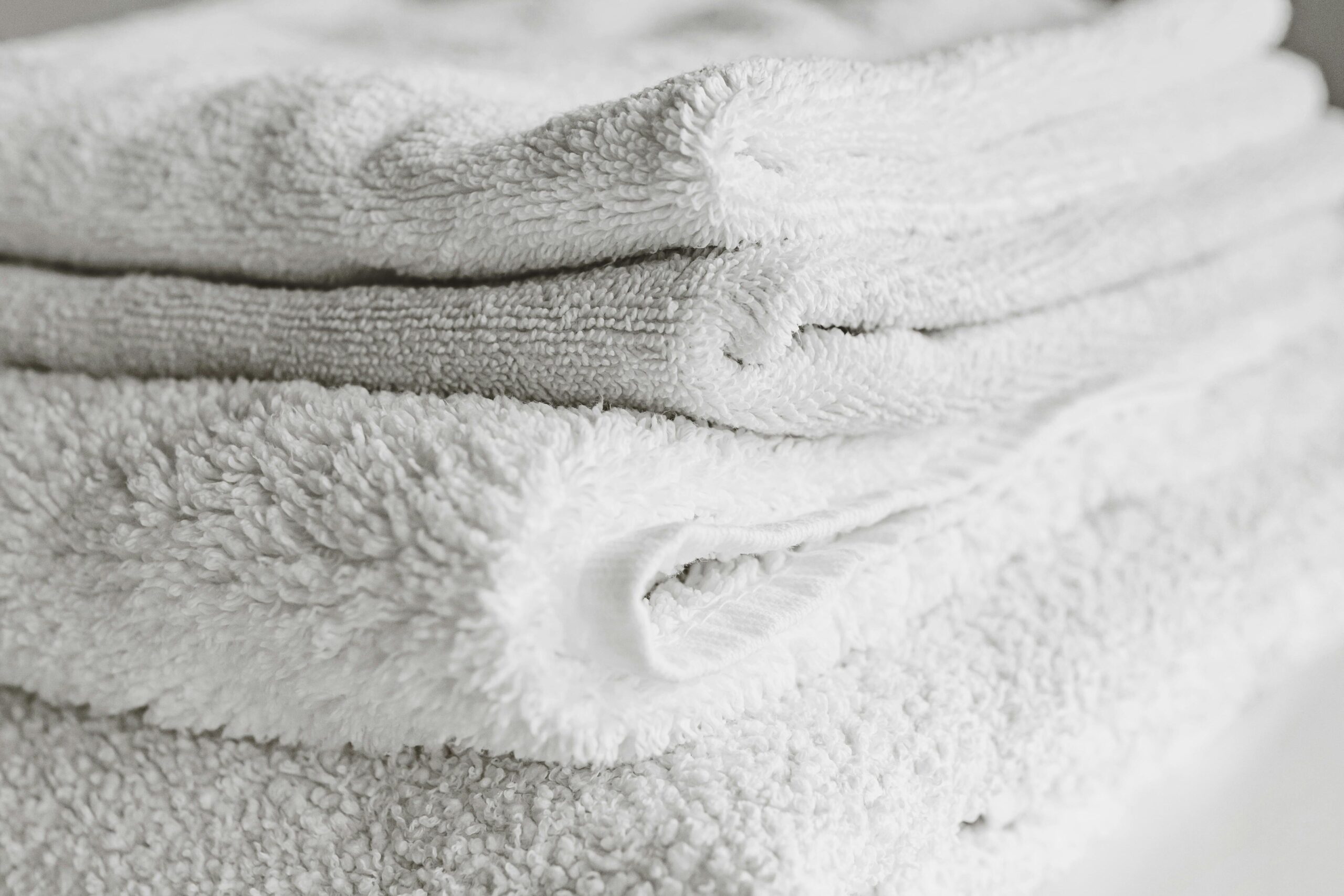
There was a time when towels weren’t as common as they are now. In many households, especially where resources were limited, people used cloth pieces or simply air-dried after washing. Towels existed, but they weren’t always widely available or used in the way we expect today. As textile production improved and became more accessible, towels gradually became standard in homes. Different types were introduced for specific uses, from bathing to hand drying.
Historians often note that “advancements in textile manufacturing made household fabrics more affordable and widely available,” which explains how towels became everyday items. The shift reflects more than just availability, it shows how comfort becomes normalized over time. Something that was once a small luxury quietly became a basic expectation, shaping how we think about cleanliness and daily routines.
19. Shoes: From Protection to Fashion Statements

Shoes originally served a straightforward purpose: protecting the feet from rough surfaces and harsh conditions. Early designs were simple, often made from available materials, and focused more on durability than appearance. Style wasn’t the priority, function was. Over time, footwear began to take on new meaning. As production methods improved and fashion evolved, shoes became a way to express identity, status, and personal taste.
Cultural historians often point out that “footwear has transitioned from purely protective gear to a key element of fashion and self-expression,” which captures the shift well. Today, shoes can say a lot about a person, from their style to their lifestyle. It’s interesting how something so practical grew into something expressive, blending necessity with personality in a way that feels natural now but wasn’t always the case.
20. Tables: From Work Surfaces to Gathering Spaces
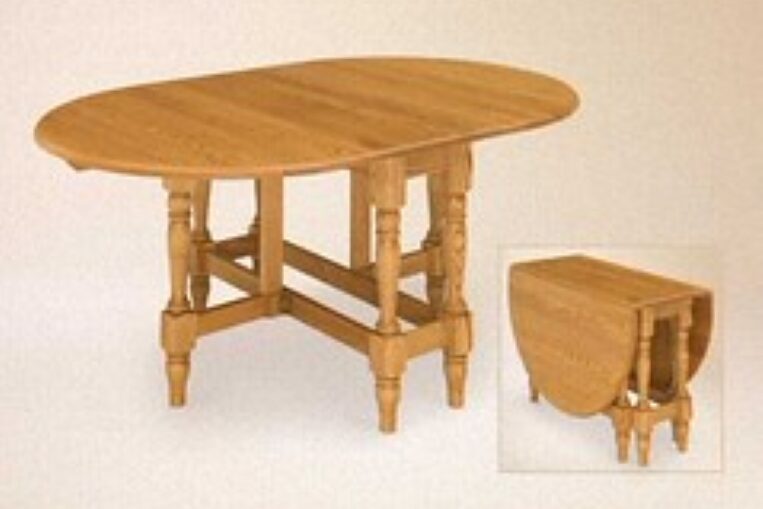
Tables weren’t always permanent fixtures in homes. In earlier times, they were often brought out only when needed and then stored away. They served a purpose, but they weren’t central to the home in the way they are today. Meals, work, and activities didn’t always revolve around a fixed surface. As homes became more structured and lifestyles changed, tables took on a more permanent role. They became places where people gathered, shared meals, worked, and connected.
Historians often explain that “tables gradually evolved from functional, movable surfaces into central pieces of household furniture,” which reflects that shift clearly. Today, a table is more than just a surface, it’s where conversations happen, where routines form, where moments are shared without much thought.


