
1. Moving Too Fast at Arrival

The first ten minutes of a trip quietly shape how everything else feels, even if we rarely notice it. Many travelers rush off planes or out of stations, grabbing bags, checking phones, and moving fast without pausing. That rushed energy follows them. Slowing down helps you arrive mentally, not just physically. Take a breath, notice the space, and check your belongings. This gentle start creates calm and patience. When you begin grounded, decisions feel easier, stress stays lower, and the journey feels intentional rather than chaotic from the very beginning. It supports confidence, focus, and emotional balance throughout travel days.
2. Ignoring Phone Setup Immediately

Many travelers delay setting up their phones after landing, assuming it can wait until later. Confusion often follows when maps fail, messages stall, or data disappears unexpectedly. The first few minutes are the easiest time to connect to WiFi, adjust roaming, and save directions. Doing this early prevents stress when energy drops. A ready phone provides reassurance in unfamiliar places. It helps you move confidently instead of second guessing every step. When your phone works properly from the start, you feel organized and supported. That quiet readiness shapes smoother decisions and keeps frustration from creeping into the trip too soon.
3. Forgetting to Get Local Cash
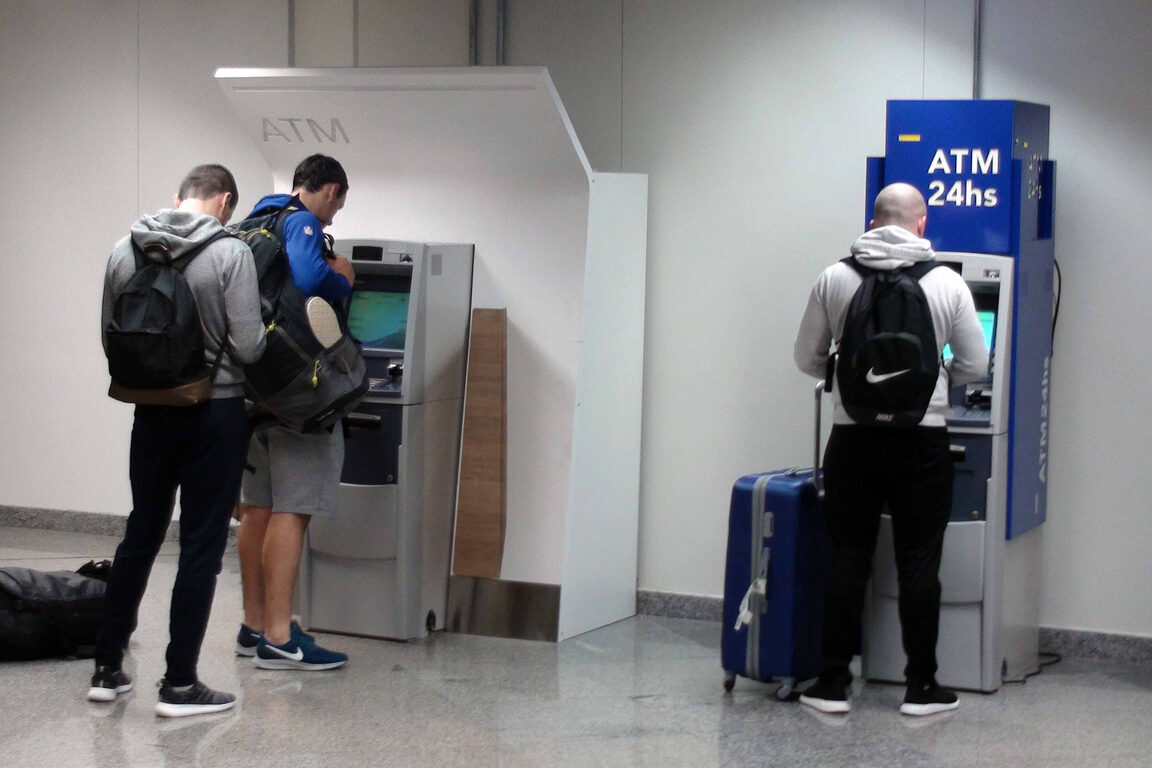
Relying completely on cards feels convenient until it suddenly is not. Small taxis, tips, snacks, or restrooms often require cash, and discovering this later adds stress. Arrival areas are usually the easiest places to withdraw local currency. Taking care of it early removes a quiet worry from your mind. You interact more comfortably when payment feels simple. That confidence carries into other decisions. Starting with local cash helps you feel prepared and capable. It keeps early moments focused on settling in rather than scrambling to solve a problem you could have avoided easily.
4. Overlooking Basic Comfort Needs

Excitement often causes travelers to forget simple needs like using the restroom or stretching after arrival. Later, discomfort builds while standing in lines or sitting in traffic. Addressing comfort early makes a noticeable difference. Arrival points are predictable and accessible. When your body feels settled, your mood improves. You become more patient and attentive. This small act of care prevents irritability from shaping first impressions. A trip that begins with physical comfort feels kinder and easier. Taking care of yourself early helps everything else flow more smoothly and keeps small discomforts from growing louder.
5. Skipping Arrival Details Review

Many travelers skim arrival messages and assume they remember important details. Later, confusion appears around directions, entry instructions, or meeting points. The first ten minutes are ideal for rereading confirmations and saving addresses. Doing this early avoids stress when you are tired or distracted. It also shows respect for schedules and hosts. Knowing exactly where you are going creates calm. That clarity frees your attention for the experience itself. A prepared arrival keeps small oversights from becoming frustrating problems and helps the trip begin smoothly without unnecessary calls, delays, or awkward explanations later on.
6. Accepting the First Ride Offered

After arrival, ride offers appear quickly and sound appealing when you feel tired. Many travelers accept without checking options or prices. Fatigue makes quick decisions tempting. Taking a moment to compare official transport choices saves money and stress. That pause restores control. Beginning the trip with a thoughtful decision builds confidence. You avoid regret and feel secure. Transportation choices often shape first impressions more than expected. A calm decision early keeps frustration away and sets a steady tone. Starting without pressure allows the journey to unfold more smoothly instead of feeling rushed from the very start.
7. Not Saving Your Accommodation Address

Relying on memory or internet access can fail quickly after arrival. Phones lose power and signals drop without warning. Saving your accommodation address offline or writing it down early provides peace of mind. You move freely knowing you can always find your way back. That security reduces anxiety. When you are not worried about getting lost, exploration feels lighter and more enjoyable. This small preparation supports confidence throughout the trip. Feeling oriented helps you enjoy your surroundings instead of constantly checking directions or wondering whether you will remember where you are staying later on.
8. Dressing Without Adjusting

Arrival weather often feels different from what you expected during planning. Travelers step outside overdressed or underdressed and feel uncomfortable immediately. Taking a minute to adjust clothing helps your body settle. Physical comfort strongly affects mood. When you feel comfortable, patience increases and small inconveniences feel manageable. Making this adjustment early shows care for yourself. It prevents irritation from shaping early moments. Starting the trip physically at ease supports clearer thinking, calmer reactions, and a more pleasant transition into unfamiliar surroundings as you move forward with less distraction.
9. Checking Messages Instead of Observing

Phones often come out instantly after arrival, pulling attention away from the moment. Messages distract from signs, directions, and surroundings that help you orient yourself. Those first minutes are valuable for noticing where you are. Looking around helps you understand the space and rhythm of the place. Staying present reduces mistakes and stress. Messages can wait. When you allow yourself to arrive fully, you connect faster. Paying attention early helps you move with awareness instead of distraction. The experience feels real sooner when you look up and take in what is around you.
10. Forgetting to Eat or Drink

Travel quietly drains energy, even when excitement masks it. Many travelers rush onward without water or food and feel irritable without knowing why. Using the first minutes to hydrate or eat something light stabilizes your body. Nourishment improves focus and patience. When hunger or thirst is handled early, challenges feel easier to manage. Starting cared for changes how you respond to delays or confusion. A small snack or drink quietly supports the entire experience. It helps the trip begin on a steadier note and keeps minor discomforts from affecting your mood.
11. Holding Rigid Expectations
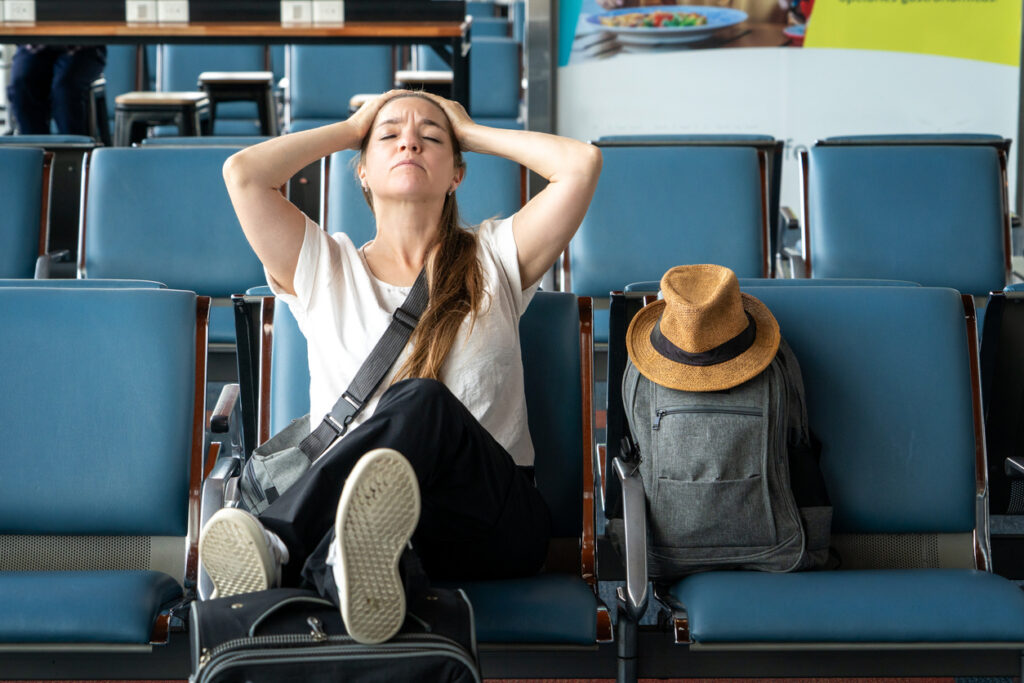
Many travelers arrive carrying strong expectations about how everything should look and feel. When reality does not match the picture in their head, frustration appears quickly. Traffic, crowds, delays, or weather changes are normal parts of travel. The first ten minutes offer a chance to reset mentally. Letting go of control allows flexibility. When you accept what is happening, tension softens. You become more open to discovery. A flexible mindset turns inconvenience into experience. Beginning without rigid expectations helps the trip feel lighter and more enjoyable as moments unfold naturally instead of feeling forced.
12. Forgetting to Reset the Clock
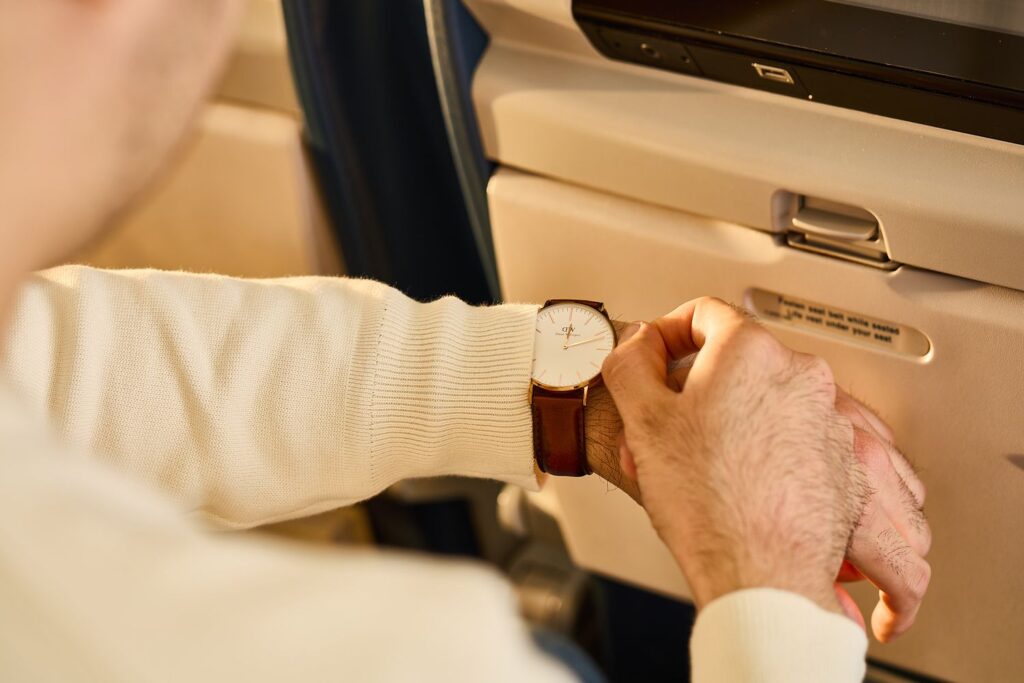
Jet lag confusion often starts because travelers forget to reset their devices to local time. When phones and watches still show home hours, sleep schedules and plans feel off. Resetting the clock immediately helps your mind adjust. It anchors you to where you are now. This simple action supports better rest and clearer planning later. Feeling aligned with local time helps the destination feel familiar sooner. Early adjustment reduces disorientation. When your sense of time matches your surroundings, you settle in faster and move through the day with more ease and confidence.
13. Ignoring Posted Signs
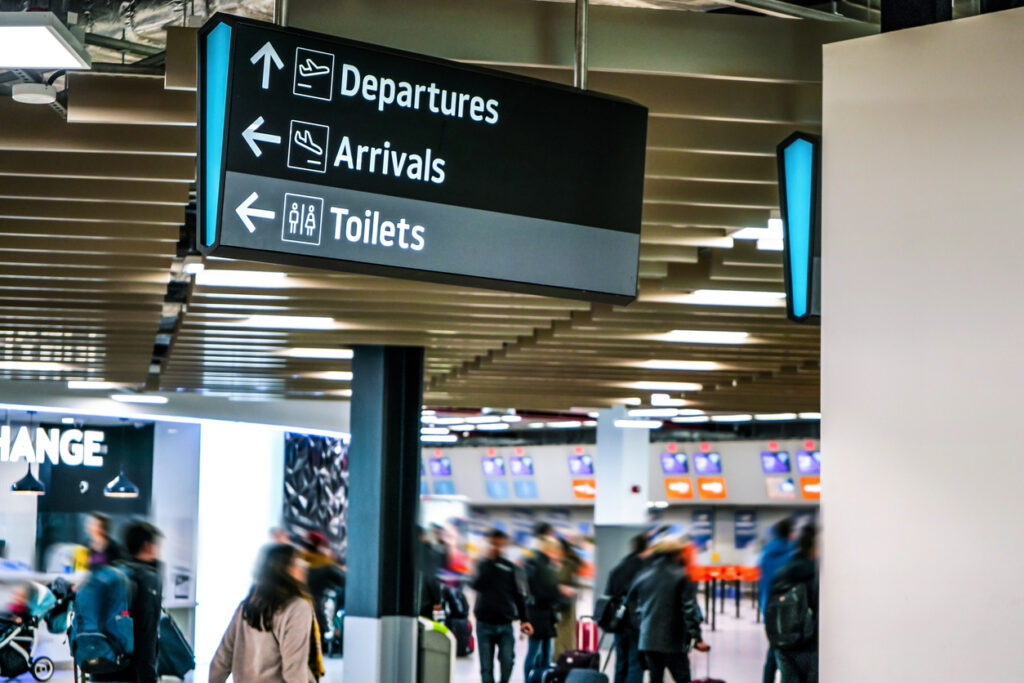
In a rush to exit, many travelers follow crowds instead of reading signs. This often leads to wrong turns and unnecessary stress. Arrival areas are designed to guide people clearly. Taking a moment to observe signage saves time and energy. Clear direction builds confidence when everything feels unfamiliar. Trusting signs helps you move smoothly through transitions. Awareness prevents small mistakes from growing into frustrating delays. Starting by paying attention instead of assuming creates a calmer experience. It allows you to navigate new spaces with intention rather than reacting blindly to movement around you.
14. Handling Important Documents Carelessly

Passports, tickets, and papers often get shoved into bags without thought during arrival. Later, travelers panic when they cannot find them quickly. Using the first minutes to organize documents prevents stress. Keeping essentials accessible reduces risk and saves time at checkpoints. When important items are secure, you relax. That sense of order supports every interaction that follows. A calm approach to documents helps the trip begin responsibly. Feeling organized early allows you to focus on experiences instead of worrying about misplacing something important during moments when attention is already stretched thin.
15. Skipping a Quick Plan Check

Some travelers rush ahead without reviewing what comes next. They forget transfers, timing, or priorities and feel overwhelmed too soon. Pausing briefly to check plans creates clarity. You move with purpose instead of guessing. Awareness helps the day flow naturally and highlights where rest is needed. Starting informed allows flexibility when things change. Feeling prepared early reduces anxiety and supports better decisions. A quick review during the first minutes helps the journey feel intentional rather than reactive. It keeps small oversights from disrupting the rhythm of the day ahead.
16. Packing Too Much into Day One

Excitement makes many travelers overpack their arrival day with activities. They want to see everything immediately and forget to rest. This leads to exhaustion before the trip truly begins. Arrival day works best when it is gentle. Listening to your energy protects enjoyment. When you pace yourself early, the rest of the journey feels sustainable. You notice more and remember more. Starting calmly leaves room for curiosity instead of pressure. Letting the place reveal itself slowly creates a richer experience and keeps burnout from stealing moments meant to be enjoyed.
17. Missing Local Social Cues

Every destination shows its social rhythm right away, but rushing travelers often miss it. Observing how people greet, queue, or move teaches respect. Watching before acting helps you blend naturally. It prevents awkward moments and misunderstandings. Curiosity builds connection. When you notice small behaviors, interactions feel warmer and smoother. A respectful beginning shapes how locals respond to you. These early observations help you move with awareness rather than assumption. Starting by learning instead of leading creates a more comfortable experience for both you and the people around you.
18. Complaining Too Quickly

Fatigue makes complaining easy during arrival. Travelers voice frustration about crowds, delays, or confusion almost immediately. That tone spreads and affects mood. Choosing patience early shifts perspective. Remembering why you traveled helps soften irritation. Gratitude leaves space for appreciation. Starting without complaint improves your own experience and influences companions positively. A calm attitude during the first minutes often determines how challenges feel later. When you respond gently instead of loudly, the trip begins on a steadier note and remains easier to enjoy as situations change.
19. Forgetting Personal Awareness
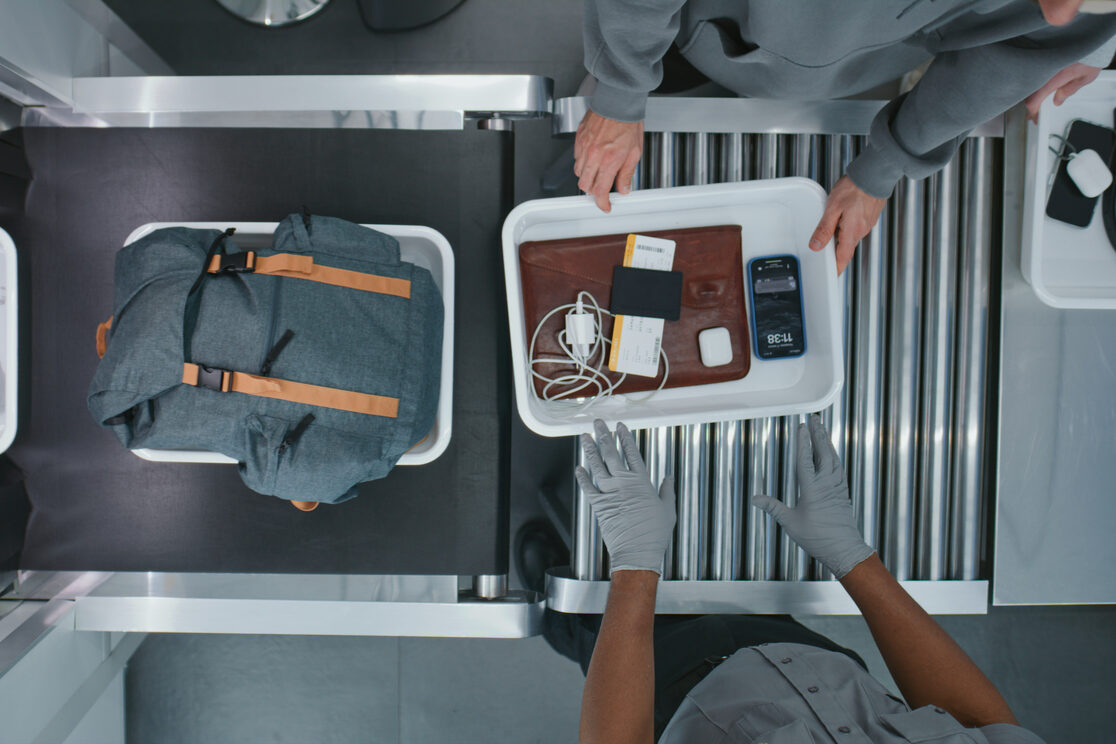
Arrival distractions make travelers careless with belongings. Bags stay open and pockets unchecked while attention is elsewhere. Taking the first minutes to secure your items builds confidence. Awareness does not mean fear. It means presence. Feeling safe allows relaxation. That comfort supports enjoyment and freedom. A secure start lets you explore without constant worry. When you feel in control early, everything else feels lighter. This quiet attentiveness protects both your belongings and your peace of mind as you move forward into unfamiliar spaces.
20. Not Letting Yourself Arrive

The final mistake is rushing past the arrival moment itself. Travelers move so fast they miss the feeling of being somewhere new. Pausing to breathe and observe matters. Those first minutes shape memory and mood. Ending them grounded and curious helps the trip unfold naturally. Small choices early influence everything later. When you allow yourself to truly arrive, the journey begins with intention. That awareness stays with you long after returning home, reminding you that travel is not only about movement but about presence and how you choose to begin.


