
1. Psy Horse Dance Moment
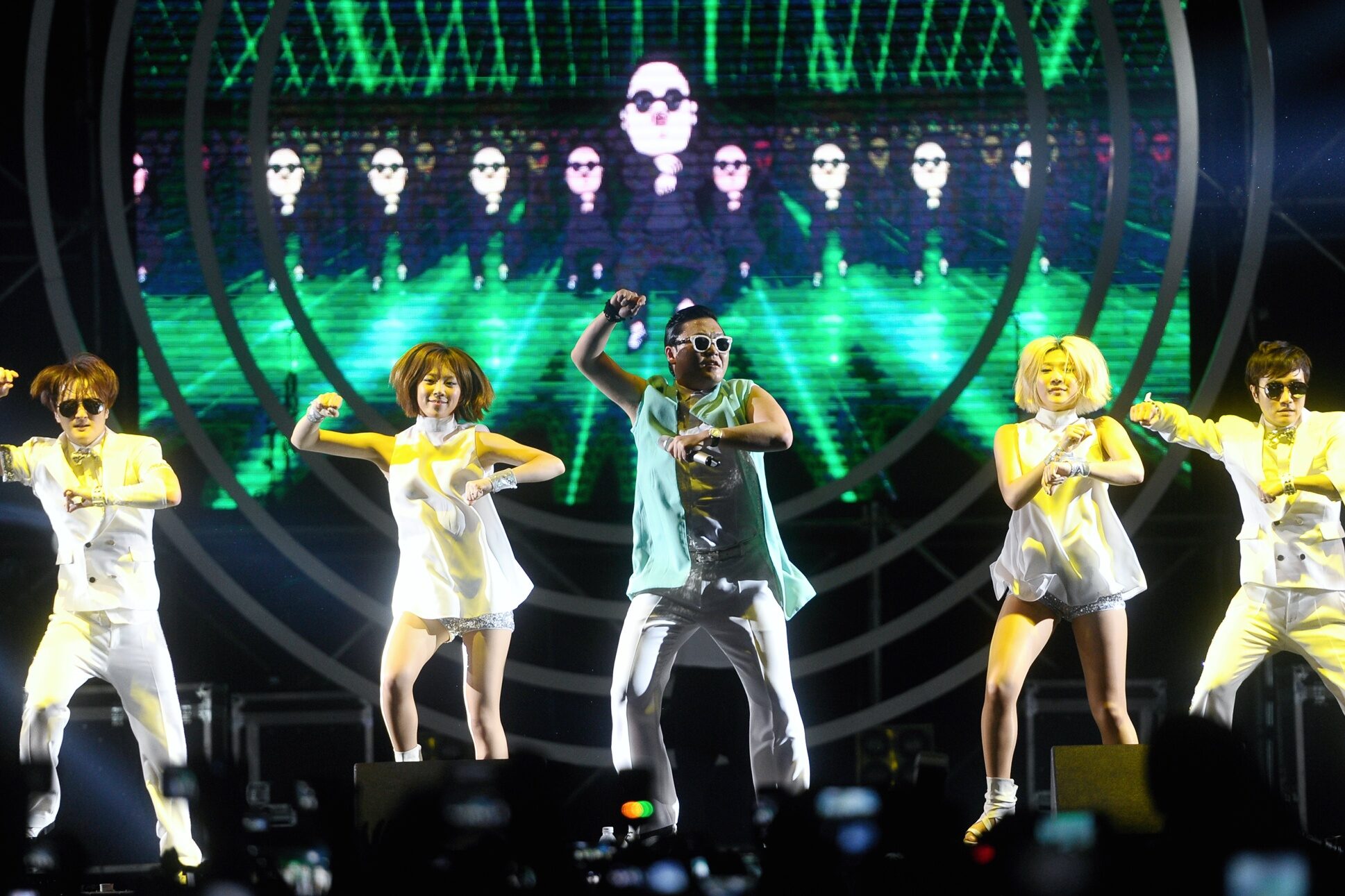
Sometimes a silly song arrives when nobody expects it, and before anyone understands what is happening, the whole world is laughing, dancing, and pressing replay. That is exactly how Gangnam Style entered everyday life. The video felt playful from the first seconds, with exaggerated confidence, colorful scenes, and that unforgettable horse dance that looked ridiculous yet strangely satisfying to copy. People shared it first as a joke between friends, almost like saying, look at this funny thing I found. Offices tried the dance during lunch breaks, students performed it at school events, and families replayed it just to smile again. The fun never felt forced, which made it easy for anyone to join without feeling embarrassed.
What really pushed the song forward was how welcoming it felt. You did not need to understand the language or follow Korean pop trends to enjoy the rhythm and the humor in the performance. It became one of those rare cultural moments where laughter traveled faster than explanation. Soon the dance stopped being a joke and started feeling like a shared memory, the kind people still recognize instantly years later.
2. The Lemonade Stand Duck
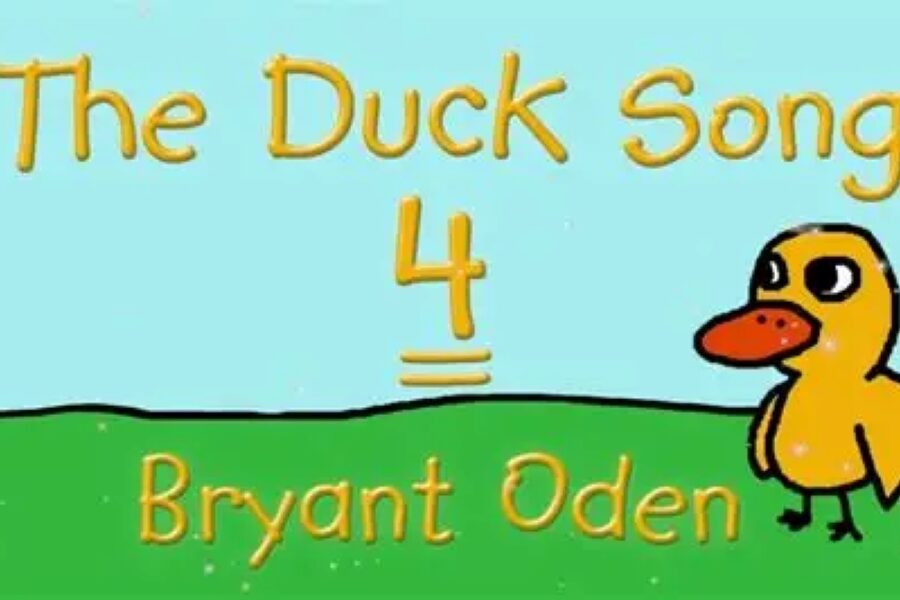
The Duck Song sounded like something small enough to stay hidden on the internet forever, yet it quietly slipped into classrooms, homes, and long car rides with children singing in the back seat. The story is simple, almost stubbornly simple. A polite duck walks into a lemonade stand and asks for grapes, again and again, while the confused seller keeps answering. The repetition is the entire joke, but somehow that repetition is also what makes the song stick. Kids quickly learn the lines, adults smile at the predictable punchline, and before long everyone knows exactly what comes next even before the duck speaks.
Part of its charm comes from how gentle the humor feels. Nothing loud, nothing flashy, just patient storytelling that invites listeners to follow along. Parents often replayed it because it felt harmless and oddly calming compared to louder children’s music. Over time the little animated duck became one of those early internet characters people remember with quiet nostalgia, proof that even the smallest musical joke can travel very far when it feels friendly enough to welcome everyone.
3. The Fox Question Nobody Expected
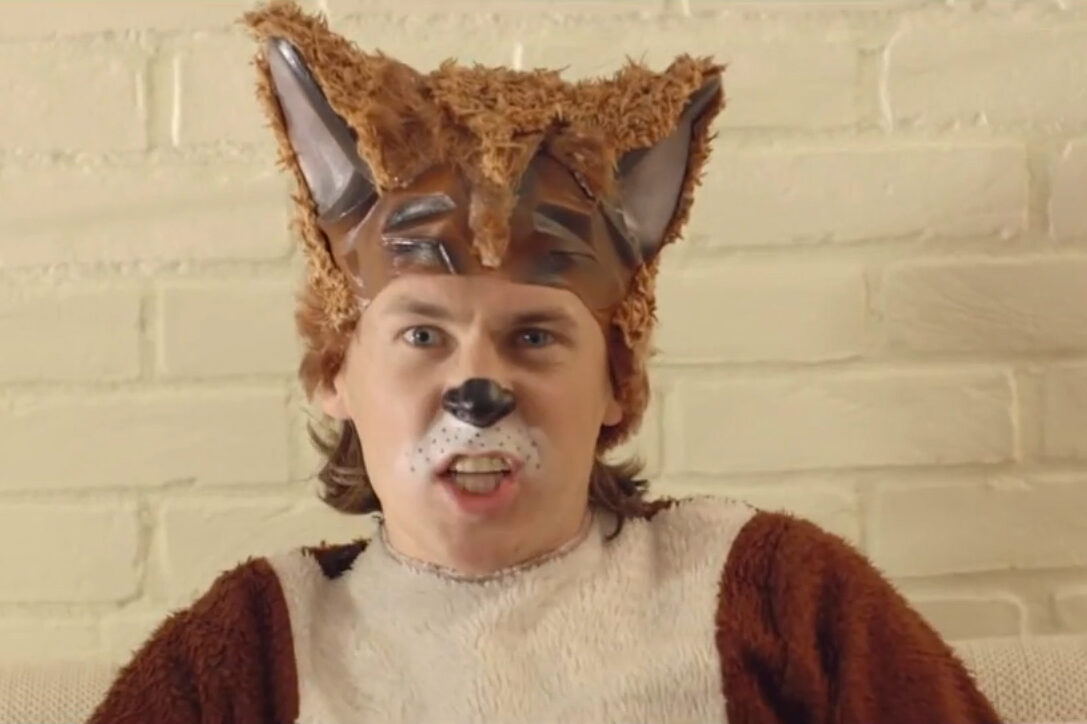
When The Fox appeared, many listeners honestly thought it was just a comedy sketch pretending to be a music video. The dramatic opening, the polished electronic beat, and the serious singing created the perfect setup for the ridiculous animal noises that suddenly exploded in the chorus. People clicked out of curiosity and stayed because the production sounded surprisingly strong. Friends sent it to each other saying you need to hear this strange thing, and that sharing habit pushed the song into offices, dorm rooms, and party playlists almost overnight. Children loved shouting the animal sounds, while adults laughed at how perfectly it imitated serious dance music before breaking into nonsense.
What helped the song survive beyond the first laugh was the full commitment behind it. Nothing felt half done or careless. The performers treated the absurd idea with complete seriousness, which somehow made the humor land even better. Soon the question about what sound a fox makes stopped feeling like a random joke and started feeling like a global inside conversation that almost everyone had heard.
4. Aqua Plastic Pop Fantasy
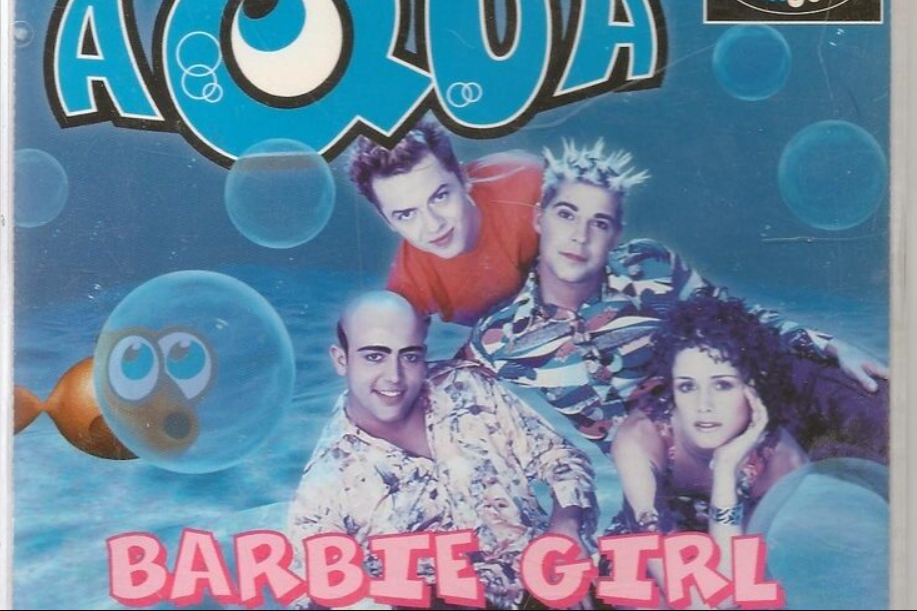
Barbie Girl arrived sounding like a bright plastic toy world turned into a song, complete with playful voices, exaggerated conversations, and a chorus that practically demanded to be sung out loud. Many listeners laughed the first time because the performance felt intentionally over the top, almost like a musical cartoon rather than a traditional pop release. Still, the melody was so cheerful that people kept replaying it. School discos, bus rides, and casual radio afternoons slowly absorbed the song until it felt completely normal to hear it anywhere. Friends joked about the lyrics, yet they still knew every word.
The reason it lasted is surprisingly simple. Beneath the playful surface sat a perfectly structured pop tune that was easy to remember and easy to sing with other people. The humor never felt sarcastic or harsh, only colorful and theatrical. That made it feel safe for every age group, from teenagers to parents. Long after its release, the opening notes still spark instant recognition, showing how a song that embraces its own silliness can quietly earn permanent space in global pop memory.
5. The Wedding Dance Everybody Learned
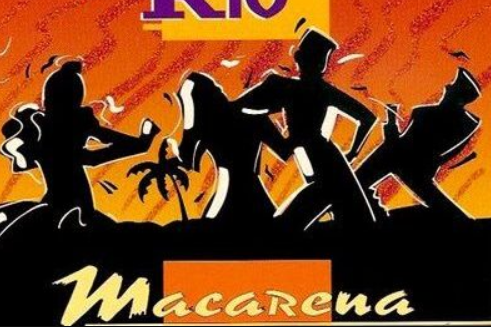
Macarena did not explode because people deeply analyzed the lyrics. It exploded because someone realized the dance could be learned in less than five minutes, even by people who usually avoid dancing completely. Once groups started practicing the simple arm movements and turns together, the song transformed from background music into a social activity. Weddings adopted it first, then school assemblies, then sports events. The shared awkwardness actually made it more enjoyable, since everyone expected to make at least one mistake and laugh about it with friends standing nearby.
That collective participation gave the song a life far beyond radio charts. You did not need rhythm, training, or confidence. You only needed to follow the person in front of you and keep smiling. Soon entire crowds could perform the routine almost automatically whenever the intro began. Even years later, many people still remember the steps without thinking, which says a lot about how strongly shared movement connects to memory. Sometimes the biggest hit is simply the one that invites the most people to join together.
6. Lou Bega Cheerful Roll Call
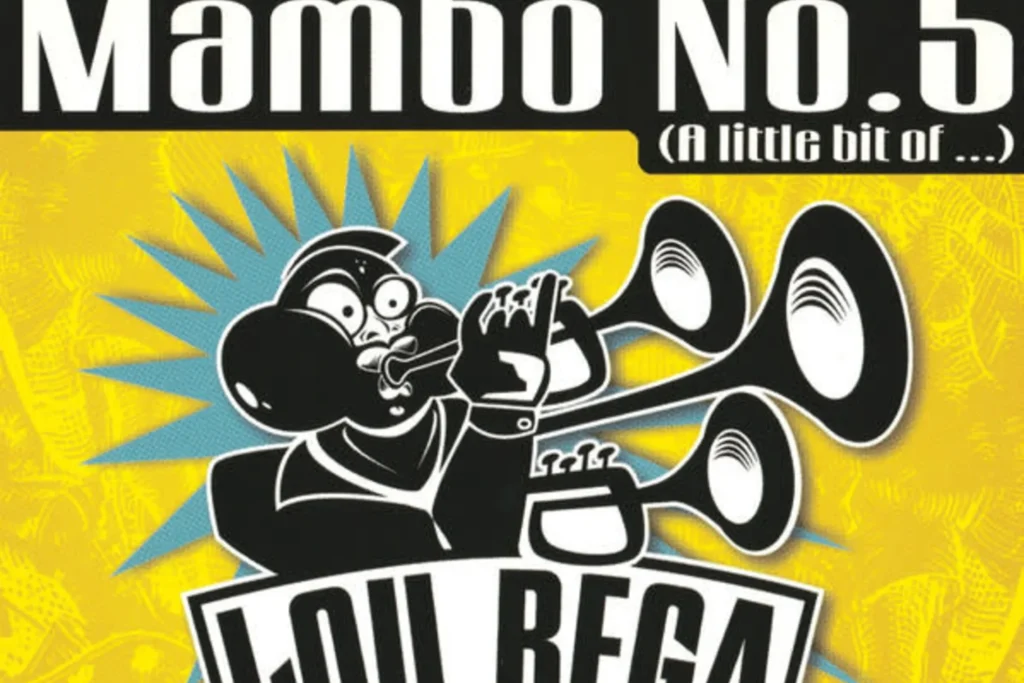
Mambo No. 5 entered the scene with bright brass energy and a playful storytelling style that sounded like someone happily narrating a summer adventure. The song lists a series of romantic encounters with theatrical enthusiasm, and many listeners immediately sensed the humorous wink behind the performance. It felt less like serious confession and more like a cheerful character telling stories at a lively party. Radio stations loved its upbeat tempo, while dance floors appreciated how easily the chorus stuck after only one listen. Friends often joked about inserting their own names into the roll call, which made the song feel interactive.
That playful openness helped the track cross generations. Older listeners enjoyed the vintage swing influence, while younger audiences connected with the catchy rhythm and memorable structure. Because the humor felt warm rather than mocking, it invited everyone to participate instead of just observe. Years later, the trumpet intro alone can still trigger instant smiles, proving that sometimes a lighthearted story delivered with genuine joy can travel much further than a carefully serious pop single.
7. The Barking Stadium Chant

Who Let The Dogs Out never really pretended to be a deep lyrical masterpiece. From the first bark, it sounded like pure crowd energy packaged into a three minute chant. That simplicity became its greatest strength. Sports arenas discovered almost immediately that entire audiences could shout the chorus together without rehearsal. School playgrounds copied it, birthday parties used it, and DJs learned it could restart a sleepy dance floor in seconds. The humor lived in the noise itself, playful and physical rather than clever or complicated, which made it easy for any age group to join.
Because the hook required no singing skill, it traveled quickly between countries and languages. Anyone could bark along and feel included. The track slowly became less about listening through headphones and more about shared public moments filled with laughter and jumping crowds. Even people who claim not to like the song often recognize it instantly when it plays. That kind of immediate recognition shows how powerful simple communal fun can be when a song focuses entirely on participation.
8. The Dancing Banana Loop
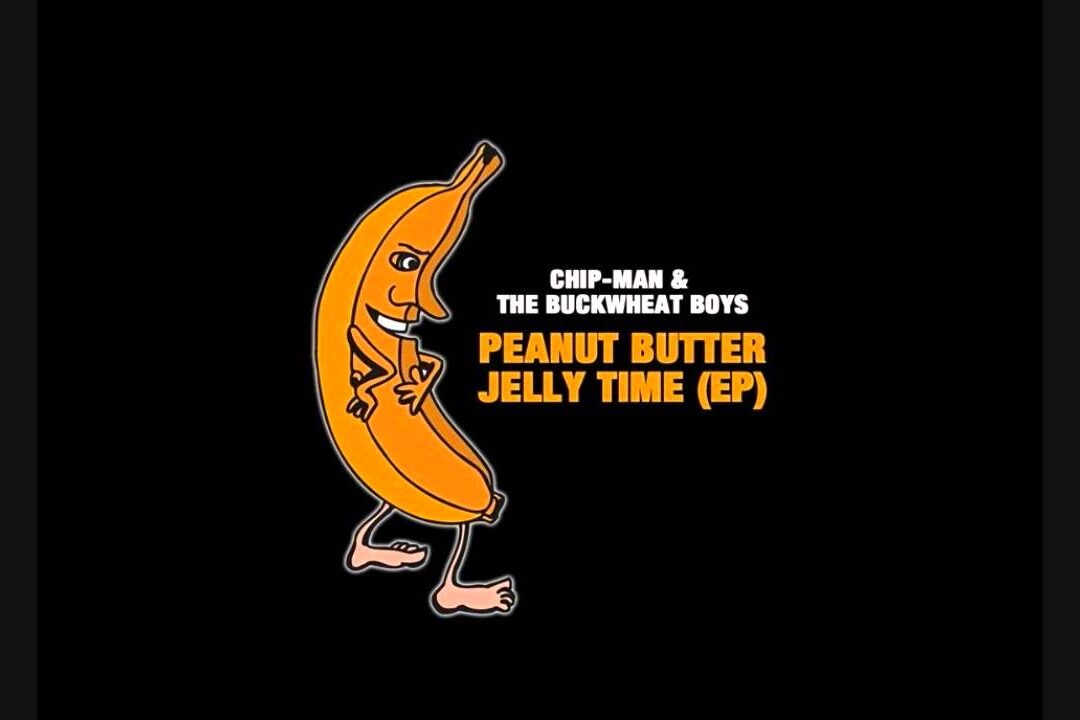
Peanut Butter Jelly Time felt like something created purely for a quick laugh, a looping banana dancing endlessly while a relentlessly cheerful chant repeated behind it. Early internet users shared it casually, assuming it would disappear after a few weeks like many small online jokes. Instead, the rhythm proved strangely energetic, and the short looping structure made it perfect for replaying during chats, gaming sessions, or late night browsing. Friends began quoting the chorus ironically, then realized it stayed stuck in their heads far longer than expected.
What made the track memorable was its refusal to take itself seriously. It delivered pure enthusiasm without explanation, almost like a digital cheer designed to boost mood instantly. DJs eventually slipped it into party mixes just to spark surprised laughter from the crowd, and it often worked. Over time the dancing banana became one of those early internet symbols people recall with affectionate nostalgia, representing a moment when online humor first started shaping global musical memory.
9. The Love Song Turned Prank Legend
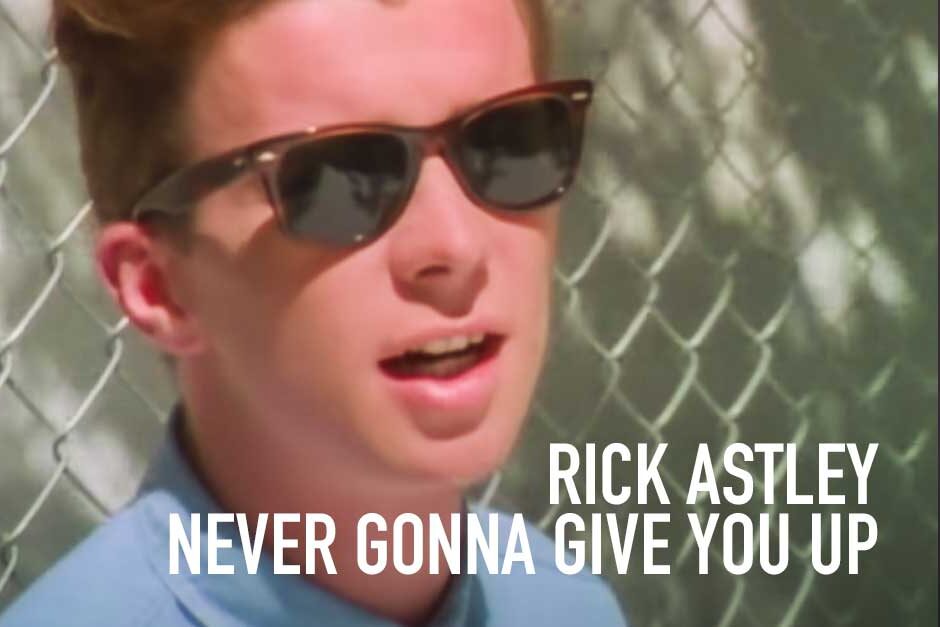
Never Gonna Give You Up began as a sincere pop love song, complete with smooth vocals and a polished eighties production style. For years it simply existed as a nostalgic radio favorite until internet users transformed it into the ultimate surprise link prank. Suddenly millions of people clicked expecting something else and instead found the familiar opening beat and Rick Astley smiling at the camera. What could have ruined the song somehow revived it. Younger listeners discovered it through the joke, while older fans enjoyed seeing it return to public conversation.
The strange magic came from the fact that the track itself was genuinely catchy. After the initial laugh, many listeners admitted they actually liked hearing it again. Public events even began playing the intro intentionally, knowing crowds would react instantly. Instead of fading into past decades, the song gained a second cultural life built entirely on shared online humor. It stands as a perfect example of how audiences sometimes reshape a song’s meaning in ways no original producer could ever predict.
10. The Shark Song Parents Could Not Escape
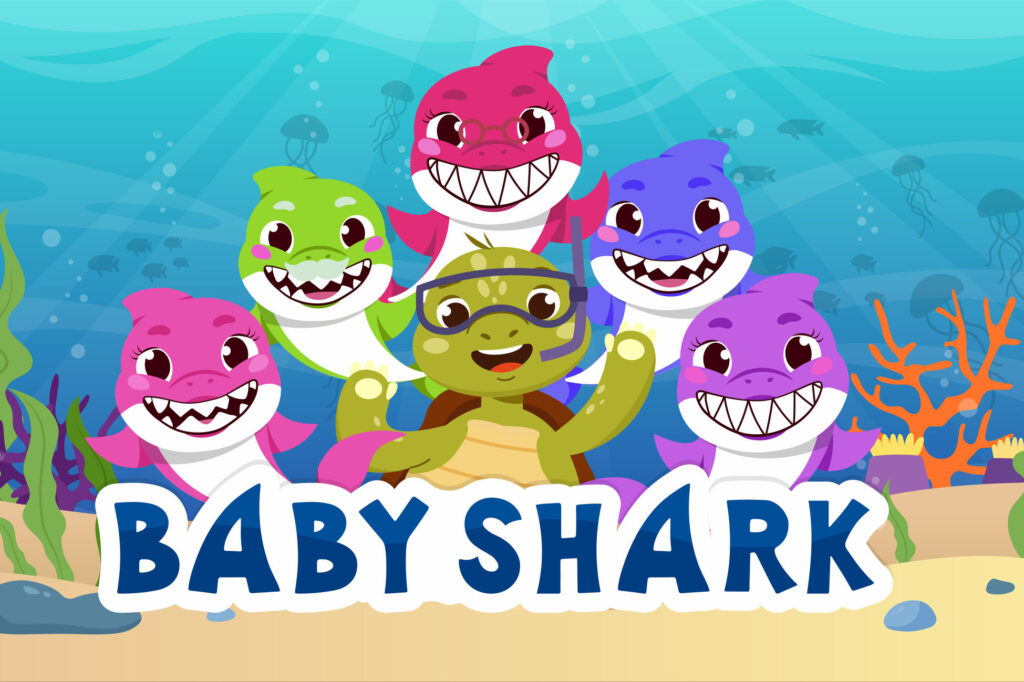
Baby Shark started as a tiny children’s singalong with simple hand motions and a melody gentle enough for toddlers to follow. Nothing about it suggested worldwide domination at first. Then families discovered how strongly young children connected with the repeating structure and cheerful storytelling. Parents everywhere watched their kids demand the song again and again, often laughing in disbelief at how quickly the chorus took over daily routines. Birthday parties, preschool classrooms, and family road trips all adopted it almost simultaneously, turning the track into a shared parenting experience.
What made it unstoppable was its extreme clarity. Every motion matched a lyric, every verse built predictably, and every repetition made participation easier. Adults joked about surviving endless replays, yet many still found themselves humming it later without noticing. The humor came from its innocence rather than sarcasm, which kept it friendly for all ages. By the time anyone questioned its popularity, the song had already become one of the most recognizable children’s tunes on the planet.
11. The Techno Country Whirlwind
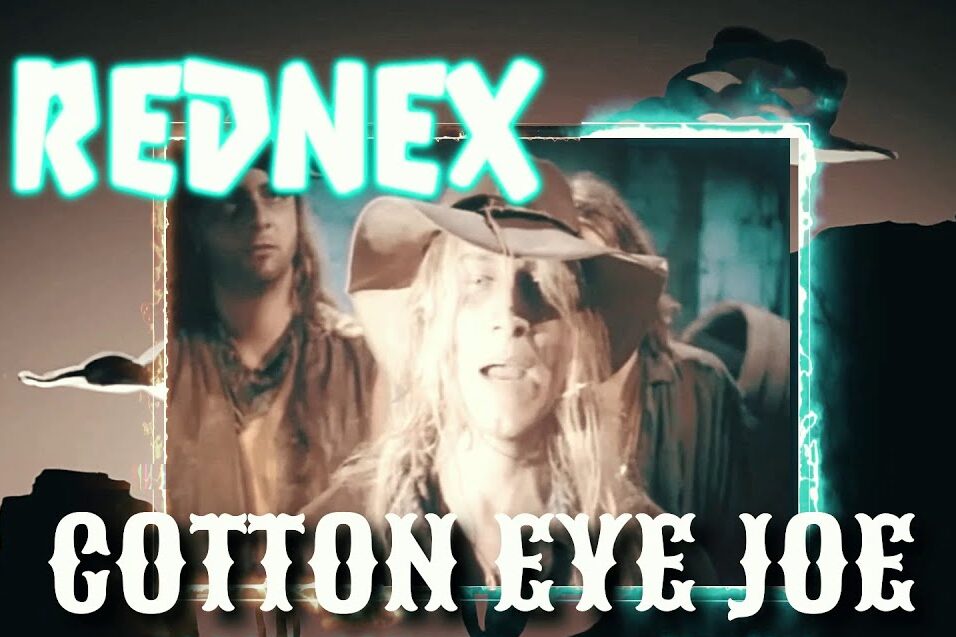
Cotton Eye Joe sounded like the kind of experiment someone made late in the studio just to see what would happen if folk fiddles met club beats. The opening violin rush feels almost chaotic, followed by exaggerated vocals that many listeners first treated as a playful parody. Still, the tempo made standing still nearly impossible. School dances, sports halls, and weekend parties quickly discovered that once the rhythm kicked in, people naturally started jumping and clapping without needing instructions. Friends laughed at the over the top delivery while still rushing to the dance floor whenever the intro began.
What helped the song spread was that nobody felt pressure to dance perfectly. The energy encouraged messy movement, spinning, and group laughter instead of careful choreography. Because the track felt intentionally wild, it welcomed beginners as much as confident dancers. Over time the exaggerated sound stopped feeling strange and started feeling nostalgic, especially for people who remember hearing it at their earliest parties. Even now, those frantic fiddle notes still trigger the same instant reaction, proving that joyful chaos sometimes travels further than polished musical precision.
12. The Tiny Pen Pineapple Chant

Pen Pineapple Apple Pen felt almost too small to become a worldwide talking point. The performance was simple, the lyrics were intentionally basic, and the entire song barely lasted longer than a short conversation. Yet the exaggerated seriousness of the delivery made the nonsense phrases unexpectedly funny. Viewers shared the clip as a quick joke, often sending it with messages like this will make you laugh for one minute. The short length actually helped, since people could replay it several times without noticing how often they had heard it already.
Soon classrooms repeated the gestures, friends quoted the lines in casual conversation, and the strange little chant started appearing in playlists simply because it lifted the mood. Its success came from total honesty. It never tried to sound deep or impressive, only playful and energetic. That straightforward approach felt refreshing in a world full of overproduced pop releases. The song quietly showed that sometimes audiences respond most strongly to something that feels like pure spontaneous fun rather than a carefully engineered global launch.
13. The Friendly Halloween Monster Party
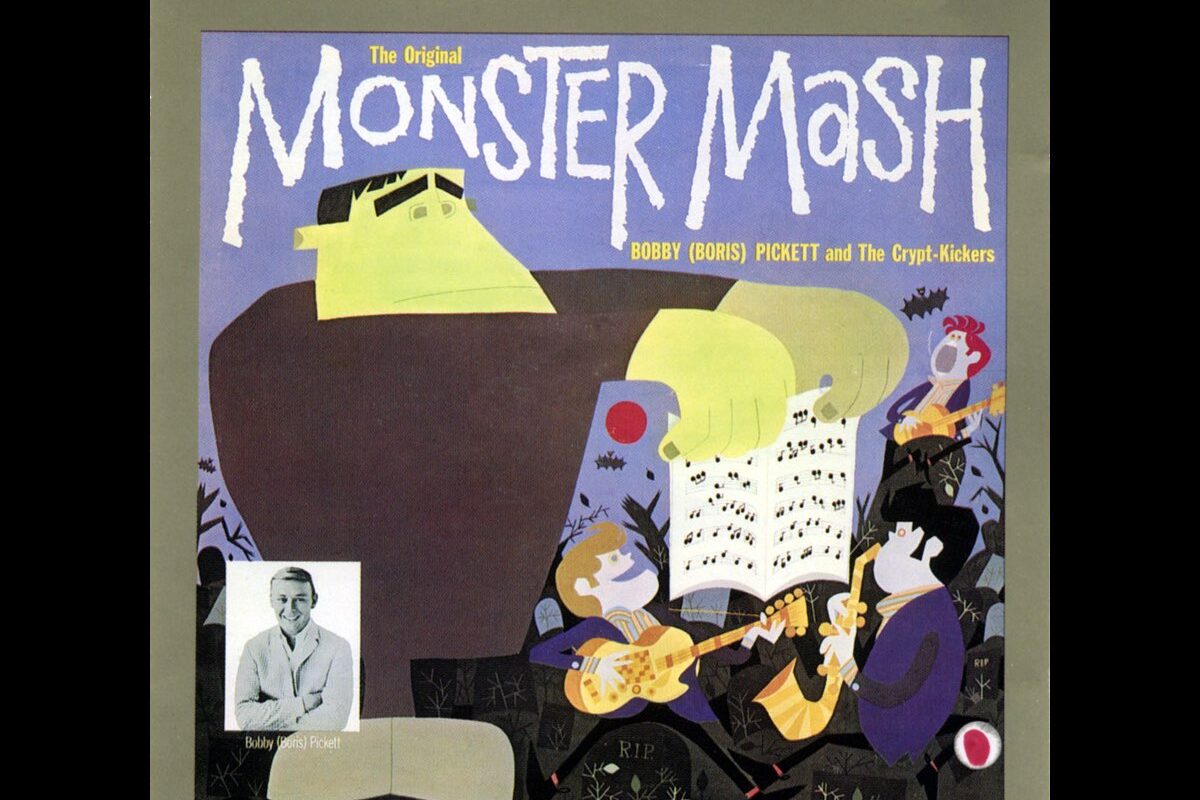
Monster Mash always sounded like someone gathered friends in a small studio and decided Halloween deserved its own playful soundtrack. The theatrical monster voices, dramatic storytelling, and cheerful rhythm made it feel closer to a radio comedy scene than a standard chart release. Families quickly adopted it for seasonal parties, school events, and neighborhood gatherings. Children loved the spooky but friendly tone, while adults appreciated how easy the chorus was to remember. Each October, the song returned almost automatically, like a musical signal that costume season had officially begun.
That yearly tradition helped the track build something stronger than short term popularity. Instead of burning bright and fading, it quietly became part of holiday routine. Parents introduced it to their children, who later played it for their own families. Because the humor stayed gentle and welcoming, the song aged comfortably without feeling outdated. Even listeners who rarely think about it during the year often smile the moment they hear the opening narration. Few novelty songs manage that kind of reliable seasonal return.
14. The Disco Letters Everybody Spells
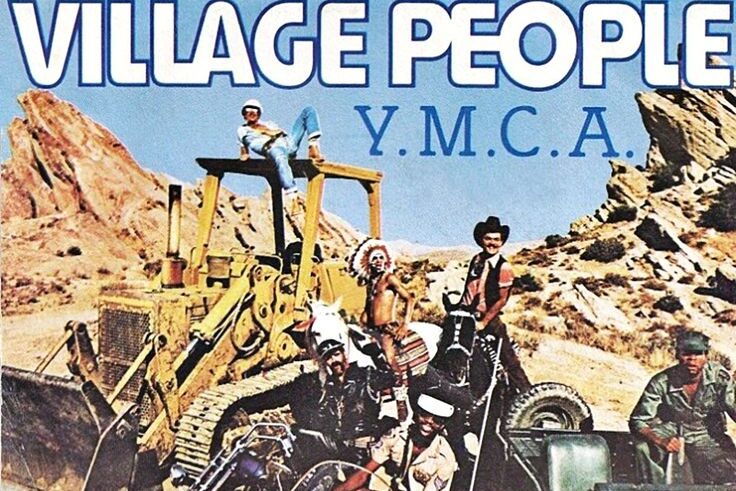
YMCA carried a theatrical charm from the beginning, with colorful characters, upbeat rhythm, and a chorus that sounded almost designed for crowd participation. The turning point came when audiences realized they could form the letters with their arms together. Suddenly the song was no longer just something to hear, it became something to perform. Weddings, office celebrations, cruises, and school reunions all discovered that even shy guests would eventually join once the familiar chorus arrived. Laughter spread quickly as strangers copied each other’s movements.
The humor helped remove any fear of looking silly. Since everyone expected to look slightly ridiculous, nobody felt embarrassed raising their arms and spelling along. That sense of shared permission turned the track into a permanent social ritual rather than a temporary disco hit. Over time the playful dance became inseparable from the music itself. Even today, the opening notes often trigger automatic smiles because people already know what is coming next. It remains one of the clearest examples of how participation can transform a simple pop song into a lasting global tradition.
15. The Heartbreak Line Dance Starter
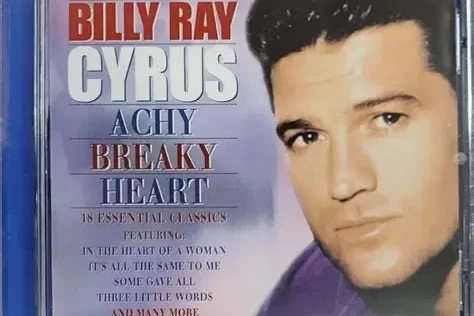
Achy Breaky Heart arrived with a straightforward country rhythm and a chorus simple enough for beginners to follow after one listen. Dance instructors quickly noticed that the steady tempo made it perfect for teaching early line dance steps. Community halls filled with first time dancers cautiously copying the routine, laughing whenever someone missed a turn. The shared learning process turned the song into a social experience rather than just background music. Soon local dance groups spread the routine beyond small towns and into larger clubs and televised performances.
Because the lyrics felt slightly dramatic yet easy to repeat, the track balanced humor and sincerity in a way that welcomed wide audiences. People who never considered themselves country music fans still joined the dance simply because it felt approachable. Over time the choreography became almost as memorable as the melody itself. Many listeners still remember practicing the steps with friends or family members, which keeps the song tied to personal memories instead of only radio history. That emotional connection helped it travel much further than anyone predicted.
16. The Holiday Resort Ketchup Dance
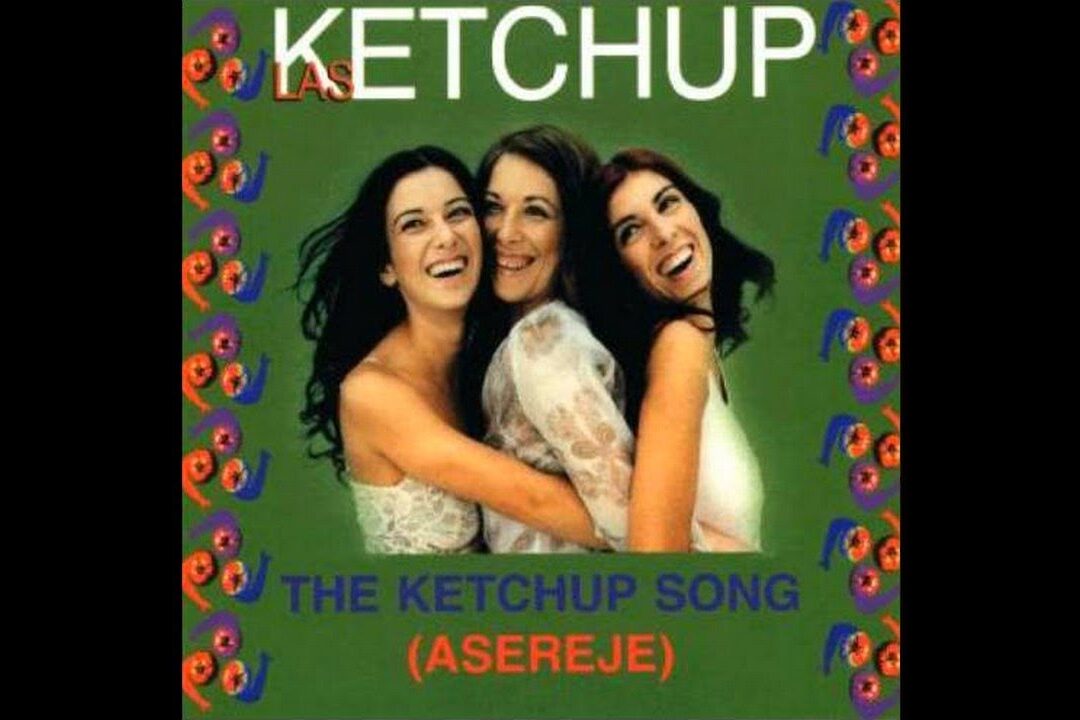
The Ketchup Song confused listeners in the most entertaining way possible. The lyrics sounded like playful nonsense to many ears, while the cheerful synchronized dance made it feel more like a group activity than a traditional single. Tourists learned the routine at beach resorts, summer festivals, and holiday parties, often copying the simple hand movements together after only one demonstration. Because the choreography matched the rhythm so closely, even shy participants felt confident joining after watching once.
That shared simplicity allowed the song to cross borders easily. You did not need to understand the words to feel included, since the dance carried the real meaning. Families brought the routine home from vacations, teaching friends at local celebrations, which helped the track spread organically from person to person. Over time the playful confusion became part of its charm, and hearing the intro still reminds many listeners of warm summer evenings filled with music, laughter, and group dancing. Few novelty hits capture that relaxed holiday memory quite as strongly.
17. The Accordion Comedy Storyteller
Shaddap You Face leaned completely into humorous storytelling, introducing a dramatic family character whose exaggerated complaints unfolded through playful spoken verses and a catchy accordion melody. Many early listeners assumed it would remain a short lived novelty, yet the rhythm proved surprisingly memorable. Friends repeated the punchlines to each other, almost like quoting favorite scenes from a comedy show, and that constant quoting helped the song travel beyond its initial release window into everyday conversation.
What made it last was the warmth underneath the humor. The character felt exaggerated but strangely relatable, and the melody kept everything grounded musically so the joke never felt empty. Radio stations found that audiences continued requesting it long after its debut, often smiling as soon as the familiar intro began. Instead of fading quickly like many comedic songs, it settled into nostalgic memory as a cheerful storytelling piece. Its journey shows that when humor feels affectionate and the tune remains strong, a novelty performance can quietly achieve real staying power.
18. The Joyful Nonsense Muppet Tune
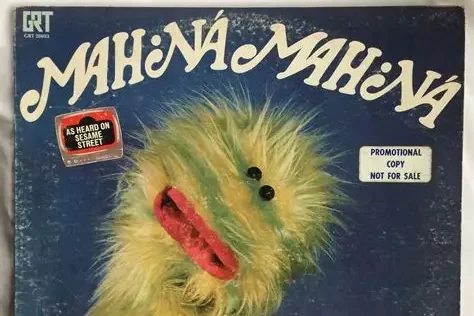
Mah Na Mah Na became famous largely through a cheerful television performance that embraced pure musical silliness. The lyrics carried no real meaning, only playful syllables repeated with bright enthusiasm while performers bounced through the stage with exaggerated timing. Children immediately loved shouting the sounds, while adults appreciated how the rhythm built anticipation before each familiar response. Because the tune required no translation, audiences everywhere could join in within seconds of hearing it for the first time.
That universal accessibility gave the song unusual longevity. It resurfaced in commercials, variety shows, and nostalgic playlists for decades afterward, often triggering instant recognition from people who had not heard it in years. The lack of literal meaning actually helped preserve its freshness, since nothing about it depended on cultural references that might age poorly. Instead it survives purely on rhythm, performance, and shared amusement. Few songs demonstrate so clearly that sometimes music connects strongest when it invites listeners to abandon seriousness completely and just enjoy the sound.
19. The Cartoon Campfire Singalong
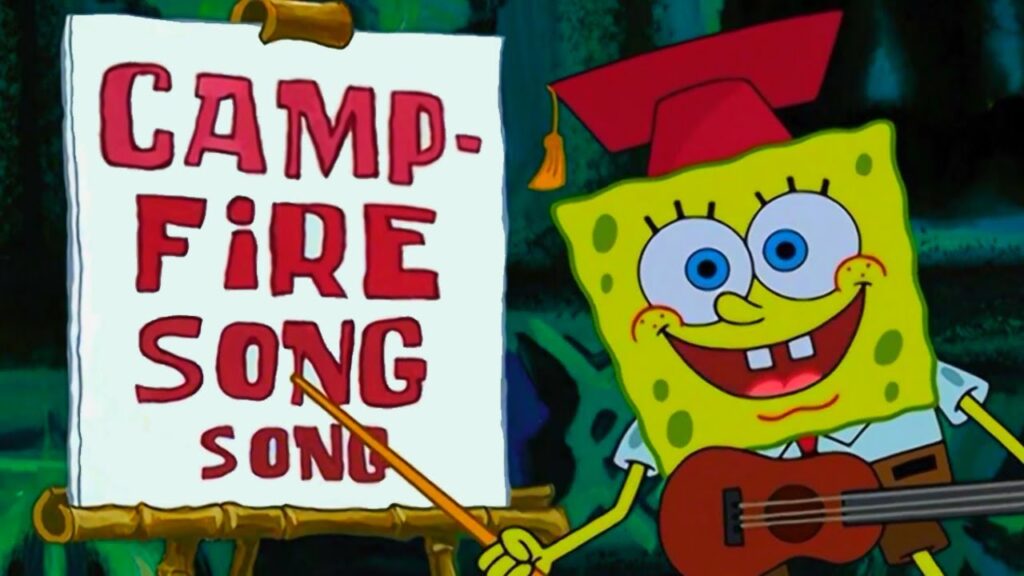
The Campfire Song Song from SpongeBob first appeared as a playful animated moment meant simply to entertain viewers within the episode. The enthusiastic spelling sequence, cheerful rhythm, and steadily growing chaos made it instantly memorable for children watching at home. Soon fans began repeating the letters with friends, posting clips online, and remixing the tune into short internet jokes. What started as a fictional gag slowly gained a life outside the cartoon itself, carried forward by the shared nostalgia of viewers who grew up with the show.
As those viewers became adults, the song followed them into online culture, where hearing it again often sparked warm memories of after school television and simple laughter. That emotional connection kept it circulating far longer than most cartoon novelty tracks. Even today, people can often recite the spelling section from memory, which shows how deeply childhood entertainment can embed itself into musical recall. The tune’s journey proves that sometimes the strongest staying power comes not from charts but from shared growing up experiences.
20. The Viral Friday Everybody Talked About
Friday entered the internet as a straightforward teen pop release, built around simple lyrics describing school days, friends, and excitement for the weekend. Early viewers shared it mostly out of surprise at how literal the storytelling sounded, and the clip spread rapidly through social media conversations. Some listeners laughed, some defended it, and many simply replayed it out of curiosity. Before long the chorus had settled into public awareness, repeated at parties, classrooms, and online discussions whether people intended to or not.
Over time the reaction softened and the song transformed into a symbol of how unpredictable pop culture can be. What began as a widely debated novelty slowly turned into a familiar nostalgic reference that many people now remember with unexpected fondness. In a quiet way, that journey reflects the whole story behind playful global hits. Songs we first treat as jokes often end up becoming shared time markers in our lives. If this list sparked a memory, share it with someone who still sings one of these out loud.


