
1. Jerry Lewis – The Clown and the Tyrant
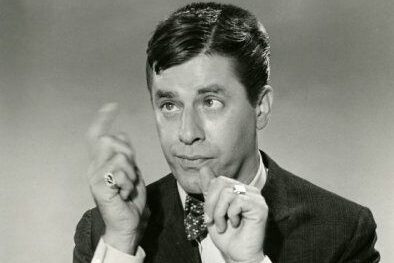
Hollywood has always thrived on illusion. Some stars lived contradictions so famous they became part of their legend. Jerry Lewis was one of them. To the world, he was a comic genius, a clown who could make anyone laugh. His telethons raised billions for children with muscular dystrophy, making him a national hero. Yet at home, his children described him as cruel and cold, a perfectionist with little tenderness to give. The revelations continued late in his life and after his death, including accounts that he dumped his first wife and their children, and later did not leave them a penny in his will. Lewis’s life showed how a man could preach compassion publicly yet fail to live it privately, leaving behind a legacy equal parts brilliance and bitterness.
2. Bing Crosby – The Warm Crooner the Cold Father
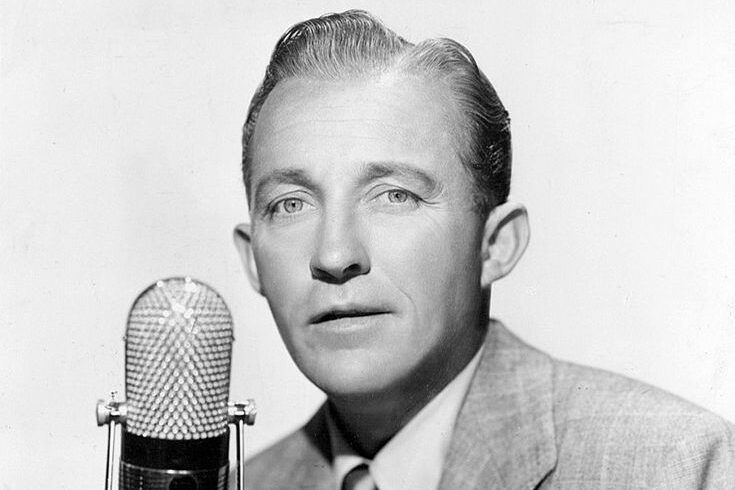
Bing Crosby’s deep, smooth voice defined comfort for generations, especially through songs like White Christmas that became family traditions. His films and music painted him as the very picture of warmth and stability. But behind closed doors, his children remembered a man far removed from the soothing presence fans adored. They described him as strict, even harsh, ruling the home with fear rather than tenderness. Two of his sons later took their own lives, leaving a painful shadow on his legacy. Crosby’s story is one where the cozy public image clashed hard with a cold private reality.
3. Joan Crawford – The Glamour and the Rage
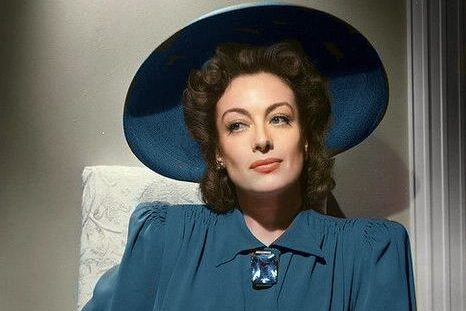
Joan Crawford was a Hollywood survivor, a woman who fought her way to the top and earned an Oscar for Mildred Pierce. On screen, she was glamorous and resilient, the embodiment of strength under fire. Off screen, her daughter Christina portrayed a very different reality in Mommie Dearest. Tales of obsessive control, violent rages, and emotional cruelty reshaped how the world saw her. Some dismissed the stories, others believed every word, but the cultural damage was lasting. Crawford’s carefully built legend of grit and glamour was forever complicated by accusations of a darker, more terrifying private side.
4. Lucille Ball – America’s Lucy Hollywood’s Mogul
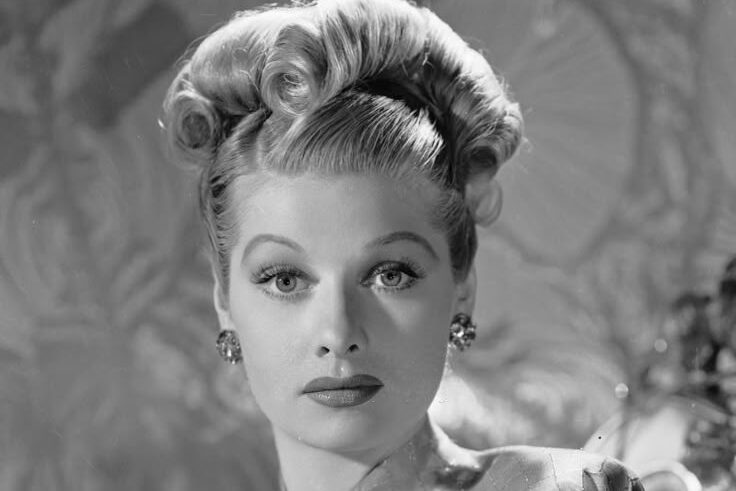
Lucille Ball was beloved for her antics as Lucy Ricardo, the scatterbrained housewife who stumbled into hilarious situations week after week. But once the cameras stopped rolling, Ball revealed her true self as a powerful mogul. She ran Desilu Productions, the studio behind cultural giants like Star Trek and Mission Impossible. Colleagues described her as sharp, tough, and business-minded. Ball herself once admitted she was not naturally funny, just determined and brave. America adored her ditzy on-screen persona, but the real Lucille was a pioneering executive whose strength changed television forever. She was far more than Lucy.
5. Charlie Chaplin – The Tramp and the Scandals
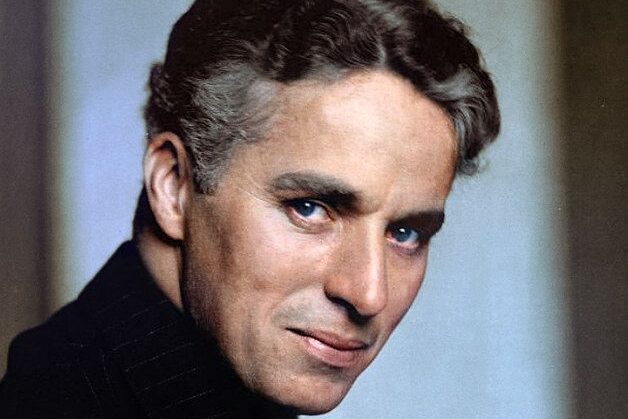
Charlie Chaplin gave the world the Little Tramp, a character who embodied innocence, humor, and kindness. He was a global symbol of compassion during a time of hardship. Yet his personal life told a messier story. Chaplin married several teenage brides, sparking endless controversy, and became entangled in a humiliating paternity suit. His outspoken political views led to suspicion in America, eventually pushing him into exile. Fans adored the gentle tramp who always fought for fairness, but the man behind the mustache lived with scandals that clashed with that reputation. His life was both brilliance and contradiction.
6. John Wayne – The Cowboy and the Controversy
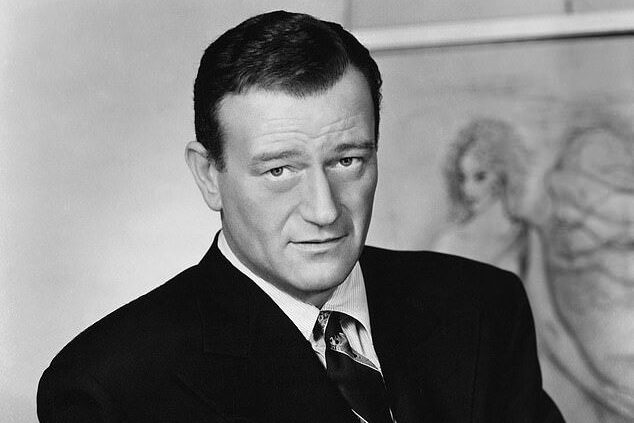
John Wayne was the rugged cowboy, the American hero whose roles defined masculinity and patriotism. He represented strength, loyalty, and the values Hollywood wanted to project onto the big screen. Off screen, the story was different, or perhaps, it was exactly the same, but his views were divisive. His outspoken views shocked fans, particularly his controversial statements in the early seventies that revealed prejudice against civil rights movements and marginalized groups, as he seemed to openly oppose communism and other views he considered un-American. The actor who embodied freedom and justice carried beliefs many found troubling. Today his legacy sparks debates, with admirers clinging to the hero while others focus on the man. Wayne remains a star whose image and reality diverged.
7. Rock Hudson – The Idol with a Secret
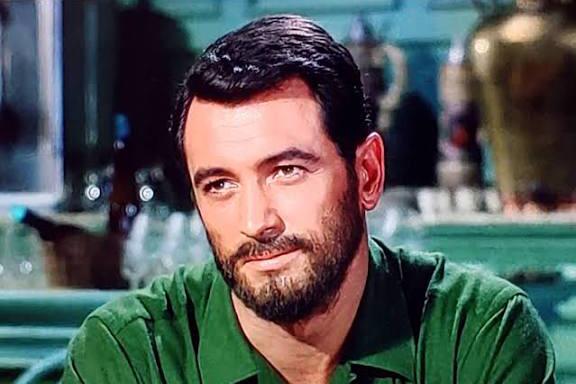
Rock Hudson stood tall as the leading man of his era, romancing Doris Day and embodying the perfect Hollywood gentleman. His on-screen presence defined traditional masculinity for millions of fans. Yet privately, he lived with a secret that the times would not accept. Hudson was gay, and his truth had to be hidden to protect his career. When his AIDS diagnosis became public in the eighties, it shocked audiences and forced America to confront the disease. The man who once symbolized strength revealed fragility, leaving behind a legacy that highlighted the painful cost of Hollywood’s enforced silence.
8. Doris Day – Sunshine with Shadows
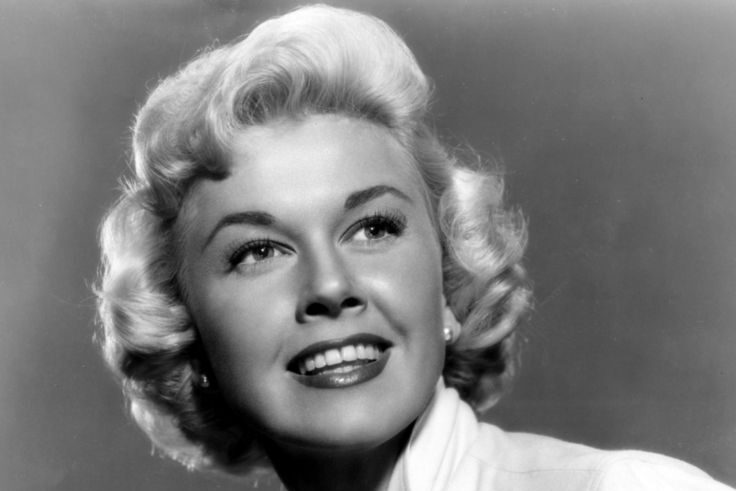
Doris Day shined bright as America’s sweetheart, radiating joy through cheerful musicals and lighthearted comedies. She seemed the very image of optimism and innocence. But her private life was scarred by heartbreak and betrayal. Abusive marriages left emotional wounds, and her husband’s financial mismanagement nearly ruined her. Day later admitted her struggles with depression and trust. Still, she rebuilt herself by dedicating her life to animal welfare, creating a new purpose away from film sets. The sunny image her fans adored was not false, but it came with shadows and a resilience forged through trials most never saw.
9. Mickey Rooney – From Boy Next Door to Chaos
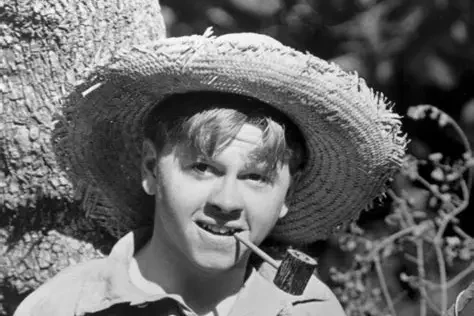
Mickey Rooney captured hearts in the thirties and forties with his youthful charm in the Andy Hardy films. He embodied wholesome innocence, the picture of the all-American boy next door. But adulthood brought a stormier reality. He married eight times, lived recklessly, and squandered much of his fortune. Addiction and turmoil followed him for decades, far removed from the simplicity of his on-screen life. Despite his undeniable talent, chaos often overshadowed his legacy. The sweet-faced child actor grew into a man whose life was messy and unstable, showing how fame can warp innocence into something very different.
10. Sammy Davis Jr. – The Charmer and the Outsider

Sammy Davis Jr. sparkled on stage and screen, a member of the Rat Pack who could sing, dance, and entertain like few others. Audiences adored his charisma, yet he often lived as an outsider. Of his three marriages, his second to May Britt, a white actress, created significant public backlash and put enormous stress on his career. Davis converted to Judaism, deepening his sense of complexity in a world that often judged him harshly. To fans, he was dazzling, but privately he wrestled with the contradictions of being both celebrated and marginalized. His legacy is that of a man who shined while living in shadows.
11. Cary Grant – The Gentleman and the Ghosts
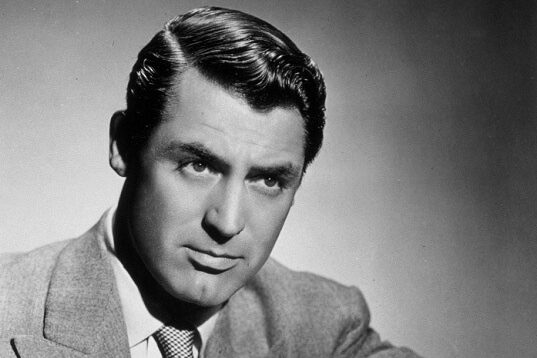
Cary Grant perfected elegance on screen, charming audiences with his wit and style. He seemed untouchable, the model of sophistication every man envied and every woman admired. Yet his personal life was filled with unease. Grant went through multiple failed marriages and faced endless speculation about his sexuality. Seeking peace, he even experimented with therapy through psychedelics, hoping to quiet his inner turmoil. The polished image hid a man searching for identity and balance. Grant’s contradictions showed how even the most seemingly perfect gentlemen carried questions and struggles that fame could never completely erase.
12. Bob Hope – The Patriot and the Playboy
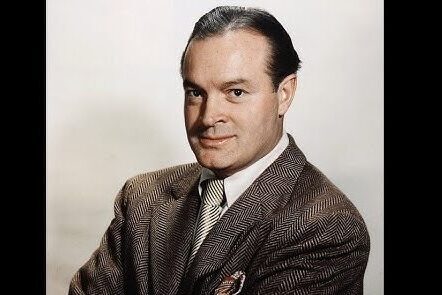
Bob Hope entertained millions with his comedy, movies, and tireless work for American troops. To the public, he was family-friendly, a reassuring presence who felt like a favorite uncle. But in his private life, he lived differently. Hope was known for pursuing endless affairs, carefully managing his reputation to protect his image. Those who worked closely with him described an ego that sometimes overshadowed his generosity. His contradiction was sharp: the wholesome patriot on stage and the restless man off it. Hope’s life reflected the challenge of balancing fame, image, and private desires hidden from fans.
13. Mel Gibson – The Hero and the Downfall
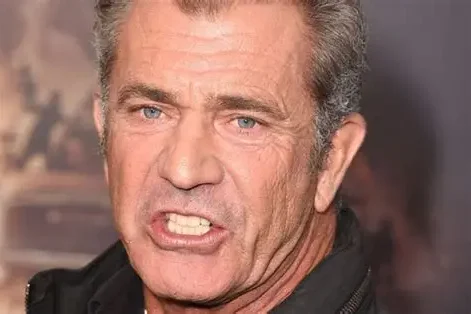
Mel Gibson rose to fame as an action hero and reached new heights with Braveheart, where he symbolized courage and nobility. Fans adored him as a star who embodied bravery both on screen and off. Yet years later, shocking outbursts and offensive remarks brought his image crashing down. His tirades revealed anger and prejudice that contrasted harshly with the hero audiences once admired. Attempts at comebacks have been made, but the memory of his downfall lingers. Gibson’s story serves as a reminder of how quickly a carefully built reputation can collapse, leaving a complicated and fractured legacy.
14. Bob Saget – America’s Dad with a Raunchy Twist
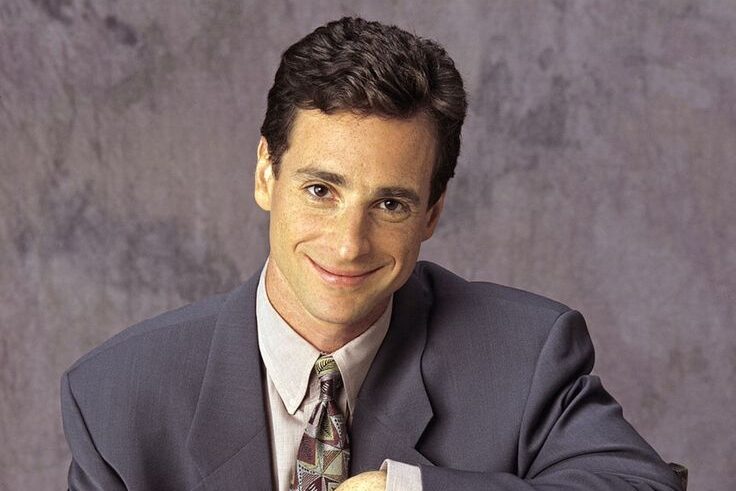
Bob Saget warmed hearts as Danny Tanner on Full House, America’s squeaky clean dad. He doubled down on this family-friendly image while hosting America’s Funniest Home Videos. But away from television, his stand-up comedy told another story. Known for outrageous, raunchy humor, Saget thrived on shocking audiences who expected Tanner’s sweetness. Fans were stunned to discover his two worlds clashing so boldly. Unlike others, his contradiction was more playful than tragic, a double life he fully embraced. The clean-cut dad and the raunchy comic lived side by side, making Saget’s career one of Hollywood’s strangest balancing acts.
15. Elizabeth Taylor – Goddess and Survivor
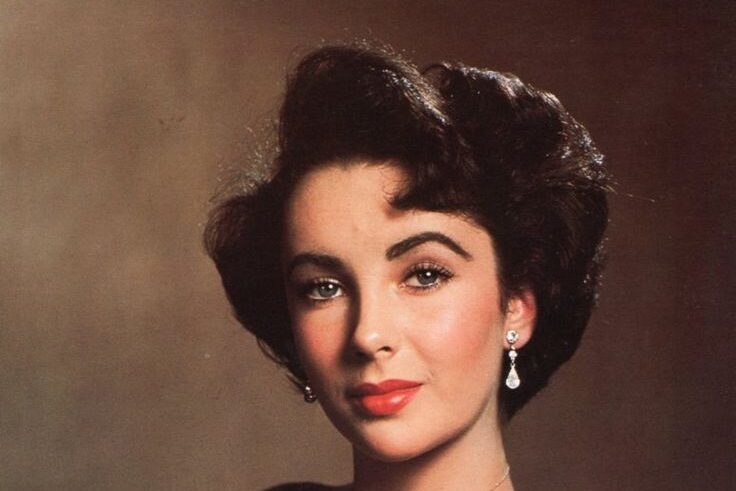
Elizabeth Taylor captivated the world with her beauty, her passion, and her legendary romances. On screen, she radiated glamour and intensity, becoming one of Hollywood’s most iconic figures. Behind the scenes, however, her life was filled with pain. Her multiple marriages (eight times to seven men) were often framed in the media as a sign of her passion and strength. Multiple marriages unraveled, health struggles plagued her, and addiction followed her for years. Yet she fought through, transforming into a fierce advocate for AIDS awareness at a time when few celebrities spoke up. Taylor’s contradictions were less about cruelty and more about resilience. The goddess fans adored proved herself a survivor, channeling her struggles into a greater purpose.
16. Walt Disney – Uncle Walt and the Shadows
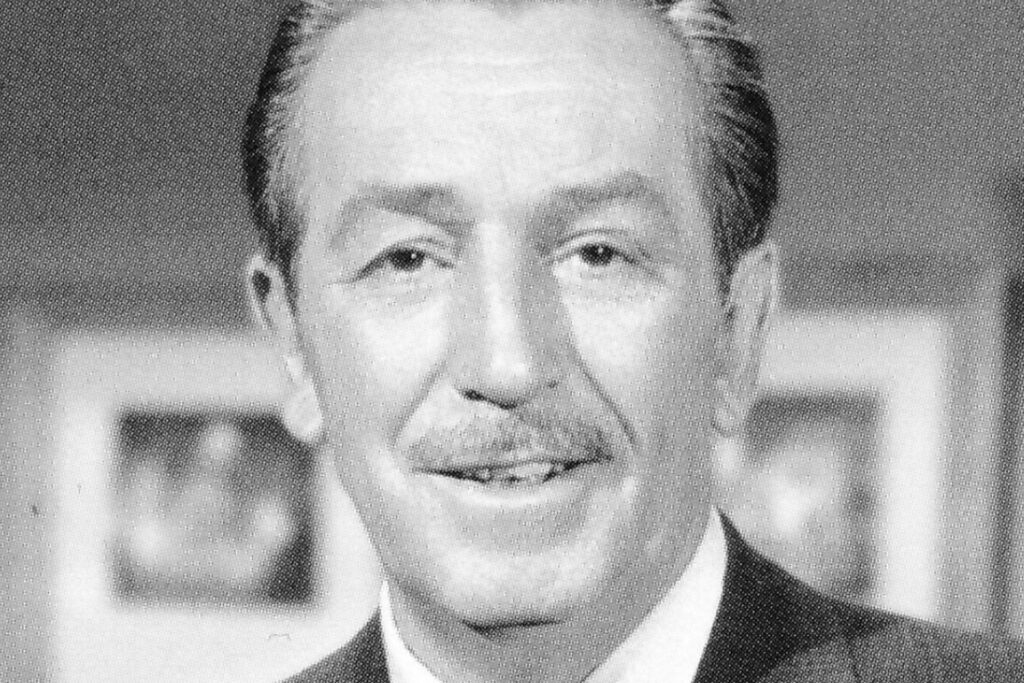
Walt Disney built magic, crafting worlds of imagination through Mickey Mouse, Disneyland, and animated classics. To the public, he was Uncle Walt, a warm visionary who made childhood dreams come true. But those who worked with him described a different man. Disney was controlling, demanding, and fiercely protective of his empire. Rumors of prejudice and anti-union stances complicated his carefully polished image. His legacy remains a mixture of wonder and criticism. The man who brought joy to millions also lived with shadows, reminding us that even dream-makers carry flaws behind the kingdoms they build.
17. Fatty Arbuckle – From Beloved to Banished
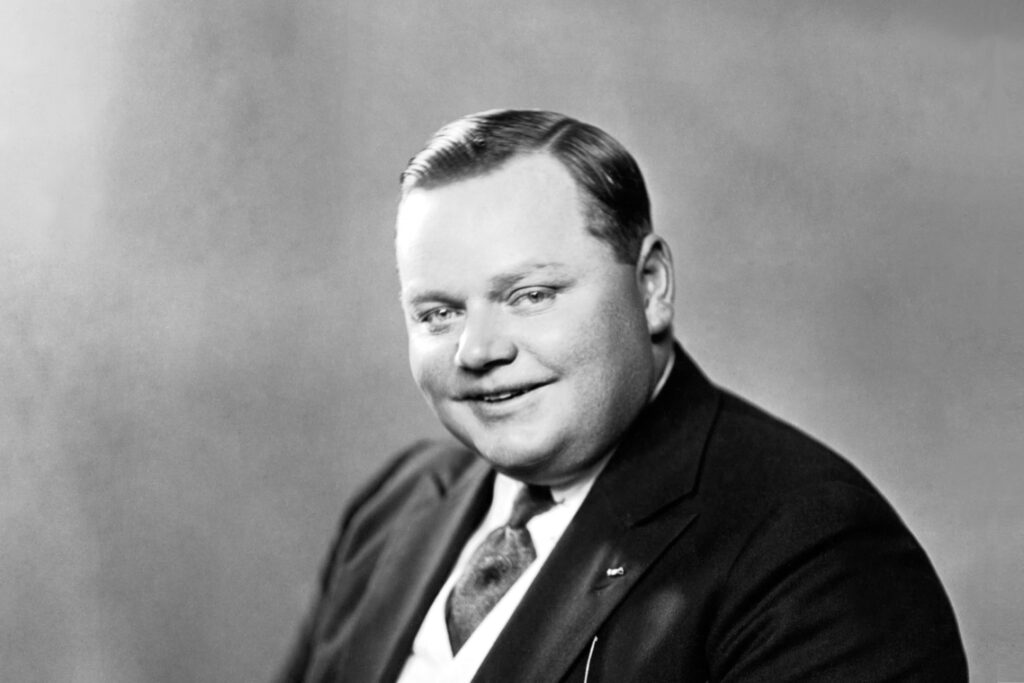
Roscoe ‘Fatty’ Arbuckle was a silent film legend; a man whose gentle humor and physical comedy made him one of the most beloved entertainers of his time. But everything changed in 1921, when accusations of rape and manslaughter during a party destroyed his career. Though eventually acquitted, with evidence later suggesting the victim died of peritonitis, which was not related to the charges, the scandal followed him forever. Hollywood turned its back, and fans never fully returned. Arbuckle’s fall from grace remains one of the most shocking in film history. The playful star audiences loved became a symbol of scandal, forever reminding us how quickly admiration can turn to condemnation, often fueled by a sensationalistic press.
18. Clark Gable – The King with Flaws
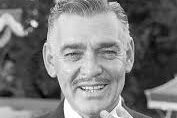
Clark Gable was crowned the King of Hollywood, immortalized as Rhett Butler in Gone with the Wind. To fans, he was debonair, masculine, and endlessly confident. But privately, Gable was more complicated. He was known as a womanizer, emotionally distant in his relationships, and rumored to have fathered children he never publicly acknowledged. His public image radiated strength and certainty, but those who knew him often found detachment and flaws. Gable’s contradictions were less dramatic than some but just as telling. The crown of Hollywood royalty masked weaknesses the public never fully saw in their beloved king.
19. Marilyn Monroe – The Eternal Symbol the Fragile Soul
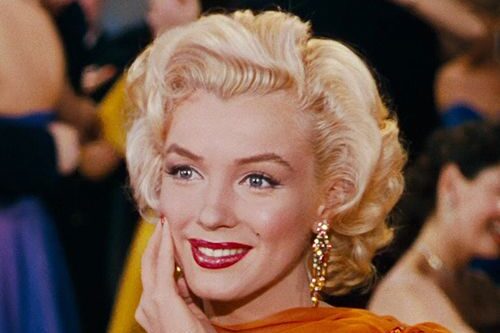
Marilyn Monroe was the ultimate screen siren, embodying desire, charm, and vulnerability in equal measure. On screen, she radiated confidence, becoming one of the most recognizable icons of beauty and sex appeal. Off screen, Monroe’s life was fragile. She battled insecurity, struggled with mental health, and endured exploitation from powerful men. Like Elizabeth Taylor, her three high-profile marriages were part of her complex public image. Her tragic death at thirty six solidified her as both an immortal legend and a haunting cautionary tale. The woman who symbolized glamour and confidence lived with doubts that never left her. Monroe’s contradictions made her unforgettable, both radiant and heartbreakingly human.
20. Frank Sinatra – The Crooner and the Connections
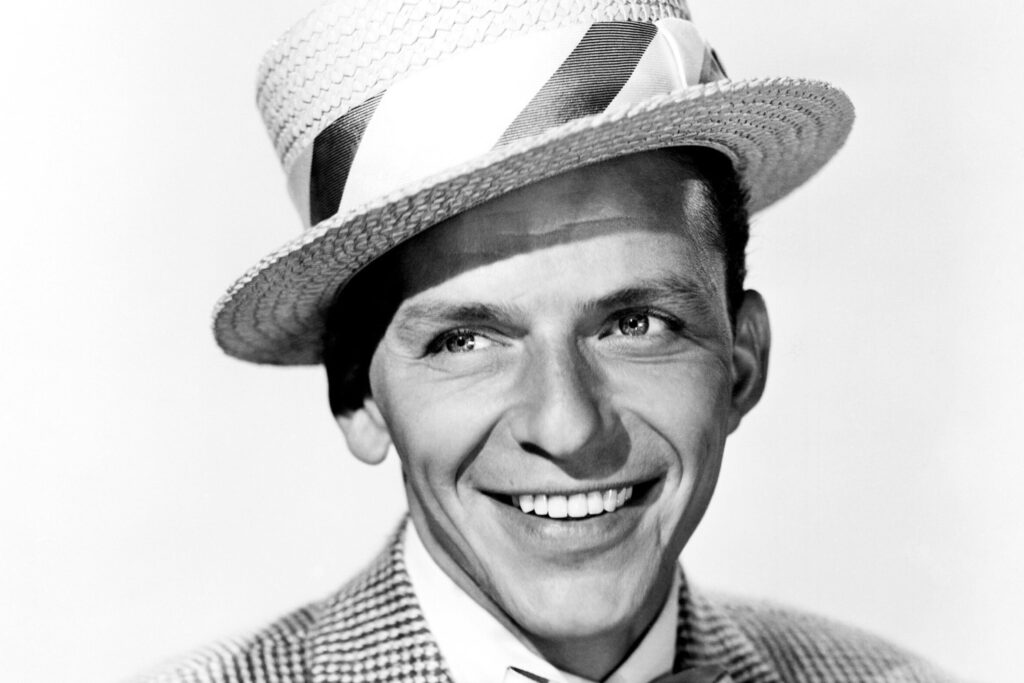
Frank Sinatra was Ol’ Blue Eyes, the voice that could melt hearts with romance and charm. He was generous, loyal to his friends, and a vocal supporter of causes he believed in. But Sinatra’s temper and rumored mob ties revealed another side. He could be warm and giving one moment, then intimidating the next. To the world, he was smooth and graceful, yet insiders knew his connections and his power. His story captures the contradictions of Hollywood itself, where style and shadows mingle. Sinatra’s life reminds us that even icons carry complexities that shape their legends.
21. Judy Garland – The Songbird and the Sorrow
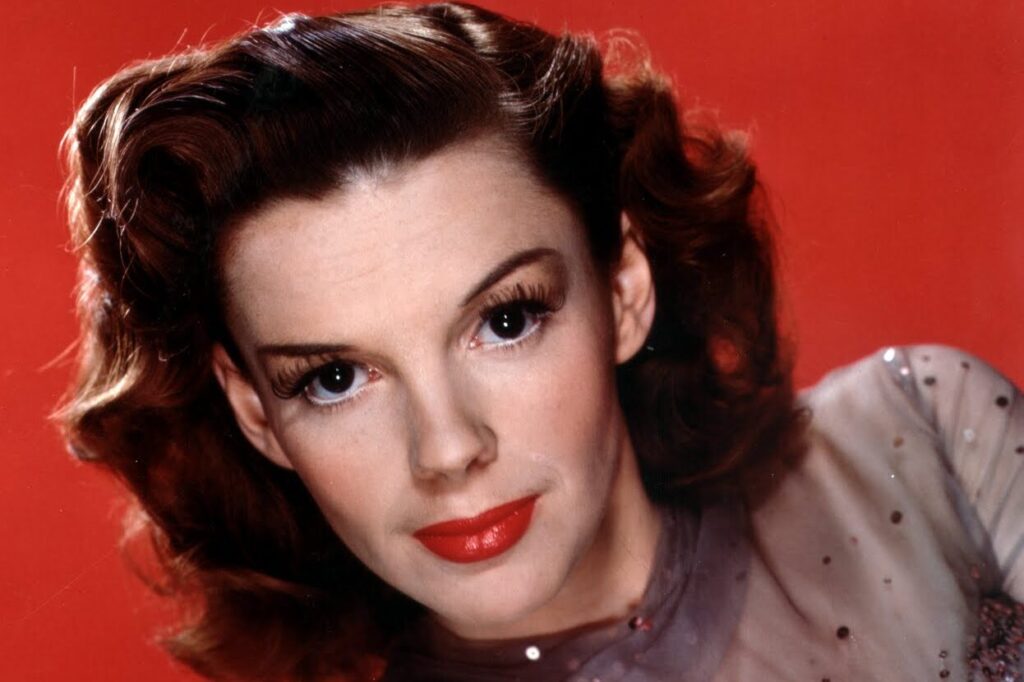
Judy Garland lit up the screen as Dorothy in The Wizard of Oz, her voice carrying innocence and hope that touched generations. But behind that magic, her life was heavy with pain. As a child star, she was overworked, drugged to perform, and criticized constantly about her weight. Addiction and emotional exhaustion followed her for decades. Garland gave audiences joy through her songs, but privately she was fighting despair. Her story remains one of Hollywood’s most heartbreaking contrasts, where the girl who sang about rainbows could never fully escape her own storms.
22. Humphrey Bogart – The Rebel and the Romantic
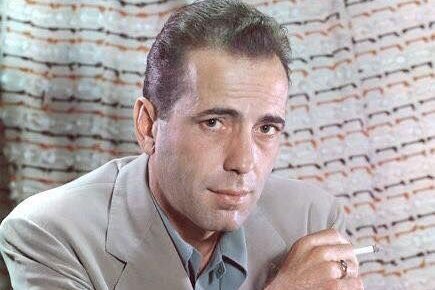
Humphrey Bogart was the tough-talking antihero who defined classic Hollywood cool, especially in Casablanca. Off screen, he was quieter and surprisingly sentimental. He was known to enjoy solitude, reading deeply and questioning fame itself. His marriage to Lauren Bacall revealed a softer man who craved peace more than parties. Bogart drank heavily and could be gruff, yet he had a tender core hidden behind the image of cynicism. The world knew him as a rebel, but those close to him saw the romantic soul behind the smoke and shadows that made him unforgettable.
23. Grace Kelly – The Princess and the Prisoner
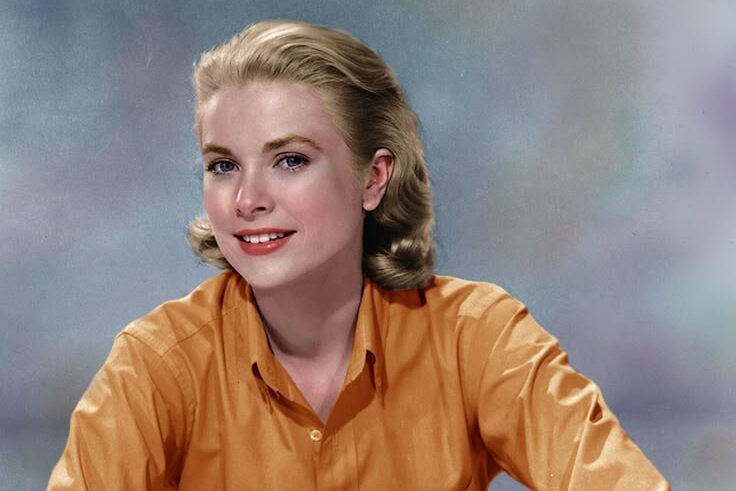
Grace Kelly embodied elegance and poise on screen, enchanting audiences in films like Rear Window and To Catch a Thief. Her beauty carried her into royalty when she married Prince Rainier of Monaco, leaving Hollywood at its peak. Yet life in the palace wasn’t the fairy tale many imagined. Kelly longed for her career, reportedly feeling confined by royal expectations. Friends said she missed acting and the independence fame once gave her. The glamorous princess lived a life of duty rather than desire, proving that even real-life fairy tales can hide quiet cages behind their golden walls.
24. Peter Sellers – The Comic and the Chaos
Peter Sellers brought laughter to millions through The Pink Panther series and his brilliant comedic timing. But away from the spotlight, he was deeply troubled. Those close to him described mood swings, jealousy, and insecurities that strained every relationship he had. Sellers struggled with identity, often losing himself in the characters he played. Fame brought him adoration, but not peace. The man who could make the world laugh was often miserable behind closed doors. His contradictions were profound, a reminder that comedy often hides pain and that laughter can sometimes be a mask for heartbreak.
25. Audrey Hepburn – The Angel and the Ache
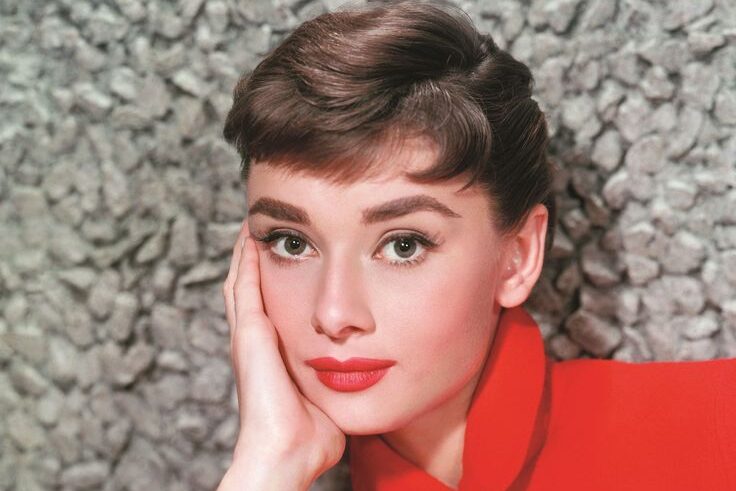
Audrey Hepburn’s grace defined an era. Her performances in Breakfast at Tiffany’s and Roman Holiday made her a global symbol of beauty and kindness. Yet she carried the scars of a childhood spent in war-torn Europe. Hepburn battled malnutrition and loss, experiences that shaped her lifelong empathy. After Hollywood, she dedicated herself to humanitarian work with UNICEF, saying it gave her purpose beyond fame. Her public image of serenity was real but born from survival. Hepburn’s elegance came not from luxury, but from the quiet strength of someone who had seen both darkness and light.
26. Steve McQueen – The Cool and the Conflict
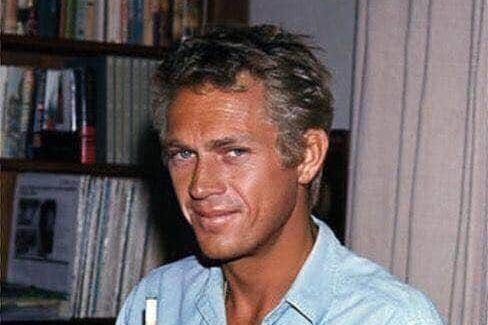
Steve McQueen was the King of Cool, his name synonymous with rebellion and effortless masculinity. On screen, he seemed untouchable, the ultimate man’s man. Off screen, he was restless, haunted by childhood neglect and fueled by rage and insecurity. McQueen’s temper, jealousy, and reckless behavior often sabotaged his relationships. Despite fame, he never found lasting peace. The toughness that made him a star was also his armor, built to hide a boy who feared being unwanted. McQueen’s contradictions gave him edge and pain, making his image powerful yet profoundly human beneath the swagger.
27. Ingrid Bergman – The Saint and the Scandal
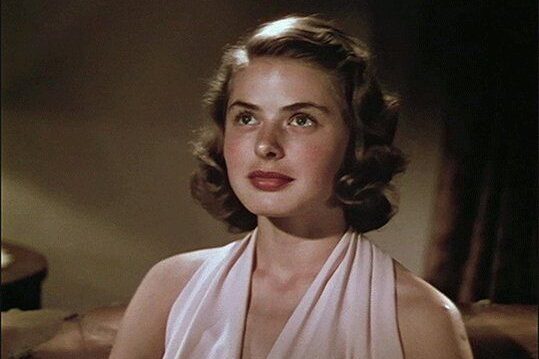
Ingrid Bergman was adored for her purity and warmth, immortalized in Casablanca as the woman who broke hearts with a glance. But when she fell in love with director Roberto Rossellini while married to another man, America turned on her. Once celebrated, she was suddenly labeled immoral and exiled from Hollywood. Bergman didn’t hide, choosing love and authenticity over approval. Years later, audiences forgave her, and she returned triumphant. Her story became one of redemption, showing that integrity sometimes means walking away from the applause to live honestly, no matter the cost to one’s image.
28. Tony Curtis – The Charmer and the Chaser
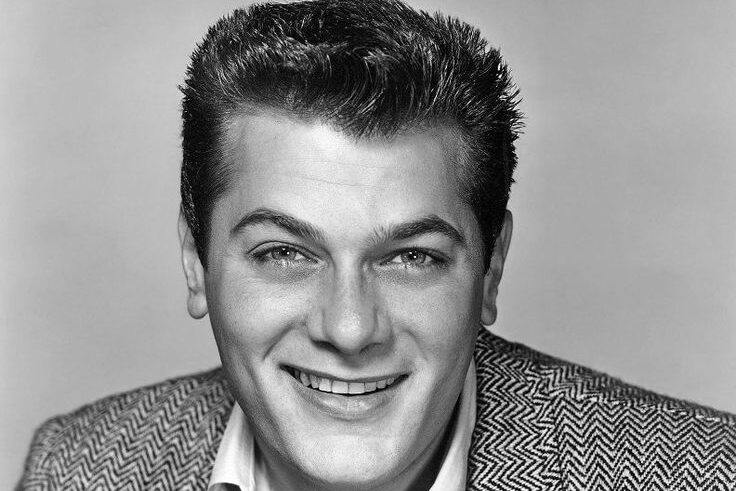
Tony Curtis was the silver screen’s smooth-talking heartthrob, a man whose looks and charisma made him unforgettable in comedies and dramas alike. Yet behind the charm was a restless soul. Curtis chased fame, fortune, and women, often at the expense of peace. Addiction and insecurity followed him through much of his life. The man who seemed to have everything was constantly seeking validation. Still, his wit and honesty about his flaws made him deeply human. Curtis’s contradictions remind us that charm can hide vulnerability, and success doesn’t always quiet the hunger for love and acceptance.
29. Rita Hayworth – The Fantasy and the Fracture
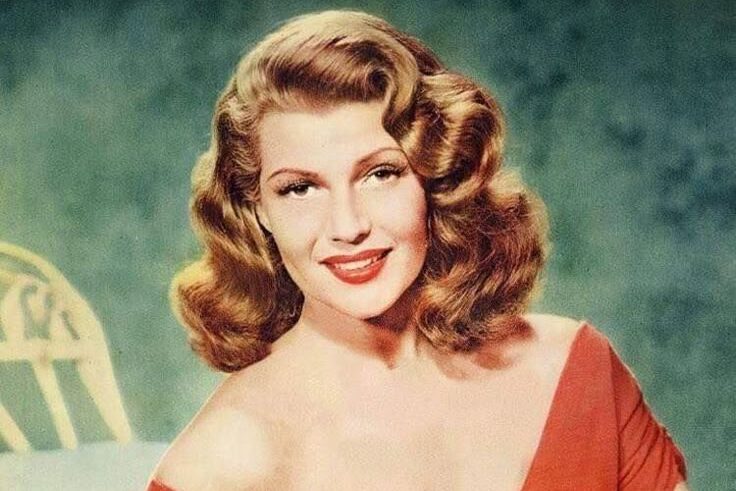
Rita Hayworth was the ultimate screen siren, her image in Gilda turning her into a symbol of desire. But the woman behind the allure was shy and insecure, shaped by a strict father who pushed her into show business. Hayworth later admitted, “Men fell in love with Gilda, but they wake up with me.” Her marriages failed, and fame never brought her happiness. In her later years, she suffered from Alzheimer’s, fading from the spotlight entirely. Hayworth’s life revealed how Hollywood’s fantasy could fracture a real woman’s spirit, leaving behind both beauty and sorrow.
30. Laurence Olivier – The Perfectionist and the Pain
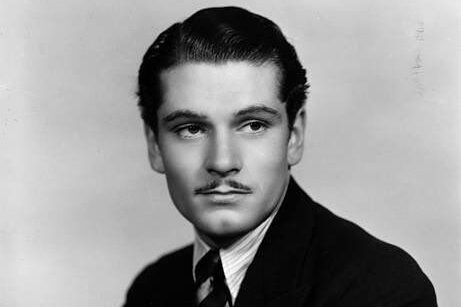
Laurence Olivier was hailed as one of the greatest actors of all time, his performances on stage and screen celebrated for brilliance and control. But privately, he was tormented by self-doubt and exhaustion. He pushed himself relentlessly, fearing failure even at the height of success. His marriage to Vivien Leigh was both passionate and painful, marked by her mental illness and his infidelity. Olivier’s polished professionalism hid a man constantly fighting insecurity. The perfection audiences admired came from pressure he placed upon himself. His art was his refuge and his burden, both saving and consuming him.
31. Judy Holliday – The Wit and the Weight
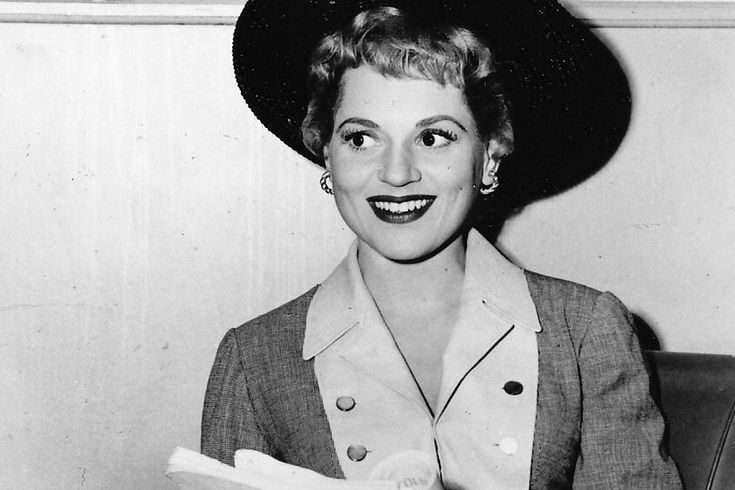
Judy Holliday was adored for her sharp intelligence and comic charm, most famously in Born Yesterday. Audiences saw her as bubbly and carefree, but she was much more complex. Off screen, Holliday was deeply intellectual and politically outspoken, qualities that led to her being questioned during the Red Scare. The cheerful performer had to defend her patriotism in an era of suspicion. Despite her wit and warmth, she struggled privately with insecurity and illness. Holliday’s story reminds us how even bright comedic lights can burn under the weight of fear and misunderstanding.
32. James Dean – The Rebel and the Reckoning
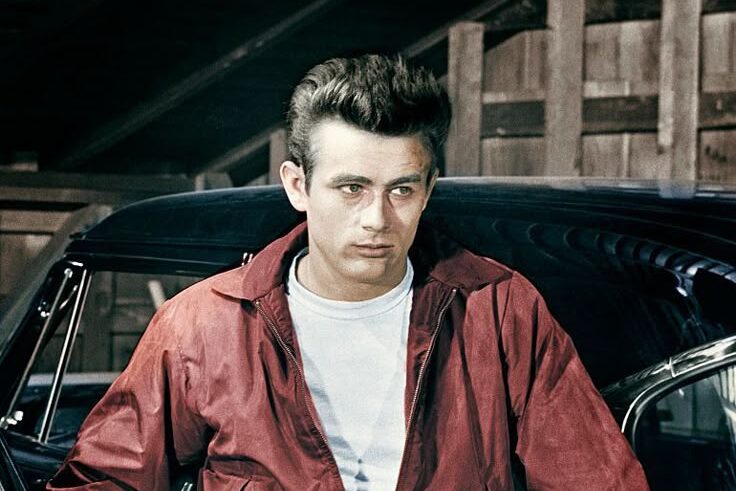
James Dean’s legacy is immortal, his image forever frozen in rebellion and cool detachment. He embodied the restless youth of the 1950s, untamed and misunderstood. Yet the real Dean was sensitive, introspective, and deeply artistic. Friends described him as moody but kind, lost in thought and ambition. His tragic death at twenty four sealed his myth, but it also froze a young man who never got to grow beyond the persona fame built for him. Dean’s contradiction lies in how his short life became legend, leaving behind a ghost more powerful than the person he truly was.
33. Bette Davis – The Star and the Storm
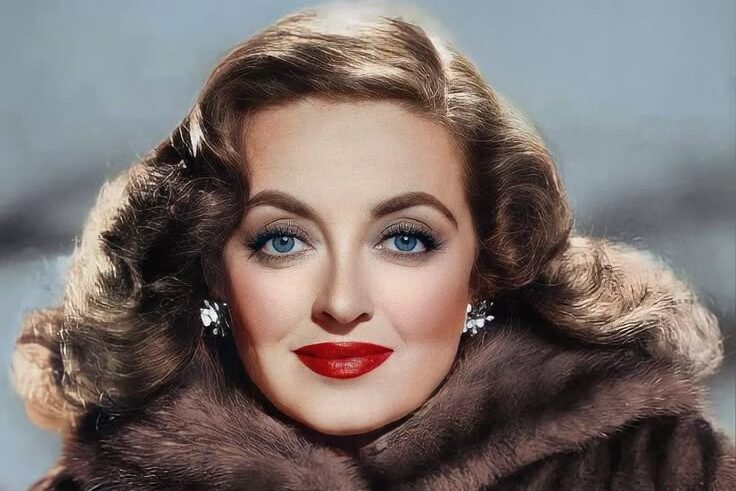
Bette Davis was fearless, fierce, and unforgettable, a woman who could command the screen with a single glare. She fought studios for creative control and never softened her sharp edges for anyone. Yet that same intensity spilled into her private life. Davis was known for feuds, broken marriages, and an iron will that often isolated her. Her daughter later described her as controlling and cold, though others saw her as simply driven. Davis’s contradictions made her fascinating, a woman who fought to stay relevant in a world that feared powerful women. Her legacy burns as brightly as ever.
34. Gene Kelly – The Dancer and the Demanding
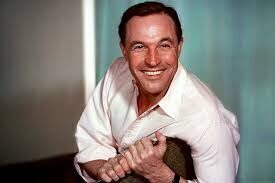
Gene Kelly’s dazzling athleticism and joy redefined dance in Hollywood musicals like Singin’ in the Rain. His effortless charm seemed pure delight, but colleagues often found him difficult. Kelly was a perfectionist who demanded total precision from everyone on set. While fans saw lightness, co-stars saw discipline bordering on obsession. Off screen, his intensity sometimes strained relationships, yet he remained deeply passionate about his craft. Kelly’s energy came not from ease but from relentless drive. His contradiction was simple but striking: the man who made dancing look like joy knew it was really built on sweat and struggle.
35. Natalie Wood – The Dream and the Depths
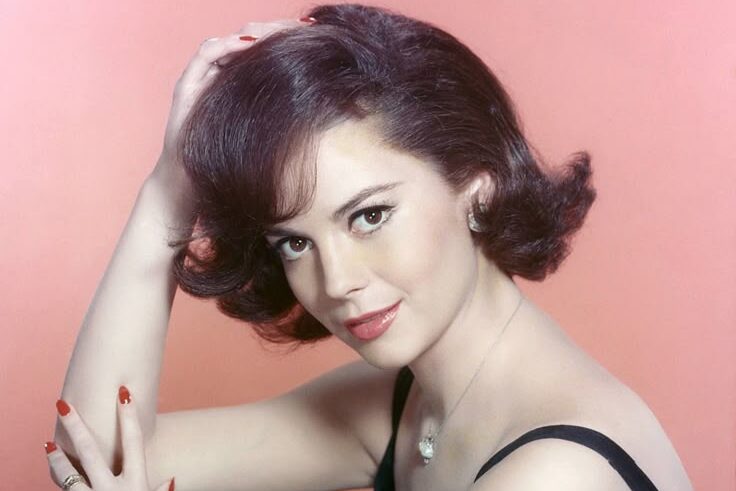
Natalie Wood grew up on camera, her innocence captured in classics like Miracle on 34th Street. As she matured, she became a sophisticated actress but carried trauma from years of exploitation and pressure. Her beauty and talent masked deep anxiety and fear of failure. Her mysterious death in 1981 left more questions than answers, forever linking her name to tragedy. Wood’s life reflected Hollywood’s tendency to glamorize while quietly consuming its stars. She gave audiences tenderness and strength but privately wrestled with fragility, a combination that made her story both luminous and haunting.
36. Jack Nicholson – The Charmer and the Chaos
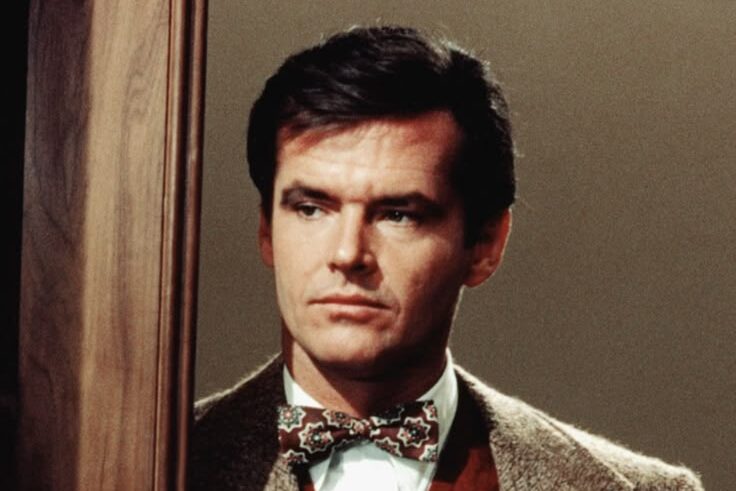
Jack Nicholson became the face of rebellion and dark humor, bringing unforgettable intensity to roles that felt almost dangerous. Off screen, he lived just as boldly, with countless affairs and a lifestyle built on indulgence. Yet beneath the swagger, Nicholson was introspective and fiercely private. He once admitted that fame left him lonely, surrounded by people yet isolated by success. The wild man of Hollywood was also a philosopher, torn between pleasure and meaning. His contradictions made him magnetic, a reminder that charisma often hides restlessness and that even legends search for peace.
37. Sharon Tate – The Beauty and the Broken Dream
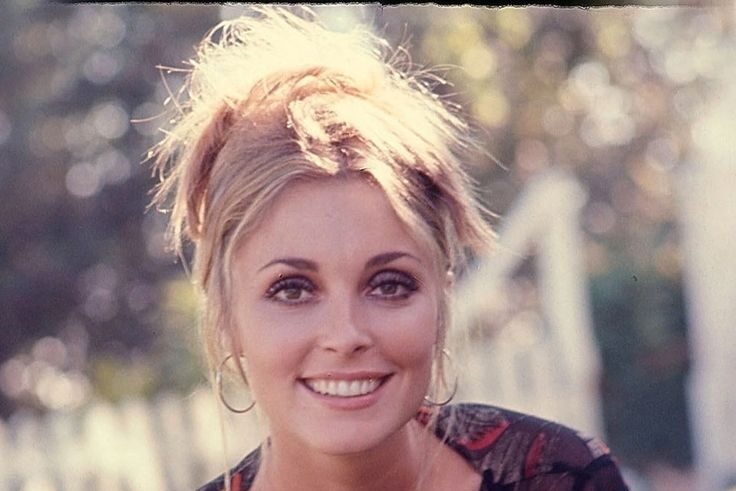
Sharon Tate’s career was just beginning when tragedy struck, ending her life in one of Hollywood’s darkest moments. She was known for her beauty and gentle spirit, her talent blossoming in films that hinted at greatness ahead. Off screen, she was shy, thoughtful, and deeply devoted to her family and friends. Her murder in 1969 shocked the world, transforming her from rising star to symbol of lost innocence. Tate’s story remains a heartbreaking contrast between promise and devastation, a reminder that even in glittering Hollywood, real lives can end in unimaginable sorrow.
38. Paul Newman – The Heartthrob and the Humanitarian
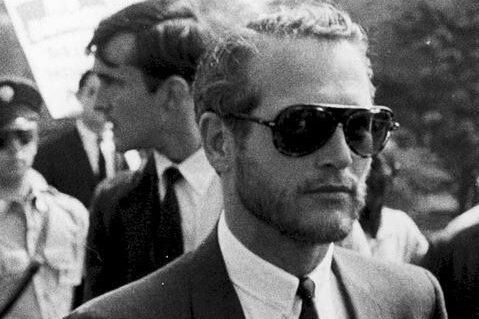
Paul Newman’s piercing blue eyes made him an icon, his performances radiating confidence and charm. Yet what truly defined him wasn’t fame, but compassion. Off screen, he was humble, devoted to family, and passionate about giving back. He founded Newman’s Own, donating millions to charity, and quietly supported countless causes. Unlike many stars, his public and private selves aligned in sincerity, though he struggled at times with guilt over fame’s privileges. Newman’s story closes the circle beautifully, showing that not all contradictions end in tragedy. Some evolve into grace, where a star’s heart outshines even his fame.
39. Hedy Lamarr – The Siren and the Scientist
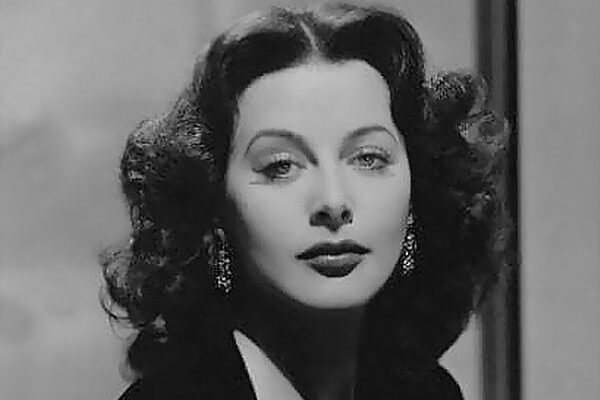
Hedy Lamarr was the face of European glamour, marketed in Hollywood purely for her striking beauty and sensual roles. She was the original Hollywood siren, but this image concealed a brilliant, inventive mind. During World War II, driven by a desire to help the Allied cause, she co-invented a “Secret Communication System” using frequency hopping, intended to guide torpedoes and resist jamming. This technology became the foundational concept for modern Wi-Fi, Bluetooth, and GPS. Lamarr never sought financial gain for the patent, which lapsed. Her contradiction is one of vast underestimation: the industry dismissed her as a beautiful face, while she quietly helped invent the future.
40. Dean Martin – The King of Cool and the Homebody
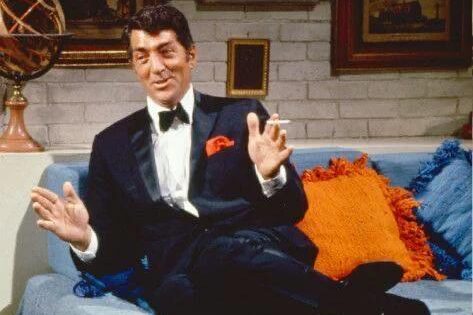
Dean Martin perfected the persona of the “King of Cool”, the effortlessly charming, slightly inebriated Rat Pack member who lived for late nights and casual romances. On stage and screen, his relaxed demeanor and frequent jokes about drinking were central to his appeal. In reality, Martin was deeply dedicated to his family and, despite his on-stage persona, was known among friends as a homebody who preferred quiet dinners and early bedtimes. His iconic stage glass often contained apple juice, not alcohol. The contradiction lies in his meticulously crafted public image of a carefree party animal, which masked a private life of discipline and profound domesticity.
41. Errol Flynn – The Swashbuckler and the Troubled Man
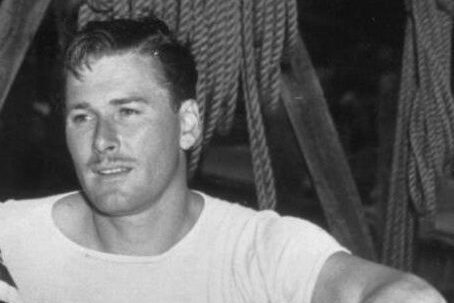
Errol Flynn was the embodiment of the Hollywood swashbuckler, a dashing figure whose on-screen heroism defined adventure. His public image was one of irresistible charisma and daring exploits. Off screen, his life was marked by self-destructive behavior, substance abuse, and sensational legal troubles. In 1943, he faced a highly publicized statutory rape trial involving two teenage girls, from which he was eventually acquitted. The sensationalism surrounding the trial further cemented his reputation as a wild, reckless playboy. The contrast between the virtuous hero of his films and his chaotic, troubled private life was one of the most stark and enduring contradictions of the Golden Age.
42. Marlon Brando – The Rebel and the Intellectual
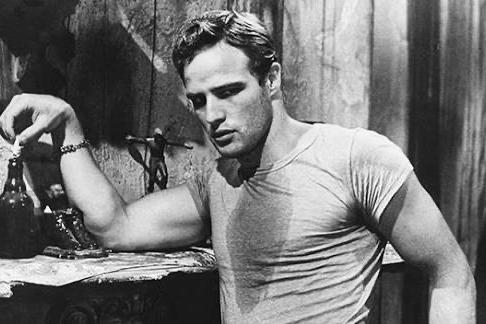
Marlon Brando revolutionized acting with his raw, explosive Method style, becoming the definitive cinematic symbol of post-war masculinity and rebellion. Yet, the brooding, unintellectual persona of many of his most famous roles concealed an immensely complex man. Brando was a lifelong autodidact, a voracious reader, and a serious intellectual with a deep commitment to civil rights activism. Furthermore, he was open about his bisexuality, stating, “Like a large number of men, I, too, have had homosexual experiences, and I am not ashamed.” His contradiction lies in the vast gulf between his unpolished, tough-guy public roles and his introspective, politically engaged, and sexually fluid private self.
43. Ava Gardner – The Femme Fatale and the Farm Girl
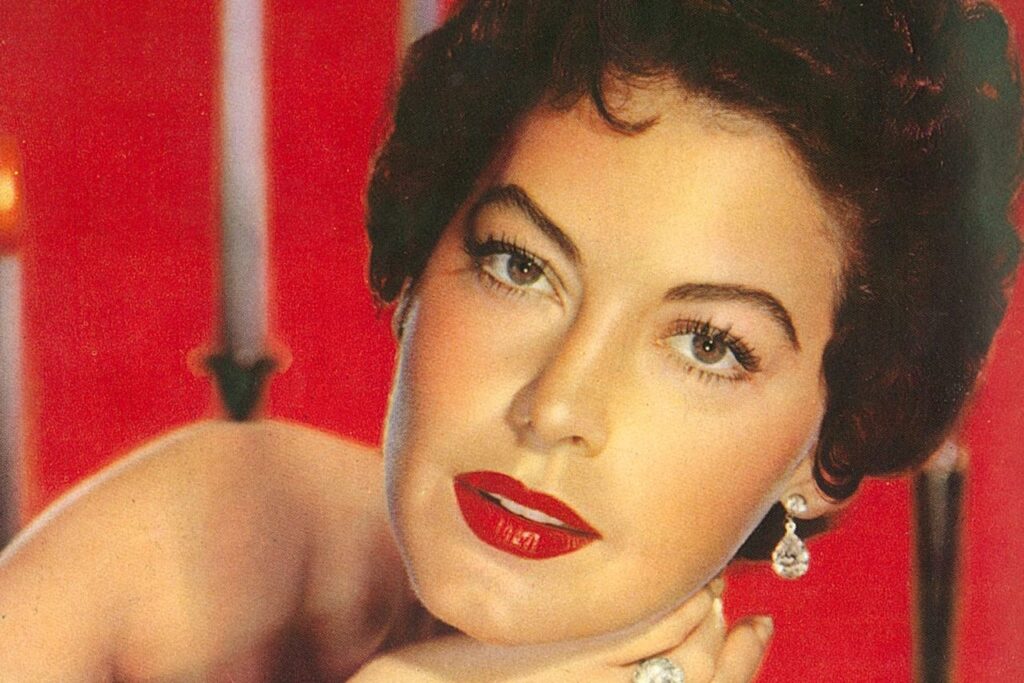
Ava Gardner was marketed as the sultry, untamed “world’s most beautiful animal,” a quintessential Hollywood femme fatale who projected primal sexual confidence. Her high-profile, tumultuous marriages only fueled this passionate public image. Yet, the woman behind the legend was a humble, self-proclaimed tomboy from a poor North Carolina farming family. She was notoriously shy and often self-conscious about her strong regional accent. Gardner’s deepest contradiction was her discomfort with the sensual, high-glamour image that brought her fame, often finding more peace away from the Hollywood machine.
44. Kim Novak – The Studio Sex Symbol and the Artist
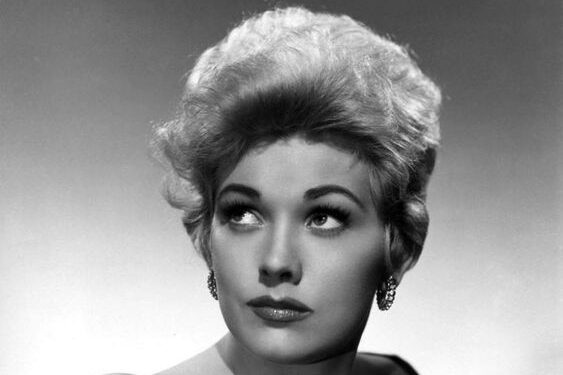
Kim Novak became a massive star at Columbia Pictures, where the studio chief molded her into the ultimate blonde bombshell and sex symbol. Her striking, glamorous on-screen persona contrasted sharply with her true identity. Novak was originally an art student who longed to be a painter and poet, often resisting the studio’s attempts to control her image. She ultimately felt the pressure to conform was a “survival issue” and left Hollywood in the early 1960s to pursue her life as a visual artist in rural Oregon. Her legacy is defined by her defiance and her choice to abandon movie stardom for creative authenticity.
45. Mae West – The Unapologetic Flirt and the Private CEO
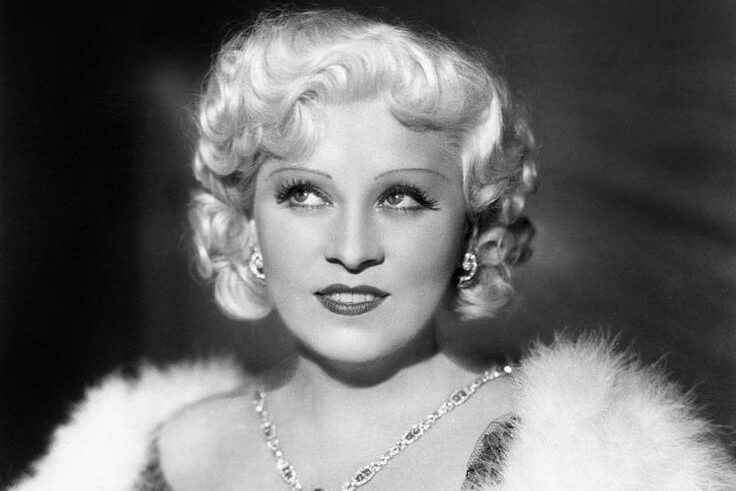
Mae West was the bawdy, wisecracking queen of double entendre, famous for lines like, “Is that a pistol in your pocket, or are you just happy to see me?” She was the first woman in Hollywood to openly commercialize and celebrate female sexuality on her own terms. Yet, behind the public image of a casual, free-spirited seductress was an astute businesswoman who maintained strict control over her career and finances. West was notoriously private about her life, going so far as to conceal a teenage marriage for years. Her great contradiction was being both the biggest, most flamboyant personality of her era and a guarded, business-minded individual whose private life remained largely a secret.
46. Montgomery Clift – The Fragile Idol and the Fighter
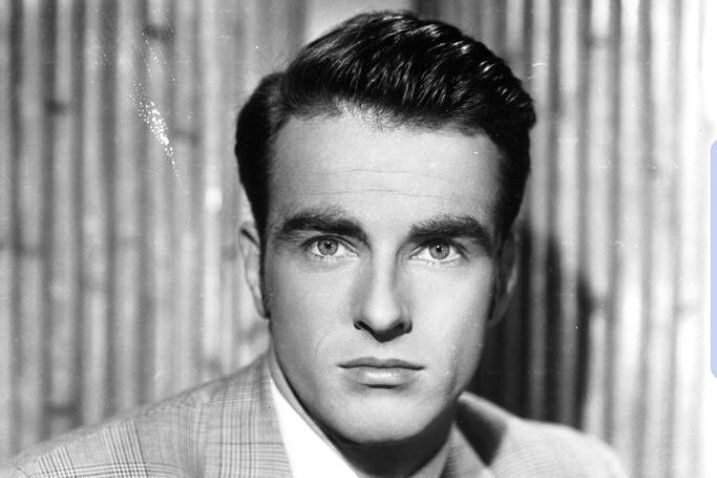
Montgomery Clift was one of Hollywood’s original method actors, bringing a deep, almost painful sensitivity to his roles that made him a fragile heartthrob. His life was shattered by a near-fatal 1956 car accident that severely altered his facial appearance and left him in chronic pain. The accident exacerbated existing issues with alcohol and prescription drug dependency, which defined his final, painful decade. Despite this downward spiral, Clift kept working, completing seven more films. His contradiction is the heartbreaking resilience of his final years, where the once-perfect idol became a man visibly marked by trauma, yet still possessing the creative will to deliver complex performances.
47. Sidney Poitier – The Dignified Icon and the Diplomat
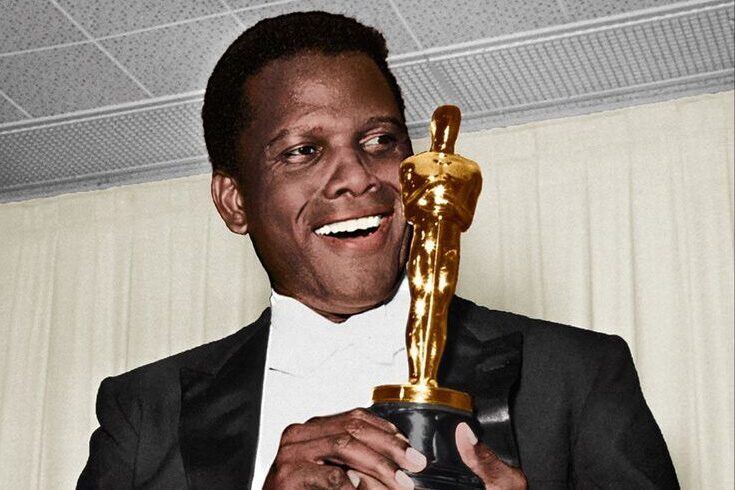
Sidney Poitier was a trailblazer, celebrated as the first Black man to win the Academy Award for Best Actor, whose on-screen presence was defined by intellect, moral integrity, and quiet dignity. His success in Hollywood was itself a contradiction of the era’s prejudices. Beyond acting and directing, Poitier’s later life was devoted to a completely different path: diplomacy. He served as the Bahamian Ambassador to Japan for ten years and as the Ambassador to UNESCO. His contradiction is the successful transition from cultural icon and artist to high-level international diplomat, showcasing a powerful intellect that few stars ever match.
48. Josephine Baker – The Exotic Dancer and the Civil Rights Soldier
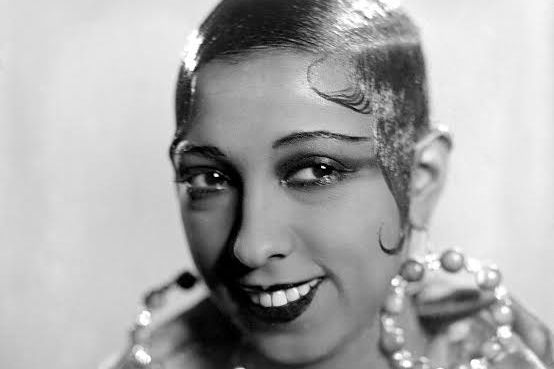
Josephine Baker exploded onto the Paris stage in the 1920s, a star of the Jazz Age famous for her dazzling, boundary-pushing routines. She was seen by the world as a purely glamorous, apolitical entertainer. Yet, during World War II, Baker risked her life as a spy for the French Resistance. Post-war, she became a fierce civil rights activist, refusing to perform for segregated audiences in the US and speaking at the March on Washington alongside Martin Luther King Jr. Her ultimate contradiction was being both the celebrated symbol of sexual freedom in Europe and a dedicated, clandestine soldier for freedom and equality in two different battles.
49. Shirley Temple Black – The Beloved Child Star and the UN Ambassador
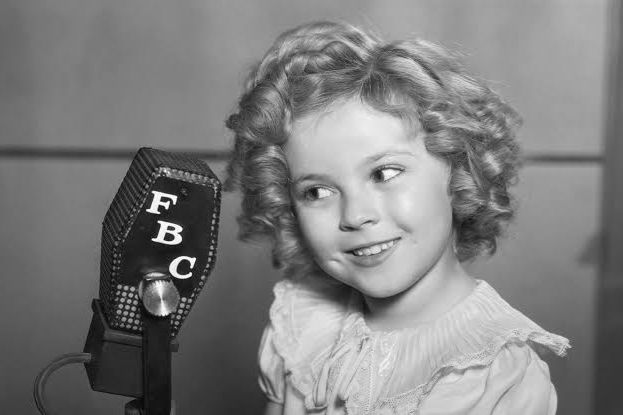
Shirley Temple was the world’s most famous child star, a symbol of Depression-era optimism whose tap dancing and sunny disposition brought joy to millions. Her entire public identity was anchored in her innocent, curly-haired image. Following her retirement from acting, Shirley Temple Black carved out a formidable career as a politician and diplomat, serving as a United States Representative to the United Nations, and later as Ambassador to Ghana and Czechoslovakia. Her life’s contradiction is the immense leap from the juvenile world of Hollywood song-and-dance to the serious, demanding world of international affairs and foreign policy, proving her early fame was merely a prologue to a powerful second act.
50. Vivien Leigh – The Screen Goddess and the Troubled Soul
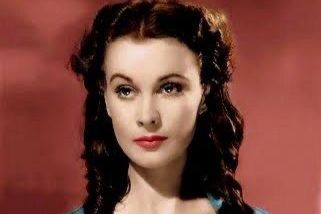
Vivien Leigh was Hollywood royalty, known for her breathtaking beauty and electric portrayals of formidable women like Scarlett O’Hara and Blanche DuBois. Her public persona was the height of glamour and intensity. Privately, however, Leigh struggled profoundly with severe mental health issues, now believed to be bipolar disorder, which manifested as mood swings, periods of deep despair, and professional difficulty. This struggle complicated her marriage to Laurence Olivier and led to periods of poor physical health. Her contradiction is the fragile state of the woman who played the toughest characters on screen, a delicate soul who concealed her painful private battles behind a veneer of flawless stardom.
51. Gene Tierney – The Flawless Beauty and the Mental Health Advocate
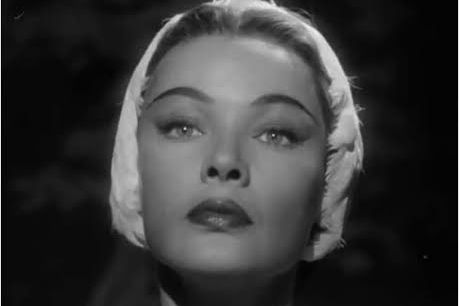
Gene Tierney was celebrated as one of the most exquisitely beautiful stars of the 1940s, famous for her ethereal presence in films like Laura. Her public image was pure, untouchable glamour. Yet, her private life was marked by immense personal tragedy, including the birth of a daughter with severe disabilities. This tragedy led to a highly publicized battle with severe mental health issues. Tierney courageously spoke and wrote about her struggles, including time spent in psychiatric facilities and undergoing treatments, becoming one of the first major stars to openly discuss mental illness. Her contradiction is the starlet who had the strength to shatter Hollywood’s facade of perfection by openly discussing mental illness long before it was socially acceptable.
52. Orson Welles – The Young Genius and the Unfinished Legacy
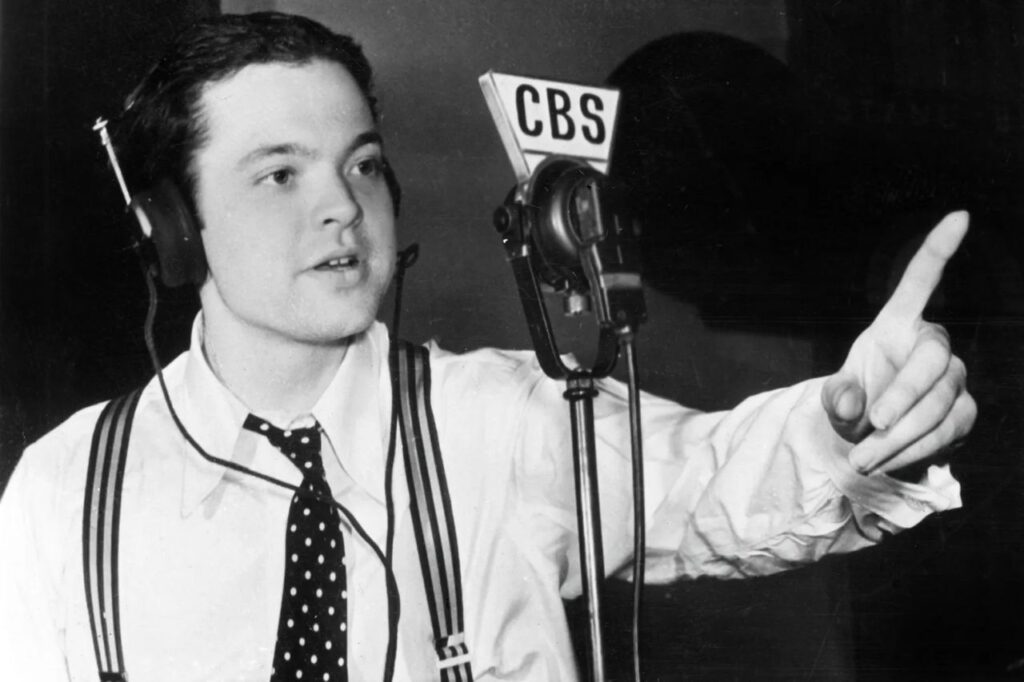
Orson Welles burst onto the scene with Citizen Kane at the age of 25, hailed as an unparalleled visionary and a child genius whose work was destined to change cinema. His public image was one of boundless creative ambition. The reality was a career marred by studio interference, financial difficulty, and a relentless struggle to finish his ambitious projects. Welles spent his later years struggling to raise financing and often appeared in lesser-quality films and television commercials to fund his true art, resulting in a prolific body of unfinished work. His contradiction is the paradox of a genius whose greatest struggle was simply being allowed to complete the art he was born to create.
53. Clint Eastwood – The Tough Guy and the Auteur
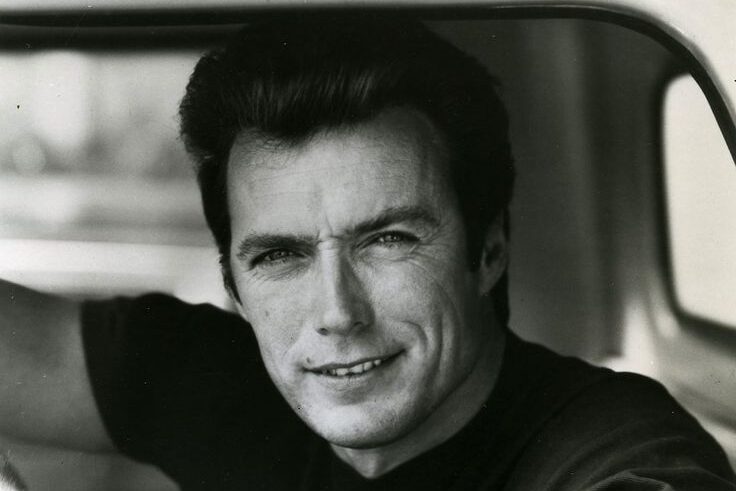
Clint Eastwood defined the role of the taciturn, cool, and often violent antihero, first as the Man with No Name and later as Dirty Harry. His public image was that of a hard-nosed traditionalist. However, behind the camera, Eastwood matured into a deeply contemplative director and auteur whose later work often deconstructed the very myth of the tough guy he popularized, particularly in films like Unforgiven. He has directed and starred in a wide range of genres, from musical to romance. His contradiction is that the actor who perfected cinematic violence is an award-winning director who uses his platform to explore nuanced themes of morality and the dark consequences of violence.
54. Ricardo Montalbán – The Romantic and the Activist
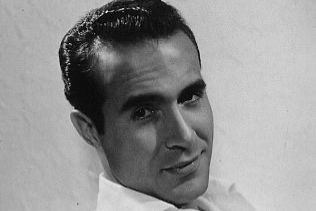
Ricardo Montalbán captivated audiences with his sophisticated, Latin lover persona in early films and later as the charming Mr. Roarke on Fantasy Island. His image was pure Hollywood romance and dignity. Behind the scenes, however, Montalbán was a tireless activist who struggled against Hollywood’s limited, stereotypical roles for actors of Latino heritage. In 1970, he co-founded the organization Nosotros (Us) to improve the image and increase employment for Latinos in the performing arts. His contradiction is the fight he waged from within the system, using his immense public charm and stardom to create authentic representation and break down the very cultural clichés he sometimes had to perform.
55. John Huston – The Great Director and the Reckless Life
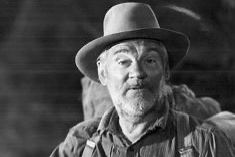
John Huston was one of the most respected directors of the Golden Age, celebrated as a literary, adventurous filmmaker whose work consistently achieved critical acclaim. His public image was that of a powerful artist and intellectual. Privately, Huston was a passionate, often volatile figure whose life was filled with extreme risk-taking, including a brief career as a professional boxer and big-game hunting. His reckless personal behavior also led to tragedy, notably an incident where he was charged with driving while intoxicated after a crash that killed an actress. His contradiction is the disparity between the sophisticated artistry of his films and the chaotic, self-destructive, and sometimes tragic path of his own personal journey.
56. Greta Garbo – The Goddess and the Hermit

Greta Garbo was the enigmatic “Swedish Sphinx,” one of the most mysterious and glamorous icons of classic cinema, whose image was cultivated with intense secrecy. Her films and studio promotion turned her into a remote, ethereal goddess. At the height of her career, she made the shocking decision to retire at the age of 36, spending the final five decades of her life rigorously avoiding the public eye and celebrity culture. While she was famously quoted as saying “I want to be alone,” she was not a complete recluse but a deeply private person. Her entire career is a contradiction: a global icon who loathed the limelight so intensely that she walked away from power and fame forever to pursue a life of simplicity.
Hollywood’s stars gave audiences magic, laughter, romance, and comfort. But behind the cameras, many lived complicated lives, filled with cruelty, addictions, secrets, or contradictions that clashed with their images. Some were tragic, some destructive, and some simply human. Their stories remind us that stardom doesn’t erase flaws. If anything, it magnifies them, leaving us with legacies that are as haunting as they are unforgettable.
This story 56 Hollywood Stars Who Were Much Different When the Cameras Stopped Rolling was first published on Daily FETCH


