
1. Richard Chamberlain
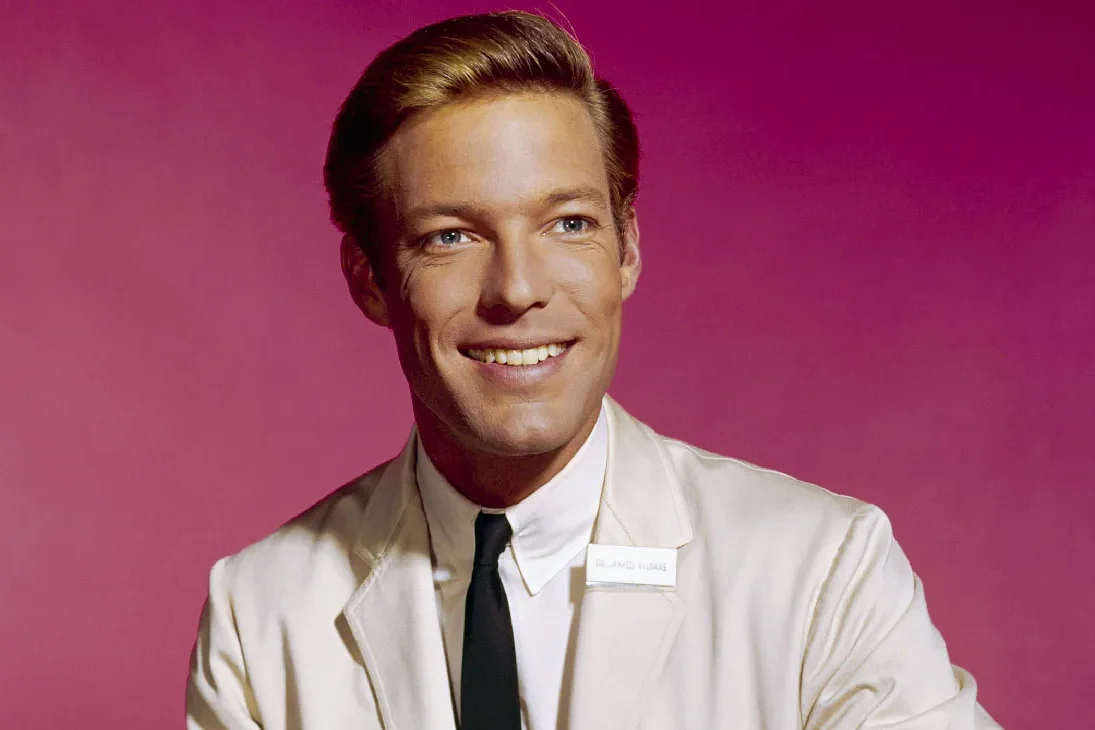
Sometimes the truth about a public life comes out slowly, not in the middle of fame but long after the applause fades, and Richard Chamberlain’s story fits that quiet pattern perfectly. For years he was television’s trusted romantic hero, the polished face audiences expected to see in gentle love stories and dramatic historical roles. During those decades, Hollywood carefully protected leading men and discouraged anything that might disturb the fantasy viewers believed. As his acting pace slowed and the industry changed around him, Chamberlain began reflecting more openly about his private life, speaking with the calm voice of someone no longer guarding every personal detail.
By the time he discussed his sexuality publicly in later life, the reaction felt respectful and warm because audiences already valued his long career and steady professionalism. He often explained that earlier silence came from practical fear about losing roles, something many performers of his era quietly understood. His later interviews sounded relaxed, thoughtful, and almost relieved, like a man finally setting aside a character he had carried for years. Looking back now, his journey feels less like a late confession and more like a natural final chapter where honesty arrived exactly when life finally felt secure enough.
2. Meredith Baxter
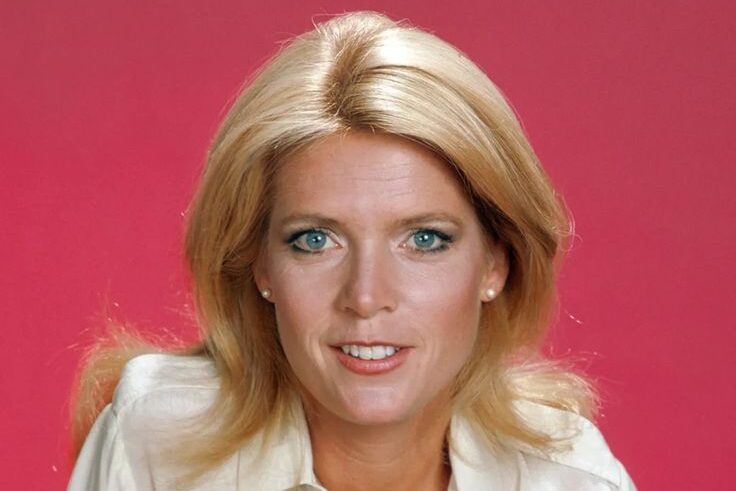
Meredith Baxter spent years appearing in American homes as the dependable television mother whose warmth felt familiar to millions of viewers watching weekly family sitcoms. After those busy acting decades ended, her life moved through difficult but deeply personal changes including recovery from addiction, emotional self reflection, and a stronger focus on inner stability. In her sixties, during a relaxed television interview, she openly acknowledged being in a same sex relationship and calmly identified herself without drama. The conversation felt gentle and sincere, more like a personal update shared with longtime friends than a major celebrity announcement designed to shock headlines.
What stayed with audiences was the grounded way she spoke afterward, describing self acceptance as something that developed slowly across years rather than appearing in one sudden realization. Baxter often explained that aging brought freedom because public opinion stopped feeling frightening once she understood herself clearly. Many fans responded with warmth because her honesty sounded human, mature, and quietly brave. Her experience reminds readers that confidence does not always belong to youth. For many people, clarity comes later, after careers, relationships, and personal struggles gradually build the courage needed to finally speak in a completely natural voice.
3. Victor Garber
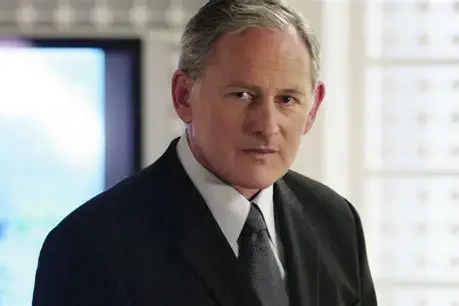
Victor Garber built one of those steady careers where audiences instantly recognize the face from theatre, films, and respected television roles even if they cannot list every performance from memory. Throughout those decades, his private life remained comfortably known within professional circles yet never pushed into publicity campaigns or dramatic interviews. Later in his career, when a journalist casually asked about his longtime partner, Garber simply confirmed the relationship in a calm matter of fact tone and continued answering the next question. The simplicity of that moment made it feel far more genuine than any planned public statement ever could.
By that point his professional standing was secure, his reputation respected, and there was little reason to treat the truth like sensitive news. Fans appreciated how ordinary the exchange felt, as though they had simply learned another normal detail about someone they already admired. Garber’s approach shows that public honesty does not always arrive with speeches or emotional declarations. Sometimes it appears quietly inside a routine interview when a person finally reaches a stage where answering plainly feels easier than continuing years of polite, unnecessary avoidance.
4. Rupert Everett
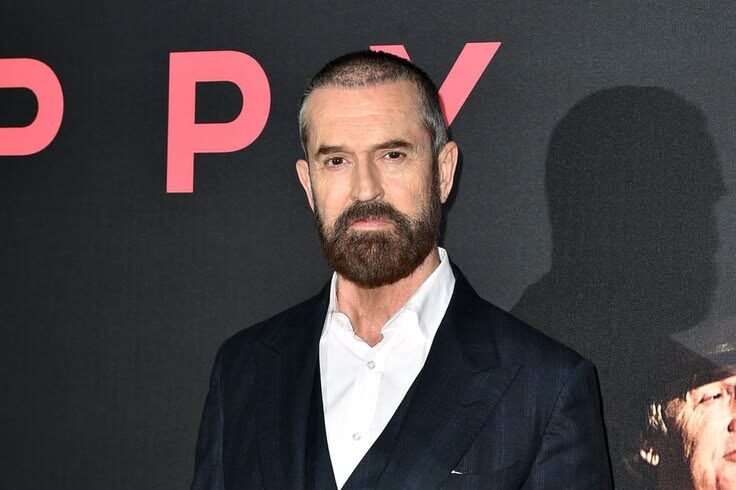
Rupert Everett’s career has moved across film, stage, writing, and directing, and he became known early for both sharp humor and unusual honesty compared with many actors of his generation. At a time when studio executives still worried about how audiences perceived romantic leading men, Everett spoke openly about being gay, a decision he later suggested may have limited certain casting opportunities. As the years passed and his work expanded into directing and memoir writing, his interviews gradually shifted in tone. Instead of defending personal choices, he began calmly describing how the industry once operated and how expectations shaped young performers’ survival strategies.
Listening to his later conversations often feels like hearing an experienced professional recount old workplace stories with thoughtful distance rather than lingering frustration. With career stability already secured, he sounded freer to share lessons, mistakes, and observations about Hollywood culture. Audiences tend to respond strongly to that seasoned perspective because it feels lived in and sincere. Everett’s journey highlights how personal openness sometimes becomes easier not because identity changes, but because time eventually replaces the professional anxiety that once surrounded every public word.
5. John Amaechi
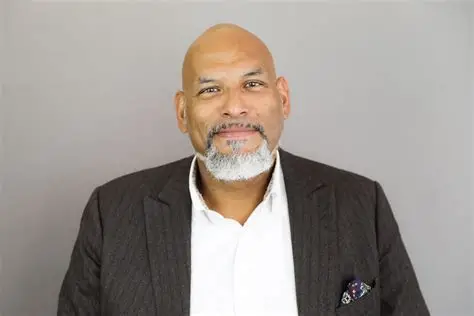
John Amaechi’s professional basketball years demanded intense discipline, constant travel, and the emotional pressure that comes with competing at the highest international level. When his NBA career ended, he stepped into a completely different path focused on psychology, organizational leadership, and academic research. During this transition, he publicly discussed being gay, presenting the decision not as a dramatic revelation but as part of living honestly in his next chapter. His interviews often sounded analytical and thoughtful, examining locker room culture, expectations of masculinity, and the personal cost that long term secrecy can quietly impose on athletes.
Retirement gave him the distance needed to discuss those experiences calmly rather than defensively. He soon became a respected speaker advising companies, universities, and sports organizations on leadership and inclusive workplace culture. Many listeners connect with his measured tone because it feels educational instead of sensational. Amaechi’s story shows how leaving one high pressure career can open the space for a fuller identity to emerge. In many cases, the most influential part of a public figure’s life begins only after the original competition, contracts, and headlines finally step into the background.
6. Billy Bean
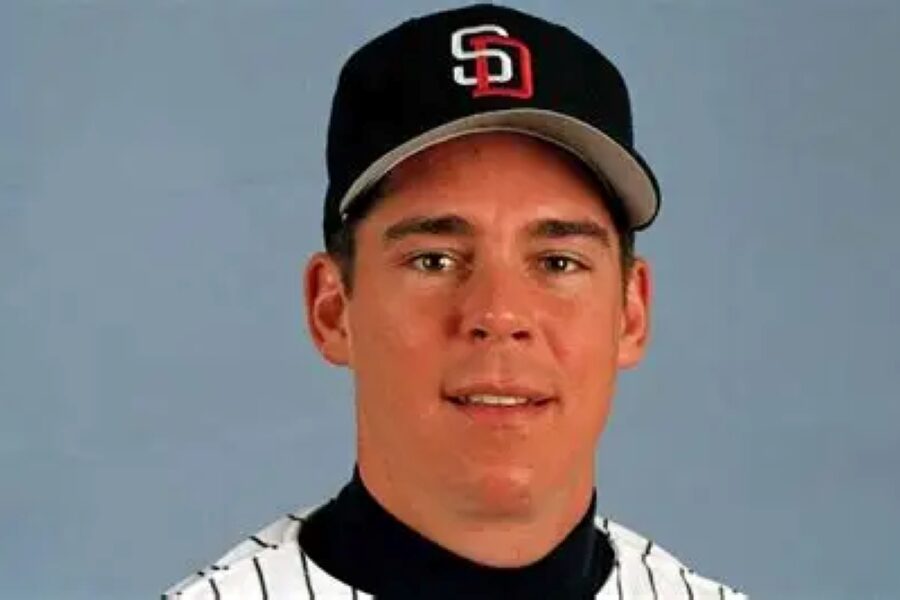
Billy Bean’s playing career in Major League Baseball passed without the kind of superstar attention that keeps an athlete constantly in headlines, yet the years that followed became far more defining for his life and influence. After stepping away from the field, he gradually spoke about being gay and described how much fear and silence shaped his time inside professional locker rooms. Instead of distancing himself from the sport, he chose to return in an executive role, working quietly behind the scenes while learning how league systems functioned and how player culture could slowly be improved through patient internal leadership.
Over time Bean became one of baseball’s most trusted voices on inclusion, helping guide programs meant to support players who might feel isolated or uncertain about their place in the sport. His interviews often sound reflective rather than emotional, focusing on solutions instead of past regrets. Many fans and colleagues now believe his greatest contribution to baseball did not come from his seasons on the field at all. It came later, when experience, honesty, and leadership combined to allow him to shape a safer professional environment for the next generation entering the game.
7. Gareth Thomas
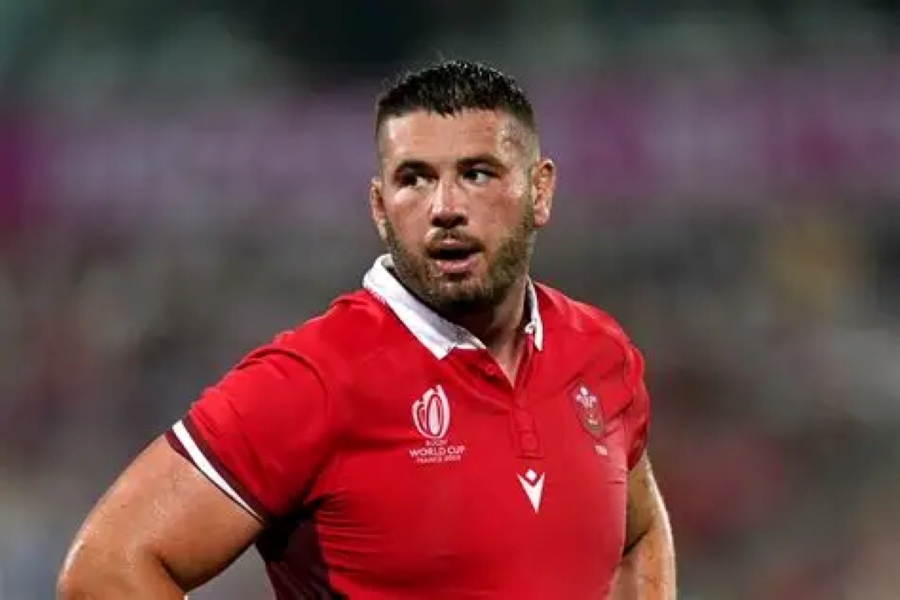
Gareth Thomas built his reputation as one of Wales’s toughest rugby leaders, known for relentless physical play, emotional intensity, and a fierce commitment to his teammates during international competition. Near the closing phase of his professional career, he privately shared with teammates that he was gay, a moment he later described as both terrifying and deeply relieving. Public confirmation followed as retirement approached, and in later interviews he spoke openly about the emotional strain of maintaining two separate lives while still trying to lead a national squad under enormous public scrutiny and constant physical pressure.
Once his playing days ended, Thomas shifted naturally into advocacy work focused on mental health awareness, youth mentorship, and anti bullying campaigns. His speaking style tends to remain direct and practical, rarely dramatic, often emphasizing support networks and personal resilience rather than focusing on hardship alone. Many rugby supporters say his honesty ultimately strengthened public respect for him instead of weakening it. His journey reflects something many athletes quietly understand, that personal truth does not destroy professional legacy. In many cases it deepens admiration, especially when it arrives with maturity, humility, and a clear intention to help others feel less alone.
8. Sheryl Swoopes
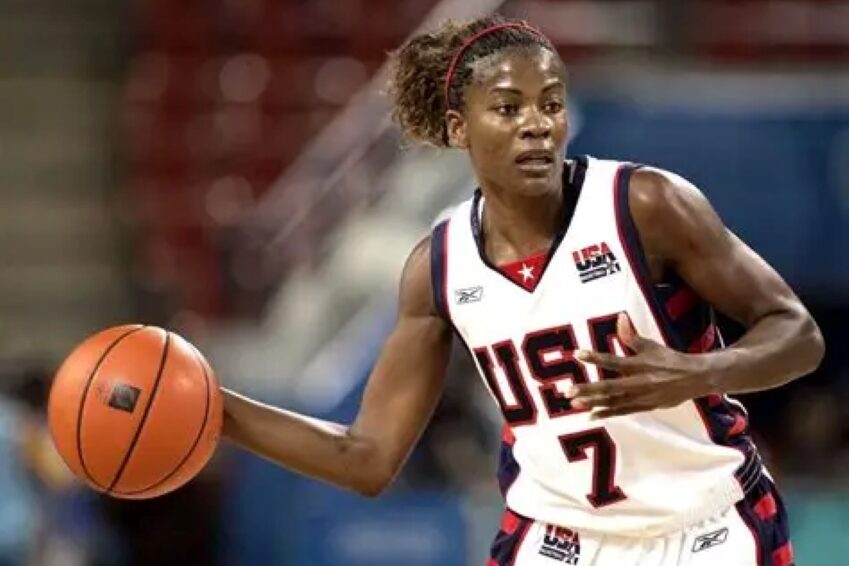
Sheryl Swoopes spent years at the center of women’s professional basketball, winning championships, Olympic medals, and recognition as one of the most influential players the sport has produced. During her competitive seasons, media attention sometimes touched on her personal life, yet the most thoughtful conversations about identity often arrived later when daily training, travel, and game pressure no longer dominated her routine. In retirement interviews she spoke calmly about relationships, motherhood, and personal growth, sounding less like someone responding to headlines and more like someone simply sharing the natural direction her life had taken over time.
Her transition into coaching and mentoring allowed her experience to shape younger players both professionally and personally. Many athletes valued her openness because it felt steady and reassuring rather than performative or scripted. Fans who followed her full career often say her later voice revealed a more complete picture of who she was beyond statistics and trophies. Swoopes’s story shows how athletic careers sometimes delay personal reflection, and how the quieter years after competition can create the space where confidence, experience, and honesty finally settle comfortably together.
9. Greg Louganis
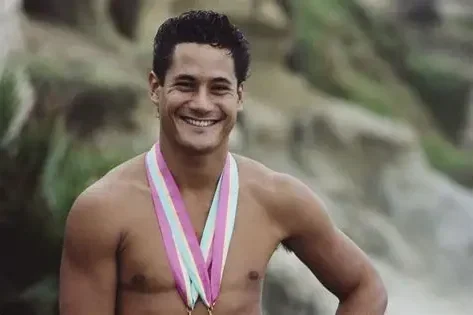
Greg Louganis once stood at the absolute peak of Olympic diving, admired worldwide for technical perfection and calm competitive focus that made his performances look almost effortless. Years after leaving elite competition, he began sharing far more openly about his life, including being gay and living with HIV, gradually revealing the emotional realities hidden behind the composed public image viewers had known during his medal winning years. His later public appearances often feel patient and mentoring in tone, focusing on health awareness, emotional resilience, and the importance of accepting oneself rather than trying to maintain impossible public expectations.
In retirement Louganis moved into coaching, writing, and educational speaking, where honesty became central to his connection with audiences. Many longtime fans say that understanding his full personal journey ultimately deepened their admiration far beyond what athletic results alone inspired. His story demonstrates how public respect can grow over time as people learn the human reality behind past achievements. Olympic victories may create historic moments, but personal truth, shared with calm perspective and a desire to guide others, often becomes the legacy that endures far longer.
10. Martina Navratilova
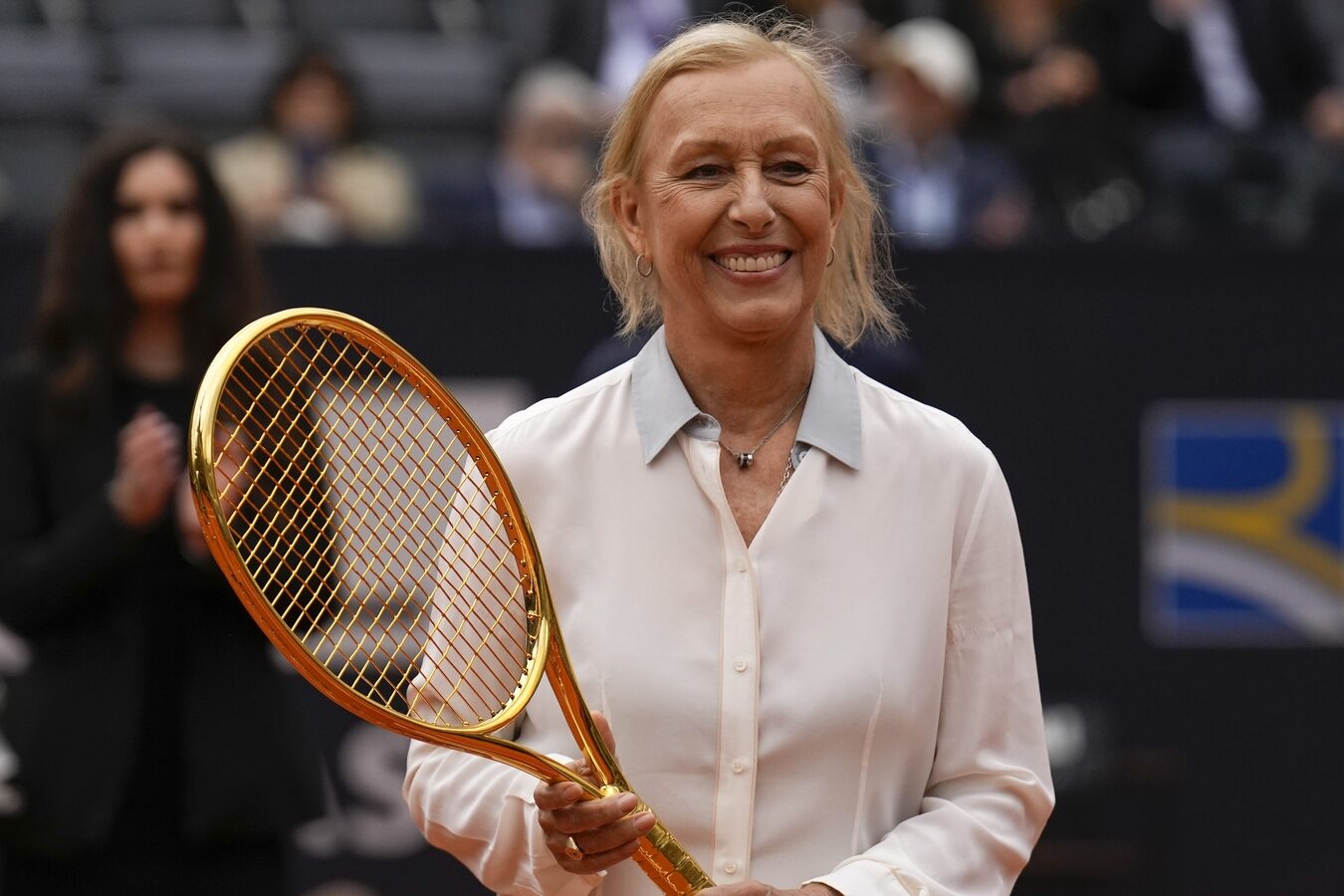
Martina Navratilova’s tennis career placed her among the most dominant champions the sport has ever seen, with relentless training schedules and global media attention shaping much of her professional life for decades. Although her sexuality was publicly known during her playing years, the tone of conversations around identity often shifted once the intense cycle of tournaments and rankings finally ended. Retirement allowed her to move into broadcasting, mentoring, and advocacy roles where interviews became more reflective and thoughtful, focusing less on defending personal choices and more on discussing fairness, belonging, and long term cultural change in sport.
Observers often noticed that her later public voice sounded far more conversational than during her competitive peak, when every statement risked being interpreted through the lens of ongoing matches and national expectations. Without the immediate pressure of performance, her perspective broadened into wider discussions about athlete wellbeing and inclusive sports environments. Many younger players have cited her steady openness as quietly influential in shaping a more accepting culture. Navratilova’s journey shows that the end of competition does not silence a champion’s voice. Often it finally gives that voice room to speak fully and guide others.
11. Jason Collins
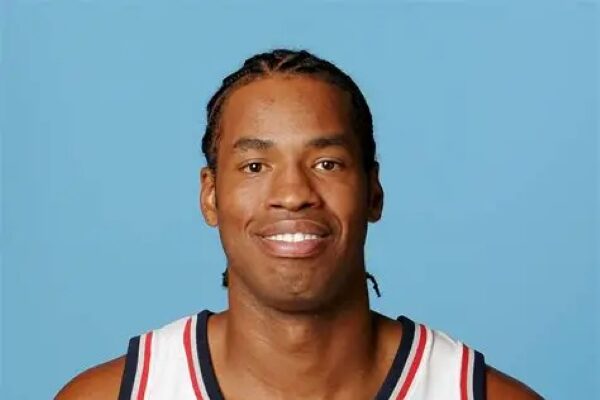
Jason Collins spent many years in the NBA known primarily as a reliable defensive center and respected teammate whose work rarely focused on personal publicity. Near the end of his playing career he publicly acknowledged being gay, yet many of his most thoughtful conversations about that experience came later after retirement, when the daily rhythm of games, travel, and contract pressure finally stopped. With distance from competition, his interviews became calmer and more reflective, focusing on family support, media attention, and the emotional reality of suddenly representing something far larger than his individual basketball statistics.
In retirement Collins moved into speaking engagements, inclusion work, and community outreach, where longer conversations replaced short postgame interviews. He often describes how the public moment felt overwhelming at the time, but later reflection allowed him to understand its broader meaning for younger athletes watching. Listeners frequently connect with his relaxed storytelling because it sounds grounded and human rather than historic. His journey shows how professional athletes sometimes process life changing moments only after their careers slow down, when time finally allows them to explain what those experiences truly meant.
12. Glenn Burke
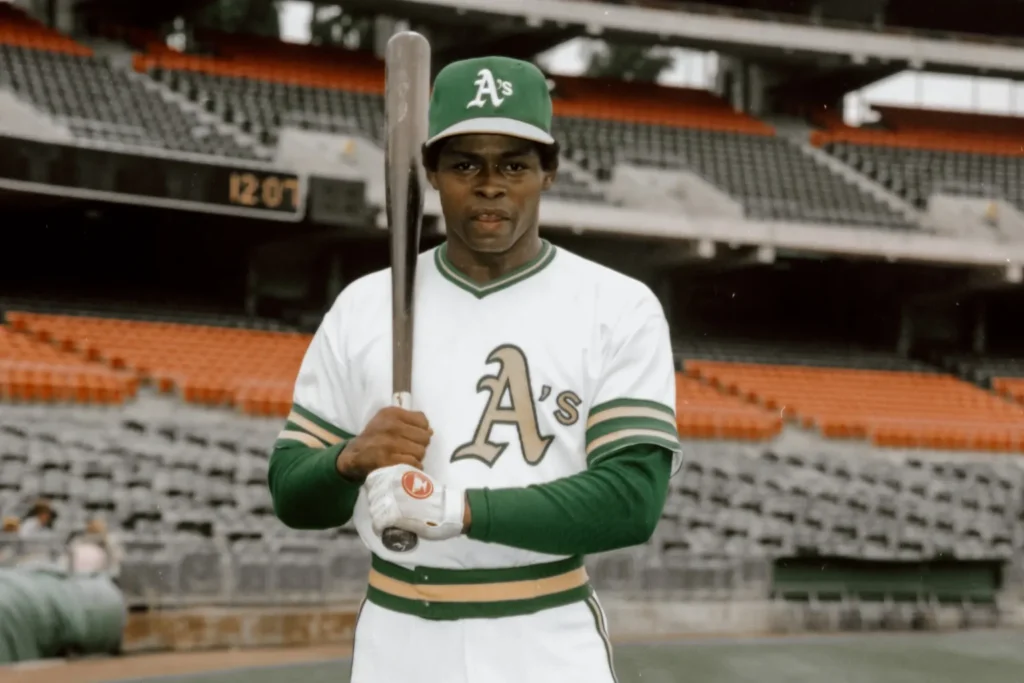
Glenn Burke played Major League Baseball during the late 1970s, an era when open discussion of sexuality inside professional sports was almost nonexistent and team culture often discouraged any personal difference from public view. Teammates later confirmed that Burke never truly hid who he was privately, yet widespread public recognition of his identity and significance came mostly after his career ended. In the years since, documentaries, biographies, and historical research have reframed his story with far more empathy than existed while he was actively playing professional baseball.
Today Burke is frequently remembered not only as a talented outfielder but also as one of the earliest openly gay players connected to the league’s modern history. His life is now discussed in broader conversations about inclusion, athlete wellbeing, and the cultural pressures that shaped earlier generations of professional sports. Many readers find his story quietly powerful because it shows how some pioneers are understood fully only with time. Recognition did not arrive loudly during his seasons on the field, yet years later his place in baseball history feels far more secure and deeply respected.
13. David Testo

Professional soccer midfielder David Testo spent years competing in North American leagues while carefully guarding his personal life from public discussion and locker room scrutiny. Shortly after retiring from professional play, he spoke openly about being gay and described the constant emotional pressure of maintaining secrecy throughout his career. His interviews often sounded less like dramatic revelations and more like honest explanations from someone relieved to finally stop editing every personal detail before speaking. That straightforward tone helped many listeners understand how ordinary the fear of professional consequences had felt during his playing years.
After retirement Testo moved into coaching and youth development work, where his experiences shaped how he approached supporting younger athletes navigating both performance pressure and personal identity. He frequently emphasizes mental wellbeing and team environments built on respect rather than silence. Many readers connect with his story because it reflects a very practical truth. For some athletes, the end of competition does not close their connection to the sport. Instead, it opens the first real opportunity to speak honestly about what their time inside it actually felt like.
14. Ian Roberts
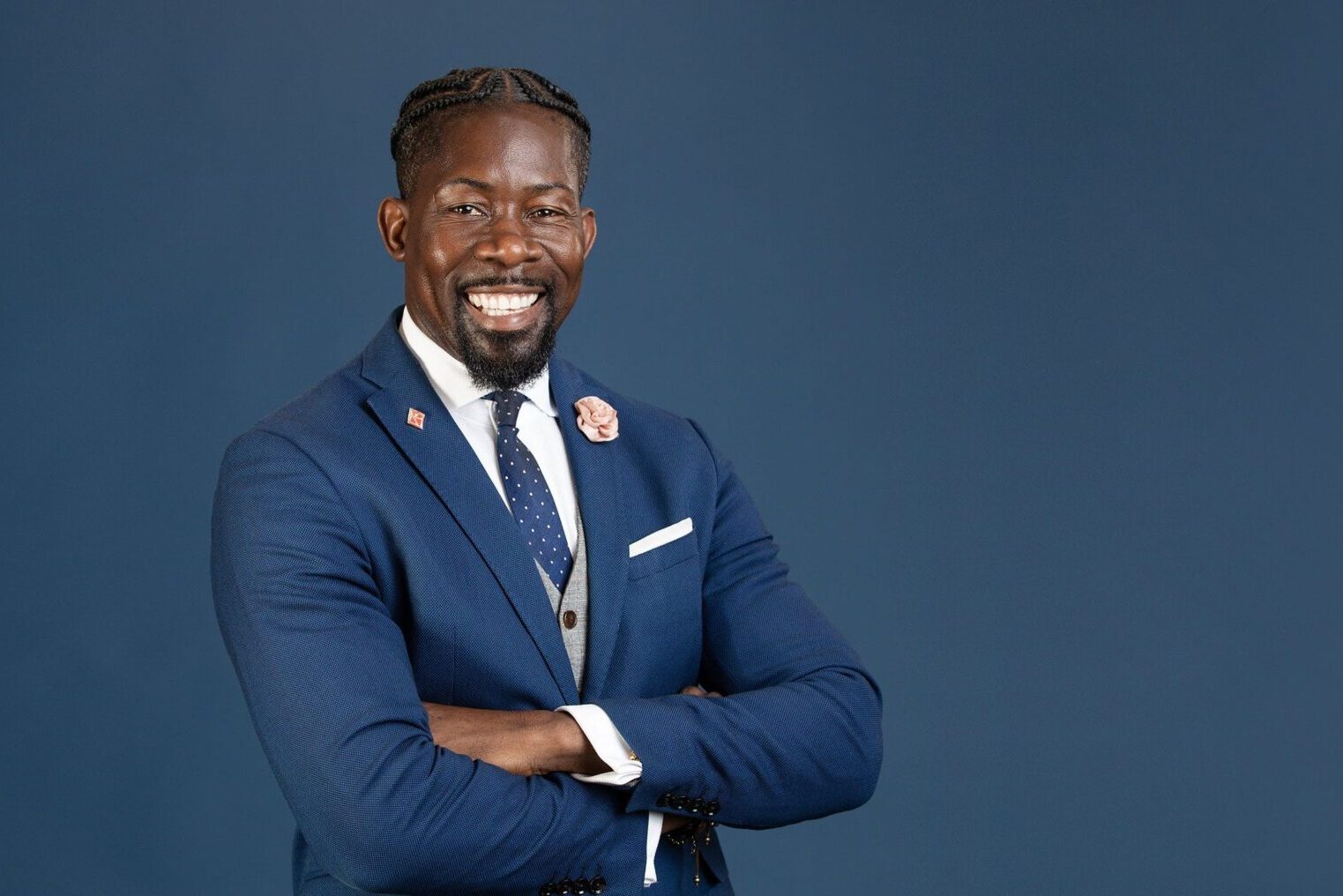
Australian rugby league star Ian Roberts built his career on toughness, physical endurance, and the intense competitive culture that defined top level rugby during his playing years. Although he acknowledged being gay near the end of his career, much of his deeper public discussion came afterward when retirement allowed him to reflect with greater perspective. In later interviews he often spoke thoughtfully about how strongly traditional masculinity shaped sports environments and how difficult it once felt for players to live openly within that culture while still focused on maintaining professional contracts and team trust.
Following retirement Roberts moved into acting, public speaking, and mentorship roles that allowed him to address those issues directly with younger audiences. His tone in these conversations usually sounds calm and constructive, focusing on progress and understanding rather than revisiting conflict. Many supporters believe his willingness to speak steadily over time helped normalize conversations that once seemed impossible inside rugby circles. His journey shows how influence sometimes grows strongest after competition ends, when experience, distance, and personal confidence finally align to let someone explain their story fully.
15. Robbie Rogers
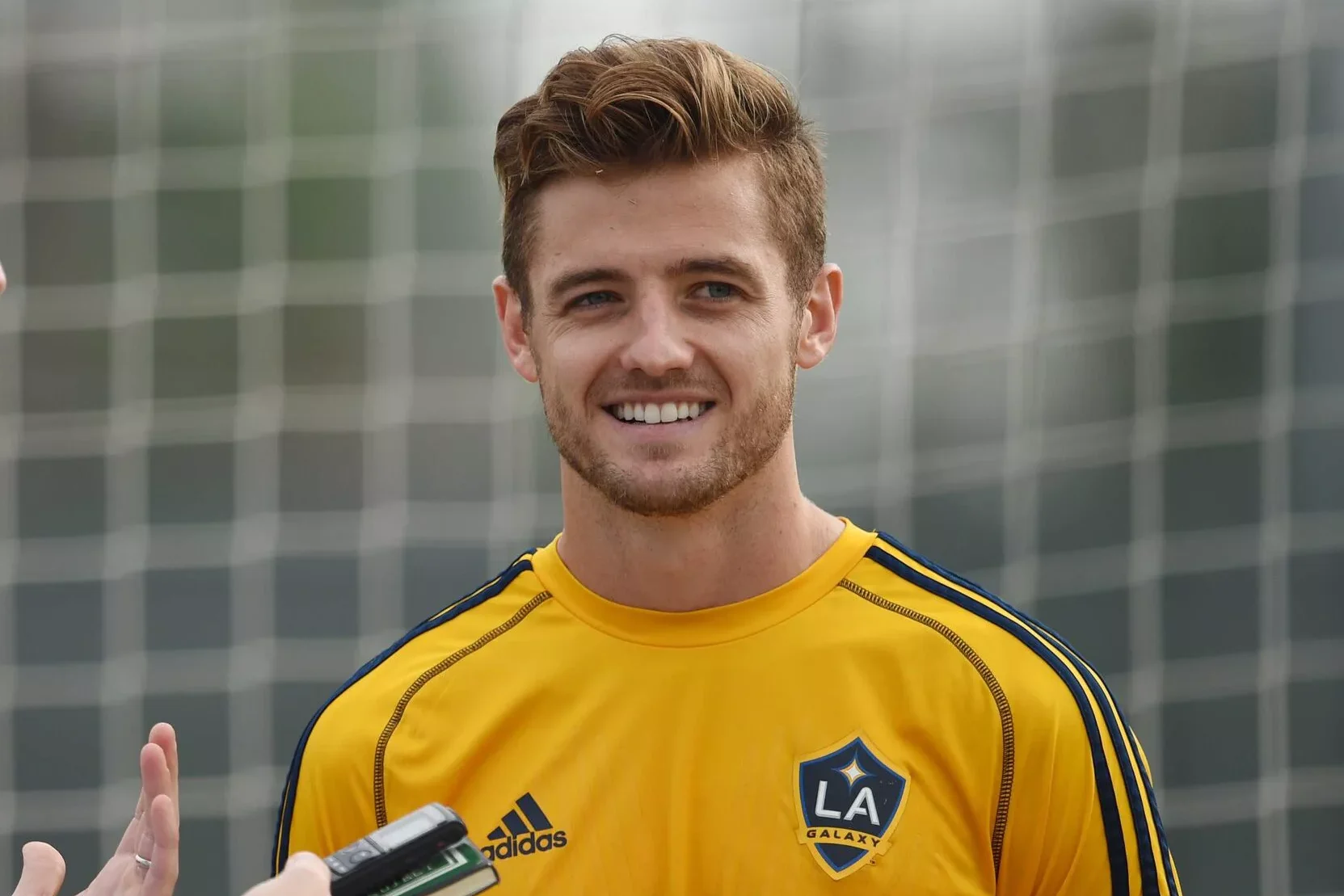
Robbie Rogers experienced a unique path in professional soccer when he briefly stepped away from the sport and, during that pause, publicly acknowledged that he was gay. At the time he believed his playing career might be finished, and his announcement sounded like a personal decision made for emotional health rather than public attention. What followed surprised many observers. After time away, Rogers returned to professional competition with renewed confidence, later explaining that honesty had removed a heavy psychological burden that once affected both his personal life and performance.
When his career eventually concluded, Rogers transitioned into television production and storytelling work, helping develop sports related projects behind the camera. His later interviews often focus less on the announcement itself and more on how stepping away temporarily gave him clarity about identity, career goals, and long term happiness. Many fans view his journey as a reminder that leaving a professional path, even briefly, does not always signal failure. Sometimes distance is exactly what allows someone to return stronger, clearer, and far more comfortable living openly both on and off the field.
16. Tom Robinson

Tom Robinson built his reputation first through music and performance, then later through broadcasting, where his weekly radio presence allowed audiences to hear a more reflective and conversational side of his personality. While he had been publicly open for many years, some of his most thoughtful personal discussions about identity, relationships, and cultural change emerged during these later broadcasting decades. The slower pace of radio conversations created space for honest storytelling that sounded more like lived experience shared with listeners rather than formal public statements shaped by media cycles.
In these later years Robinson often discussed how social attitudes had shifted since the early stages of his career, describing those changes with calm perspective and gentle humor. Listeners frequently appreciated the relaxed tone, which felt closer to a trusted voice speaking from experience than a celebrity addressing headlines. His story fits naturally into this list because it shows how openness can deepen with time. Public identity may begin early, but the most meaningful conversations about it sometimes unfold much later, when life experience gives someone the comfort to speak fully and thoughtfully.
17. Anthony Perkins
Anthony Perkins became internationally famous for roles that shaped classic cinema, yet he worked within an old studio system that tightly managed actors’ personal lives and strongly discouraged open discussion of sexuality. During his lifetime, public acknowledgment of his relationships remained limited, but later biographies, historical research, and colleague interviews gradually presented a fuller and more honest picture of his personal world. These retrospective conversations helped audiences understand the immense professional pressure actors once faced to maintain carefully constructed public personas regardless of private reality.
Modern film historians often describe Perkins with greater compassion, placing his life within the broader cultural limits of his era rather than judging individual choices in isolation. Readers frequently find this perspective meaningful because it shows how social context shapes personal decisions. His story demonstrates that openness is not always something a person was safely allowed to express during their active career. Sometimes the fuller truth only becomes widely understood years later, when cultural attitudes shift enough for earlier lives to finally be discussed with honesty, nuance, and respectful historical understanding.
18. Barry Manilow
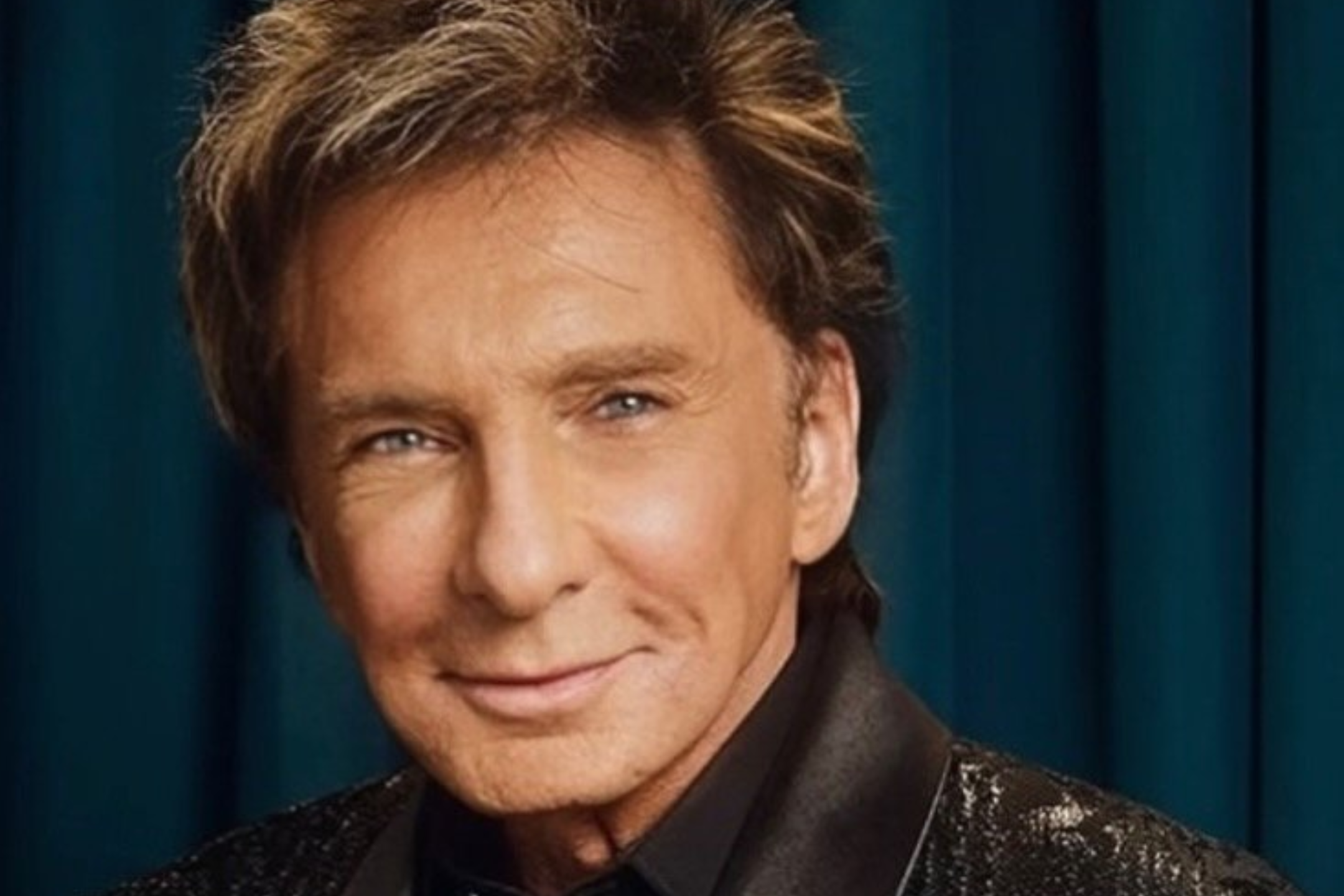
Barry Manilow spent decades as one of the most recognizable performers in global pop music, selling millions of records while maintaining a carefully managed public image shaped by touring schedules, studio recordings, and constant fan expectations. News of his long term same sex marriage became widely public much later in his life, at a point when his place in entertainment history already felt firmly established. The announcement carried a calm and personal tone, sounding more like the natural sharing of private happiness than a calculated publicity moment tied to career promotion.
In interviews afterward, Manilow often expressed gratitude that fans responded with warmth and continued support, something he had quietly worried about during earlier decades. With commercial success already secure, the conversation quickly returned to music, performance memories, and ongoing creative projects. Many readers connect with his experience because it reflects a very human instinct to protect personal relationships until life feels stable enough that outside reaction cannot threaten them. His story shows how sometimes the most meaningful personal confirmations arrive not at the height of fame, but during the quieter years of lasting legacy.
19. Collin Martin
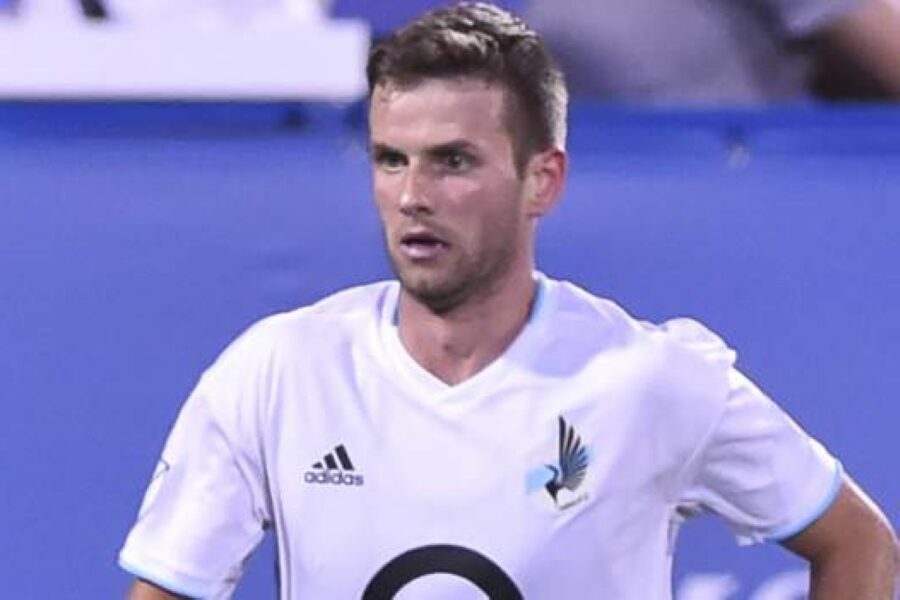
Professional soccer player Collin Martin publicly acknowledged being gay while still actively competing, yet his reflections often include strong recognition of earlier athletes who waited until retirement to feel safe speaking openly. In later interviews he has discussed how seeing those previous generations share their stories helped create an environment where younger players could gradually feel more secure being honest sooner. His career unfolded during a period when sports culture was already shifting, making his experience feel like part of a longer continuing timeline rather than a single isolated moment.
Martin’s ongoing presence in professional leagues and community outreach programs highlights how visibility can slowly reshape expectations for future athletes entering the system. Many supporters see his story not simply as an individual milestone but as evidence that the landscape continues evolving year by year. His perspective naturally links past and present, showing how every earlier voice helped build the conditions that allow newer players to speak with less fear. That steady progression reminds readers that cultural change rarely happens instantly, but it does move forward through each generation’s willingness to live openly.
20. Meredith Vieira
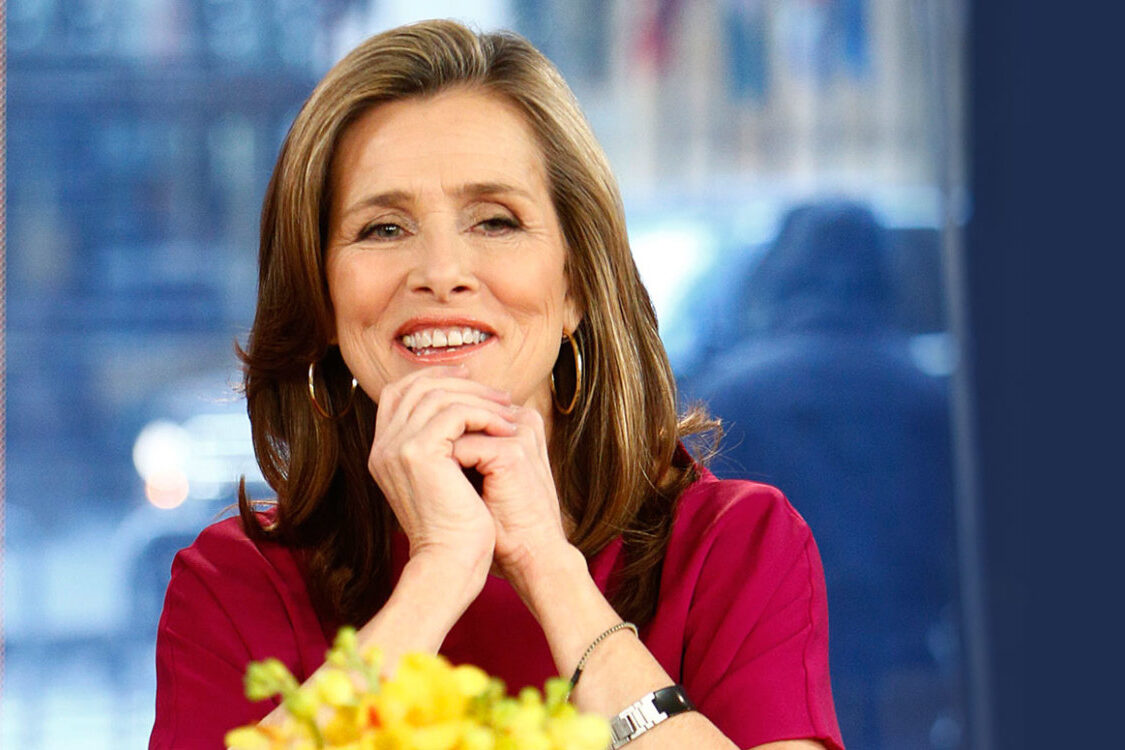
Meredith Vieira spent decades in American broadcasting, known for her calm presence on major morning shows, news programs, and long running television formats that made her a familiar face in millions of homes. While her own identity was never framed as a dramatic personal announcement, later interviews about her family life, friendships, and long public career often touched gently on LGBTQ relationships within her close circle and the changing cultural environment she witnessed across the decades. Speaking in later career reflections, she often emphasized how public conversations about identity grew far more open compared with the early years of television.
In those later discussions, Vieira frequently focused on the importance of acceptance, empathy, and allowing people space to live honestly without fear of professional consequences. Her tone usually sounded reflective and grounded, shaped by years of interviewing public figures whose personal lives once remained hidden from audiences. Many viewers connected with that perspective because it felt thoughtful rather than performative. Including her here quietly reflects how the media landscape itself has evolved, with journalists, performers, and athletes all contributing to a culture where personal truth increasingly feels like something that can be shared openly instead of cautiously protected.


