
1. Snap, Crackle & Pop
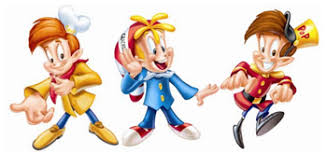
These mascots weren’t just advertising, they were characters we grew up with. Whether they were silly, spooky, or downright iconic, they made every bite feel a little more fun. These three mischievous little elves first appeared in the 1930s, bringing life to a bowl of Rice Krispies with their playful personalities. Snap is the problem-solver, Crackle is the jokester, and Pop is the energetic one, making them a perfect trio for breakfast fun. Their names come from the iconic sound Rice Krispies make in milk, which became one of the most recognizable jingles in cereal history. For decades, animated commercials showed them stirring up excitement in kitchens and Saturday morning cartoon breaks, making kids believe their cereal had its own musical magic. Their lasting presence on cereal boxes and TV ads kept them relevant across generations, proving that a simple idea with the right charm can stay fresh for nearly a century.
2. Trix Rabbit
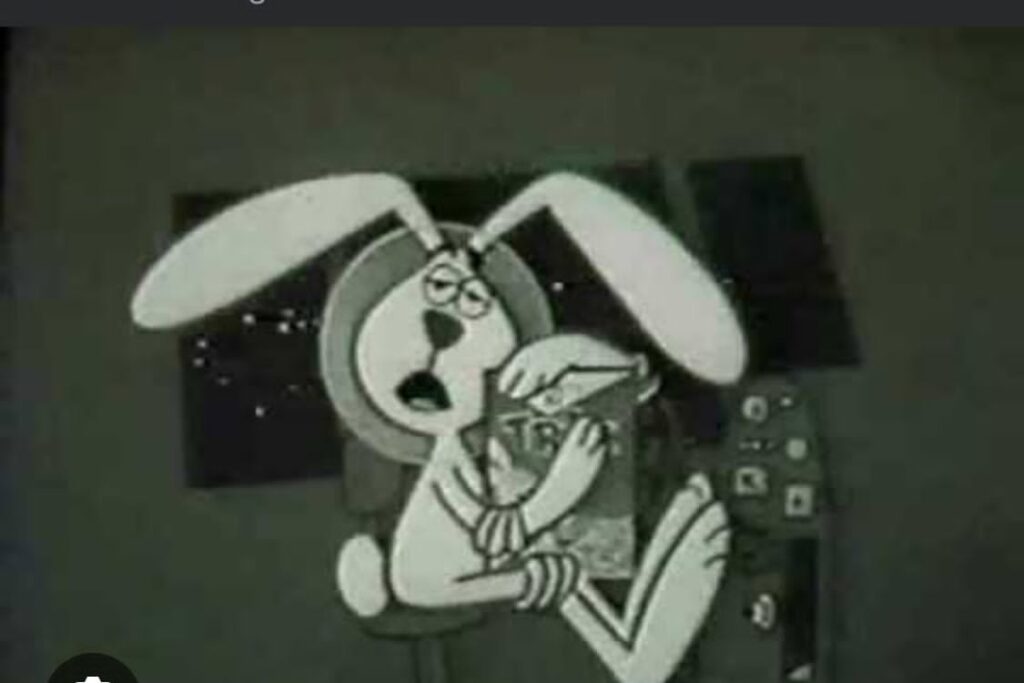
The Trix Rabbit has been chasing cereal since the 1950s, and his constant failures became the very thing that made him unforgettable. Every commercial showed him devising elaborate schemes to steal a bowl of Trix, only to be foiled by kids declaring, “Silly rabbit, Trix are for kids!” His slapstick antics and endless optimism made him one of advertising’s most lovable underdogs. Even when he briefly won the cereal in special promotions, the victory never lasted. Over time, he became a cultural symbol of persistence, teaching kids that sometimes not getting what you want is just as memorable. Despite never quite tasting the fruity cereal he craved, the Trix Rabbit became one of the longest-running mascots in breakfast history.
3. Kool-Aid Man
Bursting onto the scene in the 1970s, Kool-Aid Man literally made an entrance like no other, by smashing through walls with a booming “Oh yeah!” His giant red pitcher body and larger-than-life personality turned him into a pop culture icon almost instantly. Unlike most mascots, he didn’t just talk about the product; he made the drink itself come alive, pouring joy (and Kool-Aid) into every scene. Kids loved the idea of a character who broke the rules of reality just to bring them refreshment. Over time, he appeared in video games, comics, and parodies, cementing his status far beyond commercials. While parents might have worried about wall repairs, children saw him as the ultimate symbol of fun and summer excitement.
4. Tony the Tiger
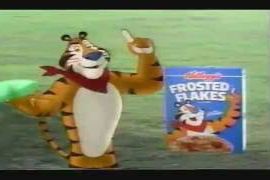
Tony the Tiger roared into advertising in the 1950s and quickly became one of the most recognizable cereal mascots of all time. With his muscular frame, friendly smile, and booming catchphrase “They’re grrreat!” he made Frosted Flakes feel like a champion’s breakfast. His deep, resonant voice, first provided by actor Thurl Ravenscroft, gave him a warmth that resonated with both kids and parents. Over the years, Tony became more than a cereal seller; he represented sportsmanship, encouragement, and positivity, often shown mentoring kids in commercials. His consistency across decades made him a rare figure in advertising, appealing to multiple generations without losing his charm. Few mascots have balanced fun and inspiration as well as Tony, making him the gold standard of cereal icons.
5. Cap’n Crunch
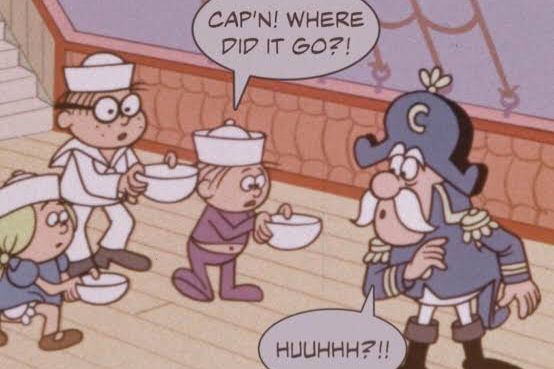
Introduced in the 1960s, Cap’n Crunch brought nautical whimsy to breakfast with his bold uniform, white mustache, and trusty ship, the S.S. Guppy. Unlike other mascots, he was given a full backstory as a captain exploring sugary seas and protecting his cereal from mischievous foes. His commercials often played out like mini adventures, with the Cap’n saving the day while promoting the crunchy, sweet cereal that bore his name. The character’s mix of authority and silliness appealed to kids, while the cereal’s unique texture kept it a pantry staple. Over the years, he has spawned countless spin-off flavors and even internet jokes questioning his “rank,” but through it all, Cap’n Crunch has remained a steadfast figure in cereal advertising.
6. Toucan Sam
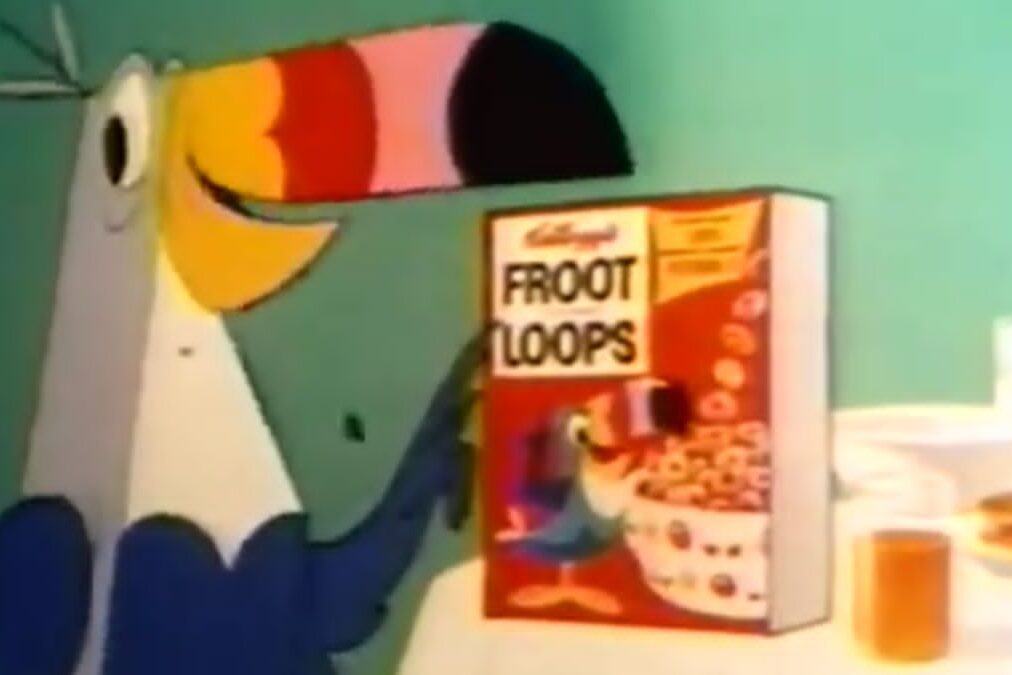
Toucan Sam, with his brightly colored beak and cheerful British accent, became the face of Froot Loops starting in the 1960s. His famous catchphrase “Follow your nose, it always knows” made him stand out among cereal mascots, inviting kids to join him on fruit-scented adventures. Commercials often showed him flying through magical worlds, leading children straight to a treasure trove of loops. His tropical colors and playful personality made him instantly recognizable on store shelves. Even as his design has changed over the years to match new animation styles, Toucan Sam’s charm has never faded. He remains a reminder of childhood breakfasts filled with sweet, fruity fun.
7. Count Chocula
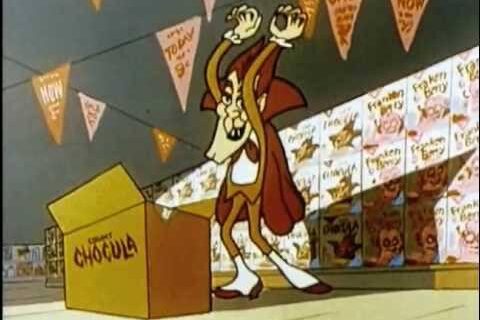
Part of General Mills’ Monster Cereals lineup, Count Chocula debuted in 1971 as a chocolate-loving vampire with a quirky, cartoonish charm. Unlike scary vampires from movies, he was goofy, endearing, and obsessed with his chocolate cereal, making him more funny than frightening. His commercials often played up his rivalry with Franken Berry, creating a playful monster universe that kids loved. Count Chocula stood out not just for his character but for being the first chocolate-flavored cereal mascot of its kind. Although Monster Cereals became seasonal over time, his presence during Halloween and nostalgia-driven re-releases has kept his legacy alive. For many, Count Chocula made breakfast feel like a year-round trick-or-treat.
8. Sugar Bear
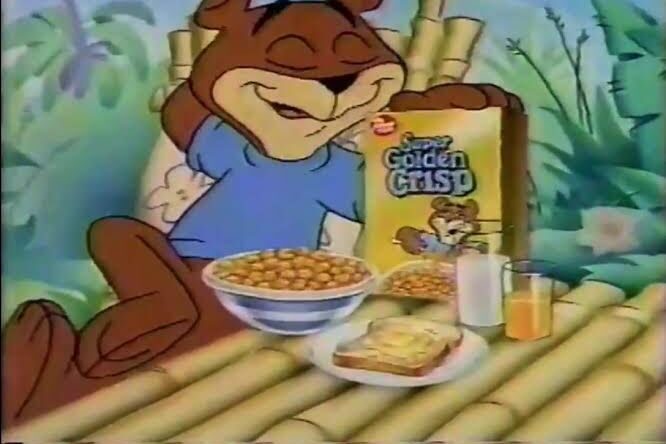
Smooth-talking and always relaxed, Sugar Bear was the mascot for Golden Crisp, famous for his calm voice and cool demeanor. Introduced in the 1960s, he often sang jazzy jingles and outsmarted villains trying to steal his cereal. With his sunglasses and laid-back attitude, he was unlike other high-energy mascots, more of a lounge singer than a cartoon comedian. Kids loved his effortless confidence, while adults appreciated the playful coolness he brought to advertising. Sugar Bear’s persona became so strong that he even spawned a short-lived cartoon show. While Golden Crisp may not dominate shelves the way it once did, Sugar Bear’s groovy personality still makes him one of the most distinctive mascots in cereal history.
9. Cornelius Rooster
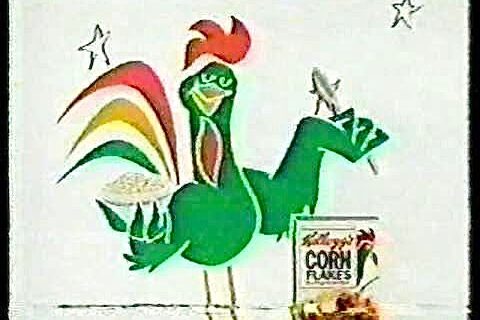
Cornelius “Corny” Rooster has been quietly greeting families on boxes of Corn Flakes since the 1950s. Unlike many mascots filled with antics and catchphrases, Cornelius was simple, just a friendly green rooster crowing to start the day. His design was inspired by the traditional association between roosters and morning, making him a natural fit for a breakfast brand. Though he never had the over-the-top personalities of other mascots, his reliability and classic look gave Kellogg’s Corn Flakes a wholesome identity. His understated presence has endured for generations, proving that sometimes, subtlety is just as memorable as spectacle. For many households, Cornelius is a symbol of breakfast tradition.
10. BuzzBee
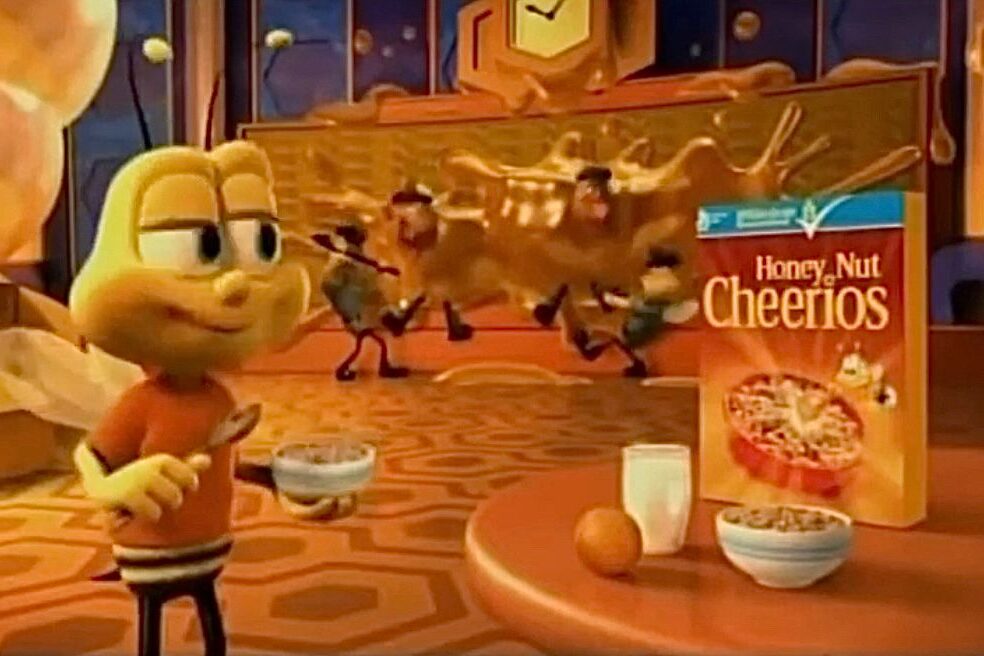
BuzzBee, the cheerful mascot for Honey Nut Cheerios, first appeared in the late 1970s to bring sweetness and fun to a cereal that was also marketed as healthy. With his striped body, smiling face, and boundless energy, BuzzBee turned whole-grain cereal into something kids could get excited about. Commercials often showed him buzzing around to protect the honey flavor while teaching children about making smart food choices. Over time, he became a key part of Honey Nut Cheerios’ success, helping it become one of the best-selling cereals in America. BuzzBee’s mix of playfulness and positivity made him more than just a mascot, he became a trusted friend at the breakfast table.
11. Ernie Keebler and the Keebler Elves
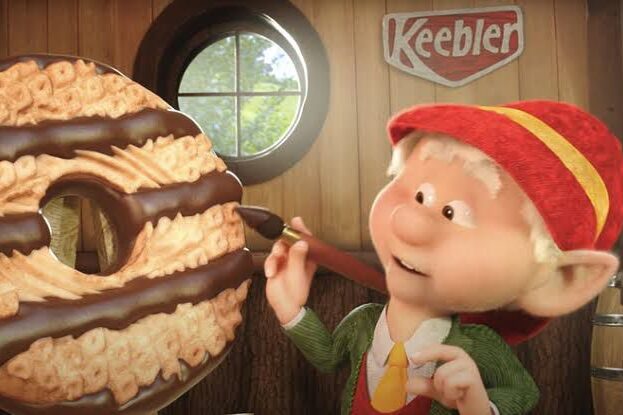
The Keebler Elves, led by the kindly Ernie, turned a simple cookie brand into something magical by baking treats inside a hollow tree. Introduced in the 1960s, their commercials showed the elves mixing dough and sprinkling chocolate chips with a dash of enchantment. Ernie, with his green blazer jacket with a white shirt, red vest and a warm voice, served as the leader, guiding his cheerful team through whimsical baking adventures. The fantasy of elves crafting cookies gave kids the sense that every snack was special and homemade. Over the years, the Keebler Elves became so iconic that their treehouse bakery became as famous as the cookies themselves. Ernie and his crew remain one of advertising’s most charming examples of imagination meeting snack time.
12. Mr. Peanut
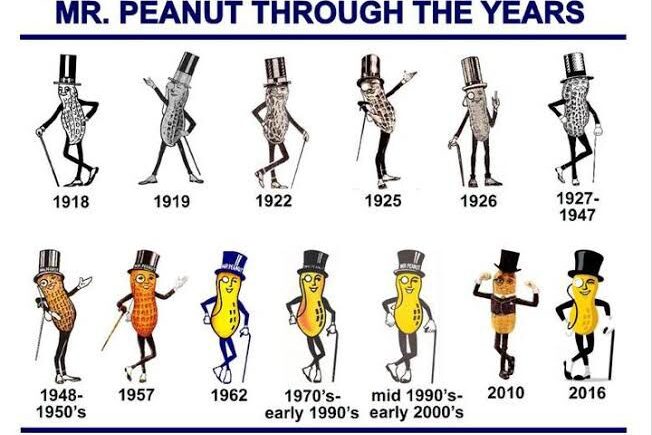
Mr. Peanut has been adding class to snack time since 1916, making him one of the oldest mascots in American advertising. With his top hat, monocle, cane, and polite demeanor, he gave Planters peanuts an air of sophistication. Unlike cartoonish cereal mascots, Mr. Peanut carried himself with gentlemanly charm, appearing in everything from print ads to Super Bowl commercials. His design has remained surprisingly consistent for more than a century, helping him stand out as timeless rather than trendy. In recent years, Planters even experimented with reinventing his story, but the original Mr. Peanut remains an enduring cultural icon. Few characters have balanced fun and elegance the way he has, making him a true pioneer in food branding.
13. Cuckoo Bird
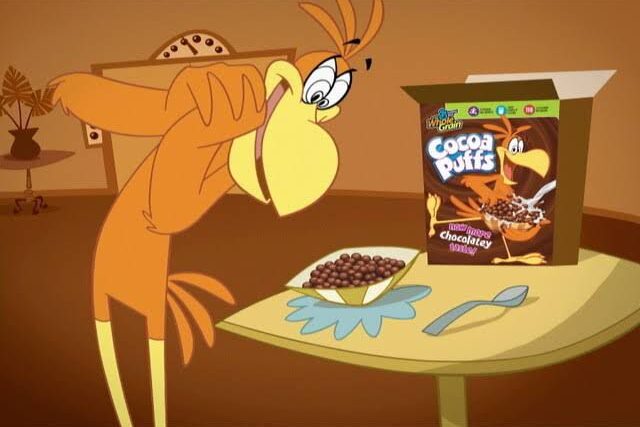
The Cuckoo Bird, better known as Sonny, became famous for being “cuckoo for Cocoa Puffs.” First introduced in the 1960s, his wild eyes, frantic energy, and uncontrollable love for chocolate cereal made him an instant standout. Commercials often showed him trying and failing to resist the cereal before launching into his signature catchphrase. His zany personality appealed to kids who loved watching his over-the-top reactions. Unlike calmer mascots, Sonny thrived on chaos, turning Cocoa Puffs into the ultimate sugar-fueled breakfast experience. Over time, he became one of the most memorable characters in cereal advertising, proving that sometimes being a little “cuckoo” is exactly what makes a mascot unforgettable.
14. Honeycomb Kid and Bear
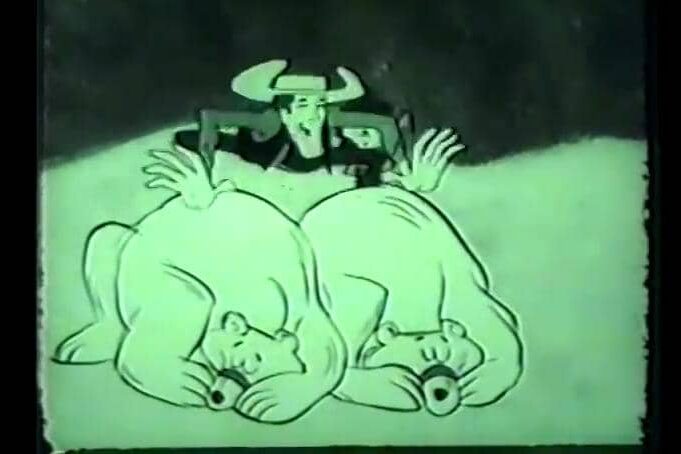
Honeycomb cereal commercials in the 1970s and 1980s introduced a duo unlike any other: the Honeycomb Kid and his loyal bear. Together, they defended the cereal’s “big honey taste” in fun, adventurous spots that mixed action with sweetness. The Honeycomb Kid, with his shaggy hair and fearless spirit, often outsmarted villains who tried to steal the cereal, while the bear provided comic relief and backup. Their teamwork gave the brand an exciting, almost superhero-like edge that set it apart from simpler mascots. While later years brought new approaches to Honeycomb advertising, the original Kid and Bear duo remains fondly remembered by fans of retro cereal ads.
15. Boo Berry
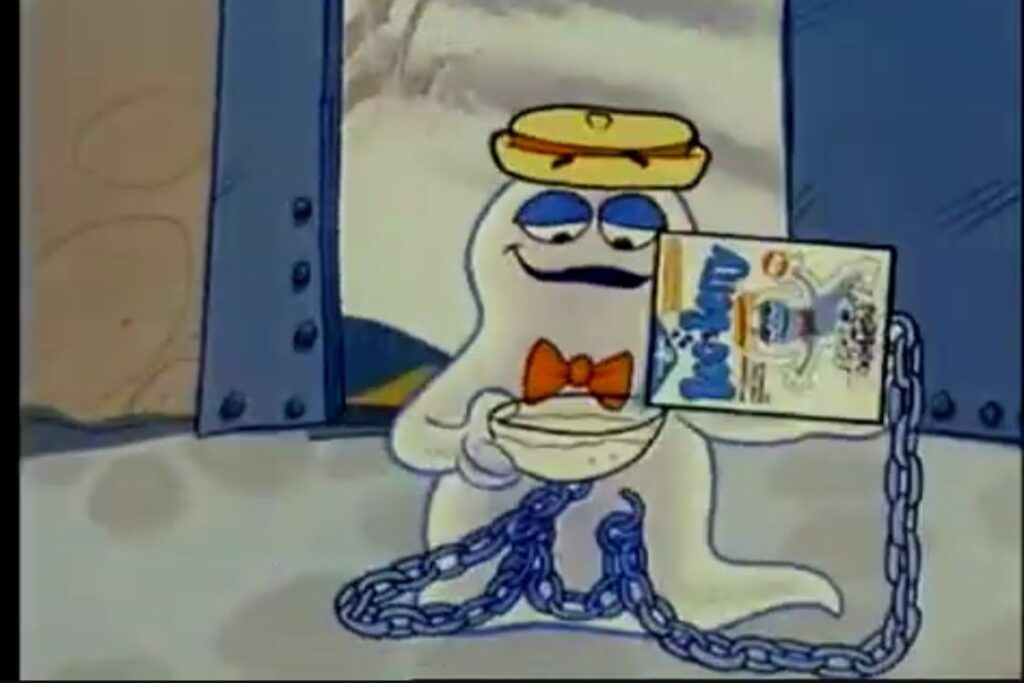
Introduced in 1973, Boo Berry added a blueberry twist to General Mills’ Monster Cereals lineup. With his light-blue ghostly appearance, derby hat, and smooth, groovy voice, he brought a mellow personality to the spooky cereal crew. While Count Chocula and Franken Berry often took center stage, Boo Berry quietly developed a devoted fan base thanks to his unique flavor and quirky charm. His commercials leaned into his ghostly nature, floating around to tempt kids with bowls of cereal while maintaining a gentle, easygoing vibe. Though not always as heavily promoted as his monster peers, Boo Berry has become something of a cult favorite, especially during Halloween when nostalgic fans seek him out.
16. Franken Berry
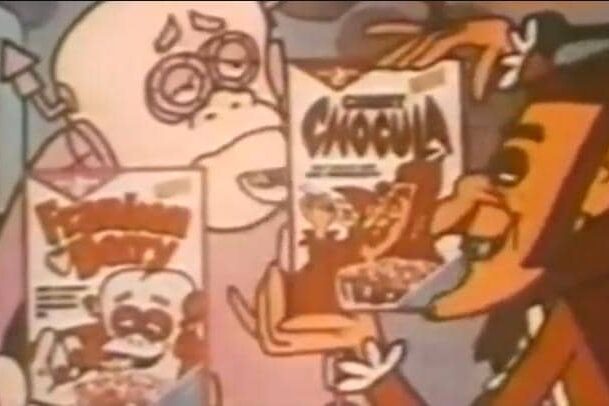
Franken Berry debuted in 1971 alongside Count Chocula as part of General Mills’ Monster Cereals. With his bright pink color, bolts on his neck, and goofy Frankenstein-inspired design, he was more sweet than scary. Known for his strawberry-flavored cereal, Franken Berry was portrayed as a gentle, slow-witted character who just wanted to share his favorite breakfast. His friendly demeanor balanced perfectly with Count Chocula’s boastfulness, making their rivalry fun rather than frightening. Though Monster Cereals eventually became seasonal, Franken Berry has remained a nostalgic favorite, reappearing each Halloween. For fans, he represents the playful mix of monsters and candy-colored cereal that made Saturday mornings magical.
17. Quisp and Quake
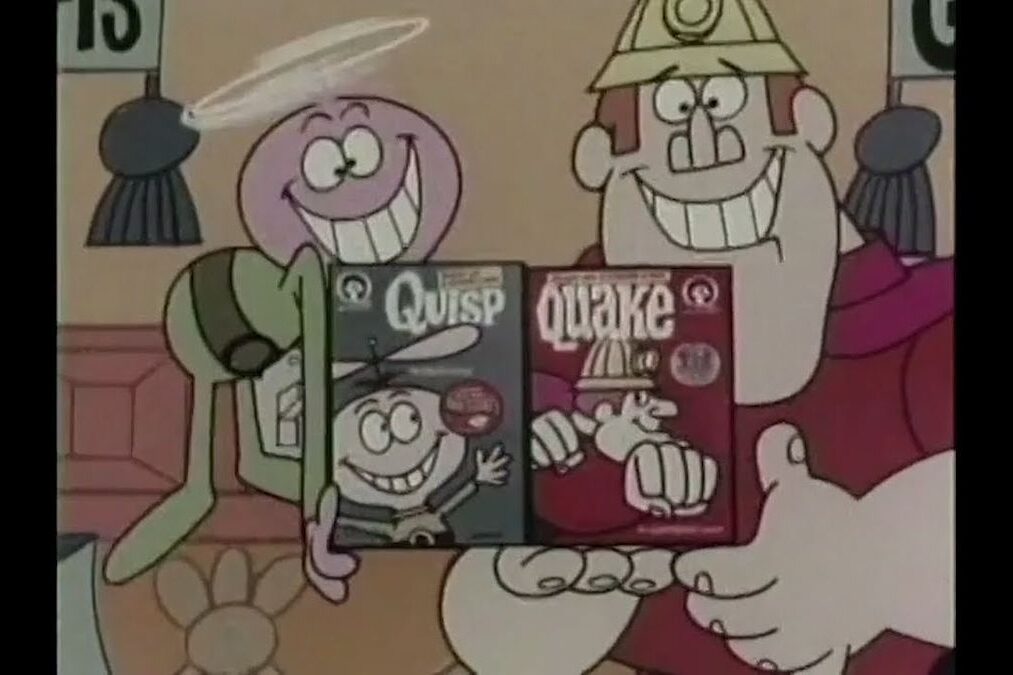
Quisp and Quake were rival mascots introduced in the 1960s by Quaker Oats, giving kids a choice between two bold characters. Quisp was a quirky pink alien with a propeller hat, while Quake was a muscular miner with a hard hat and pickaxe. Their commercials often showed them competing for kids’ attention in silly contests, creating a playful sense of brand rivalry. In the end, Quisp outlasted Quake, becoming the more popular mascot with his futuristic charm and offbeat humor. While both cereals eventually faded from mainstream shelves, they remain cult classics, remembered fondly for their wacky advertising battles. Together, Quisp and Quake showed how mascots could make breakfast feel like a showdown worth tuning in for.
18. Little Debbie
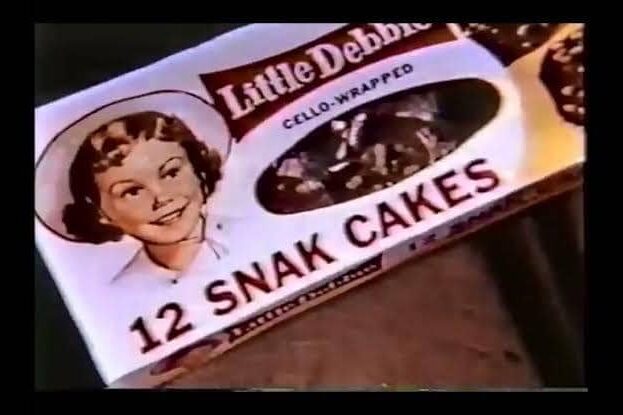
Unlike many cartoon mascots, Little Debbie is based on a real person: the granddaughter of one of the founders of McKee Foods. Her smiling face, framed by a straw hat and curls, first appeared on boxes of snack cakes in the 1960s and has remained largely unchanged since. The image of Little Debbie has always conveyed trust, warmth, and family values, which matched perfectly with the brand’s promise of affordable, homemade-style treats. Over the decades, her wholesome look became one of the most recognizable symbols in grocery aisles. While the world of advertising mascots often leans toward flashy cartoons, Little Debbie’s simple, human charm has given her staying power for generations.
19. Hamburglar
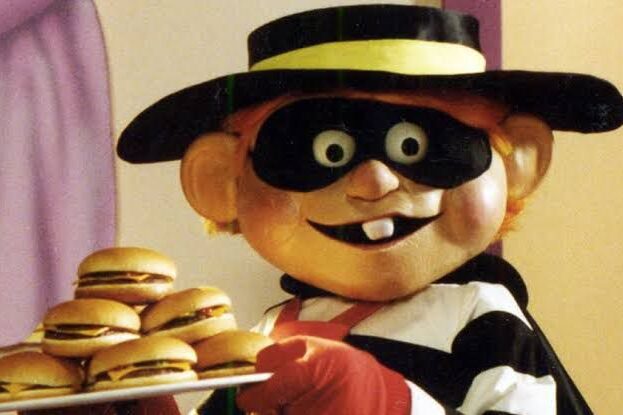
The Hamburglar was one of the most mischievous characters in McDonald’s classic lineup of mascots. With his striped prison-like outfit, black mask, and wide-brimmed hat, he was always scheming to steal hamburgers. Though technically a “villain,” his bumbling antics and silly voice made him more funny than threatening. He appeared in countless commercials and Happy Meal promotions alongside Ronald McDonald, Grimace, and the Fry Kids. Over the years, his look evolved from slightly creepy in the 1970s to more cartoonish and kid-friendly in the 1980s and 1990s. Even when McDonald’s phased out some of its characters, the Hamburglar’s legacy endured, remembered as a lovable troublemaker who added humor to fast-food advertising.
20. Ronald McDonald
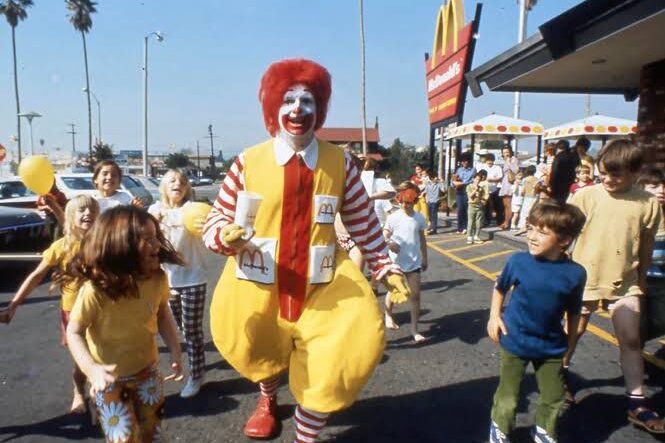
Ronald McDonald became one of the most famous mascots in the world, representing McDonald’s since the 1960s. Dressed as a cheerful clown with red hair, a painted smile, and a colorful outfit, he was designed to appeal directly to children. His role went far beyond commercials, Ronald appeared at events, in cartoons, and even in charitable initiatives like Ronald McDonald House Charities. For decades, he symbolized fun, family, and the joy of eating at McDonald’s. Though his prominence has faded in recent years as tastes in marketing shifted, his influence on fast-food advertising is unmatched. For many, Ronald McDonald was more than a mascot, he was the face of childhood dining experiences around the world.
This story 20 Food Mascots You Recognized Before You Could Read was first published on Daily FETCH


