
1. Vaseline Intensive Care Lotion
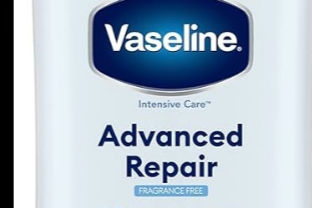
Vaseline’s popular Intensive Care body lotions have undergone quiet ingredient updates over the last few years, often adjusting the formulas to meet new cosmetic regulations and sustainability goals. Many batches now include plant-based glycerin, revised emulsifiers, and small shifts in fragrance composition. These updates were designed to make the lotion more environmentally friendly and improve absorption while maintaining the brand’s signature healing feel. However, frequent users noticed changes in thickness, with some reporting that it feels lighter or less greasy than older versions. Others noted a milder scent in variants that once had stronger fragrance profiles. Though the brand rarely announces reformulations openly, ingredient labels reveal these subtle adjustments that gradually reshape how the lotion feels on the skin.
2. Crest Whitening Toothpaste
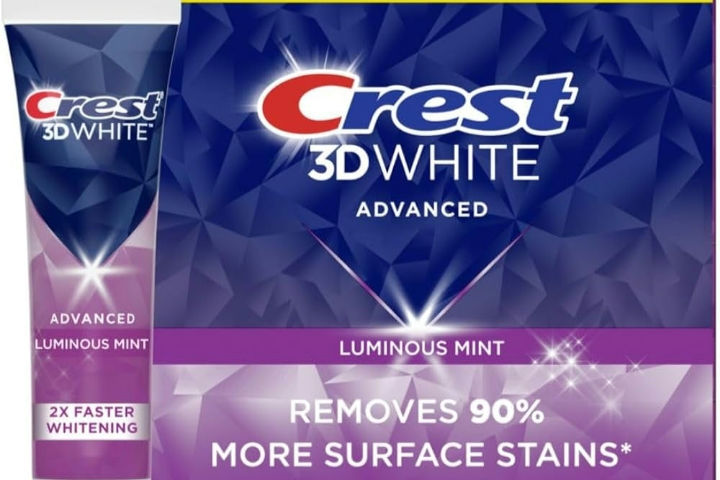
Crest has updated several of its whitening toothpaste formulas to comply with tightening safety regulations surrounding microbeads and certain whitening agents. Since microbeads were phased out, Crest reformulated its whitening products with fine silica abrasives and new peroxide levels to maintain stain-fighting power. While the brand positioned the change as an improvement, many users noticed a smoother texture and slightly less aggressive scrubbing sensation compared to older versions. The shift was intended to make the toothpaste gentler on enamel and more effective over time rather than providing the immediate “scrubbed clean” feeling that the original microbead versions delivered. These changes were rolled out quietly, leaving consumers puzzled about why the familiar feel and whitening speed seemed different from what they remembered.
3. Doritos Nacho Cheese
Doritos often makes minor formula adjustments without fanfare, and one of the biggest was the gradual shift toward natural colors and flavors. Since artificial dyes faced increasing scrutiny, the brand updated the Nacho Cheese blend to rely more on paprika extract and other natural coloring agents, which slightly altered the chip’s color and seasoning flavor. Fans online noted that the chips tasted “less sharp” or “less cheesy” than they remembered from earlier years. The change also aimed to meet global labeling standards and unify formulas across markets, particularly as ingredients like MSG or artificial flavors faced regional restrictions. While the flavor remains iconic, longtime Doritos lovers immediately noticed the difference in seasoning intensity and texture.
4. Head & Shoulders Anti-Dandruff Shampoo
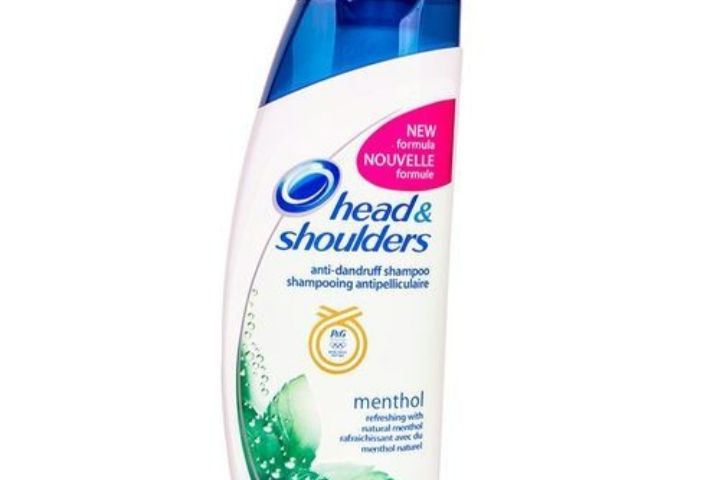
Head & Shoulders recently changed formulas in several markets following regulatory moves affecting pyrithione zinc, its long-used active dandruff-fighting ingredient. In regions where this ingredient was restricted or banned, the brand shifted to alternatives like selenium sulfide or other anti-fungal agents. While these replacements still aim to reduce flakes, many users immediately sensed differences in lather, scent, and scalp feel. Some reported that the new version felt milder or less cooling, and others noticed it didn’t reduce dandruff as quickly as previous formulas. These changes were quietly rolled out as part of compliance updates, leaving frequent users wondering why the shampoo suddenly felt different despite looking nearly identical on shelves.
5. Nutella Spread
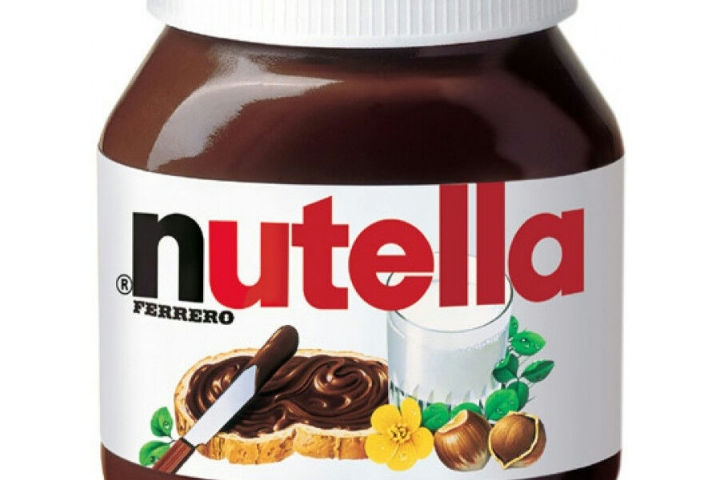
Nutella quietly altered its recipe some years ago, especially in parts of Europe, by increasing skimmed milk powder slightly and reducing the cocoa density a bit, which resulted in a lighter color and somewhat sweeter taste. Many longtime fans noticed the spread tasted less rich and “hazelnutty” than before, sparking frustration among those who loved the original’s deeper chocolate-hazelnut flavor. The company claimed the tweak was just to maintain consistent taste and milk quality over time, but for many it felt like a subtle but meaningful downgrade of a childhood staple.
6. Oreos Cookies
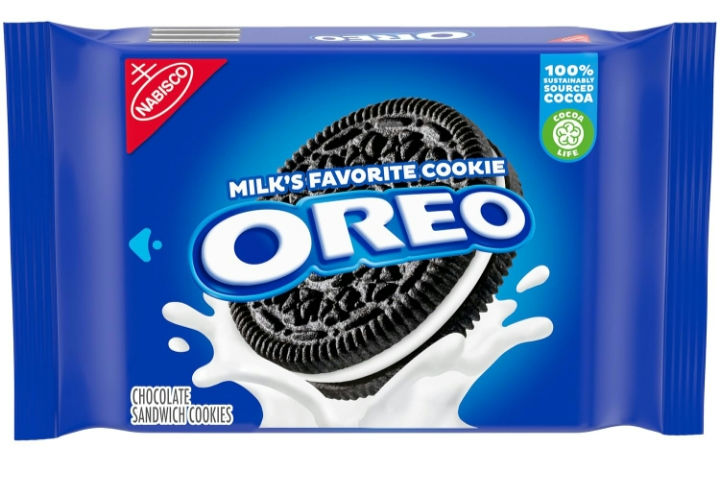
The iconic sandwich cookie Oreo underwent formula changes decades ago when the parent company replaced lard with partially hydrogenated vegetable oil, a decision likely driven by health concerns and changing baking standards. For some people, this meant a difference in the cookies’ crunch and flavor, shifting from the original buttery-tinged taste to a somewhat blander, more uniform texture. Many nostalgic fans still debate whether the newer version truly matches the bite and richness of the original.
7. Twinkies Snack Cakes
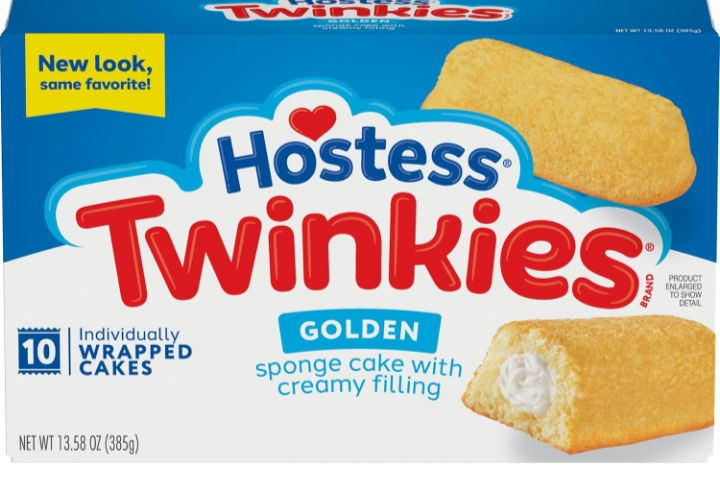
After its revival in 2013, Twinkies reportedly came back with a changed recipe: smaller cakes, slightly different sponge texture, and a variation in sweetness. Consumers who loved the original Twinkies, with their pillowy sponge and creamy filling, noted that the “new” cakes felt denser and less satisfying, almost like a cheaper knock-off. While the company positioned these changes as part of a modernization effort, many fans clearly felt their beloved treat just wasn’t the same as before.
8. Wheat Thins Crackers
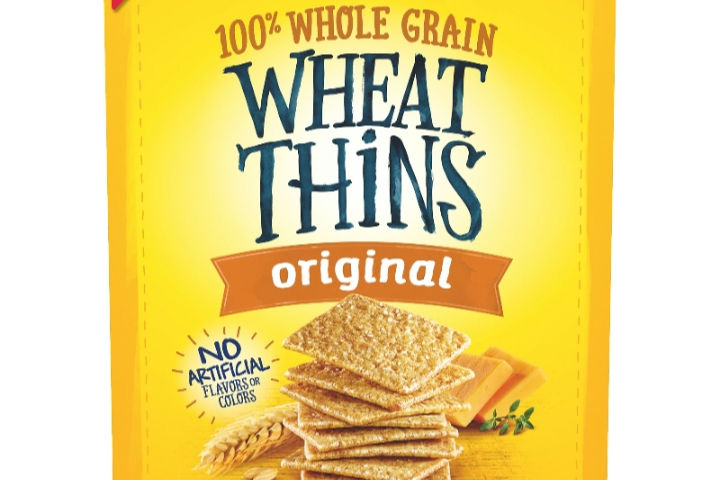
Wheat Thins quietly revised their recipe in 2009, removing high fructose corn syrup (HFCS) in favor of alternative sweeteners or sugars. This was part of a broader shift in snack-food manufacturing toward ingredients perceived as healthier or more natural. However, some regular eaters noticed the crackers lost a bit of their original crunchiness and the slightly sweet aftertaste became milder. The adjustment might have been well-intentioned, but for many fans the snacking experience subtly changed.
9. Sprite Soft Drink
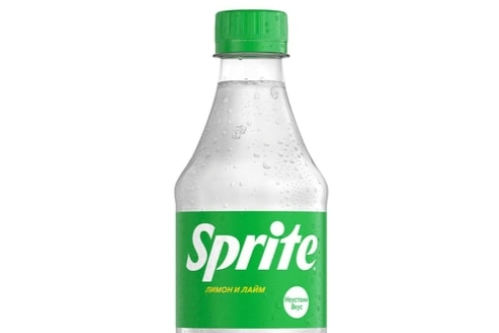
Over the past decade, Sprite has undergone several formula changes, especially in European markets. In 2012 the sugar content was slashed by about 30%, replacing some sugar with sweetener stevia, a move aimed at reducing calories and responding to shifting consumer preferences. Later changes in 2018 and beyond swapped sweeteners again (to aspartame, acesulfame K, sucralose), altering the drink’s sweetness profile and mouthfeel. Many long-time drinkers said the newer Sprite tasted sharper, less fizzy, or simply different than the classic version they remembered.
10. Gatorade
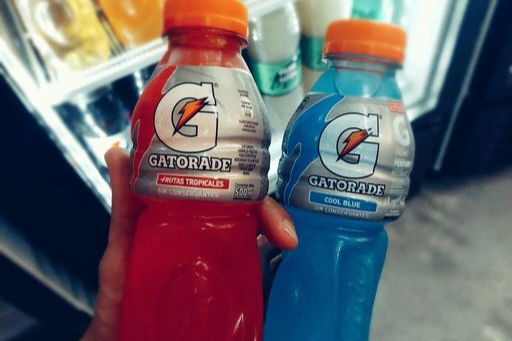
Gatorade has adjusted its formula several times in the last decade, most notably by reducing the artificial coloring and lowering sugar in certain markets. These tweaks were made to align with evolving nutritional guidelines and the increasing demand for cleaner ingredient labels. While the brand kept its familiar flavor names, many athletes and longtime drinkers noticed that the taste became slightly less salty and the texture a bit thinner than before. Gatorade also reformulated some flavors by switching from brominated vegetable oil (BVO) to natural alternatives, a change triggered by public pressure and ingredient safety debates. Even though the company explained the change as an improvement, fans who grew up on the original recipe quickly sensed the difference in mouthfeel and the less “heavy” taste that once defined the classic sports drink.
11. ChapStick
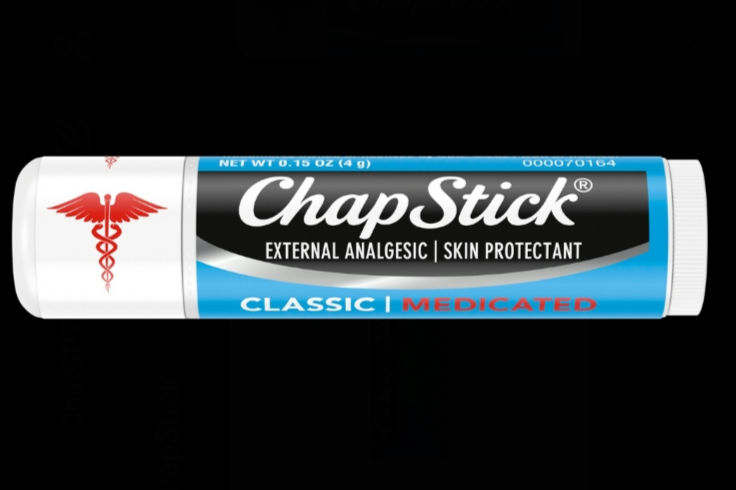
ChapStick has made quiet formula changes over the years, mainly to comply with updated cosmetic standards and allergen guidelines. Some variants replaced certain waxes, preservatives, or fragrance components with more modern alternatives. These changes were meant to improve glide, stability, and shelf life, but frequent users immediately noticed differences. Some said the newer formula felt softer and melted faster, while others found that the balm no longer lasted as long on the lips. In certain markets, the “Original” formula became noticeably milder in scent and slightly less waxy, sparking conversations online about how the classic ChapStick feel had subtly shifted. Though the packaging stayed consistent, ingredient lists reveal how the company gradually modernized the iconic balm without announcing the updates loudly.
12. Benadryl Liquid Allergy Medicine
Benadryl has released quiet formula variations in recent years, particularly dye-free and alcohol-free versions that replaced ingredients once commonly used in children’s and adult liquids. While the active ingredient (diphenhydramine) remains the same, the supporting formula was changed to reduce artificial coloring, simplify preservatives, and improve taste. Many parents noticed that the newer version has a lighter flavor and a thinner consistency compared to the thick, vividly colored syrup from earlier years. These changes were partly driven by growing concerns about unnecessary dyes in pediatric medicine, as well as general pressure for more transparent ingredient lists. Although performance remains consistent, users often comment that the updated Benadryl “doesn’t taste like it used to,” even before they discover the ingredient list has been altered.
13. Pantene Pro-V Shampoo
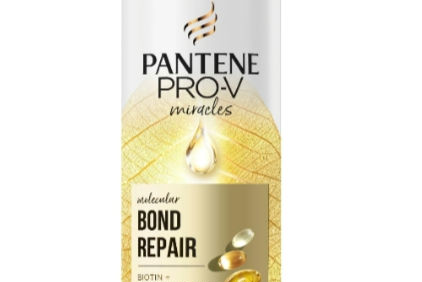
Pantene Pro-V has undergone multiple formula updates to keep up with shifts toward silicone-free or sulfate-reduced haircare. Some markets received versions with lighter conditioning agents and fewer heavy silicones like dimethicone. The brand said these changes help hair feel cleaner and bouncier, but many longtime users immediately noticed a different slip, scent, and lather. Some described the new formula as leaving hair less coated, while others said it no longer provided the same smoothing effect Pantene was once known for. These adjustments were partly driven by rising demand for “clean beauty” products and updated scientific standards for haircare safety. Even though the iconic gold-and-white bottle hasn’t changed dramatically, the shampoo inside feels noticeably different for those who used it for years.
14. Kellogg’s Corn Flakes

Corn Flakes has seen several formula tweaks as Kellogg’s adjusted sugar levels, salt content, and grain processing techniques to meet nutrition guidelines and food-labeling laws. Many consumers noticed the cereal became less salty and slightly less crunchy over time, with a milder flavor compared to earlier decades. These shifts were largely intentional as big cereal brands faced pressure to reduce sodium and eliminate certain preservatives. Some markets also saw changes in the type of corn or milling process used, leading fans to comment that the flakes became thinner or softened more quickly in milk. While still a staple breakfast food, the subtle reformulation sparked nostalgia among those who remembered the bold toasted flavor that defined Corn Flakes in the past.
15. Listerine Mouthwash
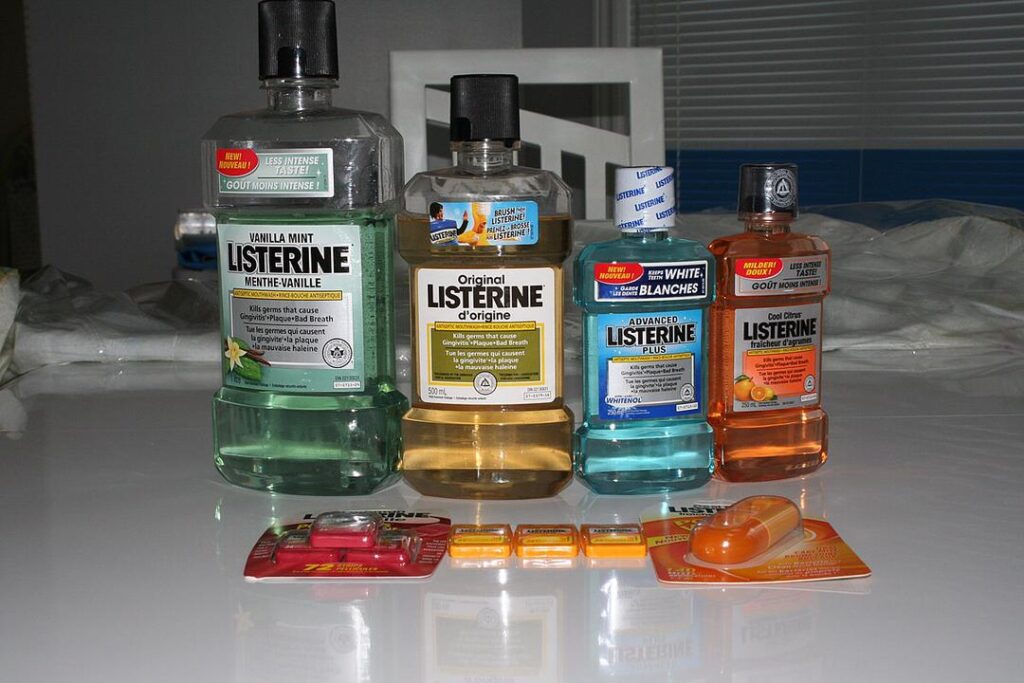
Listerine has quietly updated several of its formulas in recent years, mainly to reduce alcohol content in certain variants and to add milder flavoring blends. These changes were introduced to make the mouthwash less harsh and more appealing for daily use, especially for users who found the original formula overwhelmingly intense. Many longtime Listerine fans immediately noticed a softer burn, a sweeter mint profile, and a slightly thinner consistency. In some markets, the brand also removed or substituted certain dyes to align with modern cosmetic regulations. While the core antiseptic ingredients are still present, the experience of using Listerine feels noticeably different to those who remember the strong, classic sting that once defined the brand.
16. Febreze Fabric Refresher
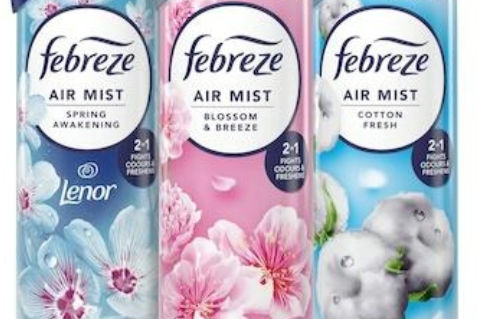
Febreze has undergone repeated formula shifts as the company sought to remove certain VOCs, reduce allergens, and meet updated global fragrance-safety standards. Although these changes were intended to make the product safer and gentler, many households quickly noticed differences in how long the scent lasted and how strongly it masked odors. Some users say the newer formulas smell lighter or fade faster, while others noticed a different undertone in familiar scents like Linen & Sky. Febreze also reformulated its odor-eliminating molecules to work better in enclosed spaces, which subtly altered the spray’s feel and drying time. Because the packaging barely changed, many shoppers didn’t realize why their favorite scent suddenly seemed “less powerful” than they remembered.
17. Gillette Shaving Cream
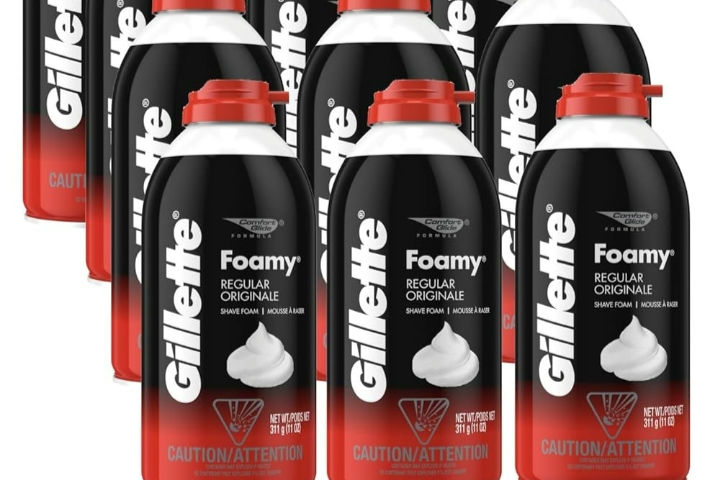
Gillette’s classic shaving creams and foams have experienced formula changes aimed at reducing propellants, modernizing preservatives, and improving skin-conditioning performance. These updates resulted in subtle shifts in lather density and scent profile. Many users who have used Gillette for years noticed that the foam seems lighter and less cushiony than the robust lather from older cans. Others mentioned that the fragrance became milder or slightly different, even in variants marketed as unchanged. The changes were partly driven by evolving safety standards for aerosol products and the push toward more eco-friendly formulations. Though the brand kept the iconic branding intact, the shaving experience today feels noticeably updated to those who know the older formula.
18. Irish Spring Body Wash
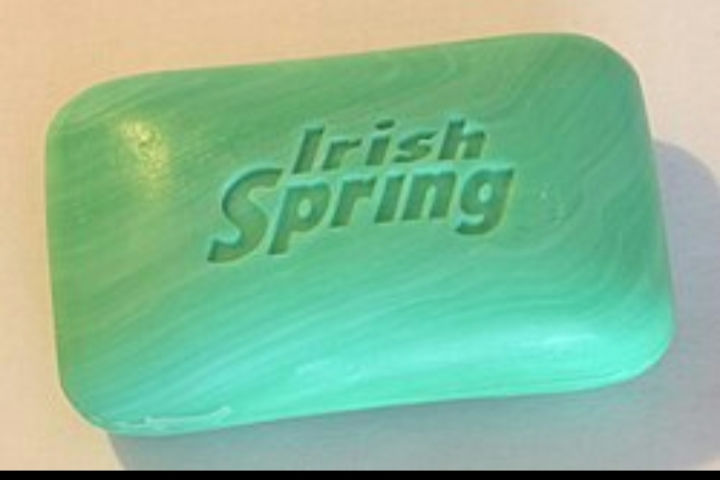
Irish Spring’s body wash and bar soap lines have seen multiple quiet reformulations as the brand attempted to modernize scents and remove certain preservatives. Loyal users quickly detected that the fresh, sharp green scent shifted to a slightly sweeter and less intense version in newer batches. The lather also changed, becoming creamier but less foamy for some variants. These updates were part of the company’s move toward a more skin-friendly formula and compliance with evolving cosmetic regulations across global markets. While the signature green packaging stayed the same, fans who grew up with the original scent immediately sensed that the product no longer had the exact same “punch” it once did.
19. Windex Glass Cleaner
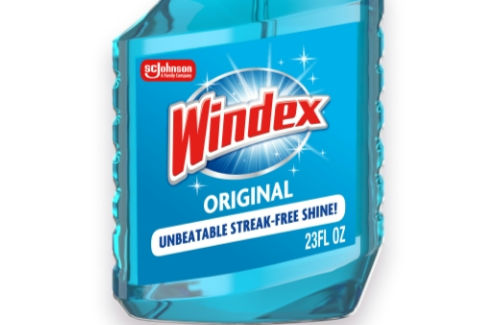
Windex changed formulas in several markets as consumer demand shifted toward gentler, ammonia-free cleaners. These newer versions replaced ammonia with alternative solvents to make the spray safer for use on a wider variety of surfaces like electronics and treated wood. Although the cleaning ability remained strong, many longtime users noticed the scent changed dramatically, becoming less sharp and more neutral. Some also said the new formula left slightly more streaks compared to the classic ammonia-based version. The switch was meant to broaden Windex’s usability and align with modern home-care preferences, but for those familiar with the iconic smell and performance, the difference was unmistakable.
The next time something you use every day suddenly feels different, you might not be imagining it.
This story 20 Everyday Products That Changed Formula Without Telling Anyone was first published on Daily FETCH


