
Red Wolf

The red wolf is currently one of the thinnest lines between existence and extinction for American wildlife. Once, these shy predators roamed across the entire Southeast, but by 1980, they were declared extinct in the wild. A bold recovery program started in 1987 when 12 wolves were released into North Carolina’s Alligator River National Wildlife Refuge. While the population peaked at over 120 wolves around 2012, numbers have plummeted again due to vehicle strikes and illegal hunting. As of early 2025, scientists estimate that only about 20 to 25 individuals remain in their natural habitat.
Because their numbers are so low, every single wolf is now tracked with high-tech collars and monitored by ground teams. Researchers are currently using “pup fostering,” a method where captive-born pups are placed into wild dens to boost genetic diversity. This process is documented with hidden cameras, providing some of the last clear images of the species. Without a major shift in public policy and habitat protection, the red wolf could disappear from the wild within the next decade. These photographs serve as a vital, final record of a species that helped shape the American wilderness for thousands of years.
Florida Panther
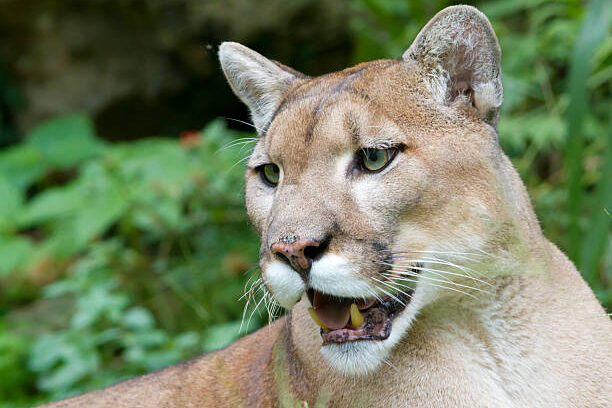
The Florida panther is the final remaining puma species found east of the Mississippi River. Historically, these powerful cats occupied much of the Deep South, but by the 1970s, their population had dropped to fewer than 30 individuals. In a desperate move to save them, eight female pumas from Texas were introduced to Florida in 1995 to prevent total collapse from inbreeding. This “genetic rescue” was successful, and by 2024, estimates suggested there were between 120 and 230 panthers left. However, the rapid expansion of Florida’s suburbs continues to squeeze them into smaller, dangerous patches of land.
The biggest threat today is the highway system; in 2022 alone, 27 panthers were killed, mostly by cars. Scientists now use an extensive network of trail cameras to identify individual cats by their unique markings and scars. These photos are more than just data; they are a race against time to prove that panthers can still coexist with humans. If the current rate of development continues, these images might be the only evidence left of the great cats that once ruled the Everglades. Conservationists are working hard to build wildlife crossings, hoping to keep the “Ghost of the Forest” alive.
North Atlantic Right Whale
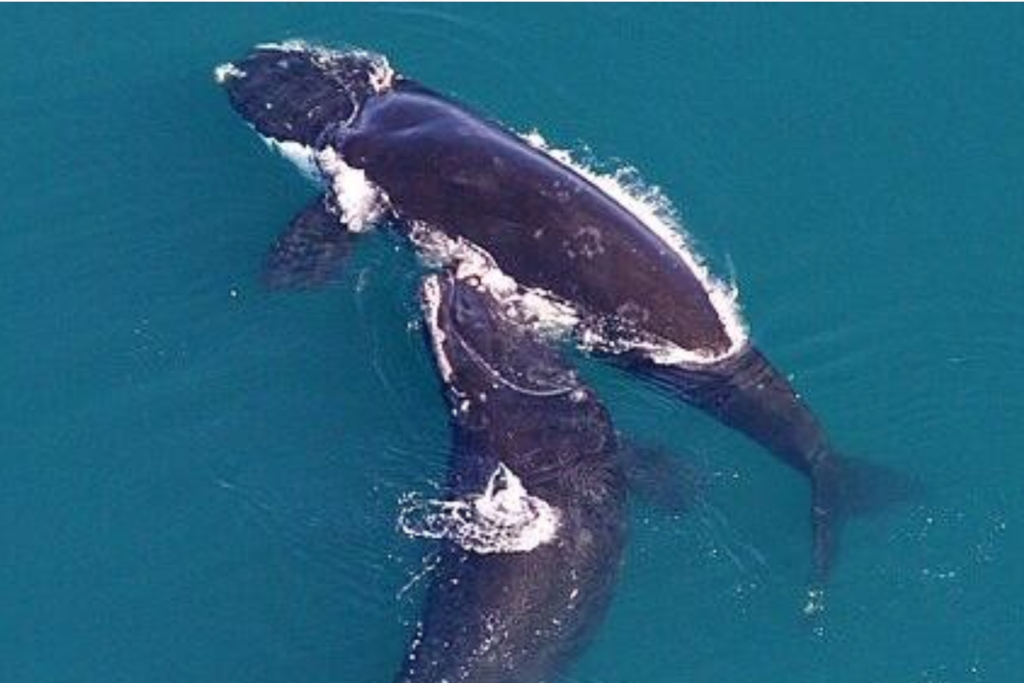
The North Atlantic right whale earned its name because it was the “right” whale to hunt during the 1800s, as it moved slowly and floated when killed. By the time commercial whaling was banned in 1986, the population was already devastated. Today, there are fewer than 340 individuals left on the planet, and less than 100 of those are breeding females. While there was a small “baby boom” in 2021 with 18 calves spotted, the species still faces constant danger from fishing gear entanglements and collisions with large shipping vessels.
Scientists use high-resolution aerial photography to track these whales, identifying them by the unique white patches on their heads called callosities. Every year, researchers update a “family tree” based on these sightings to monitor who is still alive. In 2024, the sighting of a calf born to a 30-year-old whale named “Juno” gave experts a glimmer of hope. However, because these whales live so close to busy shipping lanes, their survival remains a coin flip. Each new photo taken from a drone or research boat is a precious addition to a catalog that may soon become a memorial for the species.
Black-Footed Ferret
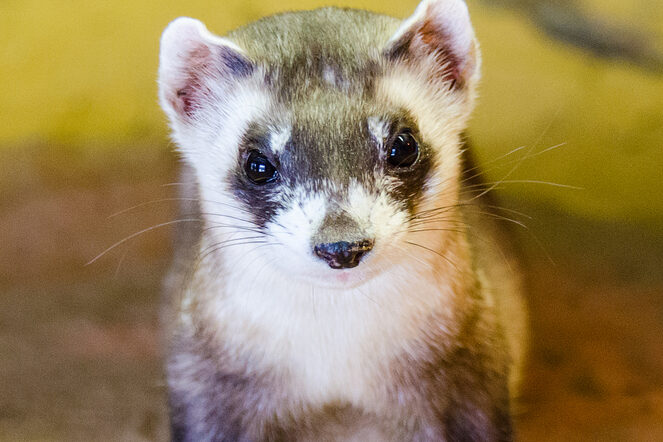
The story of the black-footed ferret is one of the most famous “back from the dead” tales in science. They were thought to be extinct until a ranch dog named Shep brought one home in Meeteetse, Wyoming, in 1981. This surprise discovery allowed biologists to capture the last 18 ferrets to start a captive breeding program. Since then, thousands have been born in zoos and released back into the wild across the West. Despite this, the wild population rarely stays above 300 individuals because they rely almost entirely on prairie dogs for both food and shelter.
In 2020, scientists reached a major milestone by cloning a ferret named Elizabeth Ann using cells frozen since 1988. This was a huge step for genetic diversity, but the species still faces the deadly sylvatic plague, which can wipe out an entire colony in weeks. Field technicians spend their nights using spotlights to find the green glow of ferret eyes in the dark, snapping photos to confirm their health. These images are bittersweet reminders of how much effort it takes to keep a species on life support. Without constant human help and vaccinations, this masked predator would likely vanish forever within just a few years.
Ocelot
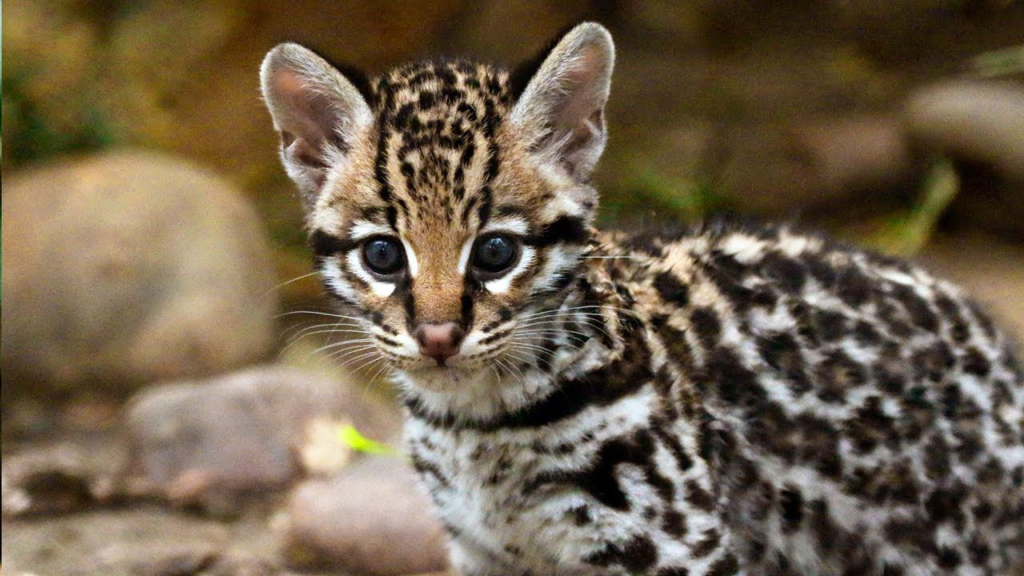
The ocelot is a stunning wild cat known for its chain-like spots, and it is currently holding onto a tiny sliver of territory in the United States. While they are common in South America, the U.S. population is almost entirely restricted to two small groups in South Texas. By the year 2023, experts estimated that fewer than 60 ocelots were left in the country. Their primary home is the “thornscrub” forest, but over 95 percent of this habitat has been cleared for farms and houses since the early 1900s.
Because ocelots are incredibly secretive and move mostly at night, they are almost never seen by the human eye. Biologists rely on motion-activated cameras placed in the thick brush to keep track of the remaining cats. Each ocelot has a unique coat pattern, much like a human fingerprint, which allows researchers to name and follow them through the years. Recent photos from 2024 have shown a few new kittens, providing a small spark of hope for the Texas population. However, with so much habitat lost to border construction and new roads, these camera-trap photos are becoming rare treasures that document a disappearing American icon.
Hawaiian Monk Seal
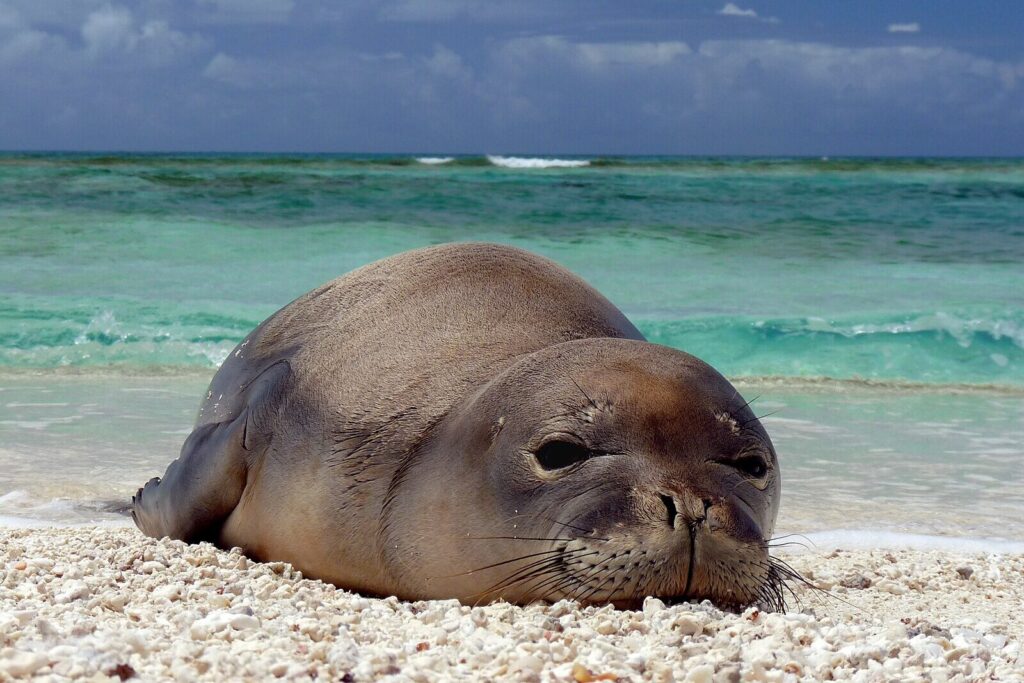
The Hawaiian monk seal is one of the oldest seal species on Earth, having lived in the islands for millions of years. Unlike most seals that live in large groups, these “monks” prefer a solitary life on the remote beaches of the Northwestern Hawaiian Islands. By the late 1900s, their numbers were crashing due to hunting and habitat disturbance. Thanks to strict protections under the Endangered Species Act, the population grew to about 1,600 by 2024. While this is progress, they are still the rarest seal in the United States and face new threats from climate change.
Rising sea levels are slowly swallowing the low-lying sandy beaches where the seals give birth and raise their pups. In 2018, Hurricane Walaka completely washed away East Island, a major nesting ground, proving how fragile their home really is. Scientists now spend months on remote atolls, taking photos of every seal they find to monitor their weight and health. These seals are also often injured by discarded fishing nets or hooks, requiring human intervention to survive. Every picture of a healthy pup lounging in the sun is a win for conservationists, but it also highlights the vulnerability of an animal with nowhere else to go.
San Joaquin Kit Fox
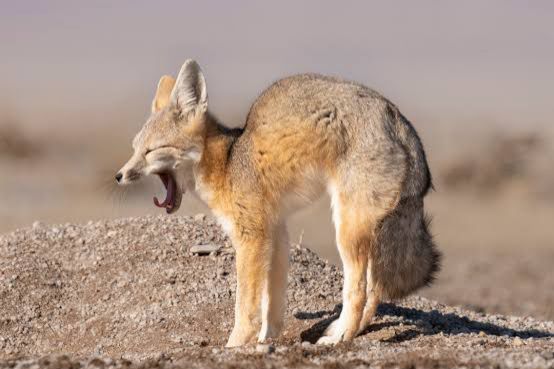
The San Joaquin kit fox is a tiny, big-eared desert fox that used to be a common sight across California’s Central Valley. As the valley was turned into one of the most productive farming regions in the world during the 20th century, the fox lost nearly all of its natural grassland. Today, they are listed as a federally endangered species. In an odd twist of fate, some of these foxes have moved into the city of Bakersfield to survive. By 2022, the urban population became a critical “backup” for the species as the wild groups continued to disappear.
Living in the city comes with its own set of deadly problems, including rat poison and a skin disease called sarcoptic mange. Since 2013, biologists have been working overtime to treat sick foxes and track their movements through neighborhoods and golf courses. Photos taken by residents and researchers show these foxes living in drainage pipes and under school buildings, trying to adapt to a world made of concrete. While they are resilient, their numbers are still dangerously low. These photographs capture a species in transition, struggling to find a place in a landscape that has changed faster than they can keep up with.
Indiana Bat
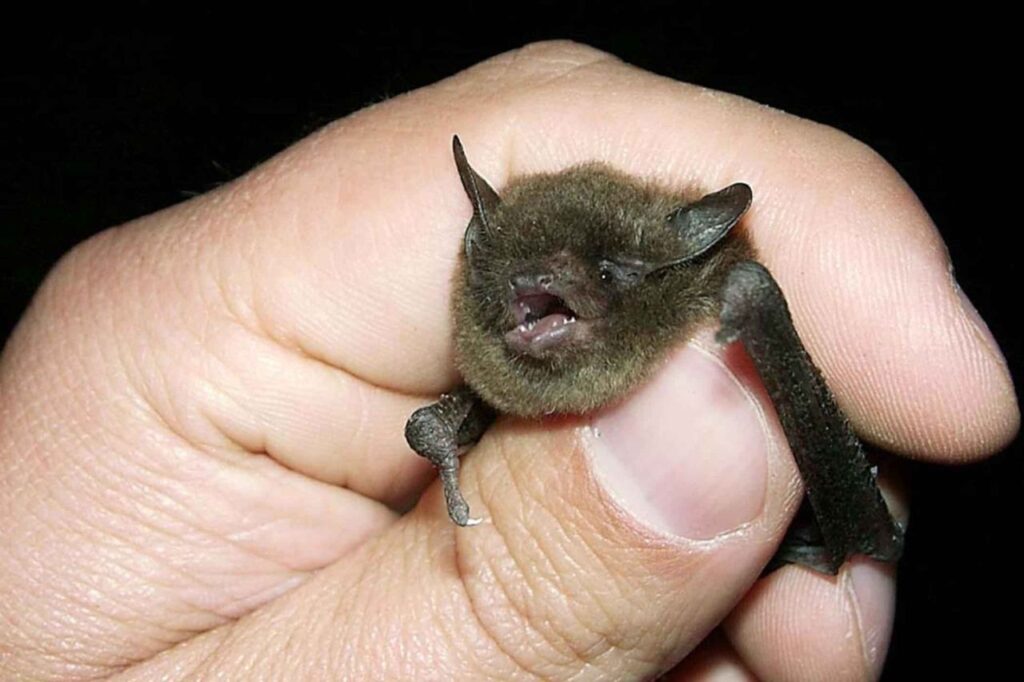
The Indiana bat is a small, furry mammal that provides a massive service to humans by eating thousands of insects every night. They were first listed as endangered in 1967, mostly because people were disturbing the caves where they sleep during the winter. However, the biggest disaster struck in 2006 with the arrival of “white-nose syndrome.” This fungal disease has killed millions of bats across North America by waking them up too early from hibernation, causing them to starve. In some areas, the bat population has dropped by over 90 percent in just a few years.
Because they are so small and hide in deep caves or under tree bark, getting clear photos of Indiana bats is a difficult task for scientists. They use specialized infrared cameras to count the bats without waking them up, as even a small disturbance can be fatal during the winter. By 2024, researchers began seeing some bats show signs of resistance to the fungus, which is the first good news in nearly two decades. Still, the population remains a shadow of what it once was. These photos are vital scientific tools that help experts decide which forests and caves need the most protection to prevent a total collapse.
Ivory-Billed Woodpecker
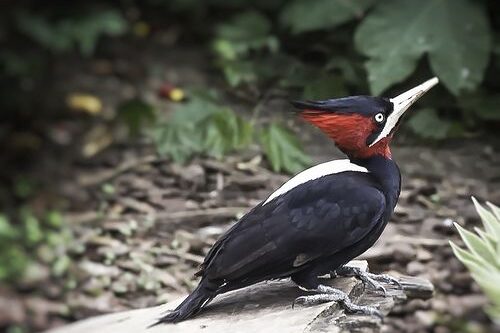
The ivory-billed woodpecker is often called the “Lord God Bird” because of its impressive size and striking appearance. It was thought to be gone forever until a famous, though blurry, video was captured in Arkansas in 2004. Before that, the last universally accepted sighting was in 1944 in a patch of forest in Louisiana. This bird lived in the deep, swampy forests of the South, but most of those trees were cut down for timber after the Civil War. Today, the government still lists it as endangered, but many scientists believe it is likely extinct.
The search for the ivory-bill has become a obsession for some, with teams using high-tech audio recorders and trail cameras in the most remote swamps of the Southeast. In 2022, a new set of photos and drone footage was released by researchers claiming the bird still exists, though the images remain grainy and debated. These controversial pictures represent a bridge between hope and reality. Whether the bird is truly there or just a ghost of the past, the hunt for it has helped protect thousands of acres of swamp. These images serve as a haunting reminder of what happens when we wait too long to save a species.
Florida Grasshopper Sparrow
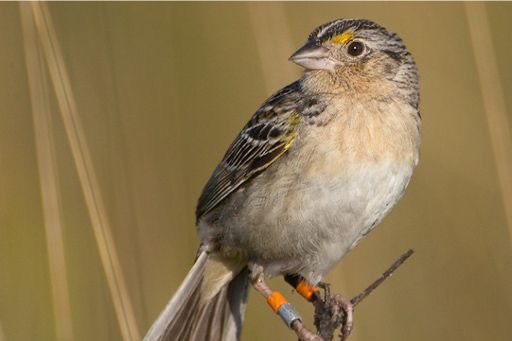
The Florida grasshopper sparrow is a tiny, secretive bird that lives in the dry prairies of central Florida. It is often called the most endangered bird in the continental United States. In the early 2000s, the population fell off a cliff, dropping to just a few dozen breeding pairs in the wild. Habitat loss from cattle ranching and changes in natural fire cycles left them with almost nowhere to nest. By 2019, the situation was so dire that scientists began a “last-ditch” effort by releasing captive-bred birds into the wild to prevent total extinction.
The recovery program has seen some success, with over 1,000 birds released by the spring of 2024. These birds are so small and well-camouflaged that they are nearly impossible to see without professional equipment. Biologists spend hours in the sun taking photos of the birds’ colored leg bands to see which ones are surviving and nesting. These photos are the only way to track the success of the release program in real-time. While the numbers are slowly ticking upward, the species is still incredibly fragile. Each photo of a new nest represents a hard-fought victory for the scientists dedicated to keeping this little bird’s song from disappearing forever.
Cape Sable Sparrow
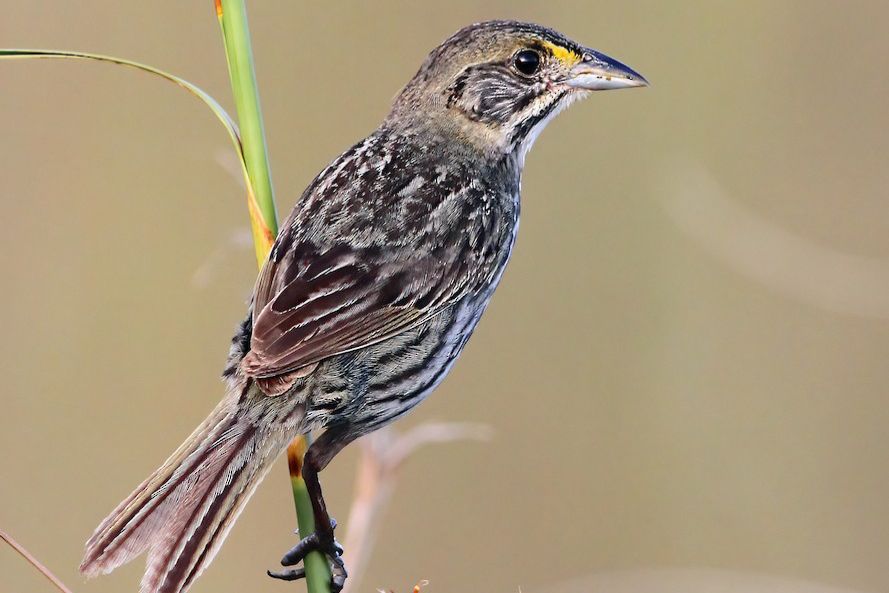
The Cape Sable seaside sparrow is a tiny bird that lives only in the marl prairies of the Florida Everglades. It was first listed as endangered in 1967 because its home depends on a very specific balance of freshwater. If the water is too deep, the birds cannot build their nests on the ground; if it is too dry, predators like raccoons can easily reach them. Since the mid-1900s, human-made canals and dams have disrupted this natural flow, causing the population to drop significantly by the year 2000.
By 2024, scientists estimated that fewer than 2,500 of these sparrows remained in the wild, split into six small sub-populations. Because they are “indicator species,” their health tells researchers how well the entire Everglades restoration project is moving along. Biologists use high-speed cameras to photograph the birds during their short breeding season to track how many chicks survive each year. These images are vital because they show how even small changes in water management can save or destroy a species. Without careful monitoring of these photographs and data, the Cape Sable sparrow could be the first bird to disappear due to modern water engineering.
Attwater’s Prairie Chicken
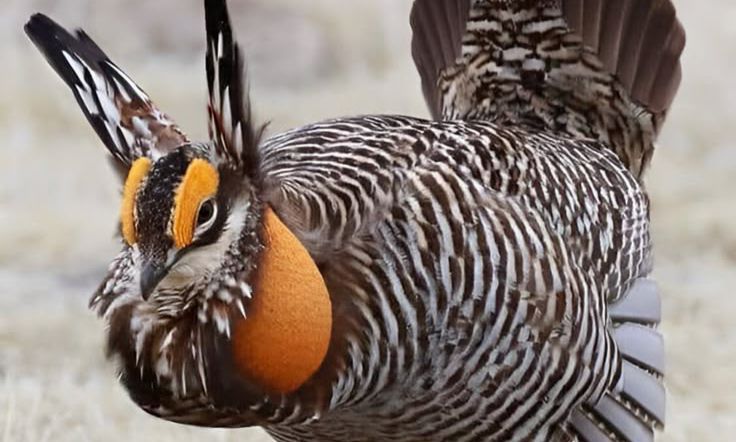
Attwater’s prairie chicken is a unique bird known for its incredible “booming” dance during mating season. In the year 1900, over one million of these birds lived across the tallgrass prairies of Texas and Louisiana. However, as the grasslands were turned into rice farms and cities, their numbers crashed. By 1967, they were added to the endangered species list, and by the early 1990s, the wild population had dropped to fewer than 50 birds. This prompted a massive rescue effort involving zoos and private breeding centers.
Today, nearly all the birds found in the wild were actually born in captivity and released into protected areas like the Attwater Prairie Chicken National Wildlife Refuge. In 2023, biologists counted roughly 100 birds in the wild, though extreme weather like Hurricane Harvey in 2017 nearly wiped them out entirely. Researchers use remote cameras and radio collars to photograph and track the birds after they are released. These photos help scientists understand why some birds survive while others fall victim to hawks or snakes. Every picture of a mother with her chicks is a sign that the billions of dollars spent on prairie restoration might actually be working.
Loggerhead Sea Turtle
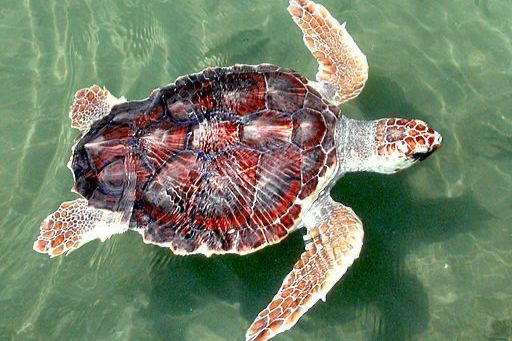
The loggerhead sea turtle is a massive marine reptile that has traveled the world’s oceans for millions of years. While they are found globally, the beaches of Florida and the Carolinas are some of the most important nesting sites on Earth. Throughout the 20th century, their numbers declined because of egg poaching and accidental capture in shrimp nets. To combat this, the U.S. government mandated the use of “Turtle Excluder Devices” in fishing nets starting in 1987. This change, along with beach protections, helped the population slowly begin to stabilize.
In 2024, Florida reported record-breaking nesting numbers, with over 130,000 nests spotted across the state’s coastline. However, new threats like plastic pollution and rising sand temperatures are now emerging. When the sand gets too hot, it changes the gender of the hatchlings, resulting in too many females and not enough males. Conservationists use night-vision cameras to photograph mother turtles as they lay eggs, ensuring they aren’t disturbed by beachgoers. These photos provide a detailed record of the health and size of the nesting population. While they are doing better than some other turtles, these ancient mariners still require constant human protection to survive.
Kemp’s Ridley Turtle
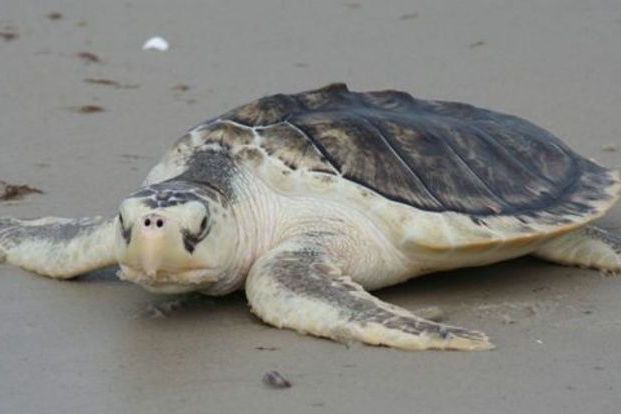
Kemp’s ridley is the smallest and most endangered sea turtle in the world. Their story is famous for a 1947 film that showed 40,000 females nesting at once on a single beach in Mexico. By the mid-1980s, that number had dropped to just a few hundred nests globally. This collapse was caused by humans stealing eggs and turtles drowning in fishing gear. In a desperate move to save them, the U.S. and Mexico teamed up to protect the nesting beaches and relocate eggs to safer areas in Texas.
By the year 2010, the population was showing a great recovery, but the Deepwater Horizon oil spill that same year dealt a massive blow to their habitat in the Gulf of Mexico. Today, every nesting event is a major scientific occasion. Volunteers patrol beaches at sunrise to find and photograph the “crawls” or tracks left by the turtles. These images are used to identify individual turtles and ensure their eggs are moved to protected hatcheries. While they are still in a very dangerous position, the photos of tiny hatchlings crawling toward the ocean every summer offer a glimmer of hope for this species’ future.
Dusky Gopher Frog
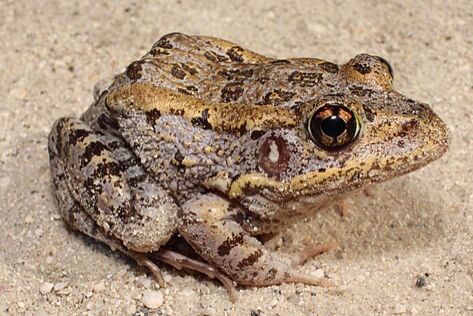
The dusky gopher frog is a rare, bumpy-skinned amphibian that lives in the longleaf pine forests of the American South. Historically, they were found in Louisiana, Mississippi, and Alabama, but today they only survive in a few small ponds in Mississippi. By 2001, when they were officially listed as endangered, there were only about 100 adults left in the entire world. Their survival depends on “stump holes” and burrows made by gopher tortoises, which give the frog its name and a place to hide.
To prevent extinction, scientists have started “head-starting” programs where eggs are collected from the wild, raised in labs, and then released back into the forest. In 2024, researchers continued to use underwater cameras and night-time photography to monitor the frogs during their rare breeding events. These photos are important because they help scientists count the remaining adults without touching or stressing them. The species was also at the center of a famous 2018 Supreme Court case about habitat protection. Every photograph taken today is a record of a species that is essentially living on life support, waiting for its forest home to be restored.
California Tiger Salamander
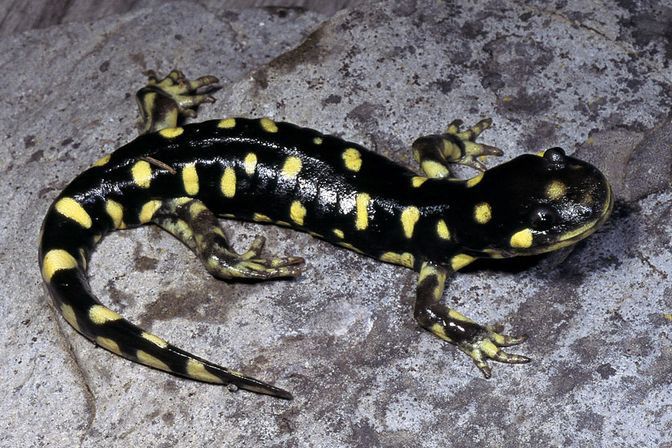
The California tiger salamander is a striking black-and-yellow amphibian that spends most of its life underground in squirrel burrows. They only emerge during the rainy winter months to travel to “vernal pools” temporary ponds that fill up with rain, to lay their eggs. As California’s Central Valley was paved over for houses and shopping malls, these pools disappeared. By 2004, several populations were listed as endangered because their habitat had become so fragmented they could no longer reach their breeding grounds.
Scientists use “pitfall traps” and specialized cameras to photograph the salamanders as they migrate across roads and fields. These images allow researchers to identify individual salamanders by the unique patterns of yellow spots on their backs. In 2023, new wildlife tunnels were built under busy roads in certain counties to help them travel safely. The photos from these tunnels show that the salamanders are actually using the new paths. While they face a tough future due to drought and climate change, these photographic records prove that even a small amphibian can adapt if humans give them a safe way to move through the world.
Eastern Hellbender
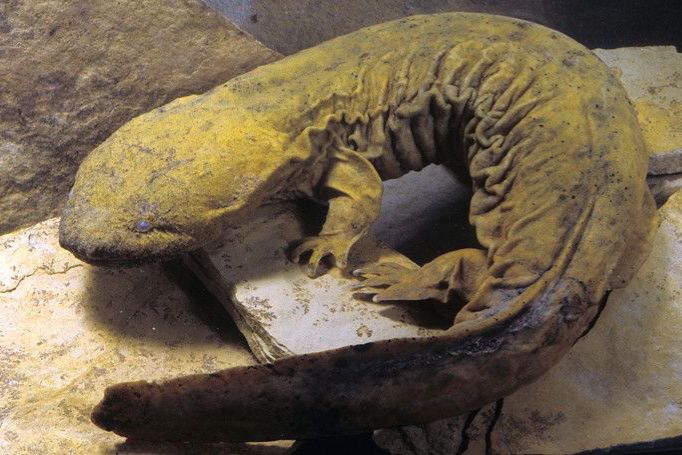
The eastern hellbender is North America’s largest salamander, sometimes growing to over two feet long. Often called “snot otters” or “mud devils,” they live in cool, clear mountain streams across the eastern United States. They breathe through their wrinkled skin, which makes them extremely sensitive to water pollution and silt. Since the mid-1900s, dam construction and runoff from farms have caused their numbers to drop by nearly 80 percent in many states. Because they hide under large flat rocks, most people never even see them.
Conservationists are now working to clean up rivers and place “hellbender huts”—concrete nesting boxes—on the riverbeds. In 2024, biologists used waterproof cameras to peek inside these huts and photograph the males guarding their eggs. These photos are the only way to track if the species is successfully breeding in the wild. Some states, like New York and Ohio, have started releasing captive-bred hellbenders back into the wild to boost their numbers. Each photograph of a healthy, wild hellbender is a sign that the river water is clean enough for life to thrive. Their survival is a direct reflection of the health of our own drinking water.
Franklin’s Bumble Bee
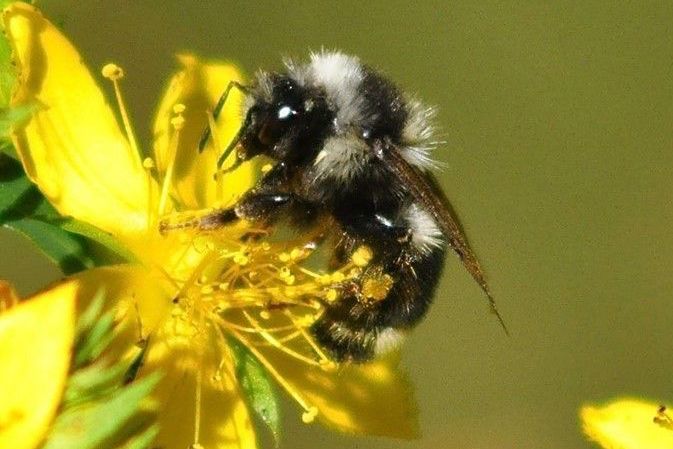
Franklin’s bumble bee is perhaps the most mysterious animal on this list. It has one of the smallest geographic ranges of any bee in the world, living only in a small area of southern Oregon and northern California. It was once quite common, but its population crashed in the late 1990s. The last time anyone saw a Franklin’s bumble bee was in 2006. Since then, scientists have searched for it every single summer, but it has not been found. Despite the lack of sightings, it was officially listed as endangered in 2021.
The search for this bee is a race against time and a symbol of the “pollinator crisis” facing the world. Researchers carry high-resolution cameras into the mountains, hoping to snap a photo of the bee’s unique yellow-and-black U-shaped pattern on its back. These photos would be the “holy grail” of the insect world. If it is still out there, its disappearance is likely due to diseases caught from commercial bees or the use of pesticides. Each photo of a similar-looking bee is carefully studied by experts in 2025, hoping for a sign that this vital pollinator has not been lost to the history books forever.
Sierra Nevada Bighorn Sheep
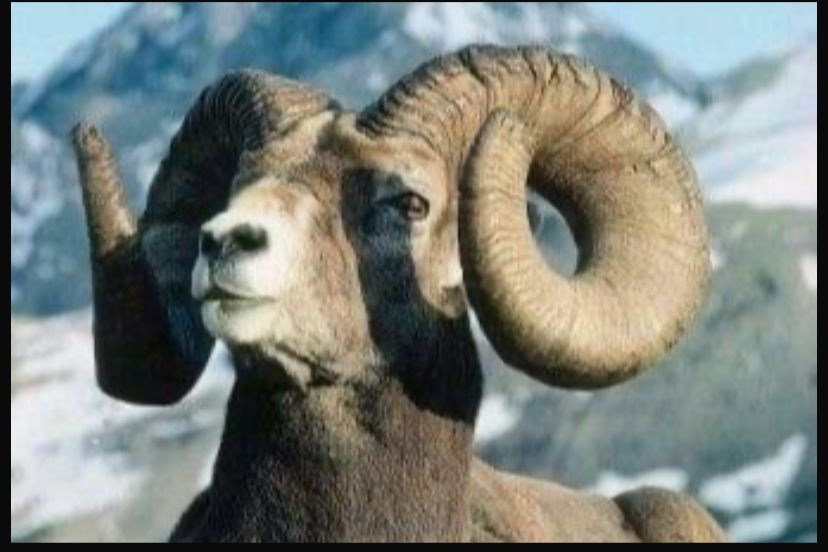
The Sierra Nevada bighorn sheep is a symbol of the rugged American West, but by 1995, only about 100 of them were left in the world. They live at the very top of the highest mountains in California, where they face freezing temperatures and steep cliffs. Their numbers crashed in the early 1900s because they caught respiratory diseases from domestic sheep that were grazing nearby. To save them, the California Department of Fish and Wildlife began a massive recovery plan that included moving sheep to new mountain peaks to start new herds.
By 2024, the population had grown to about 600 individuals, but they are still in a very fragile state. One bad winter or a single mountain lion can wipe out an entire sub-group. Biologists use powerful telephoto lenses to take photos of the sheep from miles away, counting the lambs to see if the population is growing. These photos are essential because getting too close to the sheep can cause them to run into dangerous areas. Every picture of a ram with a full set of horns is a testament to decades of hard work. These sheep represent the wild heart of the Sierras, and their photos are a record of survival against all odds.
Desert Tortoise
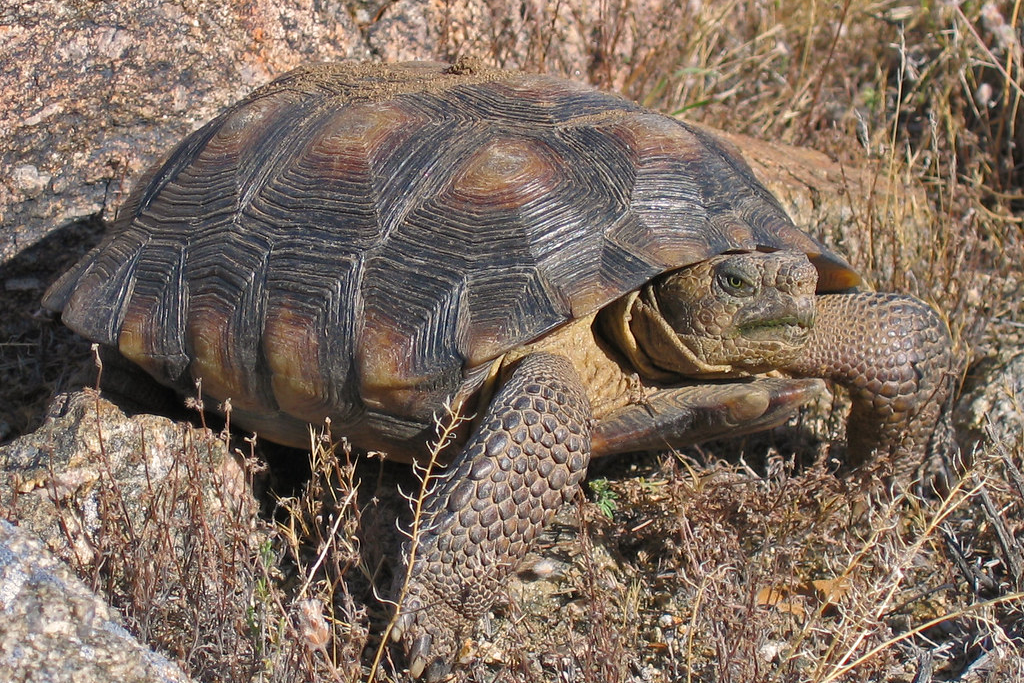
The desert tortoise is a master of survival that has lived in the Mojave and Sonoran deserts for thousands of years. They spend about 95 percent of their lives in underground burrows to escape the extreme heat. However, since the 1980s, their numbers have dropped by over 90 percent in some areas. This is due to habitat loss from solar farms, disease, and an unusual threat: ravens. As humans moved into the desert, they brought trash and water, which caused the raven population to explode. These birds now hunt and eat baby tortoises before their shells can harden.
To help them, scientists have built “nurseries” where young tortoises are raised in protected pens until they are big enough to survive on their own. In 2024, researchers used tiny cameras to monitor these pens and photograph the tortoises as they grow. They also use GPS tags to track where the adults go when they emerge from their burrows after a rainstorm. These photos show that the tortoises are slowly returning to areas where they were once extinct. Because they can live for over 50 years, saving the desert tortoise is a long-term mission. Each photograph is a small chapter in a story that will take decades to finish.


