
1. Koalas
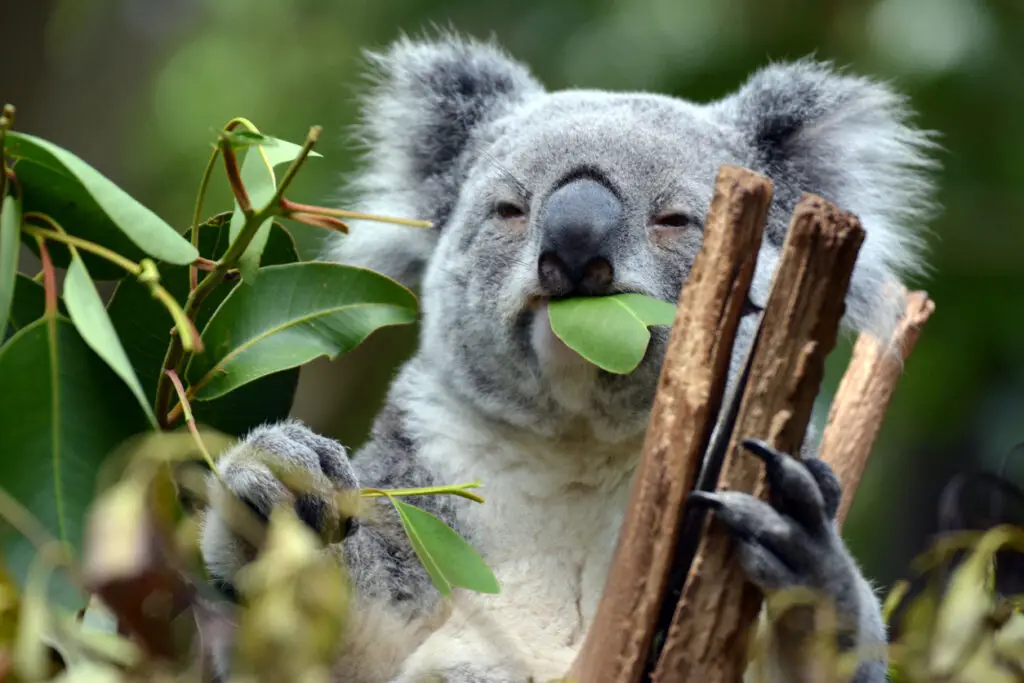
We all have those mornings where the alarm clock feels like a personal insult and the warmth of the blankets is far too tempting to leave. While humans usually try to stick to the standard eight hours, the animal kingdom takes sleeping in to an entirely different level. From tiny insects to massive predators, some creatures have evolved to spend the vast majority of their existence in a state of deep rest. Whether it is a tactic to save energy or just a perk of being at the top of the food chain, these heavy sleepers make our Sunday naps look like a quick blink. Let us dive into the lives of the world’s most dedicated professional nappers and see how they spend their quiet hours. You might think your teenager sleeps a lot, but they have nothing on the koala. These fluffy Australian icons spend about twenty to twenty-two hours a day tucked into the fork of a gum tree.
It isn’t just laziness though because their diet of eucalyptus leaves is incredibly low in nutrients and actually quite toxic. Digesting that fiber takes a massive amount of physical effort, leaving them with almost no energy for social calls. When you see them clinging to a branch with their eyes shut, they are essentially in a food induced haze. Because their low energy diet requires a lot of digestion, koalas spend most of their time hiding in the leaves, sleeping or just sitting still. It is a slow paced life that really defines the term easygoing. You have to admit there is something beautiful about a creature that has prioritized peace above everything else. They do not care about the hustle or the bustle of the forest floor below them. They just find a sturdy branch, curl into a ball, and let the world pass them by while they dream of more leaves.
2. Sloths
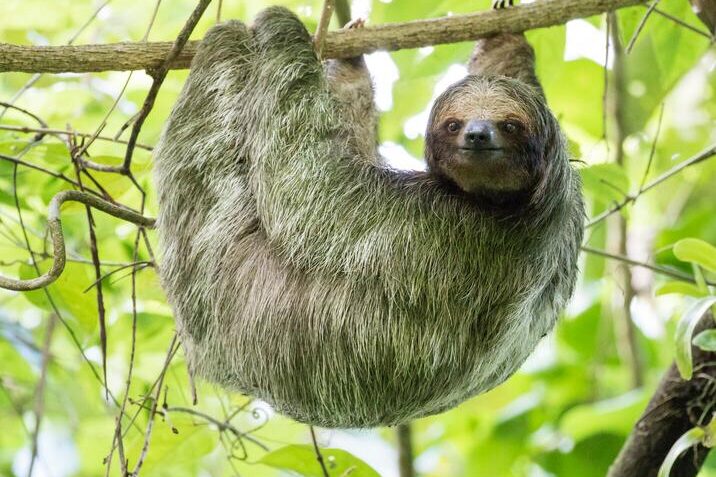
If there was an Olympic event for napping, the three toed sloth would definitely be taking home the gold medal. These guys are the ultimate poster children for a relaxed lifestyle, often snoozing for around fifteen to twenty hours every single day. Because their metabolism is so incredibly slow, they move at a snail’s pace even when they are awake. They live high up in the canopy of the rainforest, where being still actually helps them stay hidden from predators like eagles. It is a very clever way to survive while doing as little as possible. Everything about them is slow, including their digestion, which explains why they do not feel the need to rush anywhere. They truly embrace the idea that there is no reason to hurry in this life. It is a lesson we could all probably stand to learn when things get too hectic at the office or home.
Living life in the slow lane has its perks when you are a sloth. They do not have to worry about the high stress of hunting or the constant need to defend a territory. Instead, they just hang around and wait for the sun to move across the sky. Their fur even grows algae which helps them blend into the trees while they sleep. It is like they have a built in camouflage blanket that keeps them safe while they are unconscious. You might see one blink or move a limb once an hour, but that is about the extent of their daily cardio. They are perfectly content to exist in a state of semi permanent slumber. It makes you wonder if they are the smartest creatures in the jungle for figuring out how to bypass the daily grind. They are the undisputed kings of the long, quiet, and very green afternoon nap.
3. Little brown bats
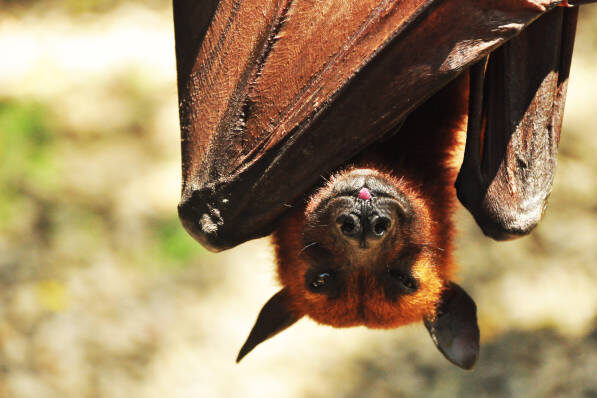
Imagine hanging upside down in a cold, dark room for nineteen hours a day. For the little brown bat, that is the definition of a perfect night and day. These tiny mammals are nocturnal, so they are incredibly active during the few hours they are awake, hunting for thousands of insects. Because flying takes up an immense amount of caloric energy, they have to spend the rest of their time in a deep sleep to recover. They huddle together in caves or attics, keeping each other warm while they drift off. It is a high intensity lifestyle balanced by a massive amount of downtime. Scientists often observe that they are some of the longest sleeping mammals in the world because their survival depends on that precise energy conservation. They really make the most of the darkness by staying completely still until the moon rises.
There is something a bit cozy about the way they sleep in large groups. They are not just loners in the dark but actually very social sleepers. By packing together, they manage to regulate their body temperature without using up their precious fat reserves. It is a very efficient way to live when your food source is only available for a few hours at twilight. When the sun starts to peak over the horizon, they find their favorite spot and settle in for a marathon session of rest. You can almost imagine them sighing with relief as they tuck their wings in for the day. They have turned sleep into a survival tool that is just as important as their sonar or their speed. It is a reminder that even the most active creatures need a place to hide away. They are the ultimate introverts of the night sky.
4. Giant armadillos
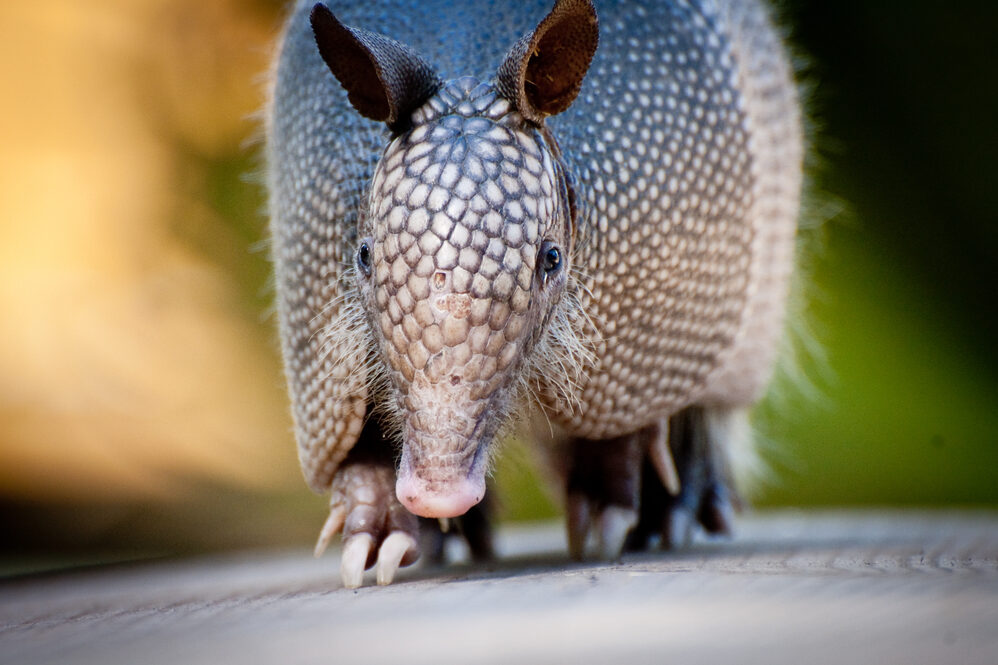
The giant armadillo is a bit of a mystery because it spends so much time underground and out of sight. These armored creatures are known to sleep for about eighteen or nineteen hours a day. They dig elaborate burrows with their massive claws and then retreat inside for a long, protected slumber. Since they mostly eat termites and ants, they do not need to be awake for long to find a meal. Being tucked away in a hole keeps them safe from the heat and from anything that might want to eat them. It is a very solitary and quiet existence. Researchers note that seeing one awake in the wild is quite a rare treat because they are so dedicated to their subterranean naps. They definitely value their privacy and their quiet time more than almost any other forest mammal.
When they are down in those burrows, the rest of the world simply ceases to exist for them. The thick armor on their backs acts like a shield even while they are dreaming. It must be a very secure feeling to know that you are tucked away in a fortress of your own making. They do not have to deal with the bright sun or the noisy birds of the rainforest. They just curl up and let the hours tick by in total silence. It is a very specialized way of living that requires a lot of digging but results in a lot of relaxation. While we are out here worrying about our schedules and deadlines, the armadillo is probably hitting the snooze button for the tenth time. They have mastered the art of being a ghost in their own environment. It is a peaceful life if you can handle the tight spaces.
5. Opossums

You might see them scurrying across your backyard at night, but for the rest of the day, the North American opossum is completely out of it. These marsupials usually clock in about eighteen hours of sleep daily. They are not picky about where they crash, often using old dens, hollow logs, or even dark spaces under porches. While they have a reputation for being a bit scraggly, they are actually very clean animals that just happen to love a good nap. Their long sleep cycles help them stay out of the way of daytime predators. Most wildlife experts agree that their slow movements and high sleep needs are just part of their unique biology. They are proof that you do not need a fancy bed to get a really good, long rest whenever you need it.
There is a certain charm to the way they just find a spot and commit to it. They are not looking for luxury or high end comfort. As long as it is dark and relatively quiet, an opossum is happy to drift off. They have a very laid back approach to life that is actually quite endearing when you get to know them. Even when they are awake, they do not seem to be in any particular hurry to get things done. They wander around, find some snacks, and then look for the next place to tuck their tails in. It is a cycle of low stress living that has served them well for millions of years. They are survivors who have learned that the best way to stay alive is often just to stay asleep. Next time you see one, remember they are probably just looking for their next bedroom.
6. Pythons
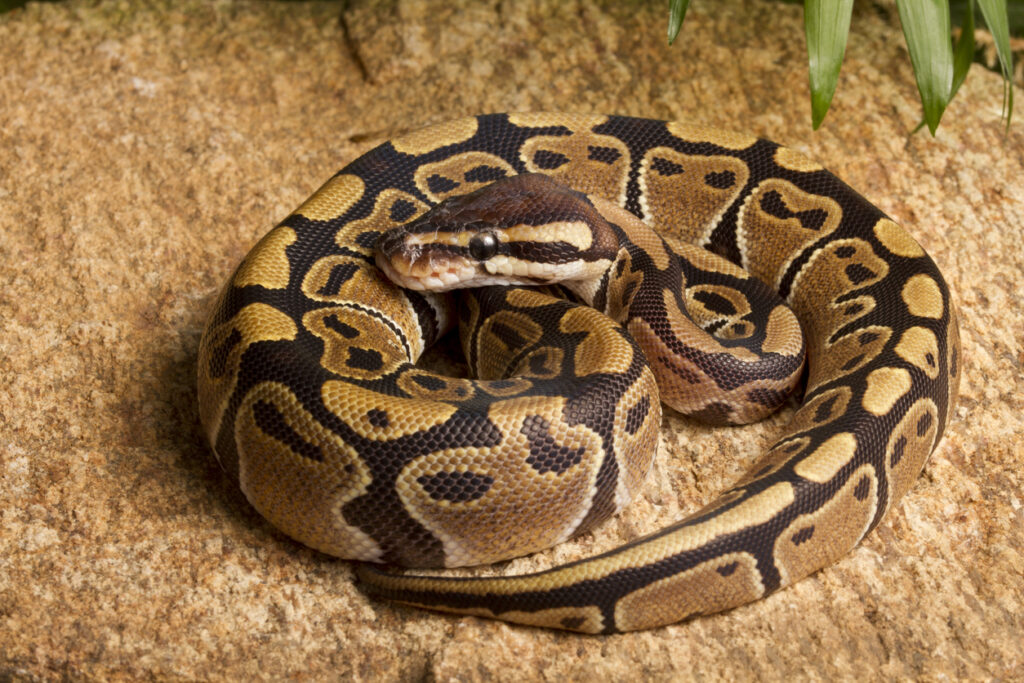
Pythons take the idea of a food coma to a whole new level of intensity. After eating a large meal, which might be a whole deer or a goat, a python will sleep for up to eighteen hours a day for several days straight. Their bodies need to divert every ounce of energy toward breaking down that massive amount of protein. When they are not digesting, they still are not very active, as they prefer to wait in ambush for their next prey. It is a cycle of intense bursts of action followed by weeks of inactivity. As many reptile enthusiasts observe, the more they eat, the more they sleep, which makes sense when your dinner is bigger than your head. They are the kings of taking it easy between big events. They do not rush the process of living.
This lifestyle is all about patience and physical endurance in a very quiet form. A python can sit in the same spot for days without moving a single muscle. Their heart rate slows down and their metabolic system kicks into high gear to process their meal. It is a fascinating biological process that requires total stillness to work correctly. If they are disturbed during this time, it can actually be quite dangerous for their health. They need that undisturbed sleep to stay alive and grow. It is a very focused kind of rest that is tied directly to their survival. While it might look like they are just being lazy, they are actually doing some of the hardest work of their lives. They are the ultimate examples of why you should never disturb someone while they are eating or sleeping after a big meal.
7. Owl monkeys
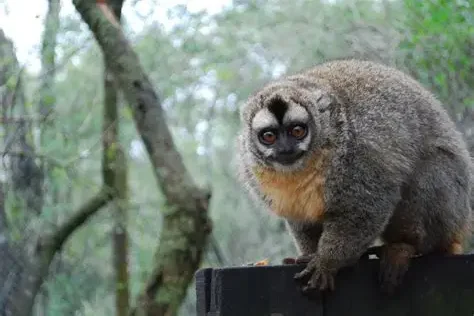
Most monkeys are full of energy, jumping through trees and making a lot of noise, but the owl monkey is a bit different. As the only truly nocturnal monkey, they spend about seventeen hours of the day sleeping in the hollows of trees. They have huge eyes to help them see at night, which is when they do all their foraging and socializing. During the bright daylight hours, they find a cozy spot away from the sun and shut their eyes tight. This lifestyle helps them avoid competition with other monkeys and birds that are active during the day. Primatologists have noted that they are very family oriented, often sleeping in small groups to stay safe and warm. They are the ultimate night owls of the primate world. They prefer the moon to the sun.
Living at night means they have a very different social structure than their cousins. While the rest of the jungle is waking up and starting the morning rush, the owl monkey family is settling in for a long cuddle. They form very strong bonds with their partners and their offspring, often grooming each other before they drift off. This closeness provides a sense of security in the high branches of the forest. They do not have to worry about the heat of the day or the predators that rely on sight. They have carved out a niche for themselves that is built on quiet and darkness. It is a very specialized way of life that requires a lot of trust in their family group. When they finally wake up at dusk, they are refreshed and ready to take on the night. They truly value their quiet time together.
8. Human infants
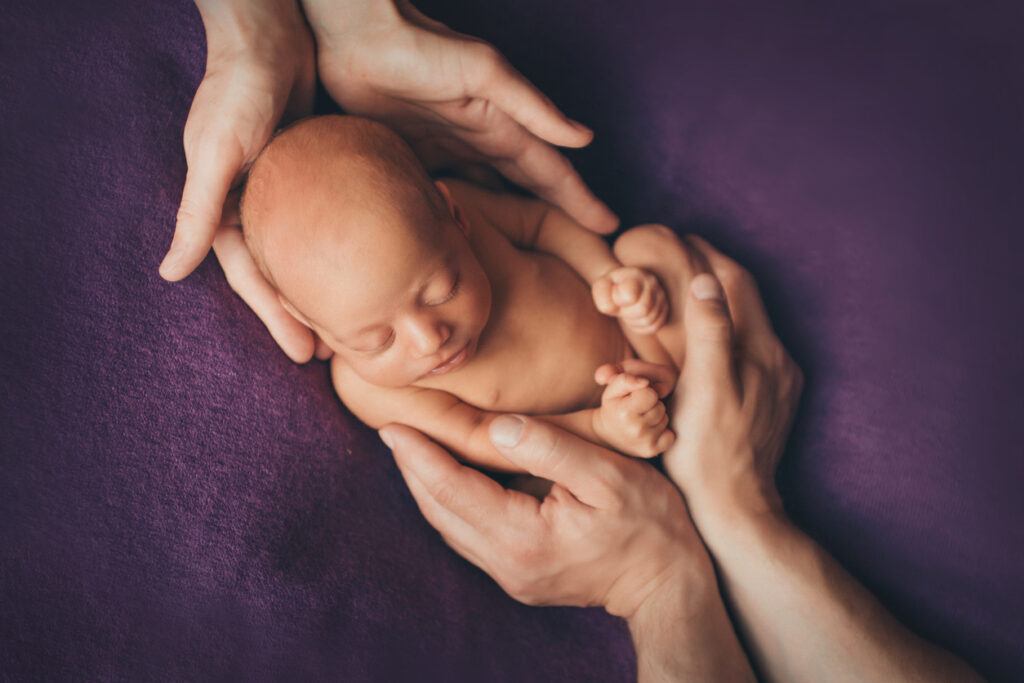
We have all been there, whispering and tiptoeing around a sleeping baby. Human infants are among the top sleepers in the world, usually needing about sixteen to seventeen hours of rest. This isn’t just because they are tired from being cute; their brains and bodies are growing at an incredible rate. Most of that development happens while they are in dreamland. It is a period of intense biological work disguised as total stillness. Pediatricians always remind parents that sleep is when the brain processes the day’s learning and the body releases growth hormones. It is the busiest a human will ever be while standing still. Eventually, they grow out of it, but for those first few months, they are professional grade sleepers through and through. They are the center of every quiet household.
Watching a baby sleep is like watching evolution in real time. Every little twitch of their hand or flicker of their eyelid is a sign that their nervous system is wiring itself up. They are learning how to be human while they are completely unconscious. It is a beautiful and necessary part of our life cycle that we often forget as adults. We start our lives as professional sleepers because that is what our bodies require to function. As we get older, we lose that ability to just shut down and grow. It is a reminder that rest is not a luxury but a fundamental part of who we are. For a baby, a long nap is the most productive thing they can do with their day. They are the tiny kings and queens of the nursery, and their sleep schedule rules the entire world around them.
9. Tigers
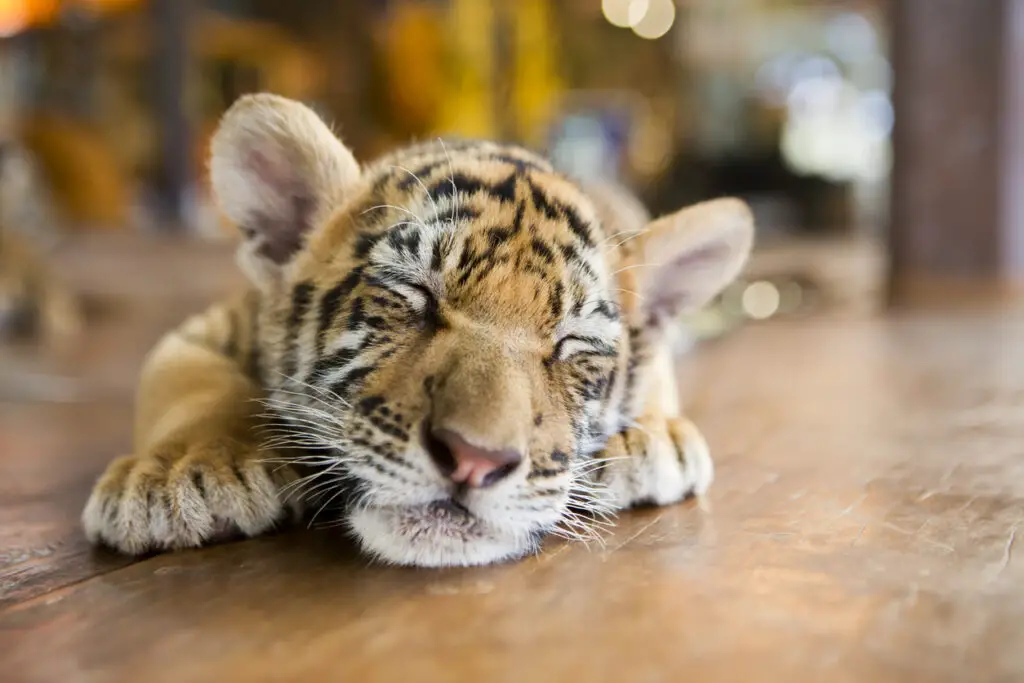
Tigers are some of the most powerful predators on earth, but they do not spend their days patrolling. Instead, they spend about sixteen hours a day sleeping. Being an apex predator is exhausting work; a single hunt involves a lot of stalking and a high speed chase that can leave them spent. To stay in peak physical condition, they spend the hot hours of the day lounging in the shade or soaking in cool water. They do not have many natural enemies, so they can afford to sleep deeply without much worry. Many zoo keepers say that a happy tiger is a sleeping tiger, because it shows they feel secure in their environment. They truly live like royalty, waking up only when it is time to handle business. They are masters of the afternoon slump.
There is a silent power in the way a tiger rests. They do not look vulnerable when they are asleep; they look like they are simply waiting. Their massive muscles stay relaxed but ready to spring into action at a moment’s notice. They often find the most comfortable spot in their territory, whether it is a patch of tall grass or a flat rock, and claim it as their bed. This confidence comes from being at the top of the food chain. They do not have to hide like a mouse or stay alert like a deer. They can simply close their eyes and trust in their own strength. It is a very enviable position to be in. When the sun starts to set and the air cools down, they stretch their massive paws and prepare for the night ahead. They are the true masters of balancing rest and power.
10. Tree shrews
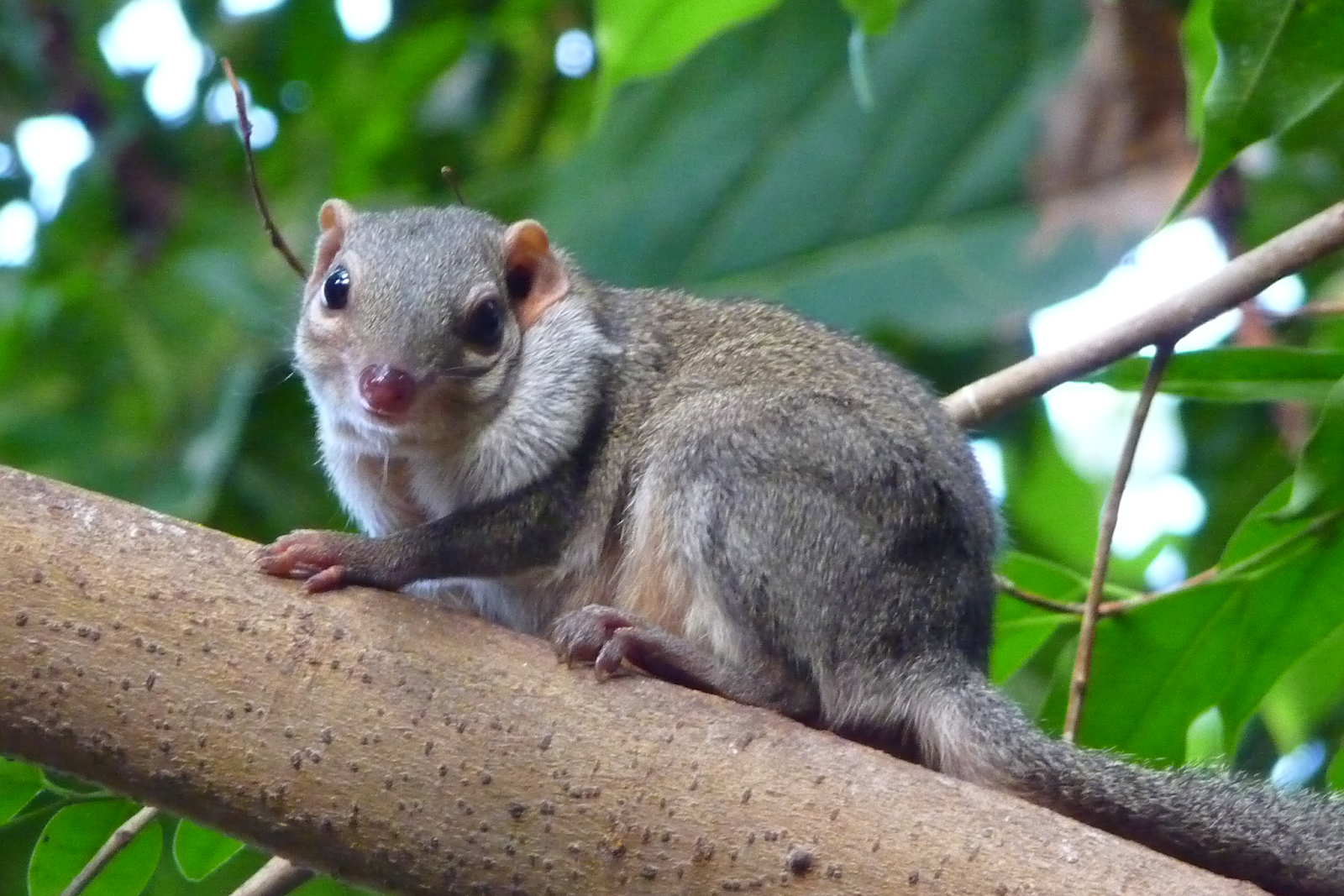
Tree shrews are tiny, fast, and surprisingly sleepy. Despite their high energy appearance, they can spend around fifteen hours a day resting. They have a very high metabolism and eat a lot of fruit and insects, but all that scurrying wears them out quickly. They retreat to nests made of leaves and twigs to recharge their batteries. Interestingly, some species of tree shrew are known for consuming fermented nectar that contains alcohol, yet they never seem to get drunk. They just process it and go right back to their long naps. Biologists find them fascinating because they bridge the gap between early mammals and primates. They might look like they are in a rush, but they definitely know the value of a long, solid nap. They are the sprinters of the forest floor.
Their life is a constant cycle of high speed foraging and deep resting. They do not have the luxury of taking things slow when they are awake. Every movement has to be quick to avoid predators and catch prey. This means that when they finally stop, they stop completely. Their little nests are tucked away in the safest spots they can find, providing a tiny sanctuary from the chaos of the jungle. It is a very intense way to exist, moving from zero to a hundred and back again. They are proof that even the most energetic creatures have a limit. Without those fifteen hours of rest, they simply would not have the fuel to keep up their frantic pace. They are the ultimate example of why you need to recharge your batteries if you are going to live life at full speed.
11. Squirrels
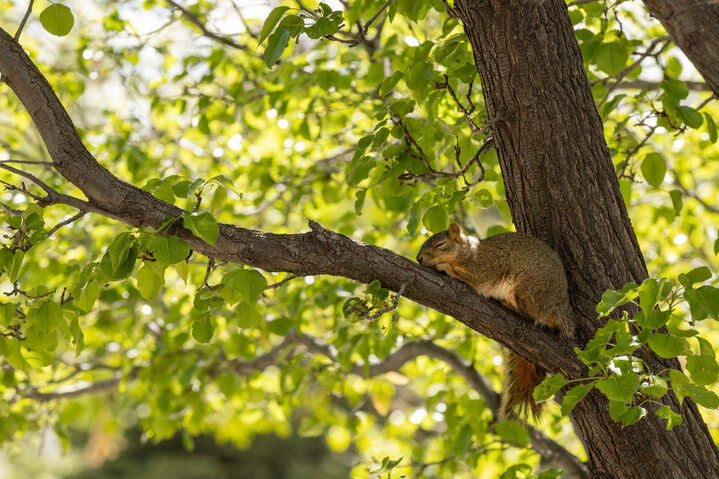
If you look up into the trees and see a bunch of leaves bunched together, you’re looking at a squirrel’s bedroom. These energetic rodents actually sleep for about fifteen hours a day. We see them darting around gathering nuts, but that is just a small fraction of their life. Their nests, called dreys, are designed to be warm and secure, allowing them to drift off into a deep sleep. They need this rest because their active hours are so physically demanding. It is all about balance for them. As one wildlife observer noted, squirrels are the perfect example of working hard and resting harder. They make sure they are well rested before they head back out to perform their acrobatic stunts in your backyard. They are the Olympic athletes of your local park.
When they are inside those nests, they are completely safe from the wind and the rain. They often line the inside with soft moss or fur to make it as comfortable as possible. It is a very cozy setup for a creature that spends its life jumping from branch to branch. You might think they are always on the go, but they really value their downtime. They are very focused on their survival, and they know that a tired squirrel is a slow squirrel. By getting those fifteen hours of sleep, they ensure that they have the reflexes they need to outrun a cat or a hawk. It is a very calculated approach to living. They are not just being lazy; they are preparing for the next big chase. Next time you see one sleeping in a tree, just know they are earning every minute of it.
12. Hamsters
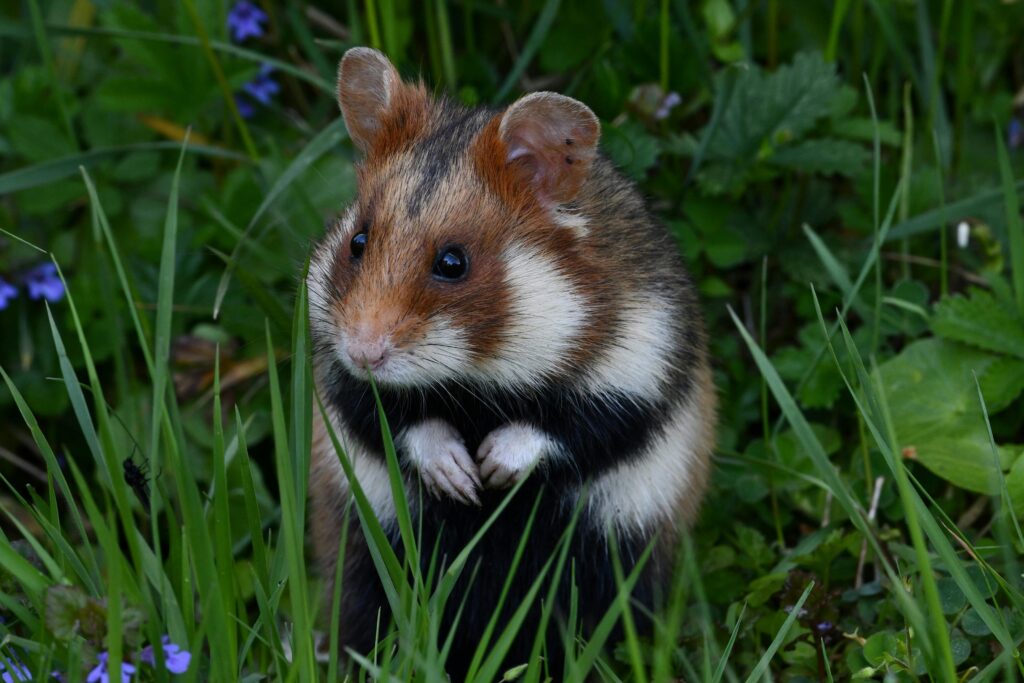
Anyone who has ever owned a hamster knows that they are the loudest roommates at two in the morning. That is because they spend about fourteen hours of the day fast asleep while we are awake. They love to burrow deep into their bedding, creating a little cocoon where they feel safe. In the wild, this keeps them away from predators that hunt during the day. They have a lot of energy to burn once the sun goes down, which is why you hear that squeaky wheel spinning all night long. Small animal experts suggest that providing a quiet place for them to sleep during the day is essential for their health. They might be small, but their commitment to a long daytime nap is seriously impressive. They are the tiny kings of the night shift.
There is something very cute about a hamster when it is finally still. They curl into a perfect little ball and disappear into their shavings, leaving only a tiny bit of fur visible. It is their way of retreating from a world that is much too big for them. They have very busy minds and very busy paws, so that fourteen hour break is absolutely necessary. They are not built for the constant light and noise of a human household during the day. By sleeping through the chaos, they manage to stay healthy and happy. When the house finally goes quiet and the lights go out, that is when their day truly begins. They are the perfect example of how different creatures have adapted to different schedules. They are small, they are fast, and they are very dedicated to their sleep.
13. Lions
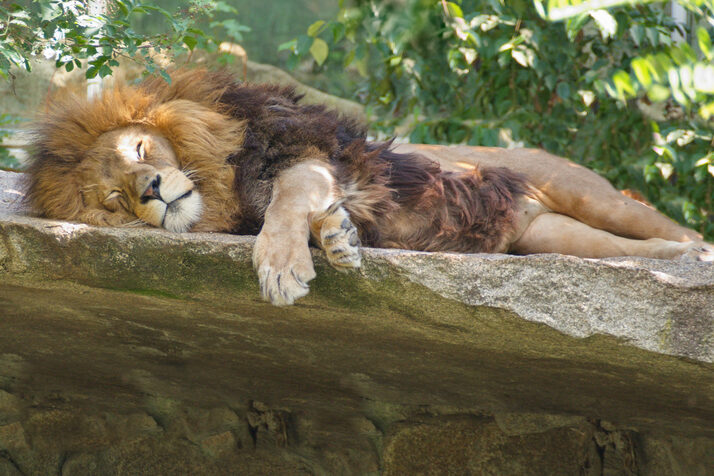
Lions are the ultimate nap kings of the open plains. A male lion can spend up to twenty hours a day just lounging around in the tall grass. They live in incredibly hot environments, so staying still is the best way to keep their body temperature down and save their strength. Since the lionesses do a lot of the actual hunting, the males have even more time to catch some serious shuteye. However, even the hunters of the pride sleep about fifteen hours a day on average. It takes a massive amount of energy to take down a buffalo or a zebra, and sleep is how they prepare for the next big meal. They are not being lazy; they are just waiting for the perfect moment to be the powerful cats they are. It is a very efficient way to live.
This lifestyle is all about extreme conservation of power. When you see a pride of lions, they usually look like a pile of sandy colored rugs because they are so committed to their rest. They do not have many natural enemies to worry about, so they can afford to sleep deeply without much concern for their safety. This confidence is a perk of being the top predator in their ecosystem. They wake up when the air cools down at dusk, stretch their massive limbs, and begin to socialize or plan their next move. It is a royal way to live, balancing total relaxation with moments of intense and focused action. They truly understand the value of a long break. Watching them sleep is a reminder that even the strongest among us need time to recharge and stay at their very best.
14. House Cats
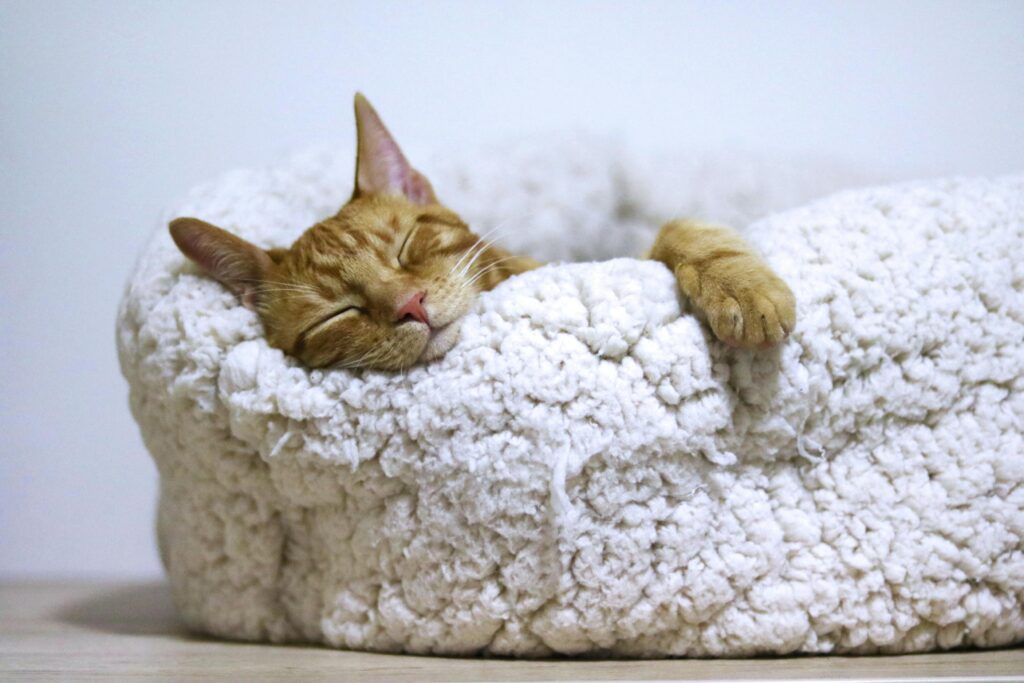
Your domestic cat might not be hunting zebras in the backyard, but it still carries the genes of its very wild ancestors. House cats sleep for twelve to sixteen hours a day on average, usually in short bursts that add up to a very lazy afternoon. You have probably noticed they have the zoomies for ten minutes and then disappear for four hours under a bed or on a sofa. This is because they are crepuscular, meaning they are naturally most active at dawn and dusk when the light is low. The rest of the time is spent in a light sleep or a very deep slumber. They are very sensitive to sound even while sleeping, which is why their ears twitch at the sound of a can opener. It is a very relaxed life.
Most veterinarians agree that sleeping is a cat’s favorite hobby and it is perfectly normal for them to spend most of their lives on your furniture. They have evolved to be efficient hunters, and hunting requires short bursts of incredible speed followed by long periods of rest. Even though their dinner now comes from a bowl, their internal clock still tells them to nap for most of the day. They are experts at finding the exact spot where the sun hits the floor and staying there until the shadows move. It is a very peaceful existence that we can all be a little jealous of from time to time. They do not have a care in the world as long as their bed is soft and their bowl is full. They are the masters of the house.
15. The Platypus
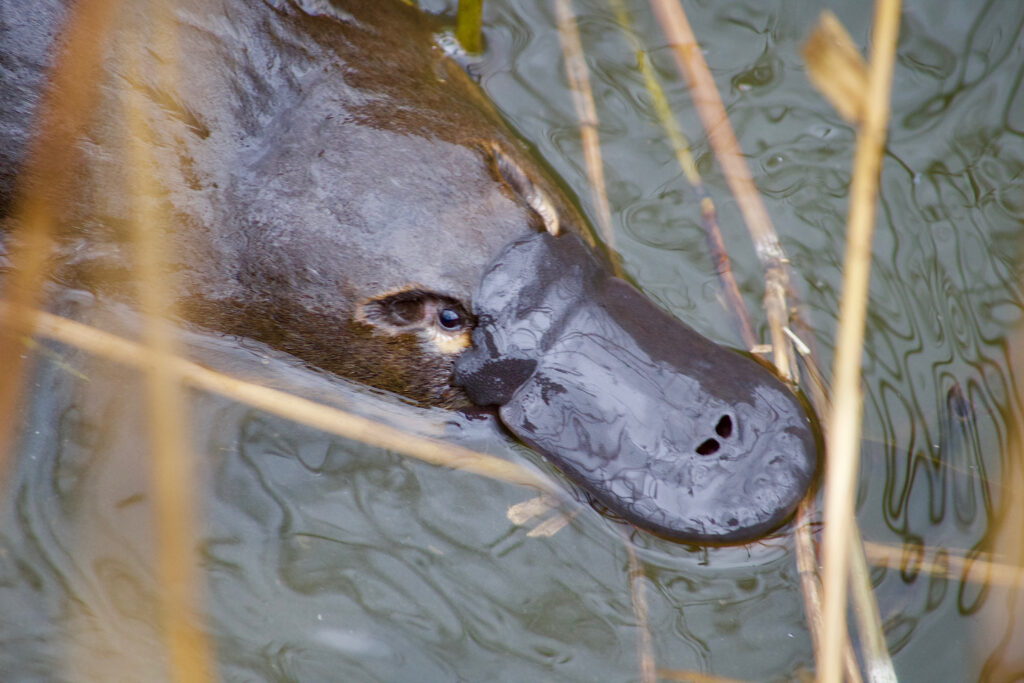
The platypus is one of the strangest animals on the planet, and its sleep habits are certainly no exception to that rule. These egg laying mammals spend about fourteen hours a day asleep in their burrows along the riverbanks. They are very active swimmers and hunters when they are awake, using their sensitive bills to find food underwater in the dark. Because their environment is so demanding and the water can be quite chilly, they need a lot of downtime to recover their body heat and energy. They are also known to experience REM sleep, which means they likely dream just like we do. Imagine what a platypus dreams about after a day of being one of nature’s biggest oddities. They are truly one of a kind.
Researchers have noted that their sleep patterns are as unique as their appearance, combining traits from several different animal groups. They stay tucked away in their burrows where it is safe and dry, far away from any predators that might be lurking nearby. This long period of rest allows them to stay in peak physical condition for their next diving session. It is a very balanced way to live, even if the animal itself looks like it was put together from spare parts. They are proof that you do not have to follow the crowd to be successful in the wild. By getting those fourteen hours of sleep, they ensure they have the focus they need to navigate the murky waters of their home. They are the quiet survivors of the Australian bush.
16. Pigs
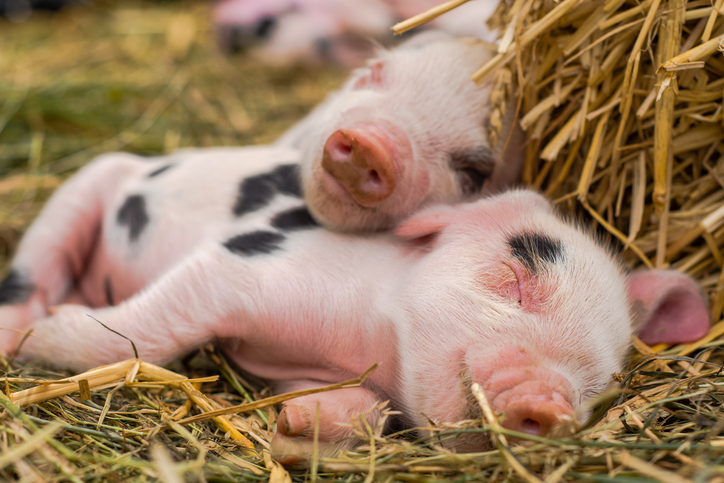
Pigs are actually very social and intelligent animals that love a good group nap with their closest friends. They can sleep for about twelve to thirteen hours a day in a natural environment. They like to huddle together, often nose to nose, to stay warm and feel secure while they are vulnerable. This social sleeping helps them bond with their sounder or family group and keeps everyone feeling safe. They are also very clean animals that prefer to keep their sleeping area separate from where they eat or go to the bathroom. Farm experts often point out that pigs are highly sensitive and require deep sleep to stay healthy and happy. Whether they are in a barn or a forest, they find a soft spot and settle in.
There is a lot of peace in a group of sleeping pigs. They are very focused on their community, and that extends to their rest periods as well. They do not like to be alone, so having a buddy to nap with is very important for their mental health. When they are well rested, they are curious and playful, showing off their high levels of intelligence. It is a cycle of rest and play that keeps them thriving in many different environments. They have a very relaxed approach to life that is often misunderstood by people who do not spend time with them. They are much more like our pet dogs than most people realize. By prioritizing their sleep and their social bonds, they manage to live very fulfilling and quiet lives.
17. Dogs

Our canine companions are always ready for a walk, but they are also always ready for a long nap on the rug. On average, dogs spend about twelve to fourteen hours a day sleeping, though this varies by breed and age. Puppies and older dogs usually need even more rest to keep their bodies growing or recovering. Large breeds like Mastiffs or Saint Bernards are notorious for being rugs that rarely move unless there is food involved. Dogs enter REM sleep much faster than humans do, which is why you see their paws paddling and hear them woofing in their sleep. It is a sign they are processing their day and maybe chasing a few squirrels in their dreams. They are very dedicated to their rest.
Most trainers will tell you that a well rested dog is a well behaved dog, so letting them sleep is actually doing them a huge favor. They are very sensitive to the energy of the house, so if things are quiet, they are happy to shut their eyes and drift off. It is a very loyal kind of slumber, as they often prefer to sleep right at your feet or in the same room as you. This connection makes them feel safe enough to fall into a deep sleep. They have a very simple set of needs, and a good long nap is right at the top of the list. Whether they are curled in a ball or lying flat on their backs, they look perfectly content. They are the ultimate masters of making any spot look comfortable.
18. Ground squirrels
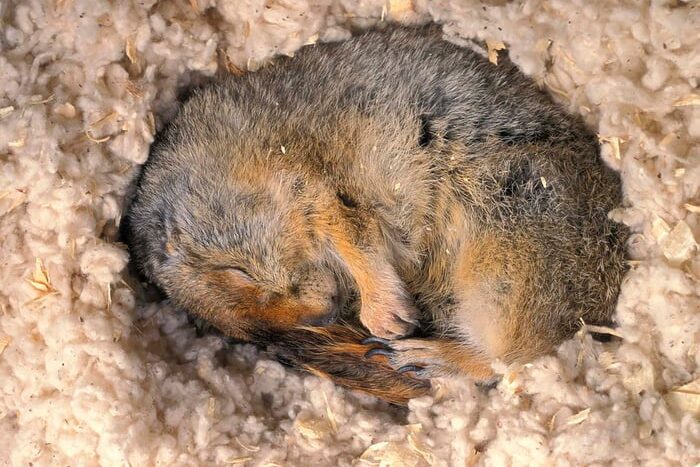
Ground squirrels take sleeping to a seasonal level that most animals could only imagine. During the summer, they might sleep for ten to twelve hours a day, but they are famous for their long hibernations. When the weather gets cold, they disappear into their burrows and stay there for months at a time. This isn’t just a long nap because their heart rate drops and their body temperature plummets to save every bit of fat they have stored up. It is an extreme survival tactic that allows them to live through the harshest winters without needing to find food. Even during their active months, they spend a lot of time underground staying safe from hawks and foxes. They are the true experts of the long term snooze.
They spend more of their life unconscious than awake, which is a pretty wild way to live when you think about it. It is a life of waiting for the perfect conditions to emerge and enjoy the world. When they are awake, they are very busy gathering food and watching for danger, but that is only a small portion of their existence. The rest is spent in the quiet safety of the earth, tucked away from the wind and the snow. It is a very specialized niche that has allowed them to thrive in many different climates. They are the ultimate patient observers of the world, waiting out the bad times in a deep and peaceful sleep. It is a strategy that requires a lot of preparation but offers a very high reward.
19. Baboons
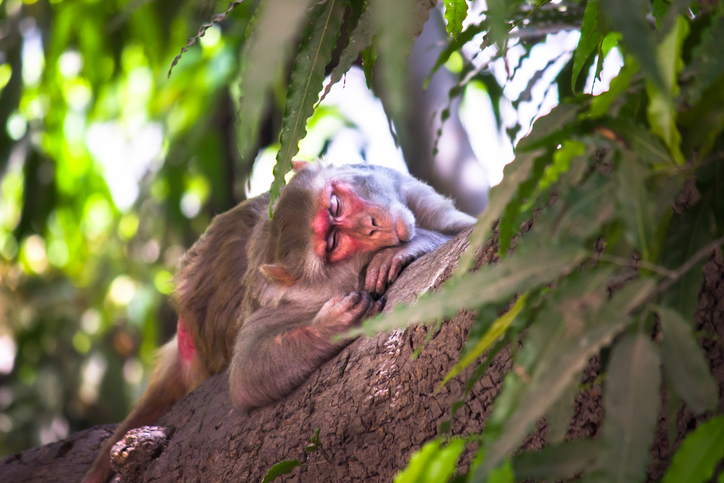
Baboons live very busy and often dramatic social lives, but they still manage to get about ten to twelve hours of sleep a night. Because they live in areas with many predators like leopards, they have to be very careful about where they choose to sleep. They often pick high cliffs or the very tops of tall trees where it is much harder for a predator to reach them. They sleep in sitting positions, often huddled close to their family members for warmth and protection against the night air. This light but long sleep ensures they are alert enough to react if something goes wrong. Primatologists observe that their sleeping sites are chosen with great care and attention to detail. Safety always comes first for them.
Being a baboon means always being aware of your surroundings, even when you are tired. They have a very strong sense of community, and that extends to their nighttime routine. They look out for each other, making sure the youngest and most vulnerable members are in the center of the group. This social safety net allows them to get the rest they need to function the next day. When the sun comes up, they are ready to start their foraging and social climbing all over again. It is a high stakes way to live, but they have mastered the balance between being alert and being rested. They are the watchful guardians of the cliffs, proving that even a good night’s sleep can be a tactical move in the wild.
20. Elephants
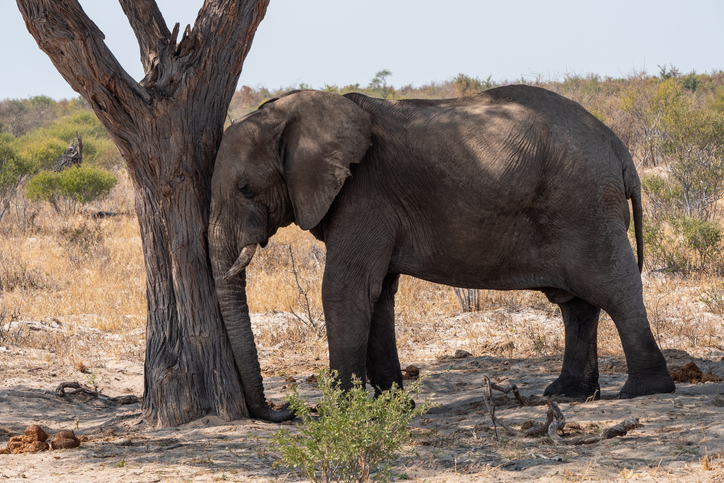
You might be surprised to find the elephant on this list, as they are often thought of as very short sleepers. In captivity, they can sleep for quite a while, but in the wild, they usually only get about two to four hours of deep sleep. However, they spend a huge portion of their day in a resting state where they are standing still and relaxing their trunks. This quiet time is essential for such a massive animal to keep its stress levels down and its body healthy. They often sleep standing up, but will lie down for a few hours every few days to get into a deeper sleep. It is a reminder that sleep looks different for everyone. As the herd moves across the plains, they find peace in the quiet moments.
This quiet reflection is just as important as the deep sleep they get at night. They are very intelligent and emotional animals, and they need this downtime to process their complex social lives. Watching a herd of elephants standing perfectly still under a large acacia tree is a powerful sight. It is a moment of total calm in a very busy world. They do not have to be moving every second to be productive. By taking these long breaks, they ensure they have the stamina to travel miles in search of water. It is a very graceful way to live, moving with the rhythm of the land rather than against it. They are the gentle giants of the savanna, and they have learned to find rest wherever they can.
21. The No Sleep Club
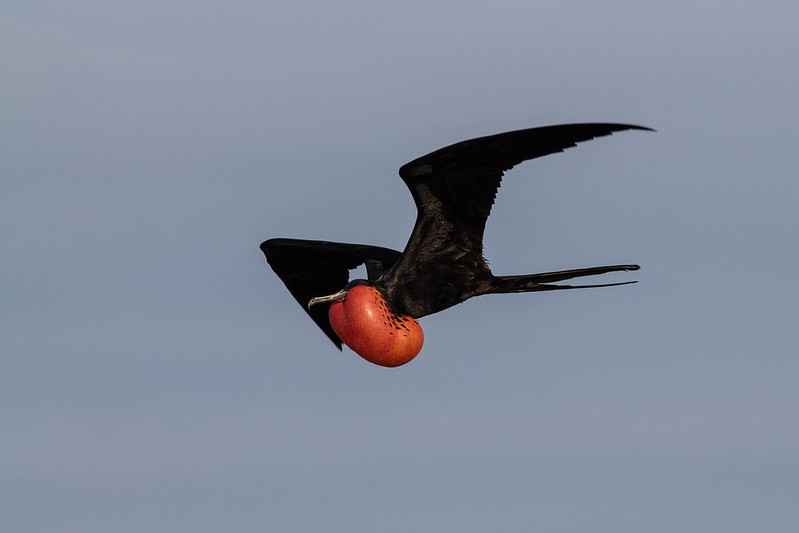
Imagine flying over the ocean for months without ever touching the ground or the water. That is the life of a Great Frigatebird and they have found a way to sleep while they are doing it. They can actually shut down one half of their brain at a time which keeps the other half awake enough to navigate and stay in the air. Sometimes they even take microsleeps that last only a few seconds. On average they get less than an hour of sleep a day while they are on these long trips. Even when they can sleep they choose to stay mostly awake which is just an incredible feat of endurance. They are the ultimate long distance pilots of the natural world. It is a level of dedication to the journey that most of us could never imagine achieving.
These birds have mastered the art of being productive while resting. By alternating which side of the brain is active they ensure that they never lose control of their flight path. It is a biological marvel that allows them to cross entire oceans without needing a soft bed or a quiet nest. When they finally do land they take a bit more rest but their lives are defined by this constant motion. They do not have the luxury of deep slumber when there are thousands of miles of open water beneath their wings. It is a high stakes way to live that requires every bit of their focus and strength. They are the true nomads of the sky living their lives in the thin air between the clouds and the sea. You have to respect their tireless spirit.
22. The Honey Bees
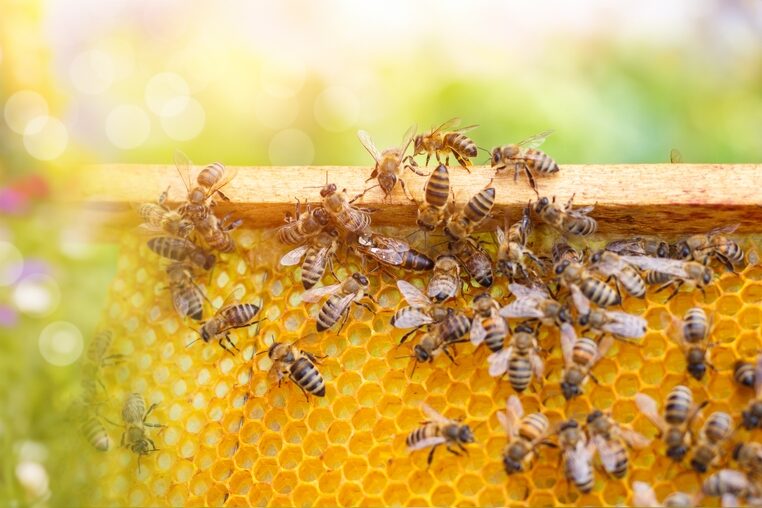
When we think of a busy life it is hard not to picture the honey bee darting from flower to flower. These tiny insects are the ultimate workers of the natural world and their sleep schedules reflect that intense drive to provide for the hive. While they do experience periods of rest where their bodies go still they only catch about thirty to ninety minutes of sleep per day. These moments are taken in tiny fragments of just a few seconds or minutes at a time often right inside a flower or a honeycomb cell. They simply cannot afford to be out for long when the survival of the queen and the colony depends on their constant foraging and cooling efforts. It is a life of dedicated service where the needs of the many always outweigh the individual need for a long night of rest.
This rapid pace is necessary because a worker bee only lives for a few weeks during the peak foraging season of the year. They are essentially living on a countdown where every hour spent sleeping is an hour lost for gathering nectar and pollen. Even when they are inside the hive they are often busy cleaning or feeding the larvae or fanning their wings to keep the temperature perfect. They have evolved to function on almost no downtime which is a level of productivity that would break almost any other creature on earth. It is a fascinating and selfless way to exist where the rhythm of the hive dictates every second of their tiny lives. They are the small but mighty engines that keep our ecosystems blooming and they do it all without ever needing a solid eight hours.
23. Giraffes
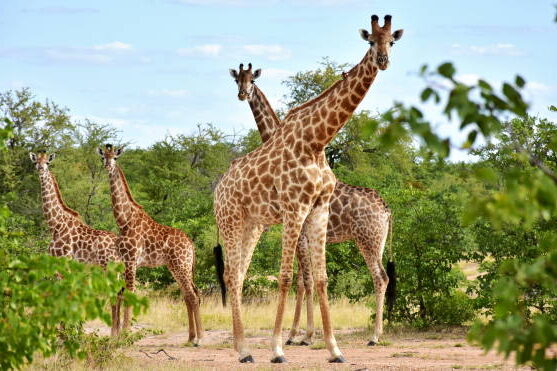
If you think your five minute power nap is short try being a giraffe out in the wild. These tall beauties usually only need about thirty minutes of sleep in a whole twenty four hour period. Because they are so big and it takes them forever to get up off the ground lying down is a massive danger. Instead they take tiny blinks of sleep that last only about five minutes at a time. They usually stay standing sometimes just resting their head on their own back for a quick second before waking up. It is one of the most extreme schedules in the world of biology. Their height makes them a target so they have evolved to be permanently on guard against any lurking predators.
Living in a state of constant awareness is just part of being a giraffe. They have to keep their long necks upright to spot trouble from a distance which means a deep sleep is rarely an option. This unique adaptation allows them to survive in environments where being caught off guard means the end of the line. They are proof that you do not need hours of shuteye to be one of the most majestic creatures on earth. While we are tucked away in our beds for eight hours they are watching the horizon and moving through the trees. It is a quiet and lonely kind of vigilance but it has served them well for generations. They are the silent sentinels of the plains always looking and always ready to move.
24. Dolphins

Dolphins are the masters of multitasking even when they are technically trying to get some rest in the water. Because they need to consciously come to the surface to breathe they can never fully lose consciousness or they would sink. Instead they use a trick called unihemispheric sleep where half the brain sleeps while the other half stays awake to handle breathing. They swap sides throughout the night to make sure the whole brain gets some rest eventually over time. It is basically like having a built in security guard in your own head at all times. Marine biologists often say that dolphins never truly stop which is a perfect way to describe these intelligent swimmers who are always alert.
This constant state of semi wakefulness is what keeps them safe from sharks and other ocean threats. They can continue to swim and stay with their pod even while one half of their brain is drifting off. It is a level of mental coordination that is almost impossible for humans to wrap their heads around. They live their lives in a world of motion and sound where being fully asleep is a liability they cannot afford. This adaptation allows them to be some of the most successful and social animals in the sea. They are always ready to play or hunt or protect their family no matter what time it is. It is a life lived in the balance between the waking world and the quiet of the deep ocean.
25. Bullfrogs
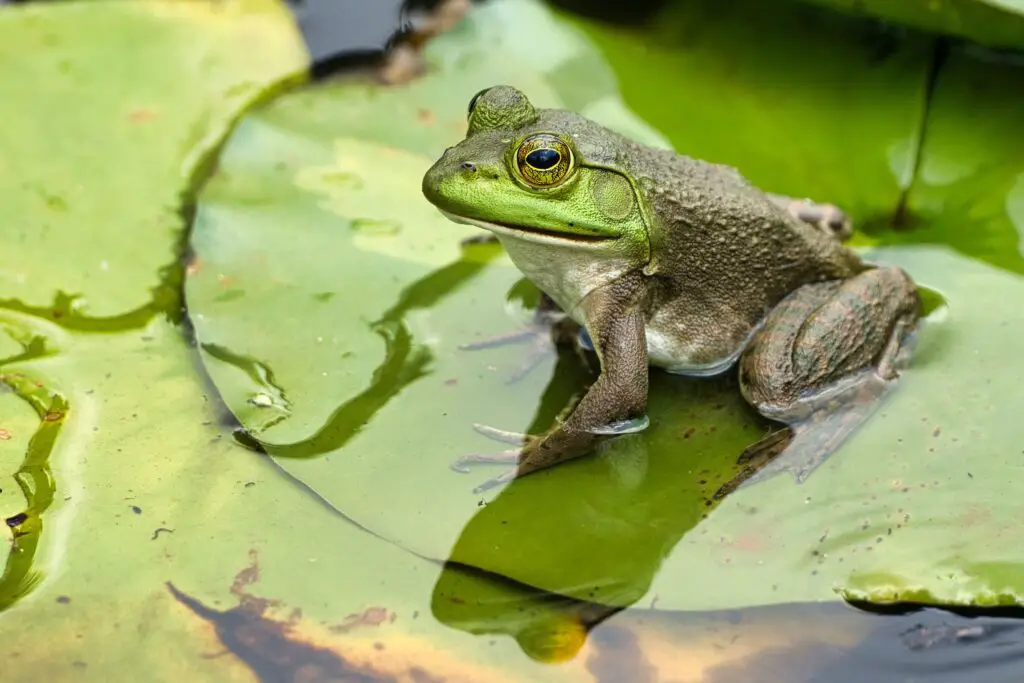
For a long time people were not even sure if bullfrogs actually slept at all in the traditional sense. When scientists tested them they found that the frogs responded to things just as fast during their rest periods as when active. While they do have quiet moments they do not seem to enter that deep unconscious state that we think of as sleep. They stay incredibly alert to every little sound or ripple in the water which is how they catch dinner. It is a strange way to exist living in a constant state of readiness for any opportunity. Their version of rest might just be a lower metabolic state without losing consciousness or the ability to react quickly. They are always watching the bank.
This lack of deep sleep makes them incredibly effective survivors in a world full of hungry birds and snakes. They never truly let their guard down which means they are rarely caught by surprise in their swampy homes. It is a high tension way of living but it ensures that they are always the ones in control of their environment. You might see one sitting perfectly still for hours but do not be fooled into thinking it is unaware. Its senses are sharp and its muscles are coiled and ready to jump at a moments notice. They have traded the comfort of a long sleep for the security of constant vigilance. It is a trade off that has kept them thriving in the murky waters for millions of busy years.
26. Alpine Swifts
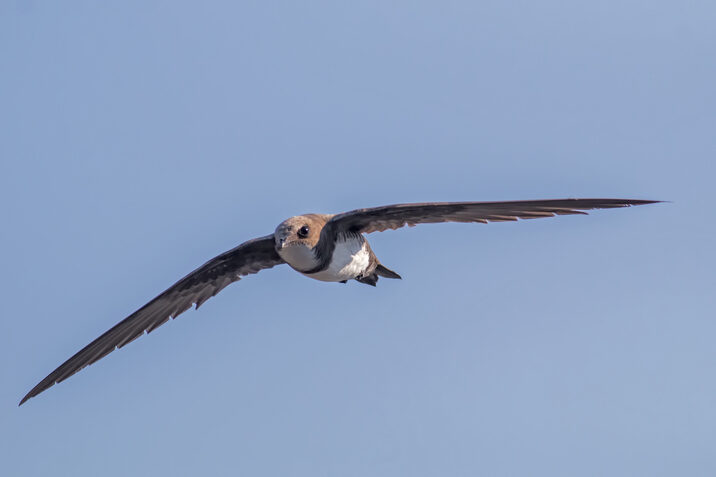
The Alpine Swift is a bird that takes the no sleep rule to a whole new level of intensity. During their migration these birds can stay in the air for up to six months without ever landing once. Just like frigatebirds they have mastered the art of resting their brain in tiny increments while they glide. They eat drink and even mate while they are flying through the open sky. To them the ground is just a place for nesting but the sky is where they actually live their lives. It is a level of endurance that seems almost impossible for something so small. They remain in perpetual motion for half a year proving that you do not need a bed when you have wind.
This incredible journey requires a body that is perfectly tuned for efficiency and a mind that never fully shuts down. They navigate by the stars and the wind never needing to stop for a break or a nap. It is a life of total freedom but also total effort as they must keep their wings moving to stay aloft. They are the ultimate example of what a living creature can achieve when it is pushed to the limit of its abilities. While the rest of the world is sleeping on branches or in burrows they are high above everything else. They see the world from a perspective that few other creatures will ever know. It is a lonely but beautiful existence defined by the rhythm of the air.
27. Baby orcas
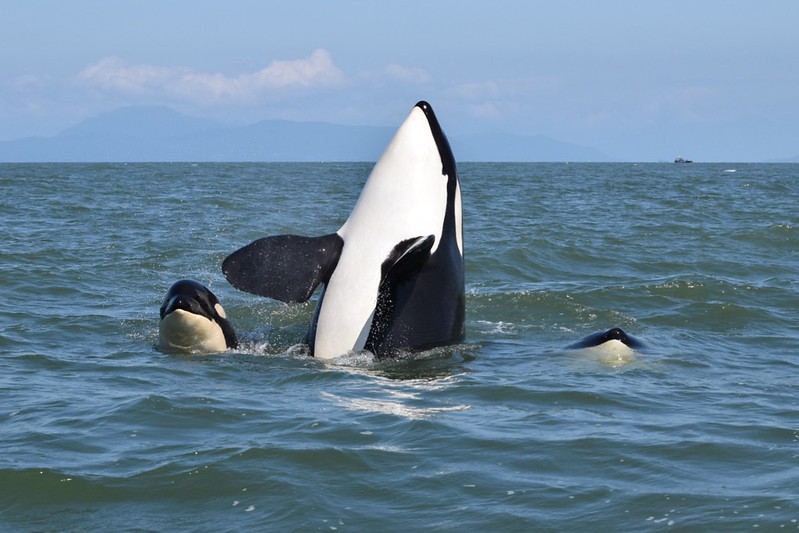
Newborn orcas and their mothers go through a first month that would be a nightmare for any human parent on earth. They do not sleep at all during this time because the calf must keep swimming to stay warm and buoyant. While most babies sleep a lot to grow orca calves have to keep moving to prevent themselves from sinking or freezing. If the mother stops moving the baby might lose its momentum or get too cold to survive the water. So they both stay in constant motion for weeks on end without a single break for rest. It is an unbelievable feat of endurance and maternal dedication that shows how far nature will go. They are the strongest swimmers from day one.
This period of forced wakefulness is critical for the calf to develop the muscle and blubber it needs to survive the ocean. It is a trial by fire that prepares them for a life of constant travel and hunting. The mother orca shows incredible strength as she guides her young through the waves without ever closing her eyes for more than a second. It is a bond forged in the cold water and the constant motion of the sea. Eventually they will settle into a more normal routine but those first thirty days are a marathon. It is a reminder that the beginning of life is often the hardest part of the journey. They are the tiny warriors of the deep blue sea.
28. Walruses
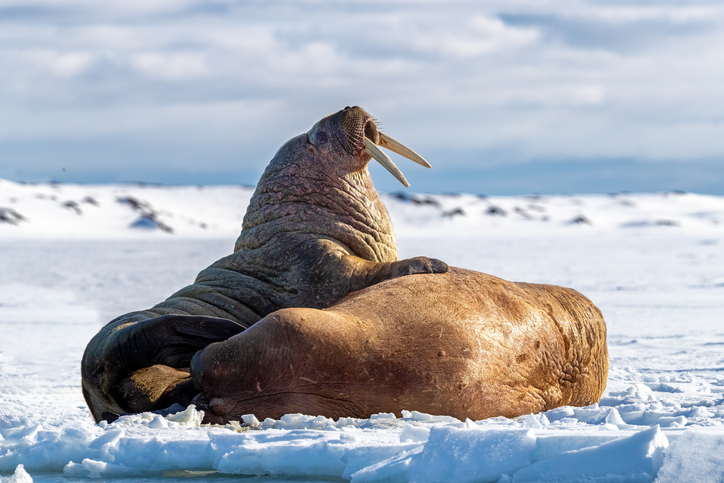
Walruses might look like they love to lounge on ice floes but when they are in the water they are machines. They have been known to swim for up to eighty four hours without a single break for sleep or rest. During these long hauls they stay active for days while they dive for food and navigate the freezing Arctic. When they finally do find a spot to haul out on land or ice they make up for it by sleeping. It is a very intense all or nothing lifestyle that requires them to be awake for days at a time. Their ability to stay awake for days is one of the most extreme examples in the world. They are the endurance athletes of the north always moving.
This capability allows them to travel between feeding grounds and breeding sites without being slowed down by the need for a nap. They are built for the harsh conditions of the poles where the environment is constantly changing and shifting. When they are in the water they are focused and driven by the need to find enough shellfish to sustain their massive weight. They do not have time to worry about being tired when there is work to be done in the deep. It is a life of extremes where the periods of activity are just as intense as the periods of rest. They are the heavyweights of the ocean always pushing forward through the ice and the waves. They are truly built for the long haul.
29. Bluefin Tuna
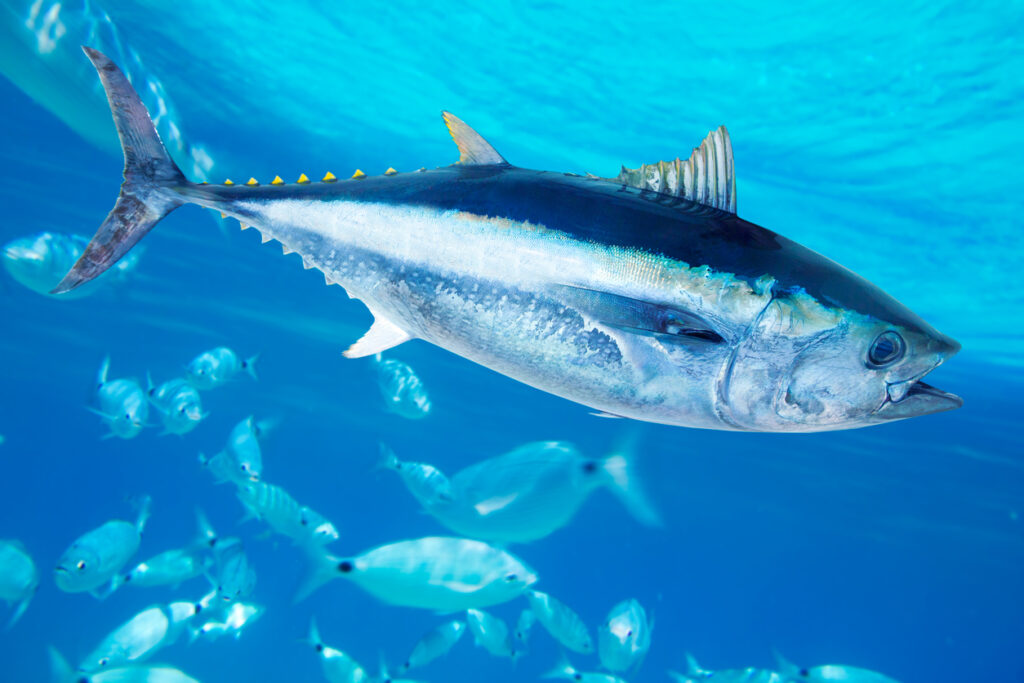
For a Bluefin Tuna stopping is not just about being tired but it is a life or death situation. They are ram ventilators which means they have to keep swimming forward to push water over their gills to breathe. Because of this they can never truly stop and go to sleep like a normal fish or animal. They likely have periods where their brain activity slows down a bit but their bodies are in constant motion. It is a life of perpetual swimming in the open ocean from the moment they are born. Their metabolism is so high they are more like warm blooded animals than typical fish in the sea. They are the Ferraris of the ocean always idling and ready to go.
This constant motion means they are some of the fastest and strongest predators in the world of water. They never get a break from the physical effort of moving but their bodies are perfectly adapted for it. Their muscles are built for endurance and their hearts are incredibly strong to keep up with the demand. It is a high octane existence where there is no such thing as a day off or a quiet night. They live their lives at full speed always chasing the next meal or following the currents. While it sounds exhausting it is the only way they know how to exist. They are the ultimate symbols of what it means to be alive and moving in the vast blue wilderness.
30. Horses
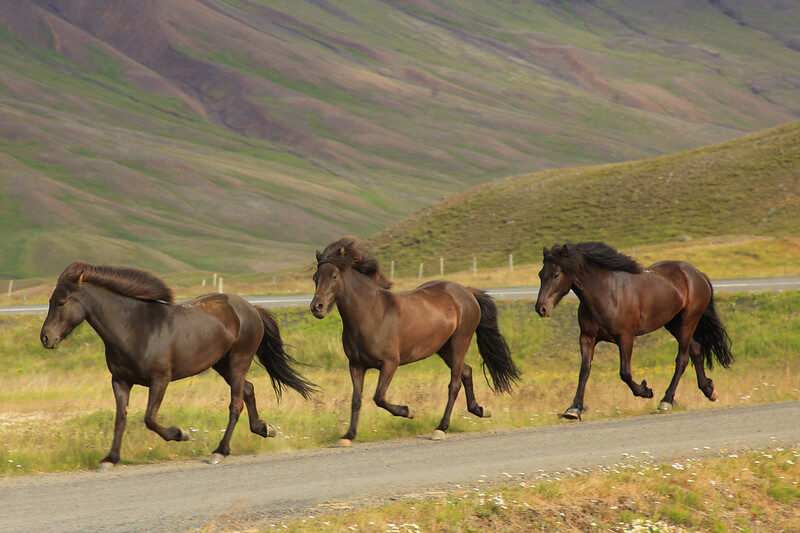
Horses are famously light sleepers and usually only get about three hours of rest in a whole twenty four hour day. Most of that happens in tiny bursts of ten or fifteen minutes scattered throughout the afternoon and night. They have a cool trick called a stay apparatus in their legs that lets them lock their joints to stand. This means they can be awake and running in a split second if they hear something scary in the grass. They only lie down for deep sleep for about thirty minutes a day and even then it is risky. They usually have a buddy watching their back while they take that short and vulnerable rest. They are incredibly sensitive to their environment.
This vigilance is a survival trait from their ancestors who lived on open plains filled with hungry predators. A horse that sleeps too long or too deeply is a horse that does not survive the night in the wild. They have carried this trait into their lives with humans always keeping one ear moving to catch a stray sound. They are quiet and observant creatures that find peace in the presence of their herd rather than in a long sleep. It is a life of gentle awareness where rest is taken in small sips rather than big gulps. They are the beautiful and watchful companions of our world always ready to move with the wind. They show us that strength can be found in being alert.
31. Fruit flies
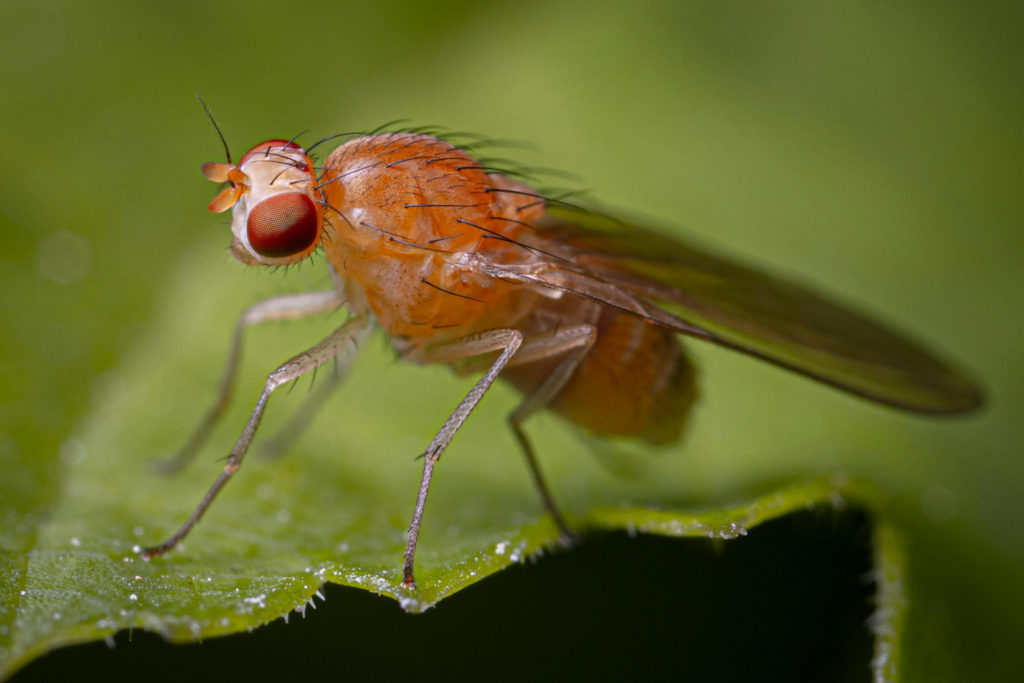
You would think a tiny fruit fly would need to rest its wings but some of them are incredibly active. While many do sleep for several hours researchers have found individual flies that can live on very little. Some can survive and thrive on as little as four minutes of sleep a day without any negative effects. It turns out that sleep needs can vary wildly even within the same species of tiny insects. These short sleep flies are just as healthy and live just as long as the ones that sleep more. It has challenged a lot of what scientists thought about why animals actually need to sleep. Sleep might not be as universally required in large amounts as we once believed in science.
This discovery has opened up new questions about how the brain recharges and what it actually needs to function correctly. For these flies life is a non stop mission to find fruit and mates and they do not let sleep get in the way. They are proof that even the smallest creatures can be some of the most determined and tireless in the world. They live their short lives at a frantic pace making the most of every second they have on this earth. It is a reminder that the rules of biology are not always as strict as we think they are. Every creature has its own internal clock and its own way of getting through the day. They are the tiny rebels of the insect world.
32. Desert snails
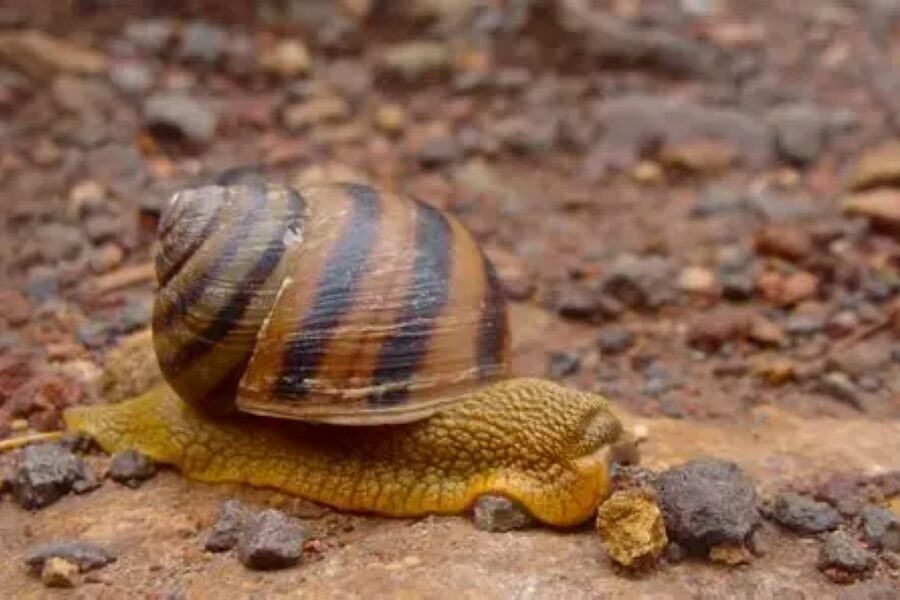
While some snails are famous for sleeping for years desert snails have to be ready to go at any moment. When it finally rains in the desert they have to stay awake and active for as long as there is water. They have to eat move and find a mate all in a very small window of time before the sun returns. They will go through long periods of intense activity without any rest just to make the most of the weather. Once it gets dry again they will seal themselves up but while it is wet they are on a mission. It is a life dictated by the clouds showing how animals shift their needs. Even a snail can be a workaholic when the conditions are just right.
This flexibility is what allows them to survive in one of the harshest environments on the planet. They do not have the luxury of a regular schedule because their survival depends on the unpredictable patterns of the rain. When the water arrives they are ready to put in the work and stay awake for as long as necessary. It is a race against time to ensure the next generation survives before the ground turns back to dust. They show us that even the slowest creatures can have an incredible sense of urgency when it matters most. Their lives are a cycle of waiting and rushing living in the moments between the long dry spells. They are the patient survivors of the sand.
33. Sheep
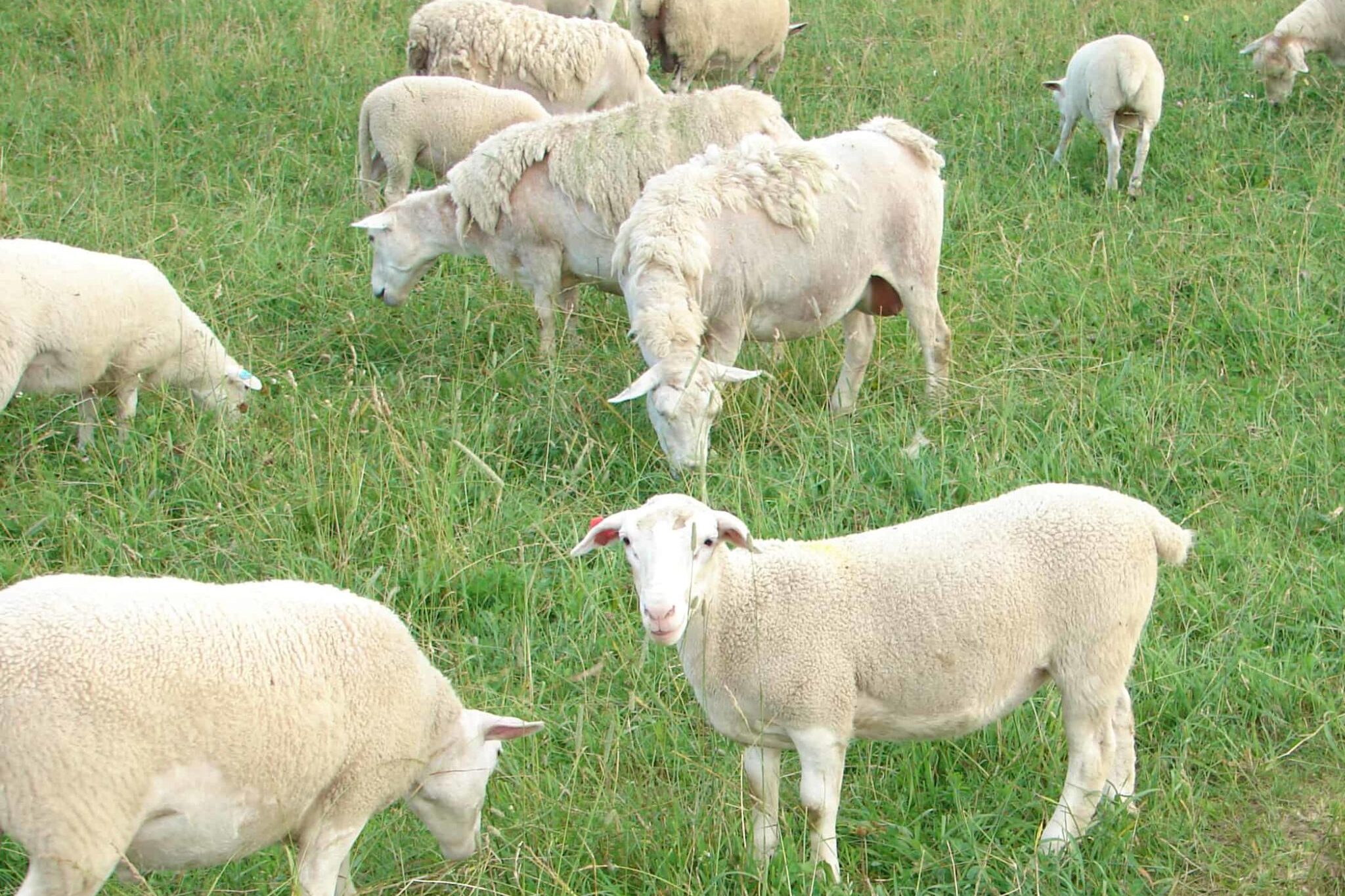
Sheep are another animal that gets by on very little rest usually around four hours a day in total. Like most prey animals they are incredibly vulnerable when they close their eyes so they have learned to be light. They tend to sleep in quick cycles with members of the flock taking turns being the watchers for the group. They are highly social and this group dynamic allows them to get the tiny bits of rest they need to stay. They are easily startled and a single loud noise can have the whole group awake and alert in an instant. Farmers often notice that sheep are always looking around even when they seem to be relaxing. It is a life of communal vigilance.
This constant state of being on guard is what has kept sheep safe for thousands of years in the wild. They rely on the eyes and ears of their neighbors to make sure that no predator can sneak up on them. It is a beautiful example of how community can provide a sense of security that an individual could never find alone. While they might look like they are just standing around they are actually performing a vital service for their friends. They are the quiet and gentle protectors of the meadow always watching and always listening for trouble. Their lives are built on trust and the knowledge that someone is always looking out for them. It is a peaceful but busy existence.
34. Shrews
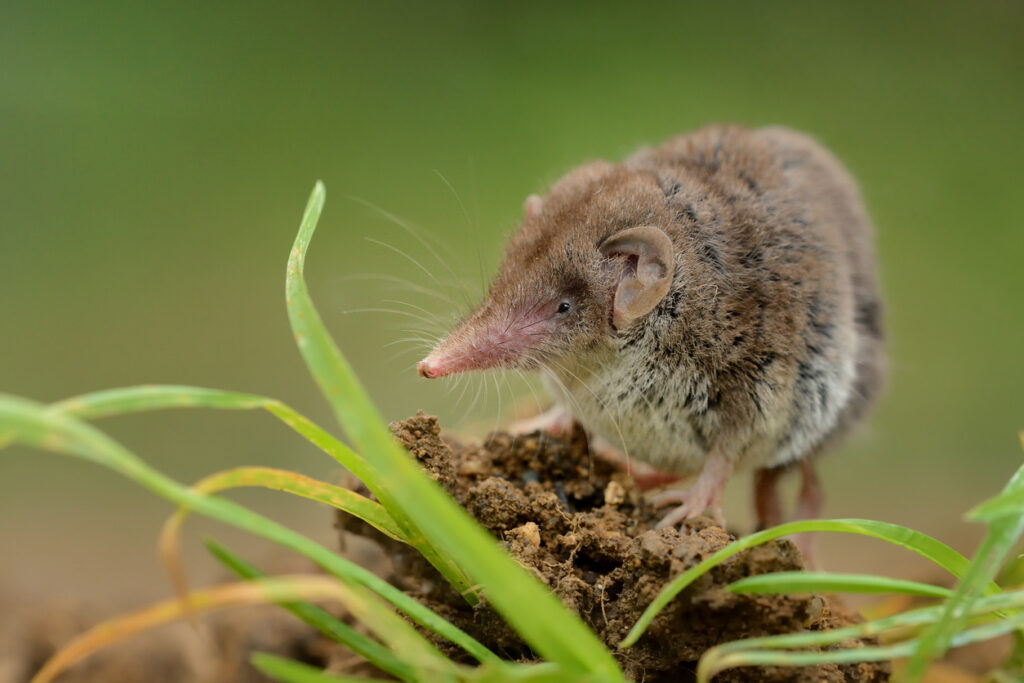
A shrew has such a high metabolism that it is basically a tiny living engine that never shuts down. They have to eat almost constantly just to stay alive which means they can never sleep for more than a bit. They live in a cycle of eating and napping that repeats every few hours day and night throughout their life. If they went more than a few hours without a meal they would literally run out of fuel and stop. This means they are almost always on scurrying through the leaves in a desperate search for small bugs. Biologists describe them as living on a knife’s edge where the need for food always beats sleep. It is a high speed way to live.
This frantic pace is the only way they can maintain their body temperature and keep their tiny hearts beating so fast. They are the ultimate examples of why some creatures simply do not have the time to be tired or lazy. Their lives are short but they are packed with more activity than most animals see in a decade of life. Every waking moment is spent in a search for the next bit of energy to keep the flame burning. It is a relentless and intense way to exist but it is what allows them to be the successful hunters they are. They are the tiny powerhouses of the forest floor always moving and always hungry for more. They never stop.
35. Great White Sharks
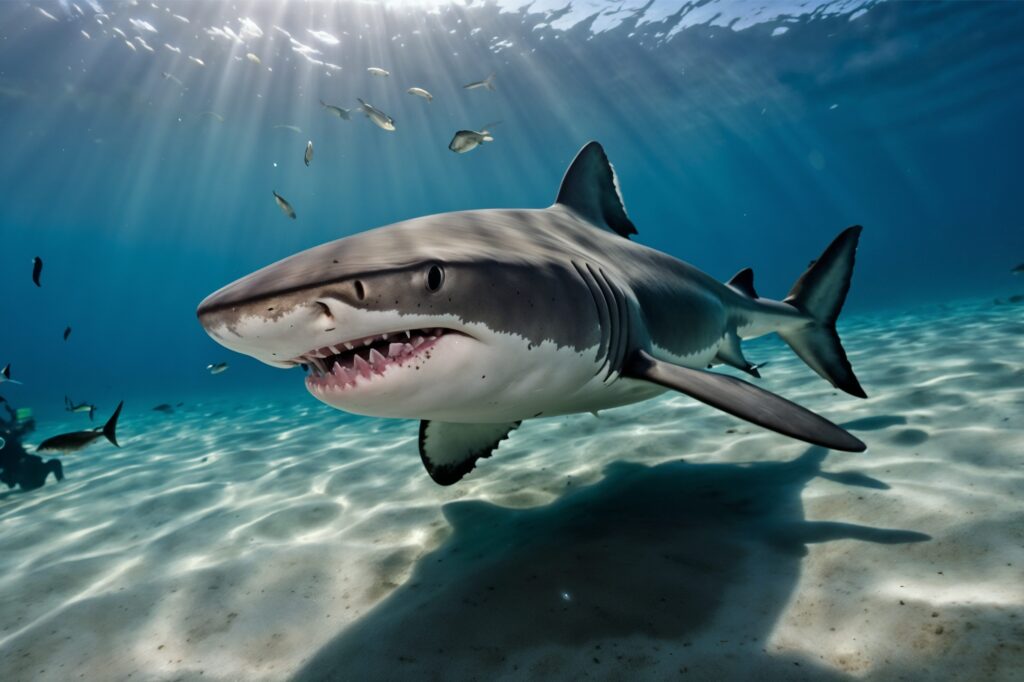
Just like the tuna the Great White Shark is a creature that has to keep moving forward to breathe. While they do not sleep in the way we do they have been seen in a sort of sleep walking state. They will face into a strong current which allows oxygenated water to flow over their gills while they drift. Their eyes remain open and they stay aware of what is happening around them even as their brain rests. It is a ghostly and fascinating thing to see showing how even the oceans most feared predator must recharge. This constant movement is just the rhythm of their lives a final reminder that for some the secret to staying alive is to simply never stop moving.
The ocean never sleeps and neither do the giants that call it home as they navigate the dark. They are the rulers of the deep living by a set of rules that are completely foreign to us. By staying in motion they ensure that they are always ready to react to a change in the water. It is a life of power and grace that is built on a foundation of perpetual motion and focus. As we close this look at the animal kingdom it is clear that rest is a relative concept. Whether they are sleeping for twenty hours or never at all every creature has found its own perfect rhythm. Life is a beautiful balance of energy and rest and we are all just trying to find our place.


