
What We Were Sure About That Was Completely Wrong
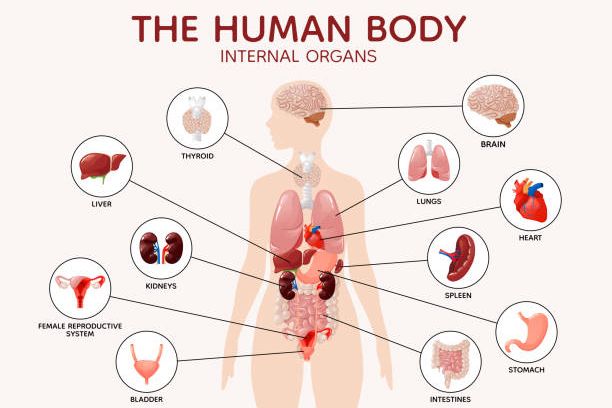
It is truly fascinating how certain ideas about our own physical selves can take such a firm hold on our collective consciousness despite having no basis in actual science. Most of us grew up hearing various warnings and health tips from well-meaning parents or teachers that we simply accepted as absolute gospel truth without ever questioning the source. These biological old wives’ tales often persist because they seem to make a bit of logical sense on the surface or because they provide a convenient explanation for complex bodily functions that were once poorly understood by the general public.
Unlearning these misconceptions is more than just an exercise in trivia because understanding how our bodies truly function allows us to make better decisions about our health and daily habits. When we clear away the clutter of medical folklore, we open ourselves up to a much more profound appreciation for the incredible biological machinery that keeps us alive every single day. This exploration into the most common body myths aims to bridge the gap between popular fiction and clinical reality while celebrating the genuine wonders of human anatomy that are far more impressive than any made-up story could ever be.
We Only Use Ten Percent
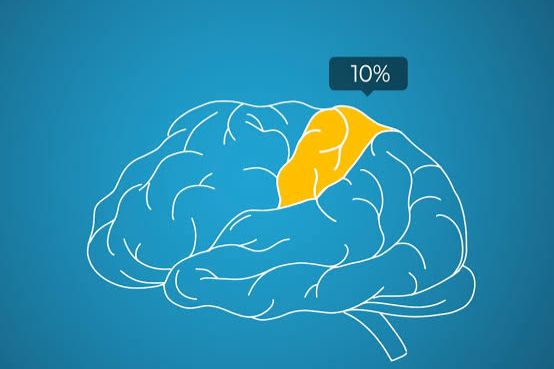
The persistent idea that humans only tap into a tiny fraction of their mental capacity is perhaps one of the most famous psychological myths in history despite being entirely inaccurate. Modern neurology has shown through sophisticated brain imaging that we actually use virtually every single part of our brain over the course of a normal twenty-four-hour period. Even when we are sleeping or resting quietly, our neurons are constantly firing and communicating to maintain vital functions like breathing and heart rate while also processing memories and subconscious thoughts. There is simply no mysterious, dormant area of the brain waiting to be unlocked because evolution ensures every gram of tissue serves a purpose.
Clinical data from fMRI scans indicates that most of the brain is active almost all the time because even simple tasks like walking or talking require the coordination of many different functional areas. If ninety percent of the brain were truly redundant, then suffering a minor injury or a small stroke in those unused regions would have no impact on a person’s abilities or personality. However, medical history proves that damage to even the smallest portion of the brain typically results in significant and often permanent functional losses or cognitive changes. While we can always learn new skills and strengthen neural pathways, we are definitely already using the whole of our incredible biological computer to navigate the world.
Humans Have Only Five Senses
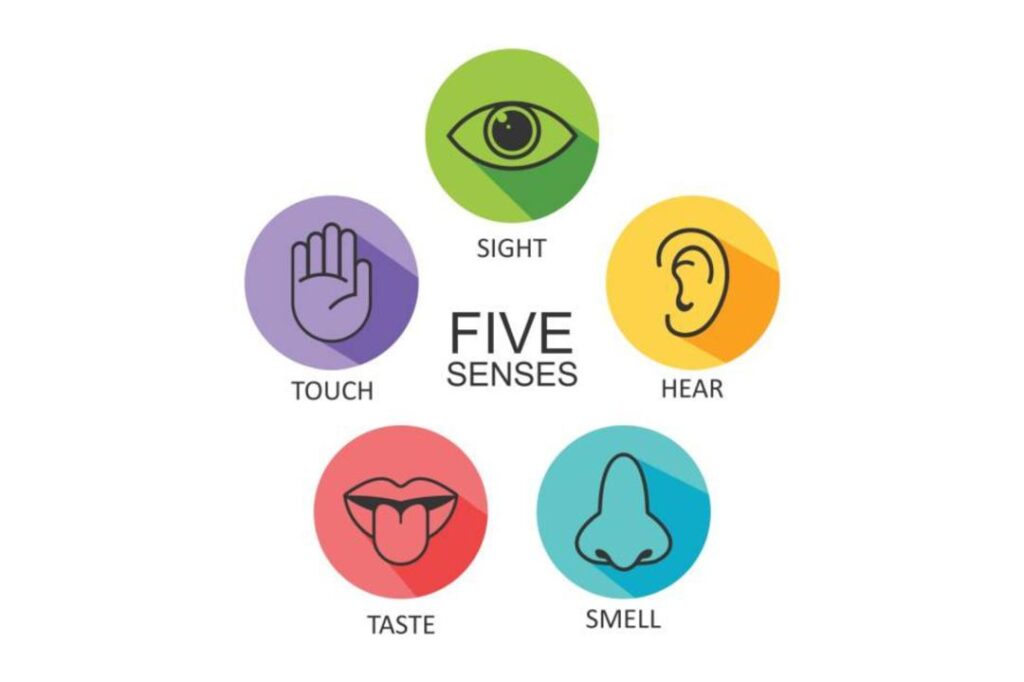
While we were all taught in primary school that humans possess only sight and smell along with hearing plus taste and touch, the reality is far more complex and interesting. Scientists and researchers generally agree that we actually have anywhere from nine to over twenty distinct senses that help us interact with our environment and monitor our internal state. One of the most critical of these is equilibrioception which allows us to maintain our balance and sense of gravity so that we can stand upright or walk without falling over. Another vital sense is proprioception which gives us the subconscious awareness of where our limbs are located in space without looking.
Furthermore, we rely heavily on nociception to detect pain and thermoception to sense changes in temperature which both act as essential warning systems for our physical safety. We also possess internal sensors that monitor our hunger levels and thirst or even the amount of oxygen and carbon dioxide present in our bloodstream at any given moment. Recognizing these additional senses provides a much more accurate picture of how our nervous system constantly gathers a massive array of data to keep us functioning. By moving beyond the traditional five categories, we can better appreciate the intricate sensory network that allows us to experience the world with such incredible depth and precision.
Dim Light Ruins Eyesight
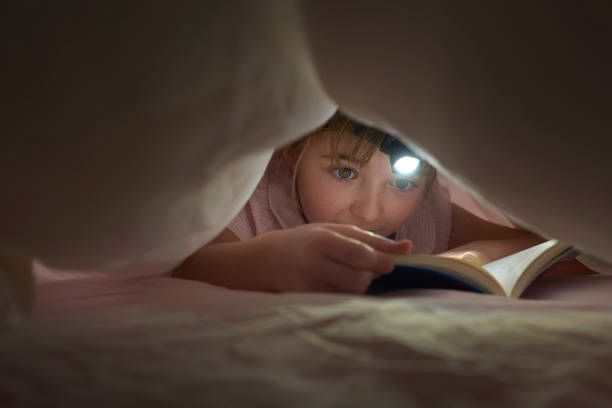
Many of us spent our childhoods being scolded for trying to read under the covers with a weak torch because our elders feared it would cause permanent damage. The truth is that reading in low light might make your eyes feel incredibly tired or cause a temporary bout of strain but it definitely does not lead to long-term vision loss. When you try to focus on small text in the dark, your eye muscles simply have to work much harder to process the information and your blink rate often decreases significantly. This leads to that familiar feeling of dry or itchy eyes and perhaps a mild tension headache but these symptoms vanish after rest.
Evolutionarily speaking, our eyes were designed to function in a wide range of lighting conditions from bright midday sun to the dim glow of a campfire or the moon. While modern life often requires us to stare at high-contrast screens for hours which adds another layer of fatigue, the fundamental mechanics of the eye remain unchanged by the level of ambient light. Using a proper lamp is certainly more comfortable and will help you stay focused for longer periods without feeling weary but you should not worry about needing glasses solely because of your nighttime reading habits. It is always best to listen to your body and take frequent breaks when things start to feel blurry.
Alcohol Kills Brain Cells

There is a very common belief that a single night of heavy drinking results in the mass death of thousands of neurons which would eventually lead to a significant loss of cognitive ability. While it is true that chronic alcohol abuse causes serious neurological issues and can certainly lead to long-term brain damage, the idea that booze literally melts your brain cells on contact is a myth. Scientific studies have shown that even in people struggling with severe alcoholism, the actual number of neurons does not necessarily decrease in a dramatic fashion. Instead, the real damage occurs at the connections between the cells which are responsible for sending and receiving signals.
When these delicate pathways are damaged by consistent exposure to toxins, the brain struggles to communicate effectively which leads to the memory lapses and coordination problems often associated with heavy drinking. The good news is that many of these structural changes are actually reversible if a person stops consuming alcohol and allows their body time to heal and repair the damaged connections. However, it is important to remember that alcohol can interfere with the growth of new cells in adults and heavy use during adolescence can permanently alter brain development. While moderate consumption might not be killing your cells instantly, it is still vital to treat your nervous system with respect.
Shaving Makes Hair Coarser
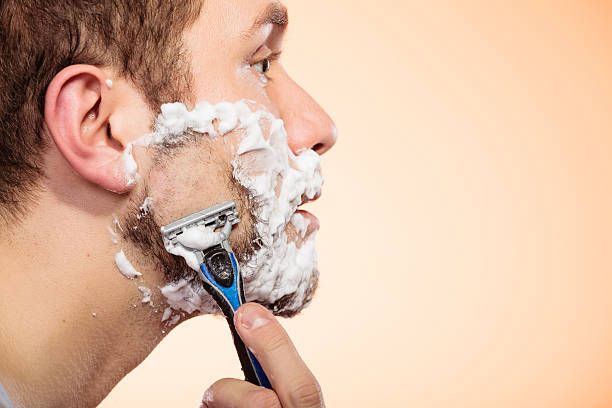
Almost everyone has heard the warning that if you start shaving your legs or face the hair will grow back much thicker and darker than it was before you started. This is a classic optical illusion caused by the way hair is physically cut at the surface of the skin by a sharp razor blade. Natural hair that has not been cut usually has a tapered and soft point at the end which makes it feel much finer and appear lighter to the eye. When you shave, you are cutting across the thickest part of the hair shaft at an angle which leaves a blunt and flat edge that feels prickly.
Because this new growth is coming directly from the root and has not yet been bleached by the sun or worn down by friction, it often appears darker than the older hair. Clinical trials have repeatedly proven that the act of shaving has absolutely no effect on the actual rate of hair growth or the physical thickness of the individual strands. The biology of your hair is determined by genetics and hormones deep within the follicle which a surface-level razor simply cannot reach or influence in any way. So, you can feel perfectly free to groom yourself however you prefer without the fear that you are somehow triggering thick and unruly hair.
Sugar Causes Hyperactive Behavior

Parents all over the world dread the “sugar rush” that supposedly follows a birthday party or a holiday treats session because they expect their children to become uncontrollably wild. However, multiple controlled scientific studies have failed to find any direct link between sugar consumption and hyperactive behavior in children or adults. Researchers have discovered that the perceived change in behavior is often a result of the exciting environment where the sugar is consumed, such as a loud party or a special celebration. Furthermore, parents who strongly believe in the sugar myth tend to report that their children are acting more hyperactive even when given a placebo.
This phenomenon is a classic example of confirmation bias where we notice things that support our existing beliefs and ignore evidence to the contrary during our daily lives. While eating too much refined sugar is certainly not good for physical health and can lead to tooth decay or weight gain, it does not physically alter a child’s temperament. The spike in energy that people report is more likely a psychological response to a tasty reward or simply the natural exuberance of being a child in a fun situation. Reducing sugar intake is still a very healthy choice for many reasons, but you can stop blaming the occasional biscuit for your toddler’s energy.
Fingerprints Are Totally Unique
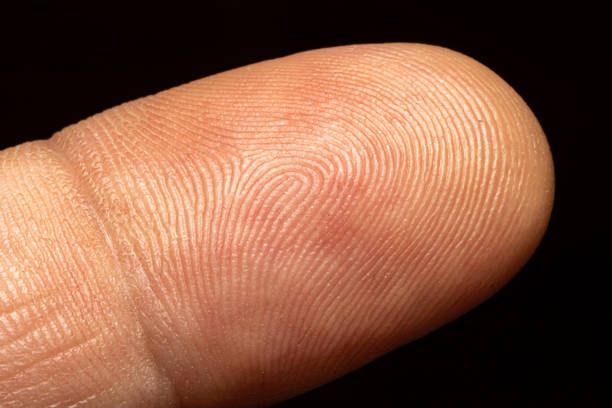
For over a century, the idea that every single person has a unique set of fingerprints has been a cornerstone of forensic science and criminal investigations. While it is true that fingerprints are incredibly diverse and provide an excellent way to identify individuals, the claim that no two are identical is actually an unproven scientific theory. There is no massive global database that contains every human fingerprint ever created, so it is statistically impossible to state with absolute certainty that a duplicate does not exist. In fact, there have been several high-profile legal cases where experts incorrectly matched fingerprints which led to wrongful accusations and highlighted potential error.
The patterns on our fingertips are formed by a combination of genetics and the environment in the womb which means that even identical twins do not share the exact same prints. However, the software and human examiners used to compare these patterns often look for a specific number of matching points rather than the entire image. This means that if two prints are very similar in those specific areas, they might be labeled as a match even if they come from different people. While fingerprints remain a very powerful and reliable tool for law enforcement, they are not the infallible and magical silver bullet that many crime dramas portray them to be.
Cracking Knuckles Causes Arthritis
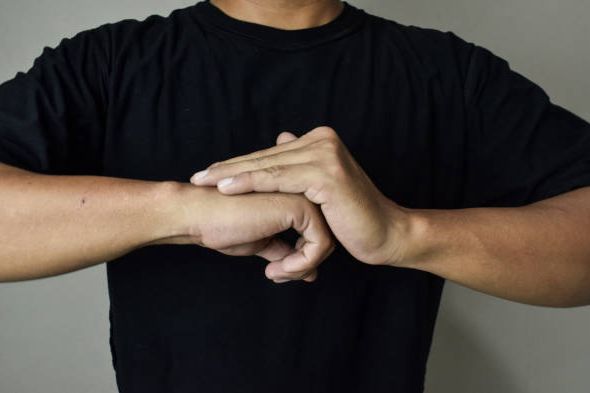
The loud and satisfying “pop” that occurs when you crack your knuckles has long been blamed for causing swollen joints and painful arthritis later in life. This myth was so prevalent that one researcher spent sixty years cracking the knuckles on only his left hand while leaving his right hand alone to see what would happen. After decades of this self-experimentation, he found that there was absolutely no difference between his two hands and neither showed any signs of arthritis or joint disease. Medical studies involving much larger groups of people have since confirmed his findings and shown that the habit of knuckle cracking is generally harmless.
The sound you hear is actually caused by tiny bubbles of nitrogen gas that form and then quickly collapse within the synovial fluid that lubricates your joints. When you stretch or bend the joint, you change the internal pressure which allows these gases to escape the liquid and create that signature snapping noise. While the habit might be incredibly annoying to the people sitting around you, it is not actually damaging the cartilage or causing inflammation in the bones. However, if you experience actual pain or swelling when you crack your joints, it could be a sign of an underlying issue that requires a visit to a doctor for a professional check.
Cold Weather Causes Colds

It is a common sight in winter to see people wrapped in thick scarves and warned to bundle up specifically so they do not catch a cold. However, the common cold and the flu are caused by viruses rather than the actual temperature of the environment around us. You could stand in the freezing cold for hours and you would not get sick unless you were also exposed to a specific virus like the rhinovirus. The reason we tend to see more illnesses during the winter months is actually because people spend much more time indoors in close proximity to one another which makes spreading germs easier.
Furthermore, the dry air inside heated buildings during the winter can dry out the mucus membranes in our noses which makes it slightly harder for our bodies to trap viruses. There is also some evidence that the immune system might be slightly less effective in very cold temperatures, but the primary factor remains the presence of the virus itself. Washing your hands frequently and avoiding touching your face are far more effective ways to stay healthy than simply wearing an extra jumper or avoiding the snow. So while staying warm is definitely more comfortable and helps prevent hypothermia, it is not the magical shield against seasonal illnesses we once thought.
Wait To Swim After Eating

The old rule that you must wait exactly thirty minutes or an hour after eating before entering the water has been a staple of summer safety for generations. The fear was that the blood required for digestion would be diverted away from your muscles which would cause severe cramps and lead to drowning in the pool. However, modern sports medicine and aquatic safety experts have found no evidence to support this claim and there are no recorded cases of anyone drowning due to a full stomach. While your body does divert some blood flow after a large meal, it is not nearly enough to cause your limbs to stop functioning.
You might feel a bit sluggish or experience a mild stomach ache if you try to perform a high-intensity workout immediately after a massive feast, but a normal swim is safe. The real dangers in the water are things like strong currents and lack of supervision or alcohol consumption rather than a sandwich eaten on the beach. Most lifeguards and health organizations have officially retired this advice because it simply serves to keep people out of the water for no scientifically valid reason. If you feel comfortable and have the energy, there is no need to set a timer on your phone before jumping back into the water for a swim.
Blood Is Blue Inside
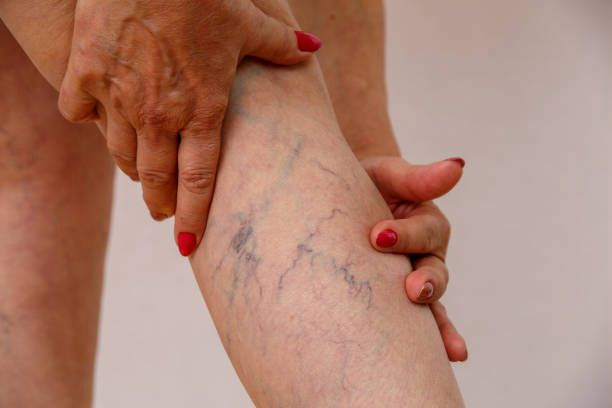
The sight of blue or purple veins beneath our skin has led many to believe that deoxygenated blood is blue until it meets the air. In reality, human blood is always some shade of red because of haemoglobin which is a protein that contains iron and carries oxygen throughout our systems. When blood is rich in oxygen it appears as a very bright cherry-red hue whereas blood that has delivered its oxygen turns a much darker maroon. The reason our veins look blue through the skin is actually down to an optical illusion involving the physics of light and the way our tissue reflects wavelengths.
Blue light does not penetrate as deeply into our skin as red light does which means the blue wavelengths are reflected back to our eyes more readily. Our skin also acts as a filter that scatters the light in a way that further enhances this cool-toned appearance despite the liquid inside being red. Scientists have known for a very long time that there is no stage in the human circulatory process where our blood loses its pigment or changes colour. Whether it is inside your heart or exiting a small scrape on your knee, your blood remains a dedicated shade of red that signifies its vital role in your survival.
Tongue Maps Are Real
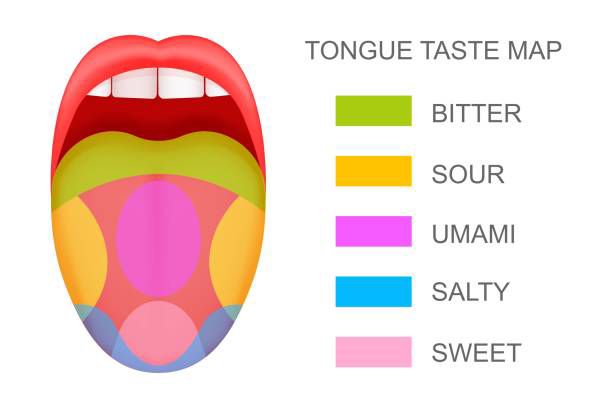
Many school textbooks once featured a diagram showing a “tongue map” where different regions of the tongue were responsible for sensing sweet or sour and salty or bitter. This idea originated from a mistranslation of a German research paper from the early 1900s and was accepted as fact for decades despite being entirely wrong. Modern sensory biology has proven that taste buds containing receptors for every basic taste are actually spread across the entire surface of the tongue and other parts of the mouth. While some areas might be slightly more sensitive to certain flavours, every part of the tongue can detect the full range of tastes we experience.
This means that you do not need the tip of your tongue to enjoy a piece of chocolate or the sides to experience the tang of a lemon because your receptors are everywhere. The myth persisted because it was a simple and visually appealing way to teach children about the sensory system even though it lacked scientific accuracy. Understanding that our taste perception is a unified and complex process rather than a divided map allows us to better appreciate the culinary world. It is the combination of these receptors along with our sense of smell that creates the rich tapestry of flavours we enjoy with every single meal we consume.
Hair And Nails Post-Mortem

The spooky image of a corpse with long flowing hair and elongated fingernails has been a staple of horror stories for generations but it is a biological impossibility. Hair and nail growth requires a complex supply of glucose and oxygen delivered by a functioning heart and circulatory system that stops immediately upon death. Without these vital nutrients the biological machinery responsible for creating new keratin simply shuts down and the production of hair and nails ceases entirely. The cells that make up our hair follicles and nail beds are among the first to expire once the body is no longer providing them with energy.
What actually happens is that the skin on a human body begins to dehydrate and shrink significantly as the moisture evaporates from the tissues after death. As the skin around the scalp and the finger beds retracts and pulls back it exposes more of the hair shafts and the nail roots previously hidden. This makes the existing hair and nails look much longer and more prominent than they did while the person was still alive which creates the illusion. While the visual change is undeniable and can be quite striking for those who observe it, the process is purely a result of tissue contraction and water loss.
Warts Come From Toads

For hundreds of years children have been warned to stay away from toads for fear that touching their bumpy skin would cause unsightly warts to grow. This bit of folklore probably gained popularity because the skin of many common toads is covered in raised glands that look remarkably like human warts. However, there is absolutely no biological link between the bumps on a toad and the viral infections that cause warts in humans as they are different. Toads actually have those bumps as a form of protection because they contain defensive chemicals that taste bad to predators while human warts have a viral origin.
Human warts are caused by the human papillomavirus or HPV which is a common virus that enters the body through tiny cuts in the skin’s surface. You are far more likely to catch a wart from shaking hands with another person or touching a contaminated surface like a locker room floor. While toads might be a bit slimy and some species can secrete irritants, they are completely innocent when it comes to the spread of skin lesions. So you can safely move a wandering toad out of your garden path without having to worry about your skin’s complexion or needing to visit a dermatologist.
Gum Stays Seven Years

The terrifying idea that swallowed chewing gum will sit undigested in your stomach for seven years is a classic myth designed to keep children from gulping sweets. While it is true that the synthetic rubber base used in modern gum is largely indigestible, it certainly does not set up a permanent residence in your tract. Our bodies are remarkably efficient at moving non-food items through the system through a process called peristalsis which involves rhythmic muscle contractions. Even though enzymes cannot break down the gum base itself, the rest of the digestive process works just fine to keep things moving along.
In the vast majority of cases a piece of swallowed gum will travel through the stomach and the intestines at the same rate as a meal. There is no biological mechanism that would allow a small piece of rubber to stick to the stomach lining for years because the lining is replaced. While it is not a good habit to swallow gum regularly as large amounts could potentially cause a blockage, the occasional accidental swallow is completely harmless. You can rest easy knowing that your stomach is not a graveyard for old bubblegum and that your body knows exactly how to handle these visitors.
Carrots Give Night Vision

The belief that eating carrots will give you the ability to see in the dark like a superhero is a myth with a historical origin. During the Second World War the British government launched a propaganda campaign claiming their pilots were successful because they ate lots of carrots to hide radar technology. The public bought the story and parents began encouraging children to eat more vegetables with the promise of improved night vision which has persisted ever since. While carrots are indeed very high in beta-carotene which the body converts into Vitamin A, they can only help maintain normal healthy vision for us.
A severe deficiency in Vitamin A can lead to night blindness which is a condition where it becomes difficult to see in low light because of lack. In these specific cases eating carrots can help restore vision to its normal state by providing the body with the missing nutrients it needs. However, if you already have a balanced diet and healthy levels of Vitamin A, eating an extra bag of carrots will not help. It turns out that a healthy diet is great for your eyes but it sadly won’t turn you into a nocturnal predator. You will still need a torch if you plan on navigating the woods after the sun goes down.
Heart Stops During Sneezes

There is a popular old saying that your heart stops for a tiny fraction of a second every time you sneeze which is why we say bless you. This idea likely comes from the strange sensation we feel in our chests when a powerful sneeze occurs because the internal pressure changes so dramatically. When you prepare to sneeze you take a deep breath and then contract your chest muscles which increases the pressure in your thoracic cavity. This sudden shift can briefly alter the rhythm of your heartbeat or cause it to delay for a millisecond as the vagus nerve is stimulated.
However, the electrical activity that keeps your heart beating never actually stops during a sneeze and the heart continues to pump blood throughout the entire process. The skip you might feel is simply a minor adjustment in the timing of the next beat rather than a complete cessation of your cardiac function. Your heart is an incredibly resilient organ that is well-equipped to handle the minor fluctuations in pressure that come with sneezing or coughing or laughing. While the myth makes for a dramatic story about the dangers of a sneeze, you are in no actual danger of your heart quitting on you just then.
We Only Have One Brain
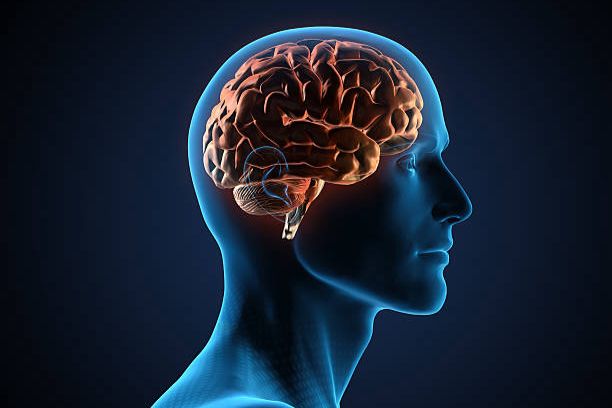
While we typically think of the brain in our skull as the sole commander of our bodies, we actually possess what scientists call a second brain. The enteric nervous system is a vast network of millions of neurons lining our entire digestive tract that functions independently of the central nervous system in our heads. This second brain is so sophisticated that it can manage the complex process of digestion and nutrient absorption without needing any direct instructions from the skull. It even produces about ninety percent of our body’s serotonin which is a key neurotransmitter responsible for regulating our moods and our feelings of well-being.
This incredible biological system explains why we often experience “gut feelings” or why stress and anxiety can lead to immediate physical digestive issues like butterflies or nausea. The two brains are in constant communication through the vagus nerve but the enteric system is perfectly capable of making its own decisions to keep us healthy. Recognizing the complexity of our internal nervous system provides a much broader understanding of how our bodies maintain a state of balance and health every day. It shows that we are much more than just a head on a body and that intelligence is distributed throughout our entire physical form in ways we are still learning.
Muscles Turn To Fat
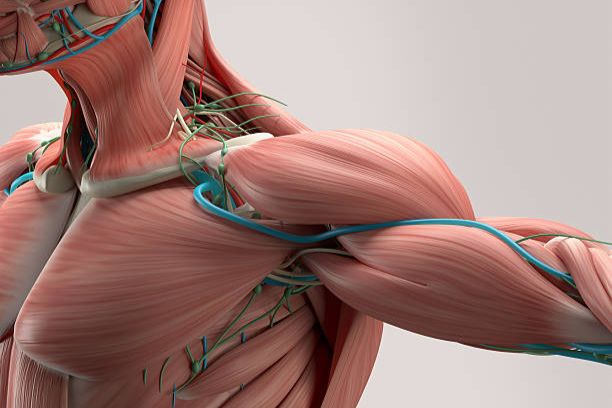
Many people worry that if they stop working out and lifting weights their hard-earned muscle will magically transform into flabby fat over a short period. This is a physiological impossibility because muscle and fat are two completely different types of tissue with entirely different cell structures and functions in the body. Muscle tissue is made of dense fibers designed for movement and strength while fat tissue is comprised of adipocytes that store energy for later use. One tissue cannot simply morph into the other any more than a bone could suddenly turn into a piece of skin or a lung.
What actually happens when someone stops exercising is that their muscle fibers begin to shrink from lack of use which is a process called atrophy. At the same time, if that person continues to eat the same amount of calories as they did when they were active, the excess energy is stored as fat. This simultaneous loss of muscle tone and gain of body fat creates the appearance that the muscle has changed its fundamental state into something else. To maintain your physique, it is important to balance your activity levels with your nutritional intake rather than worrying about a impossible cellular transformation taking place within your body.
Stress Turns Hair Grey
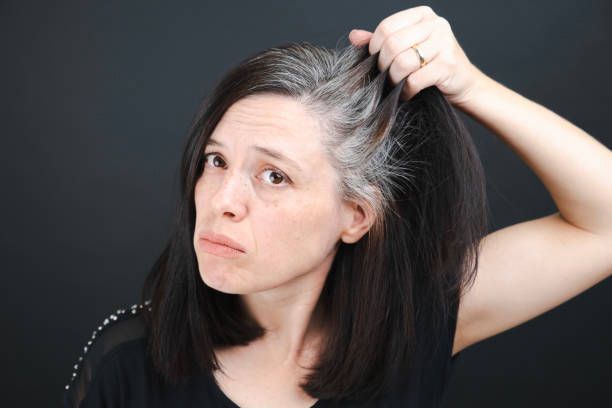
The legendary story of Marie Antoinette’s hair turning white overnight before her execution has fueled the belief that extreme stress can instantly change hair colour. In reality, hair that has already grown out of the follicle is dead tissue and its pigment cannot be altered by hormones or psychological stress levels. Once the hair has its colour from the melanin provided by the root, it stays that way until it either falls out or is chemically dyed. There is no biological mechanism that could travel up the hair shaft and drain the pigment away in a matter of hours or even several days.
However, chronic and severe stress can trigger a condition called telogen effluvium which causes pigmented hair to fall out more rapidly than usual while leaving grey hairs. This can make a person appear to have gone grey very quickly because the darker hairs are no longer there to hide the existing white ones. Stress can also accelerate the natural aging process of the hair follicles which may cause future hairs to grow in without pigment earlier than they otherwise would. While stress is certainly bad for your overall health and hair quality, it lacks the magical power to instantly rewrite the chemical makeup of the hair already on your head.
It is truly vital that we question these long-standing myths because relying on a single factory of thought or an outdated old wives’ tale can prevent us from truly understanding the wonderful complexity of our own biology.
Like this story? Add your thoughts in the comments, thank you.


