
1. Chicken à la King
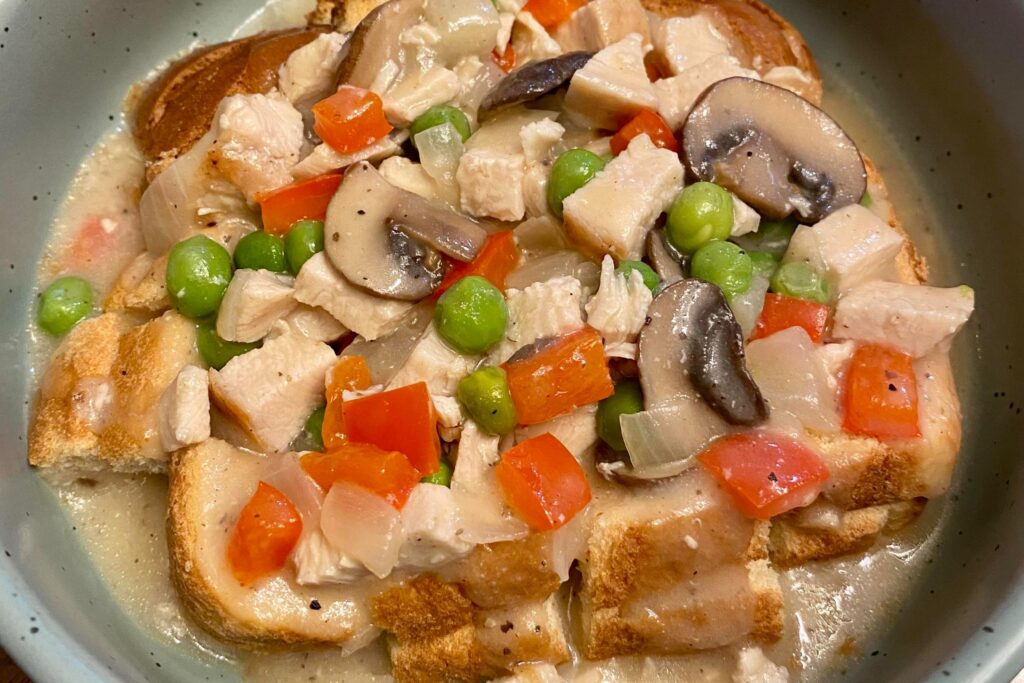
Comfort food has a way of tying memory to flavor, and many once-beloved American dishes have quietly slipped off everyday menus. Chicken à la King was a staple of mid-20th-century American dining, especially from the 1930s through the 1960s. This creamy dish combined diced chicken with mushrooms, bell peppers, and peas in a rich white sauce, usually served over toast, rice, or puff pastry. It appeared frequently in home kitchens, diners, and hotel menus because it was economical and easy to stretch leftovers. During wartime and postwar years, it became popular for feeding families while still feeling special. Over time, lighter diets and changing tastes pushed it aside in favor of simpler grilled dishes.
2. Creamed Chipped Beef on Toast
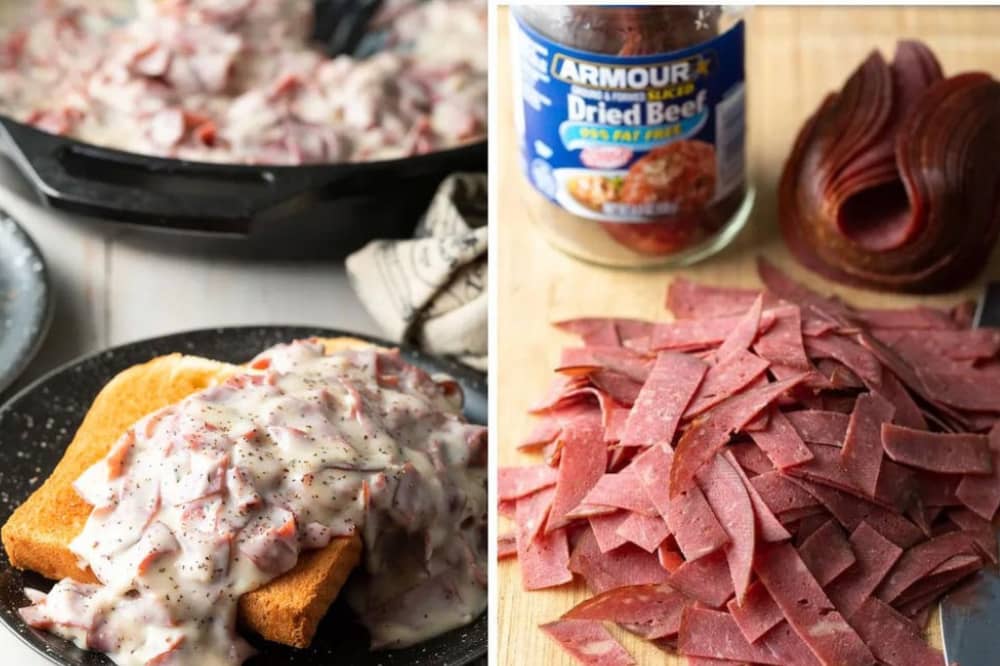
Often nicknamed “SOS” by soldiers, creamed chipped beef on toast was a common meal in American homes and military kitchens from the 1940s through the 1960s. Thin slices of dried beef were simmered in a creamy white sauce and ladled over toasted bread. It was inexpensive, filling, and quick to prepare, which made it ideal for families on tight budgets. While the dish became less fashionable as processed foods declined in popularity, it once represented comfort and reliability. Many people remember it as a breakfast-for-dinner solution or a simple weekend meal.
3. Ham Salad
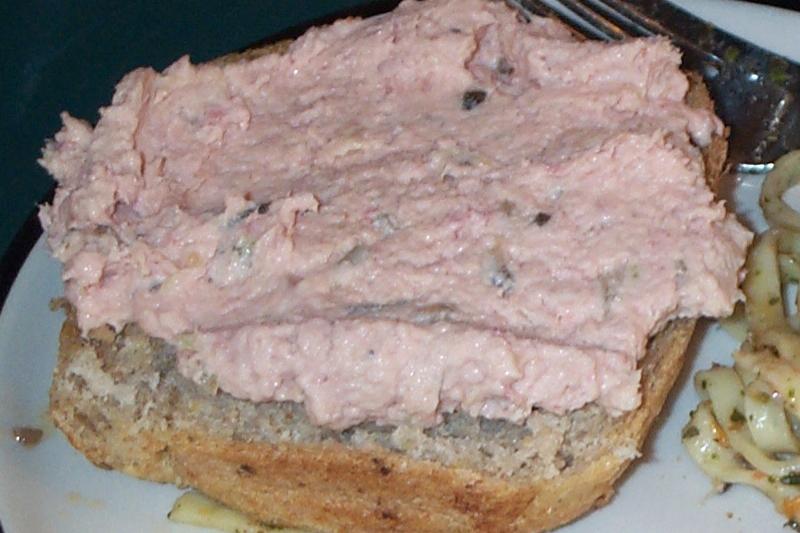
Ham salad was once a lunch-counter favorite and a staple at church gatherings, picnics, and family refrigerators. Made by finely chopping cooked ham and mixing it with mayonnaise, mustard, and relish, it was commonly spread on crackers or stuffed into sandwiches. Its popularity peaked in the mid-1900s when leftovers were rarely wasted and home cooks valued versatility. Ham salad offered a practical way to reuse holiday ham while creating something fresh and filling. As deli meats and prepackaged spreads became more common, homemade ham salad slowly faded from everyday use. Still, its savory, slightly tangy flavor and soft texture made it comforting and familiar.
4. Beef Stroganoff (American Style)
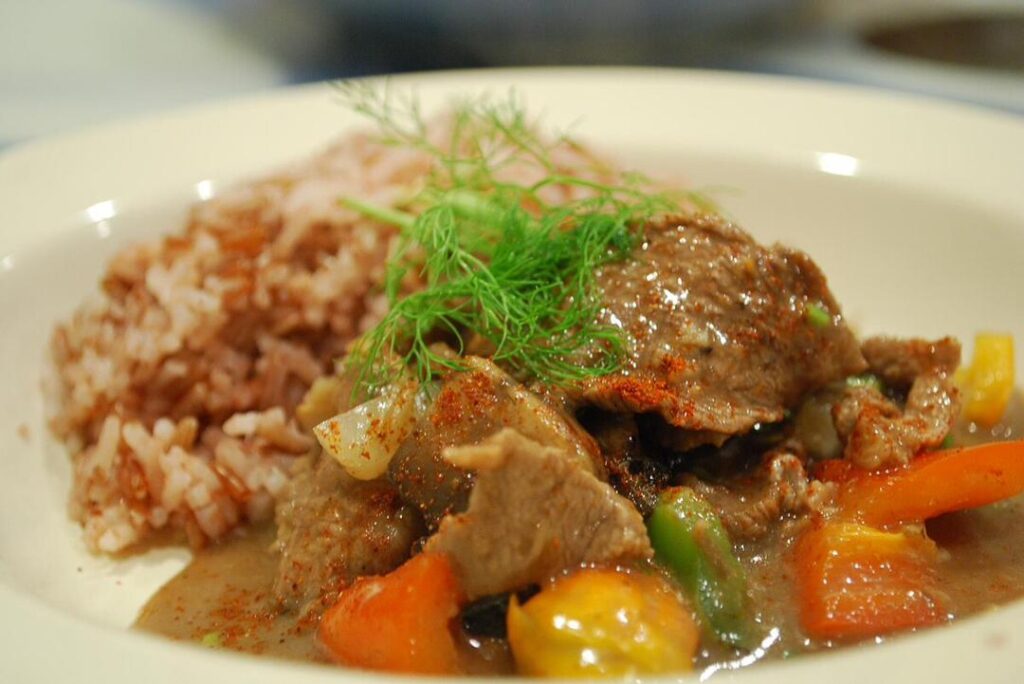
American-style beef stroganoff became widely popular in the 1950s and 1960s after being adapted from its Russian origins. Instead of formal preparation, home cooks used affordable cuts of beef, canned cream of mushroom soup, and sour cream, serving it over egg noodles. The dish quickly became a household favorite because it felt elegant while remaining easy to prepare. It was often served for family dinners or casual entertaining, offering a comforting mix of creamy sauce and tender meat. As tastes shifted toward lighter meals and international authenticity, this simplified version fell out of fashion.
5. Tuna Noodle Casserole
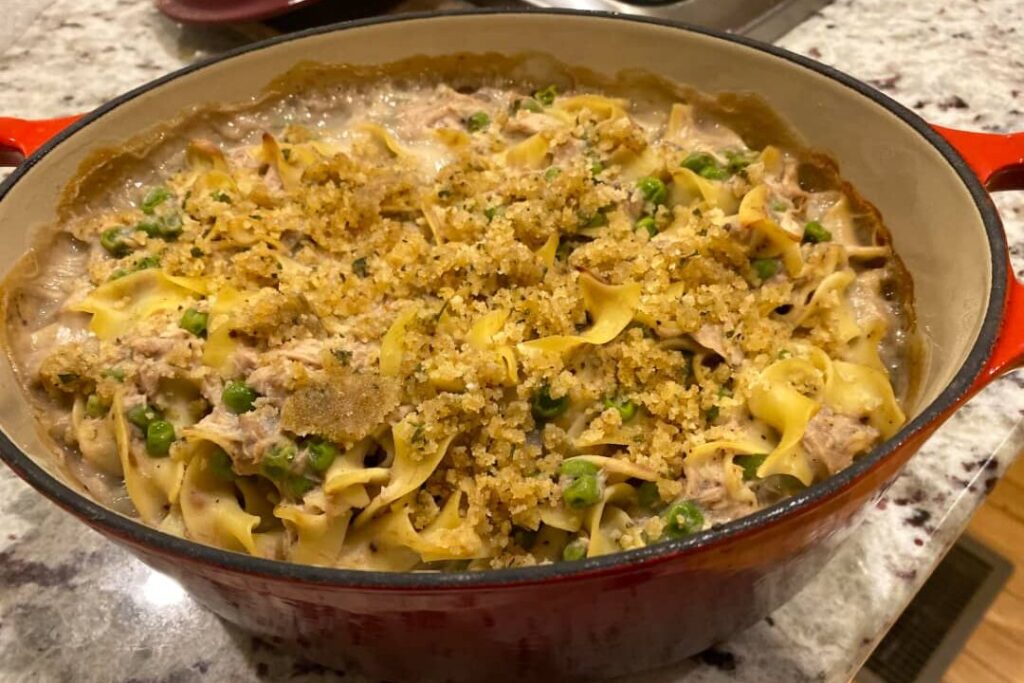
Tuna noodle casserole was once one of America’s most dependable weeknight meals, especially from the 1950s through the 1970s. Combining canned tuna, egg noodles, cream-based soup, and sometimes peas or corn, it was baked into a bubbling, comforting dish. The recipe gained popularity because tuna was affordable, shelf-stable, and widely available. Families appreciated how quickly it could be assembled while still feeding several people. Over time, casseroles became associated with outdated cooking styles, and this dish gradually disappeared from many tables. Yet its appeal was always rooted in convenience and warmth rather than trendiness.
6. Liver and Onions
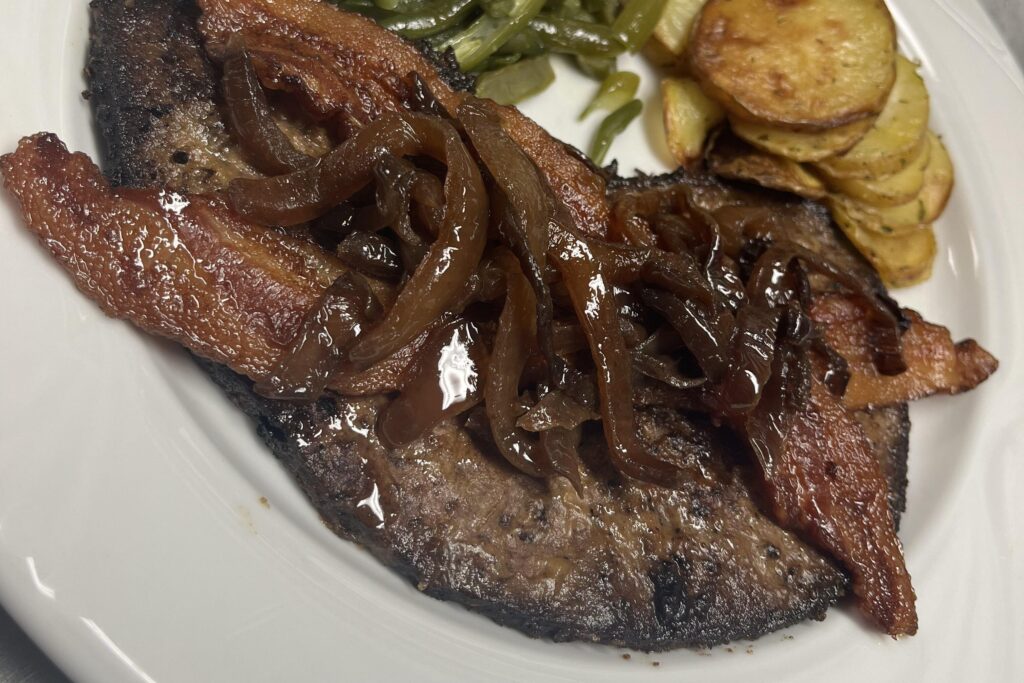
Liver and onions was once a common dinner choice in American households, especially during the early and mid-20th century. It was valued for its nutritional benefits, as liver is rich in iron and vitamins, making it an important protein source during lean times. Typically pan-fried and topped with caramelized onions, the dish was simple but filling. As meat preferences shifted toward milder flavors and more familiar cuts, liver fell out of favor. Many younger generations never encountered it outside of stories from parents or grandparents. Despite its decline, liver and onions played a key role in American food history, reflecting a time when no part of an animal was wasted. Its disappearance highlights how modern tastes often overlook nutrient-dense comfort foods of the past.
7. Salisbury Steak
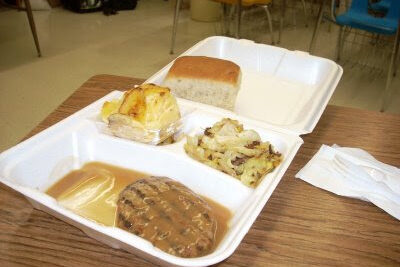
Salisbury steak was once a dependable dinner option in American homes and diners. Made from seasoned ground beef patties smothered in brown gravy, it was typically served with mashed potatoes or vegetables. The dish gained popularity in the early 20th century as an affordable alternative to whole cuts of beef. It remained common through the 1970s, especially as a homemade meal. Over time, frozen versions gave it an unfair reputation as overly processed, causing many people to forget its original homemade appeal. When prepared from scratch, Salisbury steak offers comfort through its familiar flavors and hearty texture. Its gradual disappearance reflects changing dining habits rather than any lack of satisfaction, as it remains a filling and comforting meal when revisited today.
8. Tomato Aspic

Tomato aspic was a popular side dish and appetizer during the early to mid-1900s, especially at formal gatherings and holiday meals. Made from tomato juice, gelatin, and seasonings, it was often molded and served chilled with vegetables or seafood. At the time, gelatin dishes symbolized sophistication and modern cooking techniques. As food presentation trends changed, tomato aspic became associated with outdated dinner parties and faded from menus. Despite its unusual texture by today’s standards, it represented creativity and attention to presentation. The dish also reflected a period when home cooks experimented with structure and form in food. Tomato aspic’s decline shows how visual trends influence taste perception, even when ingredients themselves remain familiar and comforting.
9. Baked Stuffed Peppers
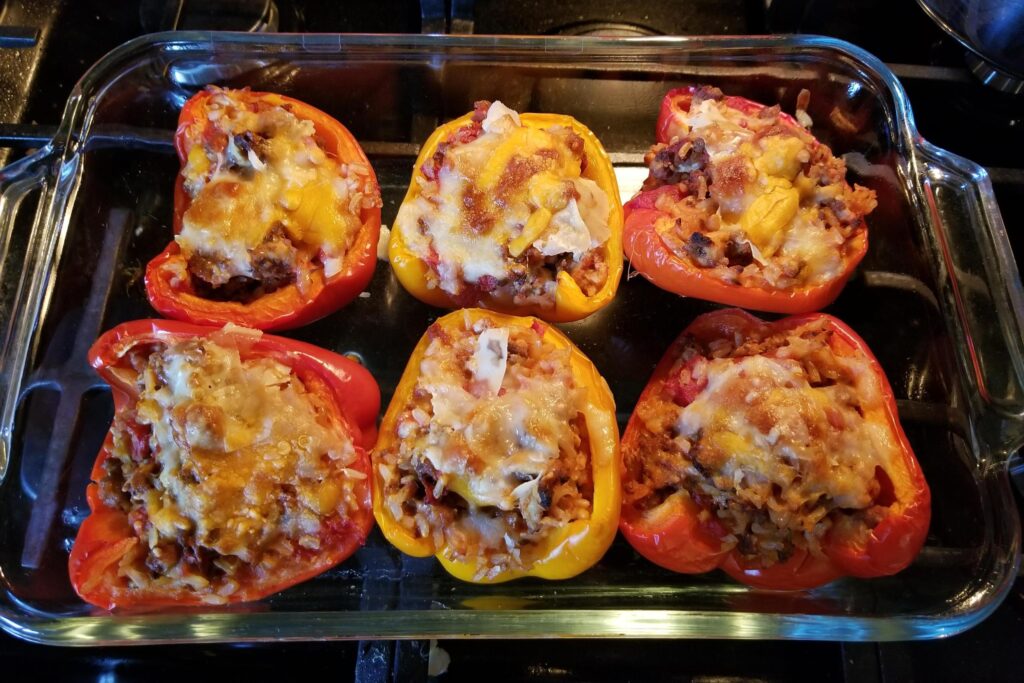
Baked stuffed peppers were once a common family meal, particularly in the mid-20th century. Bell peppers were filled with seasoned ground meat, rice, and tomato sauce, then baked until tender. The dish offered a complete meal in one serving, making it both practical and satisfying. Stuffed peppers were especially popular because they allowed cooks to stretch small amounts of meat while still serving something hearty. As quicker meals and takeout became more common, this slow-baked dish gradually appeared less often. However, its combination of flavors and textures remains deeply comforting. Stuffed peppers reflect a time when dinner involved planning and patience, resulting in meals that felt both nourishing and thoughtfully prepared.
10. Cornbread and Milk

Cornbread and milk was a simple but cherished comfort food, especially in rural and Southern households. Leftover cornbread was crumbled into a bowl and covered with cold milk, creating a soft, mildly sweet meal. It was often eaten for breakfast or as a light supper. This dish represented frugality and practicality, making use of leftovers while providing warmth and comfort. As packaged cereals and modern breakfast options became widespread, cornbread and milk slowly disappeared from everyday eating habits. For those who grew up with it, the dish carries strong memories of family kitchens and quiet moments at the table. Its simplicity is exactly what made it comforting, and why it still deserves appreciation.
11. Chicken and Dumplings
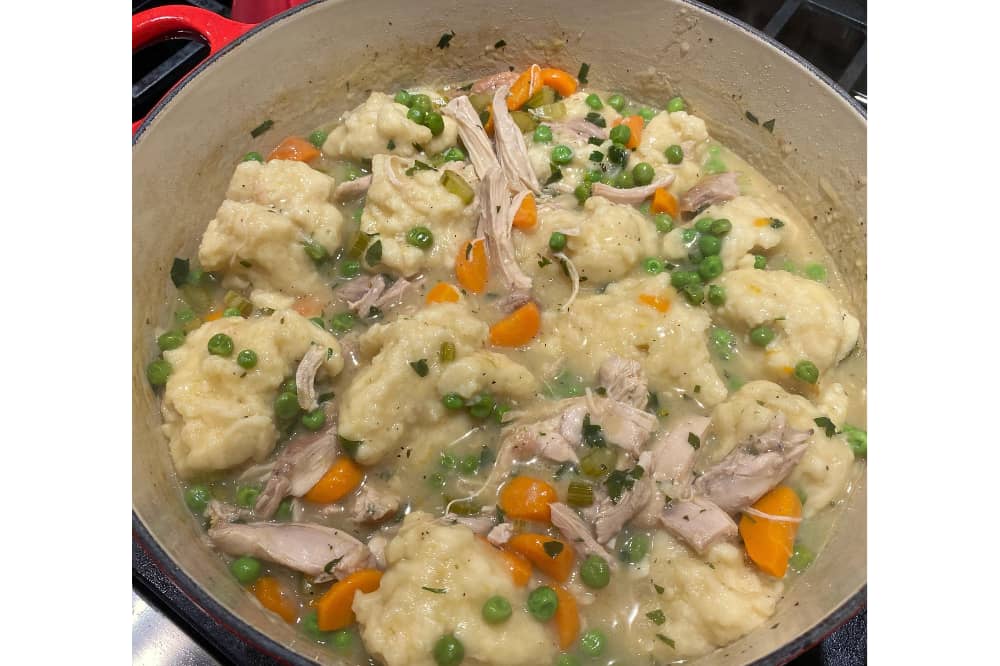
Chicken and dumplings is the kind of one-pot dish that fed generations through scarcity and celebration alike: simmered chicken makes a rich broth, and biscuit-style dumplings are dropped into the pot so they steam through to tender, pillowy perfection. The dish is widely associated with the American South and Midwest and appears in early American cookbooks and regional oral histories as a practical, stretchable meal that turned a single bird into a feast, useful during hard times and family gatherings. Variations range from thin, dropped dumplings to rolled, pillowy ones; some versions add root vegetables while others keep it purely brothy and simple. The comforting texture contrast, silken broth, soft dumpling, and forkable chicken, explains why the recipe has endured in home kitchens even when it disappeared from trendier restaurant menus.
12. Jell-O Salad

Jell-O salads (sweet and savory gelatin molds studded with fruit, vegetables, or even meat) were a mid-20th-century fixture of potlucks, holiday tables, and suburban entertaining. The arrival of instant gelatin and aggressive advertising turned gelatin dishes into a symbol of modern, efficient home cooking: they chilled in refrigerators, looked decorative on the table, and stretched ingredients affordably. By the 1950s and 1960s the Jell-O mold became shorthand for midcentury domestic life, memorable, odd to modern eyes, and still lovingly preserved in certain regional traditions. Though many found the combinations strange later on, the historical role of Jell-O salads as both creative showpieces and practical, budget-friendly recipes makes them an important part of American culinary memory.
13. Meatloaf

Meatloaf rose to prominence as a frugal, flexible family meal, a way to turn a limited amount of meat into a satisfying, sliceable main dish by mixing it with breadcrumbs, oats, or bread and seasonings. Its history in the United States stretches from immigrant terrine traditions to the Great Depression and wartime decades when stretching meat was essential. Beyond thrift, meatloaf offered comfort: a homey aroma while baking, a glossy ketchup or brown-sugar glaze, and reliable leftovers that made sandwiches. Though sometimes maligned by modern food snobbery or replaced by quick weekday proteins, a well-made meatloaf remains nostalgic, hearty, and perfectly suited to the sort of family suppers that defined earlier American home cooking.
14. Pot Roast
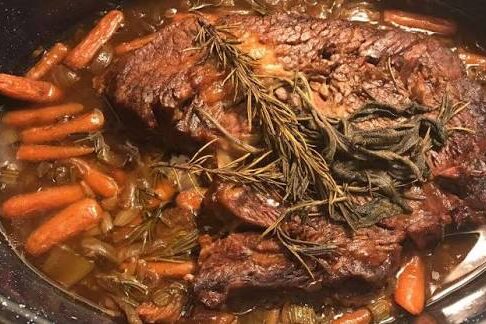
Pot roast exemplifies slow-cooked, economical comfort: tougher cuts of beef are seared and braised with liquid and aromatics until fork-tender and steeped with flavor. Historically, it was the way cooks turned inexpensive, tough cuts into a centerpiece for Sunday dinner, often accompanied by root vegetables cooked in the same pot. The long, gentle cooking created a gravy that soaked into mashed potatoes and filled the house with a homely scent, a quality that made pot roast the go-to for family gatherings. While quicker cooking methods and changing meat preferences made it less common on modern weeknight menus, the dish’s simplicity and depth of flavor make it timeless when rediscovered.
15. Peach Cobbler

Peach cobbler is a rustic fruit dessert with deep roots in American and Southern foodways: sliced or whole peaches are topped with a biscuit or cake-like batter and baked until the juices bubble and the topping browns. It became widely popular because fruit could be preserved or used fresh and the recipe required pantry staples, flour, butter, sugar, so it was economical and seasonal. The warm, jammy filling and slightly crisp topping made it a cold-weather favorite served with ice cream or a dollop of cream, and its presence at picnics, church suppers, and family dinners cemented its place as an approachable, celebratory dessert worth revisiting.
16. American Goulash (Chili Mac / American Chop Suey)
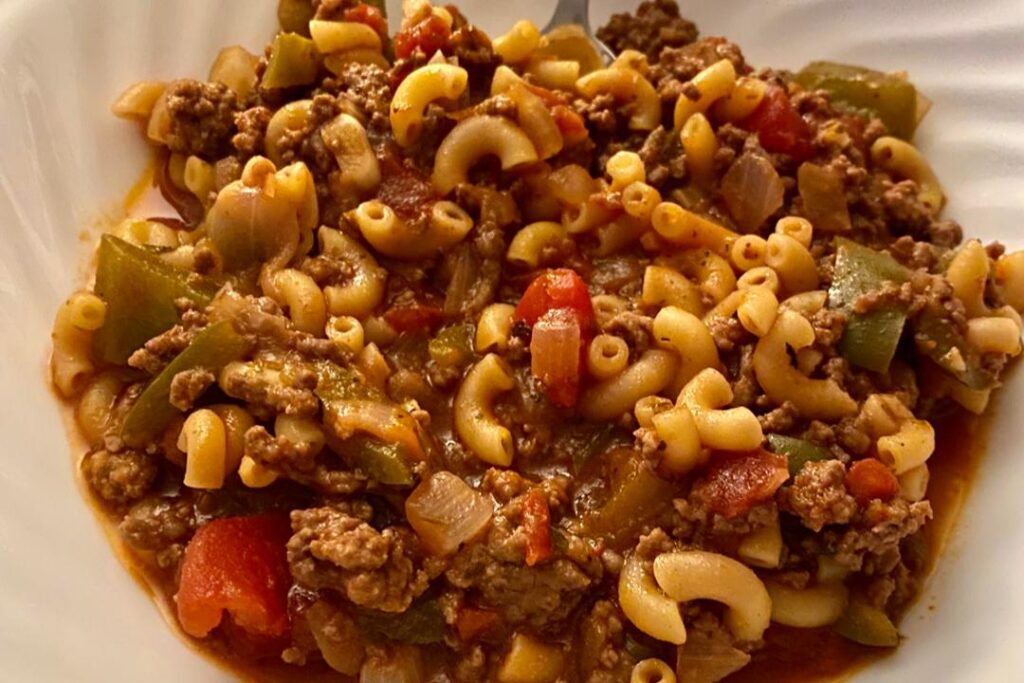
What some call American goulash, a humble, saucy mix of ground beef, macaroni, tomatoes, and often peppers or onions, rose as a mid-century pantry staple for busy families. Its appeal was practicality: minimal ingredients, easy prep, and the ability to stretch ground meat while turning pasta into a filling, saucy casserole or skillet supper. Regions and households developed names and variants (chili mac, American chop suey), but the core idea remained the same: a cheap, warming, kid-friendly dish that fed a crowd and transported easily as leftovers. Though it’s less celebrated by modern chefs, its comfort-food credentials are undeniable for anyone raised on a spoonful of saucy macaroni and meat.
17. Tuna Melt
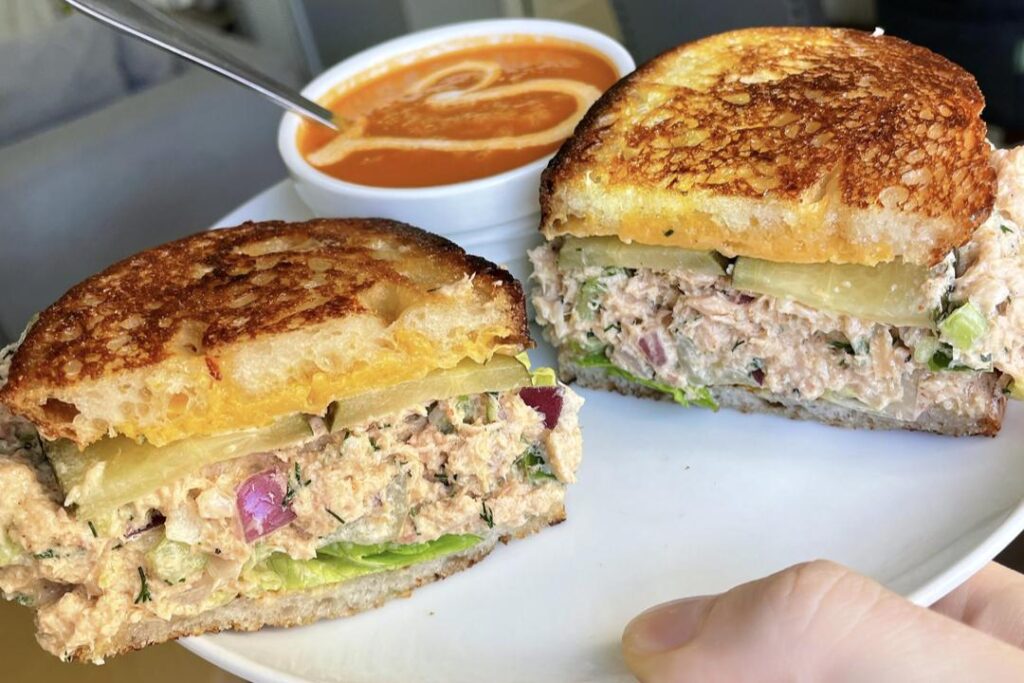
The tuna melt, canned tuna mixed with mayo and sometimes celery or onion, topped with melted cheese on toasted bread, combined the convenience of shelf-stable protein with the satisfying goo-and-crust of a hot sandwich. It became a diner and lunchbox classic in mid-century America because canned tuna was affordable and the sandwich was quick to assemble. The hot, melty texture elevated canned fish into something comfortingly indulgent, and the tuna melt’s diner roots mean it still evokes lunch counters, late-night menus, and quick, dependable comfort. While tuna salads and fresh seafood options have diversified menus, the tuna melt remains an excellent example of pragmatic, comforting American lunch cooking.
18. Shoofly Pie
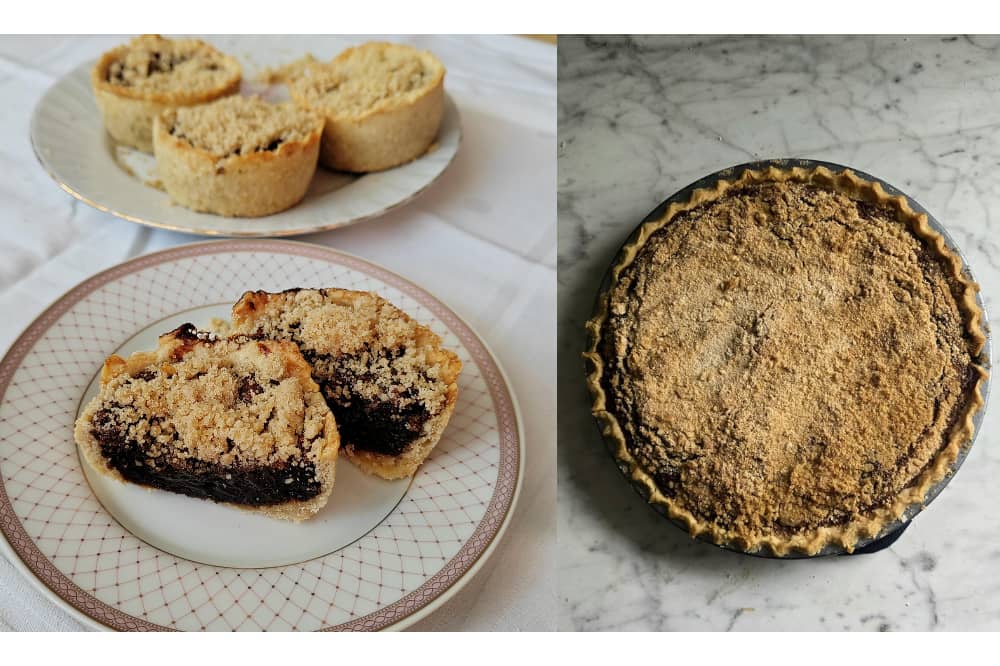
Shoofly pie, a Pennsylvania Dutch dessert made with molasses and often topped with a crumbly streusel, speaks to regional American baking traditions that center pantry-friendly sweeteners and sturdy doughs. Historically tied to Pennsylvania Dutch kitchens, shoofly pie was affordable to make (molasses, flour, butter) and could be baked for breakfast, snack, or dessert. Its deep, caramel-like molasses flavor is a reminder of how American sweets were once built on available sweeteners rather than refined sugar alone. The pie’s regional status means it never dominated national menus, but rediscovering it reconnects modern eaters with a distinct and flavorful corner of American baking history.
19. Boston-Style Baked Beans
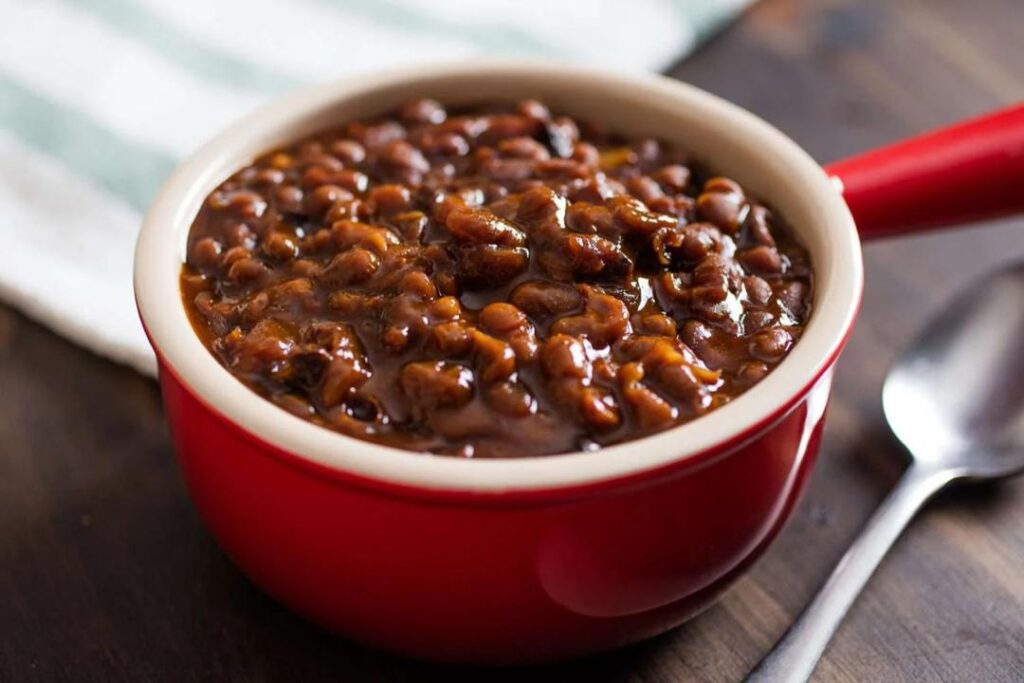
Boston baked beans, navy beans slow-baked with molasses and salt pork, reflect colonial trade patterns (molasses from the Caribbean) and working-class, New England tastes. Long popular as a hearty side at breakfasts and suppers, the beans were once central to New England cookery and civic identity (think baked beans and “Beantown”). The slow-sweetened beans offered affordable protein and sticky, comforting depth; they paired naturally with brown bread and were common at family and community tables. While regional dishes like this aren’t “forgotten” everywhere, their specific historical and textural profile deserves wider appreciation beyond regional festivals and tourist menus.
20. Chicken-Fried Steak
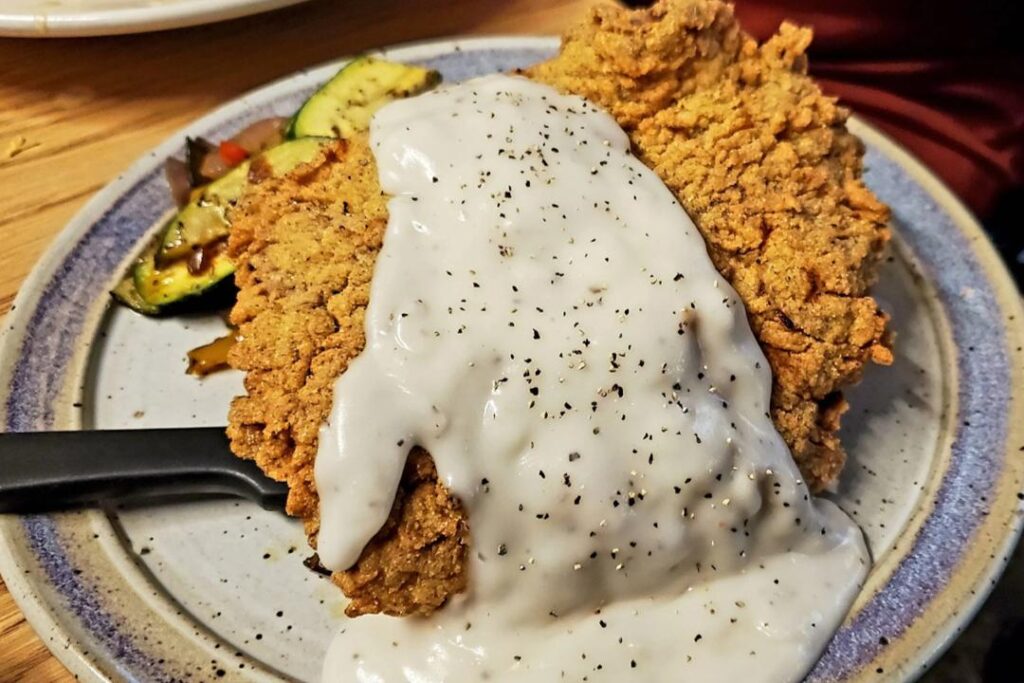
Chicken-fried steak, a thin cube steak breaded and pan-fried like fried chicken, then smothered in creamy country gravy, is a Southern and Midwestern comfort classic. Born from the need to tenderize and make a meal from tougher cuts of beef, it mimicked fried chicken’s crispy exterior and paired perfectly with gravy and mashed potatoes for a satisfying contrast of crunch, cream, and meat. Its restaurant and home-cooked versions defined many diners and Sunday suppers, and though restaurant trends sometimes favor lighter proteins, the hearty, crunchy, gravy-soaked combination remains an emblematic, indulgent American comfort dish well worth keeping on menus and home tables.
Many rose from thrift, seasonality, and the desire to feed families well, reasons good enough to bring them back to dinner tables. Try one this week: nostalgia plus a little attention often makes for unexpectedly great eating.


