
1. Britney Spears’ Restaurant Dream

Sometimes when you have the world at your feet, trying something simple like opening a restaurant feels grounding, almost comforting. That seemed to be the case when Britney Spears launched Nyla in New York, inspired by her Southern roots and a desire to share something personal. It sounded warm and inviting, the kind of place you would expect to feel like home, where the story behind it mattered just as much as the food itself. But not long after opening, things started to feel unsettled. There were quiet whispers about management issues, staff changes, and a lack of consistency that customers began to notice over time. It slowly became clear that the vision and the execution were not quite meeting in the middle, and that gap made it harder for the restaurant to find its footing in a competitive space.
As weeks passed, Britney quietly stepped away from the business, saying she was no longer involved, and that decision seemed to say everything without needing much explanation. The restaurant did not last long after that, closing its doors without much noise or attention. What remained was not a dramatic fall, but a quiet lesson that sometimes a good idea does not always translate into a sustainable reality. It felt like one of those moments where intention was genuine, but the day to day demands required something different. In the end, it became less about failure and more about realizing where your energy truly belongs, and when to step back before something drains more than it gives.
2. Steven Seagal’s Energy Drink
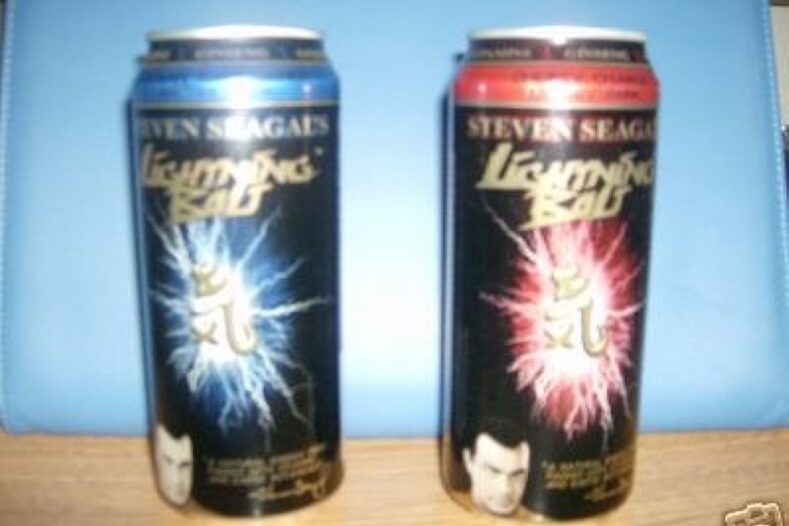
There is always something interesting about celebrities stepping into everyday products, especially something as common as an energy drink that people reach for without much thought. Steven Seagal’s Lightning Bolt carried his signature intensity, leaning heavily into his action image and strong persona that many people already associated with him. On the surface, it made sense, something bold, something powerful, something that matched the energy he had built over the years. But once it entered the market, it found itself surrounded by brands that had already built strong connections with consumers. These were products people trusted, products they had grown used to, and breaking into that space required more than just recognition.
It was not that the idea itself was completely off, it just did not feel necessary to people who already had their preferences. Without something fresh to offer, it struggled to stand out, and over time, it slowly slipped out of attention. There was no loud ending, no dramatic moment, just a quiet disappearance that many people barely noticed. It is one of those situations that reminds you how important it is to give people a reason to care, beyond just a familiar name. Even with visibility, a product still has to earn its place, and that is where this one seemed to fall short.
3. Kim Kardashian’s Credit Card

Before becoming widely known for building strong and successful businesses, Kim Kardashian had one venture that did not sit well with people at all, and it came at a time when her influence was already growing. She introduced a prepaid debit card aimed at her younger audience, and at first glance, it seemed like something that could work, something accessible and tied closely to her brand. It felt modern and relatable, especially for fans who wanted to feel connected to her in a practical way. But once people began to look more closely at the details, especially the fees attached, the reaction shifted quickly and not in a positive direction.
There was a growing sense that the product did not truly serve the people it was meant for, and that realization spread quickly as more voices joined the conversation. The criticism became harder to ignore, and it was clear that trust had been affected. Within a short time, the card was pulled from the market, ending what had been a brief attempt. Looking back, it feels like one of those early experiences that quietly shape how someone approaches future opportunities. In her case, it marked a turning point that led to more thoughtful and carefully structured business decisions later on.
4. 50 Cent’s Boxing Promotions

When 50 Cent stepped into boxing promotions, it felt like a move that made sense, something that aligned naturally with his interests and the image he had built over time. SMS Promotions started with confidence and energy, and there was a feeling that it might grow into something meaningful within the sport. It was not just about attaching his name to it, there seemed to be real intention behind the venture, something that could create space for new talent and opportunities. But as time went on, the challenges started to show, especially when it came to maintaining financial stability, which is crucial in a business like that.
Fighters began to speak about payment issues, and once that kind of trust is affected, it becomes very difficult to restore. The company eventually filed for bankruptcy, and the vision that once felt promising slowly slipped away. It did not collapse in a single moment, but rather in stages that revealed deeper problems behind the scenes. It is one of those stories where passion and branding were not enough to carry the weight of the structure needed to sustain it. Sometimes, the foundation matters just as much as the idea itself.
5. Paris Hilton’s Record Label

Paris Hilton has always had a way of staying present in entertainment, so launching a record label felt like a natural extension of her visibility and influence. Heiress Records came with curiosity and attention, and there was a sense that it might develop into something more if given the right direction. It started with that early excitement, the kind that comes from trying something new and stepping into a different space. But as things moved forward, it became clear that the music industry required more than presence, it required strong identity, consistency, and a clear sense of direction.
The label struggled to build momentum, and there were no defining moments that anchored it in people’s minds. It did not fail loudly, it simply faded away over time, becoming one of those projects that people slowly stopped talking about. It felt like an idea that needed more structure to truly take shape, and without that, it could not sustain itself. Sometimes, staying power depends on more than visibility, it depends on how well something connects and grows, and this one never quite found that balance.
6. Arnold Schwarzenegger’s Restaurant Chain
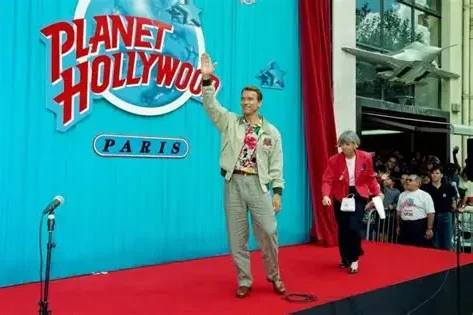
There was a time when Planet Hollywood felt like more than just a place to eat, it felt like an experience that people wanted to be part of. With names like Arnold Schwarzenegger attached to it, the excitement was real, and it drew people in with the promise of something different. In the beginning, it worked well, the buzz was strong, and expansion followed quickly as more locations opened across different cities. It seemed like the kind of idea that could continue growing without much resistance, fueled by its popularity and celebrity appeal.
But growth started to move faster than the demand could sustain, and that gap slowly became difficult to manage. The business began to feel the pressure, and closures started to follow as things became harder to maintain. What once felt exciting gradually lost its shine, and the energy around it faded. It is one of those stories that shows how even strong beginnings need careful pacing. When expansion happens too quickly, it can stretch the foundation too thin, and that is often when things begin to shift.
7. Kanye West’s Early Fashion Attempt
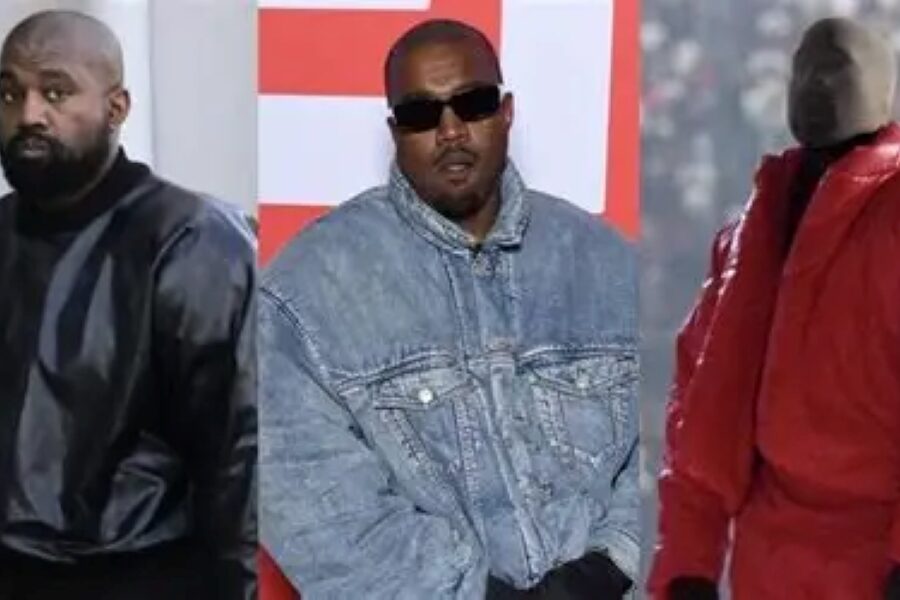
Before reaching success in fashion, Kanye West had an earlier project called Pastelle that never fully came together in the way people expected. There was excitement surrounding it, as there often is with anything he is involved in, and people were curious to see what he would create. But behind that excitement, things were not as clear as they seemed. The direction felt uncertain, and the pieces did not fully align in a way that could bring the vision into reality.
It remained in that space where people were aware of it but never truly experienced it. Over time, it slowly faded from conversation, becoming more of a memory than a moment. Looking back, it feels less like a failure and more like an early step in a longer journey. Sometimes, the first attempt is not meant to last, but it still plays an important role in shaping what comes next, and this seemed to be one of those moments.
8. Heidi Montag’s Music Career Investment

Heidi Montag put a significant amount of herself into her music, not just emotionally but financially as well, which made the outcome feel even more personal. Investing so much into her debut album showed how deeply she believed in the project and what it could become. There was a sense of hope that it would resonate with people, that it would find its place and connect with listeners in a meaningful way. But when it was finally released, the response was much quieter than expected, and that kind of silence can be difficult to process.
The sales reflected that disconnect, and it became clear that the audience had not received it the way she had imagined. Her own reflection later captured that feeling honestly, when she shared that she thought it would be huge. That statement carries a certain weight because it feels real and unfiltered. It is not always about effort or belief, sometimes things simply do not land the way you hope, and learning to accept that is part of the journey.
9. Donald Trump’s Airline

Starting an airline is not a simple decision, even for someone with experience in business and branding. Trump Shuttle aimed to offer something more refined, something that stood apart from regular travel and felt elevated in its approach. In theory, it had appeal, especially during a time when people were open to new travel experiences. For a moment, it seemed like it might establish itself in a competitive space. But the reality of running an airline comes with high operational costs and constant pressure to maintain efficiency.
Those challenges quickly became difficult to manage, and the business struggled to sustain itself over time. It did not last long before it was sold, ending what had been a relatively brief attempt. It serves as a reminder that some industries require more than vision and recognition. They demand strong systems and consistent management, and without that balance, even promising ideas can face challenges that are hard to overcome.
10. Jessica Simpson’s Dessert Line

Jessica Simpson’s Dessert Beauty line felt playful and light, something that leaned into fun rather than seriousness, and that gave it a unique charm at the beginning. Products inspired by sweet treats created curiosity, and people were drawn to the idea because it felt different from what they were used to seeing. For a while, it held attention, and there was a sense that it might carve out its own space. But over time, that novelty began to fade, and it became harder to maintain interest in a market that already had many strong competitors.
Without a strong reason for people to keep coming back, the line slowly lost its place. Jessica later found much greater success in fashion, which made this feel more like a stepping stone than a setback. Not every idea is meant to last, and sometimes recognizing when to move on opens the door to something more aligned. It is one of those gentle reminders that growth often comes through trying different paths before finding the right one.
11. MC Hammer’s Tech Company

There was a time when MC Hammer wanted to step into the tech space with something that felt ambitious and forward thinking. His project, WireDoo, was meant to reshape how people approached search engines by focusing on deeper connections between information rather than just surface level results. It sounded like one of those ideas that could change how things worked if it was executed well. There was excitement around it, especially because it showed he was thinking beyond music and entertainment. But as people started trying to understand it, the concept felt unclear and difficult to grasp in a practical way.
Without a clear understanding of what it offered differently, it became hard for people to connect with it or even see how it fit into their daily lives. The project struggled to move beyond its early stages, and eventually, it faded from conversation without ever fully taking shape. It felt like a strong vision that needed more grounding to become something people could actually use. Sometimes an idea can sound powerful but still need that extra clarity to truly come alive.
12. Natalie Portman’s Vegan Shoe Line
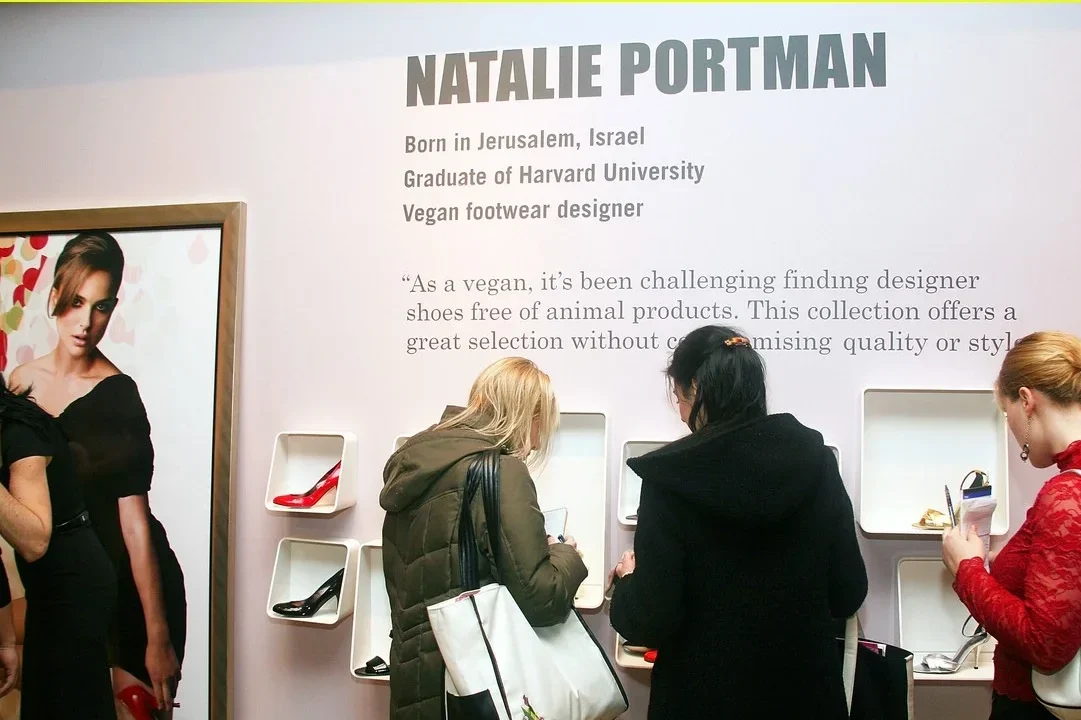
There was a time when Natalie Portman stepped into fashion with something that felt deeply personal to her values. Her vegan shoe line was built around ethical production, avoiding animal products while still aiming to look stylish and wearable. It sounded like the kind of idea that would resonate, especially with people who cared about sustainability and conscious living. At first, there was genuine interest, and it felt like it could grow into something meaningful with the right support and direction behind it.
But as time went on, it struggled to maintain visibility in a fashion industry that moves quickly and demands constant presence. The designs, while thoughtful, did not stand out strongly enough to compete with larger, more established brands. Distribution was limited, and without consistent momentum, the line slowly faded from attention. It was not a loud failure, just a quiet exit that many people barely noticed. Sometimes even a well intentioned idea needs stronger positioning to survive in a crowded market.
13. Tyra Banks’ Theme Park

Tyra Banks’ Modelland felt like one of those ideas that came from a place of pure creativity, the kind that tries to build something completely new and different. It blended fashion, storytelling, and immersive experiences into one space, and on paper, it sounded exciting and fresh. There was a sense that it could become a destination, something people would visit not just once but repeatedly. It carried her personality, bold, imaginative, and slightly unconventional, which made people curious about how it would actually feel in real life.
But once people stepped into that experience, the reactions were not as strong as expected. Some found it confusing, others felt it did not fully deliver on the promise it created. The idea itself was not the problem, it was how it came together in practice. It did not take long before it closed, leaving behind a feeling that it needed more clarity and structure. Sometimes a concept can be exciting, but it still needs to feel complete and easy to understand for people to truly connect with it.
14. Hulk Hogan’s Pasta Restaurant
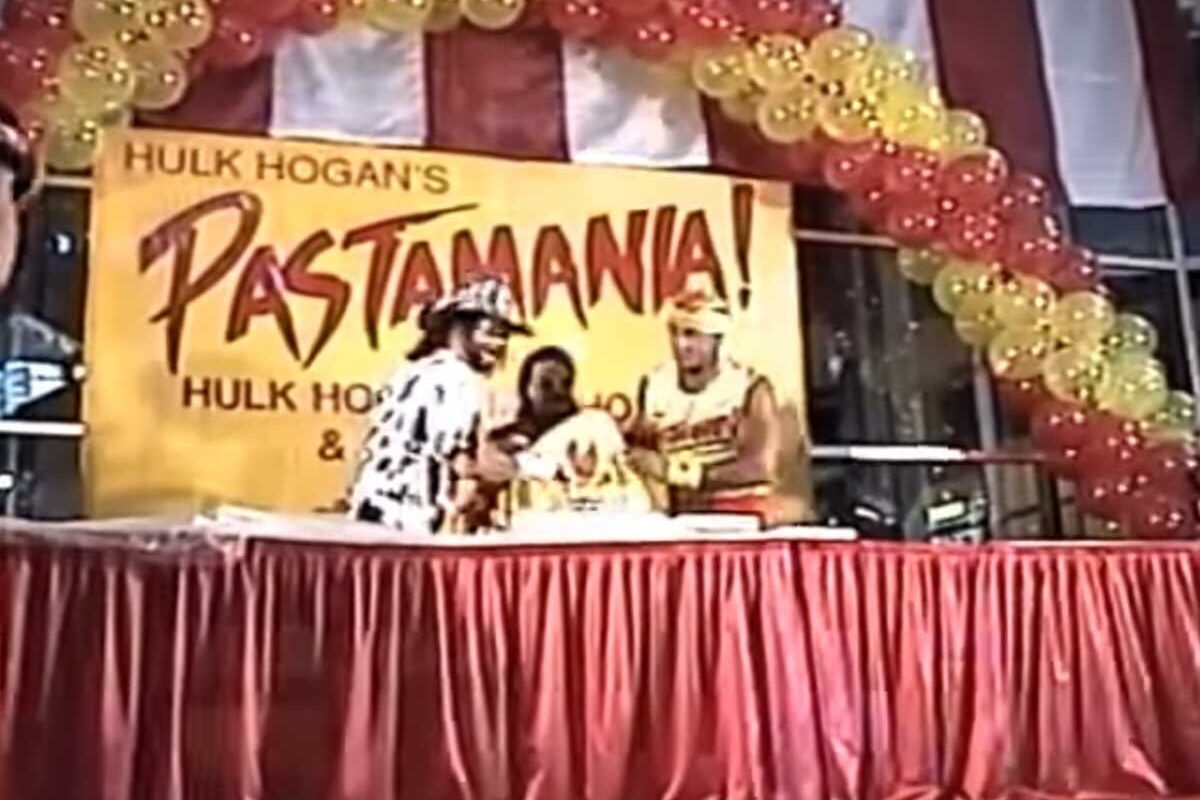
Hulk Hogan’s Pastamania had a kind of playful energy to it, something that leaned into his personality and made the whole idea feel fun from the start. It sounded like the kind of place people would check out just out of curiosity, to see what it was all about and maybe enjoy the experience for what it was. There was that early attention that comes with something new, especially when a familiar face is attached to it. It had a moment where it felt like it might grow into something more.
But as time went on, it struggled to keep that attention going in a meaningful way. Running a restaurant takes consistency, and that is where things started to slip. People came once, but they did not always come back, and that made it difficult to sustain. It closed within a short period, leaving behind a story that felt more like an experiment than a lasting venture. Sometimes the excitement at the beginning is not enough to carry something forward without a strong foundation.
15. Sarah Jessica Parker’s Bitten Line

Sarah Jessica Parker moving into fashion felt natural, especially because of how closely she had been associated with style over the years. The Bitten line was designed to be affordable, something that everyday people could access and enjoy without feeling out of reach. At the beginning, it had that appeal, the idea that fashion could feel inclusive and still carry her influence. There was interest, and it seemed like something that could grow if everything aligned properly.
But as it continued, the response became less steady, and concerns around quality started to appear. People wanted more consistency, and without that, it became harder to maintain trust. Sales slowed down, and the line eventually came to an end quietly. It felt like a good idea that needed a bit more refinement to truly last. Sometimes having the right name behind something is not enough, it still needs to meet people where they are in a consistent way.
16. Justin Timberlake’s Clothing Brand

Justin Timberlake’s William Rast brand started with attention and curiosity, especially because people were interested in seeing how his personal style would translate into a full clothing line. There was that early excitement that comes with celebrity ventures, and it seemed like it had the potential to carve out its own identity. For a while, it held that space, and people paid attention to what it was doing.
But over time, it struggled to define itself clearly in a crowded fashion market. Without a strong and distinct identity, it became harder to stand out among other brands that already had a firm place. Justin gradually stepped back, and the brand slowly lost its visibility. It did not end with a sudden stop, it just faded out of focus little by little. Sometimes that slow fade says more than anything else, especially when something cannot quite find its place.
17. Lindsay Lohan’s Nightclub

Lindsay Lohan’s nightclub in Athens started with the kind of buzz that comes from curiosity. People wanted to see what it would be like, how her personality would show up in the space, and whether it would become a regular spot people talked about. There was attention at the beginning, and it carried that energy of something new and different. For a moment, it felt like it might settle into its own rhythm.
But as time passed, the experience did not always match what people expected. There were mentions of inconsistency, and it became harder to keep people engaged beyond that initial curiosity. Eventually, it closed, leaving behind more attention than lasting impact. It felt like something that was built on interest but needed stronger structure to truly last. Sometimes attention can bring people in, but it takes more to make them stay.
18. Ashton Kutcher’s Restaurant
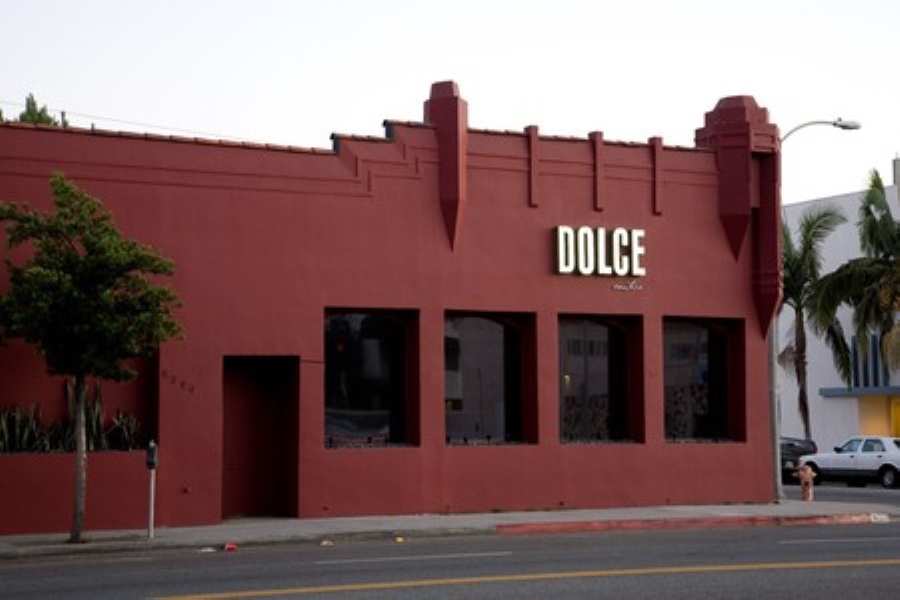
Ashton Kutcher’s connection to Dolce gave it a certain appeal that made it feel trendy and socially relevant at the time. It was the kind of place people talked about, somewhere you might want to visit just to be part of the atmosphere. For a while, it worked, and it held that sense of being in the moment. It felt like it belonged to a specific time and energy that people were drawn to.
But behind the scenes, things were not as steady as they appeared. There were internal disagreements and challenges among partners, and those issues slowly affected the business. Over time, it became harder to keep things together, and eventually, it closed. It is one of those reminders that what people see on the surface is not always the full picture. Sometimes the real challenges are happening quietly until they can no longer be managed.
19. Naomi Campbell’s Novel
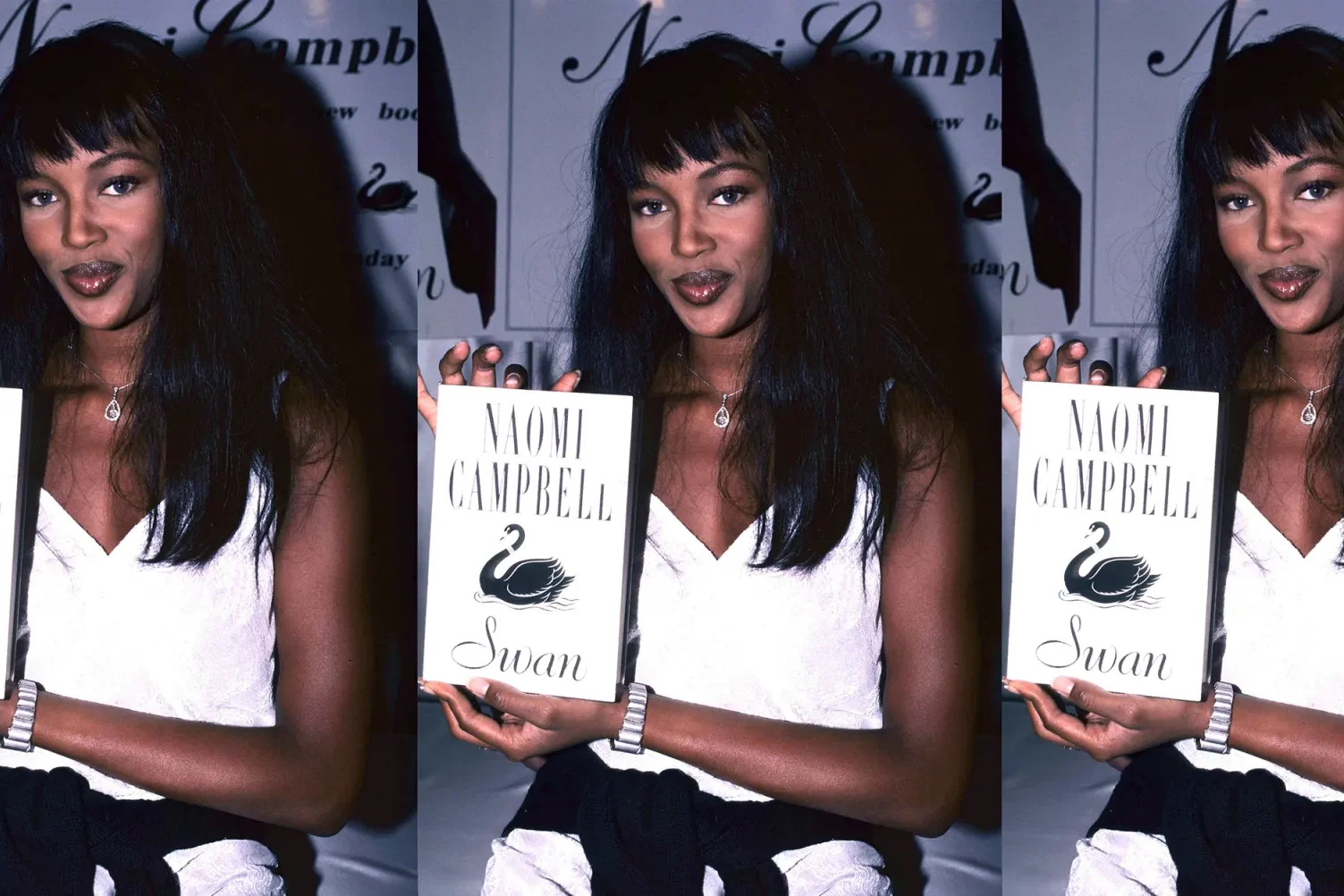
Naomi Campbell stepping into writing felt like a shift into a different kind of expression, something more reflective and personal. Her novel, Swan, came with attention simply because of who she is, and people were curious to see how she would tell a story in that format. It seemed like an opportunity to share something deeper, something beyond the public image people were used to seeing.
But when readers engaged with it, the connection was not as strong as expected. The story did not leave a lasting impression, and it struggled to hold attention in a meaningful way. Over time, it faded from view, becoming one of those projects that did not quite land. Writing requires a certain depth and structure, and without that connection, it becomes difficult to sustain interest, no matter how familiar the name behind it may be.
20. Jay Z’s Sports Bar Chain
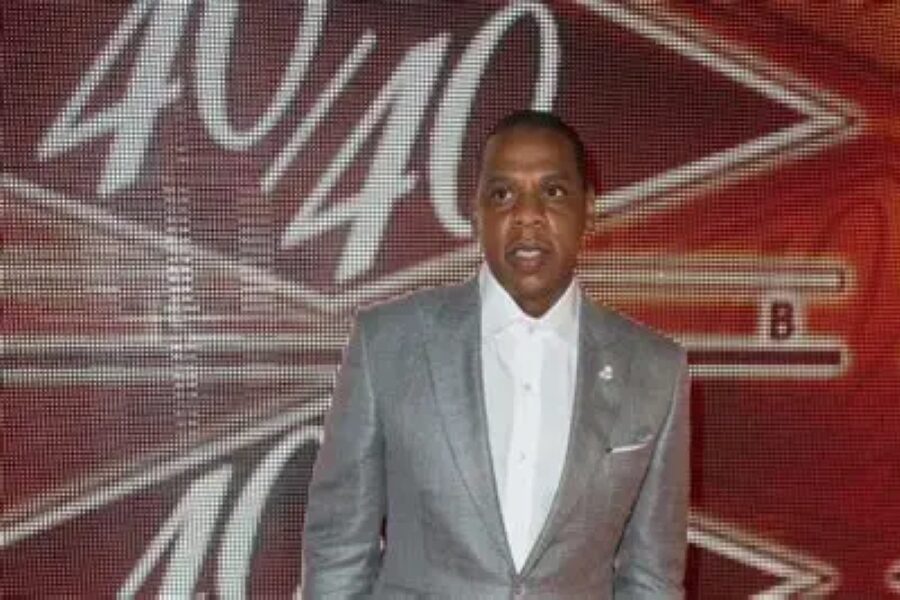
Jay Z’s 40 40 Club began with a strong presence, especially in its original location where everything felt aligned with the energy and audience it served. It had a sense of identity that made it work, and people connected with that atmosphere. Expanding it into different locations seemed like the next natural step, something that could carry that same experience to more places and people. There was confidence in that growth, and it made sense at the time.
But not every location held that same connection, and over time, some of them began to close as interest shifted. The original remained, which quietly says a lot about how some ideas are tied closely to where they begin. Not everything is meant to stretch in the same way, and sometimes understanding that is part of the process. In the end, these stories feel less like failures and more like reminders that trying, adjusting, and learning are all part of finding what truly works.


