
When Fame Meets Confinement And The Reality Is Far From Glamorous
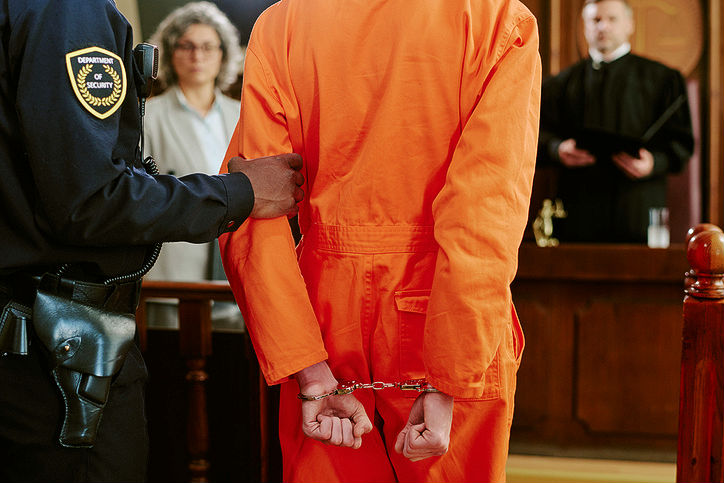
Celebrity court cases often become public theatre. Headlines, court sketches, and short sentencing announcements can make prison sound almost procedural, as if famous people briefly disappear and then quietly return to normal life. The public tends to imagine comfortable federal facilities, polite routines, and plenty of protection because of their status. Yet that perception rarely matches reality.
For many well-known figures, incarceration was not a short inconvenience but a deeply unsettling chapter marked by fear, loneliness, and lasting psychological impact. Some faced real violence. Others struggled with illness, isolation, or the sudden loss of identity after living for years in the spotlight. Prison strips away celebrity quickly, and in doing so, it often forces painful reflection and, occasionally, transformation.
1. Ian Watkins’ Dangerous Custody
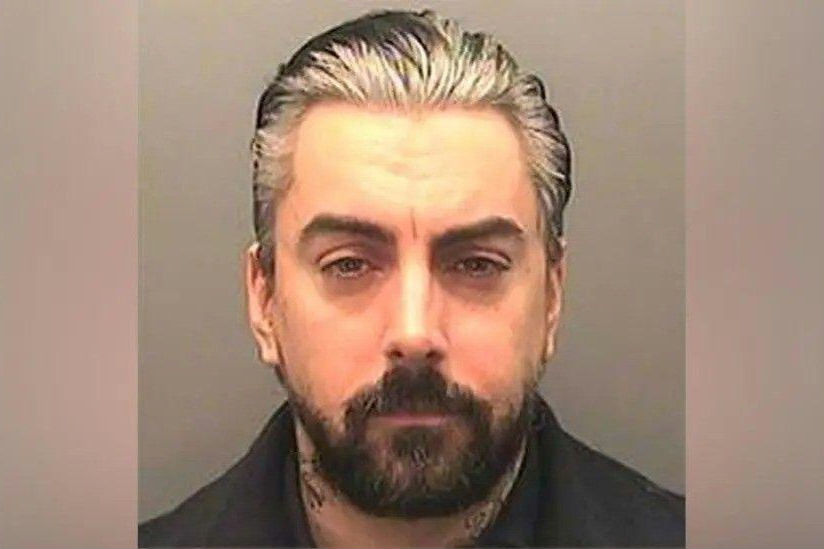
In December 2013, the former lead singer of Lostprophets, Ian Watkins, received a massive 35-year prison sentence for horrific child sex offenses. Because his crimes were so despised by the general public and other inmates alike, British officials knew he would be a marked man from the moment he stepped behind bars. He was sent to HMP Wakefield, a high-security facility often nicknamed “Monster Mansion” because it houses some of the UK’s most dangerous and notorious criminals. Despite the intense supervision and the high-security nature of the prison, Watkins discovered that fame and a high-profile case offer zero protection in the yard. In fact, his status made him a constant target for those looking to settle scores.
The danger turned into a bloody reality on August 5, 2023, when Watkins was brutally attacked by fellow prisoners. Reports indicate he was held hostage in his cell for several hours and stabbed repeatedly. He suffered life-threatening injuries and required emergency surgery at a nearby hospital to survive the assault. This incident pulled back the curtain on the terrifying reality of life for high-profile offenders; while the public often thinks “celebrity” prisoners get special treatment, Watkins lived in a state of constant, justified paranoia. His time in custody hasn’t just been about serving a sentence; it has been a decade-long struggle to stay alive in an environment where he is viewed as the lowest of the low.
2. R. Kelly’s Cell Attack
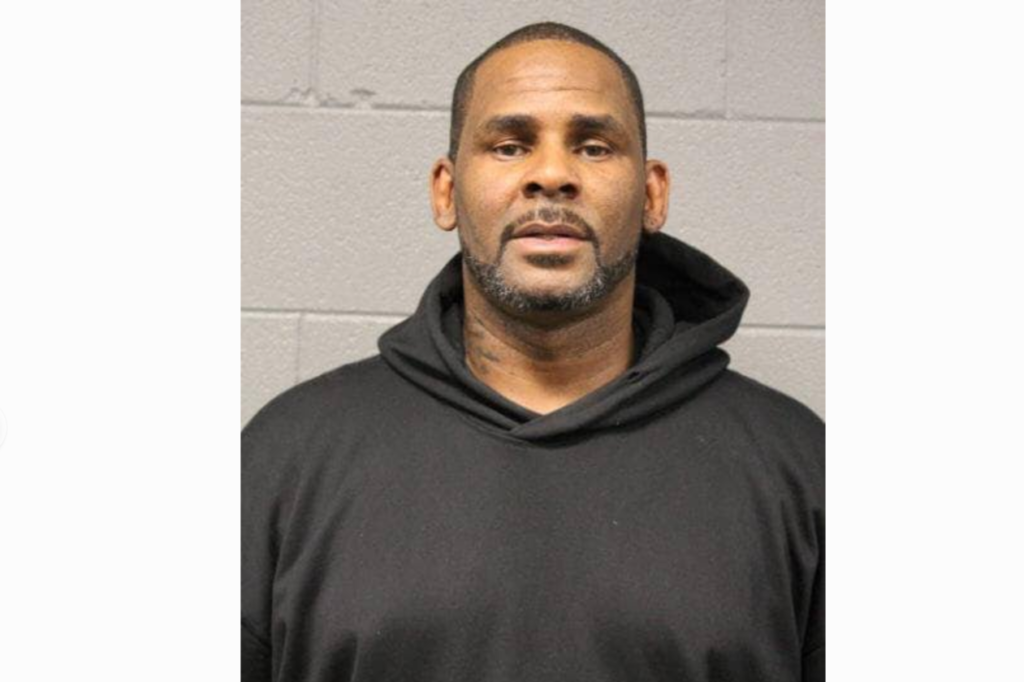
R. Kelly, once a titan of the R&B world, saw his life collapse when he entered federal custody in 2019 to face a mountain of racketeering and sex trafficking charges. While many fans thought his wealth might buy him some comfort or a private wing, the reality inside the Metropolitan Correctional Center in Chicago was much more violent. In August 2020, while Kelly was sitting in his cell, another inmate managed to slip inside and launch a vicious physical assault. The attacker reportedly punched and stomped on the singer before guards could intervene. This moment shattered any remaining sense of security Kelly had, proving that his legendary music career meant nothing once the cell door locked.
Following the beating, Kelly’s legal team filed documents explaining that the singer had developed crippling anxiety and severe paranoia. He became terrified of his own environment, often refusing to leave his cell for exercise or meals because he believed every other inmate was waiting for a chance to harm him. The transition from being a superstar on a global stage to a frightened man hiding in a small concrete room was a massive psychological blow. For Kelly, prison wasn’t just a loss of freedom; it became a mental prison of fear where his past fame actually worked against him, making him a vulnerable target for anyone looking to make a name for themselves.
3. Phil Spector’s Isolation
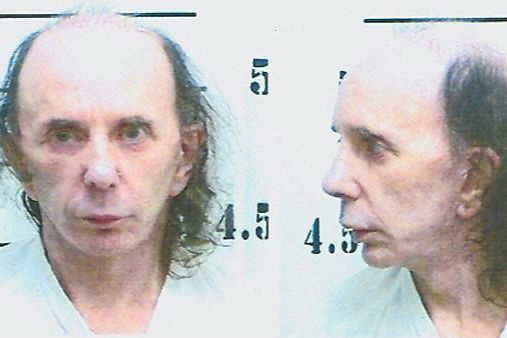
Music legend Phil Spector, famous for his “Wall of Sound” production style, was convicted in 2009 for the murder of actress Lana Clarkson. He was sentenced to 19 years to life and sent to California’s Corcoran State Prison, a place known for housing some of the most violent men in the state. Spector was already an elderly man when he went inside, and he struggled immensely with the harsh culture of the yard. In 2010, the producer was reportedly cornered and beaten by another prisoner, resulting in facial injuries and broken teeth. This physical trauma was only the beginning of a very long and painful downward spiral for the man who once controlled the pop charts.
As the years passed, Spector’s health failed him rapidly. He suffered from significant hearing loss and found it increasingly difficult to communicate with anyone around him, leading to a life of profound isolation. He spent his final years in a medical facility within the California healthcare system, far removed from the glitz of the recording studio. By the time he passed away from natural causes on January 16, 2021, at the age of 81, he was a shadow of his former self. His decade behind bars was defined by physical frailty and a total lack of the respect he had once commanded, proving that a life sentence for an older person is often a slow and lonely exit.
4. Suge Knight’s Harsh Sentence
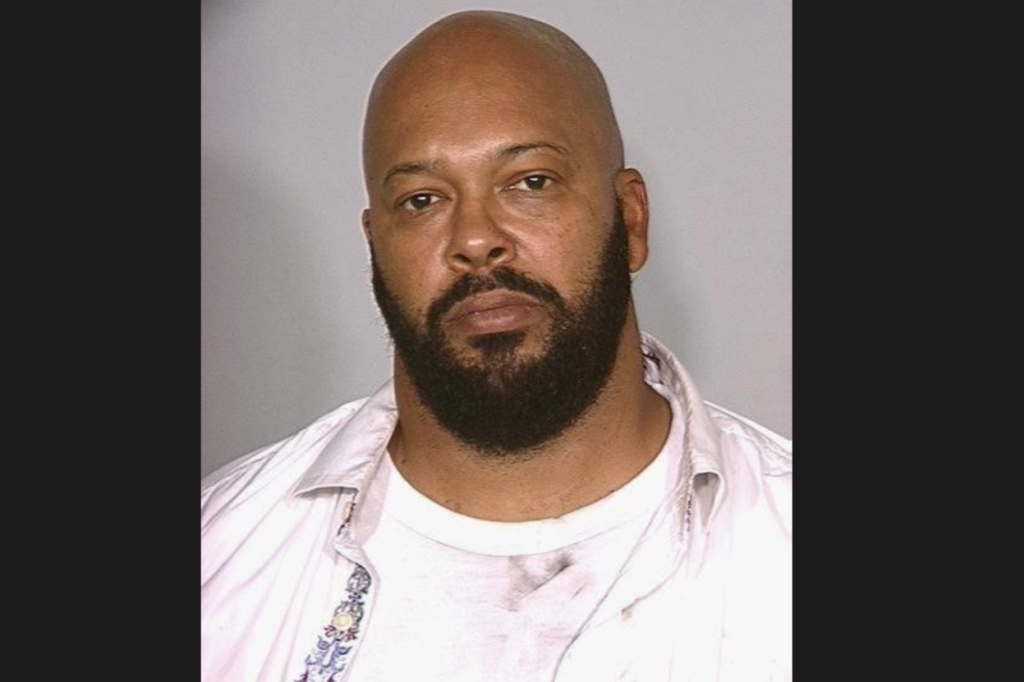
Suge Knight was the most feared man in hip-hop during the 1990s as the CEO of Death Row Records, but his reign ended officially in 2018. After a 2015 hit-and-run incident in Compton that resulted in the death of Terry Carter, Knight eventually took a plea deal that landed him a 28-year prison sentence. He was sent to a high-security facility where his reputation for being a “tough guy” didn’t grant him any favors. Instead, it made him a security risk in the eyes of the guards. Much of his time has been spent in “administrative segregation,” which is essentially a form of isolation meant to keep him away from the general population for safety reasons.
Life in high-security lockup has taken a massive toll on Knight’s health. Since his incarceration began, he has battled serious medical issues, including life-threatening blood clots that required hospitalization. His lawyers have frequently complained that he hasn’t received adequate medical care, and the lack of human contact has clearly worn him down. For a man who used to run a multi-million dollar empire and walk into any room with total authority, being reduced to a number in a tiny cell has been a crushing reversal of fortune. His prison years haven’t been about “street cred”; they have been a grueling cycle of medical scares and the quiet loneliness of a high-security bunker.
5. Joe Exotic’s Complaints
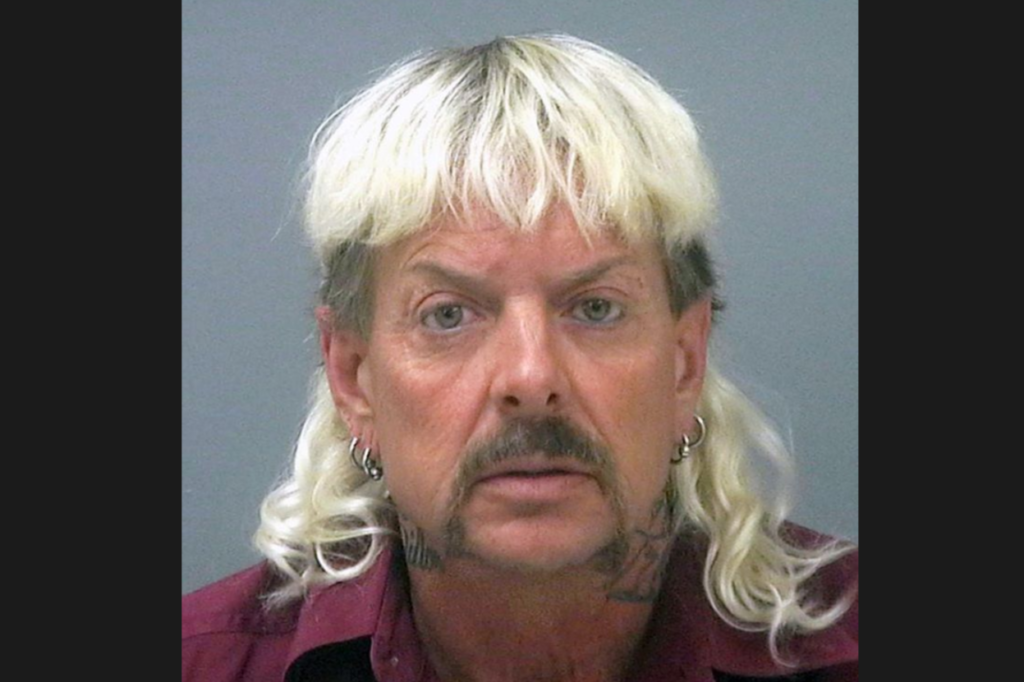
Joseph Maldonado-Passage, the man the world knows as Joe Exotic, became a global phenomenon while he was already sitting in a jail cell. In January 2020, he was sentenced to 22 years in federal prison for a murder-for-hire plot against Carole Baskin and various wildlife crimes. While viewers were laughing at his antics on the Tiger King documentary, Joe was experiencing a much darker reality at the Federal Medical Center in Fort Worth. He has spent years writing letters and filing legal motions claiming that the conditions inside are inhumane, alleging that he was frequently placed in solitary confinement and subjected to humiliating treatment by the prison staff.
Beyond the mental strain, Joe Exotic has faced a frightening health crisis behind bars. In late 2021, he announced that he had been diagnosed with an aggressive form of prostate cancer, and he has spent much of his sentence fighting for better medical treatment and an early release. He claimed to have lost a significant amount of weight and felt that the prison environment was making his recovery impossible. For a man who spent his whole life surrounded by exotic animals and seeking the spotlight, the transition to a sterile, controlled federal prison was a total shock. His story serves as a reminder that viral fame doesn’t change the cold, hard reality of the Department of Justice.
6. Prodigy’s Health Struggles
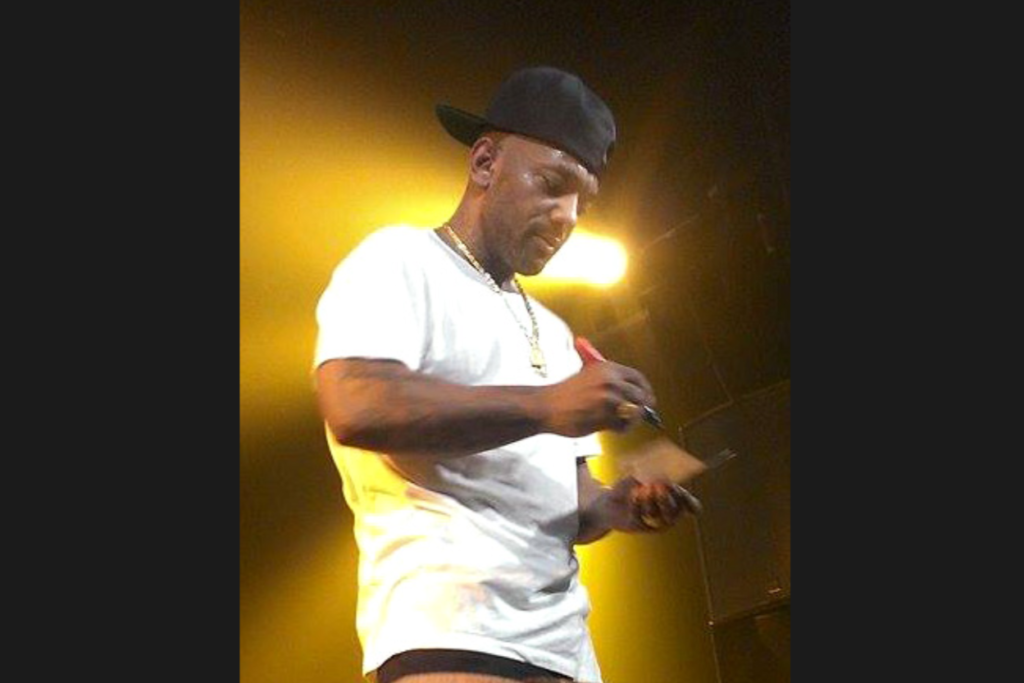
Albert Johnson, better known as Prodigy from the legendary rap duo Mobb Deep, began serving a three-year sentence at Rikers Island in 2007. While many rappers use a prison stint to boost their image, for Prodigy, it was a life-threatening ordeal from day one. He had lived with sickle cell anemia his entire life, a condition that causes extreme pain and requires a very specific diet and constant hydration to manage. The New York prison system was not prepared to handle his medical needs. He later wrote about the “hell” of trying to stay healthy while eating low-quality prison food and being denied the medical attention he desperately needed during his frequent pain crises.
To survive, Prodigy had to get creative, using items from the prison commissary to supplement his meals and trying to stay as hydrated as possible despite the restricted environment. He described nights of agonizing pain where he felt ignored by the prison staff, which fueled a deep sense of resentment and urgency in his writing. When he was released in 2011, he was a changed man, and his experiences behind bars heavily influenced his autobiography and later music. Sadly, the physical toll of his condition eventually caught up with him, and he passed away in 2017. His time in Rikers remains a haunting example of how the prison system often fails inmates who have chronic, invisible illnesses.
7. Danny Masterson’s Transfer
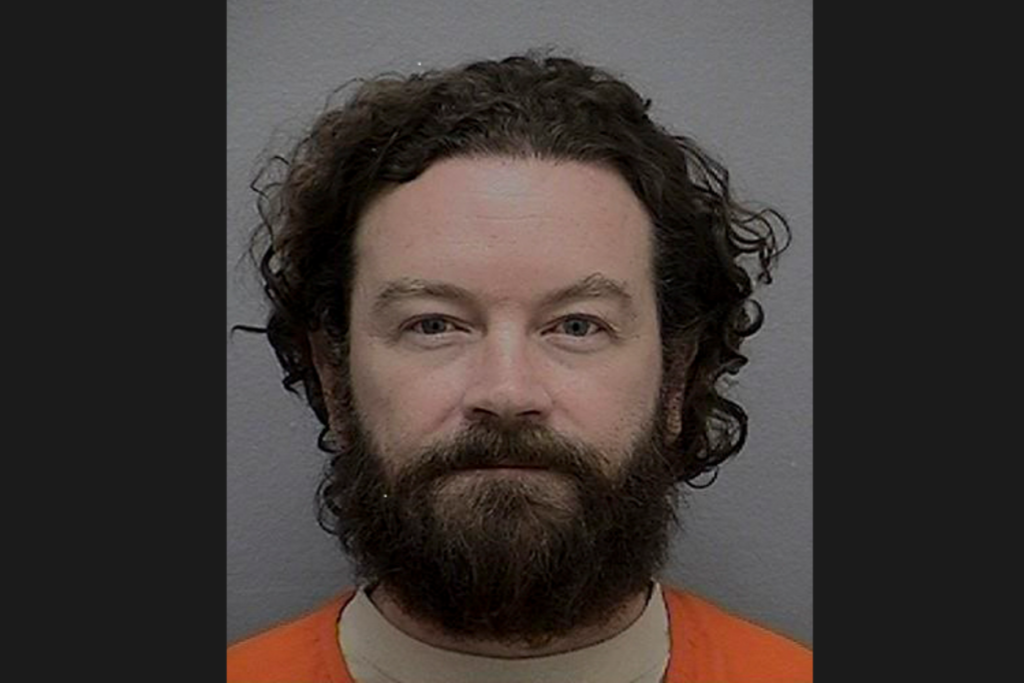
In September 2023, That ’70s Show star Danny Masterson was sentenced to 30 years to life for two counts of forcible rape. The transition from being a beloved sitcom actor to a maximum-security inmate was swift and brutal. He was initially sent to North Kern State Prison before being moved to Corcoran State Prison, a facility famous for housing high-profile, high-risk offenders. Because of the nature of his crimes and his celebrity status, Masterson was placed under “constant surveillance” and had very little contact with the general population. This kind of protective custody is often described by inmates as a “prison within a prison” because it feels so much like solitary confinement.
The psychological weight of a 30-year sentence is massive, especially for someone used to a life of luxury and social events. Reports from early in his sentence suggested that Masterson struggled with the total lack of privacy and the sudden disappearance of his career and social circle. While he was eventually moved to a slightly lower-security facility in early 2024 to better manage his long-term stay, the initial shock of the California prison system was a wake-up call. For Masterson, the reality of his situation means he will likely spend more of his life behind bars than he did as a free man, a staggering thought for someone who was once a Hollywood staple.
8. Lou Pearlman’s Decline
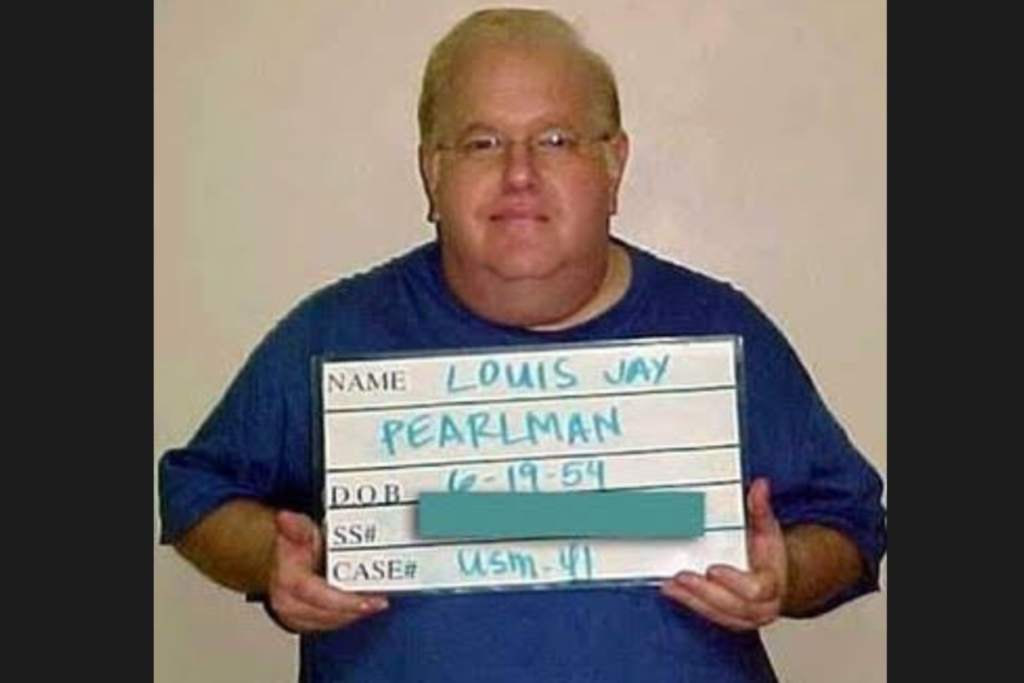
Lou Pearlman was the mastermind behind the 1990s boy band craze, launching groups like NSYNC and the Backstreet Boys into superstardom. However, in 2008, his empire was revealed to be a massive Ponzi scheme, and he was sentenced to 25 years in federal prison for fraud. Pearlman was already in his 50s and struggling with his health when he started his sentence. The transition from private jets and mansions to a federal cell was a massive shock to his system. As the years went by, the lack of high-quality medical care and the stress of his incarceration caused his physical health to deteriorate at an alarming rate.
While serving his time, Pearlman suffered a stroke that left him partially disabled and later developed a serious heart infection. He was no longer the confident mogul the world once knew; he was a sick, elderly man navigating a system that wasn’t designed for long-term geriatric care. He ultimately passed away in federal custody in August 2016 at the age of 62. His death behind bars served as a grim reminder that for older defendants, a long-term sentence can easily become a life sentence. Pearlman’s final years were not spent enjoying the royalties of his past hits, but rather battling illness in a lonely, sterile environment that eventually claimed his life.
9. Mark Wahlberg’s Wake-Up
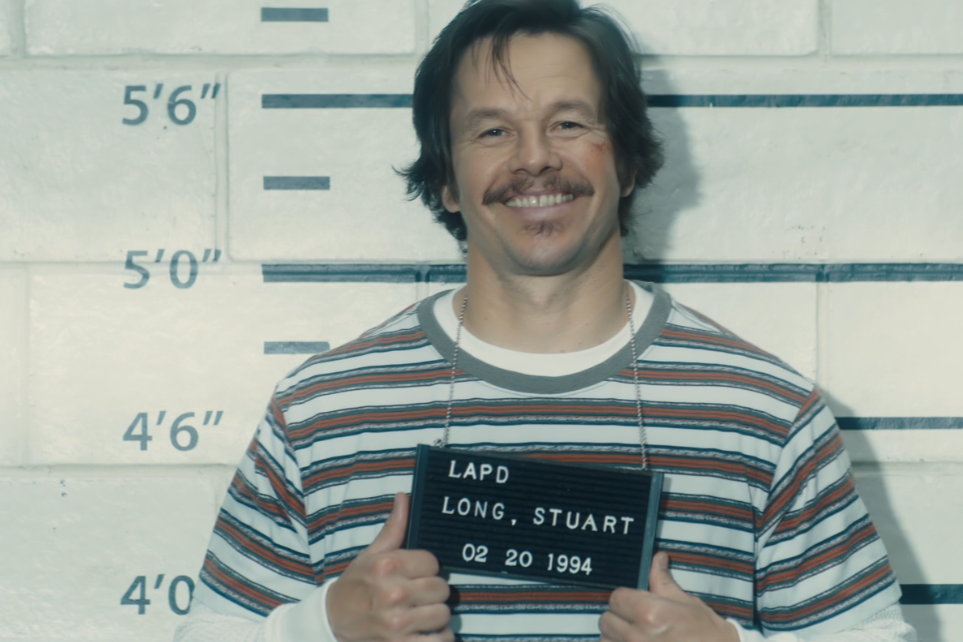
Long before he was an Oscar-nominated actor and a global businessman, Mark Wahlberg was a troubled teenager in Boston. In 1988, at just 16 years old, he was sentenced to two years in prison (though he only served 45 days) for a violent assault on two Vietnamese men. He was sent to the Deer Island House of Correction, a place that was notoriously rough and intimidating. For a young kid who thought he was a “tough guy” on the streets, the actual experience of being locked up with grown, hardened criminals was a terrifying reality check that changed the entire trajectory of his life.
Wahlberg has often spoken about the moment the cell door slammed shut, describing it as the most frightening moment of his life. He realized that the path he was on, fueled by substance abuse and crime, would only lead to a lifetime of misery or an early grave. During those 45 days, he decided to turn his life around and leave his gang lifestyle behind. When he was released, he sought guidance from his local priest and began the hard work of rebuilding his reputation. While his stay was brief compared to others on this list, the “scared straight” impact was permanent. He used that fear as fuel to become one of the biggest stars in the world.
10. Tupac’s Hard Lesson
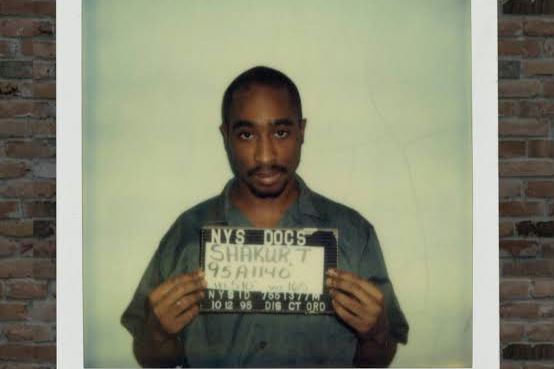
Tupac Shakur was already a cultural icon when he was sentenced to one-and-a-half to four-and-a-half years in prison for a 1995 sexual assault conviction. He served his time at the Clinton Correctional Facility in New York, a maximum-security prison that was a far cry from the red carpets he was used to. Tupac was a very sensitive and intellectual person, and the harsh, cold environment of “upstate” New York was emotionally draining for him. He spoke in interviews about the constant tension and the feeling of being hunted, even while behind bars, which only increased his natural sense of paranoia and distrust of the system.
During his nine months of incarceration, Tupac spent his time reading voraciously, devouring books by Machiavelli and other philosophers, which deeply influenced his worldview. However, the experience also hardened him. When he was finally released on bail in October 1995 after Suge Knight paid his bond, he emerged with a much more aggressive and defiant attitude. He immediately went to the studio and recorded some of his most legendary, yet angry, music. While prison helped him find a new level of focus, it also stripped away some of his optimism, leaving behind a man who felt like he was constantly at war with the world around him.
11. Martha Stewart’s Adjustment

When lifestyle mogul Martha Stewart reported to the Federal Prison Camp in Alderson, West Virginia, on October 8, 2004, the media dubbed it “Camp Cupcake.” The public assumed the minimum-security facility would be a breeze for the billionaire, but Stewart quickly learned that losing your freedom is never easy, regardless of the amenities. Instead of her sprawling estate, she lived in a crowded dormitory with dozens of other women, sharing communal bathrooms and following a rigid schedule that started at 6:00 AM. She was assigned a daily job that involved cleaning floors and scrubbing toilets, a far cry from her days overseeing a global media empire.
Stewart later described the experience as “horrifying,” noting that the complete lack of privacy and the inability to use a computer or conduct business was a massive psychological strain. She was barred from any meaningful communication with her company and had to follow strict rules regarding visitors and phone calls. By the time she was released in March 2005, she had served five months and walked out with a new perspective on the justice system. She spoke openly about the “loneliness” of the barracks and the emotional weight of being stripped of her identity. While she bounced back professionally, the experience of being treated like just another number left a lasting mark on her soul.
12. Wesley Snipes’ Lockdown
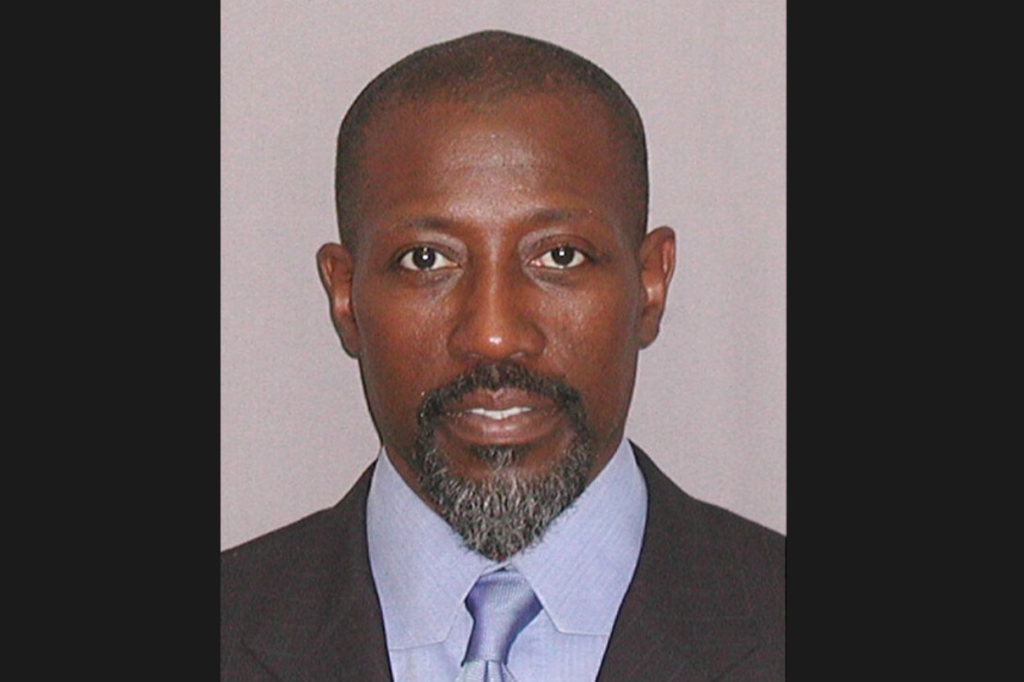
Action star Wesley Snipes, famous for the Blade trilogy, entered the Federal Correctional Institution McKean in Pennsylvania on December 9, 2010. He had been sentenced to three years for failing to file federal income tax returns, a move that shocked the Hollywood community. While fans expected him to be treated like a VIP, Snipes found himself in a world defined by “count times” and strict institutional discipline. He was forced to trade his designer clothes for a standard prison uniform and follow a repetitive daily routine that left little room for the creativity or independence he had enjoyed for decades as a top-tier actor.
During his three years in custody, Snipes faced the mental challenge of total isolation from his family and his career. He spent a significant amount of time in “lockdown” scenarios where inmates are confined to their cells for security checks, which he later described as a deeply reflective but difficult period. He spent much of his time reading and practicing martial arts to keep his mind sharp, but the lack of control over his own life was a constant struggle. When he was finally released to home confinement in April 2013, he spoke about how the experience forced him to “re-evaluate everything.” The transition from being an international hero on screen to a man living by a prison whistle was a humbling and grueling chapter.
13. Paris Hilton’s Solitary Stay

In June 2007, the world’s most famous socialite, Paris Hilton, was ordered to serve 45 days at the Century Regional Detention Center in Lynwood, California. Her crime was violating probation following a reckless driving charge, but the “simple life” star found her short stay to be anything but easy. Due to her extreme fame and concerns for her safety, authorities made the controversial decision to place her in the “Special Needs” unit. This meant she spent approximately 23 hours a day alone in a tiny, 8-by-12-foot cell, which effectively felt like solitary confinement for a young woman used to constant social interaction.
Hilton’s mental health plummeted almost immediately. She was seen crying in court during a brief medical release hearing, and her lawyers argued that she was suffering from severe claustrophobia and anxiety. After serving about 23 days of her sentence, she was released for good behavior, but the trauma of those weeks in the dark stayed with her. She later became an advocate for reform, explaining that the psychological impact of being locked away with no human contact was “the hardest thing” she had ever faced. For Hilton, the pink dresses and parties were replaced by a cold, grey cell, proving that even a few weeks of isolation can leave deep emotional scars that last for a lifetime.
14. Lil’ Kim’s Hard Reality
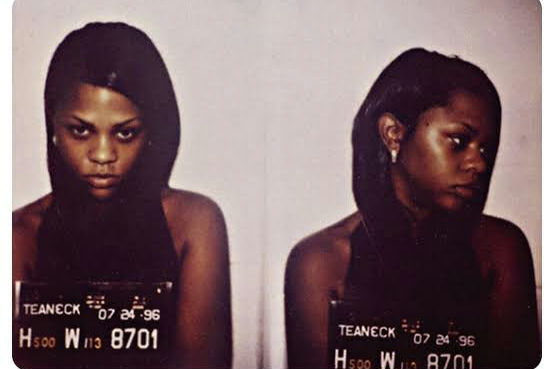
Hip-hop royalty Lil’ Kim, born Kimberly Jones, reported to the Federal Detention Center in Philadelphia in September 2005. She had been sentenced to a year and a day for perjury after she was caught lying to a grand jury about a shooting involving her entourage. While Kim entered the facility with her head held high, the reality of life behind bars quickly set in. She was no longer “The Queen Bee”; she was inmate number 56198-054. The transition to shared living spaces and constant supervision by guards was a massive shock to someone who had spent her life being catered to by fans and assistants.
Kim later spoke about the intense anxiety she felt during the first few months of her sentence. The lack of privacy was particularly difficult, as was being separated from her mother and her close-knit circle of friends. She spent much of her time working in the prison’s laundry room and trying to stay out of trouble, but the emotional toll of losing her freedom was constant. When she was released in July 2006, after serving about ten months, she described the experience as “scarring.” She admitted that the silence of the prison cell forced her to face herself in ways she never had before, and it took her years to feel like her old self again after such a restrictive ordeal.
15. Lauryn Hill’s Reflection
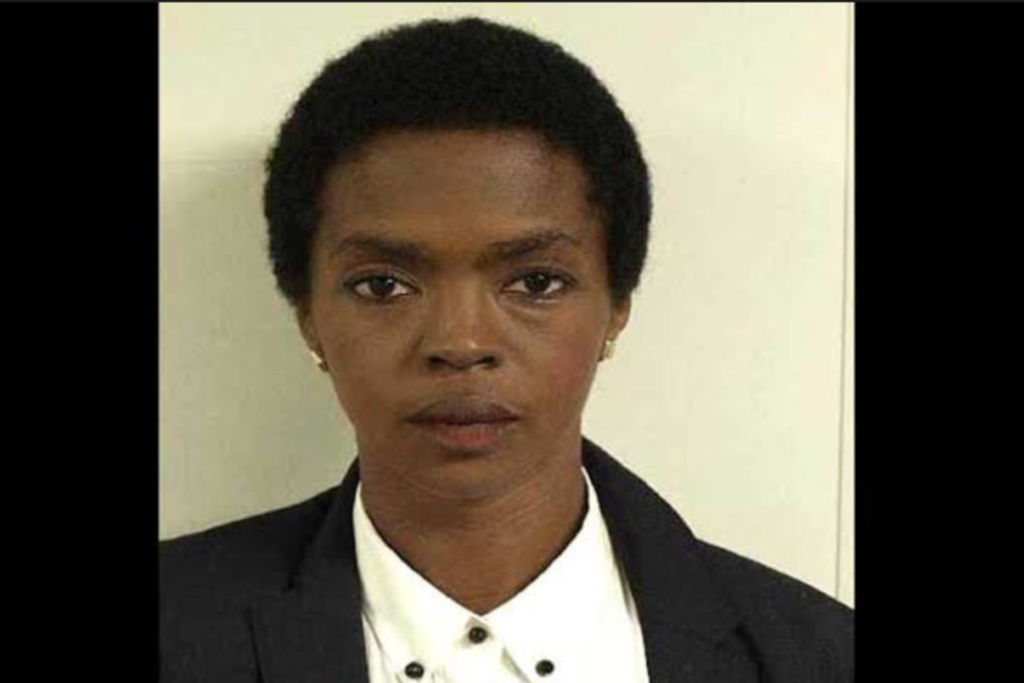
Grammy-winning artist Lauryn Hill, known for her legendary album The Miseducation of Lauryn Hill, began a three-month sentence in July 2013 at a federal prison in Danbury, Connecticut. Her crime was failing to pay taxes on over $1.8 million in earnings. Hill had already lived a somewhat reclusive life before her sentencing, but the forced confinement of a federal facility was an entirely different level of withdrawal. She was assigned a job in the prison’s food service department and had to follow the same strict rules as every other inmate, including early morning wake-up calls and limited access to the outside world.
While Hill’s sentence was relatively short, the emotional weight of being away from her children was devastating. She spent her time in prison writing and reflecting on the pressures of the music industry and the personal choices that led her there. She later described the experience as a period of “necessary accountability,” but also admitted that the institutional environment was a harsh place for a creative soul. After her release in October 2013, she spent an additional three months under home confinement. The experience deepened her commitment to her family and her privacy, and she emerged with a much more grounded, if somewhat more cautious, outlook on her life and her career.
16. Robert Downey Jr.’s Bottom Point
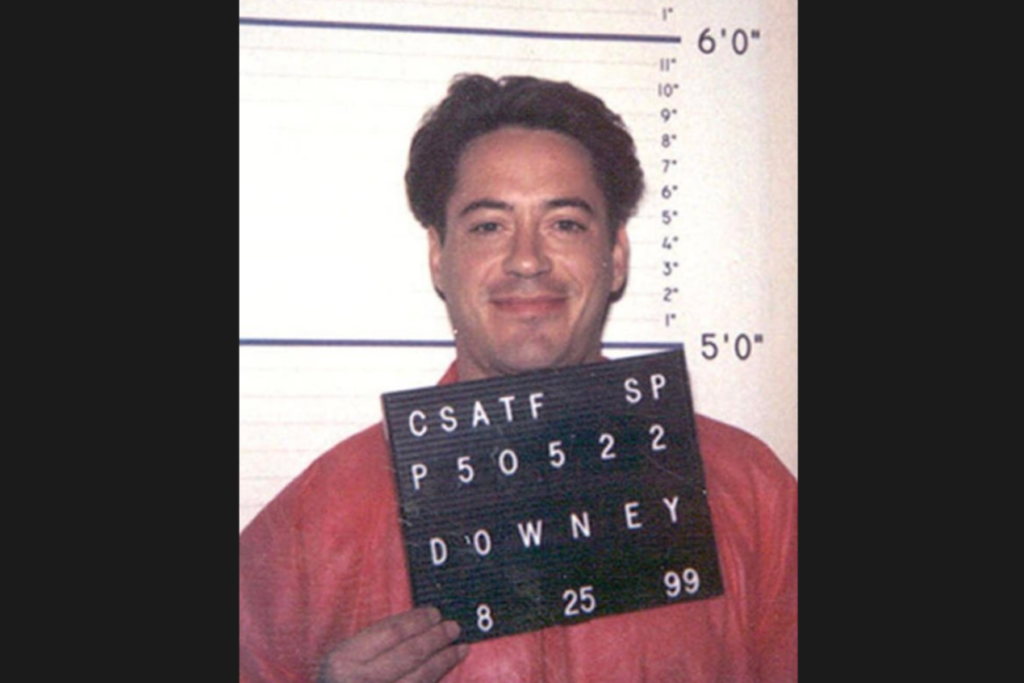
Before he was the face of the Marvel Cinematic Universe, Robert Downey Jr. hit rock bottom in 1999. After years of struggling with addiction and violating probation, he was sentenced to three years at the California Substance Abuse Treatment Facility and State Prison. The “Iron Man” star found himself in a high-intensity environment where he was treated no differently than any other inmate. He spent his days in orange jumpsuits, eating institutional food and following a rigid schedule that included mandated therapy sessions. For a man who had grown up in the Hollywood spotlight, the loss of his dignity was a crushing blow.
Downey later described his time in prison as “humiliating” and “the most terrifying thing” he had ever endured. He recounted stories of being caught in the middle of prison brawls and the constant fear of violence that permeates state-run facilities. He served roughly a year of his sentence before a judge granted him an early release in 2000. That year behind bars served as the ultimate wake-up call; he realized that if he didn’t change his life immediately, he would die in the system. The experience gave him the grit and determination he needed to finally get sober and launch one of the most successful career comebacks in history, but he never forgot the fear of those prison walls.
17. Tim Allen’s Early Conviction
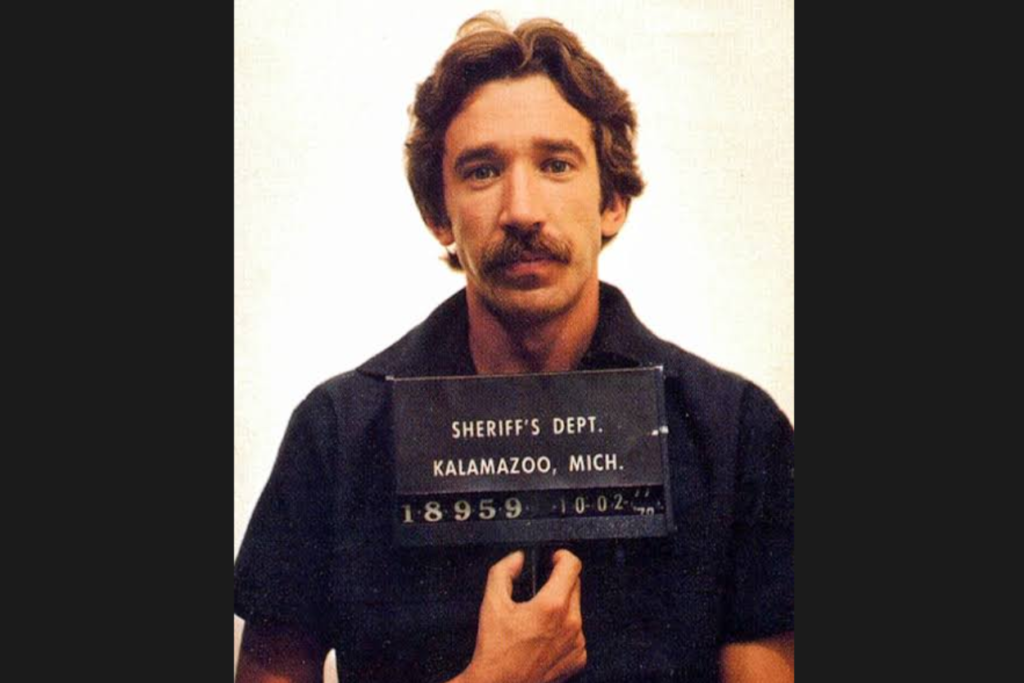
Long before he was known as the voice of Buzz Lightyear or the star of Home Improvement, Tim Allen was a 25-year-old facing a life sentence. In October 1978, he was arrested at the Kalamazoo/Battle Creek International Airport for possession of over 650 grams of cocaine. To avoid a life term, Allen cooperated with authorities and was sentenced to two years in the Federal Correctional Institution in Sandstone, Minnesota. The experience was a total shock to the young comedian, who had to quickly learn how to survive in a high-stakes environment where his humor was often his only defense against the harsh reality of prison life.
During his time inside, Allen worked in the prison’s maintenance department and focused on staying under the radar. He has since described the experience as “frightening” and “the moment I grew up.” He realized that he had been wasting his life and that he was lucky to have a second chance at all. When he was released on parole in 1981, he was a changed man with a newfound drive to succeed in stand-up comedy. He used his experiences to fuel his act, eventually becoming one of the most successful television stars in America. However, he often credits his time in federal prison as the “scared straight” moment that kept him from a life of crime and addiction.
18. Felicity Huffman’s Humbling Days
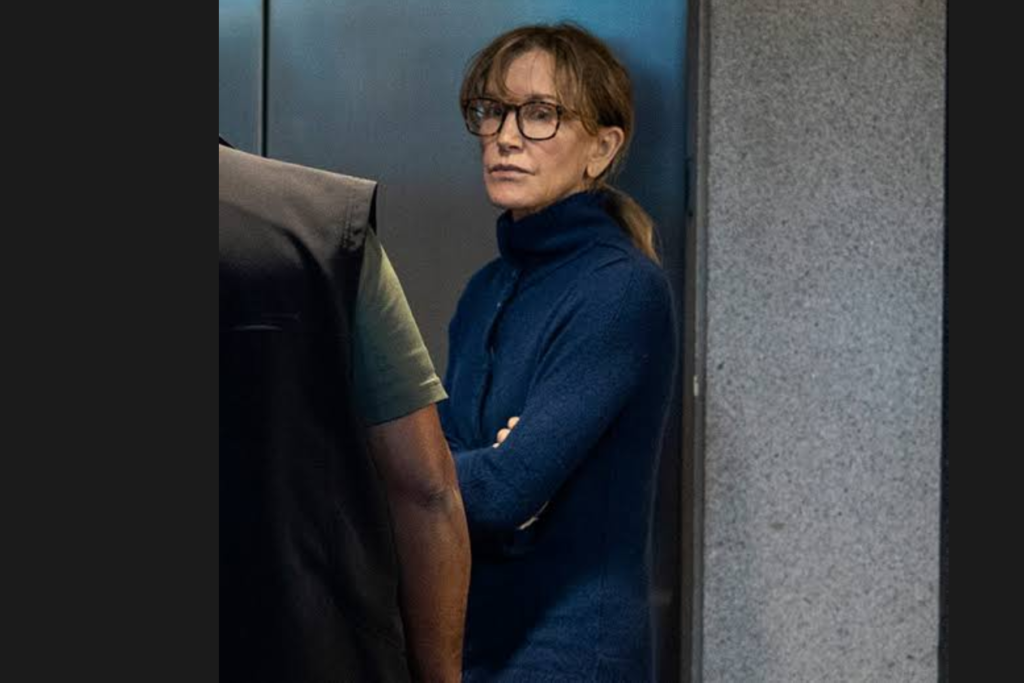
In October 2019, Desperate Housewives star Felicity Huffman reported to the Federal Correctional Institution in Dublin, California, to serve a 14-day sentence. She had pleaded guilty to conspiracy to commit mail fraud after paying to have her daughter’s SAT scores corrected as part of the massive “Varsity Blues” college admissions scandal. While the short sentence drew criticism from the public as being too light, Huffman described the experience as “profoundly humbling.” She was stripped of her celebrity status, assigned a basic uniform, and spent her days following the orders of prison staff alongside women serving much longer sentences for more serious crimes.
Huffman later shared that the experience of being “just a number” allowed her to reflect deeply on the privilege she had abused. She spent her two weeks in shared quarters, following the same rules as everyone else, and found the separation from her family to be the most painful part of the punishment. While her time inside was brief, the social fallout and the emotional weight of her actions remained long after she walked out of the prison gates. She has since dedicated herself to community service and has spoken about the importance of taking responsibility for one’s mistakes, noting that even a few days in a federal facility is enough to change a person’s entire worldview.
19. Boy George’s Difficult Months
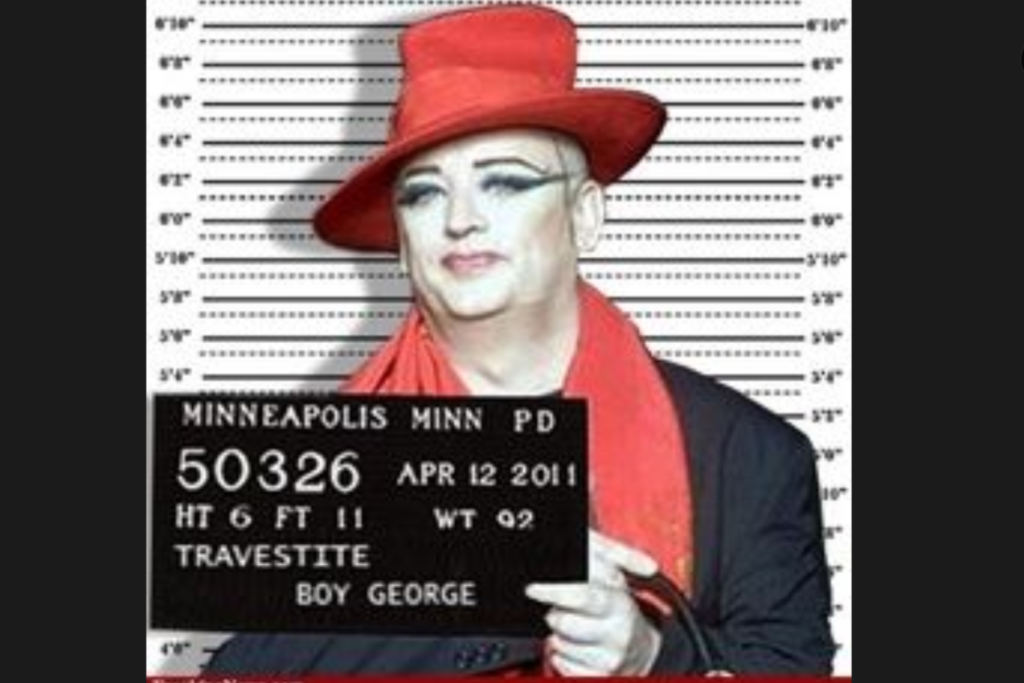
In early 2009, 80s pop icon Boy George, born George O’Dowd, was sentenced to 15 months in prison for the false imprisonment of a male escort. He served four months of that sentence at HMP Pentonville in London, one of the oldest and most notorious prisons in the UK. The facility was known for overcrowding, poor conditions, and a very rough inmate population. For a flamboyant star like George, the transition to a drab, Victorian-style prison cell was an exhausting and bleak experience. He had to navigate a culture that was often hostile to his personality while dealing with the physical realities of a decaying prison system.
During his time inside, George focused on his sobriety and his mental health. He later described the environment as “depressing” but also noted that it provided him with a much-needed period of self-reflection. He spent a lot of time reading and writing, trying to block out the noise and the tension of the wings. When he was released on an electronic tag in May 2009, he emerged with a renewed focus on his music and his health. He credited the experience with helping him finally put his past struggles with drug addiction behind him, but he also warned that the British prison system was a “horrible place” that could easily break someone who wasn’t mentally strong enough to handle it.
20. Lori Loughlin’s Confinement
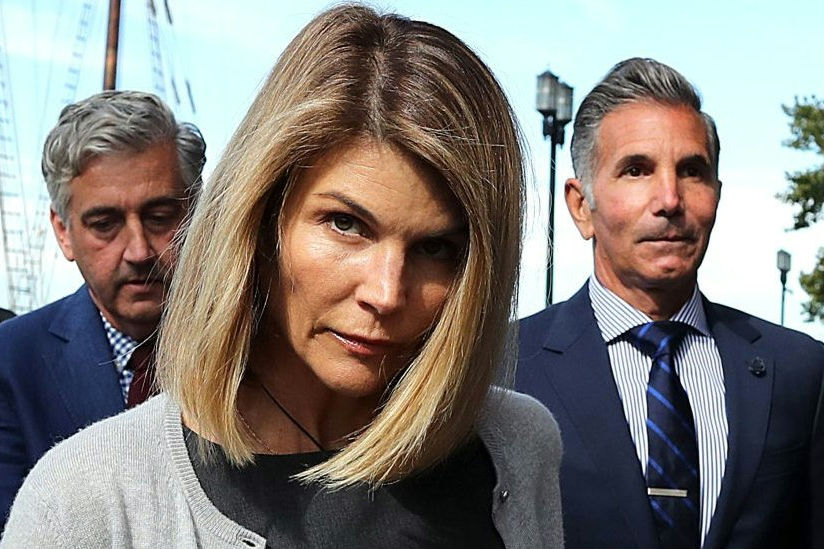
Actress Lori Loughlin, famous for her role as Aunt Becky on Full House, began her two-month sentence in October 2020 at the Federal Correctional Institution in Dublin, California. Like Felicity Huffman, she was involved in the college admissions scandal, having paid $500,000 to get her daughters into the University of Southern California. While the media followed her every move, the reality inside the prison was much quieter and more controlled. Loughlin had to adjust to a life without her family, her career, or the comforts of her multimillion-dollar home, which her legal team later reported was an “extremely stressful” and difficult transition for her.
During her 60 days in custody, Loughlin was required to perform assigned work duties and follow a strict schedule. She was released in December 2020, just in time for the holidays, but the experience was described by those close to her as “sobering.” She spent a great deal of time in prayer and reflection, eventually expressing deep remorse for her actions. While she served a relatively short term, the loss of her reputation and the public backlash were far more permanent punishments. She has since worked to rebuild her life and career, but the memory of those two months in federal custody remains a dark chapter that she says taught her the true meaning of humility and consequence.


