
1. The La’s And The Album That Froze In Time
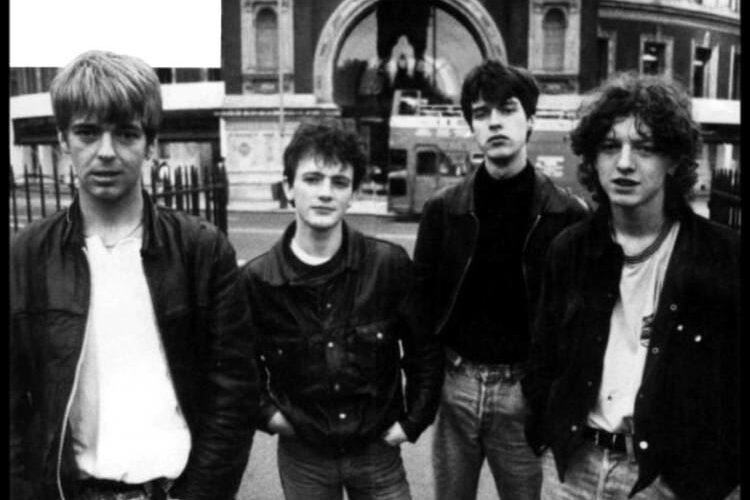
Every music fan remembers hearing a band for the first time and thinking they were about to be everywhere for years. In the late eighties and early nineties, The La’s felt like one of those bands. Their debut album arrived in 1990 with bright guitars and melodies that sounded effortlessly timeless. The song There She Goes in particular seemed to float everywhere. It was soft, romantic, and simple in a way that made it instantly memorable. People assumed the band was only getting started. For a brief moment it felt like they had stepped into the spotlight at exactly the right time and were ready to build something lasting.
Instead, the story stopped almost as quickly as it began. The band never released a second studio album, partly because frontman Lee Mavers was famously dissatisfied with how the record sounded. He continued chasing the perfect version of the music in his head, but fans were left with the version already out in the world. Over time the album grew even more beloved. New listeners still discover it and wonder why the band never followed it up. In many ways the record feels frozen in that one perfect moment when everything briefly aligned.
2. The Stone Roses And A Debut That Became Legend
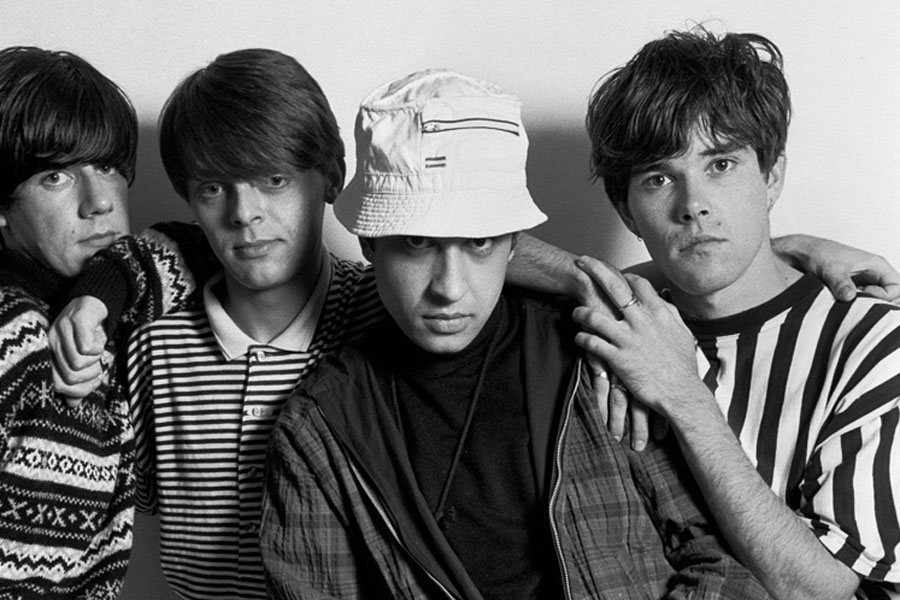
When The Stone Roses released their first album in 1989, it immediately sounded like something important was happening. The record blended psychedelic guitars, dance rhythms, and confident songwriting that captured the mood of British youth at the time. Songs like I Wanna Be Adored and She Bangs the Drums felt larger than ordinary singles. They were songs people played loudly with friends, the kind that turned a room into a shared moment. It quickly became clear that the album was shaping the sound of a new movement that would later be known as the Madchester scene.
Fans expected a steady run of albums to follow, but the band’s momentum slowed dramatically. Legal disputes with their label tied them up for years and kept new music from appearing. By the time a second album finally arrived in 1994, the musical landscape had already changed. Many listeners still look back on that first album as the real heart of the band’s story. It captured a certain confidence and spirit that felt impossible to recreate. Even today the record still sounds like the beginning of something exciting, even though it turned out to be the peak.
3. Elastica And The Britpop Album That Burned Fast
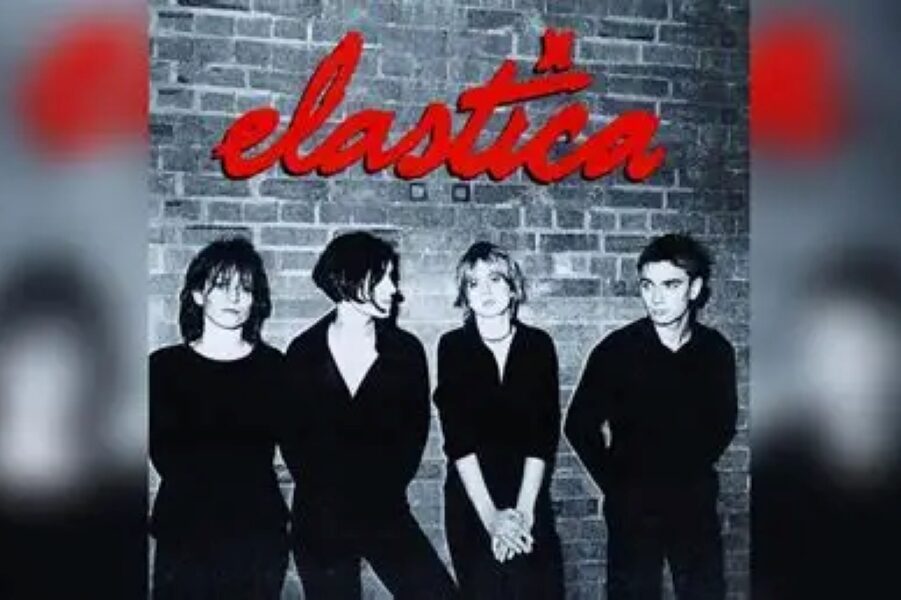
In the middle of the Britpop wave, Elastica arrived with a sound that felt sharp, playful, and fearless. Their 1995 debut album was packed with short songs that moved quickly but stayed in your head long after they ended. The single Connection became one of the most recognizable songs of that era. With its punchy guitar riff and confident delivery, it felt like the band had stepped straight into the cultural conversation of the moment. The album sold rapidly and critics praised its attitude and simplicity. For a while it seemed obvious that Elastica would remain a defining part of the scene.
Success, however, arrived faster than the band was ready for. Legal disputes over similarities between riffs and older songs created unwanted attention. At the same time the sudden fame placed enormous pressure on the group. Recording new material took longer than expected and the momentum slowly faded. By the time another album appeared years later, the cultural moment had shifted. Many fans still return to that first record because it perfectly captures the restless excitement of the mid nineties. It remains a snapshot of a band that burned bright for a short time.
4. The Seahorses And The Britpop Project That Ended Early
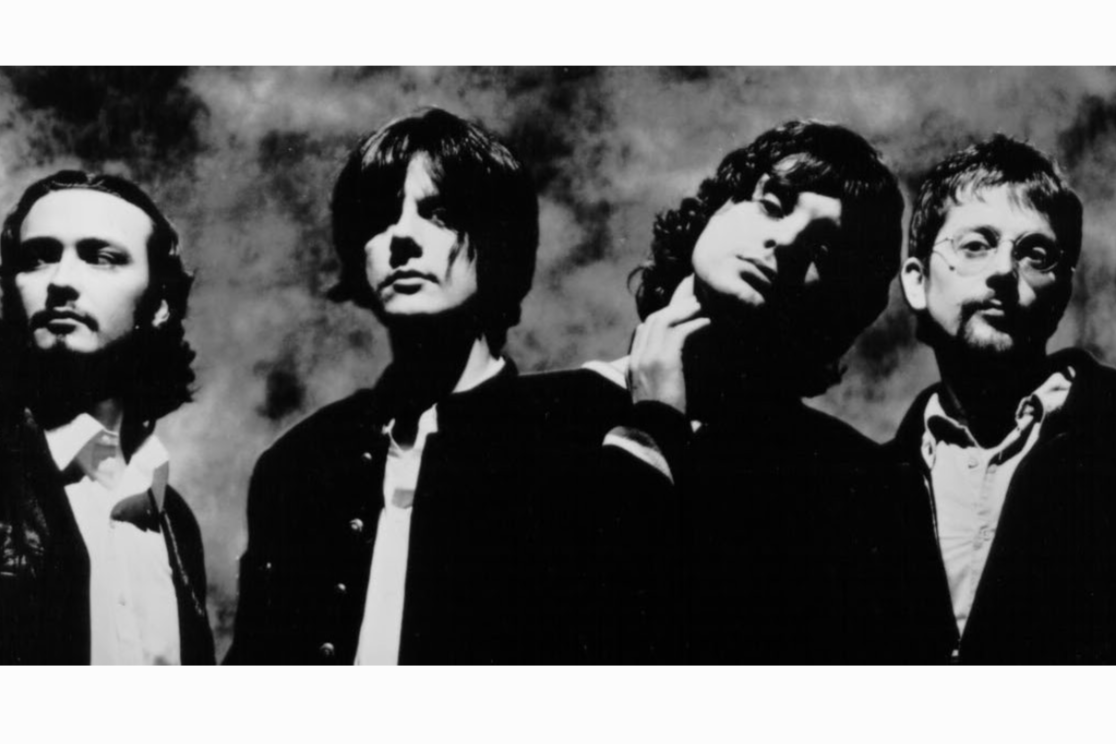
When guitarist John Squire left The Stone Roses, fans wondered what his next move would be. The Seahorses became that next chapter, and their debut album Do It Yourself arrived in 1997 surrounded by curiosity and anticipation. The record featured confident guitar work and songs that sounded ready for festival stages. Tracks like Love Is the Law quickly climbed the charts and helped introduce the band to a wide audience. For many listeners it felt like the beginning of another important British rock group that might continue the spirit of the earlier Britpop years.
Behind the scenes the story was less stable. Personality clashes and creative disagreements slowly pulled the group in different directions. The band began working on new material but the relationships within the group were already weakening. Before a second album could truly take shape, the project quietly dissolved. Looking back, the debut record feels like a brief window into what might have been a longer career. Fans who revisit the album often hear strong songwriting and wonder how the band might have evolved if the chemistry had lasted just a little longer.
5. The Buggles And The Prophecy Of Video Music
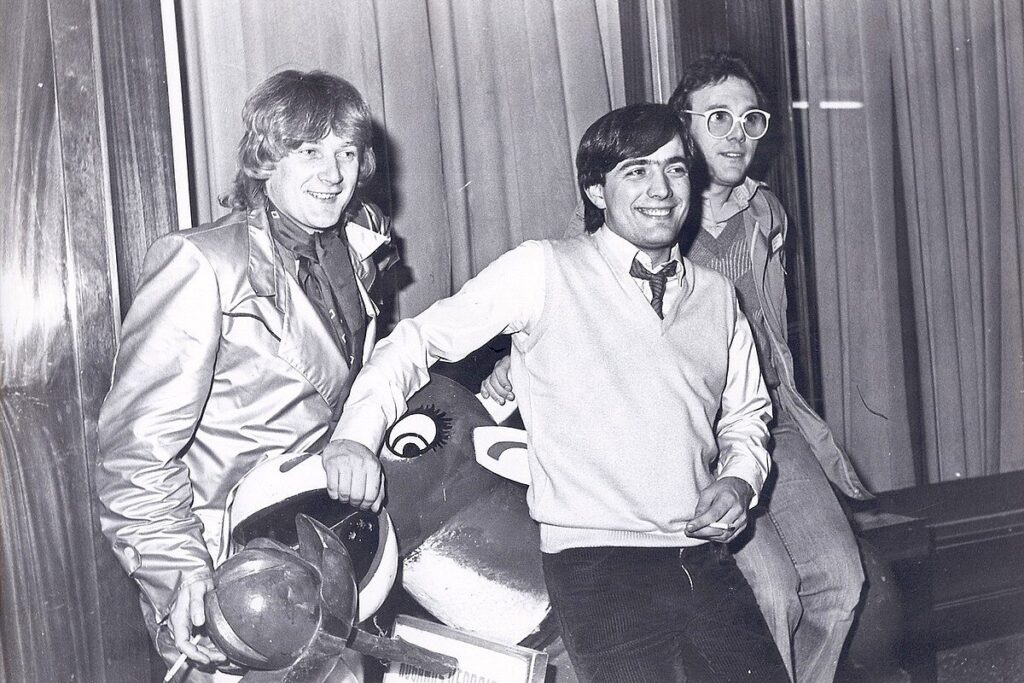
Sometimes a band becomes famous not only for its music but also for the strange timing of its biggest moment. The Buggles released their album The Age of Plastic in 1980 with a polished electronic sound that felt futuristic for the time. The song Video Killed the Radio Star stood out immediately. Its playful lyrics and layered production hinted at a changing music world where visuals would soon become as important as the songs themselves. Listeners enjoyed the track, but few realized how symbolic it would soon become.
A year later the music television channel MTV launched, and that same song became the first music video the network ever played. Suddenly the track felt almost prophetic. Ironically the band itself did not stay together long enough to fully ride that wave. Members Trevor Horn and Geoff Downes moved into other projects and production work soon after. Horn especially became one of the most influential producers of the following decades. Meanwhile the band that predicted the video era faded quietly into music history, remembered mostly through that single iconic moment.
6. The Remains And The Garage Rock Album That Almost Got Lost
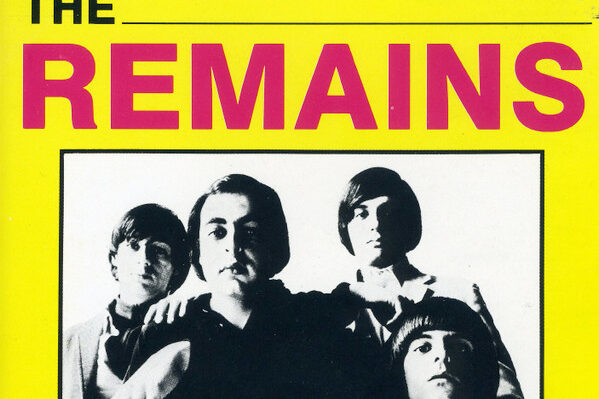
During the mid nineteen sixties, The Remains looked like they were about to step into national fame. They had built a strong following in Boston and their energetic performances caught the attention of television producers. The band appeared on The Ed Sullivan Show and even opened for The Beatles during part of the legendary 1966 American tour. Moments like that usually signal a band on the rise. Their self titled album arrived that same year with raw guitars and energetic songs that captured the garage rock spirit of the time.
Yet the momentum did not last as long as many expected. The group broke up shortly after the album’s release, leaving the record without a chance to grow with a touring band behind it. For years it quietly faded from the mainstream conversation. Later generations of music fans rediscovered it and began appreciating its straightforward energy and songwriting. Today many collectors and critics consider the album an overlooked gem from the sixties rock scene. It remains a reminder that some bands come very close to lasting fame before the story suddenly changes direction.
7. Temple Of The Dog And A Supergroup Moment That Never Repeated

Temple of the Dog began not as a long term plan but as a gesture of friendship and remembrance. After the death of singer Andrew Wood, musicians from the Seattle music community gathered to record songs in tribute to him. Members of Soundgarden joined with musicians who would soon form Pearl Jam, creating a lineup that quietly held enormous talent. The album released in 1991 carried emotional weight because it was built around genuine grief and respect. Songs like Hunger Strike blended powerful vocals with reflective lyrics that resonated deeply with listeners.
At first the album received modest attention, but as the Seattle grunge scene exploded globally the record gained new life. Fans discovered it while exploring the early connections between those bands. Even then the group never tried to turn the project into a permanent band. Each musician returned to their main group and continued building those careers. The album remains a unique moment where several important artists crossed paths in a sincere tribute. Listening to it today still feels like stepping into a quiet room where musicians gathered simply to honor a friend.
8. Young Marble Giants And Quiet Minimalism
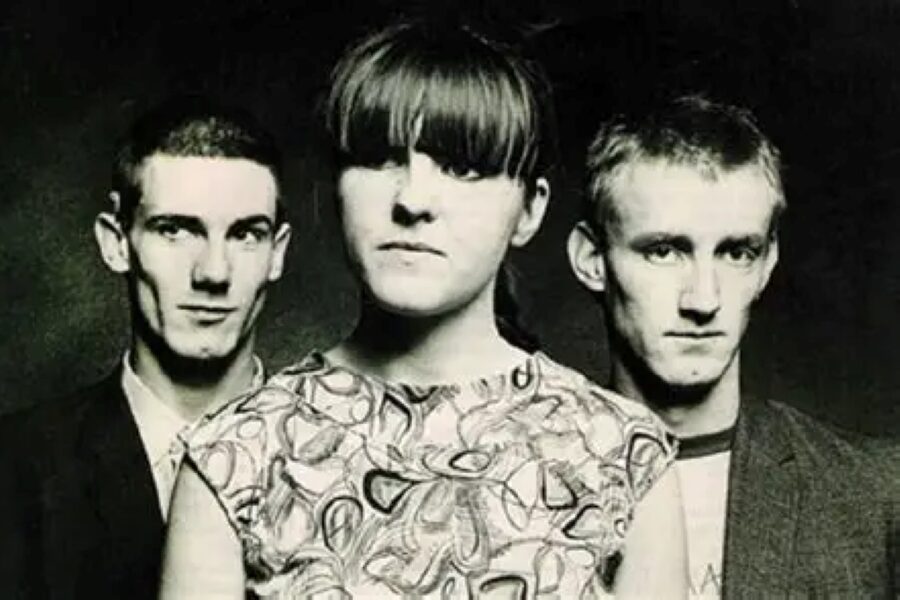
In the late nineteen seventies and early eighties many post punk bands experimented with loud sounds and bold stage presence. Young Marble Giants took a very different path. Their album Colossal Youth, released in 1980, felt calm and restrained. The songs used minimal instrumentation and simple rhythms, allowing the gentle vocals to carry the emotional weight. At first some listeners did not know what to make of such quiet music in a scene known for energy and intensity. Yet others found the simplicity refreshing.
The band did not remain together long enough to build a large catalog of recordings. Even so that single album slowly gained admiration from musicians and listeners who appreciated its honesty. Over the years many indie artists have pointed to it as an example of how powerful understated music can be. Instead of overwhelming the listener, the songs invite quiet reflection. Today Colossal Youth still sounds surprisingly modern. Its gentle approach reminds people that sometimes a whisper can carry farther than a shout in the world of music.
9. The New Radicals And The Pop Album That Appeared Then Disappeared

In the late nineteen nineties a bright, energetic pop rock song suddenly seemed to be everywhere. You Get What You Give by The New Radicals carried a hopeful message wrapped in piano driven pop and confident vocals. The song came from the 1998 album Maybe You’ve Been Brainwashed Too. It quickly climbed charts and introduced listeners to a band that sounded thoughtful but still radio friendly. The album mixed upbeat melodies with lyrics that quietly commented on fame, society, and growing up. Many listeners assumed this was only the beginning for the group and expected another album to follow soon.
Instead the project ended almost immediately after its success. Frontman Gregg Alexander decided he was not comfortable living inside the constant pressure of fame and promotion. Rather than continue touring and recording under the band name, he stepped away and focused on writing and producing music for other artists. The sudden disappearance surprised fans who had just discovered the band. Over time the album became a nostalgic favorite for listeners who remember the late nineties pop landscape. Maybe You’ve Been Brainwashed Too remains the single full album from The New Radicals, a brief moment when one record carried an entire band’s legacy.
10. Neutral Milk Hotel And A Cult Classic That Grew Slowly
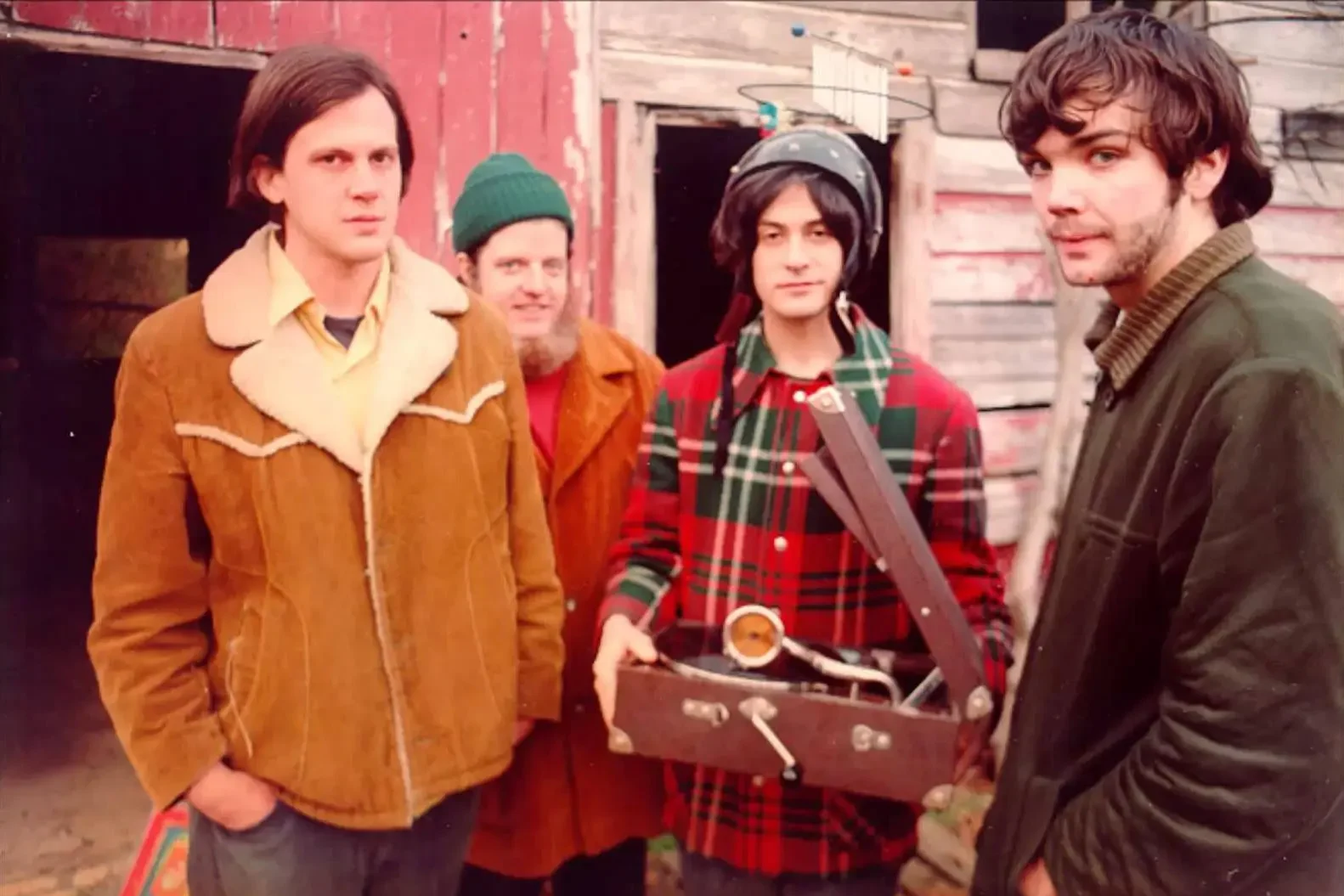
Neutral Milk Hotel released In the Aeroplane Over the Sea in 1998, and at first it did not feel like a mainstream breakthrough. The album contained unusual lyrics, raw vocals, and arrangements that sounded almost handmade. Yet listeners who connected with it often felt deeply moved by its sincerity. Slowly the record began traveling from person to person through recommendations, late night listening sessions, and college radio stations. Instead of rising quickly on charts, it grew steadily through word of mouth.
Shortly after the album’s release, frontman Jeff Mangum stepped away from public life and the band stopped performing regularly. That quiet disappearance only deepened the mystique surrounding the record. Over time it became one of the most beloved cult albums in indie music. New generations of listeners continue to discover it and feel the same strange connection that earlier fans felt. The story of Neutral Milk Hotel shows how an album can quietly build its legacy even when the band itself fades from the spotlight.
11. The Sex Pistols And The Album That Shook Punk
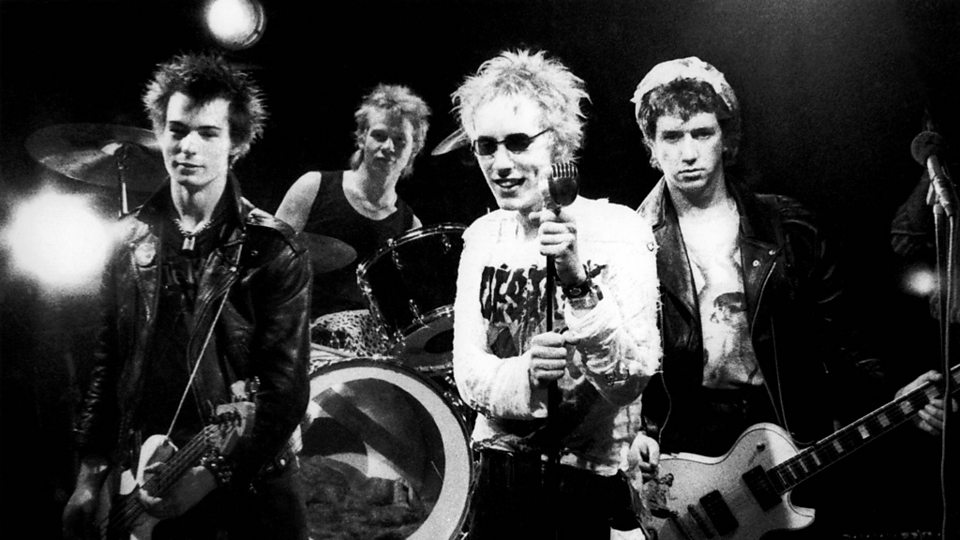
By the mid nineteen seventies, rock music had grown polished and theatrical, and some young listeners were ready for something rougher. The Sex Pistols arrived right at that moment with a sound that felt raw and confrontational. Their 1977 album Never Mind the Bollocks, Here’s the Sex Pistols captured that energy perfectly. Songs like Anarchy in the U.K. and God Save the Queen sounded less like polished radio hits and more like a protest shouted through amplifiers. The band’s attitude stirred controversy everywhere they went, but it also connected with listeners who felt the same frustration and restlessness.
The band itself did not last long. Internal arguments, media pressure, and constant controversy pushed the members apart soon after the88i9 album appeared. Even with such a short lifespan, that one record sparked something much bigger. Punk scenes began appearing across Britain, the United States, and beyond. Young musicians realized they did not need perfect technique or huge budgets to make powerful music. Looking back now, the album still feels like the sound of a door being kicked open.
12. The Knack And The Power Pop Album Everyone Remembered
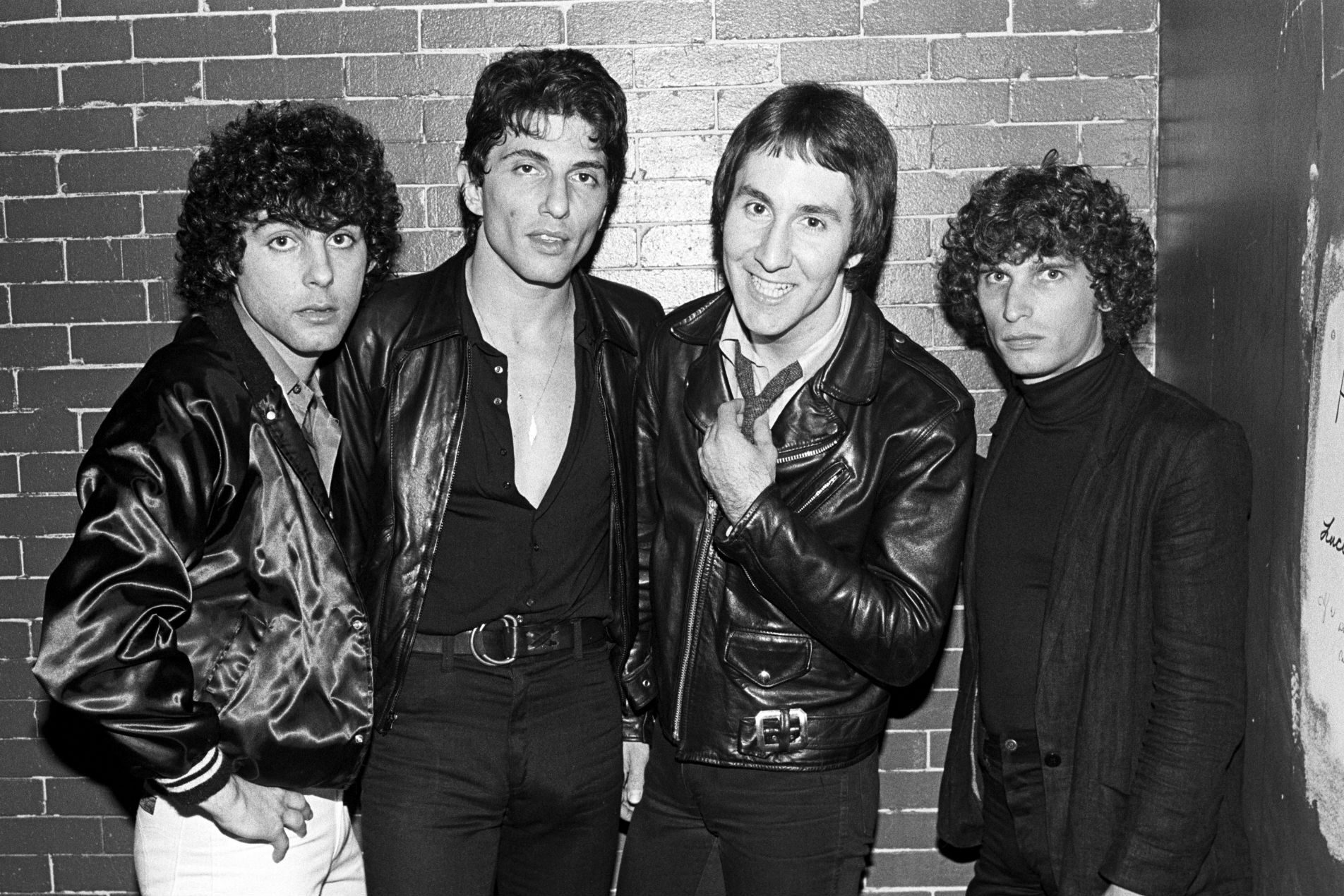
In the summer of 1979 a bright, punchy rock song suddenly seemed to pour out of every radio station. My Sharona by The Knack arrived with a driving beat and a guitar riff that was impossible to ignore. The song came from the band’s debut album Get the Knack, which quickly became one of the fastest selling debut records of its time. The band’s clean power pop sound reminded some listeners of earlier British invasion groups, but it also felt fresh for the late seventies. Fans responded immediately and the album climbed the charts while the band found themselves playing to packed crowds.
Following such explosive success turned out to be far more difficult than reaching it. The band released additional albums, but none captured the same cultural moment that surrounded their debut. Critics and changing trends in rock music slowly pushed the group away from the spotlight they had briefly held. Still, Get the Knack remains a record people return to whenever My Sharona comes on the radio. The album captures the excitement of a band that arrived suddenly and filled the airwaves with one unforgettable sound before the moment quietly passed.
13. The Postal Service And A Project That Surprised Everyone
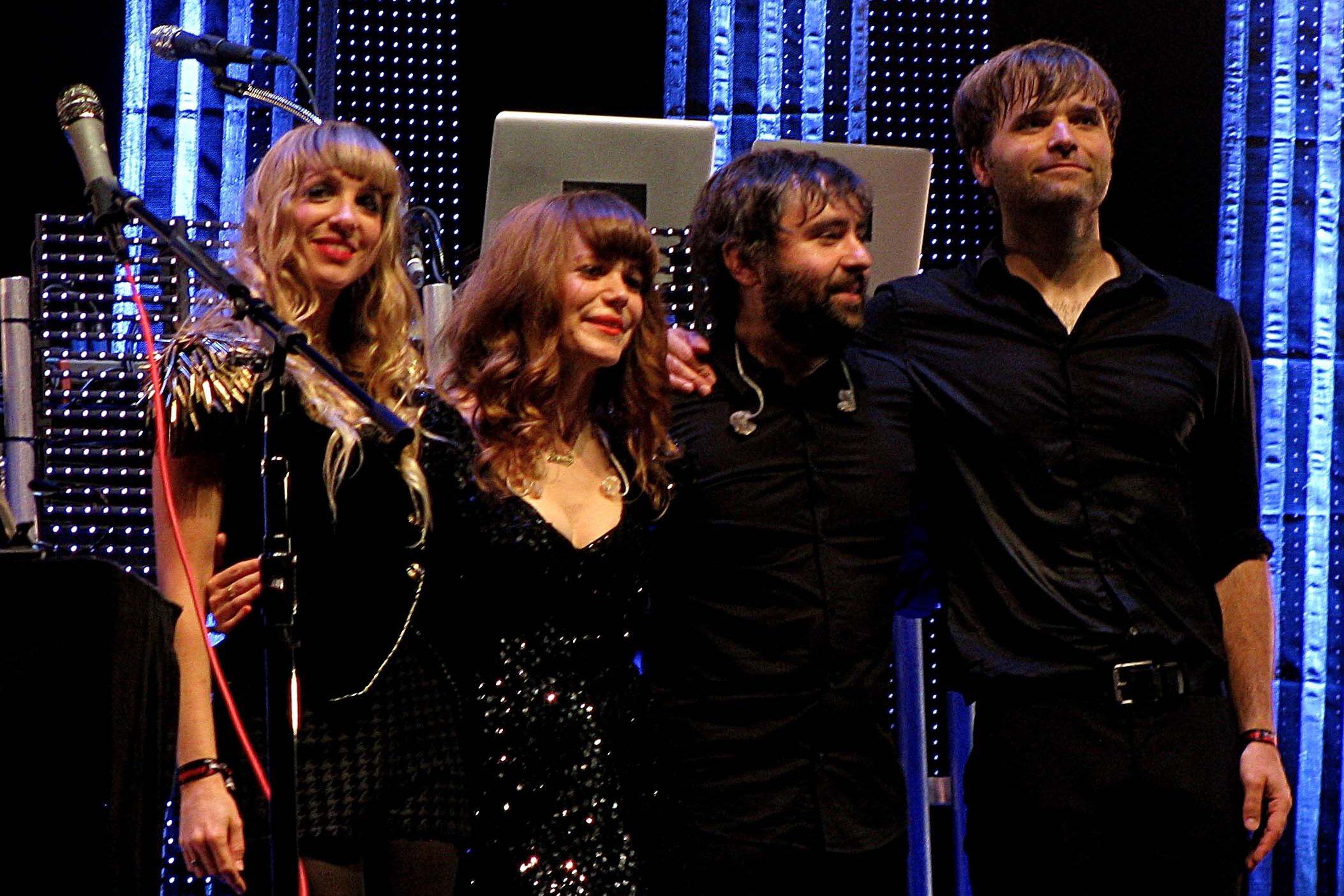
Sometimes great albums come from collaborations that were never meant to become full time bands. The Postal Service started almost casually when Ben Gibbard and producer Jimmy Tamborello began exchanging music files while living in different cities. Because the recordings were mailed back and forth, the project ended up with its unusual name. Their album Give Up arrived in 2003 with soft electronic beats and reflective lyrics that felt intimate and thoughtful.
Songs like Such Great Heights and The District Sleeps Alone Tonight slowly gathered attention. Listeners appreciated the gentle mix of electronic music and emotional storytelling. The album’s success surprised even the musicians who created it. Despite the enthusiasm from fans, the project was never designed to become permanent. Both artists returned to their other musical paths after the album cycle ended. Over time Give Up developed a reputation as one of the defining indie records of the early two thousands, remembered for its quiet sincerity.
14. The Darkness And Glam Rock’s Brief Revival
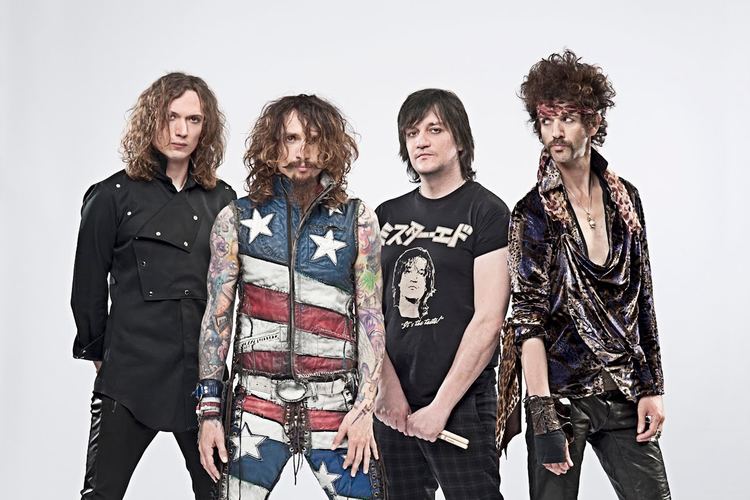
In the early two thousands, rock music was moving in many directions, and suddenly The Darkness arrived with something bold and theatrical. Their debut album Permission to Land appeared in 2003 and immediately felt like a celebration of classic guitar rock. The songs were loud, playful, and packed with dramatic vocals. When I Believe in a Thing Called Love began climbing charts, many listeners found themselves rediscovering the joy of big guitar riffs and soaring choruses.
For a short time the band seemed unstoppable. The album sold millions and their energetic performances made them stand out from many of their peers. Yet the pressure that followed success made things difficult for the group. Personal struggles and industry expectations slowly disrupted the momentum they had built. Although the band continued making music later, that first album remains the moment most fans remember best. Listening to it now still feels like stepping into a brief revival of old school rock excitement.
15. The Verve Pipe And A Song That Overshadowed Everything
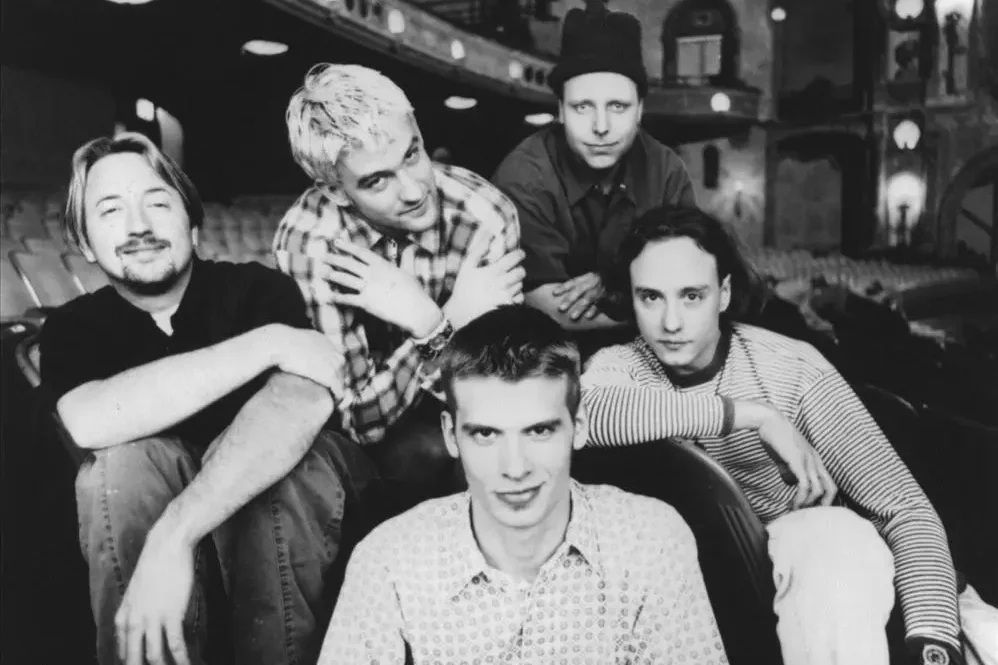
In the mid nineteen nineties alternative rock filled radio stations with emotional and thoughtful songs. The Verve Pipe entered that landscape with their 1996 album Villains. Among its tracks was The Freshmen, a reflective song about regret and growing older. The melody was simple but powerful, and the lyrics struck a chord with listeners who heard something honest in its story. Soon the song was everywhere on radio and television.
The album sold millions and briefly pushed the band into the center of the alternative rock conversation. Yet success built around one unforgettable song can be difficult to follow. Later releases from the band never reached the same level of attention. Even so, Villains remains a record many listeners remember fondly. The Freshmen still appears on nostalgic playlists and radio shows focused on the era. For many fans it captures a particular feeling from the late nineteen nineties when alternative rock balanced emotional storytelling with accessible melodies.
16. Blind Melon And The Album Everyone Remembers
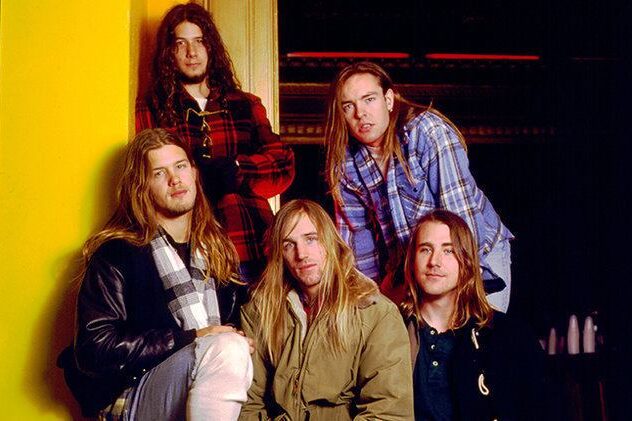
Blind Melon’s debut album arrived in 1992 during a time when alternative rock was dominating music culture. While many bands leaned toward darker sounds, Blind Melon offered something warmer and more relaxed. Their music carried hints of folk and classic rock influences that made it feel refreshing. The song No Rain quickly became the album’s signature track, helped by its memorable video featuring the Bee Girl wandering through the world.
The band continued recording music and building a loyal audience, but tragedy altered their path. In 1995 singer Shannon Hoon died unexpectedly, bringing the group’s early momentum to a halt. Many listeners still associate the band most strongly with that first album and the hopeful tone it carried. When people revisit No Rain today, they often remember the sense of optimism that surrounded the song during the early nineties. The album remains a snapshot of a band that briefly captured a gentle and distinctive sound.
17. Harvey Danger And A Sudden Radio Hit
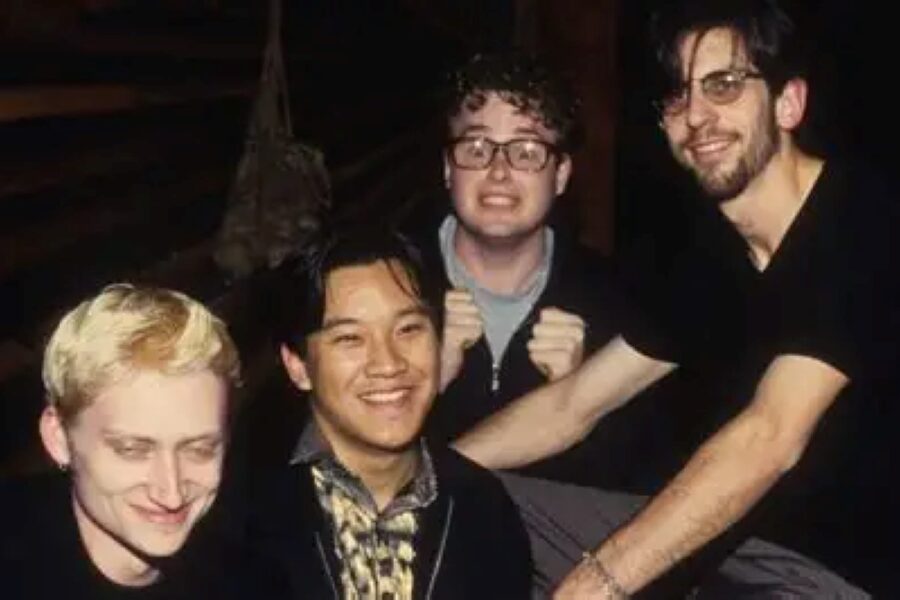
Harvey Danger stepped into the late nineteen nineties alternative rock scene with their debut album Where Have All the Merrymakers Gone. The record included the song Flagpole Sitta, which quickly became one of those tracks people could not avoid hearing. Its sharp lyrics and energetic chorus made it stand out on radio playlists. For a while the band seemed to appear everywhere as the song climbed charts and gained a devoted following.
The group continued creating music and touring after that breakthrough, but the spotlight shifted quickly as new artists emerged. Many casual listeners remembered the band mainly for that one unforgettable track. Over time the album became a nostalgic reminder of the era when alternative rock filled college radio stations and late night music television. Fans who revisit the record often hear more depth in the songwriting than they noticed at first, discovering that the band had more to offer than the hit that introduced them.
18. Semisonic And The Album That Lived Beyond One Closing Song
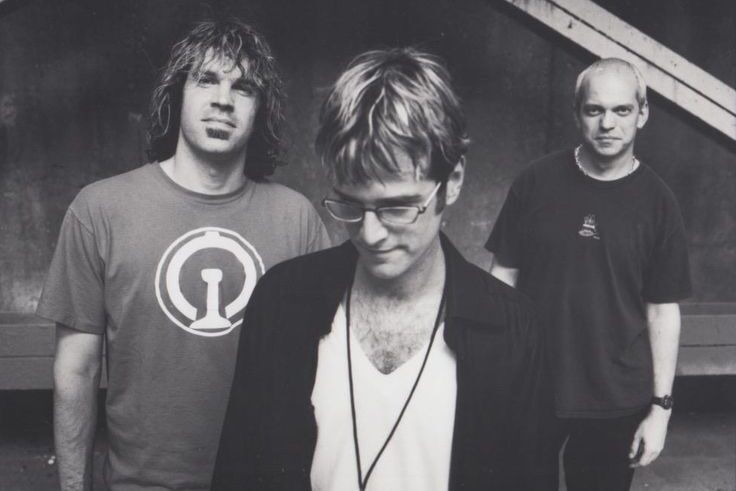
In the late nineteen nineties, Semisonic released their album Feeling Strangely Fine and quietly stepped into the mainstream spotlight. The record carried thoughtful songwriting and warm guitar driven melodies that felt both reflective and hopeful. One song in particular, Closing Time, became impossible to escape. It played on radio stations, in bars, and at the end of countless nights out with friends. The lyrics seemed simple at first, but listeners slowly realized the song carried deeper meaning about change and moving forward. The album itself offered more gentle, well crafted songs that showed the band’s ability to write emotional and relatable music.
Even with that success, the band never fully repeated the cultural moment created by that record. They continued making music and touring, but the spotlight slowly shifted toward newer acts. For many listeners, Feeling Strangely Fine remains the album that defines Semisonic’s place in music history. When Closing Time begins playing today, people often smile and sing along without hesitation. The song still carries the same feeling it did decades ago, reminding listeners of late nights, quiet reflections, and the strange way certain albums stay connected to a particular moment in life.
19. The Connells And The Quiet Global Hit

The Connells had already spent years building their career when something unexpected happened. Their album Ring, released in 1993, included a reflective track titled ’74 ’75. The song carried a gentle melody and lyrics that looked back on youth with quiet nostalgia. At first it did not attract enormous attention, but gradually it began to spread through radio stations and audiences in Europe.
Soon the track became a major hit in several countries, introducing the band to listeners far beyond their original fan base. Even though the group continued making music afterward, they never repeated the same level of international recognition. Still, the album remains a meaningful moment for fans who discovered it during that time. Listening to ’74 ’75 today often brings back memories of long drives, late night radio, and the quiet emotional pull that simple songs can create.
20. Chumbawamba And The Album That Turned A Chorus Into A Global Moment
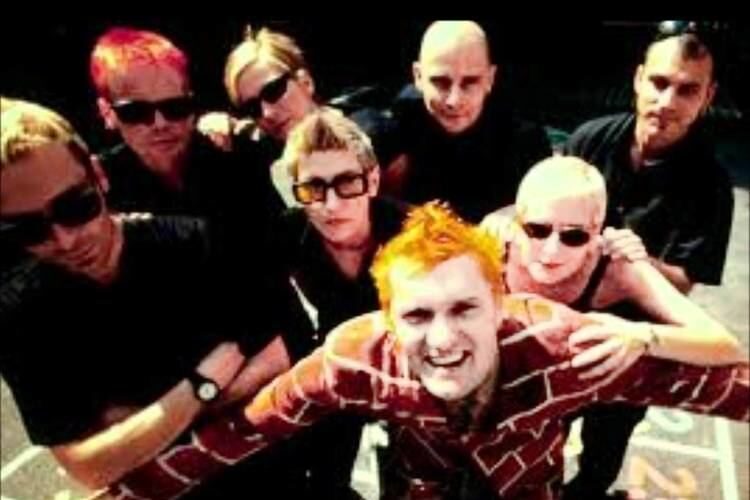
In the late nineteen nineties, a song appeared that seemed to echo from every radio, television, and sports arena at once. Tubthumping by Chumbawamba had a chant that people instantly memorized. I get knocked down, but I get up again became the kind of lyric strangers could shout together in crowded rooms. The song came from the 1997 album Tubthumper, a record that blended pop hooks with the band’s long history of alternative and political music. For many listeners this was their first introduction to the group, and the sudden popularity made it feel like Chumbawamba had arrived as a major new force in mainstream music.
The band continued releasing albums afterward, but none reached the same level of global attention as that breakthrough moment. Chumbawamba had already spent years experimenting with different sounds before Tubthumper, and after the spotlight faded they continued making music on their own terms rather than chasing another hit. For many fans, that album remains the point where everything briefly aligned between underground spirit and mainstream recognition. Tubthumping still appears in stadiums and playlists today, reminding listeners how one energetic record can carry a band’s voice across the world even when the spotlight eventually moves on.


