
1. Pong (1972)
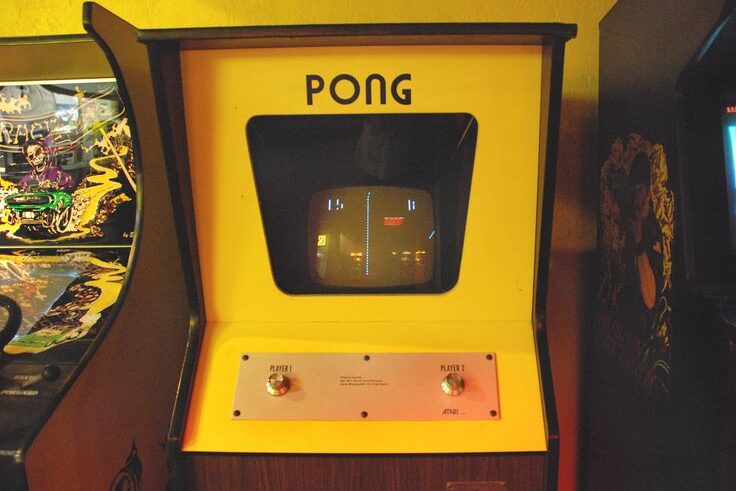
In the late 1970s and 1980s, the arcade wasn’t just a place, it was a ritual. Neon lights, booming sounds, and glowing machines pulled kids in with the promise of instant fun for just 25 cents. Pong was the one that started it all. Two paddles and a square ball created a simple duel that was easy to learn but impossible to put down. Its charm came from its simplicity, pulling in both kids and adults. Winning felt sweet, losing meant another coin. Pong showed that games could hook people with nothing more than movement and reflex. It became the seed that grew into the massive gaming culture that soon exploded across every arcade.
2. Space Invaders (1978)
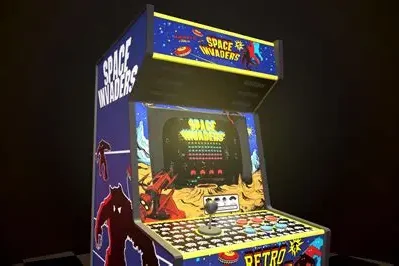
There was something magical about Space Invaders that kept kids glued to the glowing cabinet. The aliens marched down in rows, the steady beat of the soundtrack growing faster with every wave. It was tension in its purest form, a test of nerves as much as reflex. Players fought to protect Earth from pixelated enemies, but the odds always seemed stacked. Every shield would crumble, every mistake ended quickly, yet no one could stop themselves from trying again. The challenge was simple yet impossible to master. Losing only deepened the obsession, and quarters disappeared as fast as the aliens approached, creating one of the first true arcade addictions.
3. Asteroids (1979)
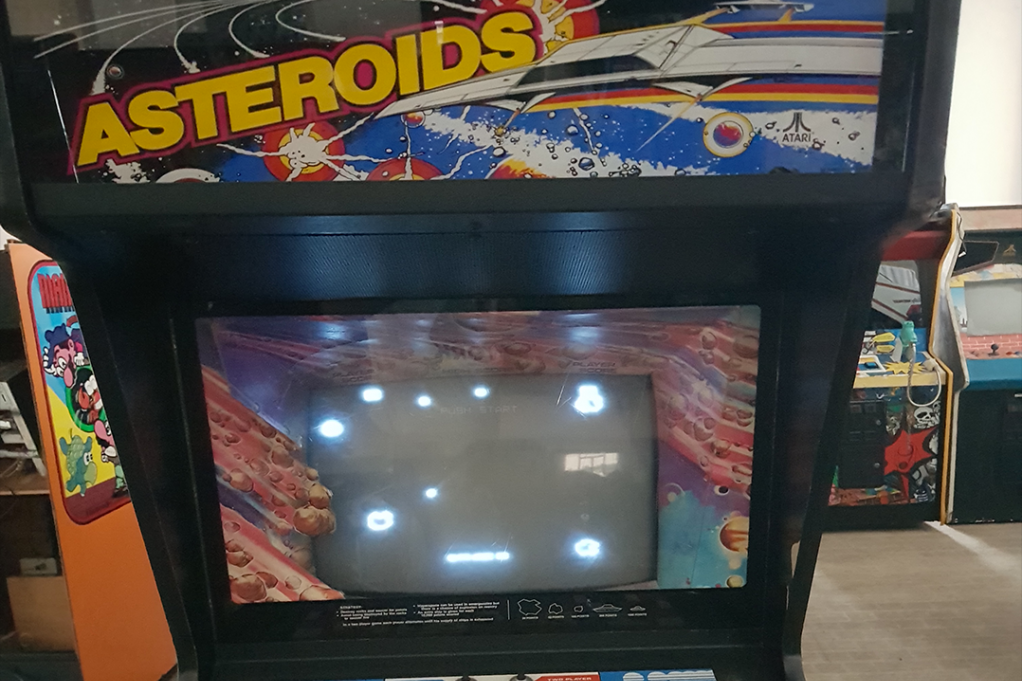
Asteroids felt like a step into the unknown. A lone ship spun through the black void, shooting apart drifting rocks that broke into smaller, deadlier pieces. The physics-based movement made the game feel more advanced, every thrust carrying momentum that could easily spiral out of control. Players loved the challenge, the way each asteroid explosion turned into a bigger problem. The glowing vector graphics gave the screen a hypnotic pull, especially in a dark arcade buzzing with sound. Just when you thought you were safe, a UFO might appear to ruin it all. Survival was always temporary, but the excitement of lasting longer made it easy to feed another quarter in.
4. Galaxian (1979)
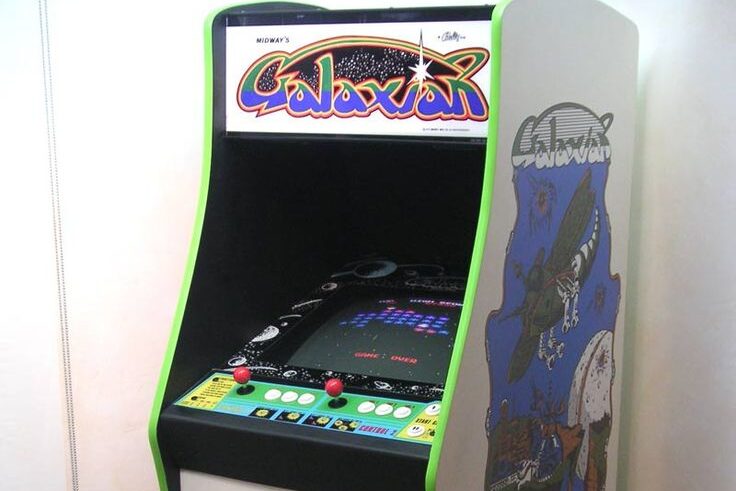
Galaxian lit up arcades with more color and chaos. Unlike the steady march of Space Invaders, these enemies swooped and dove in vibrant patterns that demanded quicker reflexes. The energy was different here, louder and more exciting, like stepping into a carnival of light and sound. Kids gathered around to watch as formations broke apart, each alien darting unpredictably. The game was faster, flashier, and more challenging than what came before. Losing came quickly, but it never felt cheap, it felt like the game daring you to sharpen your skills. Galaxian quickly became a quarter-hungry favorite, proving that arcade shooters could evolve in speed and style.
5. Pac-Man (1980)
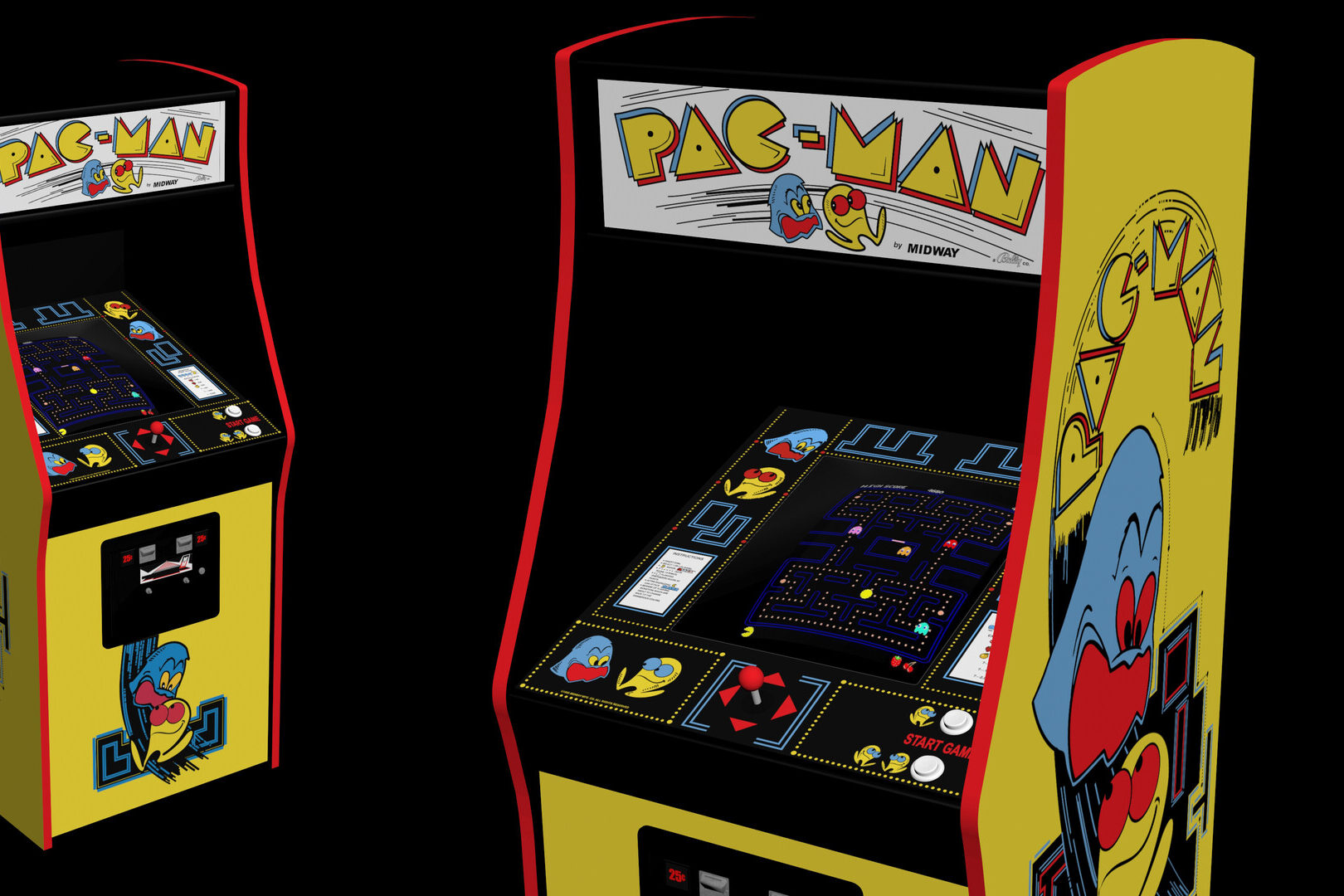
Pac-Man was more than a game, it was a phenomenon. The yellow circle with a mouth turned into a worldwide icon, gobbling pellets and dodging colorful ghosts in mazes that seemed endless. Its simple rules hid endless strategy, as players learned patterns, tricks, and the thrill of eating power pellets to flip the chase. The cheerful sounds and bright visuals made it stand out instantly in a noisy arcade. More than just play, Pac-Man became part of pop culture, inspiring songs, cartoons, and toys. Everyone wanted to beat the ghosts, but few could keep them away for long, which meant another coin dropped and another round played.
6. Ms. Pac-Man (1981)
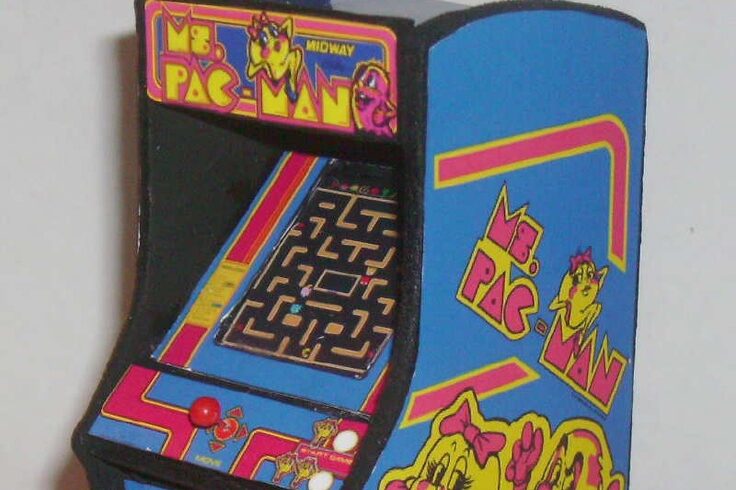
Ms. Pac-Man didn’t just add a bow, she added personality and better gameplay. With new maze designs, smarter ghost movement, and extra challenge, she felt fresh and exciting. Many fans quickly decided she was the superior version, one that demanded sharper focus and rewarded quick thinking. Her presence in arcades showed how a sequel could truly improve on a classic. For many players, beating Ms. Pac-Man became an obsession, as the pace was faster and the danger constant. Her charm reached beyond kids to adults too, who loved the quirky style. Each game was short, but the thrill made it hard not to drop in another coin to try again.
7. Donkey Kong (1981)
Donkey Kong brought more than barrels and ladders, it brought story. For the first time, players were given a hero, Jumpman, and a villain, the mighty gorilla. The goal was simple, rescue the girl, but the challenge was stacked high with obstacles rolling down toward you. Every climb felt like progress, every dodge like triumph. Players grew attached to the characters, making each game more than a score chase, it became a quest. With each quarter spent, kids came back for another attempt to reach the top. Donkey Kong launched characters who would define gaming forever, but it also taught persistence inside the arcade.
8. Frogger (1981)
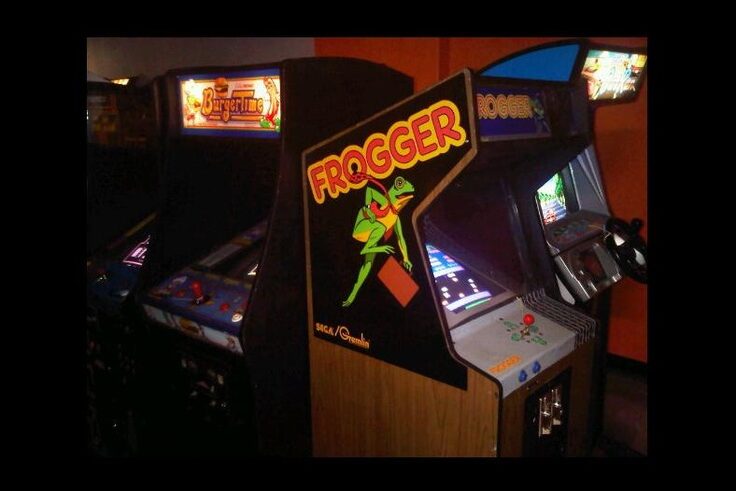
Frogger turned the ordinary into a frantic adventure. A small frog had one job, cross a busy road and a river without getting squashed or drowned. The mix of humor and tension made it instantly appealing. Every car missed by a fraction of a second felt like a victory, every failed hop brought laughter. Kids loved how easy it was to understand, but beating it was another story. The combination of patience and quick thinking made it a quarter-eater of the highest order. Frogger showed that even the simplest ideas could shine, and it stood out in every arcade for its charm and chaos.
9. Centipede (1981)
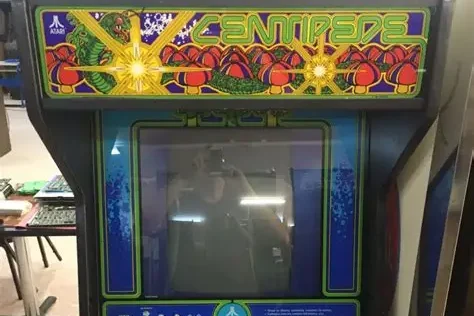
Centipede gave players a trackball and a colorful storm of bugs to blast. The bright screen filled with mushrooms and swarming creatures made for a frantic experience that stood apart from other shooters. The smooth motion of the trackball gave it a unique feel, one that demanded precision and speed all at once. The game was tough but oddly cheerful, with its mix of cartoonish design and relentless pressure. Players of all ages gathered around, and it became especially popular among kids and women. Losing was inevitable, but the thrill of firing away at a rushing centipede made feeding in quarters feel worth it.
10. Qbert (1982)
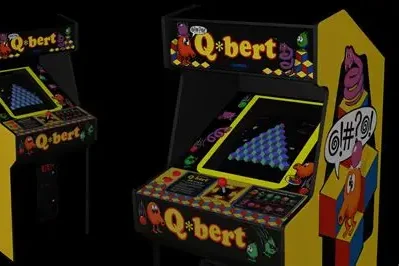
Qbert was weird, and that was the fun. A little orange creature with a long nose bounced across a pyramid of cubes, changing colors while avoiding snakes and bouncing balls. His odd noises and gibberish speech gave him character, and players loved his quirky design. The isometric viewpoint felt fresh, pulling kids into a new way of thinking about space and movement. Success required planning, timing, and quick reflexes, but failure often came suddenly. Despite its oddness, Qbert became a star of the arcade. Friends laughed, kids lined up, and quarters vanished as players tried just one more time to master his strange little world.
11. Dig Dug (1982)
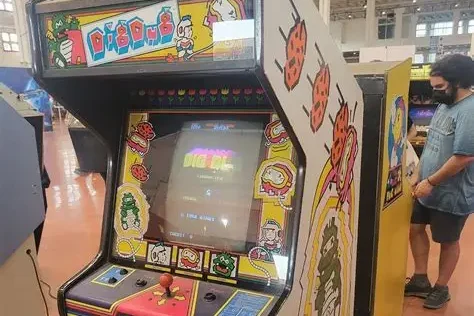
Dig Dug turned the underground into a playground of chaos. Players tunneled through dirt, chasing enemies while avoiding being cornered. The air pump weapon gave it a mix of strategy and slapstick, as enemies puffed up like balloons before bursting. The silly yet satisfying mechanic made it impossible not to grin while playing. Timing mattered as much as bravery, and mistakes quickly cost lives. Its combination of humor and challenge made it one of the most beloved games in arcades. Kids dropped coin after coin, eager to dig deeper, avoid collapse, and watch enemies explode in a mix of comedy and victory.
12. Joust (1982)
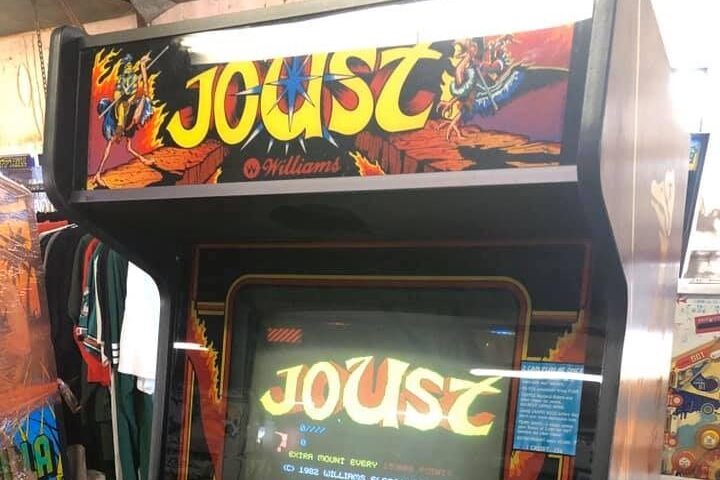
Joust sounded ridiculous at first, knights riding ostriches into battle, but once you played it, the fun was clear. The mechanics of flapping wings and bouncing on enemies turned into a game that felt unlike any other. It was chaotic and demanding, especially with the shifting platforms and lava below. What made it shine was the cooperative play, where two friends could team up to take on waves together. The shared laughter, the frantic movements, and the constant danger made it a must-play. Few games could mix absurd ideas with addictive fun as well as Joust, making every quarter spent worth it.
13. Pole Position (1982)
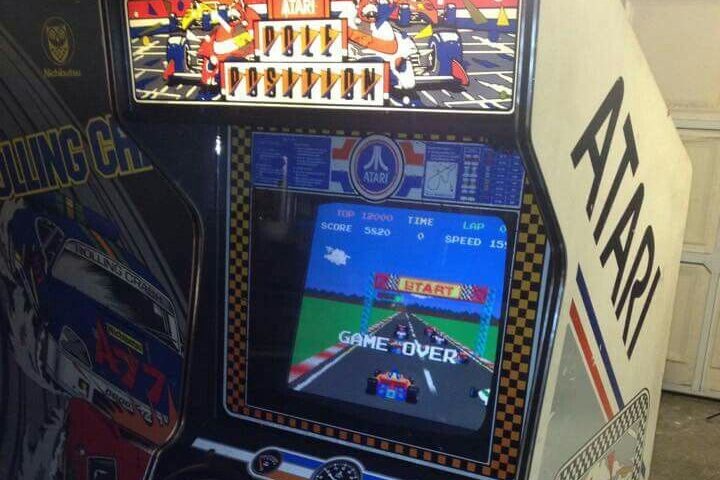
Pole Position took racing into the future. With its sit-down cabinet, steering wheel, and gas pedal, it gave kids the feeling of actually driving. The graphics were crisp for the time, showing a real racetrack with speed and turns that demanded skill. Players who loved cars flocked to it, eager to test themselves. The game rewarded practice but punished mistakes brutally, so races often ended quickly. Each crash meant another chance to improve, another coin slipped in to go again. For many, Pole Position was their first real taste of what video games could do when immersion was part of the experience.
14. Track & Field (1983)
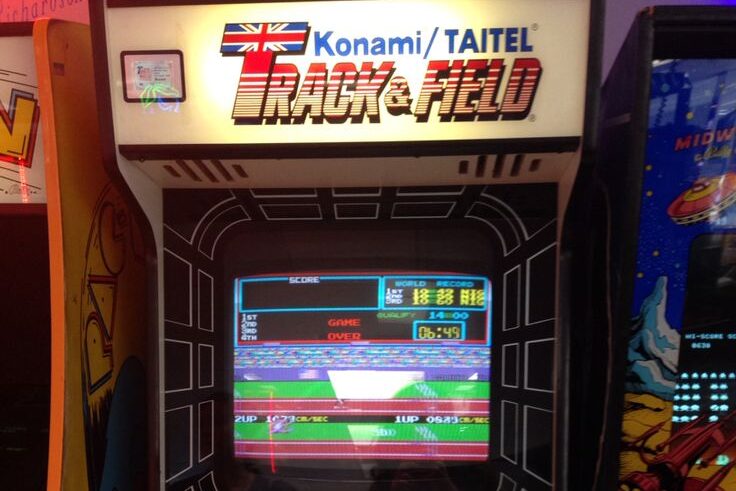
Track & Field was a workout disguised as a game. With Olympic events like sprints, long jump, and javelin, the fun came from smashing the buttons as fast as humanly possible. Kids used everything from spoons to pencils to gain an edge, hammering the controls until their fingers ached. The sound of pounding buttons filled arcades, drawing crowds around the machines. Competing with friends made it even more addictive, as players shouted encouragement or taunts. Winning felt amazing, but losing just meant you had to try again. Track & Field turned simple reflexes into exhausting competitions, and kids spent quarters proving their speed.
15. Dragon’s Lair (1983)
Dragon’s Lair looked like nothing else at the time. Instead of simple graphics, it played like a cartoon, animated by Don Bluth with incredible detail. Players controlled Dirk the Daring, guiding him through dangerous traps with quick reflex decisions. The gameplay was tricky, often punishing mistakes instantly, but the beauty of the animation kept people glued. Kids lined up just to see what the game would show next. It cost more to play, but that didn’t matter when the cabinet promised a movie-like adventure. Each quarter was a ticket to another scene, and the thrill of surviving a moment longer felt priceless.
16. Star Wars (1983)
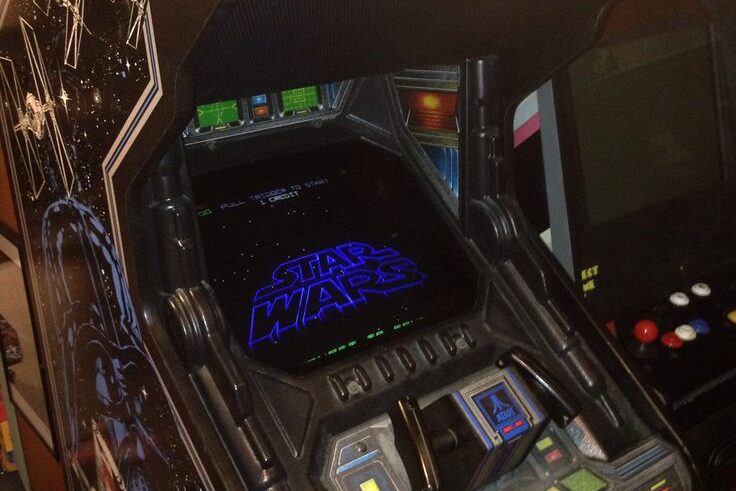
The Star Wars arcade game gave kids the chance to fly an X-wing. Sitting at the controls, players took on the Death Star trench run with glowing vector graphics and booming sound effects. It was more than just a game, it was an experience that made fans feel like they were part of the movie. The joystick controls gave an extra rush, pulling you into the cockpit in ways other games could not. The battles were intense, and survival never lasted long, but that only fueled the excitement. The Force was strong in every round, even if your quarters weren’t.
17. Teenage Mutant Ninja Turtles (1989)
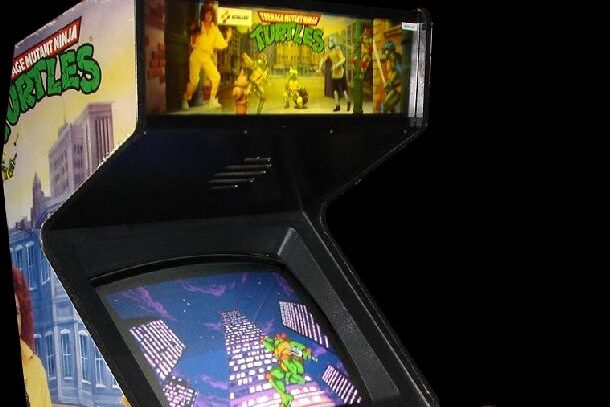
By the late 80s, the Ninja Turtles were everywhere, and the arcade game brought their world to life in a way kids adored. Four players could join together as Leonardo, Donatello, Raphael, or Michelangelo, battling through swarms of Foot Clan ninjas. The chaotic beat-em-up action filled the screen with movement, and the teamwork made it unforgettable. Friends crowded around the cabinet, shouting strategies, cheering victories, and laughing at defeats. The energy of the game was unmatched, and the group play meant quarters disappeared quickly. For many, this game was the perfect mix of pop culture and arcade fun that defined the decade.
18. Mortal Kombat (1992)
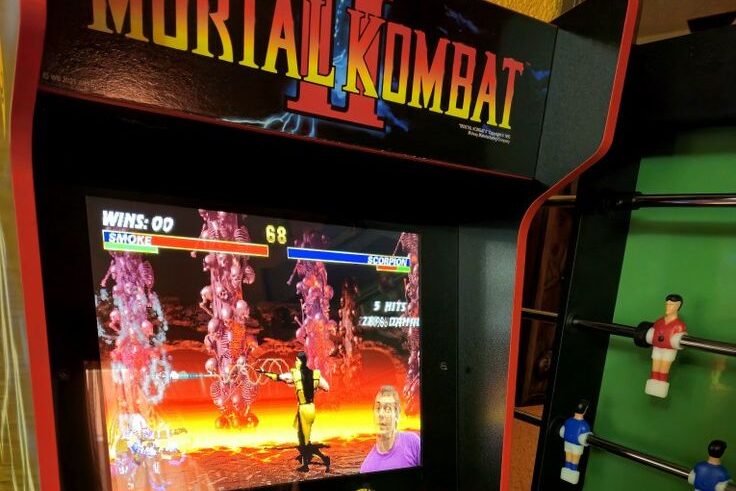
Mortal Kombat was unlike anything that came before it. With digitized fighters, martial arts duels, and brutal finishing moves, it shocked parents and thrilled kids. The fights were fast, the special moves felt powerful, and the violent edge made it irresistible. Friends gathered around to watch each match, the excitement building whenever a Fatality was pulled off. Arguments about characters, combos, and favorite fighters spread across schools. Each match ended too quickly, but that only meant more coins poured in. Mortal Kombat became more than a game, it was a cultural flashpoint that turned every arcade into a stage for competition.
19. Street Fighter II (1991)
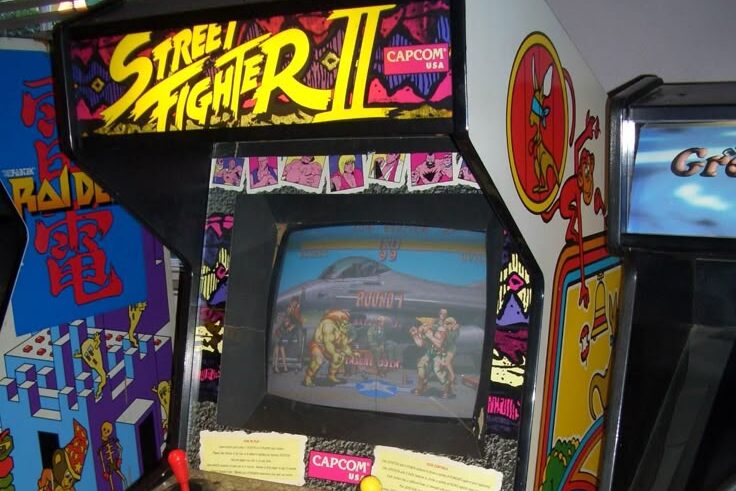
Street Fighter II turned arcades into arenas of competition. With its colorful cast of fighters and varied move sets, it was the perfect mix of skill and style. Kids lined up their quarters on the machine, waiting for their chance to take on the current champion. Rivalries were born, friendships tested, and victories celebrated with cheers. The thrill of landing a combo or pulling off a special move made it endlessly fun. Each match carried weight, and losing only drove players to practice harder. Street Fighter II wasn’t just a game, it was a community builder that kept quarters flowing nonstop.
20. NBA Jam (1993)
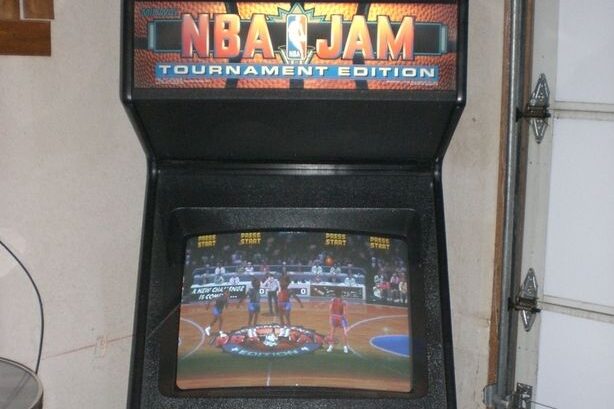
NBA Jam was basketball turned into a spectacle. Instead of realism, it embraced wild fun with flaming slam dunks, soaring leaps, and a commentator whose catchphrases became legendary. The two-on-two gameplay made it perfect for friends, creating matches full of laughter, taunts, and surprises. The pace was fast, the moves exaggerated, and the excitement contagious. Winning felt great, but half the fun came from the ridiculous moments that left players shouting in joy. Every game demanded another, and quarters slipped away faster than the ball bounced. NBA Jam showed that arcades could make sports larger than life, unforgettable, and endlessly fun.
These games weren’t just entertainment, they were culture. They taught us reflexes, competition, and the joy of victory for just a quarter. They also showed us how far kids would go to beg, borrow, or save coins for “just one more play.
This story 20 Arcade Games That Ate All Our Quarters was first published on Daily FETCH


