
1. Listening to the Frogs
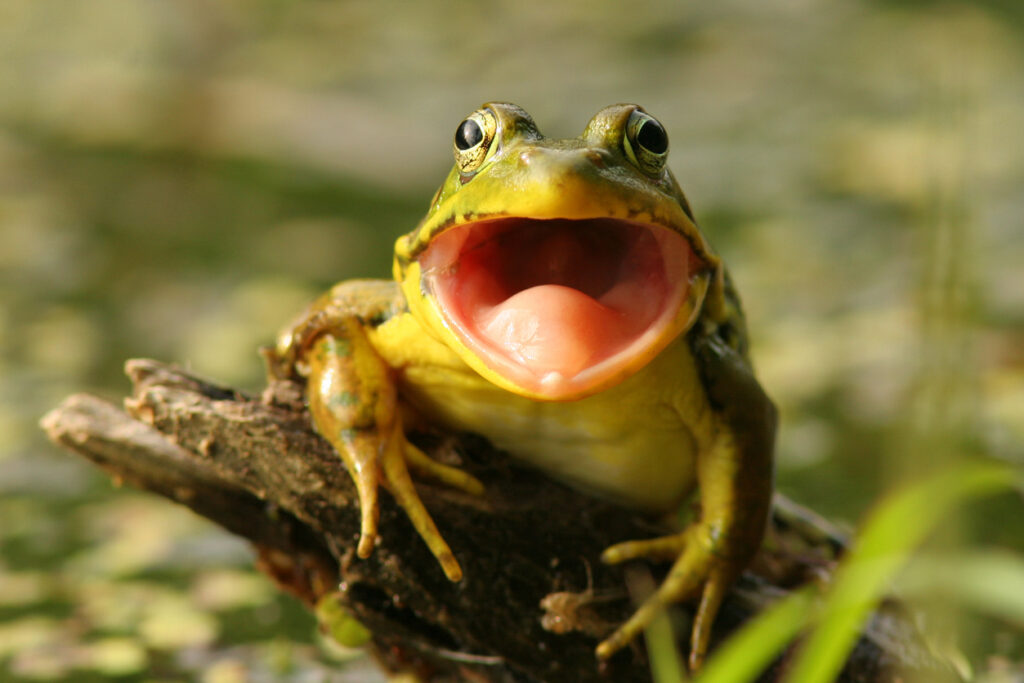
People used to lean gently into the sounds of nature for clues, letting simple moments guide their days, and frogs were often the first voices they trusted. When frogs gathered near water and croaked loudly, communities believed rain was close. Their rising chorus felt like a natural reminder to wrap up work or hurry indoors. Parents watched for them after long dry spells because their calls carried a sense of hope. Many felt frogs understood the sky better than anyone. Even now, hearing them sing before rainfall feels like a familiar whisper from an older world.
2. Watching the Ant Trails
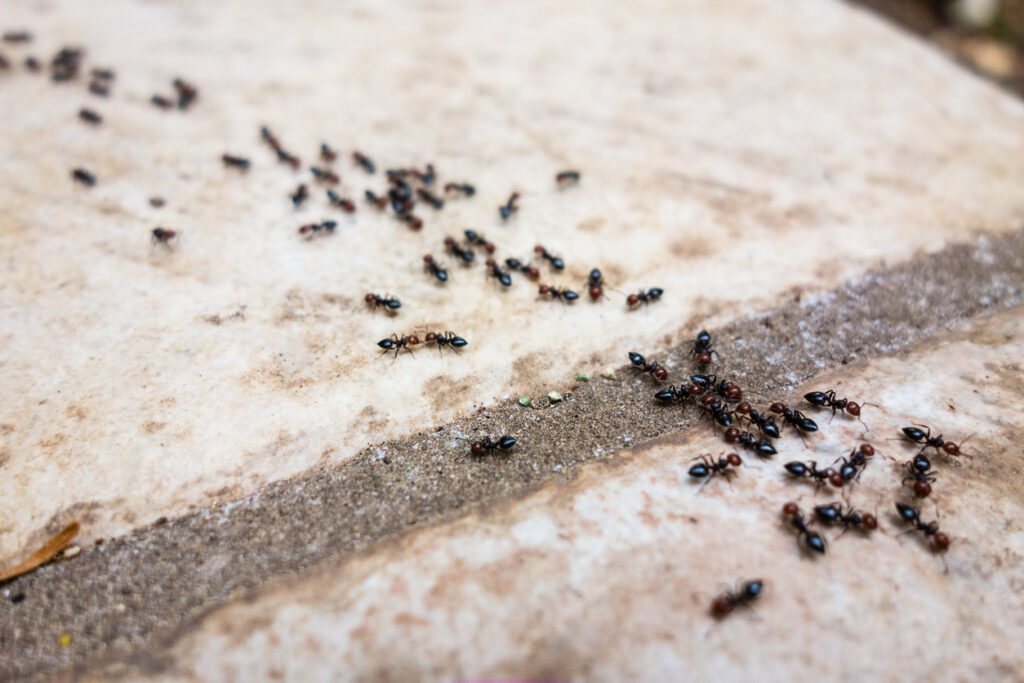
Ants have always moved with a purpose people admire, and many believed their sudden urgency signaled changes in the air. When ants marched in long determined lines or carried food faster than usual, families thought rain was approaching. Their movement felt like a quiet message encouraging people to prepare laundry, gather tools, or bring items under shelter. Observing them became part of daily life in gardens and farms. Their organization made people trust their instincts without question. Even today, watching ants hurry along a path still brings back that old feeling that weather is shifting softly.
3. Reading the Butterflies
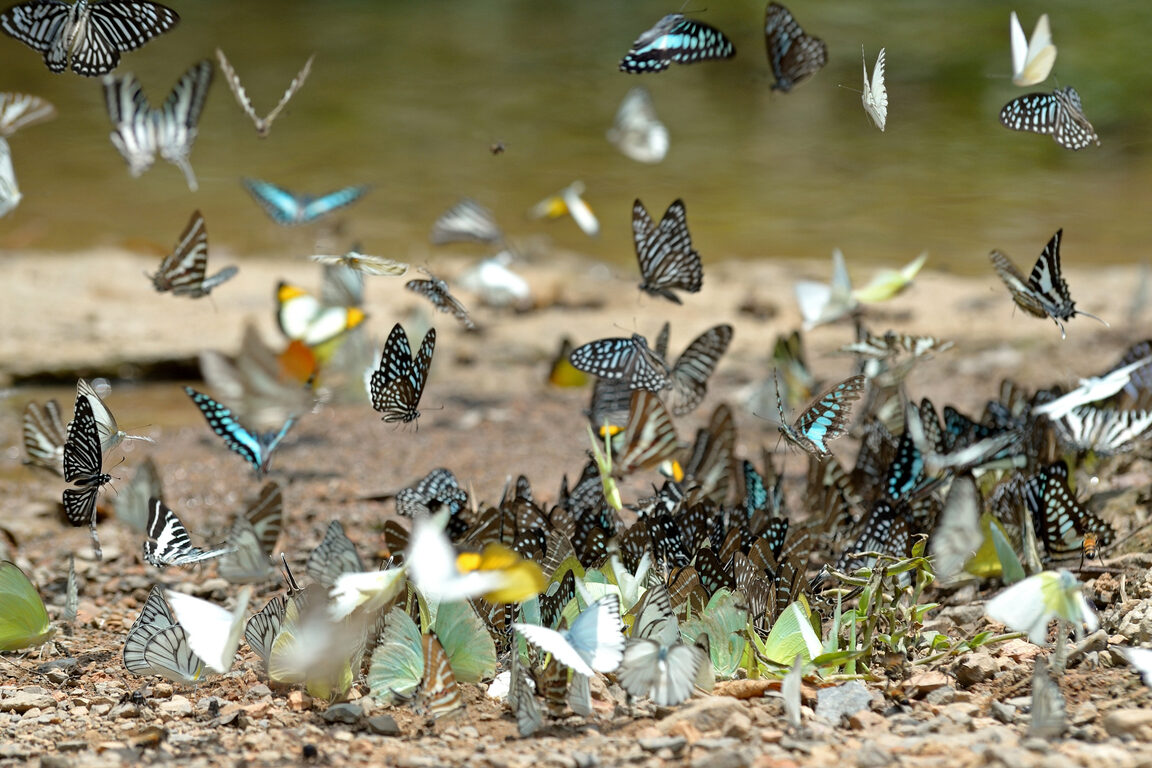
Butterflies drifting close to the ground gave people gentle hints about changing weather, especially in times when nature served as the only forecast. When butterflies flew low and moved more slowly, communities believed the air was growing heavy with approaching rain. Their delicate patterns became simple reminders that the day might end differently than expected. Children often paused to watch them, learning from adults who read meaning in their movements. The soft glide of their wings felt like nature offering quiet reassurance. Even now, a low flutter across a field can make someone look toward the sky.
4. Noticing the Nervous Dogs

Dogs have long been trusted companions, and their sensitivity often made people pause when the weather felt uncertain. When dogs paced rooms, hid under tables, or barked without clear cause, families believed storms were coming. Their restlessness led people to close windows or settle children indoors. Communities relied on their instincts because dogs responded to sounds and shifts people could not sense. These small behaviors made families feel prepared. Even now, when a dog grows uneasy before rainfall, it still feels like a natural reminder that change is approaching and the sky may soon open.
5. Following the Calling Crows
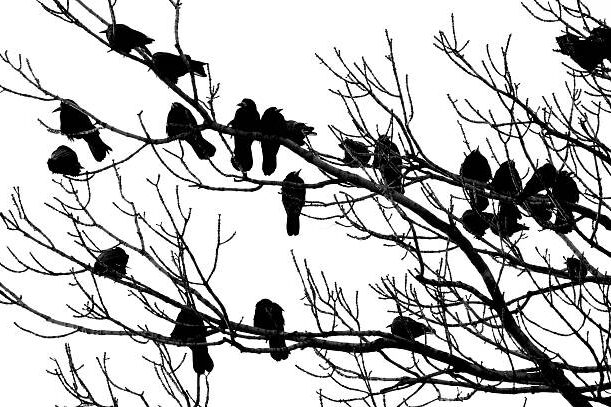
Crows gathering in large groups were once seen as lively messengers, especially when their calls filled the evening sky. People noticed that when crows circled fields or rooftops in unusual numbers, weather shifts were likely ahead. Their chatter carried a sense of urgency that made families adjust their plans or store tools early. Their intelligence added meaning to their movements, encouraging people to pay attention. Watching their black shapes rise together became a small ritual during certain seasons. Even now, seeing a flock gather suddenly can stir the same gentle suspicion that something is quietly changing.
6. Tracking the Low-Flying Swallows
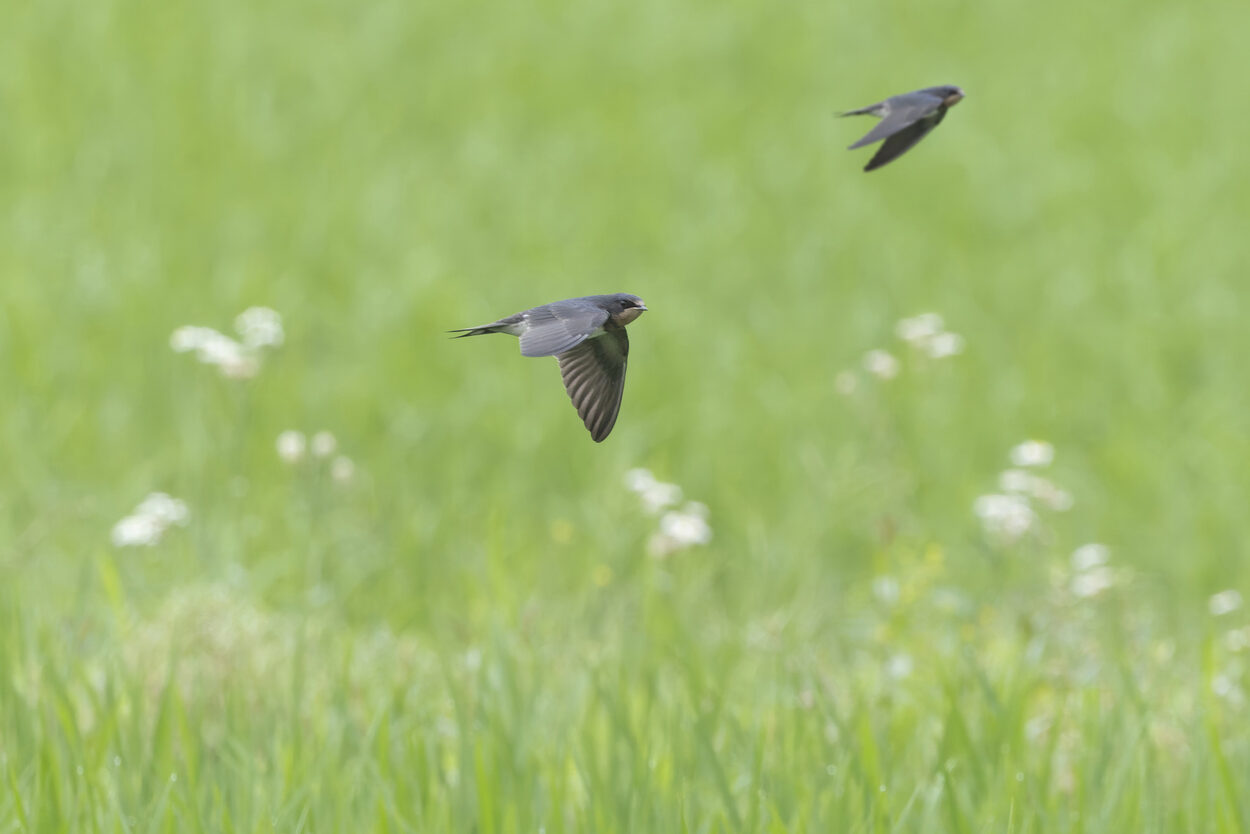
Swallows have always been graceful guides in open skies, and communities often relied on their flight patterns long before scientific forecasts existed. When swallows swooped close to the ground, families believed rain would follow because insects stayed lower during humid weather. Their movements helped farmers decide whether to finish outdoor chores or bring animals inside. People trusted these quick birds because they rarely flew without purpose. Each low dip felt like a meaningful clue in the rhythm of daily life. Even now, watching swallows skim fields brings back that quiet knowing that the air is preparing for rain.
7. Watching the Coop for Clues
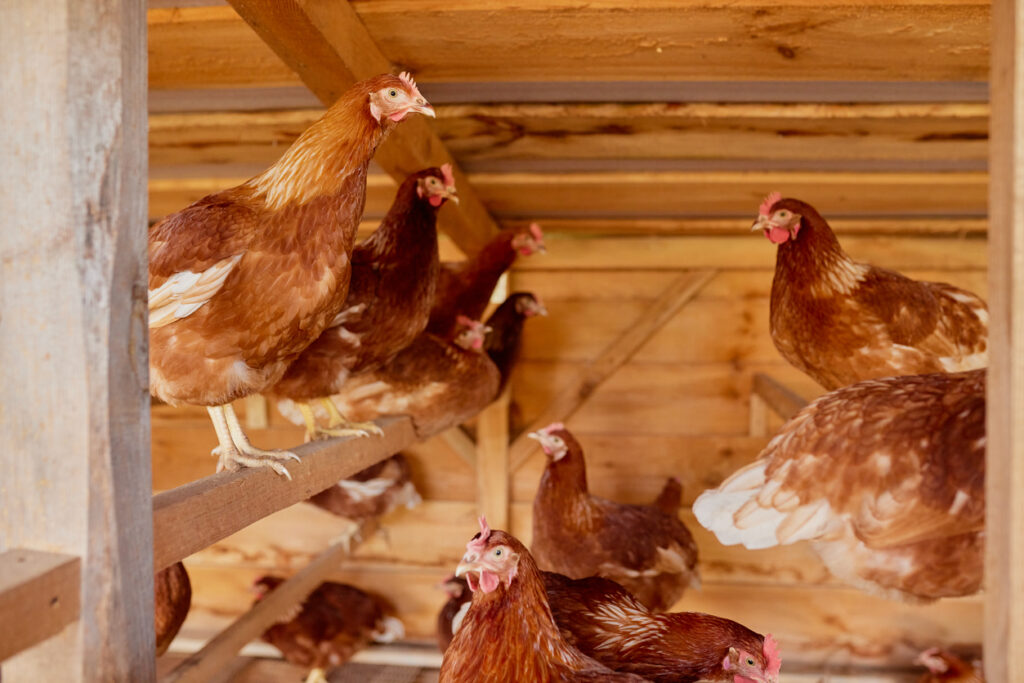
Farmers learned early to trust their chickens because their behavior often shifted before the weather did. When hens refused to leave the coop or scratched nervously in tight circles, families believed rain or colder air was near. These small changes shaped chores, feeding routines, and planting decisions. Parents passed the knowledge to children as part of life outdoors. Chickens also grew unusually quiet before storms, giving families another subtle hint. Their instincts became a simple and familiar guide. Even today, a restless flock can make someone step outside and glance toward the horizon with expectation.
8. Reading the Worms After Dawn
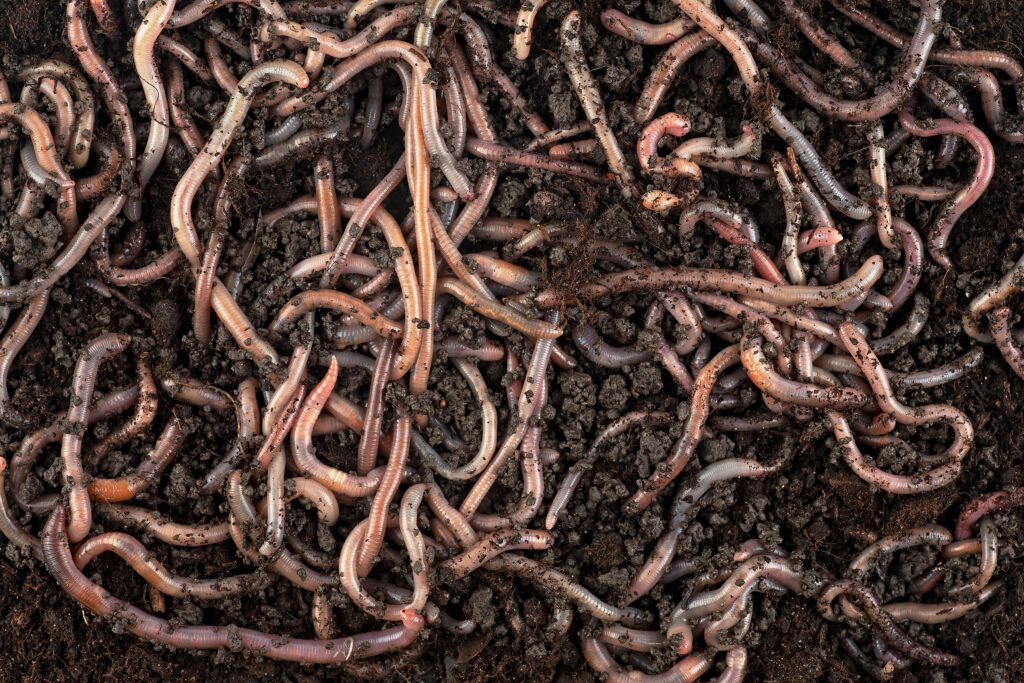
People often looked to the ground for warnings, especially when earthworms surfaced in unusual numbers. When worms covered paths or appeared early in the morning, communities believed rain was close because rising moisture encouraged them upward. Their appearance helped families decide whether to protect stored items or finish fieldwork quickly. Fishermen also paid attention, gathering fresh bait before storms arrived. Watching worms became a small yet dependable routine that shaped decisions for the day. Even now, seeing them scattered after sunrise still feels like nature quietly announcing that the soil is shifting and rain may soon follow.
9. Hearing the Sudden Silence
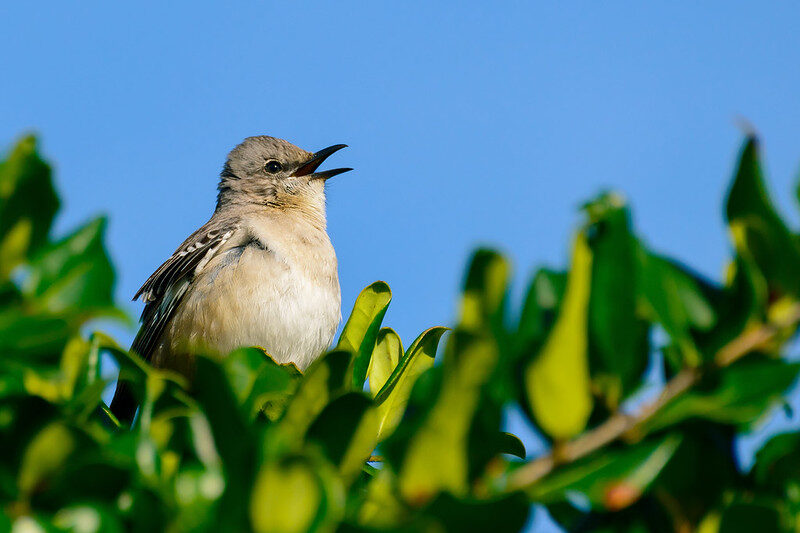
Birdsong was a natural comfort to many communities, so when it stopped all at once, people sensed something was wrong. A sudden quiet in the trees signaled storms, predators, or unsettling changes. Families paused their work and listened closely because silence carried as much meaning as sound. The shift felt heavy, as if the world held its breath. People trusted the birds to warn them, especially during seasons when storms came fast. That collective hush became a universal sign to stay alert. Even now, when birds fall silent unexpectedly, it still creates a small but memorable pause.
10. Watching the Cattle Move
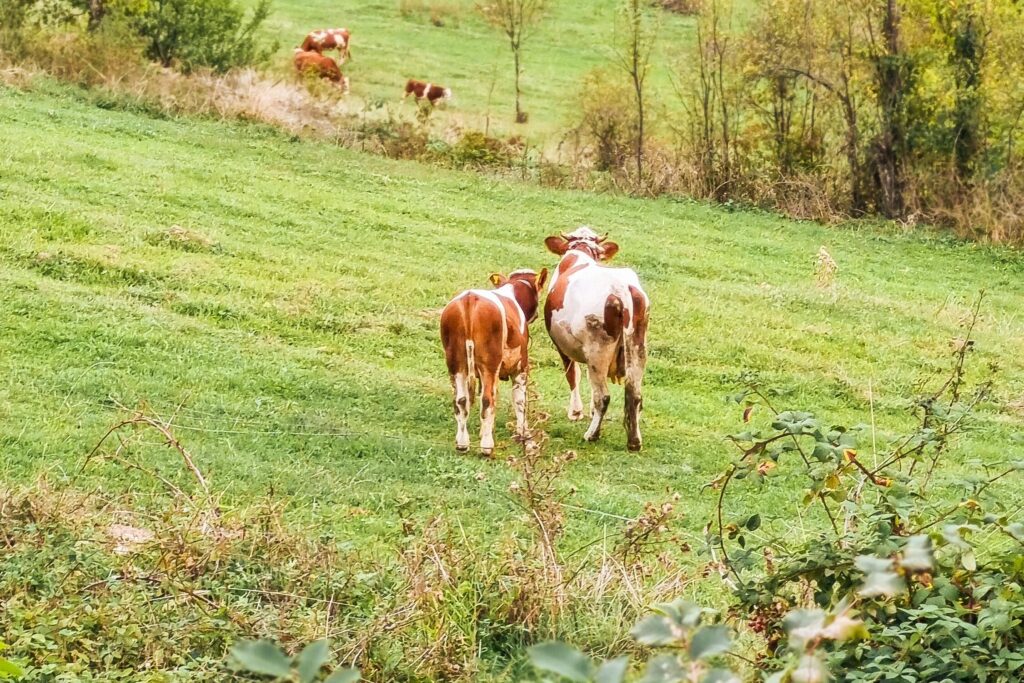
Cows wandering uphill or gathering together gave families early warnings about stormy weather. Their slow but purposeful movements suggested the air was changing. Farmers believed cattle sensed pressure shifts long before clouds formed. When a whole herd turned restless or sought higher ground, people prepared their barns and animals. Children learned to read these signs while helping with chores. The behavior became part of a shared understanding between humans and livestock. Even today, seeing cattle cluster in open fields can make someone wonder if rain is approaching and whether the sky is preparing to shift moods.
11. Following the Busy Squirrels
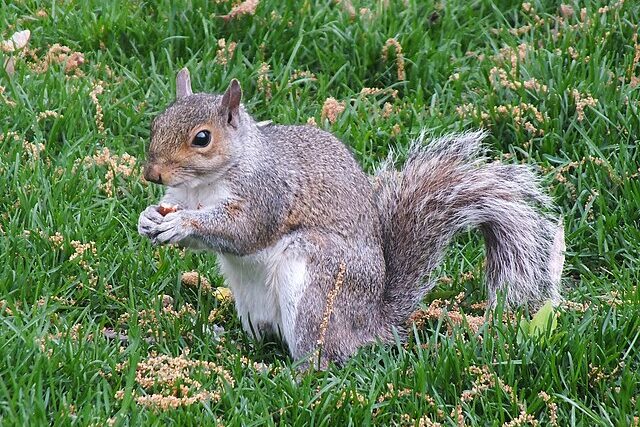
Squirrels collecting food with unusual urgency often encouraged people to brace for colder seasons. When squirrels darted quickly between trees or stuffed their nests earlier than expected, communities believed winter would be harsh. Their fast movements gave families gentle reminders to gather firewood or store more food. Observing squirrels became a playful tradition for children who enjoyed guessing how winter might unfold. Adults treated it as meaningful guidance passed down through generations. The small animals seemed to understand the forest better than anyone. Even now, watching squirrels rush about can make winter feel just a little closer.
12. Checking the Spider Webs
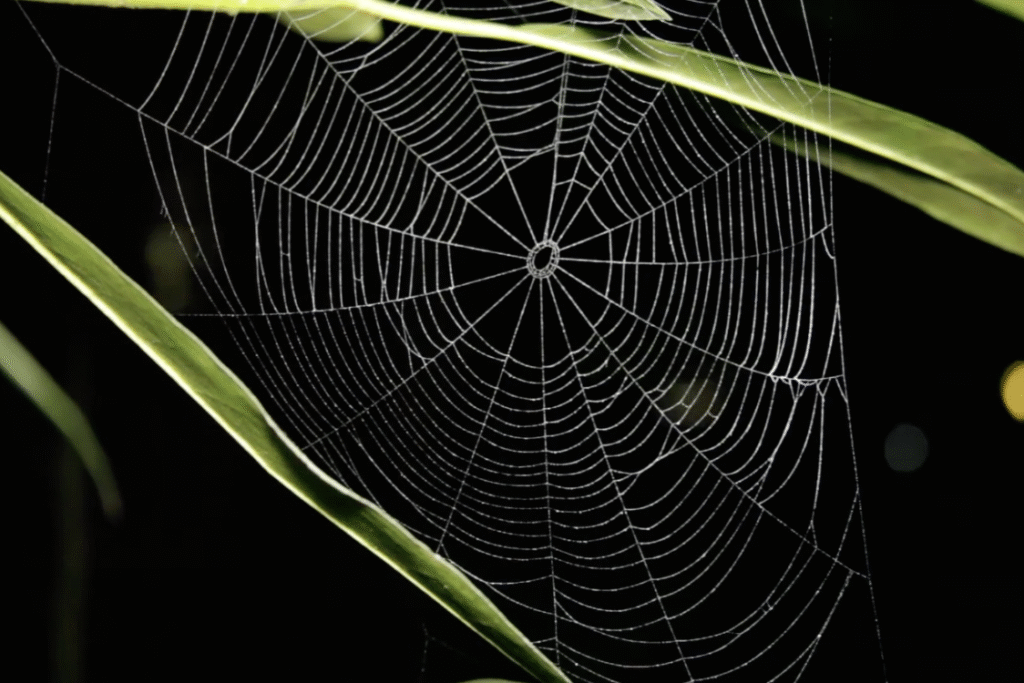
Spiders offered quiet clues about the weather through the placement of their webs. When webs hung low to the ground or appeared thicker than usual, people believed rain was near. Higher webs suggested longer stretches of dry weather. Families looked at webs near porches and barns to decide whether to finish outdoor tasks or prepare for changing conditions. The delicate patterns became small outdoor calendars woven by nature. Children often learned these signs while exploring corners of old houses. Even now, encountering a low hung web on a humid morning can feel like a subtle hint of coming rain.
13. Watching the Fish Near Shore
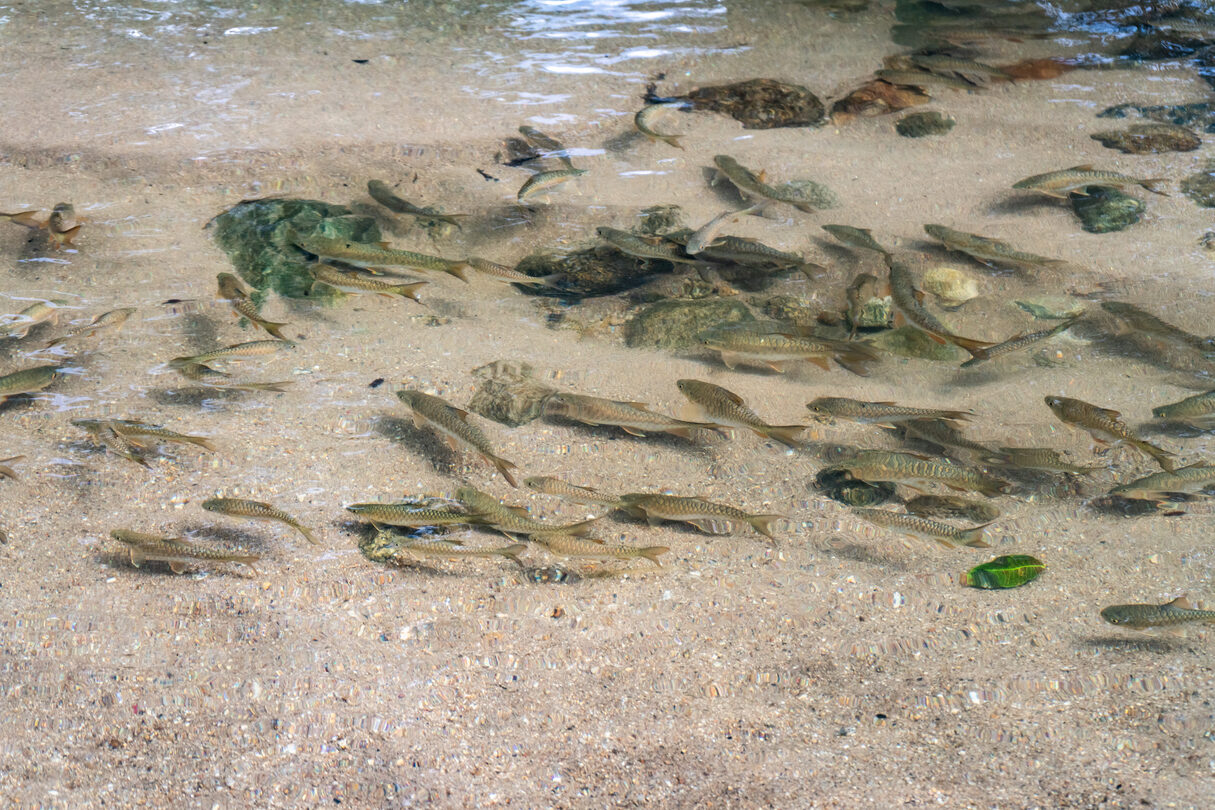
For coastal communities, fish moving closer to shore signaled trouble at sea. Fishermen believed that when deep waters churned, fish sought calmer shallows. Their sudden presence near the coastline encouraged people to delay trips or secure their nets. Families living near the water learned to read these patterns as early warnings before storms. The movement of fish shaped when boats launched and when they stayed anchored. Observing them became a normal part of life by the ocean. Even today, when fish gather unusually close to the shore, it stirs the same quiet caution among those who notice.
14. Listening to the Crickets
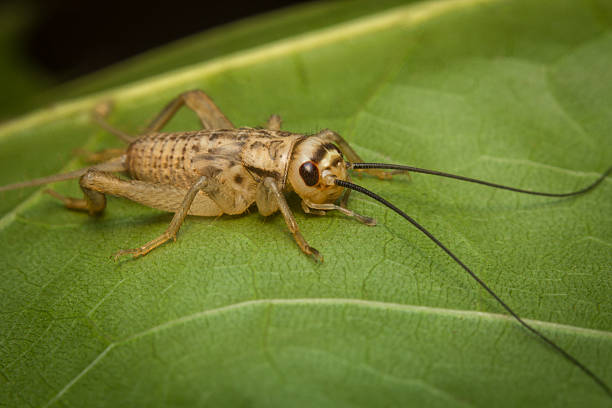
Crickets filled warm nights with steady rhythms, so their behavior often guided families through seasonal changes. Loud chirping suggested warmth and calm weather, while sudden silence made people suspect shifts in the air. The temperature influenced their sound, and people used the rhythm to guess whether the night would stay warm or turn cooler. Families closed windows or added blankets based on the tone and pace of crickets. Their tiny voices carried meaning in quiet places. Even today, when the chirping fades unexpectedly, it still feels like the night gently suggesting that the air is changing.
15. Spotting the Climbing Snails
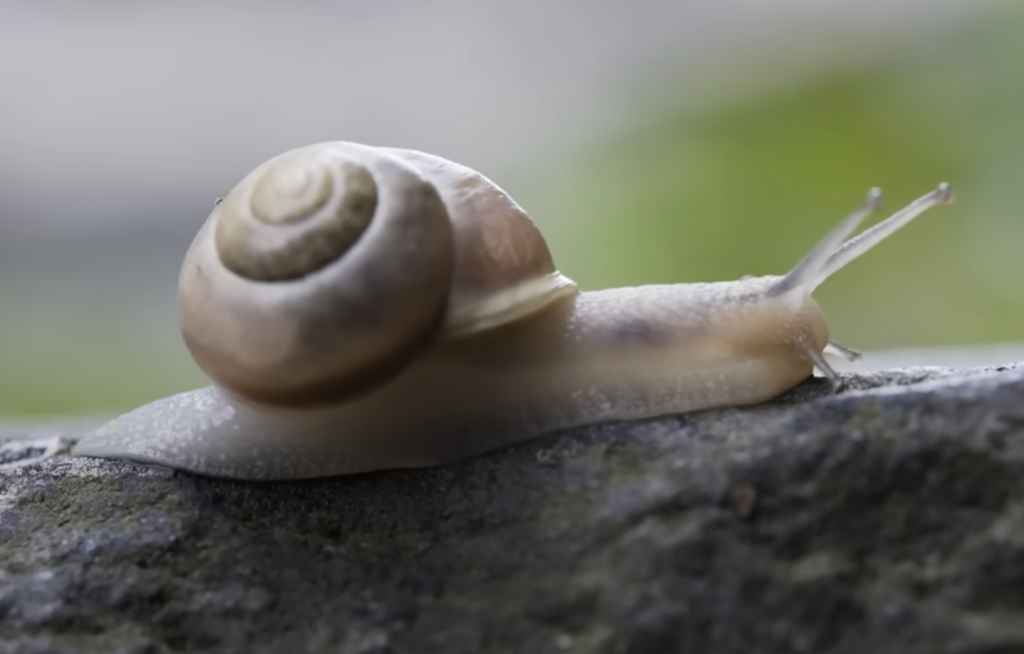
Snails climbing walls or gathering along plants often encouraged people to prepare for rain. Their movements followed rising humidity, and families used their behavior as a simple signal before storms. Seeing snails appear in larger numbers made people bring laundry inside or finish outdoor tasks quickly. Children often collected them without realizing they were part of an old weather-reading tradition. Snails moved slowly, yet their presence spoke clearly to those who paid attention. Even now, finding several snails after a dry stretch still feels like a small reminder that the air is dampening and rain may come soon.
16. Reading the Restless Horses
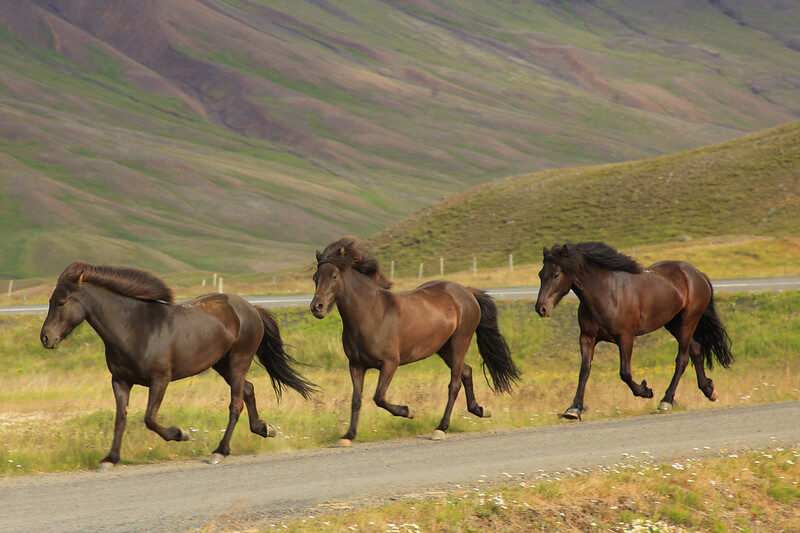
Horses reacted strongly to shifts in the environment, making their behavior important to families who lived or traveled with them. When horses pawed at the ground, tossed their heads, or paced anxiously, people believed storms were coming. Their restlessness encouraged riders to delay journeys or secure barns before heavy weather arrived. Communities trusted horses because they often sensed changes before clouds formed. These moments created a bond built on observation and care. Even now, watching a horse grow uneasy before rainfall still carries that familiar sense that nature is whispering through the animals we depend on.
17. Hearing the Changing Whales
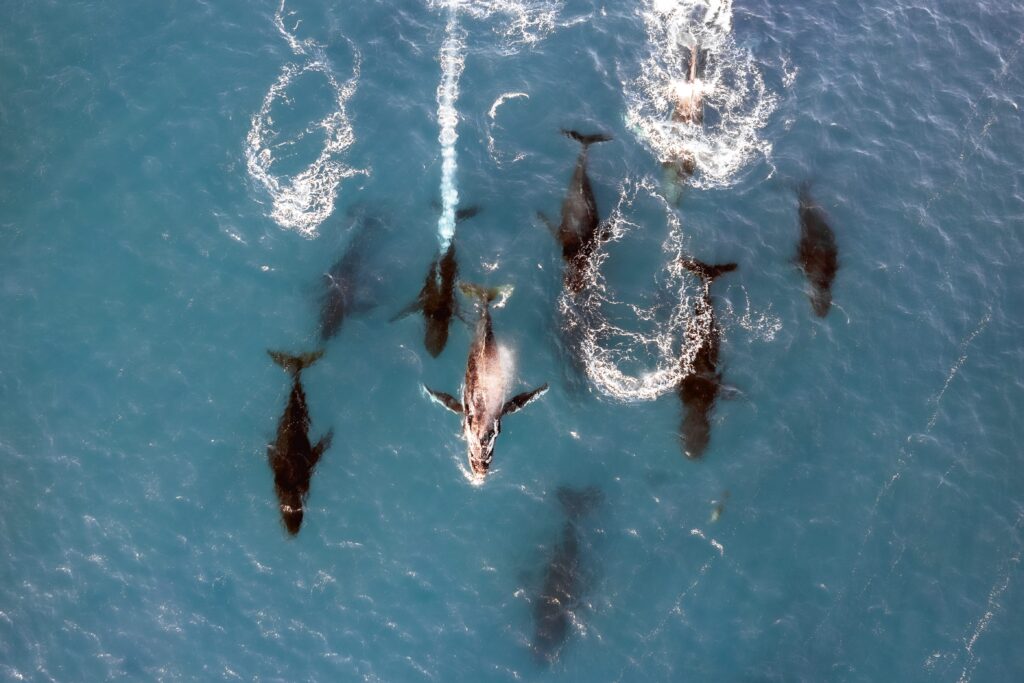
Whale activity signaled more than beauty to coastal communities. When whales vocalized more intensely or surfaced in unusual patterns, people believed the ocean was shifting. Their deep underwater sounds carried meaning for those who spent their lives at sea. Fishermen used these cues to judge whether storms were forming or if the water was becoming unsafe. Families learned to respect the ocean by listening to its largest creatures. Whale behavior became part of cultural memory along shorelines. Even now, when recordings reveal unusual whale calls, it feels like a reminder that nature notices change long before people do.
18. Following the Digging Moles
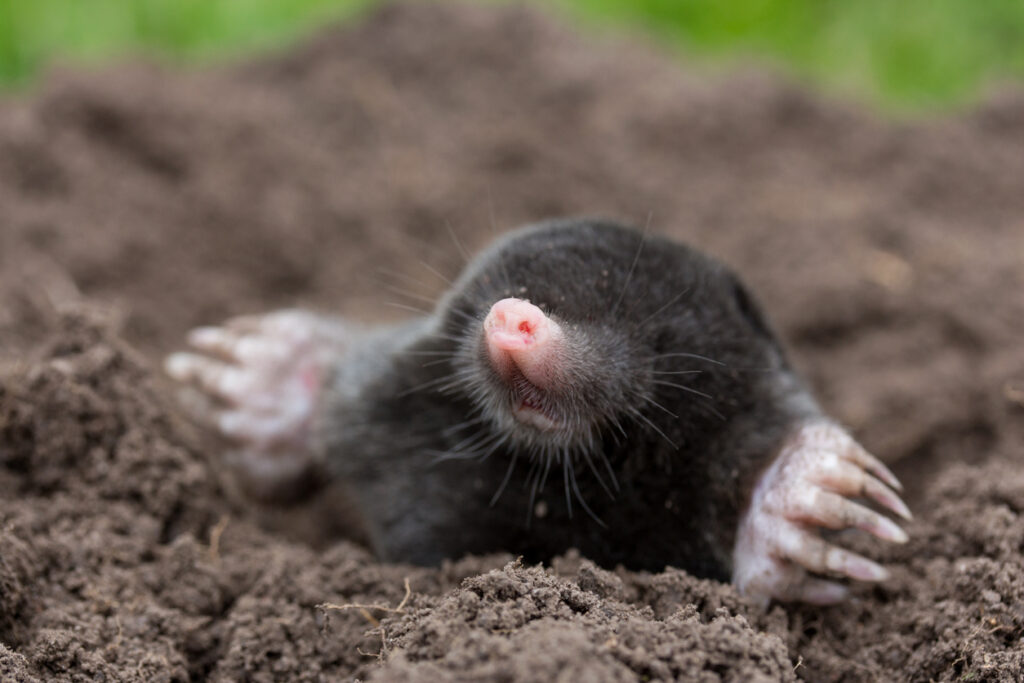
Moles digging deeper or creating more visible mounds earlier in the season encouraged many people to prepare for colder months. Families believed moles adjusted their tunnels according to approaching winter conditions. Fresh piles of soil became familiar signs across farms and fields. These tiny movements beneath the ground shaped planting decisions and outdoor work. Children pointed out molehills to adults as playful warnings that winter might be stronger than expected. Though often unseen, moles quietly influenced human routines through their habits. Even today, a cluster of new molehills can make someone pause and anticipate colder days ahead.
19. Watching the Thoughtful Bees
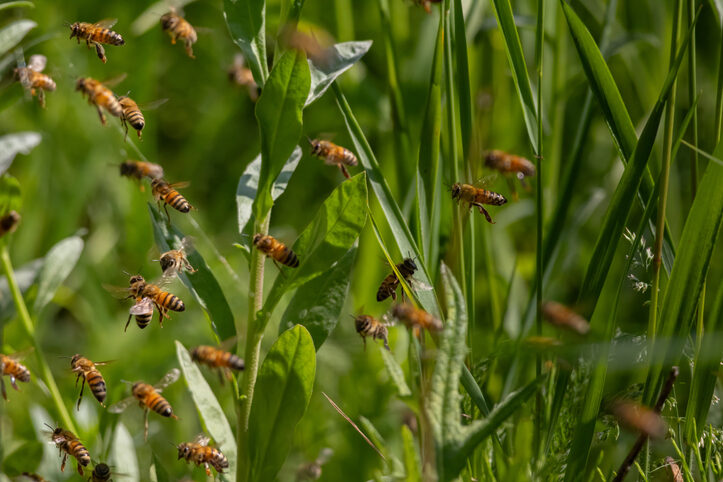
Bees carried gentle messages through their flight patterns, especially when the weather changed. When bees flew low near the ground or returned to their hives earlier than usual, communities believed rain or cooler air was approaching. Their movement helped gardeners decide whether to water plants or protect delicate blossoms. Families treated bees as small but meaningful forecasters, trusting their ability to sense shifts in the air. Their grace made observing them feel peaceful and instructive. Even now, when bees hover close to flowers with unusual caution, it still feels like nature offering a quiet and timely reminder.
20. Listening to the Night Owls
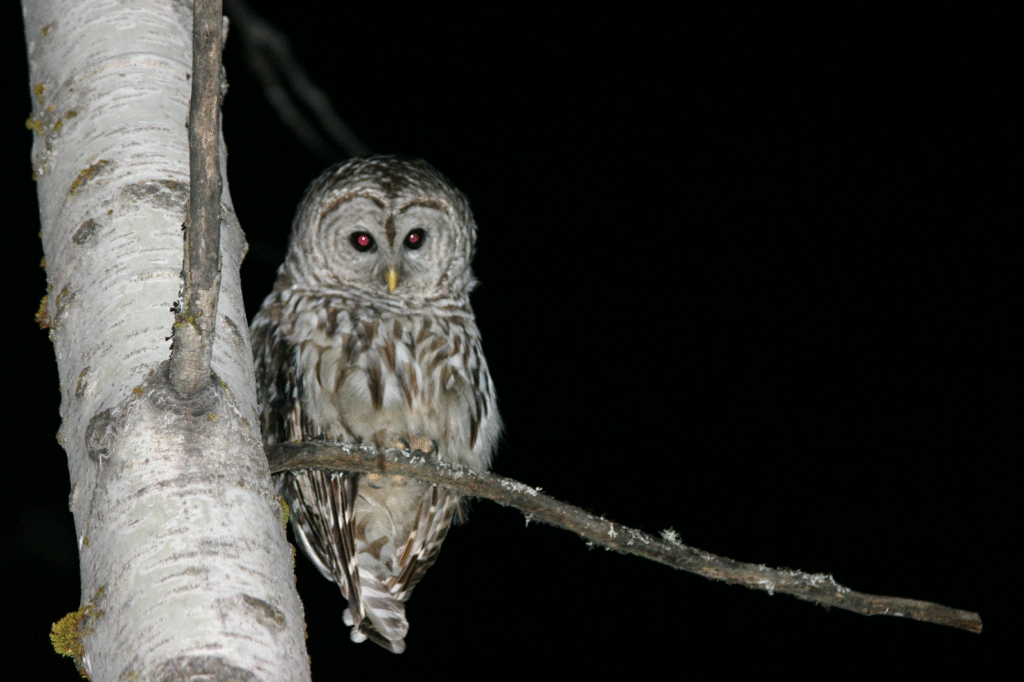
Owls calling more frequently at night encouraged people to pay closer attention to their surroundings. Their thoughtful hoots signaled shifts in weather, changing prey patterns, or approaching seasonal transitions. Families walking through forests at night learned to listen for these clues, treating the sound as a natural guide. The familiar rhythm of owls became part of community memory, offering a sense of safety and awareness. Owls seemed to speak the language of the night, reminding people that nature often warns gently before it changes. Their voice still feels like a soft reminder that paying attention keeps us connected.
This story 20 Animals That Once Signaled Weather, Seasons, or Danger to Human Communities was first published on Daily FETCH


