
1. Beavers (Heal or Harm?)
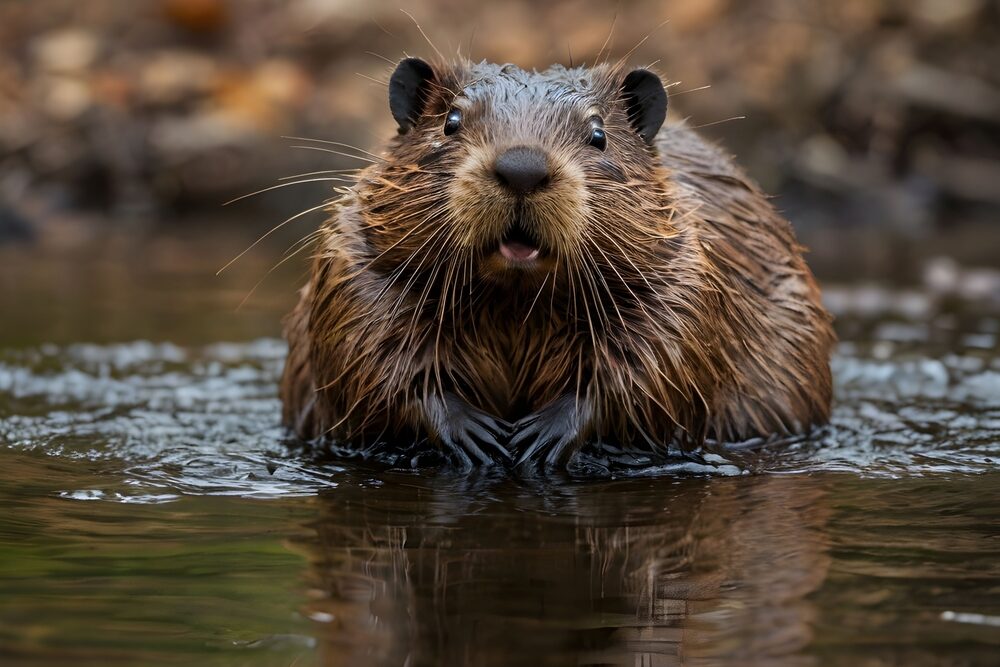
Beavers are nature’s humble builders, shaping water with their dams to ripple life across landscapes. With every stick and mud pack, they forge wetlands that become havens for countless creatures. Their dams slow flowing streams, trapping sediment, cleaning water, and preventing erosion; a natural sponge during droughts and storms. These ponds recharge aquifers, reduce flood and wildfire risks, and even cool water temperatures; sometimes 2.5 °C colder downstream; supporting fish like salmon.
As “keystone ecosystem engineers,” beavers boost biodiversity: their wetlands draw insect, bird, amphibian, and mammal life, increasing habitat variety . In Vermont, restored beaver wetlands are now praised for flood control, carbon capture, and wildlife revival. Boldly, the English government is reintroducing beavers to combat flooding and enrich habitats. Answer – HEAL
2. Cane Toads (Heal or Harm?)
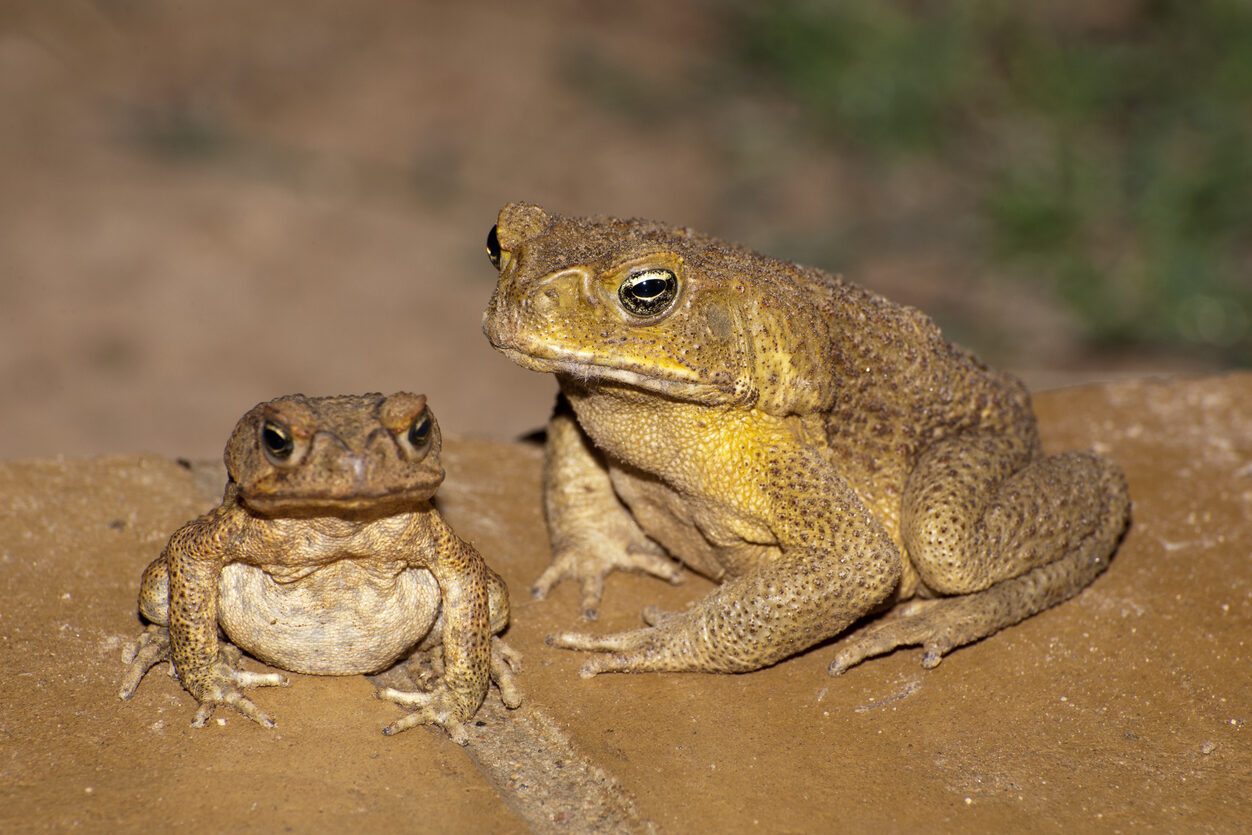
Cane toads skin secretes toxins lethal to many curious predators, sending ripple effects through ecosystems. Originally from the Americas, cane toads were introduced elsewhere like Australia to control pests; only to become pests themselves. They evolve rapidly, multiplying across wetlands and devouring native frogs and small critters. Their toxin outbreaks kill native predators; goannas, crocodiles, snakes; leading to population collapse and disrupted food chains.
Cane toads also compete fiercely for food and breeding sites, crowding out local amphibians and upsetting delicately balanced habitats. Scientists describe them as “invasive and poisonous,” blaming them for ecosystem destabilization. None of this is their fault; they’re survivors; but the fallout can be severe. A single cane toad can lay tens of thousands of eggs each breeding season, and without natural predators to check them, their numbers spike out of control. Their toxin doesn’t discriminate: even scavengers and pets face fatal consequences. Answer – HARM
3. Honeybees (Heal or Harm?)
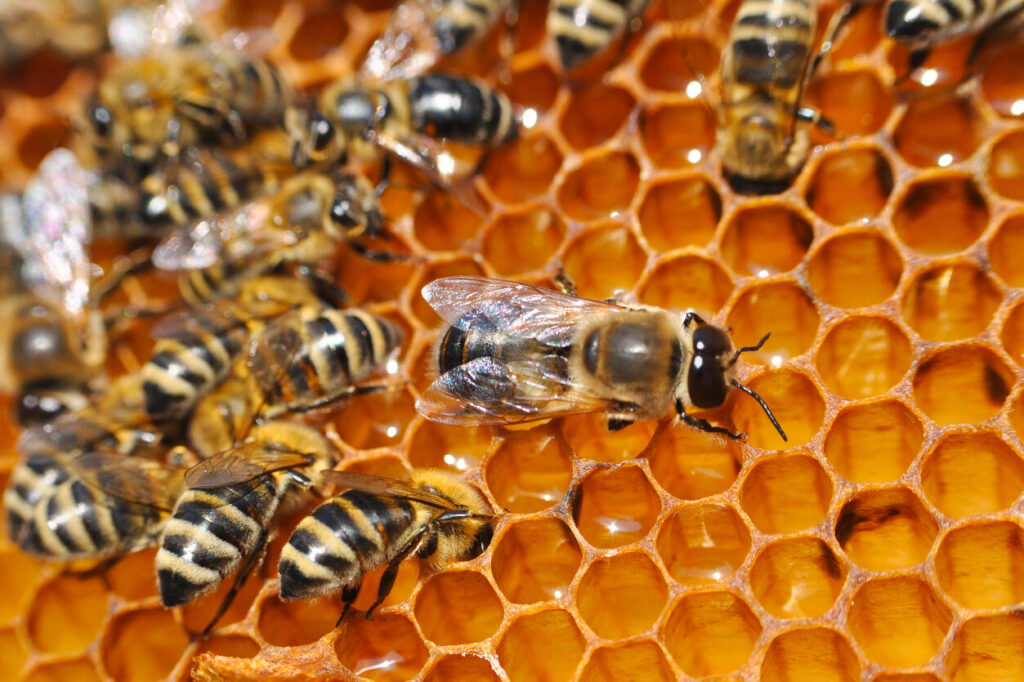
Honeybees may be small, but their impact swells across our food system like sweet golden honey. These industrious insects pollinate an astonishing array of crops; apples, berries, almonds, coffee, chocolate; keeping farms productive and ecosystems thriving. The UN reports three‑quarters of food crops rely on pollinators, and honeybees alone work 80% of flowering plants. Their pollination boosts both yield and quality more than honey or wax; worth tens of billions to global agriculture. But they’re in crisis. US commercial beekeepers lost over 60% of honeybee colonies last winter alone; record losses threatening orchard pollination cycles.
Their decline isn’t trivial; it bites into food security. Colony collapse disorder, parasitic mites, pesticides, habitat loss, and climate pressures combine in a perfect storm. If bees vanish, many crops lose their pollination backbone; a shortfall that could ripple through food prices and nutrition. Answer – HEAL
4. Feral Hogs (Heal or Harm?)
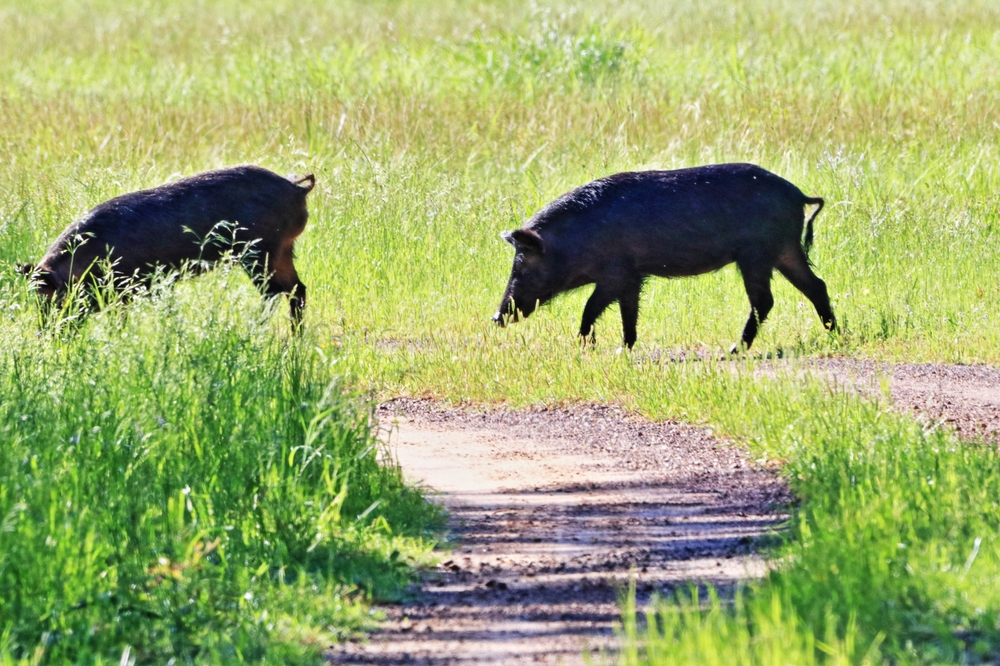
Feral hogs introduced populations in the Americas devastate farmland; they uproot crops and chase away native wildlife. Their rooting upsets soil structure, increases erosion, muddies waterways, and favors invasive plant establishment. These hogs are rabid breeders; a few sows can flood areas with piglets. Their wallows and trails degrade riparian zones, harming amphibians and aquatic ecosystems. They compete with native fauna; deer, ground‑nesting birds; displacing them in contested habitats.
Feral hogs can also spread diseases like swine brucellosis and tuberculosis to livestock, wildlife, and even humans. Because they’re smart and adaptable, controlling feral hogs is tricky; they evade traps and rebound quickly. Management strategies include aerial hunts, trapping, exclusion fencing, and community efforts. Their impact is far-reaching; once their numbers surge, landscapes and economies both feel the punch. Answer – HARM
5. Wolves (Heal or Harm?)
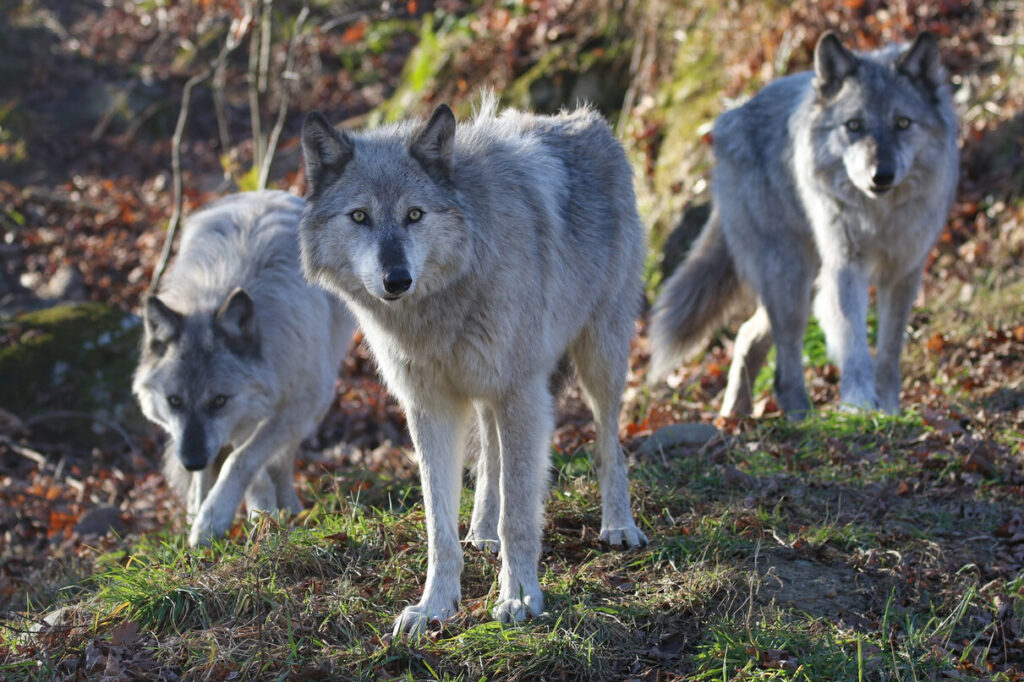
Since reintroduction to Yellowstone in 1995, wolves helped restore riparian vegetation by keeping elk in check, enabling willows, aspens, and cottonwoods to recover. Their presence triggered a trophic cascade; elk altered grazing patterns, rivers reformed, and beaver habitats rebounded. This cascade also benefitted birds, trout, and fungi, demonstrating how apex predators engineer entire ecosystems. Though context matters; and wolves don’t instantly fix every damaged ecosystem; they often set off ripple effects that nourish plant and animal life.
Watching wolves work is like seeing nature self-correct. They reduce deer and elk numbers, prevent overgrazing, and encourage diverse forest regrowth. With healthy vegetation, streams stabilize, and wildlife communities flourish. They remind us that sometimes healing comes from returning complexity to ecosystems. Answer – HEAL
6. Cows (Heal or Harm?)
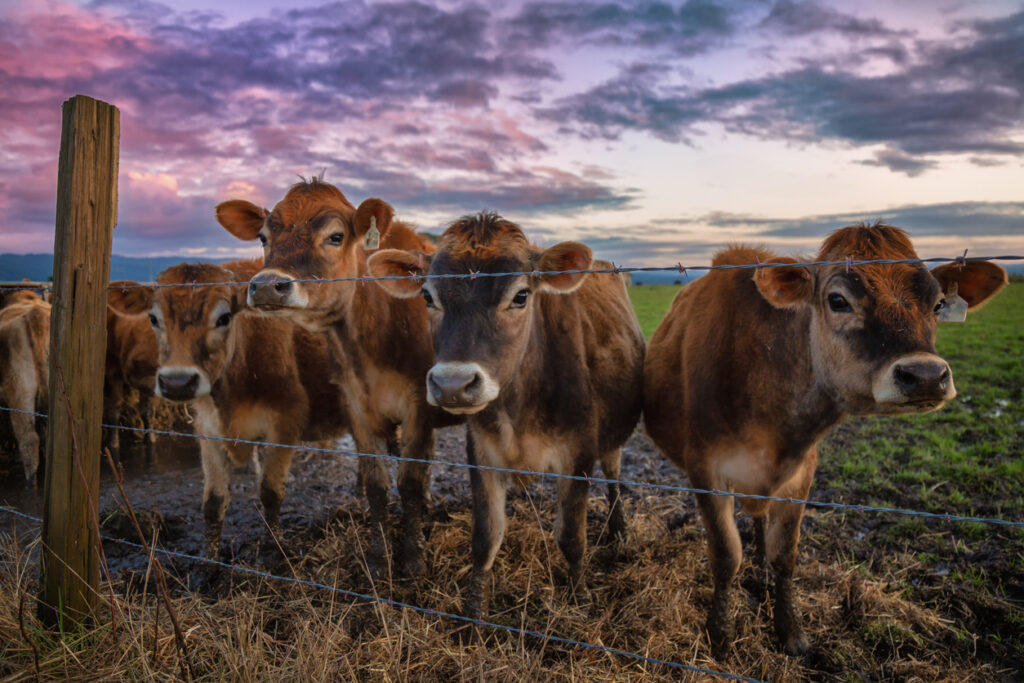
Each cow emits about 220 pounds of methane per year; 28 times more potent than carbon dioxide over a century. Globally, livestock accounts for roughly 12–17% of greenhouse gas emissions, with cattle responsible for most of it and heavily tied to deforestation. Beef and dairy farms degrade soil, pollute waterways, and eat up forests to make pasture. While rotational grazing, agroforestry, and dietary tweaks show promise; like Colombia’s silvopastoral approach; many systems still struggle to offset emissions.
Cows remind us there’s no simple fix. Rethinking ranching practices, cutting demand, or switching to better-fed herds can help; but real change needs cooperation. They challenge us to balance meat and environment, agriculture and conservation. If we let nature and farmers guide the next phase, cows can be part of a more sustainable pasture-to-table future. Answer – HARM
7. Whales (Heal or Harm?)
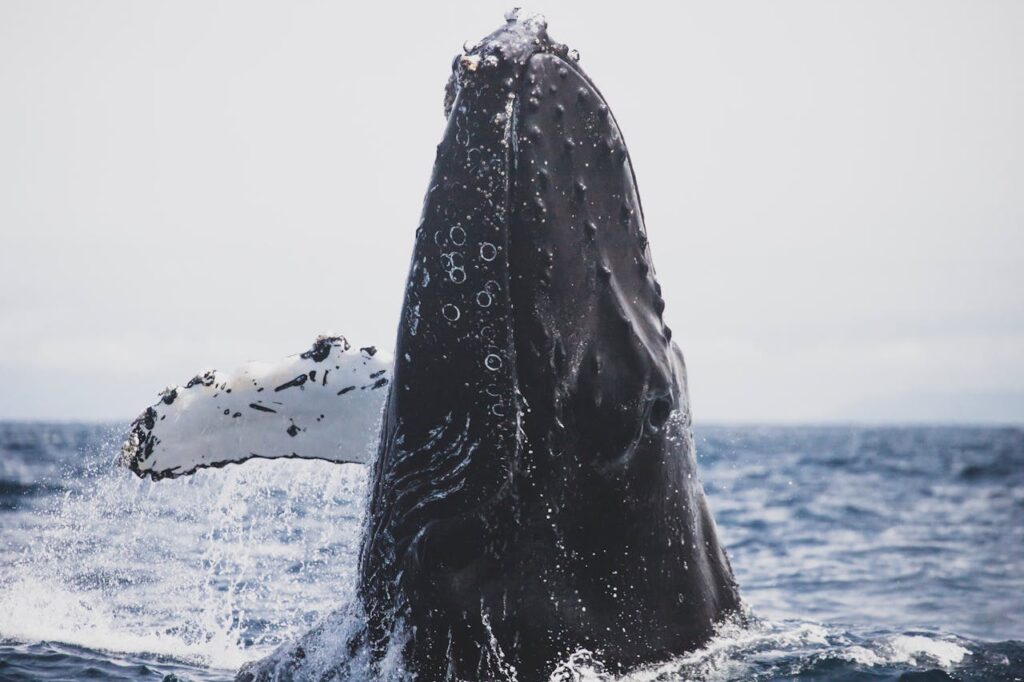
Whale poop, rich in iron, nitrogen, and phosphorus, helps fuel phytoplankton blooms at the surface; often with iron concentrations up to 10 million times higher than seawater. That “whale pump” circulates deep nutrients back to sunlight-filled waters, enabling phytoplankton to grow, photosynthesize, and absorb CO₂. In the Southern Ocean alone, sperm whale feces help sequester roughly 200 000 tonnes of CO₂ annually; and whale biomass traps even more as bodies sink post-mortem.
With current populations contributing about 875 000 tonnes more; and full recovery could greatly amplify that; their return is a climate strategy in motion. Whales move like living nutrient cycles; dive, feed, defecate, sink; turning themselves into keystone marine gardeners. Their actions support oceanic oxygen, fish stocks, and carbon storage. In protecting whales, we’re not just saving charismatic creatures; we’re bolstering nature’s climate defenses. Answer – HEAL
8. Invasive Carp (Heal or Harm?)
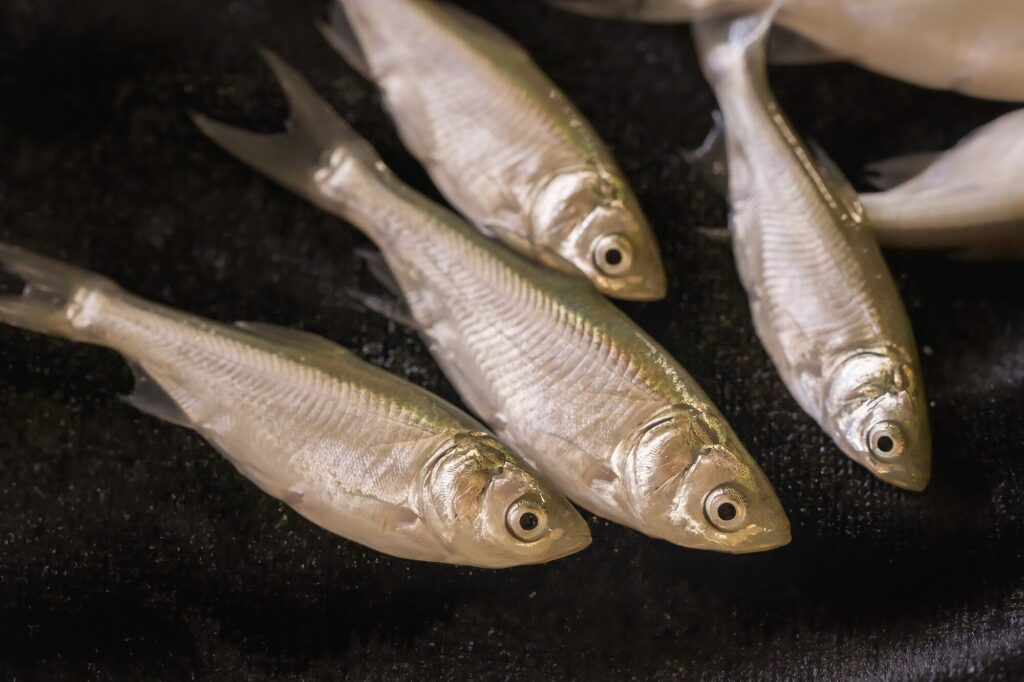
Invasive carp like the Asian carp species consume massive amounts of plankton and mussels, outcompeting native fish for vital food sources. They disrupt aquatic food webs, damage water quality, and threaten commercial fishing and recreation industries alike. As they dominate, native fish decline, mussel beds vanish, and habitats degrade; with smaller water bodies particularly hard hit. Some species like silver carp even leap into boats when startled, posing dangers to people.
Communities host carp tournaments, electric barriers, and pet-food initiatives; but carp remain resilient. Their example tells us how a single species can transform ecosystems, economies, and human experiences; from anglers to swimmers. They are living warnings: unchecked invaders can drown out entire native communities. Unless we manage them, waterways may lose the diversity that once made them pulse with life. Answer – HARM
9. Dung Beetles (Heal or Harm?)
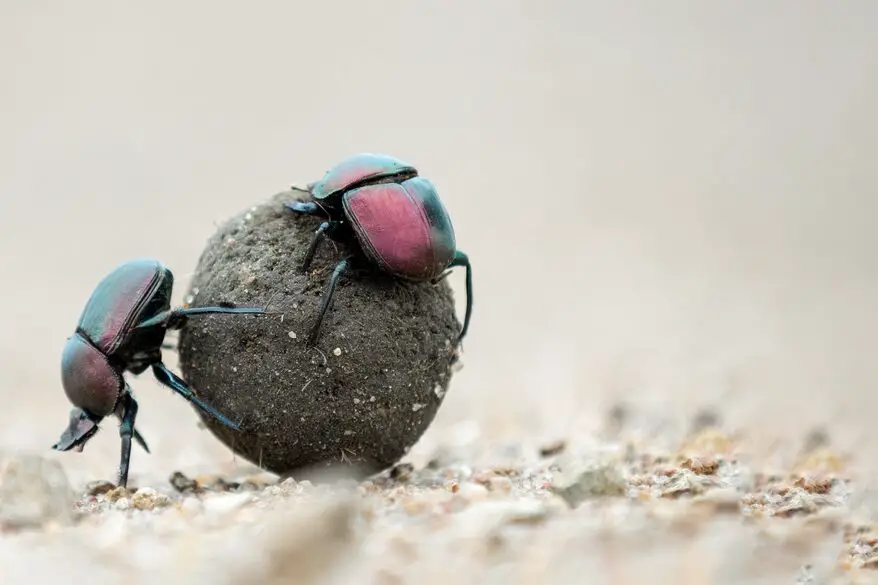
Dung beetles feed on and bury dung, enriching the soil with nutrients and improving water retention; reducing pollution and erosion in the process. By tunneling underground, species like Euoniticellus intermedius allow air and water to penetrate the earth, boosting pasture productivity; even increasing plant growth by around 30 % over two years. They’re nature’s pest controllers, too: by burying dung pats quickly, they cut fly and parasite breeding grounds by disrupting eggs and larvae.
Some researchers discovered their activity can reduce methane emissions from cowpats by up to 40 %; a big win for reducing greenhouse gases. When we think of healing nature, giant trees or rivers might come to mind; but let’s salute the dung beetle, scuttling beneath our feet. They cycle nutrients into the soil, help control pests, and support agriculture the world over. Revered even in ancient Egypt as scarabs symbolizing rebirth, they show that even the tiniest creatures can create monumental change. Answer – HEAL
10. Feral Cats (Heal or Harm?)

Studies suggest free-ranging cats in the U.S. kill between 1.3 and 4 billion birds; and 6.3 to 22 billion mammals annually. The American Bird Conservancy reports they’ve contributed to the extinction of at least 63 bird, mammal, and reptile species globally; even listing them among the “world’s worst non‑native invasive species”. Feral and outdoor cats also prey heavily on reptiles, amphibians, and invertebrates, undermining biodiversity and pushing vulnerable species toward collapse.
Even neutered cats continue hunting, as evidenced by a documented loss of 40 fairy tern nestlings from just one cat in Australia. Cities like Los Angeles struggle to manage feral cat populations; with trap/spay/release programs often falling short. Without curbs, these stealthy predators roam unrestrained, threatening wildlife and public health. Answer – HARM
11. Otters (Heal or Harm?)
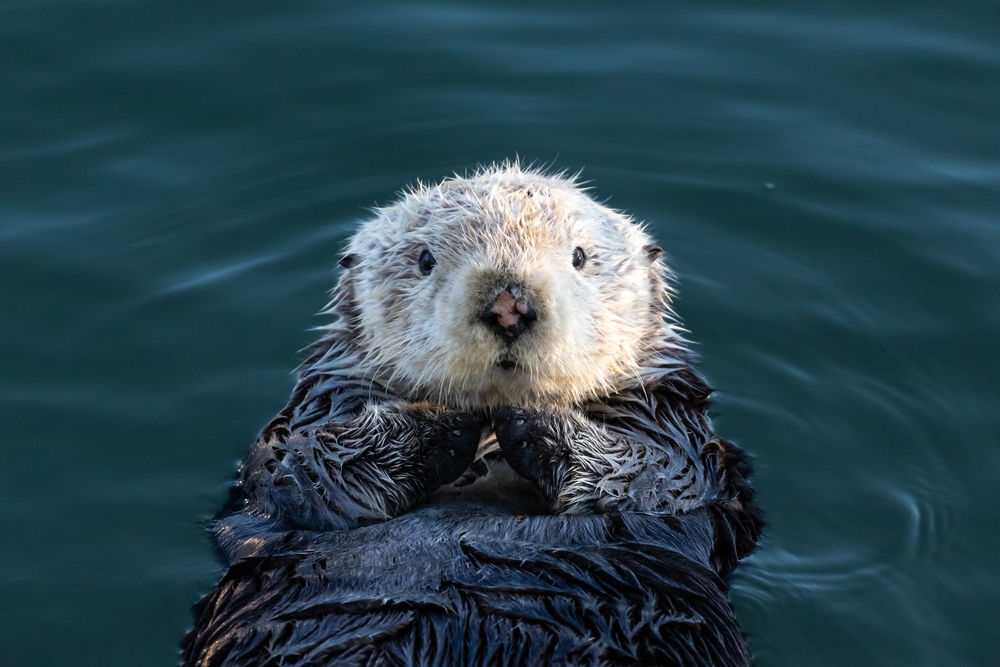
Sea otters are keystone predators; they feast on sea urchins, which if left unchecked, decimate kelp beds and create barren underwater deserts. By controlling urchin numbers, otters create space for kelp forests to flourish, sheltering fish, invertebrates, and marine mammals in lush underwater gardens. In Alaska, California, and British Columbia, reintroducing otters triggered stunning ecological rebounds; kelp cover surged, species diversity grew, and even carbon storage increased.
Otter-poo might sound funny, but their nutrient cycling and foraging behavior also support the kelp’s ability to pull CO₂ from the atmosphere. In fact, in some regions, they’ve doubled kelp carbon storage; equivalent to removing millions of cars from our roads. When otters returned in California, dramatic reductions in urchins led to kelp regrowth that helped stabilize shorelines and sustain coastal fisheries. Answer – HEAL
12. Mosquitoes (Heal or Harm?)
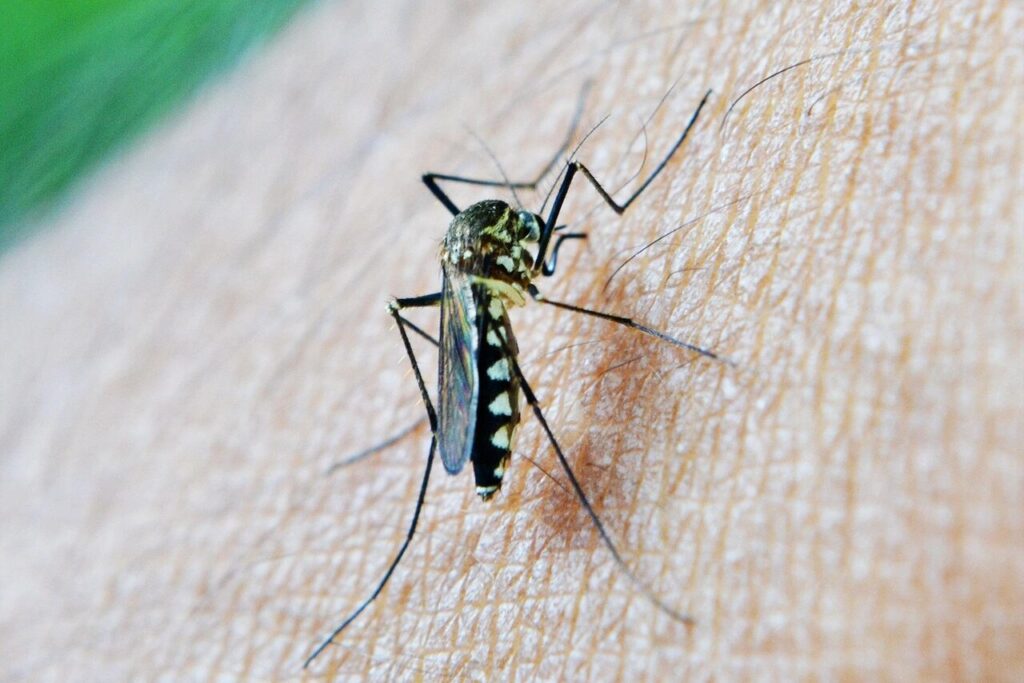
These insects transmit malaria, dengue, Zika, chikungunya, and West Nile virus; affecting millions annually. Malaria alone infected around 240 million people in 2020, causing more than 600,000 deaths . Warming temperatures expand mosquito habitats, creating new zones of vulnerability. The changing climate means regions once safe from dengue or malaria may soon face outbreaks .
As their habitats spread, so does human exposure; health systems must scramble, especially in low‑resource areas. Despite their ecological role as food for bats, birds, and frogs, mosquitoes’ cost to humanity is staggering. Every year they burden economies through healthcare costs, lost productivity, and tourism impacts. Answer – HARM
13. Bison (Heal or Harm?)
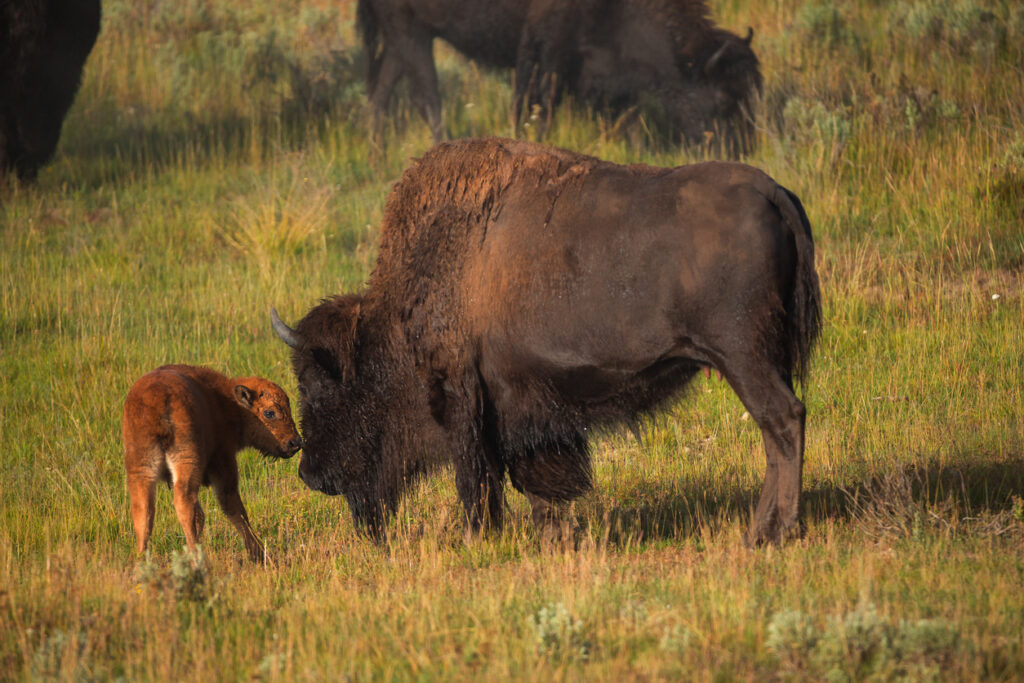
These massive grazers once numbered in the tens of millions across North America, sculpting landscapes before their near extinction in the late 1800s. Their selective grazing maintained plant diversity, prevented woody overgrowth, and promoted deep-rooted grasses; keeping prairies resilient. Through their wallows; dust baths; they create small wetlands that host amphibians, insects, and waterfowl. Their hooves and hoisted organic matter bring air into the soil, while their droppings recycle nutrients for microbial and plant life.
Bison also help sequester carbon. Studies show herds even as small as 170 animals can store CO₂ equivalent to removing 43,000 cars from the road each year. In South Dakota, bison-grazed grasslands outperform cattle pastures in soil carbon levels; showing their power to heal land and fight climate change. Rewilding initiatives, such as American Prairie, aim to restore bison to full ecological function; creating mosaics of habitats that support birds, pollinators, and predators across millions of acres. Answer – HEAL
14. Earthworms (Heal or Harm?)
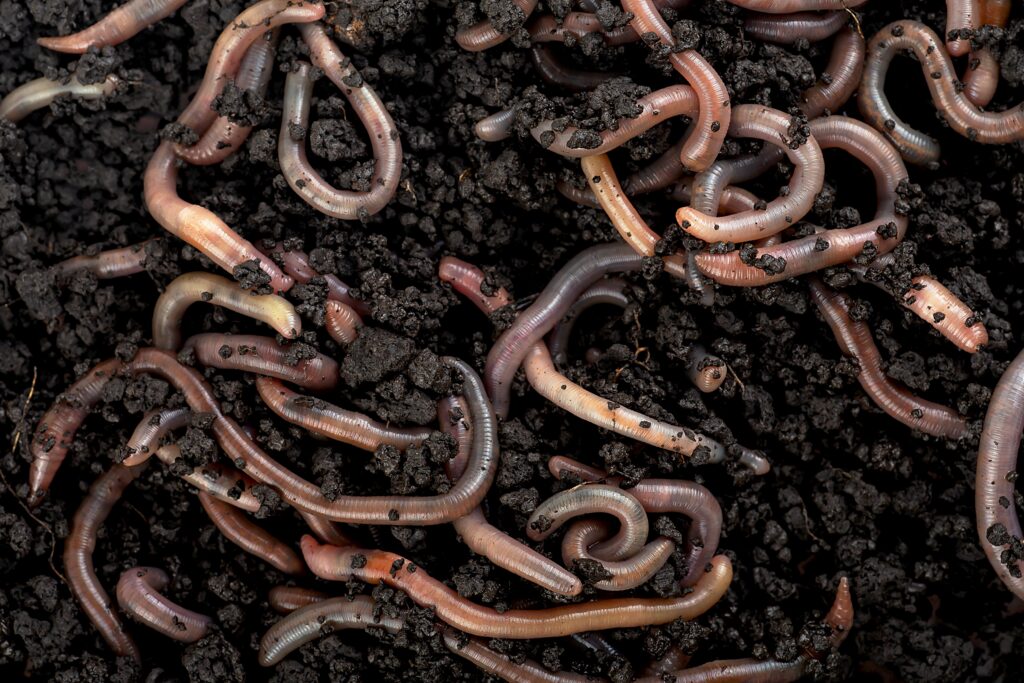
They shred and mix organic matter, creating nutrient-rich humus that boosts soil fertility and enables better water retention. Studies show earthworms contribute to roughly 6.5% of global grain production; over 140 million metric tons annually; and about 2.3% of legume yield. A meta-analysis found their presence can increase crop yields by 25 % and aboveground biomass by 23 %. Their tunneling improves aeration and drainage, which means healthier roots and more drought resilience.
In the UK, earthworm numbers have dropped as much as 41 % in 25 years; triggering concern for soil health, crop yields, and bird habitats. That sense of loss extends beyond soil: fields are less productive, wildlife suffers, and it’s harder to reverse damage once it’s done. Championing no-till farming, reduced chemicals, and composting gives earthworms a fighting chance. Answer – HEAL
15. Locusts (Heal or Harm?)
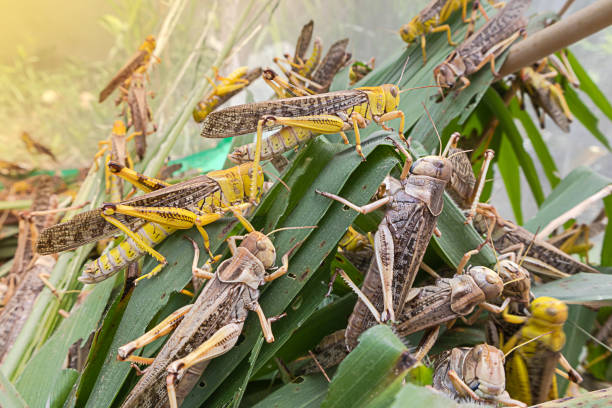
Triggered by wet weather and warm air, desert locusts can lay hundreds of thousands of eggs per square meter, forming swarms that migrate up to 150 km a day. In East Africa during 2019–2021, swarms caused massive crop losses and threatened food security for millions. Historically, outbreaks like the 2003–2005 West African surge cost up to $2.5 billion in crop damage, and response efforts topped $450 million.
A swarm covering one square kilometer can consume as much food in a day as 35,000 people. Climate change worsens the problem: rising temperatures and erratic rains expand breeding zones and intensify outbreaks. Forecasts show locust habitats expanding by 5 % by century’s end. Efforts like satellite monitoring, drones, AI, and bio-pesticides help; but it’s a race against rapid reproduction. Answer – HARM
16. Jellyfish (Heal or Harm?)
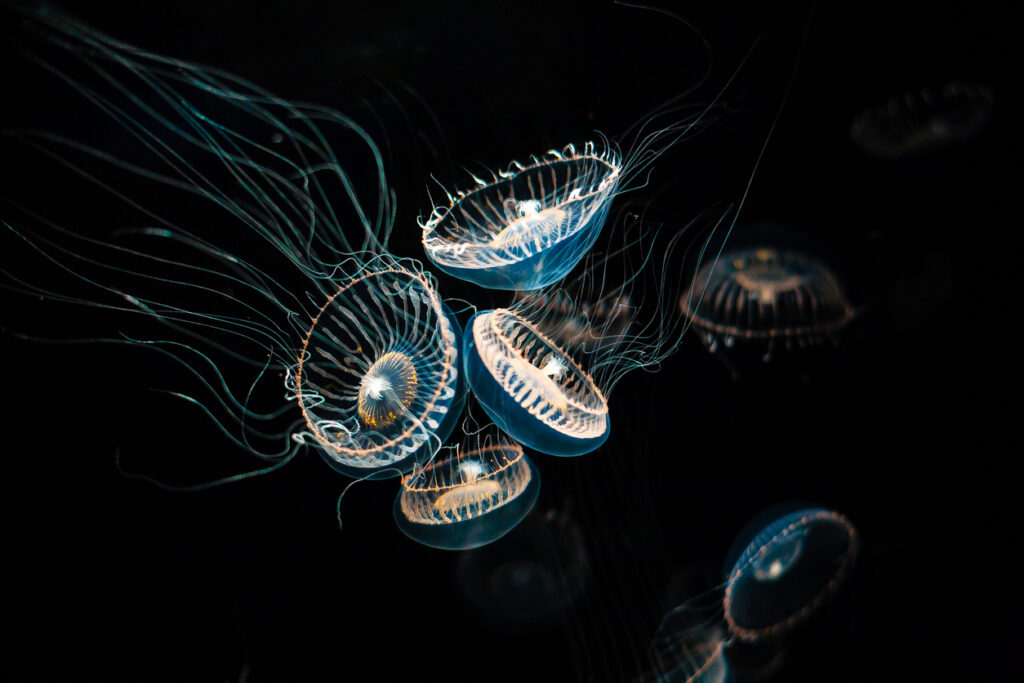
Warmer seas, low oxygen, overfishing, nutrient pollution, and human structures (like docks or pipelines) create ideal conditions for jellyfish to boom. These blooms choke fisheries by eating fish eggs and larvae, clog nets, foul desalination plants and even nuclear cooling systems. As they dominate, jellyfish shift carbon, nitrogen, and phosphorus flows; often funneling energy into microscopic growth instead of feeding bigger fish. Their resilience in hot, low-oxygen water (ocean jellification) makes them winners in a warming world; but winners at what cost?
While they’re key in some marine cycles; like jelly-falls sinking carbon to the deep; they can transform diverse seas into gelatinous plains with far less life. Jellies remind us ecosystems flourish on balance, not extremes; and when we tip the scales, even the most ethereal organisms can rewrite the rules. Answer – HARM
17. Salmon (Heal or Harm?)
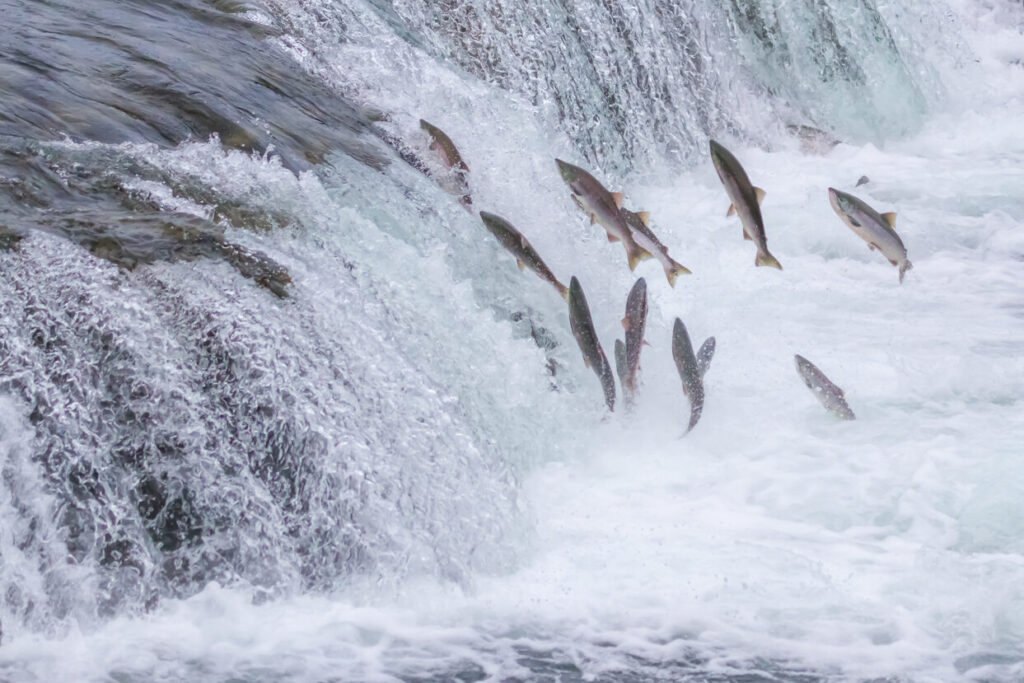
After spawning and dying, salmon carcasses release nitrogen, phosphorus, carbon and sulfur into freshwater and riparian habitats. Studies show this nutrient pulse can supply 25–60 % of nitrogen for streamside trees, and one salmon-run drop can fuel acres of forest growth. Their bodies support 60+ species; bears, wolves, eagles, insects; and enrich aquatic food webs too.
Removing dams, like at Elwha River, released 300 tons of N & P annually back into ecosystems as salmon returned. Salmon are ecosystem engineers of a different kind; office runners delivering nutrients across habitats, year after year. They bind ocean and land, linking climates, communities, and cultures. Their decline signals trouble; not just for fishing, but for forests, water, wildlife, and people alike. Answer – HEAL
18. Prairie Dogs (Heal or Harm?)
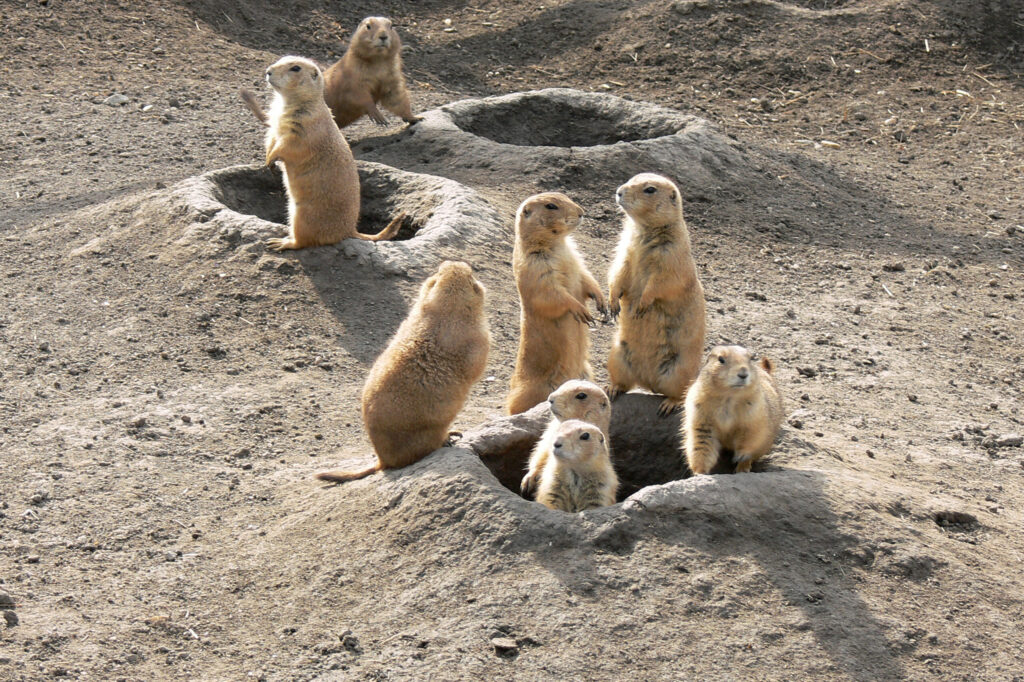
Prairie dogs tunnels aerate soils, improving drainage and nutrient cycling; farmers call them “natural ploughs.” Their burrows offer homes for burrowing owls, foxes, snakes, insects; and those little cavities hold rainwater too, feeding local life. By grazing grasses thin, they help wildflowers bloom and maintain plant diversity. Their colonies boost predator presence; raptors and coyotes thrive where prairie dogs abound.
They may be small, but prairie dogs carry big ecosystem weight; keystone landscapers of the old plains. Their burrows, grazed grounds, and vibrant communities prove that even little creatures shape entire worlds, one hole at a time. Answer – HEAL
19. Sharks (Heal or Harm?)
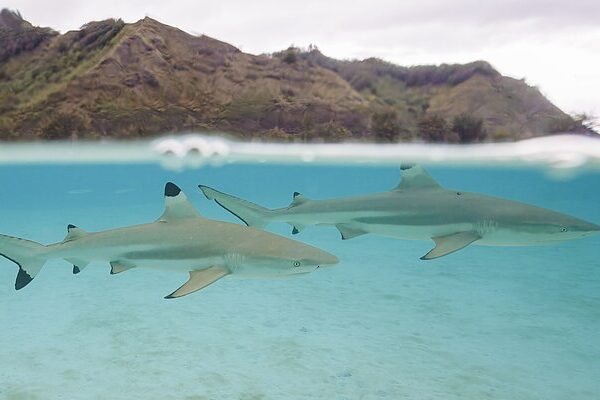
At the top of marine food chains, sharks control mid-level predators; reef fish, rays; preventing them from overgrazing seagrass beds and coral reefs. That restraint keeps habitats healthy and communities balanced. Removing sharks leads to “trophic cascades”: fewer sharks, more rays, fewer shellfish, collapsing reefs.
Studies further link sharks to healthier habitats, richer biodiversity, and improved carbon storage. By dying and sinking, sharks also recycle nutrients to deep-sea systems. Protecting sharks means protecting reefs, fisheries, and carbon sinks. These apex guardians teach us that true healing often starts at the top; when leaders keep communities in check and systems stable. Answer – HEAL
20. Coral Reefs (Heal or Harm?)
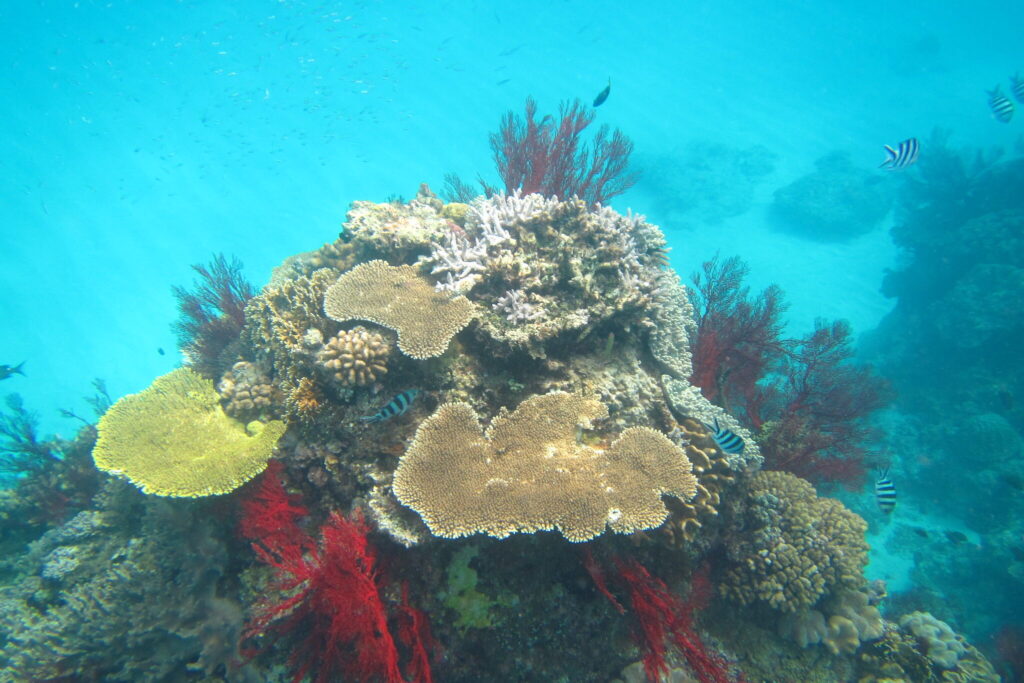
Corals build reefs that shelter fish, support tourism and coastal defense, and form kitten dens for countless critters; 25 % of marine life relies on them. They’re economic powerhouses, too, by supporting fisheries and travel industries in many tropical nations. Sadly, ocean warming, acidification, and pollution are bleaching reefs; destroying structure faster than new coral can grow. It threatens biodiversity, fisheries, and the livelihoods of 500 million people globally. Answer – HEAL
Nature gave us 20 powerful stories here; spanning from beavers’ dams to coral reefs; revealing a simple truth: the thin thread of balance holds life together. When one part breaks, many others wobble. Next time you watch a creek, stroll a forest, or enjoy seafood, remember these arcs of healing and harm. Nature is not just backdrop; it thinks, balances, struggles, and adapts. And so do we.
This story 20 Animals That Heal or Harm the Earth, Can You Guess Which is Which? Was first published on Daily FETCH


