
The Airports We Love to Hate
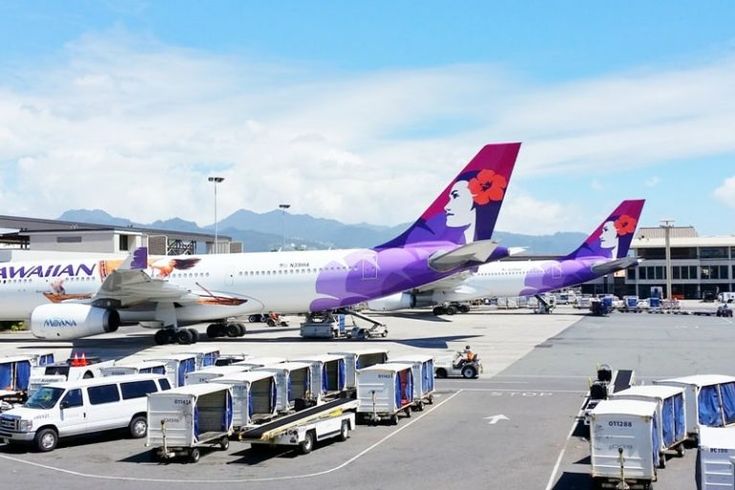
Airports are more than stopovers, they’re part of every trip’s story. Some inspire groans before you even check in. A few have transformed themselves, winning back skeptical travelers. And others? They’ve earned genuine love from passengers who actually look forward to passing through. Here’s the lineup.
1. Newark Liberty (EWR)
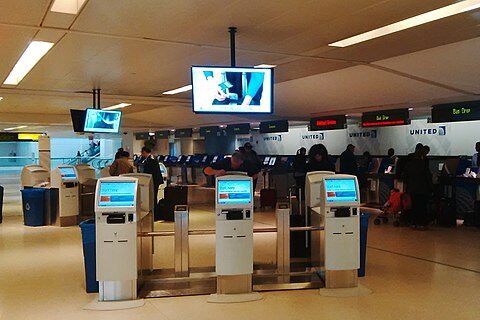
For decades, Newark Liberty International Airport (EWR) has been a symbol of traveler frustration, often ranking at the bottom of major U.S. airport satisfaction surveys. Located just across the Hudson River from Manhattan, EWR frequently faces operational challenges that lead to excessive delays. According to recent data from the Bureau of Transportation Statistics, EWR has consistently been among the worst offenders for on-time performance, with a high percentage of flights arriving late compared to the national average, often due to Air Traffic Control constraints in the highly congested New York airspace.
Travelers often cite the outdated infrastructure across several terminals, particularly concerning long security lines and a limited, uninspiring selection of dining and retail options, which contributes to its low passenger satisfaction scores. Even with the highly-lauded opening of the new Terminal A, a bright spot in the airport’s overhaul, the overall traveler experience is still weighed down by the remaining older facilities and the airport’s chronic congestion issues, leading many passengers to avoid it in favor of JFK or LGA when possible.
2. Philadelphia International (PHL)
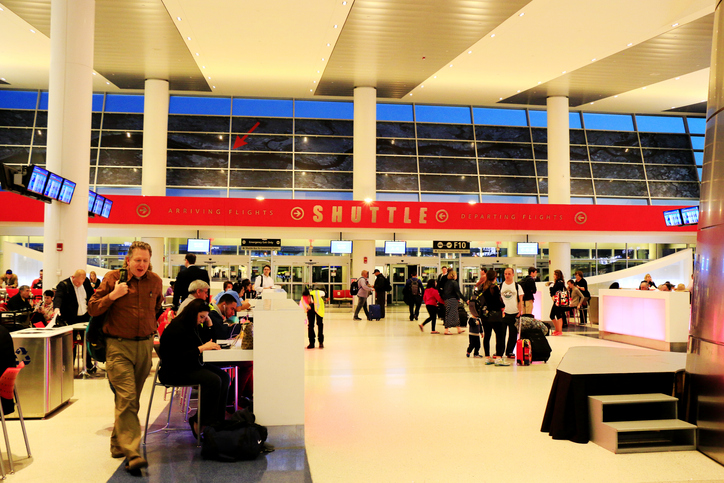
Philadelphia International Airport (PHL) consistently scores low in national and international passenger satisfaction indexes, struggling with traveler perceptions of cleanliness, comfort, and ease of navigation. A recurring issue for passengers is the long wait times, particularly at security checkpoints and during baggage claim, which often contributes to high-stress experiences. The airport’s infrastructure, especially in its older terminals, frequently receives criticism for its dated and dingy appearance, lacking the modern amenities and spacious, naturally lit environments found at competing hubs.
Despite functioning as a crucial East Coast hub, especially for connecting flights, PHL’s operational efficiency is often compromised by its aging facilities and complex layout, which can make tight connections a hurried and confusing ordeal. For many flyers, the lack of recent, comprehensive investment in the entire passenger-facing experience means that PHL is often viewed as a place to simply endure to get to the destination, rarely leaving anyone with a positive, memorable impression of their journey.
3. Orlando International (MCO)
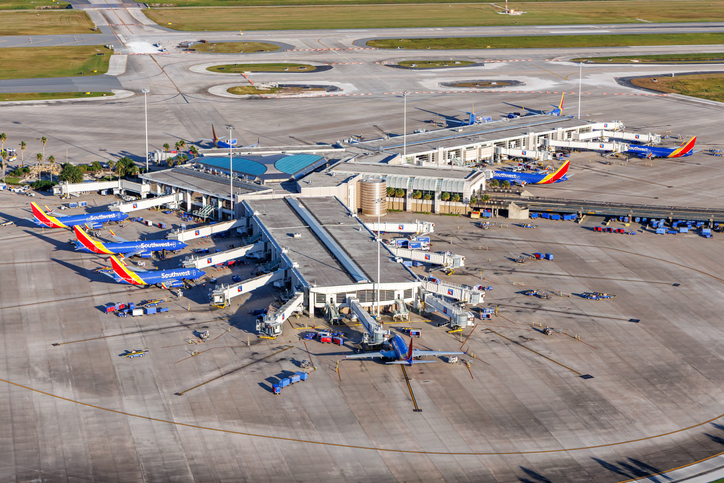
Orlando International Airport (MCO) handles an immense volume of traffic, primarily driven by millions of annual visitors heading to the region’s world-famous theme parks, which inherently contributes to a high-stress environment. While MCO has generally newer facilities and a modern, spacious main terminal, the sheer volume of excited, often large, family groups, complete with strollers, luggage, and accompanying fatigue, pushes its operational capacity to the limit, especially during peak travel seasons like summer and holidays. The airport is routinely cited for some of the longest average wait times for security screening in the U.S., a direct consequence of the massive passenger throughput.
This volume also impacts baggage handling and ground transportation, creating substantial queues for rental cars, trams, and taxi services. For parents and general travelers alike, the MCO experience often begins and ends with an endurance test against crowds, cementing its reputation as an airport that is functionally sound but often overwhelmed by its own success and the specific, high-demand tourist demographic it serves.
4. Miami International (MIA)

Miami International Airport (MIA) is renowned for its operational chaos, which often overshadows its role as a critical gateway to Latin America and the Caribbean. MIA frequently ranks poorly in on-time performance and baggage handling metrics, largely due to its high volume of international traffic and complex layout. One of the most significant pain points for travelers is the famously long wait times at Customs and Border Protection (CBP), which can stretch to hours during peak arrival periods, leaving thousands of deplaned passengers in lengthy queues.
The airport’s road infrastructure is another major contributor to traveler frustration, with congested drop-off and pick-up areas that are frequently complicated by ongoing construction and dense local traffic. While the airport has invested in amenities like vibrant dining options, offering fantastic Cuban coffee and sandwiches, the overall traveler experience is consistently defined by a sense of hurried chaos, a complex and confusing terminal layout, and operational delays that make it a perpetually memorable, though often stressful, hub for travelers.
5. Chicago Midway (MDW)
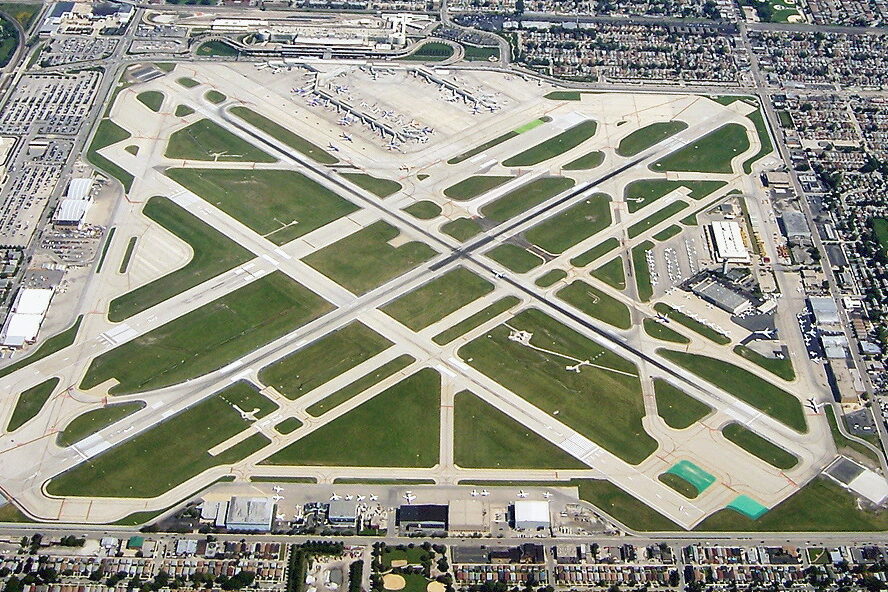
Chicago Midway International Airport (MDW), while functionally efficient for its main carrier, Southwest Airlines, often feels dated and cramped compared to its larger counterpart, O’Hare. The airport’s infrastructure consists of small concourses and a central terminal area that struggles to comfortably accommodate the heavy flow of passengers, which consistently leads to lower satisfaction scores. Travelers frequently cite the limited amenities and dining options, describing the airport’s selection as utilitarian rather than enjoyable, contributing to a perception that MDW is simply a transit point to be moved through quickly.
The intense focus on one major carrier means that during operational disruptions, the entire airport can quickly become overwhelmed, as flexibility for re-routing is limited. The overall traveler experience at MDW is often described with faint praise, it’s “fine if you must”, reflecting a basic functionality that falls short of the modern, spacious, and amenity-rich environment travelers now expect from a major Midwest air facility.
6. JFK International (JFK)
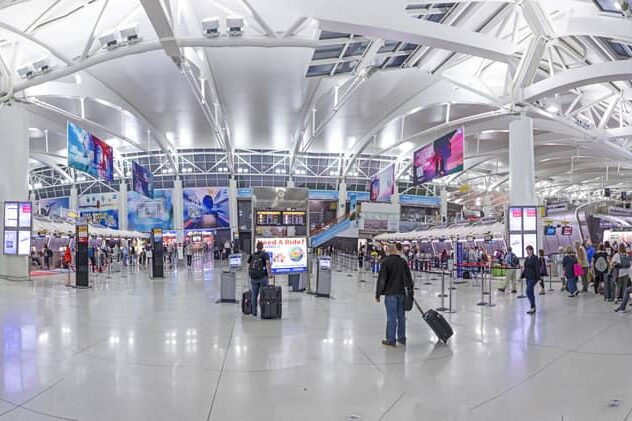
John F. Kennedy International Airport (JFK) embodies the extremes of global travel, mixing modern architectural marvels with persistently outdated infrastructure and legendary congestion. Its sprawling, multi-terminal layout, currently undergoing a massive modernization program, means the traveler experience can drastically vary from one terminal to the next, contributing to its inconsistent reputation. The airport is notorious for significant operational delays, often ranking among the worst in the U.S. for on-time performance, primarily due to the sheer volume of international traffic and the highly constrained New York area airspace. Ground travel is equally frustrating, with heavy traffic leading to the terminals and confusing public transportation options. For the millions of international passengers who cannot avoid it, JFK is less a welcoming gateway and more a symbol of big-city travel chaos, where the stress of navigating the facility often begins the moment the traveler leaves their home or hotel.
7. Los Angeles International (LAX)
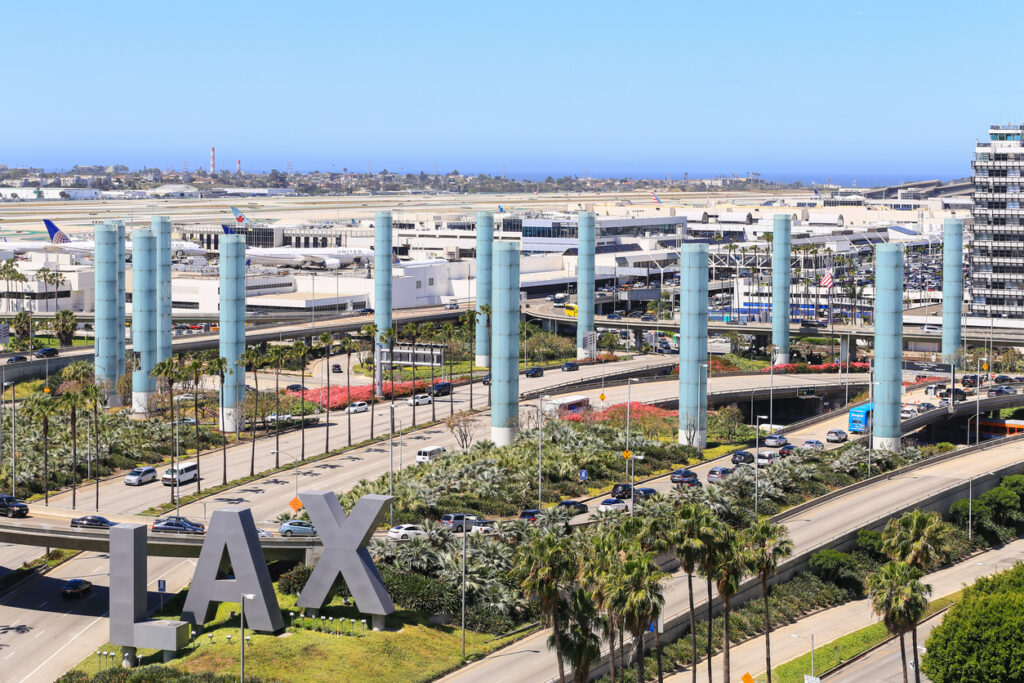
Los Angeles International Airport (LAX) has long been notorious for what travelers call the “LAX-it” experience: the seemingly endless struggle to reach the terminal, whether by car, ride-share, or public transit. The airport’s location and highly congested surrounding freeway system mean that the ground journey can often feel more challenging and unpredictable than the flight itself. Inside, despite a major modernization effort, the $15 billion-plus Capital Improvement Program, the sheer sprawl, construction-related disruptions, and the need for frequent shuttle bus transfers between different terminals and parking structures continue to frustrate passengers. According to J.D. Power surveys, LAX consistently scores below average in passenger satisfaction, often penalized for its complicated logistics, long security lines, and the overall confusing nature of navigating its expansive layout. While the modernization promises future improvements, LAX remains, for now, one of the most universally cited examples of a stressful and poorly-rated large U.S. air hub.
8. O’Hare International (ORD)
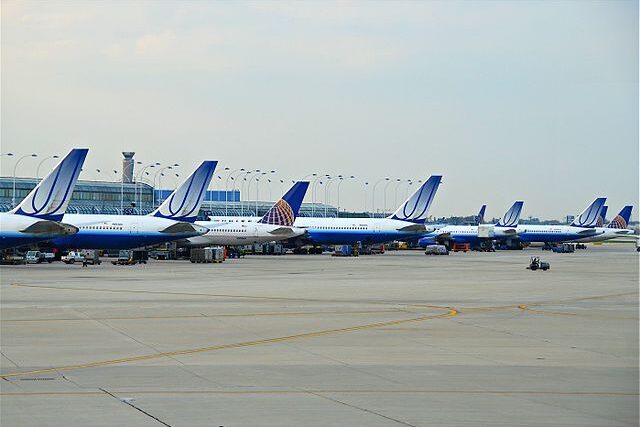
As one of the world’s busiest airports by flight operations, Chicago O’Hare International Airport (ORD) is a massive logistical engine that unfortunately translates into frequent passenger headaches. ORD is repeatedly ranked high on lists of U.S. airports with the highest number of flight delays and cancellations, with weather-related disruptions, particularly during harsh Chicago winters, and chronic runway congestion being major contributing factors. Navigating the airport is a complex and often time-consuming endeavor, with connecting passengers frequently having to traverse long distances between gates across its multiple terminals. While the airport has invested in a massive modernization plan to improve efficiency, the current passenger experience is often defined by long queue times at security, a confusing array of transportation options, and the general stress of moving through a massive, often overcrowded facility. For many flyers, O’Hare remains the definition of high-stress air travel, where size and volume often trump comfort and ease of use.
9. Cleveland Hopkins (CLE)
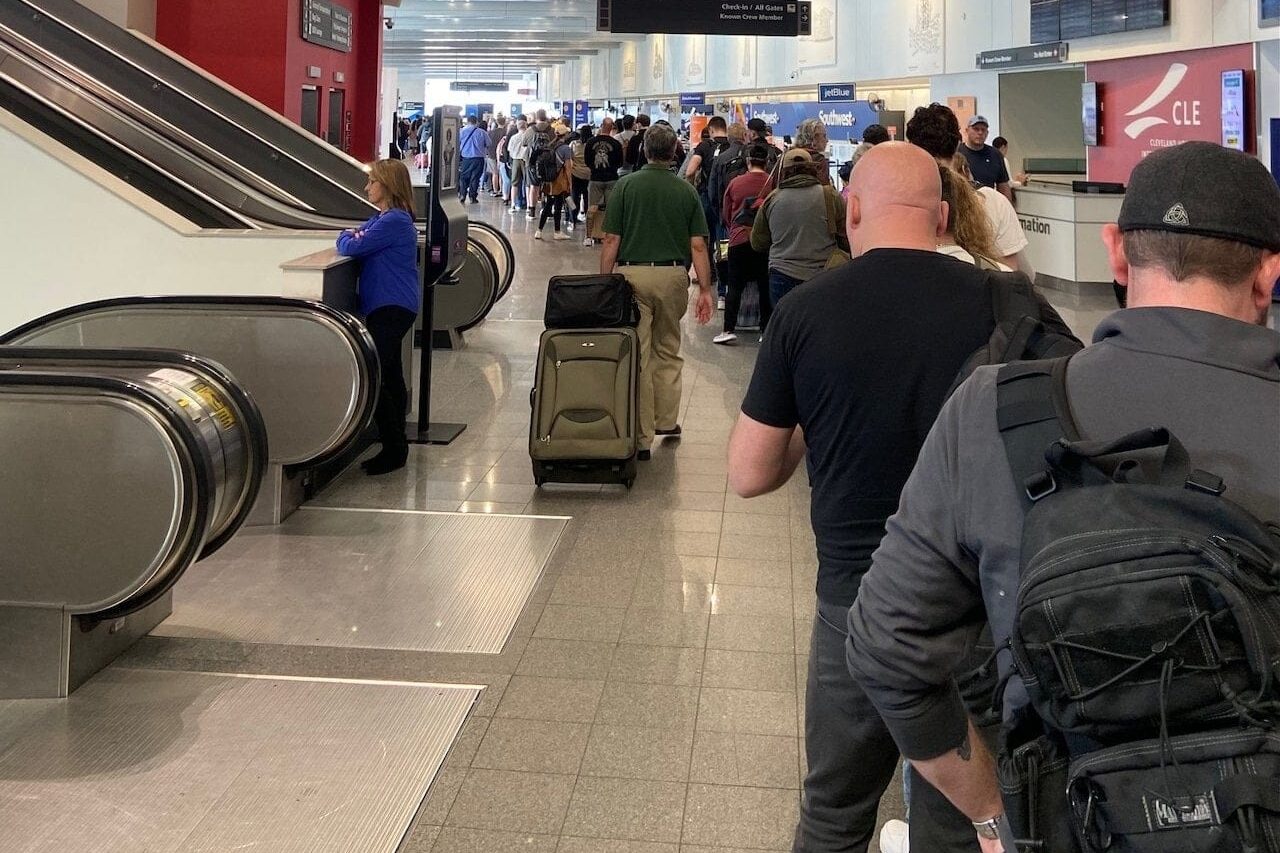
Cleveland Hopkins International Airport (CLE) has struggled for years with low passenger satisfaction, often falling toward the bottom of traveler surveys concerning amenities, comfort, and general facility quality. The airport’s infrastructure often feels outdated, lacking the brightness, spaciousness, and modern design elements that characterize newly renovated or built facilities elsewhere. Travelers frequently cite a limited selection of high-quality dining and retail options, contributing to a perception that the airport has been neglected in terms of investment in the passenger experience. While the airport functions adequately for regional and domestic flights, it rarely inspires loyalty or positive feedback from travelers, especially those accustomed to the experiences offered at major hubs. Compared to other airports that have undertaken significant, multi-billion-dollar upgrades, CLE’s facilities feel like they have fallen behind modern traveler expectations, making it an entirely utilitarian and forgettable stopover for most.
10. Salt Lake City International (SLC, Old Terminal)
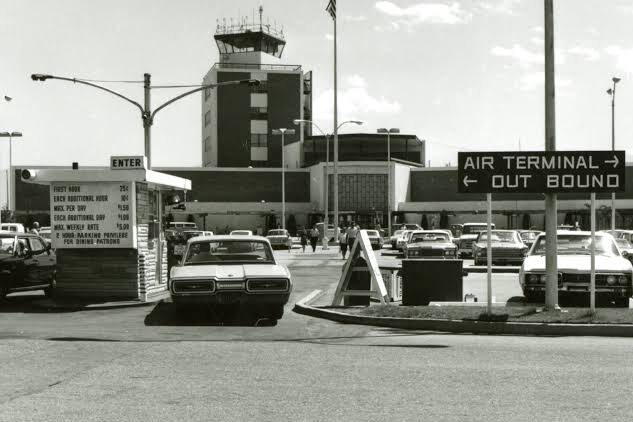
Before its dramatic, multi-phase rebuild completed in recent years, the old Salt Lake City International Airport (SLC) was a major source of traveler frustration, serving as a textbook example of how a critical airport can drag down an otherwise positive city image. Travelers consistently complained about the old terminal’s significantly outdated design, which featured narrow, cramped hallways, a confusing, bifurcated layout, and limited gate capacity that often led to tarmac delays. The amenities were sparse and dated, failing to meet the needs of a major hub for a rapidly growing airline and region. The passenger experience was characterized by long walks and a palpable sense of congestion, particularly at security and baggage claim. The memory of this cramped, uninspired setup is a powerful piece of evidence, highlighting just how transformative and necessary the recent multi-billion-dollar investment in the brand-new, modern SLC facility proved to be for the overall traveler experience.
The Few That Won Us Back
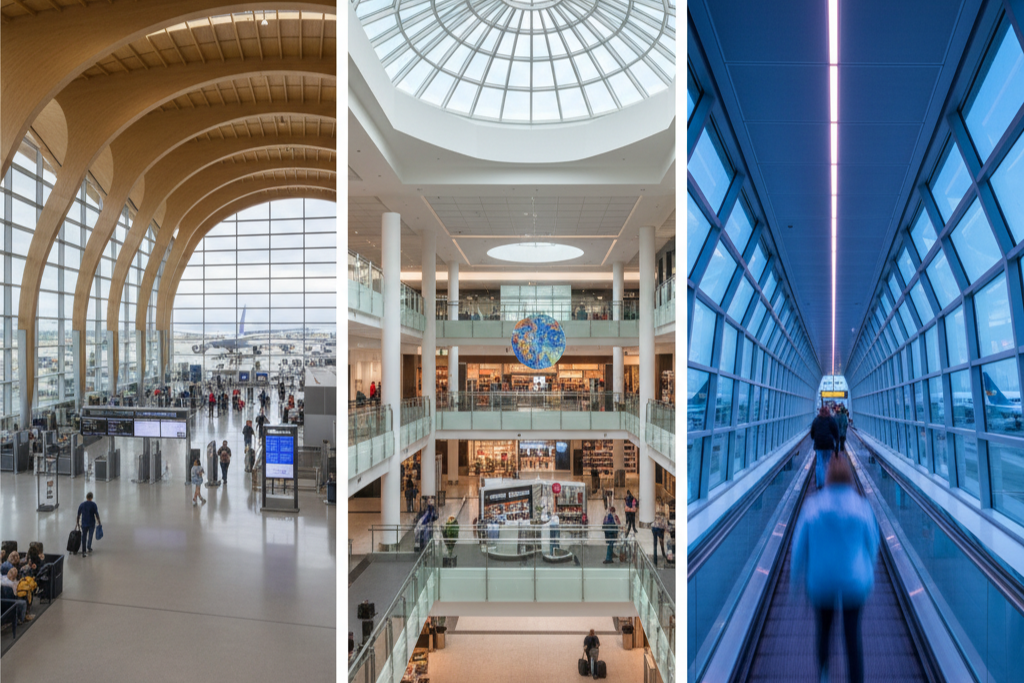
Not all heroes wear capes; sometimes, they’re the quiet innovators whose dedication re-sparked our faith. Discover the incredible stories of the select few who turned the tide and brought us back from the brink.
11. LaGuardia (LGA)
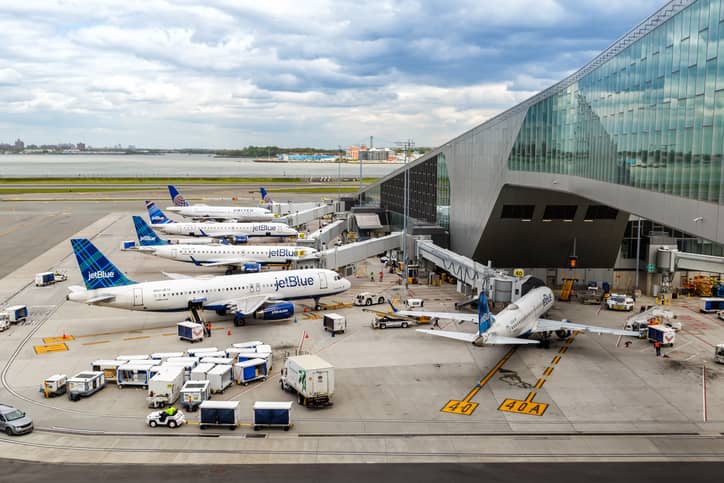
LaGuardia Airport (LGA) has executed one of the most stunning redemption stories in U.S. travel history, transforming from what was once notoriously ridiculed as a “third-world” facility, a scathing label famously applied by a former Vice President, into a genuinely modern and acclaimed hub. An $8 billion-plus overhaul has resulted in bright, airy, and interconnected terminals (like the award-winning Terminal B) that offer drastically improved amenities, streamlined security processing, and a significantly better flow for passenger movement. The airport’s post-renovation on-time performance and passenger satisfaction scores have seen a measurable improvement, demonstrating the direct impact of high-quality infrastructure investment. The shift has been so profound that LGA has gone from being the most dreaded airport in New York to one that travelers now find surprisingly pleasant and efficient, successfully erasing a decades-long reputation for discomfort and operational dysfunction.
12. Newark’s Terminal A (EWR)
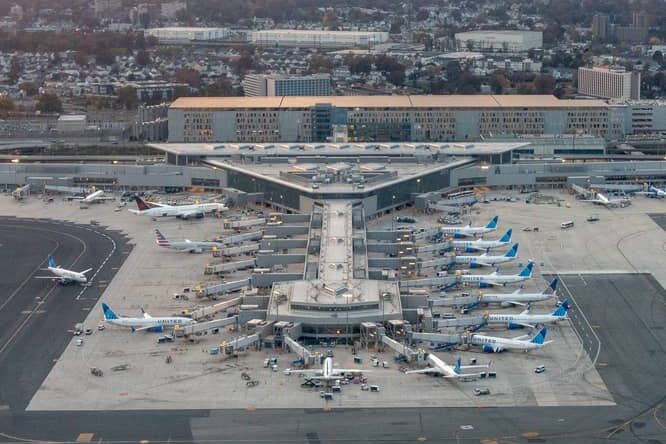
While the overall reputation of Newark Liberty International Airport (EWR) still suffers from its older terminals and endemic congestion, the debut of its new, $2.7 billion Terminal A marks a massive and undeniable bright spot. The new terminal is a complete antithesis to EWR’s older facilities, featuring a sleek, modern design, expansive natural light, and the latest in efficient passenger processing technology. It has quickly earned accolades, including a prestigious 5-Star Skytrax rating, a truly rare distinction for a North American airport. The terminal’s design focuses on a post-security experience that is bright, comfortable, and amenity-rich, drastically improving traveler flow and satisfaction for the airlines operating within it. Terminal A is a concrete proof-point that even the most operationally maligned airports can achieve world-class passenger experiences through targeted, massive investment, signaling a potential future turnaround for the broader EWR complex.
13. Detroit Metropolitan (DTW)
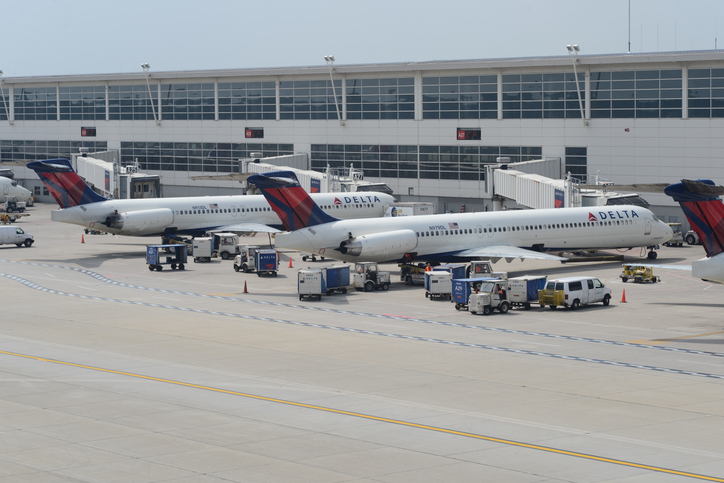
Detroit Metropolitan Wayne County Airport (DTW) successfully shed its former reputation as a confusing and inefficient hub by investing heavily in a massive, comprehensive modernization, culminating in the construction of the celebrated McNamara Terminal. This terminal, a favorite among travelers, is known for its linear design that simplifies navigation, its striking 800-foot-long “Light Tunnel” connecting the concourses, and a central water feature that adds a sense of calm. DTW consistently ranks high in efficiency and passenger satisfaction surveys, often noted for short walk times, an easy connection process, and strong amenities, including a wide variety of quality dining and comfortable seating areas. The airport’s strategic rebuilding turned a former punchline into one of the country’s most well-regarded and operationally sound hubs, demonstrating a significant turnaround in public perception and traveler experience thanks to thoughtful, passenger-centric design.
14. Salt Lake City International (SLC, New Terminal)
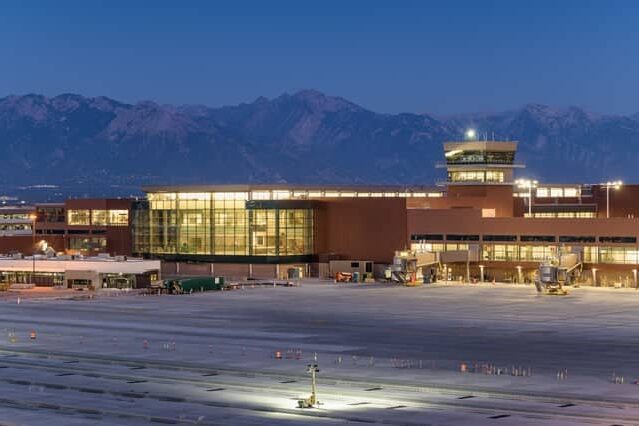
The complete transformation of Salt Lake City International Airport (SLC), achieved through a multi-billion-dollar rebuild, is a recent and dramatic success story, moving it from the ‘Love to Hate’ list to the ‘Won Us Back’ category almost immediately. The new terminal, which opened its first phase in 2020, is characterized by its bright, spacious, and highly efficient design, significantly simplifying the traveler journey compared to the old, cramped facility. The post-security experience is vastly improved, featuring streamlined concourses and a thoughtful layout that minimizes walking distances. SLC was quickly recognized as one of the most improved airports in the country by multiple industry groups, with its modern aesthetics and improved passenger flow drawing high praise. This investment has fundamentally altered the traveling experience in the Mountain West, proving that comprehensive rebuilding can entirely erase the negative memory of a previous, outdated airport facility.
15. Indianapolis (IND)
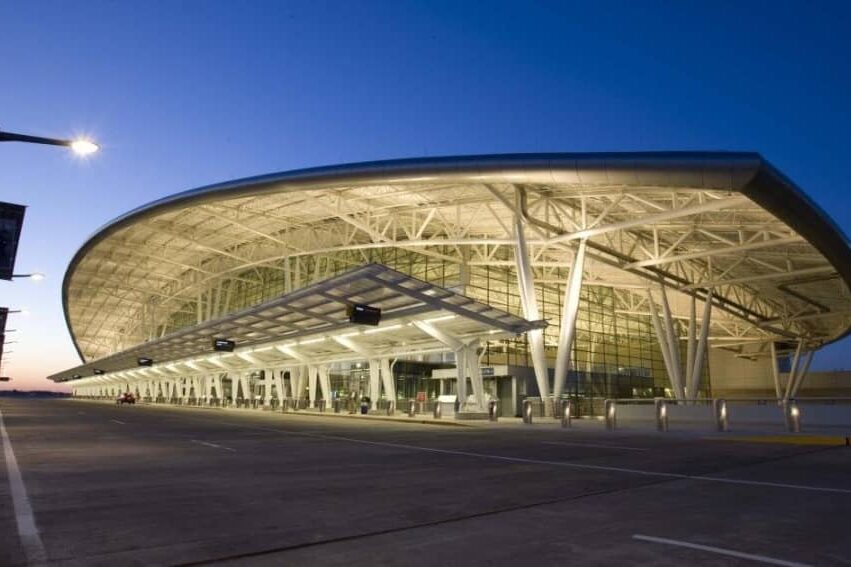
Indianapolis International Airport (IND) is often held up as a model for how mid-sized airports can achieve world-class passenger experiences, demonstrating a high degree of commitment to traveler comfort and operational efficiency. The airport’s main terminal, known as the Col. H. Weir Cook Terminal, has received numerous awards and consistently ranks at the top of national satisfaction surveys by J.D. Power and others for its innovative design. Travelers praise its bright, airy atmosphere, the logical layout that makes navigation and security screening quick, and a wide array of quality, locally-focused dining and retail options. IND’s relatively low traffic volume for a major airport, coupled with its excellent design and clear focus on passenger needs, means that travelers frequently report an experience free of the typical airport stress, making it a beloved regional gateway that stands out as a high-quality model.
The Airports We Truly Love
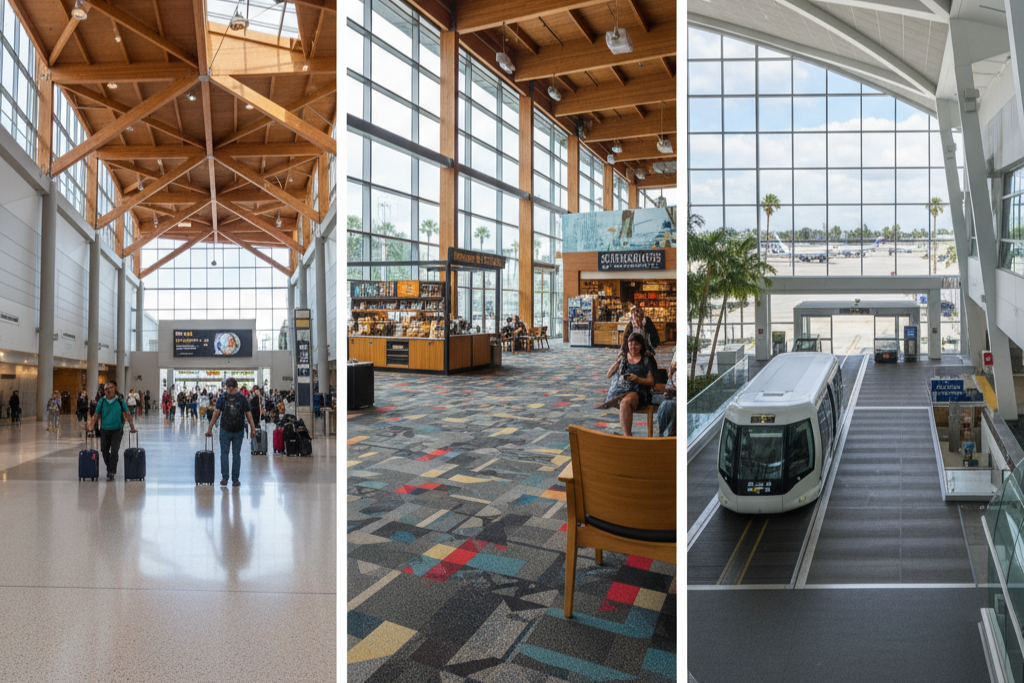
Forget the usual travel nightmares, these gateways are destinations in themselves, offering an experience that transcends long security lines. We highlight the international hubs that have redefined the travel experience and captured the hearts of millions of globetrotters.
16. Minneapolis–St. Paul (MSP)

Minneapolis–St. Paul International Airport (MSP) consistently earns top honors, frequently being ranked as the best large U.S. airport in multiple industry and traveler surveys. Its success stems from a winning combination of operational efficiency, high-quality amenities, and a deliberate focus on the passenger experience. MSP boasts excellent on-time performance and baggage claim metrics, contributing to a smooth and stress-free journey. Travelers frequently rave about its cleanliness, ample dining options, including a great selection of local businesses, and unique features like its airport art exhibits and an indoor walking path. The layout is easy to navigate, with well-designed connections and clear signage. In a country where airport stress is common, MSP is the rare major hub that people actually look forward to passing through, reflecting a sustained commitment to high standards.
17. John Wayne (SNA)
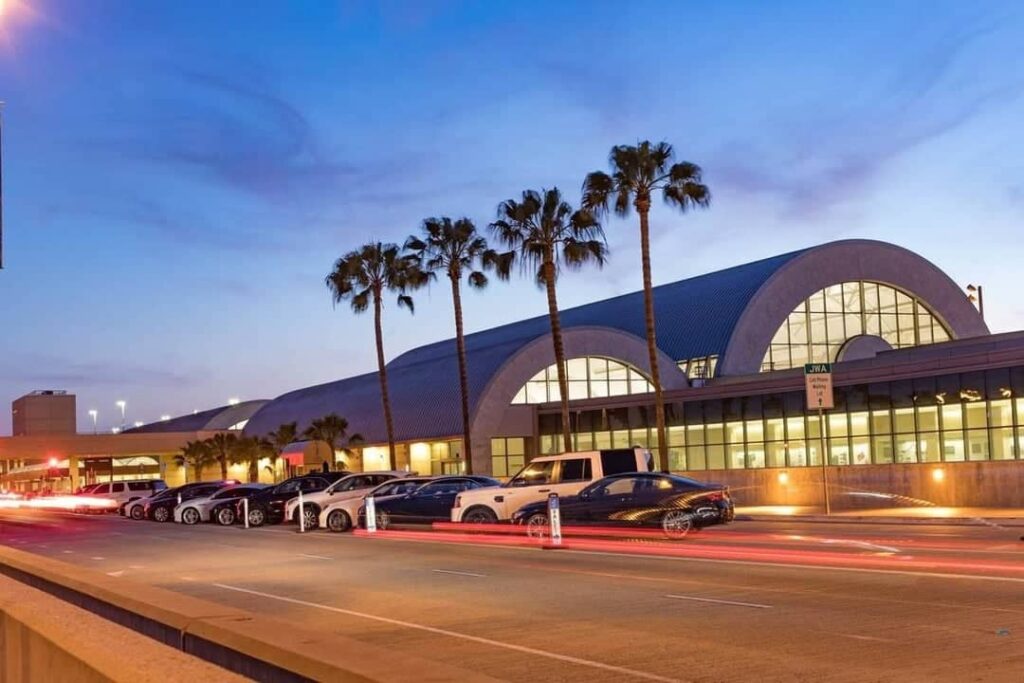
John Wayne Airport (SNA) in Orange County, California, stands in stark contrast to its massive, chaotic neighbor, LAX, and is consistently rated among the top airports for passenger satisfaction in its size category by J.D. Power. Its smaller size and efficient, streamlined operations are its greatest assets. Travelers appreciate the short lines at security, the easy and fast access to and from the terminals, and a clean, comfortable environment. Unlike the sprawl of LAX, SNA’s layout is intuitive and simple to navigate, minimizing walking distances and stress. It maintains a welcoming, boutique-like atmosphere that is highly valued by Southern California residents and visitors seeking a low-friction travel experience, making it a clear favorite for those who prioritize ease and speed over volume and global connectivity.
18. Phoenix Sky Harbor (PHX)
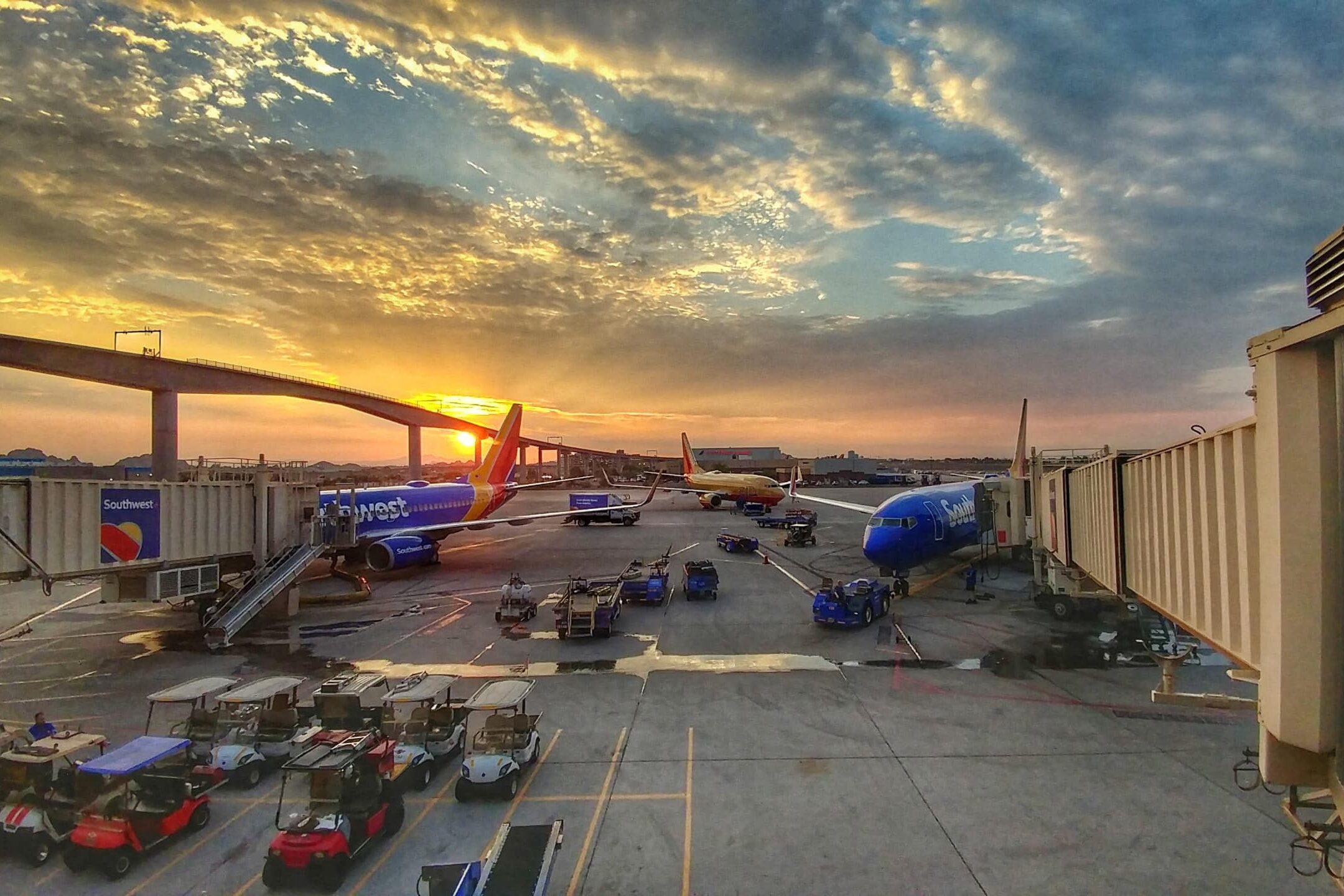
Phoenix Sky Harbor International Airport (PHX) has successfully marketed itself as “America’s Friendliest Airport,” and its operational performance and traveler feedback support that slogan. PHX consistently receives high marks for customer service, with travelers frequently noting the helpfulness and positive attitude of airport staff. The airport is well-designed with wide, bright concourses and strong amenities, including extensive charging stations and a good variety of comfortable seating and dining options. Its central location near downtown Phoenix makes for easy and quick access to the city, reducing the stress of the ground jjourney. PHX’s efficient operations and commitment to traveler comfort, coupled with the benefit of the region’s generally good weather, contribute to it being a model for how a major transit hub can effectively blend efficiency with a genuinely positive, low-stress passenger experience.
19. Portland International (PDX)

Portland International Airport (PDX) has earned a devoted following and a consistent top-tier ranking in traveler satisfaction surveys, often cited for its unique, localized charm and commitment to creating an authentic, community-focused experience. Famous for its iconic carpet (now replaced but immortalized in merchandise) and its celebrated, post-security airport cinema, PDX focuses on delightful amenities. Travelers rave about the incredible variety of local food carts and microbreweries, all of which are priced the same as in the city, a policy highly valued by cost-conscious flyers. Its bright, airy terminals and efficient security processes contribute to a low-stress environment. The overall design and operational philosophy of PDX are centered on making the airport a reflection of the welcoming, idiosyncratic city it serves, turning a necessary transit point into a genuinely enjoyable start or end to a trip.
20. Tampa International (TPA)
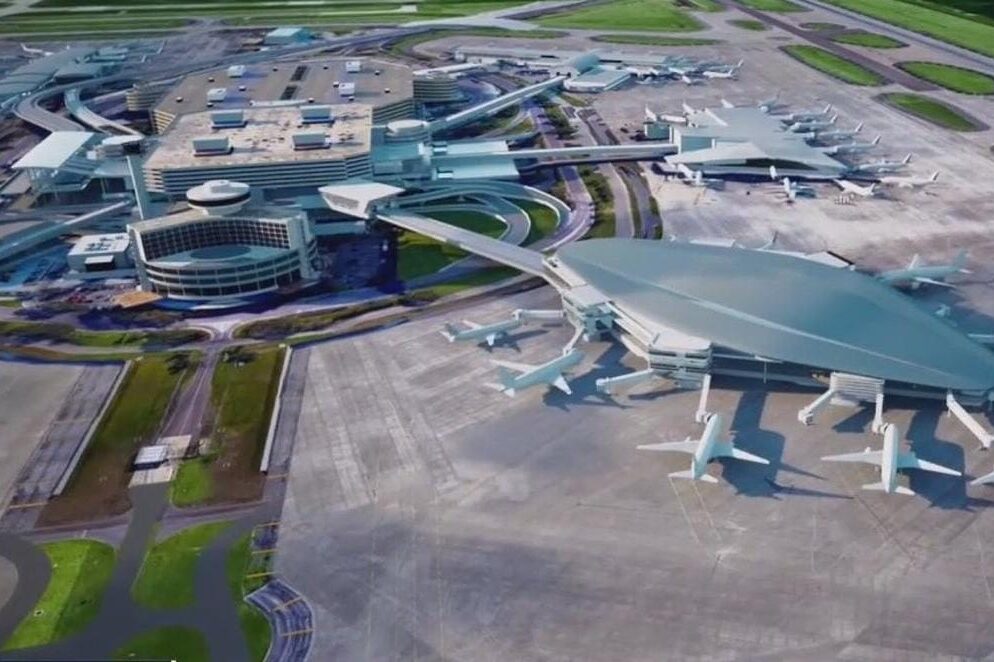
Tampa International Airport (TPA) is consistently lauded as one of the best-designed and most efficient airports in the United States, earning high praise for its innovative, passenger-centric layout. TPA pioneered the modern “landside/airside” design, where the main terminal (landside) is connected to four separate satellite gates (airside) via a quick, automated people mover system. This unique design drastically reduces walking distances and minimizes congestion, leading to exceptionally high satisfaction scores for ease of use and quick transit. Travelers appreciate the logical flow, the abundant natural light, and the overall cleanliness of the facility. The operational efficiency, combined with its high-quality amenities and commitment to a stress-free passenger experience, solidifies TPA’s reputation as a genuinely beloved airport that excels in making air travel a pleasant affair.
Overall, airports shape the first and last impression of every trip. Some frustrate us endlessly, others surprise us with improvements, and a few even delight us. Whether dreaded or adored, these facilities prove that the travel experience is never just about the destination, it’s also about the journey through the terminals that connect us. Which of these airports has changed your opinion, for better or worse, in the last few years?
This story 20 Airports We Love to Hate, the Few That Won Us Back, and the Ones We Truly Love was first published on Daily FETCH


