
1. Carpeted Terminals
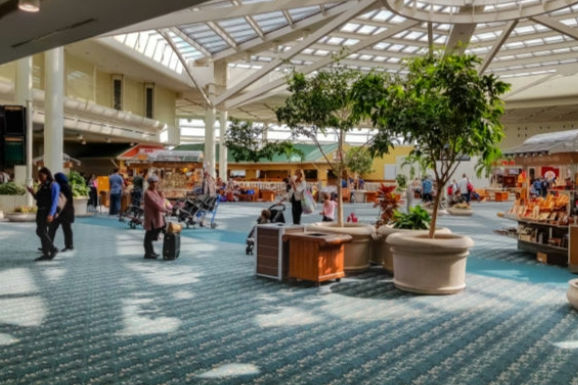
Behind every unusual layout or quirky practice is a practical reason rooted in safety, efficiency, or passenger flow. Many airports use soft, colorful carpets instead of tile because carpet naturally reduces noise in large spaces. With thousands of rolling suitcases and rushing footsteps, sound can quickly bounce around a terminal and overwhelm travelers. Carpet absorbs that noise and creates a calmer atmosphere. Airports like Portland International Airport even turned their iconic carpets into branding, making it easier to spot photos online. Carpet also encourages passengers to walk more slowly, which reduces crowding around bottleneck areas like gates and security lines.
2. Extremely Bright Runway Lights
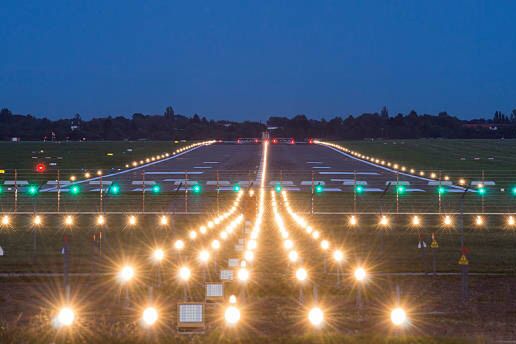
Runway and taxiway lights often appear overly bright to passengers, especially during takeoff or landing at night. These lights aren’t simply for visibility, they’re designed to meet strict international safety standards so pilots can navigate in bad weather, heavy fog, or low-visibility conditions. The color patterns also serve as coded instructions: white for runways, blue for taxiways, and amber or red to signal hold-short areas. These lighting systems help avoid runway incursions, guide aircraft safely, and provide consistency no matter where the pilot is flying in the world.
3. Random Art Installations

Some airports display unusual or oversized art pieces, from giant sculptures to interactive displays. While they often spark conversation, their purpose goes beyond decoration. Art can reduce travel-related stress, improve passenger mood, and make terminals feel less sterile. Airports like Denver International Airport and Singapore Changi purposely invest in memorable installations to strengthen their identity and create social media–friendly spots. This helps them stand out to travelers and boosts passenger satisfaction scores, which airports monitor closely.
4. Long, Empty Hallways
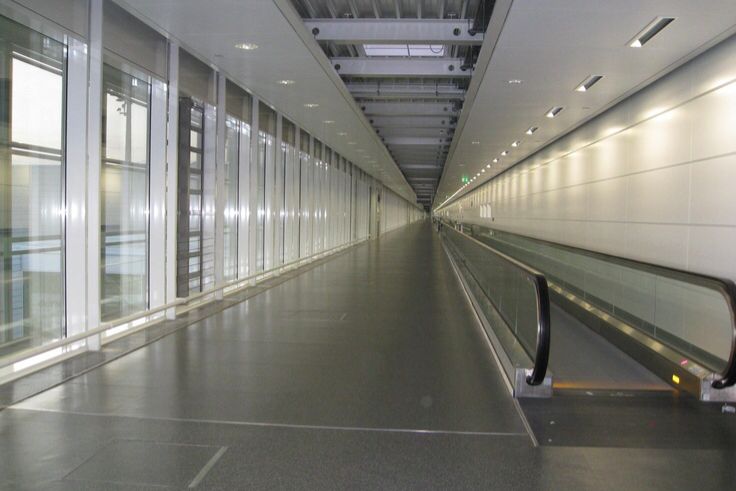
Those endless walks between concourses or terminals aren’t accidental. Airports are designed around safety zones, structural clearances, and the need to keep aircraft movement separate from passenger areas. This leads to long connecting corridors where foot traffic flows in a single direction. These stretches also act as holding space during peak hours, preventing bottlenecks near gates. Many airports choose minimal decoration in these areas because it reduces maintenance costs and keeps evacuation routes clear. Though they may feel empty, they’re built for efficiency.
5. Seats Without Armrests or Padding
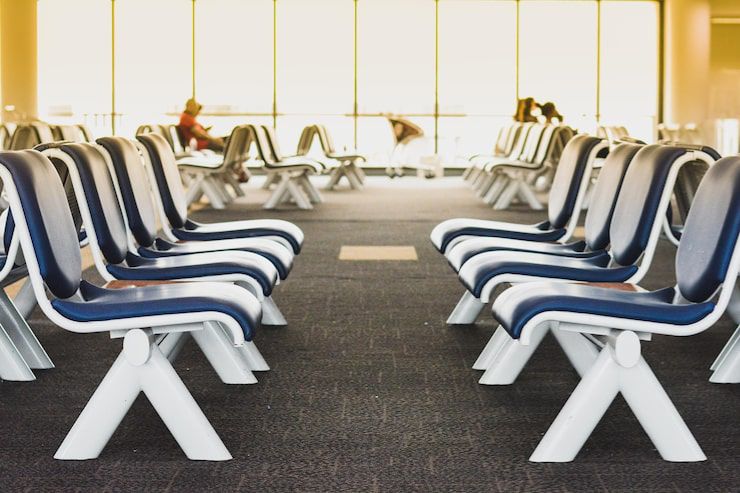
Some terminal seating looks basic or uncomfortable for a reason. Hard, simple seating discourages long-term sleeping, especially in airports that operate overnight but prefer to avoid becoming makeshift hotels. Armrest dividers are used to prevent people from lying across rows, keeping seating available for more passengers during busy periods. These designs are part of crowd-management strategies that ensure people continue moving through the terminal rather than settling in for hours. Airports may still provide comfortable lounges, but those are usually located in paid or designated areas.
6. Those Strange Airport Smells
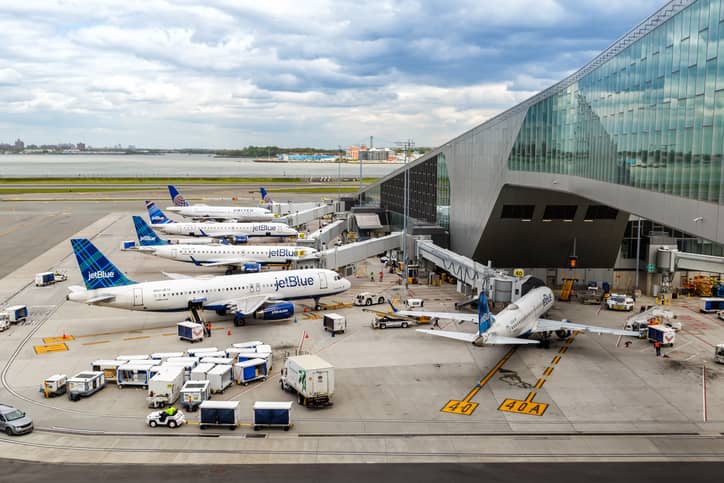
Airports often have a distinctive smell that blends jet fuel, industrial cleaning products, and constant HVAC circulation. Surprisingly, this is intentional. Terminals use high-grade disinfectants and strong ventilation systems to control germs and maintain air quality for millions of travelers each year. Because many airports operate 24/7, cleaning cycles never truly stop, so the scent of these chemicals becomes part of the overall environment. Add in the smell of fuel drifting in from tarmacs during peak aircraft movement, and airports end up with a recognizable aroma that signals both cleanliness and constant activity.
7. Sudden Temperature Changes

It’s common to walk through one part of an airport that feels chilly and another that feels warm. This happens because different zones require different climate controls based on crowd density, machinery, and even security technology. Areas near large windows often heat up from direct sunlight, while jet bridges can be much hotter or colder due to outside temperatures. Security lanes typically stay cooler because screening machines generate heat and require strong ventilation. These temperature shifts help maintain equipment efficiency and prevent discomfort in heavily crowded spaces.
8. Constant Announcements
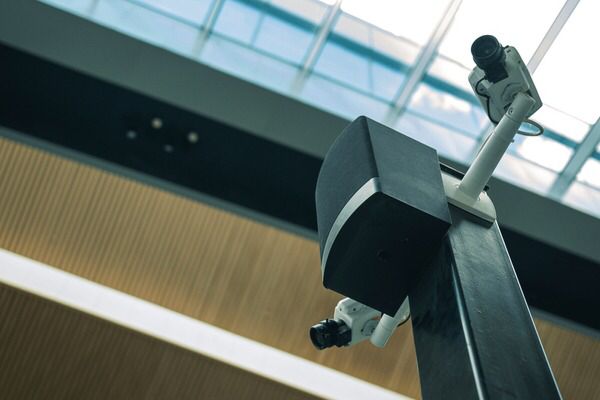
From baggage updates to final boarding calls, airport announcements can feel nonstop. But airports rely on them to manage crowds and keep passengers informed across massive spaces where screens may not always be visible. Announcements also serve safety functions, such as alerting travelers to unattended bags or gate changes. Many airports use multilingual messages to accommodate international visitors, and the cadence is designed to cut through ambient noise. While it may feel repetitive, this constant communication helps prevent delays, missed flights, and security risks.
9. Randomly Placed Mirrors
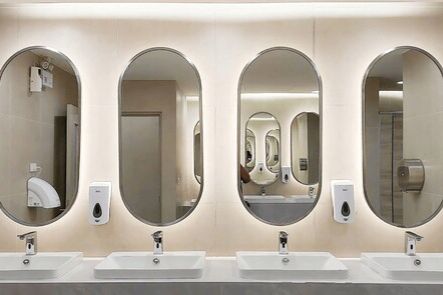
Some airports place mirrors in unexpected spots, such as near escalators, restrooms, or long walkways. This isn’t just decorative. Mirrors help security staff monitor blind corners and allow travelers to navigate crowded areas more safely. They also make narrow hallways feel larger, easing psychological stress for passengers rushing between gates. In international terminals where travelers may not speak the same language, mirrors provide visual reassurance of surroundings and improve flow by reducing hesitation near congested intersections.
10. The Odd Shape of Control Towers
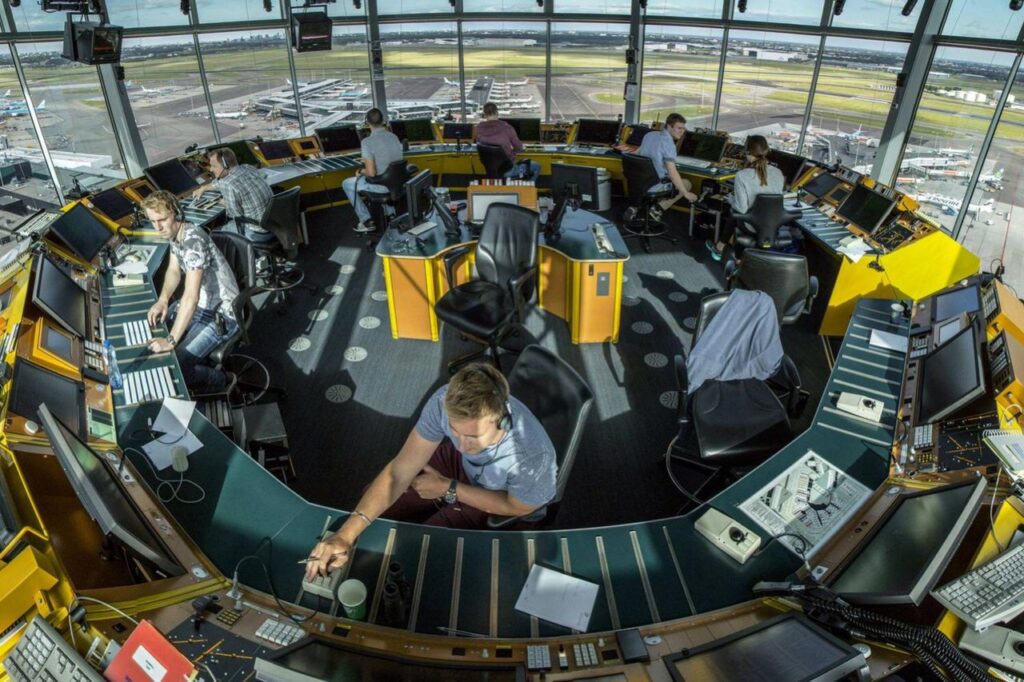
Airport control towers rarely look alike, with some tall and narrow, and others wide or architecturally unusual. Their shapes are carefully planned to provide the best line of sight over runways, taxiways, and aprons. Each airport layout is different, so tower height and angles must be customized to avoid obstructions like terminals or hangars. Their design also accounts for wind, seismic activity, and required equipment inside. The tower’s visibility needs often outweigh aesthetic concerns, resulting in structures that look unusual but serve an essential operational purpose.
11. Moving Walkways That Suddenly End
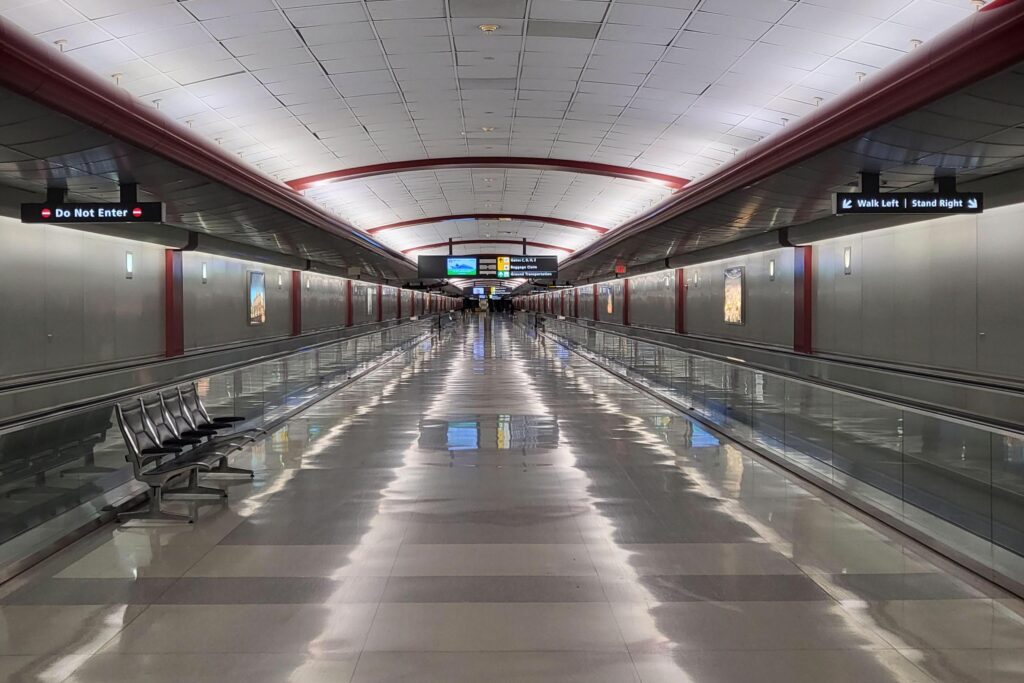
Moving walkways often stop long before you reach your gate, and that can feel inconvenient, but the placement is deliberate. Airports install them in high-traffic corridors where foot flow needs support, not in areas where passengers must slow down for gate checks or security zones. Walkways also cost a lot to maintain, so airports limit them to stretches that see the greatest rush, such as between major concourses. Ending them early prevents congestion at gate entrances and keeps passengers alert as they transition into slower, more controlled spaces.
12. Hidden Doors and Staff-Only Hallways
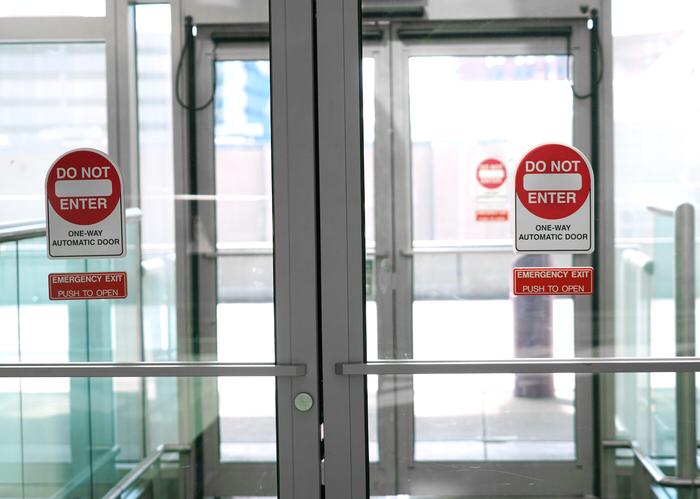
Travelers often spot mysterious doors tucked between shops or at the ends of quiet hallways. These aren’t secret passages, just the backbone of airport operations. Staff-only corridors connect security teams, baggage handlers, airline crews, and maintenance workers so they can move quickly without crossing passenger areas. These zones also contain emergency routes, electrical systems, and supply access points. Keeping them out of public view ensures safety, reduces crowding, and allows airport staff to respond faster during operational changes or emergencies.
13. Quiet Rooms and Empty Spaces
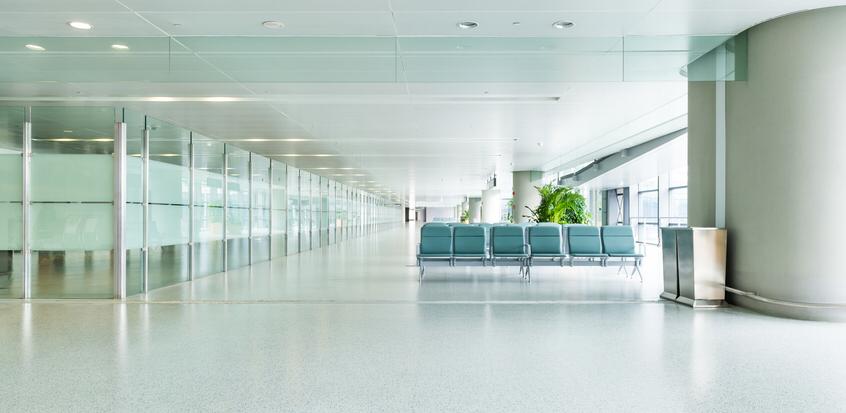
Some terminals feature oddly silent or barely used rooms. These aren’t forgotten spaces, they’re intentional buffer zones designed for passenger decompression and operational flexibility. Airports use these rooms as overflow during delays, pop-up screening areas during busy travel seasons, or quiet zones for travelers with sensory needs. Because travel stress can build quickly, these calmer pockets help improve the overall passenger experience, even if they’re not always heavily occupied.
14. Baggage Carousels That Run Counterclockwise
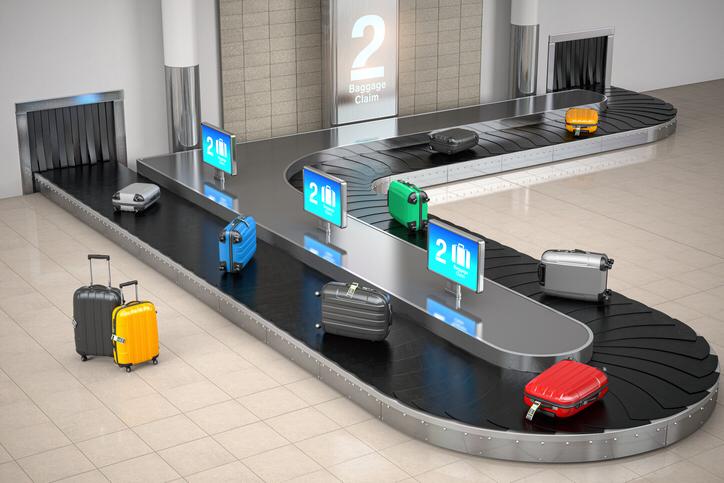
Many baggage carousels rotate counterclockwise, and while it seems like a random choice, it’s often determined by mechanical design and typical passenger flow patterns. Most people naturally gather to the right when approaching a space, so counterclockwise rotation supports smoother retrieval. In older airports, carousel direction was based on available equipment during construction, and many newer terminals simply maintain the same orientation for operational consistency. The direction doesn’t impact luggage sorting, just how people cluster around the belt.
15. The Strange Codes on Boarding Passes
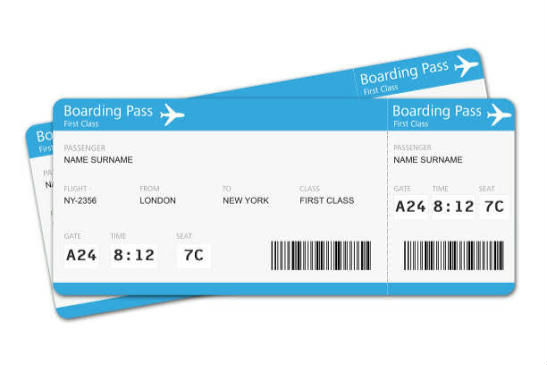
Boarding passes contain lines of letters and numbers that look confusing at first, but each code plays an operational role. Three-letter airport codes identify your departure and arrival cities, while airline codes and sequence numbers help staff track boarding order. The six-character PNR code links your entire booking across multiple airlines or flights. Even the barcode includes encrypted details like frequent-flyer status and baggage allowances. These codes standardize global travel and make coordination possible across dozens of airports and carriers.
16. Jet Bridges That Feel Shaky
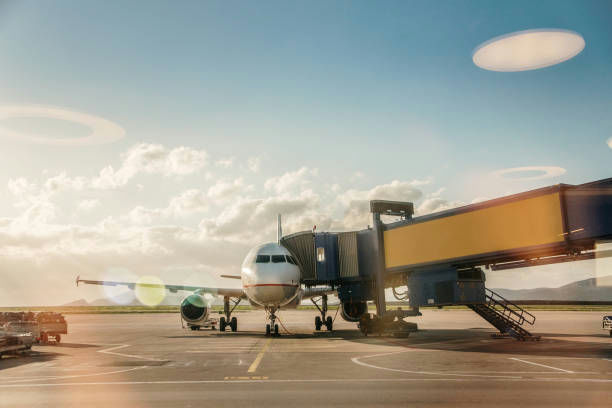
Walking through a jet bridge can feel unsteady, but that slight movement is completely normal. Jet bridges are built with flexible joints so they can adjust to different aircraft heights and door positions. Because they connect the solid terminal to a moving airplane, they need to shift with changes in weight, wind, and ramp movement. The flooring and walls are designed to handle this gentle sway without affecting safety. This flexibility also allows crews to align the bridge quickly, speeding up boarding and reducing delays.
17. Airplanes Parked Far From the Terminal
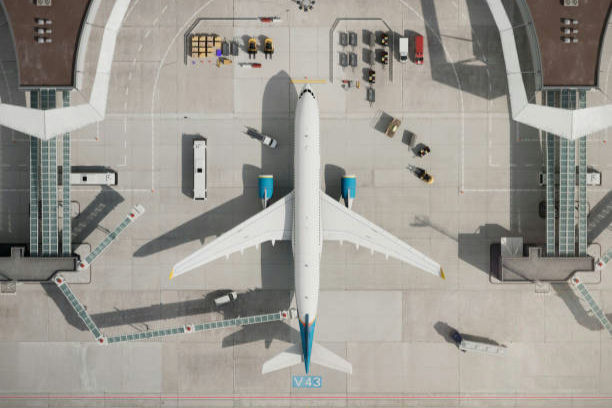
Sometimes flights arrive at remote stands where passengers take a bus instead of using a jet bridge. This isn’t poor planning, it’s a strategic way to manage airport capacity. Remote parking areas help airports handle more aircraft during peak hours, maintenance overflow, or construction periods. Budget airlines often prefer these spots because they cost less than main terminal gates. While it adds a short bus ride for travelers, it keeps operations running smoothly and prevents congestion closer to the terminal.
18. Oddly Placed Charging Stations

Charging outlets seem scattered or oddly located, and that’s partially due to airport electrical design. Terminals need to spread out power loads to avoid overwhelming circuits in high-traffic areas, so outlets are often placed near structural columns or away from crowded walkways. Airports also use scattered charging spots to keep travelers moving rather than clustering in one location, which can block pathways. Newer terminals incorporate more furniture-based outlets, but the placement still follows careful safety and load-balancing rules.
19. Glass Walls Facing the Runway
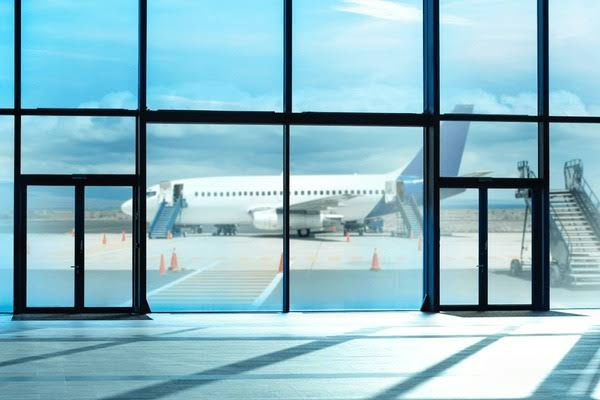
Many airports feature large glass viewing walls that face the apron or runways. While this gives travelers great views for plane-spotting, these walls also serve an operational purpose. They help airport staff visually monitor aircraft movement, vehicle traffic, and weather changes. Natural light also reduces energy usage in huge terminals and boosts traveler comfort. The glass is built with reinforced safety layers and UV protection, making it both functional and durable in harsh outdoor conditions.
20. The Beeping of Service Vehicles
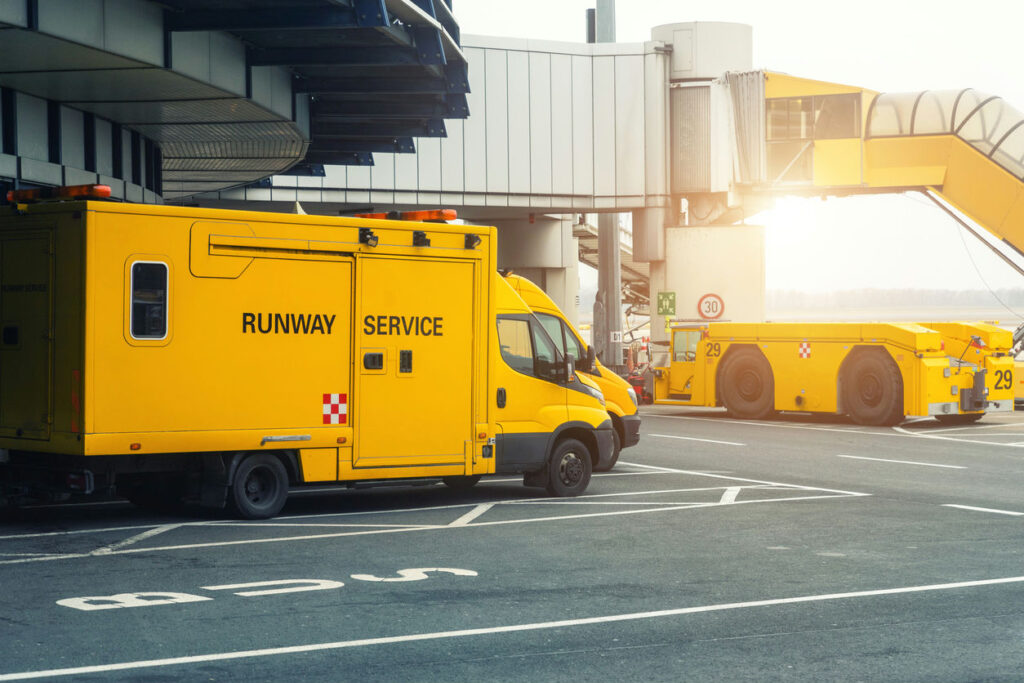
The constant beeping of baggage carts, catering trucks, and tarmac vehicles is more than just background noise. These warning sounds help alert ground crews working in extremely loud environments where jet engines can drown out normal communication. The beeps signal movement, direction changes, and potential hazards around aircraft. With so many vehicles operating in tight spaces, these alerts prevent collisions and keep turnaround times efficient. It may be noisy, but it’s a key part of maintaining safety on the airfield.
The next time you’re rushing through a terminal, you might spot a few of these hidden details with a new sense of appreciation.


