
Blue By Joni Mitchell

Joni Mitchell released Blue on 22 June 1971, and it quickly became the gold standard for the confessional singer-songwriter movement that defined the early part of the decade. Recorded at A&M Studios in Hollywood, the album is an incredibly raw and intimate exploration of love, loss, and the bittersweet nature of independence. Mitchell’s unique use of open guitar tunings and the Appalachian dulcimer provided a sparse yet rich backdrop for her poetic lyrics, which felt like reading someone’s private diary. There is a sense of vulnerability in her voice that was revolutionary at the time, as she refused to hide behind metaphors and instead spoke directly about her own heartbreaks and travels. It is a record that feels like a quiet conversation between friends on a rainy afternoon, making it an essential companion for anyone navigating the complexities of adulthood.
The legacy of this album is found in its immense influence on countless artists who have sought to match its level of honesty and technical skill. Tracks like A Case of You and River have become part of the cultural lexicon, covered by hundreds of musicians but never quite replicated in their original emotional intensity. Mitchell’s ability to map out the geography of the human heart set a new benchmark for lyrical depth, proving that female perspectives were essential to the landscape of modern rock and folk. It remains a deeply courageous work because it does not shy away from the messy or unflattering parts of being alive and in love. Even decades later, the clarity of the production and the purity of the performances ensure that Blue feels just as striking and necessary as it did when it first hit the shelves in 1971.
What’s Going On By Marvin Gaye
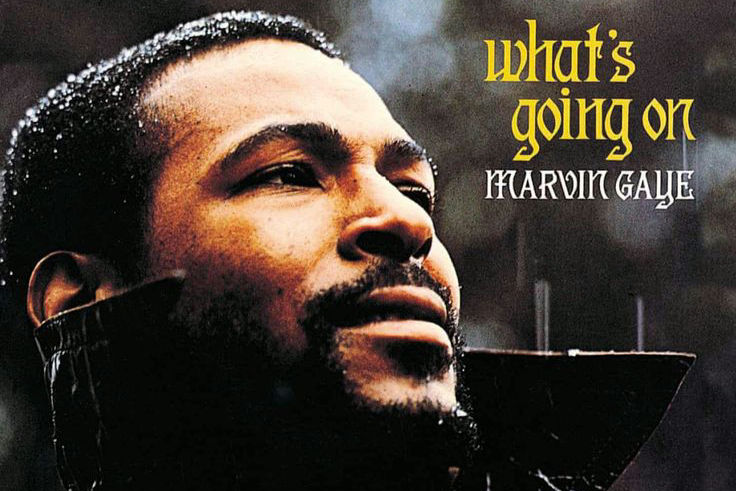
Released on 21 May 1971, this masterpiece marked a daring departure for Marvin Gaye as he stepped away from the polished hit machine of Motown to create something deeply personal. The album was born out of his profound distress over the Vietnam War and the social injustice he witnessed in America, resulting in a cohesive song cycle that flows seamlessly from one track to the next. Gaye took on the role of a soulful reporter, using his velvet-smooth voice to ask difficult questions about the environment and the plight of urban youth. It was a massive commercial success that proved artists could address serious political themes while still maintaining a beautiful and accessible sound. The intricate layering of percussion and strings created a lush atmosphere that remains one of the most sophisticated examples of soul production ever recorded in a studio.
This record essentially broke the mould for what a soul album could achieve by proving that it could be a unified work of art rather than just a collection of singles. Gaye’s decision to self-produce gave him the freedom to experiment with multitracked vocals, which allowed him to harmonize with himself in a way that felt like a spiritual conversation. Songs like Mercy Mercy Me and Inner City Blues remain hauntingly relevant today because they touch on universal struggles that continue to resonate with new generations of listeners. By challenging the status quo of the music industry, Marvin Gaye opened the door for other artists to demand creative control over their own narratives. It stands as a timeless testament to the power of empathy and the enduring need for compassion in a world that often feels divided and uncertain.
Hunky Dory By David Bowie
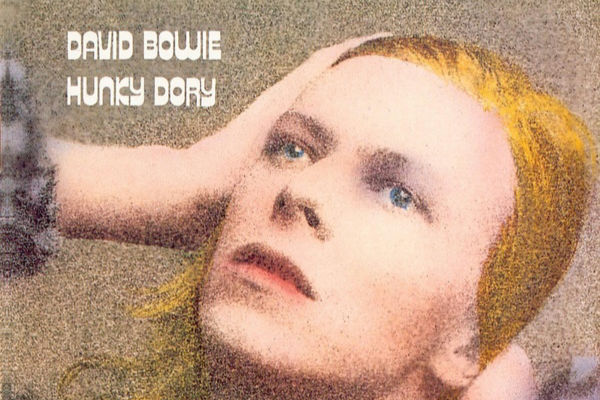
David Bowie truly found his artistic voice with the release of Hunky Dory on 17 December 1971, which served as a vibrant gateway to his legendary career as a musical chameleon. This was the record where he began to blend high-concept art with accessible pop melodies, featuring the brilliant piano work of Rick Wakeman and the debut of the band that would become the Spiders from Mars. The album is a brilliant tapestry of tributes to his influences, ranging from Bob Dylan to Andy Warhol, yet it remains distinctly and uniquely Bowie in its execution. Songs like Changes became anthems for a generation that was constantly evolving and looking for new ways to express their identity in a rapidly shifting world. It captured a sense of optimism and intellectual curiosity that was infectious, marking the moment when Bowie moved from being a cult figure to a bona fide superstar.
Beyond the catchy hooks, the album explored themes of reincarnation and the looming shadow of the future, particularly on the hauntingly beautiful track Life on Mars. The songwriting displayed a level of sophistication that few of his peers could match, as he moved effortlessly between theatrical ballads and upbeat acoustic numbers. This record also signaled Bowie’s fascination with the idea of performance and persona, which would soon culminate in the birth of Ziggy Stardust and his subsequent transformations. It is a joyful and eccentric celebration of creativity that encouraged listeners to embrace their own quirks and defy traditional expectations of what a rock star should be. By bridging the gap between the avant-garde and the mainstream, Hunky Dory ensured that Bowie would remain a pivotal figure in music history for decades to come as he continued to push every boundary imaginable.
The Rise And Fall Of Ziggy Stardust
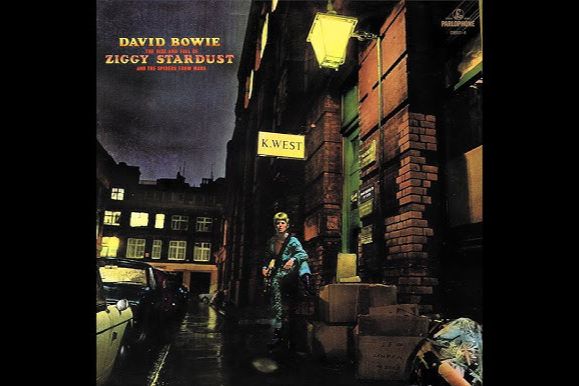
If his previous record was a transition, then the release of The Rise and Fall of Ziggy Stardust and the Spiders from Mars on 16 June 1972 was a total revolution. Bowie stepped into the role of an alien rock star sent to save a dying Earth, creating a conceptual masterpiece that merged science fiction with glam rock aesthetics. The music was lean, tough, and incredibly melodic, featuring the iconic guitar riffs of Mick Ronson that defined the sound of the early seventies. This album did more than just provide great songs because it created an entire mythology that fans could inhabit, complete with elaborate costumes and a theatrical stage show. It spoke to the outsiders and the dreamers who felt they didn’t fit into the mundane world, offering them a place of belonging in the celestial glow of Ziggy’s star.
The cultural impact of this album cannot be overstated as it fundamentally changed the way artists approached their public images and live performances. Tracks like Starman and Suffragette City were instant classics that brought a sense of danger and excitement back to the airwaves. Bowie’s exploration of gender fluidity and extraterrestrial themes was incredibly bold for 1972, and it paved the way for the flamboyant and expressive styles of the punk and New Wave movements that followed. The record captures the lightning-in-a-bottle energy of a band at their absolute peak, delivering a narrative that is both tragic and exhilarating in equal measure. It remains a definitive statement on the power of rock and roll to transform reality and create a sense of wonder in the everyday. Ziggy Stardust may have eventually retired, but the songs on this album continue to shine brightly as beacons of pure artistic reinvention.
The Dark Side Of The Moon
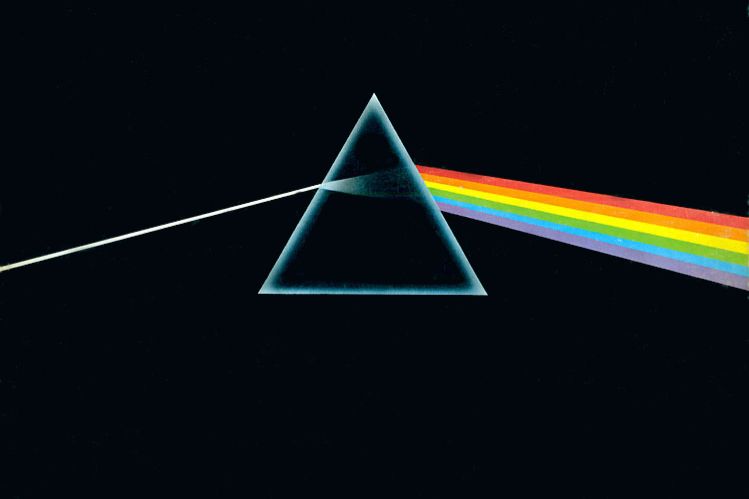
Pink Floyd reached a level of global fame that few can comprehend with the release of The Dark Side of the Moon on 1 March 1973. This album is a sonic journey through the various pressures of modern life, including time, money, conflict, and mental health, all tied together by a continuous flow of music. Recorded at Abbey Road Studios using the latest technology of the time, it pushed the boundaries of what was possible in terms of sound effects and studio production. The heartbeats, ticking clocks, and philosophical spoken-word snippets created an immersive experience that invited listeners to get lost in their own thoughts. It is a record that demands to be heard in its entirety, as each song builds upon the last to create a powerful and often overwhelming emotional arc that speaks to the human condition.
The commercial longevity of this album is legendary, as it famously spent 741 weeks on the Billboard charts from 1973 to 1988, proving its universal appeal across different generations. The iconic prism cover art has become one of the most recognizable symbols in the world, representing the clarity and depth of the music contained within. Tracks like Money and Us and Them showcased the band’s ability to blend experimental sounds with radio-friendly structures, making complex ideas accessible to a massive audience. It remains a masterclass in atmospheric rock, where every note and every pause is carefully placed to maximize the impact on the listener. By exploring the thin line between sanity and madness, Pink Floyd created a work that feels as relevant in our high-stress modern era as it did during the Cold War. It is a timeless achievement that continues to sell thousands of copies every year because its message is simply inescapable.
Innervisions By Stevie Wonder
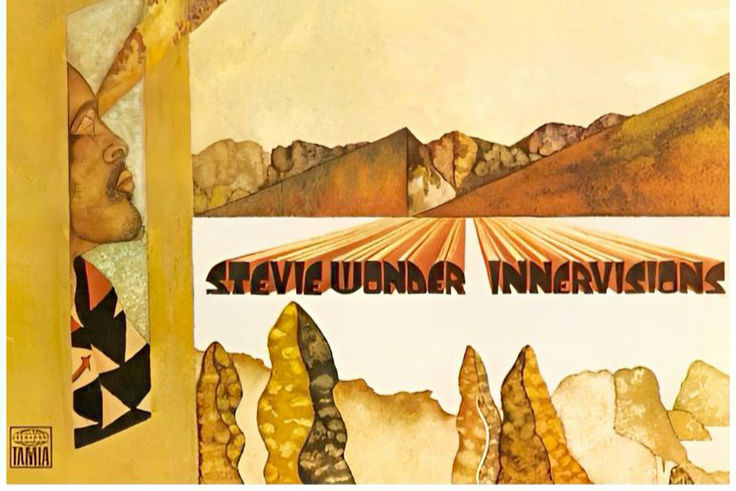
Stevie Wonder was in the midst of a legendary creative streak when he released Innervisions on 3 August 1973, an album that showcased his total mastery of the recording studio. At just twenty-three years old, Wonder played almost every instrument himself, using the pioneering TONTO synthesizer to create a sound that was futuristic yet deeply soulful. The record tackled heavy themes such as systemic racism, drug abuse, and urban poverty, but it did so with a sense of musicality that was incredibly infectious. Higher Ground and Living for the City were massive hits that combined gritty social commentary with irresistible grooves, proving that dance music could also be thought-provoking. It was a bold and confident statement from an artist who was determined to use his platform to highlight the struggles and triumphs of the Black experience in America.
The sheer innovation on this album helped to bridge the gap between traditional R&B and the emerging electronic sounds of the decade, influencing everyone from Prince to modern hip-hop producers. Wonder’s ability to write beautiful ballads like All in Love Is Fair alongside funky, synth-driven tracks showed a versatility that was truly unparalleled at the time. The album won the Grammy for Album of the Year, cementing his status as one of the most important musical figures of the twentieth century. There is a spiritual quality to the music that feels uplifting despite the heavy subject matter, reflecting Wonder’s own resilience after surviving a near-fatal car accident shortly after the album’s release. It remains a vibrant and essential listen that captures the spirit of the seventies while looking forward to a more inclusive and technologically advanced future. Innervisions is a true work of genius that continues to inspire anyone who believes in the power of music to change hearts.
Goodbye Yellow Brick Road
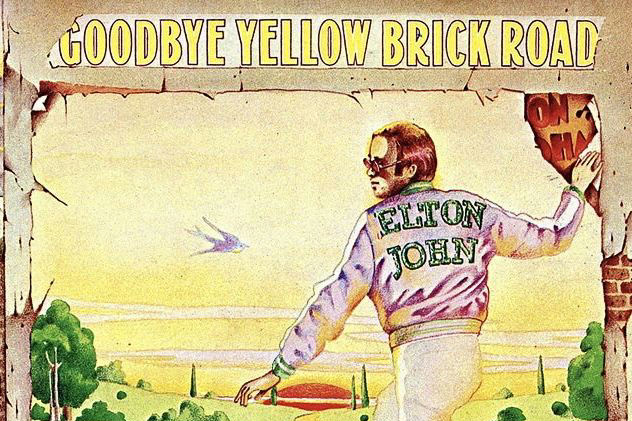
Elton John reached the absolute pinnacle of his fame with the sprawling double album Goodbye Yellow Brick Road, released on 5 October 1973. This ambitious project captured the songwriter and his lyricist partner Bernie Taupin at the height of their powers, delivering seventeen tracks that covered everything from hard rock to cinematic ballads. Recorded at the Château d’Hérouville in France, the album has a grand and theatrical feel that perfectly matched Elton’s flamboyant stage persona and rising stardom. The title track became an instant classic, reflecting on the desire to return to a simpler life amidst the overwhelming glare of the spotlight. It is a record that feels like a technicolor dream, filled with vivid characters and sweeping melodies that remain some of the most beloved in the history of popular music.
The album’s diversity is its greatest strength, as it effortlessly shifts from the glam rock energy of Bennie and the Jets to the poignant tribute of Candle in the Wind. It was a massive commercial success, spending eight weeks at the top of the US charts and producing a string of hit singles that dominated the radio waves. This work solidified Elton John as a global icon and a master of the piano-led rock anthem, influencing countless performers who followed in his sequined footsteps. The production by Gus Dudgeon is lush and expansive, giving each song the space it needs to breathe and grow into a miniature epic. Even after all these years, the album remains a definitive statement of the early seventies’ excess and creativity, offering a nostalgic yet timeless journey through a world of melody and imagination. It is a cornerstone of any record collection and a shining example of what happens when talent and ambition collide perfectly.
Rumours By Fleetwood Mac
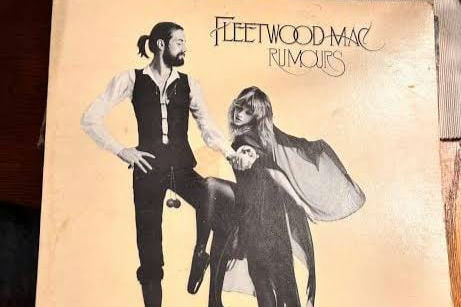
Rumours is perhaps the ultimate example of how personal turmoil can be transformed into a flawless piece of pop-rock art, released by Fleetwood Mac on 4 February 1977. The making of the album is legendary for the internal drama between the band members, as two long-term relationships were collapsing during the recording sessions at Record Plant in California. Despite the heartache and frequent arguments, the group managed to channel their emotions into eleven perfectly crafted songs that explored every facet of love and betrayal. The contrast between Stevie Nicks’ mystical folk, Lindsey Buckingham’s intricate guitar work, and Christine McVie’s soulful pop created a unique chemistry that was absolutely undeniable. It is a record that feels incredibly intimate, as if the listener is a fly on the wall during some of the most difficult conversations of the band members’ lives.
The result was a cultural phenomenon that became one of the best-selling albums of all time, resonating with millions of people who had experienced their own relationship struggles. Tracks like Go Your Own Way and Dreams are masterpieces of songwriting, featuring tight harmonies and a polished production that still sounds contemporary today. The album’s success proved that honesty and vulnerability were powerful tools for connecting with a mass audience, especially when wrapped in such beautiful and catchy melodies. It captured a specific moment in the late seventies when the idealism of the previous decade had faded into something more complex and grounded. Rumours remains a staple of radio playlists and digital streaming because it speaks a universal language of human emotion that never goes out of style. The resilience of the band in the face of such intense personal pressure is a testament to the healing power of music and the enduring strength of the creative spirit.
Horses By Patti Smith
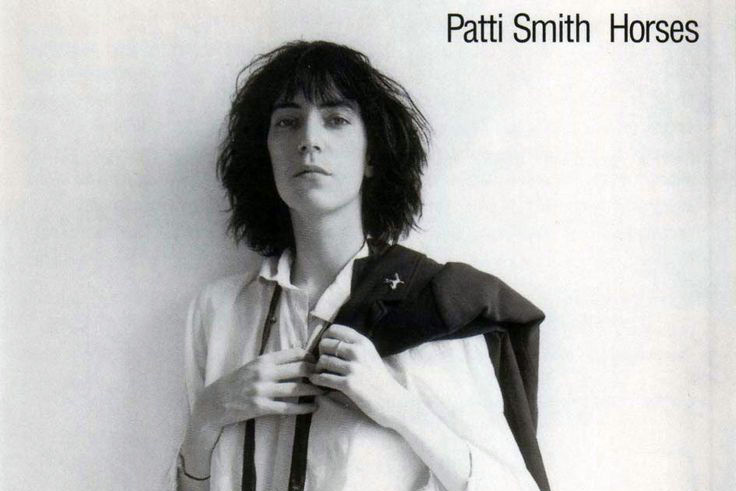
Patti Smith burst onto the New York scene with Horses on 10 November 1975, a record that effectively fused the energy of rock and roll with the intellectual depth of French poetry. Produced by John Cale of the Velvet Underground, the album served as a bridge between the bohemian art world and the burgeoning punk movement that was about to explode. Smith’s performance was unlike anything heard before, as she moved from spoken-word improvisations to primal, gutteral screams over a stripped-back and driving musical accompaniment. The opening line of the album, a reimagining of Gloria, remains one of the most provocative and famous introductions in rock history, signaling her intent to challenge every religious and social convention. It was a fierce and uncompromising debut that established her as the “Godmother of Punk” and a vital voice for the disaffected youth.
The impact of this album was felt far beyond the clubs of the Lower East Side, as it inspired a generation of women to take up instruments and express themselves without apology. Smith’s androgynous image on the cover, photographed by Robert Mapplethorpe, became an iconic symbol of rebellion and artistic freedom that rejected traditional notions of glamour. The songs on Horses are filled with vivid imagery and a sense of restless urgency, capturing the feeling of a city and a culture on the brink of a major transformation. It is a record that celebrates the power of the imagination and the necessity of breaking the rules to find one’s true voice. Even now, the raw intensity of tracks like Free Money and Land sounds revolutionary, reminding us that rock music is at its best when it is dangerous and deeply felt. Patti Smith didn’t just make an album; she created a manifesto for the artistic life that continues to inspire poets and rockers alike.
Never Mind The Bollocks
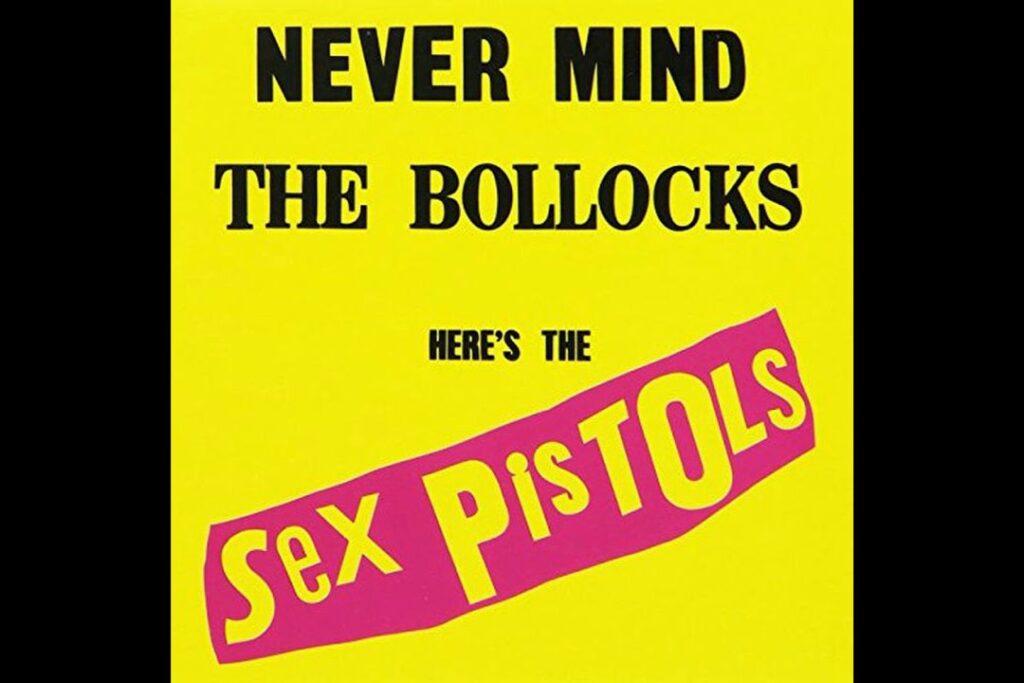
The arrival of Never Mind the Bollocks, Here’s the Sex Pistols on 28 October 1977 was nothing short of a cultural earthquake that shook the United Kingdom to its very foundations. This was the only studio album released by the band, but its impact was so immense that it defined the entire punk era in a single stroke. With its snarling vocals from Johnny Rotten and the thick, buzzsaw guitar sound of Steve Jones, the music was a direct assault on the polished and bloated stadium rock of the time. The album’s themes of anarchy, nihilism, and social frustration struck a chord with a generation of young people who felt ignored by the political establishment and the music industry. It was loud, rude, and intentionally provocative, causing moral panics and bans across the country while simultaneously climbing to the top of the charts.
Despite the chaos surrounding the band, the album is surprisingly well-produced and filled with incredibly catchy, high-energy anthems that have stood the test of time. Songs like Anarchy in the U.K. and God Save the Queen are more than just noisy protests because they are actually masterclasses in concise and powerful songwriting. The record stripped rock and roll back to its most basic and essential elements, proving that you didn’t need to be a virtuoso to have something important to say. It encouraged a DIY ethos that led to the creation of thousands of new bands and independent labels, fundamentally changing the structure of the music business forever. While the Sex Pistols may have burned out quickly, the fire they started with this album continues to smoulder in every garage band that picks up a guitar to scream against the machine. It remains the definitive sound of teenage rebellion and a reminder that music can still be a potent force for social disruption.
Songs In The Key Of Life By Stevie Wonder
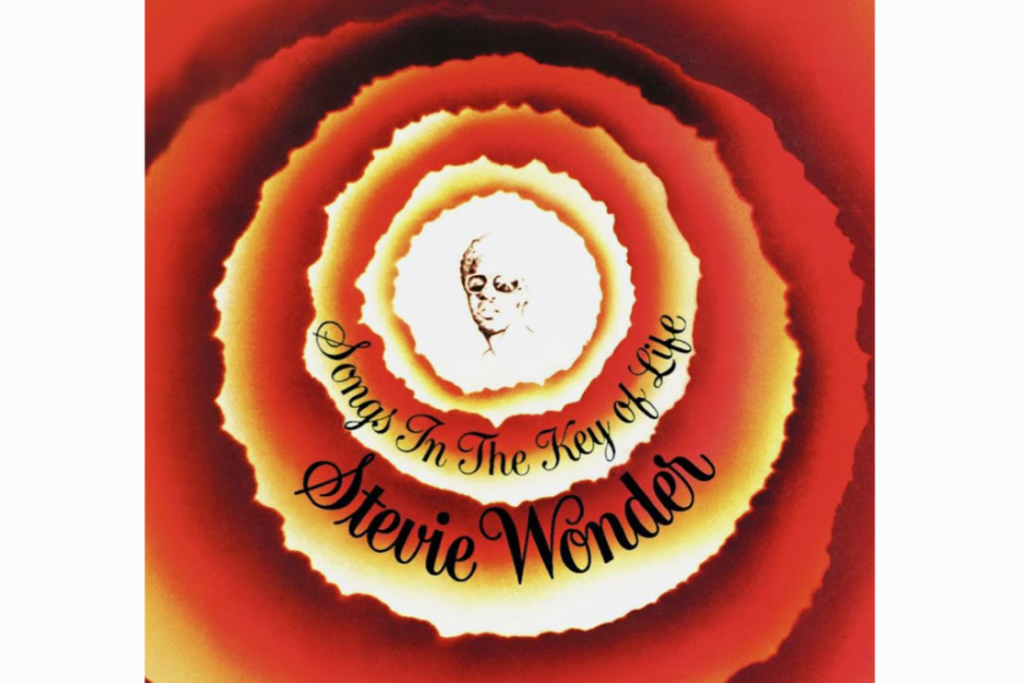
Stevie Wonder followed up his incredible run of early seventies successes with this massive double album on 28 September 1976, which many critics still consider to be his crowning achievement. At twenty-six years old, Wonder was given unprecedented creative freedom by Motown, resulting in a sprawling and ambitious collection of twenty-one tracks that explored the entire spectrum of human experience. From the celebratory brass of Sir Duke to the socially conscious narrative of Village Ghetto Land, the record feels like a complete world unto itself. It was an immediate commercial smash, becoming only the third album in history to debut at number one on the Billboard charts. The sheer variety of styles on display, including jazz, funk, and classical arrangements, showcased a musician who was operating at a level of genius that few could ever hope to reach.
The enduring power of this record lies in its ability to find joy and beauty even when addressing the most difficult aspects of life and society. Wonder’s mastery of the Yamaha GX-1 synthesizer allowed him to create lush and organic textures that still sound remarkably modern and fresh today. Tracks like Isn’t She Lovely and As have become part of the global musical DNA, played at countless weddings and celebrations as expressions of pure love. This album won the Grammy for Album of the Year, making Wonder the only artist to win the award for three consecutive studio projects. It remains a definitive statement on the importance of empathy and the universal language of music as a tool for connection. By blending his immense technical skill with a deep sense of humanity, Stevie Wonder created a masterpiece that continues to uplift and inspire listeners across the globe.
Born To Run By Bruce Springsteen
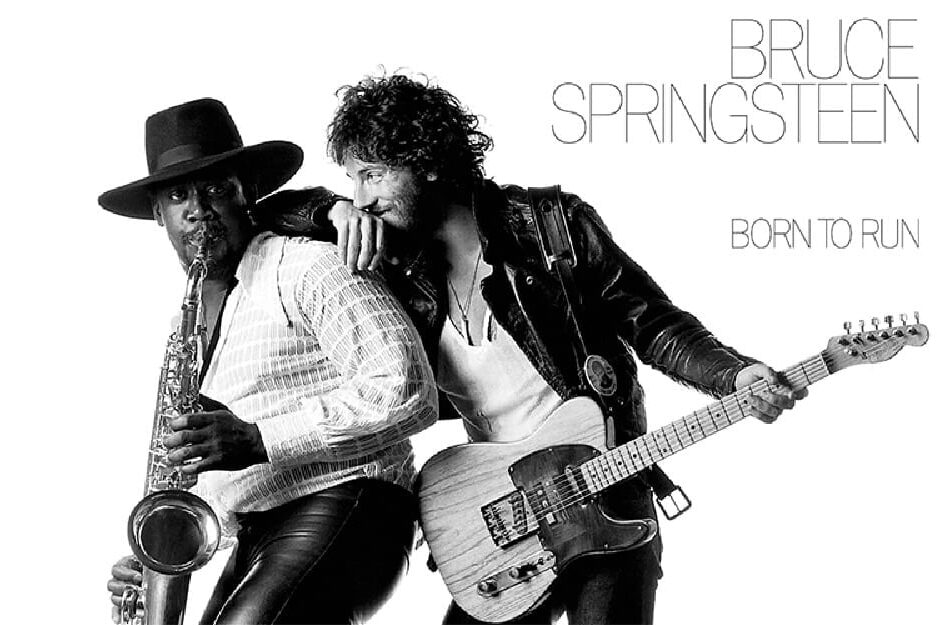
Bruce Springsteen was facing a make-or-break moment in his career when he released Born to Run on 25 August 1975, and the result was a rock and roll masterpiece. Produced over many months at the Record Plant in New York, the album was a deliberate attempt to capture the “Wall of Sound” production style while maintaining a raw and hungry energy. Springsteen wrote about the dreams and frustrations of working-class youth in New Jersey, creating a cinematic landscape of highways, boardwalks, and midnight escapes. The title track became an instant anthem for anyone who ever felt trapped by their circumstances and yearned for something bigger and better. It was a massive critical and commercial success that landed “The Boss” on the covers of both Time and Newsweek in the same week, signaling his arrival as a major cultural force.
The album is famous for its grand and operatic scale, featuring the incredible saxophone work of Clarence Clemons and the tight instrumentation of the E Street Band. Songs like Thunder Road and Jungleland are epic narratives that feel like short films, filled with vivid characters who are searching for redemption in the shadows of the American Dream. Springsteen’s passionate vocal delivery and poetic lyrics gave voice to a generation that was grappling with the aftermath of the Vietnam War and a changing economic landscape. It is a record that celebrates the power of hope and the belief that music can provide a way out of the darkness. Even decades later, the sheer intensity of the performances on this album remains unmatched, serving as a reminder of why rock and roll still matters. Born to Run is a timeless tribute to the restless spirit of youth and the enduring quest for freedom.
London Calling By The Clash
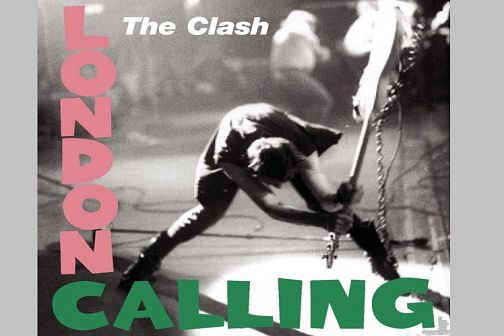
The Clash effectively redefined the boundaries of punk rock with the release of their double album London Calling on 14 December 1979. While their earlier work was characterized by short and sharp bursts of energy, this record saw the band expanding their sound to include elements of reggae, rockabilly, jazz, and ska. Produced by the eccentric Guy Stevens, the sessions were chaotic but resulted in a diverse and politically charged masterpiece that captured the tension of Britain at the end of the decade. The title track remains one of the most powerful openings in music history, with its ominous bass line and warning of a looming “nuclear era.” It was a bold and ambitious statement that proved punk could be intellectually sophisticated and musically adventurous without losing its rebellious edge or its commitment to social justice.
Beyond the political themes, the album explored personal stories of struggle and resilience, from the gambling debts of The Card Cheat to the consumerist critique of Lost in the Supermarket. The iconic cover art, featuring Paul Simonon smashing his bass guitar, became a definitive symbol of rock and roll defiance and artistic passion. This record was a huge success on both sides of the Atlantic, earning the band the title of “The Only Band That Matters” in the eyes of many fans and critics. By embracing a wide variety of global influences, The Clash created a blueprint for the future of alternative music and inspired countless artists to look beyond their own borders. It remains a vital and urgent listen that sounds just as relevant in today’s turbulent political climate as it did in 1979. London Calling is a testament to the power of artistic evolution and the necessity of standing up for what you believe in.
Bridge Over Troubled Water
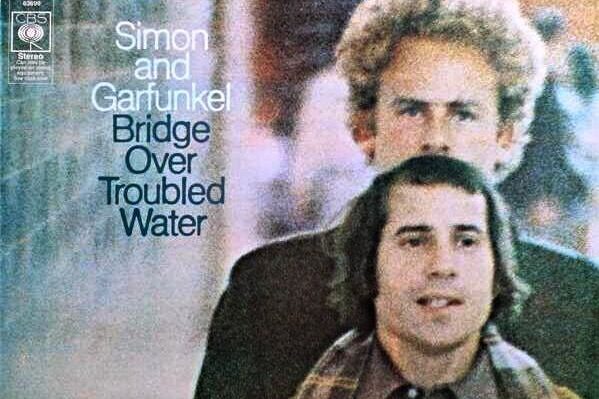
The final studio album from Simon & Garfunkel, released on 26 January 1970, served as a beautiful and poignant farewell to one of the most successful duos in music history. Recorded over several months amidst growing personal tension between Paul Simon and Art Garfunkel, the album is a masterpiece of folk-rock production and vocal harmony. The title track, featuring Garfunkel’s soaring lead vocal and a gospel-influenced piano arrangement, became a global anthem for friendship and support during difficult times. It was a massive commercial success, winning five Grammy Awards and becoming the best-selling album of its time. The record perfectly captured the transition from the idealism of the 1960s into the more reflective and sometimes uncertain mood of the new decade, offering comfort to millions of listeners.
While the title track is the centerpiece, the album is filled with a variety of styles, from the Peruvian folk influences of El Condor Pasa to the rock and roll energy of Cecilia. Paul Simon’s songwriting reached a new level of maturity and complexity, exploring themes of isolation and the search for meaning in a rapidly changing world. The closing track, The Boxer, is a powerful narrative of resilience that remains one of the most beloved songs in their entire catalogue. Despite the fact that the duo split up shortly after its release, the music on this album has continued to resonate with generations of fans. It is a record that feels both timeless and deeply rooted in its era, showcasing the incredible chemistry between two voices that defined a generation. Bridge Over Troubled Water stands as a graceful and enduring monument to the power of melody and the beauty of human connection.
Led Zeppelin IV
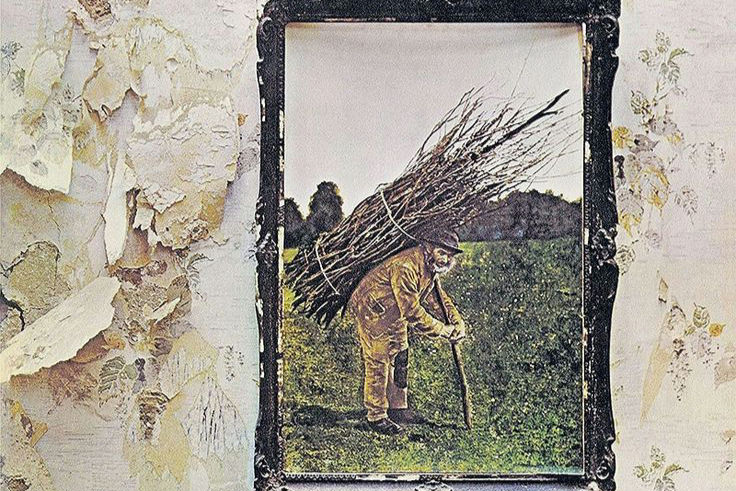
Led Zeppelin released their untitled fourth album on 8 November 1971, and it quickly became one of the most influential and successful records in the history of hard rock. Often referred to as Led Zeppelin IV, the album features no text on the front cover, reflecting the band’s desire to let the music speak for itself. Recorded primarily at Headley Grange using a mobile studio, the record perfectly blended heavy blues-rock with mystical folk and acoustic arrangements. The centerpiece of the album, Stairway to Heaven, is widely considered one of the greatest rock songs ever recorded, featuring a legendary build-up that culminates in Jimmy Page’s iconic guitar solo. It was an instant classic that helped to define the sound and the scale of stadium rock for the rest of the decade.
The album also features the thunderous drumming of John Bonham on tracks like When the Levee Breaks, which has been sampled by countless hip-hop artists for its massive and unique sound. Robert Plant’s soaring vocals and mystical lyrics added a sense of mystery and grandeur to the music, creating a world of myth and legend that captivated millions of fans. This record solidified Led Zeppelin’s position as the biggest band in the world, proving that they could balance raw power with delicate beauty and technical precision. The four symbols on the inner sleeve added to the band’s enigmatic image, encouraging fans to search for deeper meanings within the music. Even today, the album remains a cornerstone of rock music, its songs a staple of radio and a source of inspiration for every aspiring guitarist. Led Zeppelin IV is a definitive statement of musical mastery and a timeless example of the power of the riff.
Tapestry By Carole King

Carole King had already been a successful songwriter for years, but the release of Tapestry on 10 February 1971 transformed her into a global superstar and a defining voice for women. Recorded in just a few weeks at A&M Studios, the album is a masterclass in honest and relatable songwriting that felt perfectly in tune with the early seventies. King’s warm, earthy vocals and soulful piano playing gave her songs an intimate quality that made listeners feel like they were sitting right next to her. Tracks like You’ve Got a Friend and It’s Too Late became massive hits, speaking directly to the emotional lives of a generation that was looking for authenticity and connection. It was a monumental success, spending fifteen weeks at number one and winning four Grammy Awards, including Album of the Year.
The legacy of this album is found in its enormous influence on the singer-songwriter movement, proving that personal and vulnerable music could also be incredibly popular. King’s ability to take complex emotions and turn them into simple and beautiful melodies is unparalleled, making her songs feel like instant classics the moment they were heard. The album cover, featuring King sitting in her living room with her cat, perfectly captured the domestic and grounded feel of the music. It remains one of the best-selling albums of all time, a record that has been passed down through families as an essential piece of musical history. By sharing her own journey of self-discovery and heartbreak, Carole King provided a soundtrack for millions of people who were navigating their own paths through life. Tapestry is a warm and enduring embrace of a record that continues to offer comfort and wisdom to anyone who listens.
Exodus By Bob Marley And The Wailers
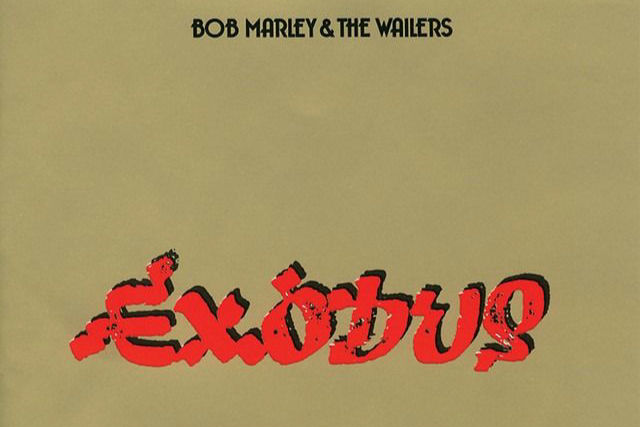
Bob Marley and the Wailers released Exodus on 3 June 1977, an album that not only solidified Marley’s status as a global icon but also brought reggae music to the forefront of world culture. Recorded in London after an assassination attempt on Marley in Jamaica, the record is a powerful blend of spiritual yearning, political protest, and soulful celebration. The first half of the album focuses on serious themes of movement and liberation, while the second half features some of the most beloved and uplifting songs ever written. Tracks like Jamming and One Love/People Get Ready became universal anthems for peace and unity, their infectious rhythms masking a deep and serious message. It was a massive international success that proved reggae could be a potent force for social change while still being incredibly accessible and catchy.
The production on the album was polished and modern, helping to introduce the unique sounds of Rastafarian culture to a wider Western audience. Marley’s charismatic presence and soulful delivery gave the music a sense of urgency and authority that was truly unique in the late seventies. Time magazine later named Exodus the best album of the 20th century, a testament to its enduring influence and the universal appeal of its message. It remains a definitive statement of resilience and the power of faith to overcome violence and division. Even today, the music on this album continues to be played in every corner of the world, serving as a beacon of hope for those who are fighting for a better future. Exodus is more than just a great record; it is a spiritual journey that continues to inspire millions with its call for love and justice.
Paranoid By Black Sabbath
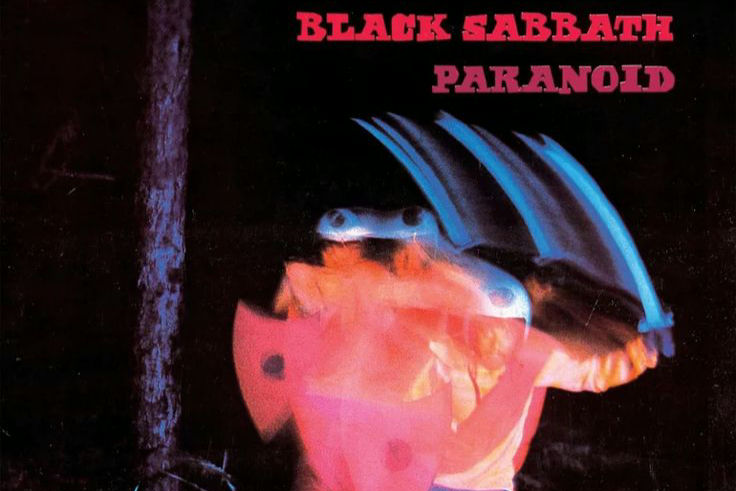
Black Sabbath fundamentally changed the landscape of heavy music with the release of their second album, Paranoid, on 18 September 1970. Recorded in just a few days at Regent Sound Studios in London, the album took the blues-rock of the era and slowed it down into something much heavier, darker, and more menacing. Tony Iommi’s massive, downtuned guitar riffs and Ozzy Osbourne’s haunting vocals created a sound that was unlike anything else on the radio. The title track was a last-minute addition to the record but became a surprise hit, introducing the band’s unique brand of “heavy metal” to a mainstream audience. It was a landmark release that provided the template for countless subgenres of metal that would emerge in the following decades, from thrash to doom and beyond.
The album’s themes of war, mental health, and social isolation resonated deeply with a generation of young people who were disillusioned with the “peace and love” era of the sixties. Songs like War Pigs and Iron Man are masterpieces of heavy songwriting, featuring complex structures and a sense of impending doom that felt perfectly suited to the Cold War era. Despite the initial negative reaction from many critics, the album was a huge commercial success, reaching the top of the UK charts and selling millions of copies worldwide. It remains a cornerstone of the metal genre, its influence visible in the sound and image of almost every heavy band that followed in its wake. Black Sabbath didn’t just make an album; they created a whole new musical language that allowed for the expression of darkness and power. Paranoid is a raw and essential record that continues to rumble with the same intensity today as it did over fifty years ago.
Hotel California By The Eagles
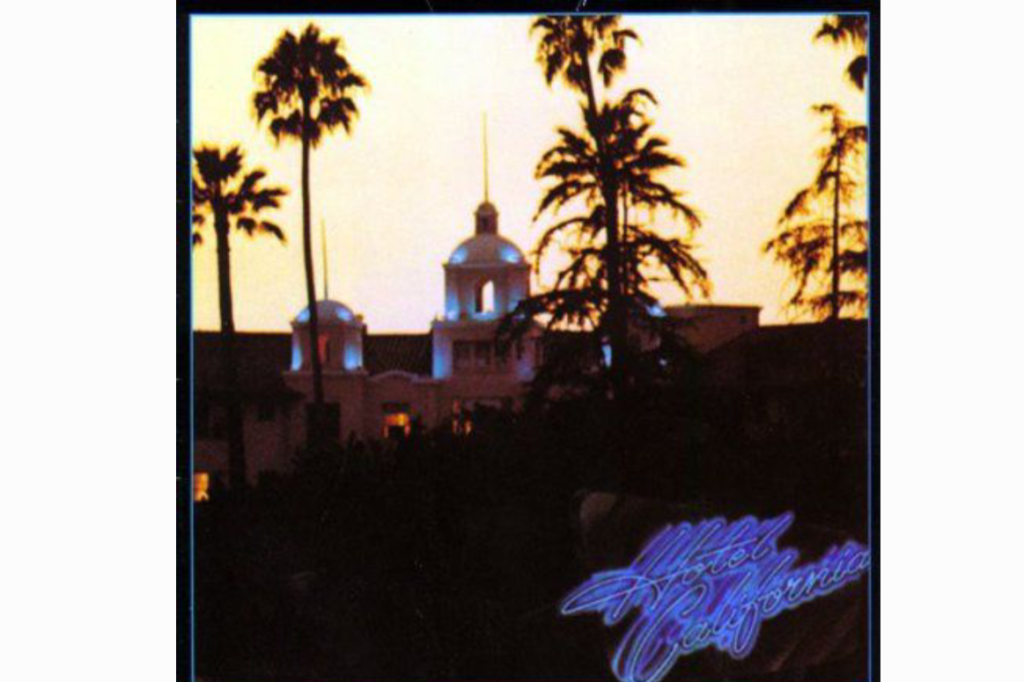
The Eagles reached the zenith of their success with the release of Hotel California on 8 December 1976, an album that served as a cynical and beautiful exploration of the American Dream. Recorded at Criteria Studios in Miami, the record captured the band at the height of their technical abilities, featuring the intricate guitar work of new member Joe Walsh and Don Felder. The title track became an instant classic, with its mysterious lyrics and legendary dual-guitar solo that has been studied by musicians for decades. It was a massive commercial success, selling millions of copies and winning two Grammy Awards, including Record of the Year. The album perfectly captured the sense of exhaustion and decadence that had settled over the Southern California music scene as the decade began to draw to a close.
The songs on the album explore themes of excess, loss, and the high price of fame, from the weary balladry of New Kid in Town to the biting social commentary of Life in the Fast Lane. Don Henley’s distinctive vocals and the band’s flawless harmonies gave the music a polished and professional sound that set a new standard for rock production. The iconic cover art, featuring a photograph of the Beverly Hills Hotel at dusk, became a symbol of the glamour and the darkness of the Los Angeles lifestyle. This record remains a definitive statement of the mid-seventies rock sound, its songs a permanent fixture on radio stations around the world. It is a record that feels both incredibly specific to its time and place while also speaking to universal human experiences of ambition and regret. Hotel California is a masterful and enduring work that continues to fascinate and resonate with listeners who are drawn to its bittersweet melodies.
Trans-Europe Express By Kraftwerk
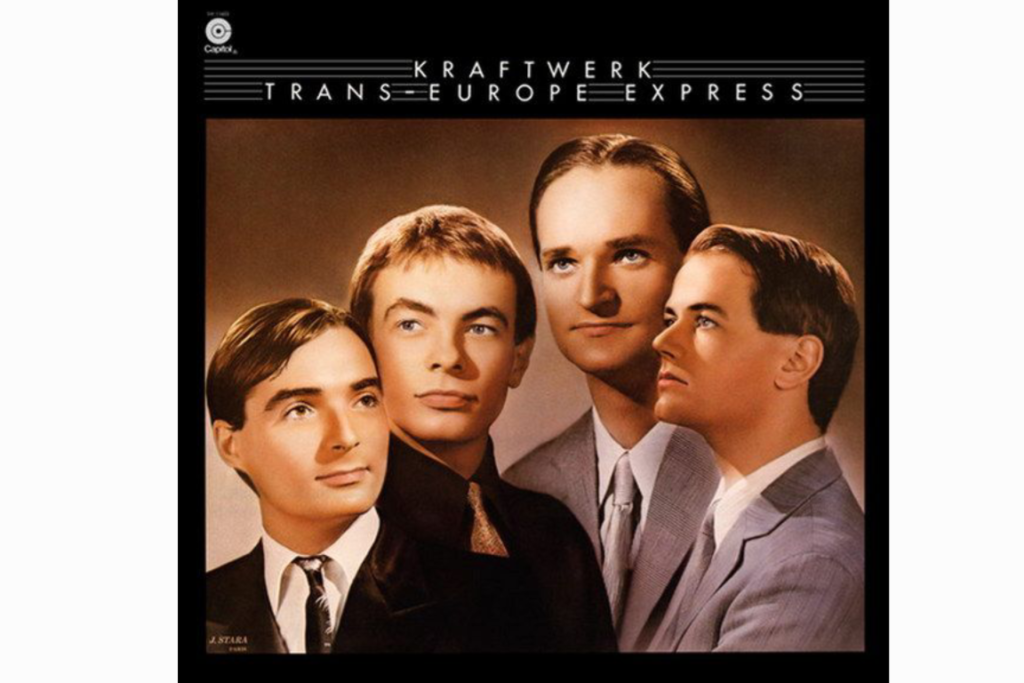
Kraftwerk released Trans-Europe Express in March 1977, and in doing so, they essentially invented the future of popular music. The German quartet moved away from traditional instruments to create a minimalist and rhythmic sound based entirely on synthesizers and drum machines. Recorded in their Kling Klang Studio in Düsseldorf, the album was inspired by the idea of a unified Europe and the mechanical beauty of train travel. The title track, with its hypnotic and repetitive beat, became a massive influence on the early development of hip-hop and techno, most famously sampled by Afrika Bambaataa for Planet Rock. It was a revolutionary release that broke down the barriers between art, technology, and pop, proving that electronic music could be both emotionally resonant and incredibly cool.
The album’s aesthetic was as influential as its sound, with the band adopting a clean and robotic image that rejected the messy excess of rock and roll. The precision and clarity of the production were light-years ahead of their time, creating a sleek and futuristic atmosphere that still sounds modern today. Songs like The Model and Showroom Dummies explored themes of human identity in a world dominated by machines, themes that have only become more relevant as technology has integrated further into our daily lives. This record opened the door for the synth-pop movement of the eighties and the global explosion of dance music that followed. By embracing the computer age with such creativity and vision, Kraftwerk ensured that they would remain one of the most important and influential bands in history. Trans-Europe Express is a cold, beautiful, and visionary masterpiece that continues to drive the rhythm of our modern world.
The implication of this reliance on a single factory of ideas or distribution is that we risk losing the gritty, diverse, and localized scenes that gave birth to the masterpieces of the 1970s.
Like this story? Add your thoughts in the comments, thank you.


