
1. Larry Hagman
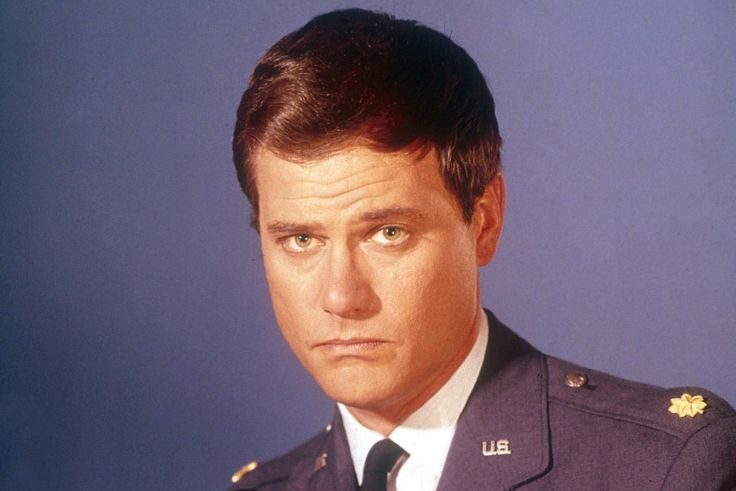
Back in the 1980s, TV stars didn’t just act, they practically owned the night, and Larry Hagman made that idea feel real. On Dallas, his character J.R. Ewing wasn’t just the villain people loved to hate, he was the reason many viewers kept showing up every week. The show turned into a global obsession, and Hagman’s paycheck reportedly rose with it. He became one of the decade’s most talked about TV earners, proving that when a character becomes the headline, the actor gains serious negotiating power too.
2. Jan Michael Vincent
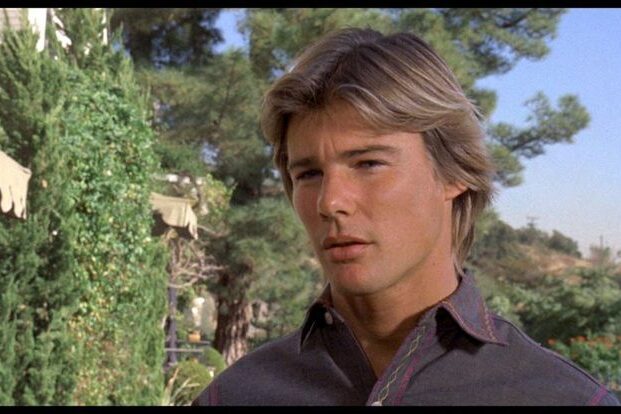
Jan Michael Vincent’s Airwolf paycheck is one of those 1980s TV stories people still repeat because it sounded unreal even then. He played the lead with a cool, tough energy that fit the era perfectly, and the network clearly wanted to keep him locked in. Reports from the time said he was earning about $200,000 per episode, which made him one of the highest paid actors on television. Whether you watched Airwolf weekly or just heard about it later, that number became a symbol of how big TV money could get once a show hit the right nerve.
3. Alan Alda
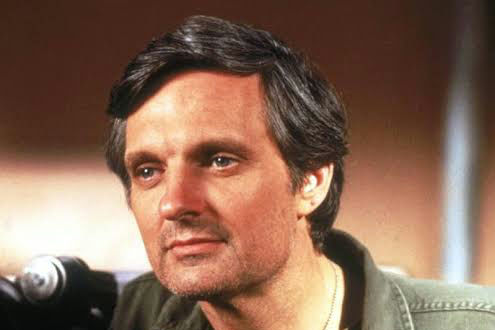
Alan Alda’s work on MASH carried into the early part of the 1980s, and his reputation was already massive by then. He wasn’t just the face of the show, he was part of the creative force behind it, which often comes with bigger financial rewards. Hawkeye Pierce became one of the most loved characters in TV history, and Alda’s influence in the industry grew alongside that fame. While exact figures can be debated, he’s often remembered as one of the highest earning TV performers of the era. When a show becomes that respected, the money usually follows the legacy.
4. Don Johnson

Don Johnson made Miami Vice feel like a full lifestyle, not just a crime show. From the fashion to the attitude, everything about it screamed 1980s cool, and he was right at the center. When a series becomes that cultural, the lead actor usually gains major leverage behind the scenes. Johnson’s fame exploded fast, and his value to the network became obvious with every season. Even without pinning down one perfect salary number, it’s safe to say he was earning big for that era. Miami Vice didn’t just sell action, it sold an image, and Don sold it best.
5. Patrick Duffy
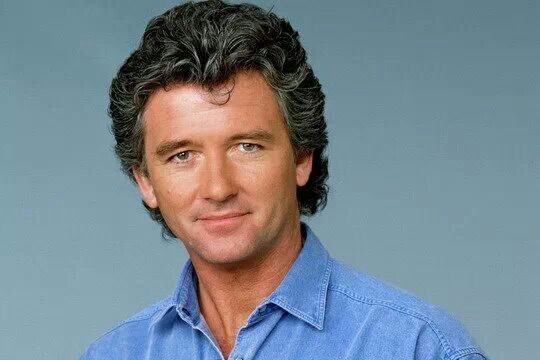
Patrick Duffy’s Bobby Ewing gave Dallas its heart, and that mattered because the show was full of betrayal and chaos. Viewers needed someone to root for, and Bobby became that steady center. When a drama turns into a massive hit, the main cast often benefits from strong contracts, especially when fans get emotionally attached. Duffy wasn’t just a supporting face, he was a key piece of what made Dallas work for so many seasons. His role helped balance the madness, and in 1980s television, being essential to a powerhouse show usually meant earning very well.
6. Joan Collins
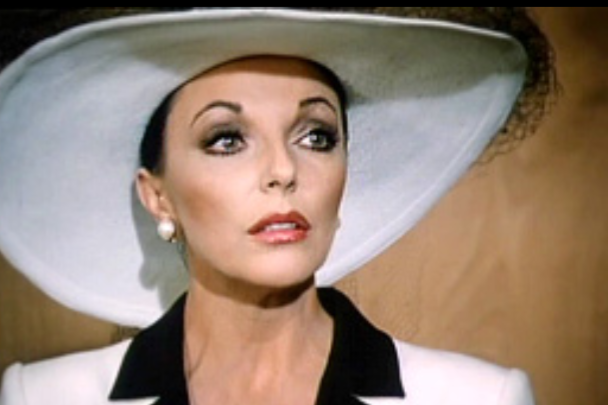
Joan Collins didn’t just join Dynasty, she took it over. Every entrance felt like a moment, and every line sounded like it came with a threat and a wink. Dynasty thrived on luxury and rivalry, and she was the perfect face for that kind of prime time drama. When a show becomes a weekly event, the stars who drive the buzz often earn the biggest rewards. Collins became a symbol of 1980s TV glamour, and networks pay extra for stars who keep audiences talking. Even now, it’s hard to imagine Dynasty without her, and that kind of importance always translates into serious money.
7. John Forsythe
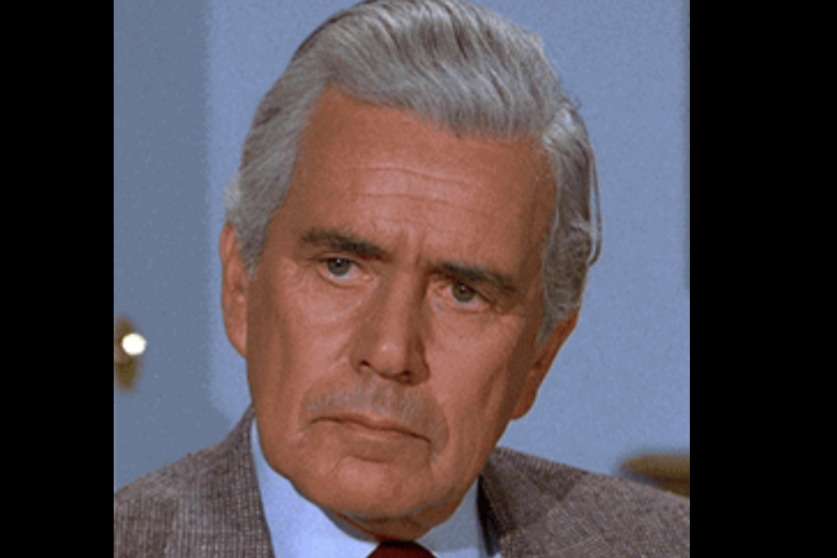
John Forsythe played Blake Carrington like a man who owned every room he entered, and Dynasty needed that steady power. While the show was full of drama and sparkle, his presence kept it grounded enough to feel real. In the 1980s, a long running prime time soap could turn its leads into major earners, especially when international popularity exploded. Forsythe was one of the faces viewers depended on, and that dependency carried weight in contract talks. He didn’t have to be loud to be important, he just had to be solid. On a show like Dynasty, solid leads were worth a lot.
8. Bill Cosby
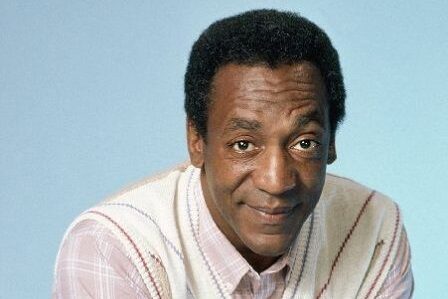
The Cosby Show became a TV giant in the 1980s, and Bill Cosby was at the center of it all. Families tuned in together, advertisers poured in, and the show dominated the kind of prime time space networks dream about. When a sitcom reaches that level, the lead star typically becomes one of the highest earners in television, not only through salary but through influence and control. Cosby wasn’t just delivering jokes, he was shaping a whole TV moment. His value was obvious every Thursday night, and the money followed the dominance. In that decade, few TV stars were as financially powerful as him.
9. Ted Danson
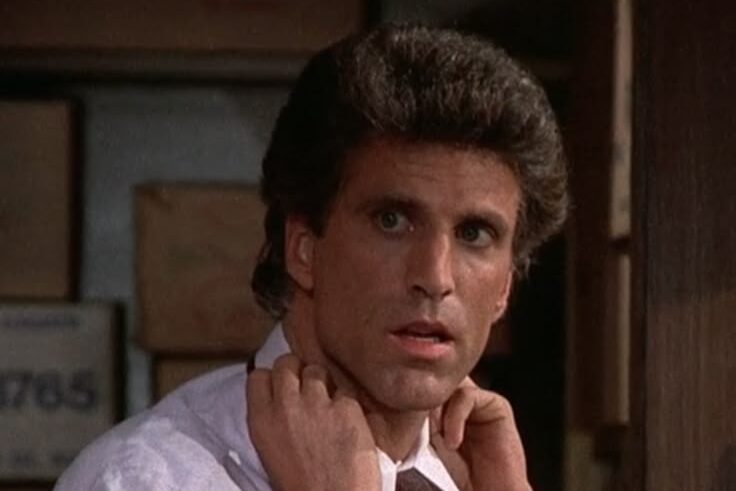
Ted Danson made Sam Malone feel like the charming guy who always had a plan, even when he clearly didn’t. Cheers grew into one of the biggest sitcoms of its time, and as the show became a reliable hit, its lead actors gained serious leverage. Danson’s fame rose steadily through the 1980s, and by the time the show was fully locked in, he was one of TV’s most valuable faces. Even without getting lost in exact figures, it’s clear his pay would have grown with the show’s success. When millions of viewers keep returning for your character, networks make sure you feel appreciated in your contract.
10. Bea Arthur
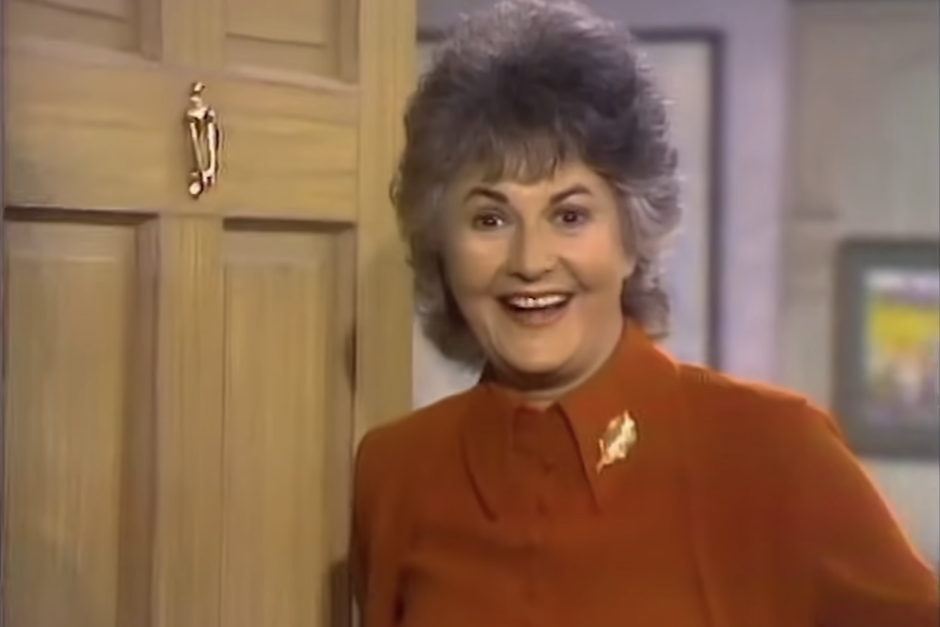
Bea Arthur’s Dorothy felt like the friend who tells the truth even when it stings, and that honesty made The Golden Girls feel special. The show wasn’t just funny, it was comforting, sharp, and full of heart, and Bea’s presence helped shape that balance. When a sitcom becomes a long running success, the stars who hold it together often become some of the best paid performers on the network. Arthur wasn’t replaceable, and everyone knew it. She gave the show its bite and its strength, and that kind of role creates real power behind the scenes. In the 1980s, power usually meant bigger pay.
11. Betty White
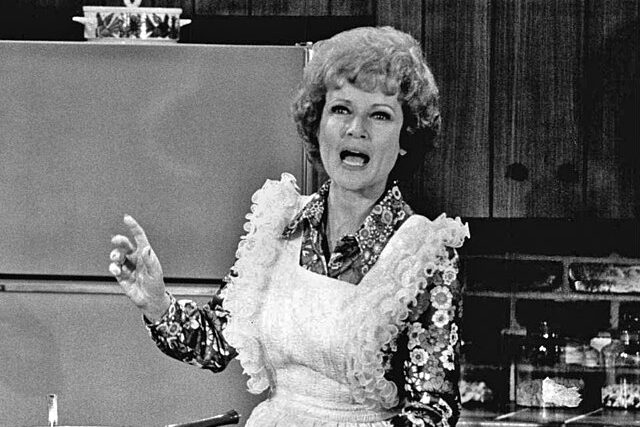
Betty White played Rose like someone who lived in her own gentle world, but she always landed the joke perfectly. The Golden Girls became a major hit, and her character quickly turned into one of the most quoted parts of the show. When an actor becomes that loved, the value goes beyond laughs. It becomes a reason people tune in, week after week. White also had decades of TV experience, which gave her a steady kind of industry weight. She wasn’t new to the business, and networks know what veterans bring to a long running show. In the 1980s, being beloved in a top sitcom was a strong recipe for earning big.
12. Rue McClanahan
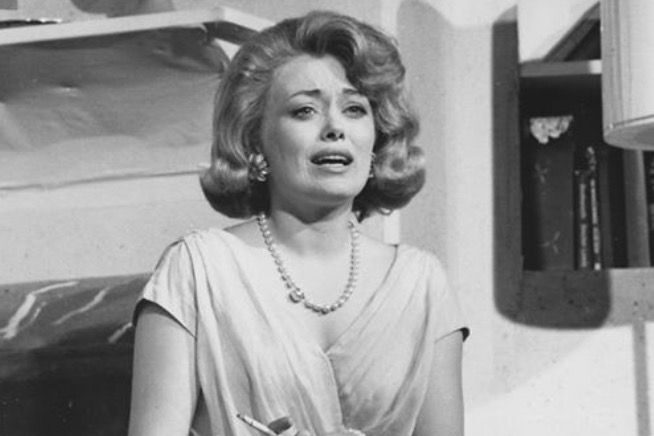
Rue McClanahan’s Blanche was dramatic, playful, and strangely relatable, even when she was being over the top. That’s why she worked. The Golden Girls needed four distinct personalities, and Rue made sure Blanche never felt like a background character. In a hit ensemble sitcom, the cast members who consistently deliver standout moments often become central to the show’s long term value. As the series grew, the cast’s negotiating strength grew too. Rue didn’t just play a role, she built a TV personality people still remember clearly. And in the 1980s, being part of a sitcom that stayed on top for years usually came with strong pay increases as the seasons rolled on.
13. Estelle Getty
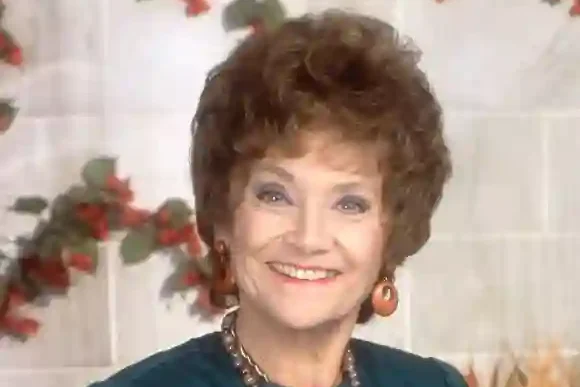
Estelle Getty’s Sophia had the kind of sharpness that made you laugh first, then think later. She could roast everyone in the room and still feel like the warmest presence on the show. That balance made her unforgettable, and it made The Golden Girls even stronger. In the 1980s, sitcoms that stayed successful didn’t just keep paying their leads, they rewarded them more as the years went by. Getty became a key part of the show’s identity, not just a funny extra. When a character becomes a fan favorite and helps drive the show’s success, the actor’s value rises fast. On a major hit like this, that value usually turned into great money.
14. Tom Selleck
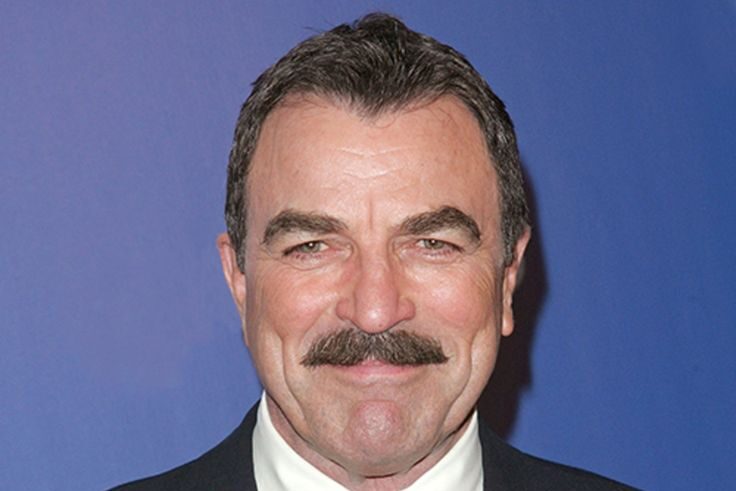
Tom Selleck made Magnum P.I. feel like a vacation and a thriller at the same time. He had charm, confidence, and a relaxed energy that kept viewers hooked even when the plots got serious. The show became one of the biggest TV hits of the 1980s, and Selleck’s face became part of the decade’s TV identity. When a series is built around one lead, that lead often becomes one of the network’s most valuable assets. Selleck wasn’t just starring, he was carrying the brand. His fame rose quickly, and with that kind of popularity, big paychecks usually follow. In the 1980s, a dependable leading man on a top show was exactly the kind of person networks paid heavily to keep.
15. George Peppard
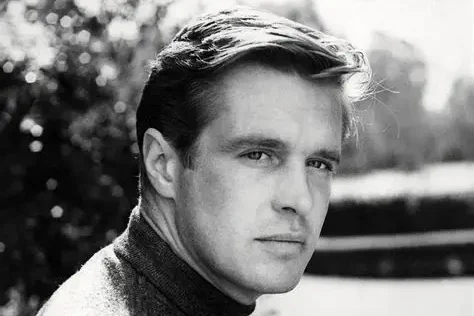
George Peppard brought calm control to The A-Team, which mattered because the show itself was pure action chaos. He played the leader with the kind of confidence that made every mission feel possible. The A-Team became one of the most recognizable shows of the 1980s, and its stars benefited from that popularity. Action series weren’t just watched back then, they were marketed everywhere, and the faces of those shows became valuable fast. Peppard had already built a career before the show, which added to his leverage. When you’re leading a hit and your name carries weight, the paycheck usually reflects that. In the 1980s, networks paid well for stars who could anchor a franchise like The A-Team.
16. David Hasselhoff
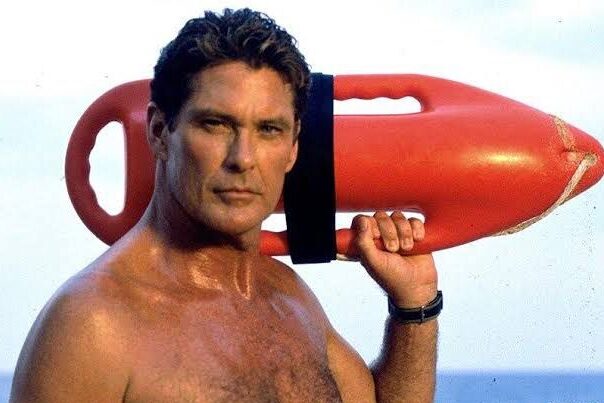
David Hasselhoff was the kind of 1980s TV star you could spot from across the room, and Knight Rider helped make him unforgettable. He played Michael Knight with that confident, heroic energy that made the show feel cool even when it got wild. When you’re the lead of a series built around a huge concept, your value goes beyond acting, because you become the face that sells the whole idea. Knight Rider became a pop culture favorite, and Hasselhoff’s fame grew with every season. That type of long running success usually comes with strong pay, better contract terms, and plenty of network attention too.
17. Richard Dean Anderson
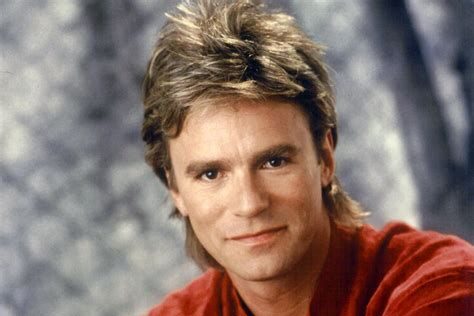
Richard Dean Anderson made MacGyver feel like the smartest guy you’d ever want on your side. He didn’t rely on big muscles or loud threats, he relied on calm thinking and quick solutions, and audiences loved that. The show became a dependable hit through the 1980s, which meant he wasn’t just starring, he was carrying a steady network success. When a series lasts that long and stays popular, the lead actor usually gains serious negotiating strength over time. Anderson’s character became so iconic that people still say “MacGyver it” today. And when your name turns into a phrase, it’s safe to assume your TV career was paying you very well.
18. Angela Lansbury
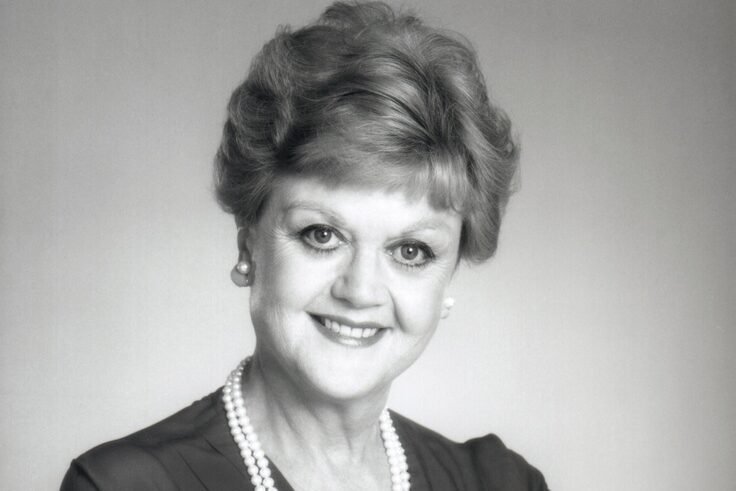
Angela Lansbury brought a warm, intelligent calm to Murder, She Wrote, and it made the show feel like a comfort routine. She played Jessica Fletcher like the kind of person you’d trust with a secret, then watch solve the mystery before the police even caught up. The series became one of the biggest long running successes of the decade, and Lansbury’s presence was the entire foundation. In the 1980s, when a show is built around one lead and keeps winning audiences year after year, that lead usually earns very well. She didn’t need flash, she needed consistency, and that consistency turned into serious value for television.
19. Johnny Carson
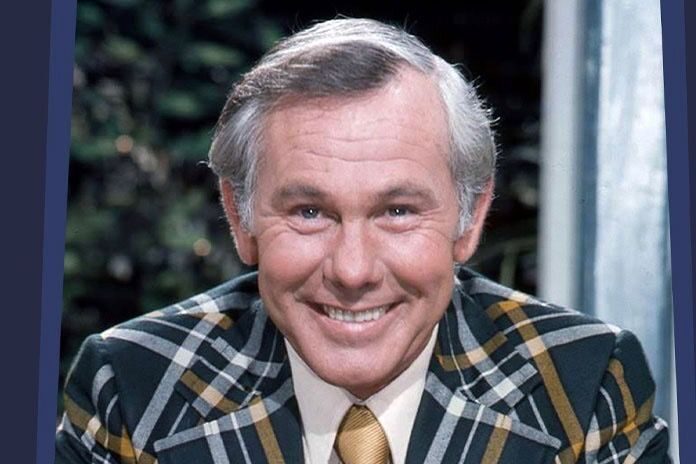
Johnny Carson wasn’t a sitcom star, but in the 1980s, he was still one of the biggest pay forces on television. The Tonight Show was where celebrities went to become official, and Carson was the person viewers trusted to guide the moment. His calm humor and smooth control made late night feel like a nightly tradition, not just a program. When one host becomes that essential to a network’s identity, the contract becomes massive. Carson’s influence wasn’t only about laughs, it was about power, timing, and attention. In the 1980s, if you controlled late night the way he did, you were definitely earning huge money.
20. David Letterman

David Letterman helped reshape late night in the 1980s by bringing a sharper, more playful edge to the format. Late Night with David Letterman felt different from anything else, and that difference quickly became the point. He wasn’t trying to be polished, he was trying to be real, and audiences loved the unpredictability. When a network finds a voice that captures younger viewers and builds a loyal following, they protect it, and that protection often shows up in strong contracts. Letterman’s influence grew fast during the decade, and his bargaining power rose right with it. In TV, newness that works is valuable, and he made it work.
21. Harry Anderson
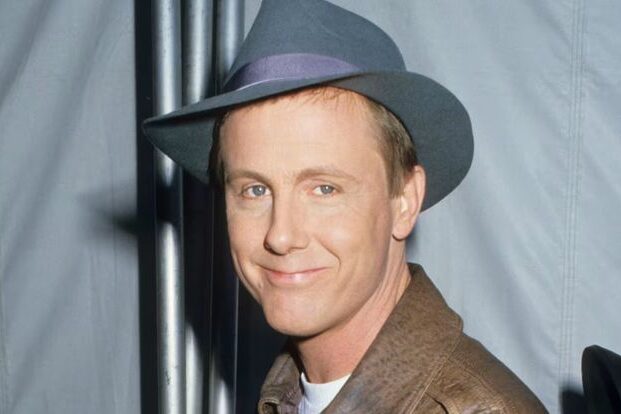
Harry Anderson made Night Court feel like a weird little world you’d happily visit every week. As Judge Harry Stone, he brought a gentle, slightly goofy charm that kept the show light even when the courtroom was full of chaos. Night Court became a long running sitcom success in the 1980s, and long running success usually means the lead actor’s pay improves over time. When a network keeps renewing your show, it’s because you’re helping them win consistently. Anderson’s style was calm but memorable, which made him a perfect anchor for an ensemble cast. And in that decade, being the steady face of a prime time comedy was a strong path to earning very well.
22. Alan Thicke
Alan Thicke became one of the most familiar TV dads of the 1980s thanks to Growing Pains. He played Dr. Jason Seaver with the kind of warmth and humor that made the family feel believable, even when the stories got silly. Growing Pains became a dependable hit, and dependable hits usually create dependable money for the stars who hold them together. Thicke wasn’t just the adult in the room, he was the foundation that kept the show balanced. When you anchor a successful sitcom for years, your value increases, and your contract often grows with it. In the 1980s, steady prime time success could pay incredibly well.
23. Lee Majors
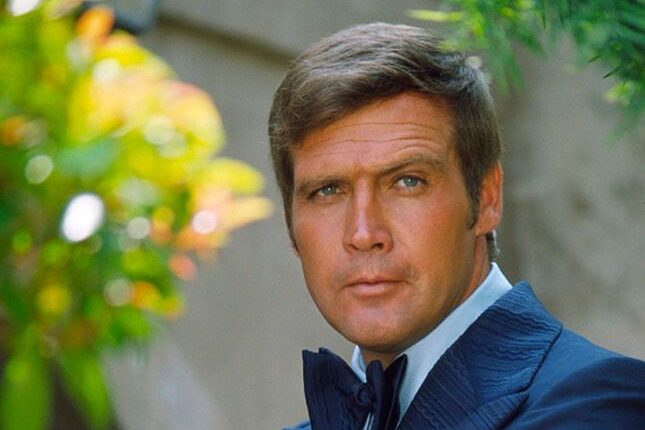
Lee Majors carried a rugged kind of star power into the 1980s that made him feel like a proven hero. Viewers already knew him as a dependable leading man, and television still valued that familiar strength. When an actor has a long record of drawing audiences, their earning power doesn’t reset, it carries forward. Majors kept working through the decade, staying visible enough to remain part of the TV conversation. Even without flashy headlines, consistent roles and recognizable fame can lead to strong pay, especially in an era where networks loved reliable faces. The 1980s rewarded stars who could show up, carry a project, and keep people watching. Majors fit that perfectly.
24. Tony Danza
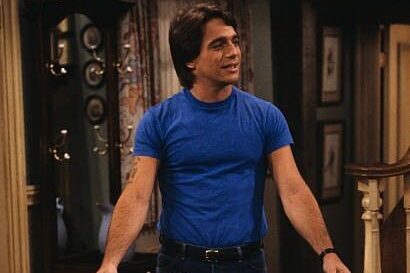
Tony Danza had a natural likability that made him easy to watch, and Who’s the Boss? became one of the biggest sitcom staples of the 1980s because of that charm. He played the role with a warm confidence, like someone you’d actually enjoy talking to in real life. When a sitcom becomes part of family viewing routines, the lead actor becomes extremely valuable to the network. That kind of value often brings better salaries over time as the show grows and the seasons stack up. Danza wasn’t just a star, he was comfort TV. And in the 1980s, comfort TV could earn you serious money.
25. Michael J. Fox
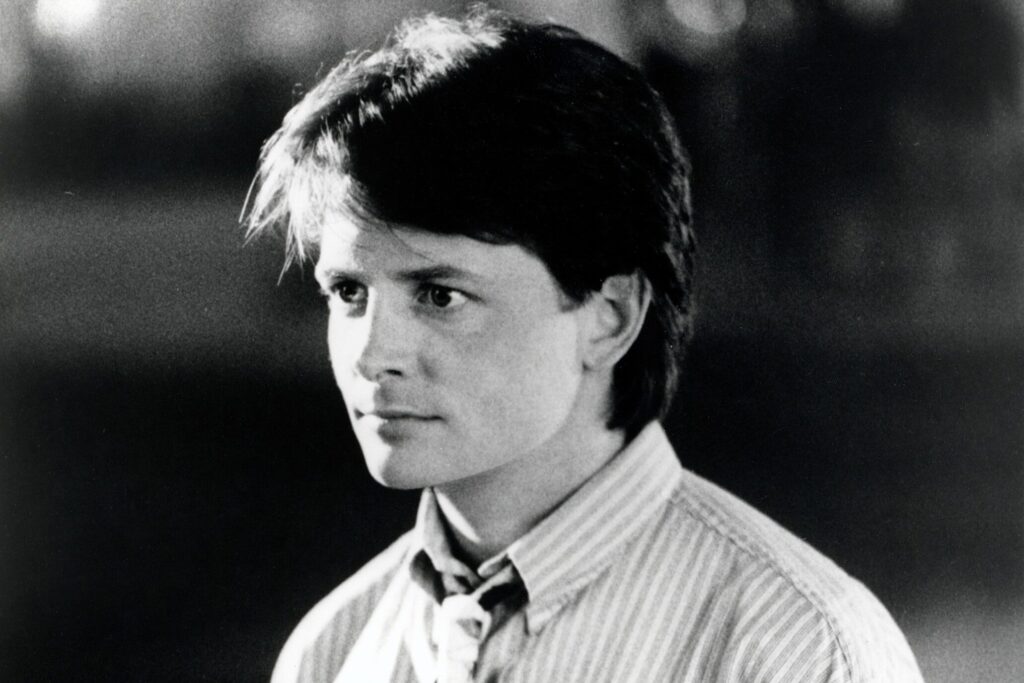
Michael J. Fox became the breakout star of Family Ties, even though the show didn’t begin with him as the main focus. His Alex P. Keaton character quickly became a fan favorite, and that popularity gave him major power as the series continued. In the 1980s, when an actor starts pulling viewers in like that, contracts often shift in their favor. Fox also became a movie star at the same time, which only boosted his value on television. His fame felt fast and bright, but it wasn’t random, it was earned through charm and timing. By the end of the decade, he was one of the biggest young stars on TV, and that usually came with big paychecks.
26. Cybill Shepherd
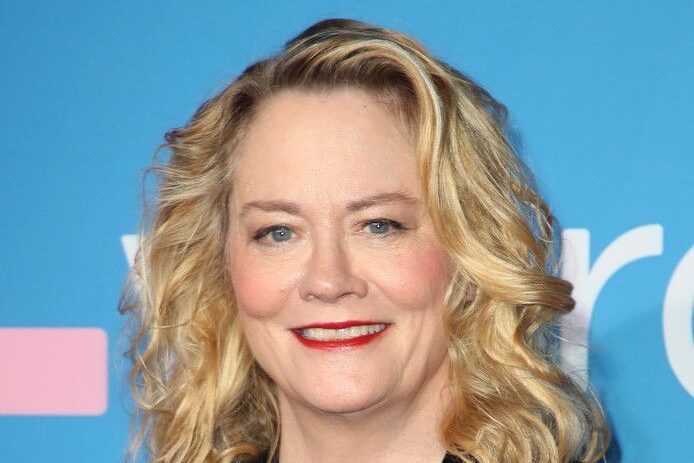
Cybill Shepherd brought sharp confidence to Moonlighting, and the show’s energy depended heavily on her presence. She played her role with a mix of strength and humor that made the romantic tension feel real instead of forced. Moonlighting became one of the most talked about shows of the 1980s, partly because the chemistry stayed unpredictable and fun. When a show thrives on its leads, those leads tend to gain strong leverage in the business side of things. Shepherd already had fame before television, which strengthened her position even more. Her success in the decade came from being both stylish and smart on screen, and that combination usually earns well in prime time.
27. Bruce Willis
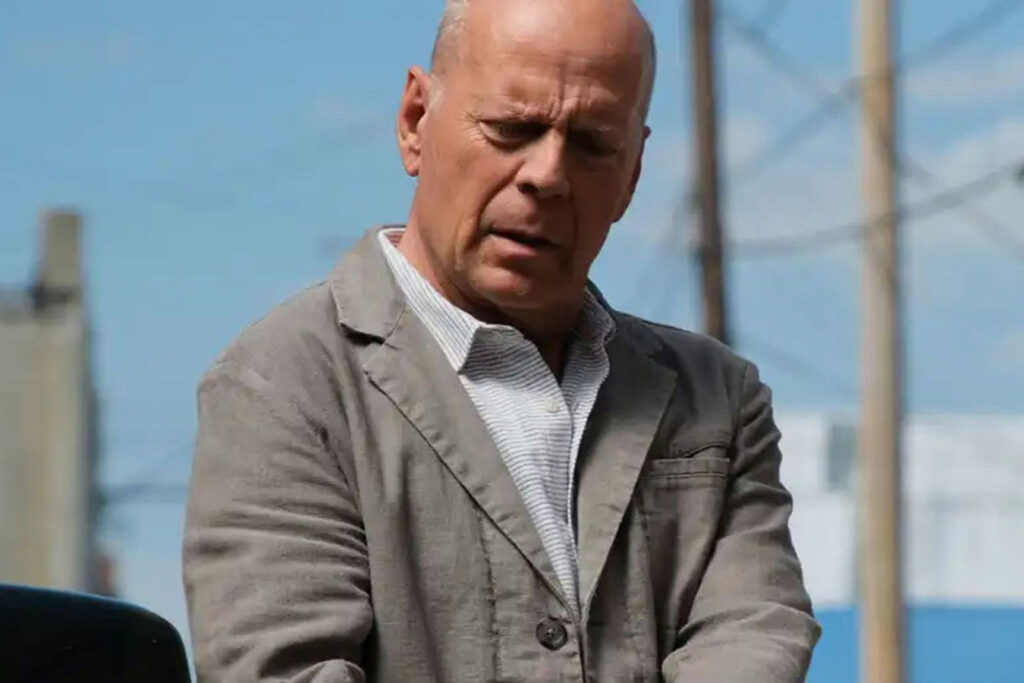
Bruce Willis didn’t enter the 1980s as a typical TV heartthrob, and that’s what made him stand out. Moonlighting turned him into a breakout name, the kind viewers felt they discovered themselves. He brought humor, edge, and quick timing that made the show feel alive, especially when the romance and tension started building. When a series depends heavily on the spark between its leads, the stars often gain leverage fast. Willis became a major talking point in pop culture, and his TV momentum quickly opened doors into big Hollywood opportunities. In the late 1980s, he was a rising force, and rising forces usually start earning like it too.
28. Barbara Walters
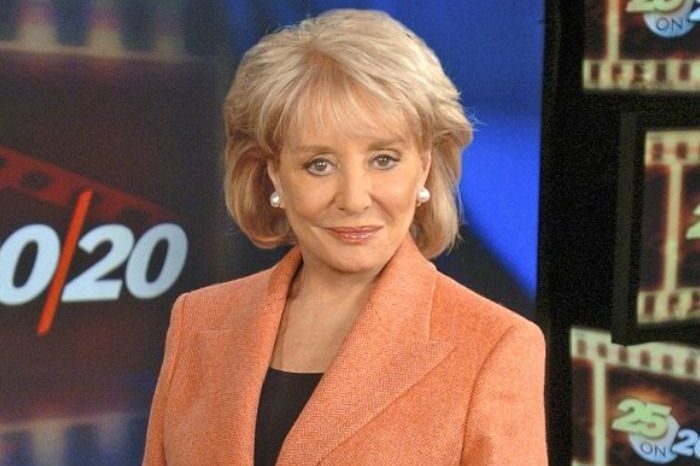
Barbara Walters was one of the most powerful TV figures of the 1980s, and her influence went far beyond celebrity interviews. She made serious conversation feel personal, and her presence carried a kind of authority that audiences trusted. In television, trust is money, because it keeps people watching even when the topic gets heavy. Walters became a major network asset, and major assets don’t come cheap. While she wasn’t acting in a sitcom or drama, she still fits this list because top broadcast personalities often earned enormous contracts during that era. She helped shape modern TV journalism and talk culture, and networks rewarded that kind of impact. In the 1980s, she wasn’t just famous, she was powerful.
29. John Forsythe
John Forsythe’s role on Dynasty helped the show feel like it had real weight beneath all the glamour. As Blake Carrington, he brought a serious, commanding energy that made the family drama feel believable. Dynasty became one of the biggest prime time soaps of the decade, and being a lead on that kind of hit often comes with strong financial rewards. Forsythe wasn’t just part of the show, he was one of the pillars holding it up. Viewers recognized him, respected him, and followed the story because his character felt central. In the 1980s, when a show gained global popularity, the stars who carried it often earned big in both pay and long term visibility.
30. Suzanne Somers

Suzanne Somers became one of the most talked about TV faces of the early 1980s because she knew her value and wasn’t afraid to say it out loud. Three’s Company was a massive hit, and her character was a major part of why audiences kept watching. When the show exploded in popularity, pay negotiations became a public conversation, and her name stayed in the headlines for it. Even people who didn’t follow entertainment news knew something was happening. Somers turned a sitcom role into a major career moment and proved that TV fame could be both powerful and complicated. In the 1980s, being that visible usually meant serious money was involved, even when the story got messy.


