
1. Walking
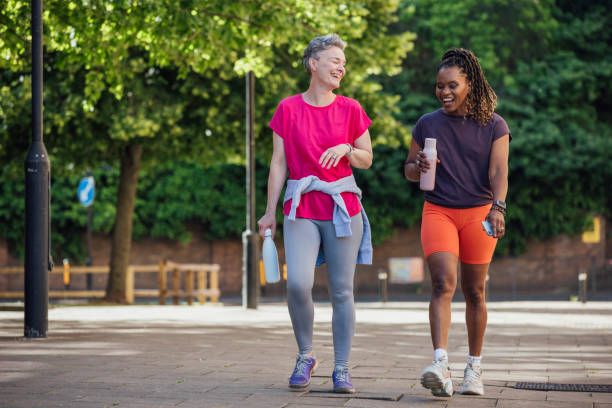
Walking is often viewed as the most natural way to move, yet it is one of the most dangerous. According to the World Health Organization, more than 270,000 pedestrians lose their lives annually on global roads. In the United States, the Governors Highway Safety Association reported that pedestrian deaths reached a 40-year high in 2022, with over 7,500 people killed. The danger has climbed steadily since 2010, largely due to the rising popularity of SUVs and light trucks, which are more likely to cause fatal injuries than smaller sedans. Distracted driving, fueled by the explosion of smartphone use, has turned simple street crossings into high-stakes maneuvers where the human body has zero physical protection against tons of moving metal.
On a personal level, we often forget that walking is a form of transportation because it is so routine. We step out for a morning coffee or a quick school run without considering the risks. However, this sense of normalcy can lead to a dangerous lapse in caution. In many urban “food deserts” or low-income neighborhoods, infrastructure like sidewalks and crosswalks is often neglected, forcing people to walk in traffic. Whether it is a child chasing a ball or an elderly person crossing a busy boulevard, the vulnerability is absolute. Every time we step onto a pavement, we are relying entirely on the hope that every driver around us is paying full attention.
2. Cycling
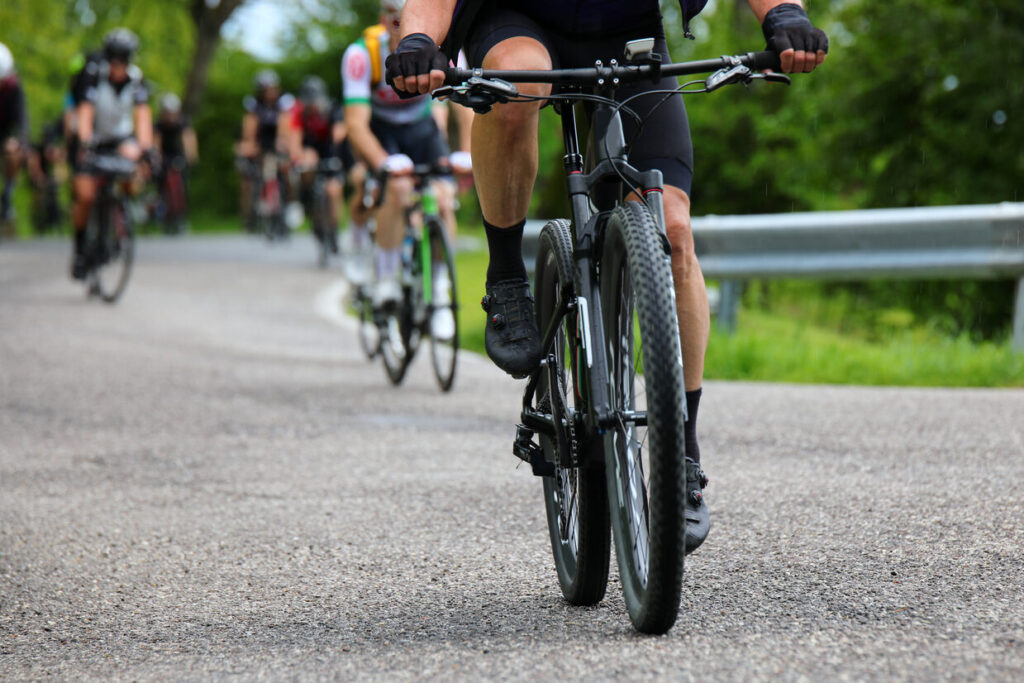
Cycling has enjoyed a massive resurgence since the late 2000s as cities try to reduce carbon footprints. While it is excellent for health, the safety data remains sobering. In the European Union, cyclists account for roughly 9% of all road deaths, and in many regions, the fatality rate per mile is significantly higher than for cars. A major study released in 2020 indicated that while total road deaths were falling, cyclist fatalities were actually increasing in several countries. The primary culprits are “dooring” incidents, heavy goods vehicles making right-hand turns, and a lack of separated “Grade A” bike lanes. Without physical barriers, a cyclist is effectively sharing a high-speed workspace with heavy machinery.
The appeal of cycling lies in the feeling of freedom and the joy of bypassing gridlock. For many commuters, the bicycle is a symbol of independence and environmental responsibility. However, this emotional connection can sometimes mask the daily “near-misses” that occur in city traffic. Riders often develop a thickened skin, becoming accustomed to cars passing inches from their handlebars. While wearing a helmet, a practice that became standard in the 1990s, is helpful, it cannot compensate for poor urban design. The tension between a 20-pound bike and a 4,000-pound car is a daily reality for millions, highlighting the desperate need for better-protected cycling infrastructure worldwide.
3. Motorcycles
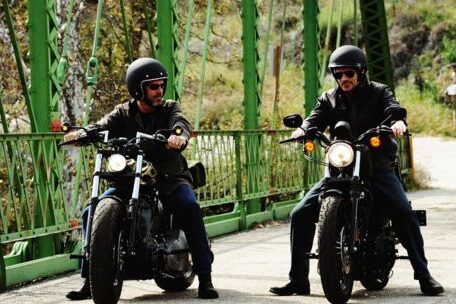
Motorcycles are statistically the most hazardous way to travel on land. Data from the National Highway Traffic Safety Administration (NHTSA) consistently shows that motorcyclists are about 28 times more likely than passenger car occupants to die in a crash per mile traveled. This risk factor has remained stubbornly high since the early 1990s. The core issue is a lack of “crashworthiness”, cars have crumple zones and airbags, while motorcycles offer only the rider’s gear for protection. Furthermore, nearly 40% of fatal motorcycle accidents involve a rider who was speeding or under the influence, emphasizing how much individual behavior impacts these grim statistics.
Despite the obvious dangers, the culture surrounding motorcycles is built on a deep sense of brotherhood and the “thrill of the ride.” Motorcyclists often describe a state of “forced mindfulness” where they must be perfectly in tune with the road and the wind. This heightened awareness is a survival mechanism; in a world of distracted drivers, a motorcyclist must essentially ride as if they are invisible. For many, the motorcycle is a vital tool for navigating congested cities like Ho Chi Minh City or Rome, where cars are impractical. However, the margin for error is razor-thin. When a mistake happens at 60 mph, the consequences are almost always life-altering, leaving the rider completely exposed to the elements.
4. Scooters and Mopeds
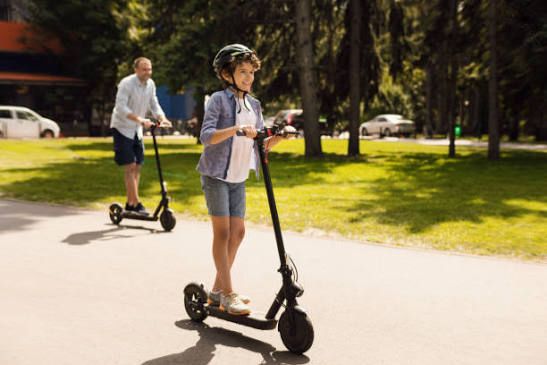
The 2010s saw a massive explosion in scooter usage, particularly with the rise of app-based “e-scooter” rentals in 2017. While mopeds have been a staple of European and Asian transport since the 1950s, the modern e-scooter has introduced a new layer of risk. Emergency room data shows a sharp spike in head injuries and fractures associated with these devices, often because users do not wear helmets for short, spontaneous trips. Because scooters have small wheels, they are highly susceptible to potholes and uneven pavement. Additionally, their quiet electric motors mean pedestrians and drivers often don’t hear them coming until they are dangerously close.
For the casual user, a scooter feels like a fun, low-stakes way to zip across town. It is “micro-mobility” at its most convenient, filling the gap between a bus stop and an office door. However, this casual attitude can lead to risky behaviors, such as riding on sidewalks or going the wrong way down one-way streets. In many cities, the laws have struggled to keep up with the technology, leading to a “Wild West” atmosphere on the roads. For a moped rider in a busy city, the danger often comes from being squeezed by larger vehicles. While they are more affordable than cars, the lack of a protective shell makes every journey a calculated risk.
5. Cars
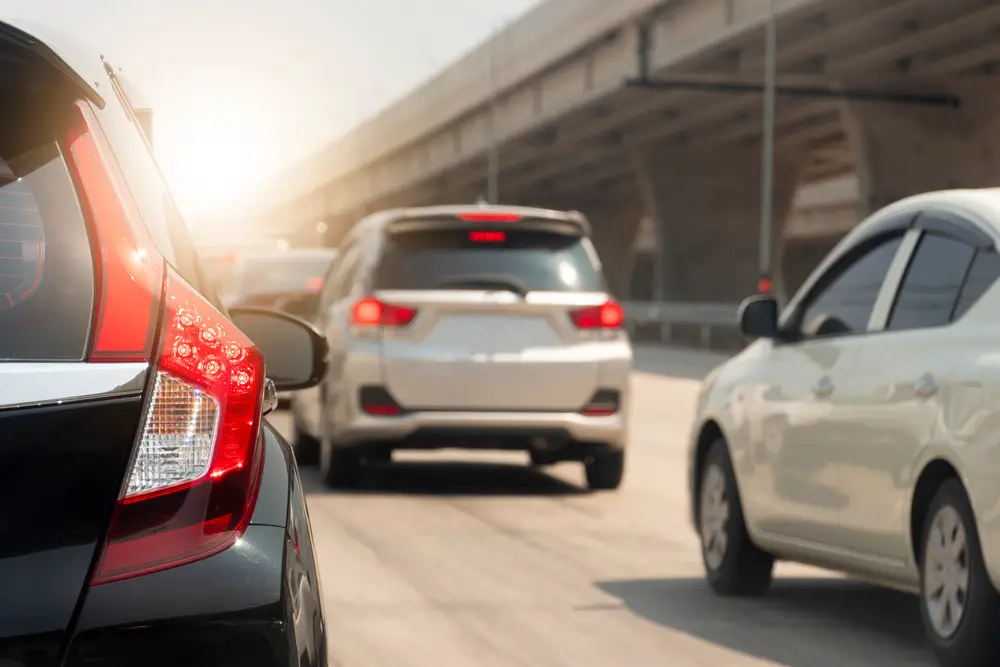
Cars are the dominant mode of transport in the modern world, and because of their sheer volume, they cause the most total fatalities. Since the introduction of the first three-point seatbelt by Volvo in 1959, vehicle safety has improved by leaps and bounds. Today, cars are equipped with lane-assist, automatic braking, and multiple airbags. Yet, according to the Association for Safe International Road Travel, nearly 1.35 million people die in car crashes every year globally. While you are technically safer inside a car than on a motorcycle, the high speeds and high frequency of use mean that most people will be involved in at least one car accident in their lifetime.
Psychologically, the car is our “third space”, a private bubble between home and work. This sense of enclosure provides a powerful, if sometimes false, feeling of security. We eat, listen to podcasts, and talk to our children in the backseat, often forgetting that we are hurtling down a highway at 70 mph. This normalization of risk is what makes cars so deceptive. When we see a “fender bender” on the side of the road, we rarely stop to think about the physics involved. For most families, the car is an essential tool for life, but it remains a heavy machine that requires constant vigilance. One second of distraction is all it takes to change a life forever.
6. Buses
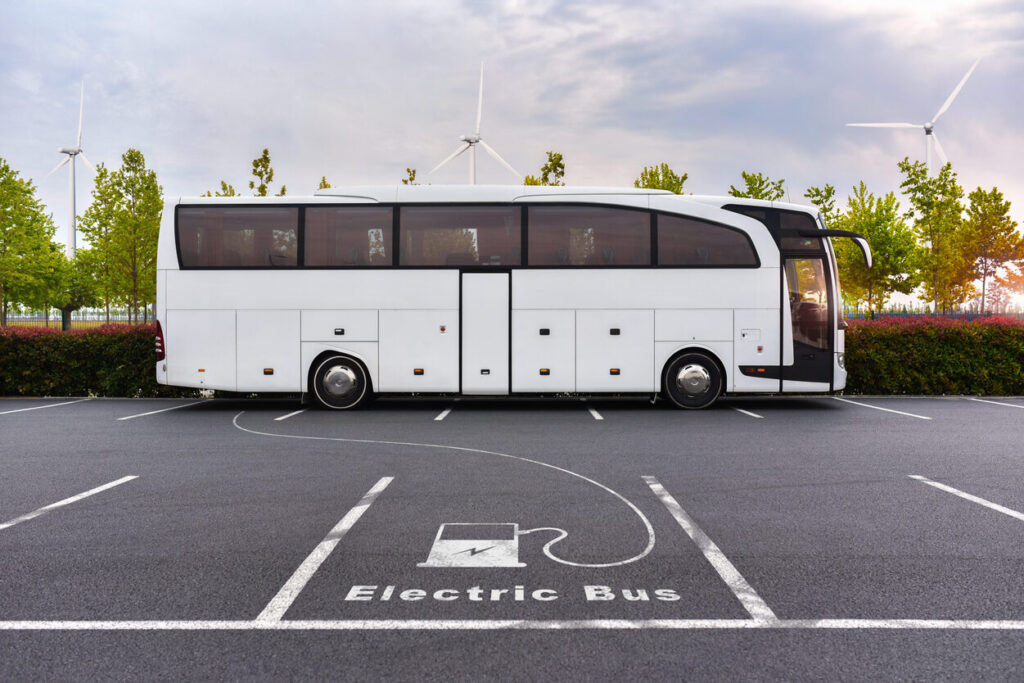
Buses are remarkably safe when compared to private cars. Statistics from the Department of Transportation show that traveling by bus is about 10 times safer than driving a personal vehicle. This is because buses are driven by professionally trained operators who must follow strict hours-of-service regulations. Additionally, the massive size and weight of a bus provide a natural “safety cage” for passengers in the event of a collision. While seatbelts are not always required on city buses, the way they are constructed, using high-backed, closely spaced seats, helps absorb impact and keep passengers in place, a concept known as “compartmentalization” developed in the late 20th century.
From a human perspective, the bus is a shared experience that takes the stress out of commuting. Passengers can relax and let someone else handle the navigation and traffic. This “surrender of control” is actually a safety benefit, as it removes millions of stressed, distracted amateur drivers from the road and replaces them with a single professional. However, when bus accidents do happen, they tend to make major headlines because of the number of people involved. Whether it’s a school bus or a cross-country coach, the safety of the journey depends on the maintenance of the vehicle and the health of the driver. Overall, the bus remains a stalwart of safe, affordable urban and rural transit.
7. Trains
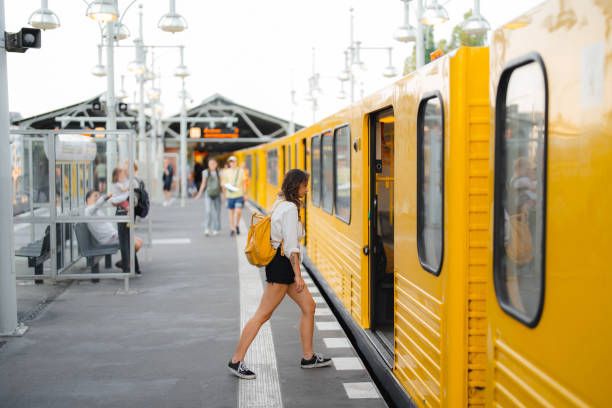
Rail travel is one of the safest ways to move large numbers of people across long distances. In the United Kingdom and much of Europe, rail fatalities are extremely rare, often hovering near zero for years at a time. The safety of trains is built on a foundation of “positive train control” systems and sophisticated signaling that prevents two trains from occupying the same block of track. Since the 1800s, rail safety has evolved through rigorous investigation of every single incident. Today’s modern high-speed rails, like the Shinkansen in Japan, have operated since 1964 with an incredible record of zero passenger fatalities due to derailments or collisions.
For the traveler, the train offers a sense of dignity and calm that is hard to find elsewhere. There is a rhythmic stability to the journey that allows for work, sleep, or deep conversation. Unlike a car, where the driver must be constantly “on,” the train allows everyone to be a passenger. This lack of individual responsibility is backed by a massive hidden infrastructure of engineers, dispatchers, and track inspectors. When a train derailment does occur, the shock felt by the public is profound because it feels like a breach of a sacred trust. Despite these rare events, the statistics prove that the most dangerous part of a train trip is usually the drive to the station.
8. Subways and Metros
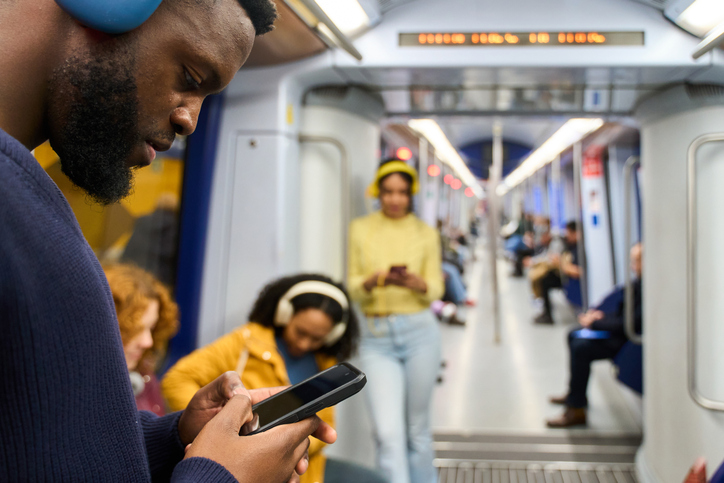
Subways and metros represent the gold standard for safe urban movement. Because they operate in a “closed system”, meaning they have no intersections with cars or pedestrians, the risk of a collision is nearly non-existent. Data from major systems like the New York City Subway or the London Underground show that the vast majority of injuries are related to slips, trips, and falls on escalators rather than actual train incidents. Since the first underground line opened in London in 1863, the technology has advanced to the point where many modern systems are fully automated, removing the possibility of human error almost entirely.
For the city dweller, the metro is the heartbeat of daily life. It is a predictable, climate-controlled environment that functions as a bypass for the chaos of the streets above. People often travel in a state of “metropolitan trance,” moving through familiar tunnels and stations with their eyes on their phones. This familiarity makes the metro feel like an extension of our own homes. While crowds can be overwhelming during rush hour, the safety protocols managed by transit police and station staff are incredibly robust. The biggest risk in a subway is often just losing your balance when the train starts moving, making it a nearly perfect mode of transport for safety-conscious commuters.
9. Ferries
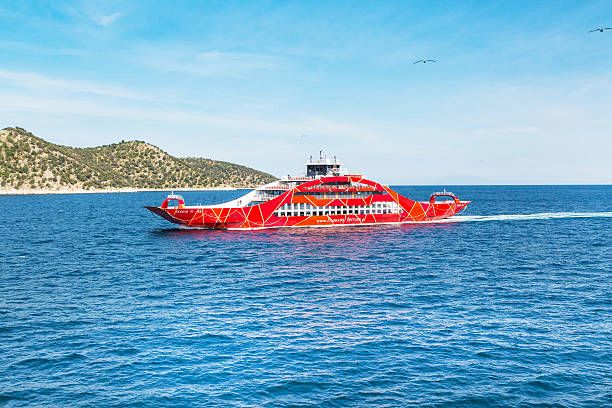
Ferry travel is exceptionally safe, especially when governed by the International Maritime Organization (IMO) standards established in the mid-20th century. Large commercial ferries are designed with redundant systems and massive stability, allowing them to handle rough seas that would be dangerous for smaller boats. In places like Washington State or Hong Kong, ferries carry tens of millions of people a year with almost no major incidents. The primary risks involve fire or rare structural failures, but modern sensors and fire-suppression technology have made these events increasingly unlikely. Compared to the daily carnage on our roads, water travel is a sanctuary of safety.
Boarding a ferry often feels more like a mini-vacation than a commute. The open air, the sound of the waves, and the slower pace of travel provide a psychological break from the “hustle culture” of the city. Passengers often use the time to take photos or enjoy the view, reflecting a total lack of concern for their safety. This peace of mind is well-earned; the crew members are trained extensively in emergency evacuation and water rescue. While maritime disasters like the 1987 Herald of Free Enterprise remain etched in history, they led to sweeping changes in how bow doors are monitored, ensuring that today’s passengers are safer on the water than almost anywhere else.
10. Commercial Flying
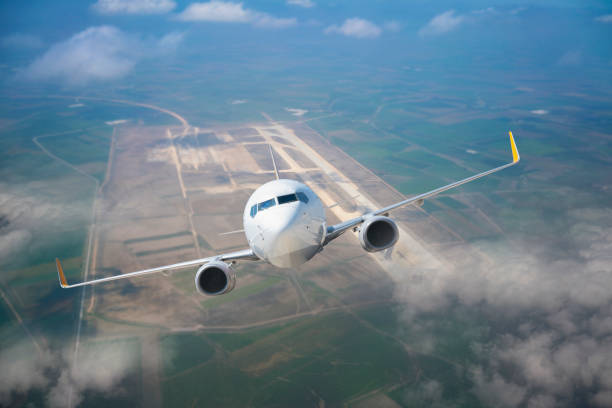
Commercial aviation is the “safest way to travel” for a reason: it is the most heavily regulated industry in the world. According to the International Air Transport Association (IATA), the fatality risk in 2023 was so low that a person would have to travel by air every day for 103,239 years to experience a fatal accident. Since the “Golden Age of Flight” in the 1950s, the industry has shifted from a culture of mystery to one of extreme data-driven precision. Every component of an aircraft is tracked, and every pilot undergoes rigorous simulator training twice a year. This “safety-first” culture has made air travel statistically safer than walking to your own mailbox.
Despite these facts, “aerophobia” remains one of the most common fears. This is because flying involves a total loss of control; you are in a pressurized tube six miles above the earth, and you cannot simply “pull over” if something goes wrong. Every bump of turbulence feels like a life-threatening event to a nervous flyer, even though airplanes are designed to withstand forces far greater than nature can provide. The contrast between the intense fear people feel and the incredible safety of the machine is one of the great ironies of modern life. When you look at a plane in the sky, you are looking at the pinnacle of human engineering and safety management.
11. Taxis and Ride-Hailing
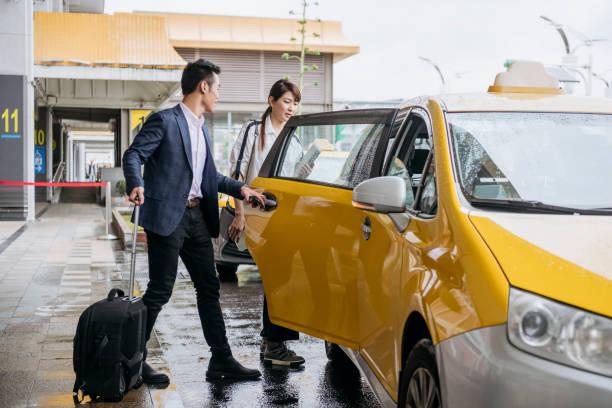
Taxis and ride-hailing services occupy a unique space in transportation safety. While they share the same roads as private cars, their risk profile is slightly different. Since the rise of Uber and Lyft in the early 2010s, data has shown that ride-hailing can actually reduce drunk driving incidents in major cities. However, a 2019 safety report released by Uber noted that while 99.9% of trips are completed without incident, the sheer volume of billions of rides inevitably leads to thousands of crashes. Unlike private car owners, professional drivers are often on the road for 10 to 12 hours a day, leading to significant fatigue, a factor that contributed to over 100,000 fatigue-related crashes annually in the U.S. alone during the late 2010s.
For the passenger, getting into a taxi is an exercise in trust. You are handing your safety to a stranger, often while distracted by your phone or a conversation. This creates a psychological “safety shield” that may not actually exist. In many parts of the world, taxi safety is governed by strict licensing and vehicle inspections dating back to the mid-20th century, whereas ride-hailing has often operated in a regulatory “grey zone.” Whether you are in a yellow cab in New York or a private hire in London, you are still subject to the same physics as any other car. The convenience of an app does not change the fact that you are a passenger in a high-speed environment where the driver’s focus is your only protection.
12. Minibuses and Shared Vans
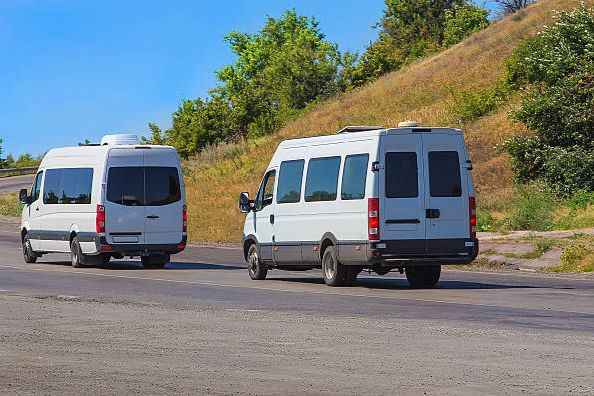
Minibuses and shared vans are the backbone of transit in many developing nations, from the matatus of Kenya to the colectivos of Latin America. Historically, these vehicles have faced significant safety challenges due to overcrowding and lack of maintenance. A 2015 study by the World Bank highlighted that in many emerging economies, minibuses account for a disproportionate number of road fatalities. This is often because they operate outside of the formal government-regulated bus systems, meaning things like seatbelt laws and speed governors are rarely enforced. In the 1990s and 2000s, many of these vehicles were aging imports that lacked the safety features of modern passenger vans.
From a human perspective, the minibus is a social hub. It is often the only affordable way for people to get from rural villages to city centers. Passengers accept the risk of a cramped, bumpy ride because the alternative is not being able to work or attend school. The atmosphere is often one of shared community, but the underlying danger is real. When a van designed for 12 people carries 20, the center of gravity shifts, making it prone to rollovers. Images of these packed vehicles remind us that safety is often a luxury of infrastructure. While they provide essential mobility, the lack of oversight makes every trip a roll of the dice for the millions who rely on them daily.
13. Trams and Light Rail
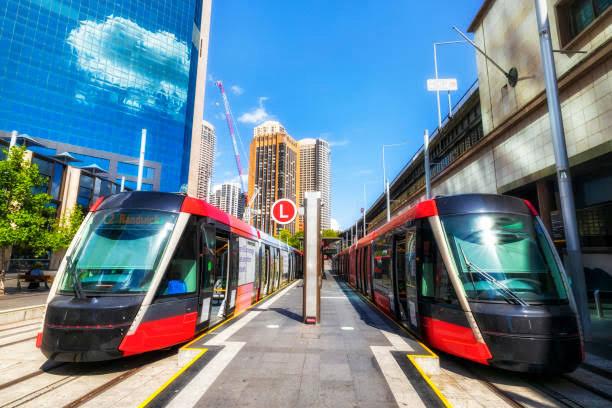
Trams and light rail systems are significantly safer than traveling by car or bus. Because they run on fixed tracks, the risk of “swerving” into traffic is eliminated. According to European rail safety data from the 2010s, tram passengers face nearly zero fatalities per billion passenger kilometers. The most common accidents involving trams are actually “third-party” incidents, cars turning into the path of a tram or pedestrians stepping onto the tracks without looking. Modern trams, like those found in Melbourne or Strasbourg, feature “low-floor” designs that were popularized in the 1990s to make boarding safer and more accessible for everyone, including the elderly and those with disabilities.
Riding a tram feels like being part of the city’s pulse. Unlike the noisy, chaotic environment of a bus, trams glide through streets with a rhythmic hum. This creates a sense of calm and safety that encourages people to use them for short city hops. They are deeply integrated into the landscape, often passing within feet of sidewalk cafes. However, this proximity to pedestrians is where the subtle danger lies. Because trams are remarkably quiet, people often underestimate how fast they are moving. While the passengers inside are very safe, the tram demands that the city around it remain alert. It is a graceful, efficient system that rewards those who respect its steady, unchanging path.
14. Local Passenger Boat
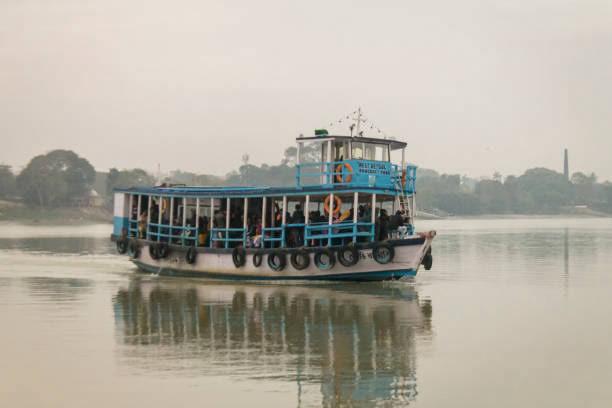
Small passenger boats, such as water taxis and local ferries, carry a higher risk than their massive ocean-going cousins. These vessels are more susceptible to “capsizing” in bad weather or from being hit by a rogue wave. Historically, small craft safety has been harder to regulate; a major tragedy in 2014 involving a ferry in South Korea underscored how catastrophic it can be when safety protocols are ignored. In many coastal regions, small boats are used as “buses on water,” often without enough life jackets for everyone on board. The limited size of these boats means they lack the stability and sophisticated radar systems found on commercial liners.
For many, a boat trip feels more like an adventure than a commute. The wind in your face and the spray of the water can make you forget that you are on a vessel with limited safety margins. This “vacation mindset” often leads passengers to ignore safety briefings or wander near the edges of the deck. On a small boat, the environment can change in seconds, a sudden storm or a shifting current can turn a pleasant trip into an emergency. While the charm of the water is undeniable, the risks are far more immediate than on land. Respecting the water means acknowledging that, on a small craft, you are at the mercy of both the engine and the elements.
15. Helicopters
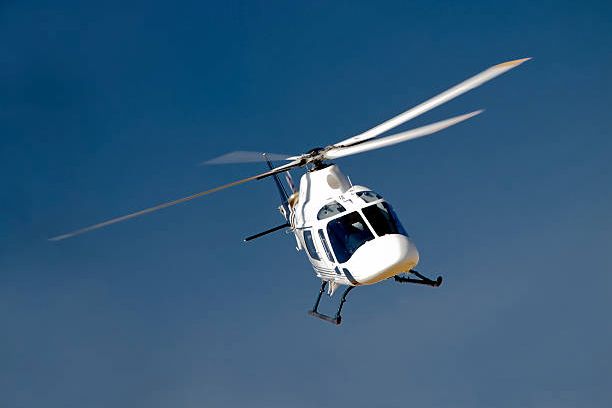
Helicopters are versatile machines, but they are statistically more dangerous than fixed-wing airplanes. According to the Federal Aviation Administration (FAA), the accident rate for helicopters is roughly 0.63 per 100,000 flight hours, which is higher than for commercial jets. The complexity of a helicopter’s “moving parts”, where the wings are essentially spinning at high speeds, means there are more points of potential mechanical failure. Furthermore, helicopters often fly at lower altitudes and in more challenging environments, such as medical evacuations or search-and-rescue missions, which were professionalized throughout the 1970s and 80s. These “mission-critical” flights often take place in poor weather where other aircraft would stay grounded.
For the passenger, a helicopter flight is an intense sensory experience. The vibration of the rotors and the bird’s-eye view provide a thrill that a standard plane cannot match. However, that intensity comes with a need for extreme precision. Because helicopters are sensitive to weight and balance, even a small error in loading can be dangerous. Many people associate helicopters with high-profile accidents, such as the 2020 crash that killed Kobe Bryant, which highlighted the dangers of flying in low visibility. While they are indispensable for reaching remote areas or saving lives in an emergency, helicopters remain a high-skill, high-risk mode of transport that leaves very little room for human or mechanical error.
16. Private Jets
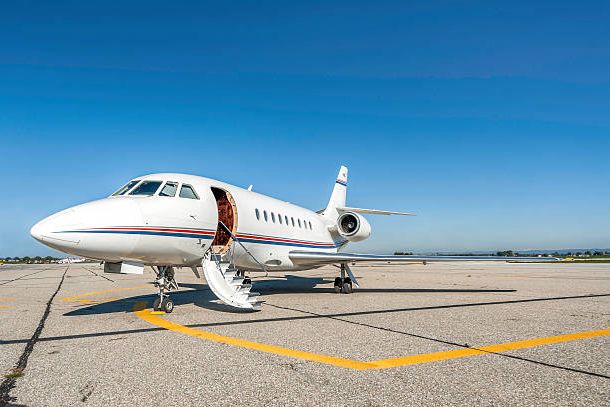
General aviation, or flying in private jets, is considerably more dangerous than flying on a commercial airline. While commercial aviation has a near-perfect safety record, private flying’s fatality rate is closer to that of driving a car, and in some years, even higher. Data from the NTSB shows that “pilot error” is a factor in about 80% of private plane accidents. Since the 1970s, many of these incidents have occurred during the “takeoff and landing” phases. Private pilots often have fewer flight hours and less access to the high-tech, redundant weather systems that commercial pilots use. Without a co-pilot or a professional flight crew, the burden of safety rests entirely on one person.
To those who fly them, private planes represent the ultimate freedom. The ability to take off from a small local strip and fly wherever you want is a dream that many pilots have pursued since the early 20th century. However, this independence comes with a heavy responsibility. Unlike a commercial flight where you are a passive observer, in a private plane, you are much closer to the mechanics of flight. You feel every gust of wind and every change in the engine’s drone. For passengers, the experience is intimate and exciting, but the margins for safety are much narrower. It is a beautiful way to see the world, provided you never lose your healthy respect for the sky’s unpredictability.
17. Cruise Ships
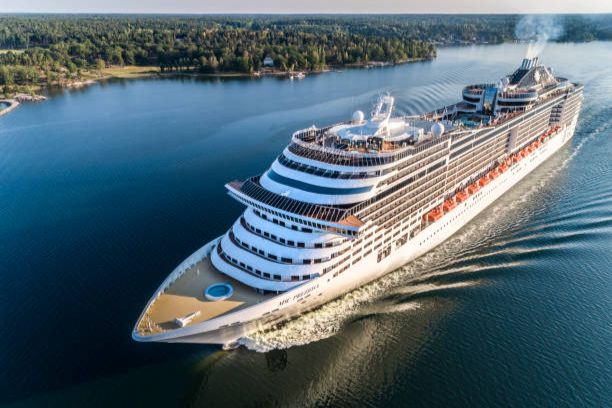
Cruise ships are among the safest environments in the world for travelers. Since the sinking of the Titanic in 1912 led to the first International Convention for the Safety of Life at Sea (SOLAS), maritime safety has become incredibly robust. Modern cruise ships are basically floating cities with their own fire departments, medical teams, and advanced stabilization systems that prevent the ship from “rolling” even in high seas. Data from the 2010s shows that you are statistically safer on a cruise ship than you are in your own home. The most common “dangers” on a cruise are actually viruses like Norovirus or slips on wet decks, rather than the ship itself sinking.
The human experience of a cruise is one of total insulation. You are surrounded by luxury, food, and entertainment, often forgetting that you are in the middle of a vast, deep ocean. This sense of security is what makes cruising so popular with families and older adults. However, the sheer size of these ships, some carrying over 6,000 passengers, presents a massive logistical challenge in the rare event of an evacuation. The 2012 Costa Concordia disaster served as a modern reminder that even the most advanced technology can be compromised by human error. Despite such rare headlines, the cruise industry remains a pinnacle of safety, allowing millions to explore the world’s oceans in near-total comfort.
18. Space Tourism

Space tourism is the newest and most dangerous entry on this list. Since the first private “space tourist” flew to the ISS in 2001, and the subsequent “billionaire space race” of the 2020s, the risks have been clearly defined. Unlike a car or a plane, a rocket is essentially a “controlled explosion.” The forces of G-load during launch and the extreme heat of re-entry are at the very edge of what the human body and materials can withstand. While companies like SpaceX and Blue Origin use the most advanced engineering available, the “sample size” of flights is still too small to give a traditional safety rating. Statistically, it remains the highest-risk journey a human can take.
For the few who have gone, space travel is a life-altering experience that provides the “Overview Effect”, a profound shift in how one views the Earth. It is a journey driven by the human spirit of exploration and ambition. However, every passenger knows they are a pioneer in an experimental field. The danger is not hidden; it is the central part of the experience. It requires months of training and a willingness to accept that, at this stage of technology, things can go wrong very quickly. It is the frontier of travel, where the rewards are cosmic, but the price of admission includes the highest level of personal risk in the modern age.
19. Walking Long Distances

Long-distance walking, such as hiking the Appalachian Trail or trekking across rural landscapes, presents a different set of risks than a city stroll. Here, the danger shifts from “traffic” to “environment.” Studies of wilderness safety highlight that the primary risks are dehydration, “hyperthermia,” and falls. In the 20th century, the rise of outdoor recreation led to more search-and-rescue missions for people who were unprepared for sudden weather changes. Unlike an urban street, there are no cars to hit you, but there is also no one to help if you break an ankle or get lost. Fatigue plays a major role, as tired walkers are more likely to make mistakes.
Walking long distances is often a meditative, soul-searching journey. It is a way to disconnect from the digital world and reconnect with nature. This serenity can lead to a dangerous “sense of security” where a hiker ignores the signs of an approaching storm or fails to drink enough water. The human body is incredibly resilient, but it has limits. In remote areas, a simple trip and fall can become a life-threatening situation. The danger is slow and quiet, unlike the sudden impact of a car crash. For those who seek the path less traveled, the safety gear is not an airbag or a seatbelt, but a map, a compass, and a healthy dose of humility.
Like this story? Add your thoughts in the comments, thank you.


