
1. Hollywood’s First Superstar Comedian
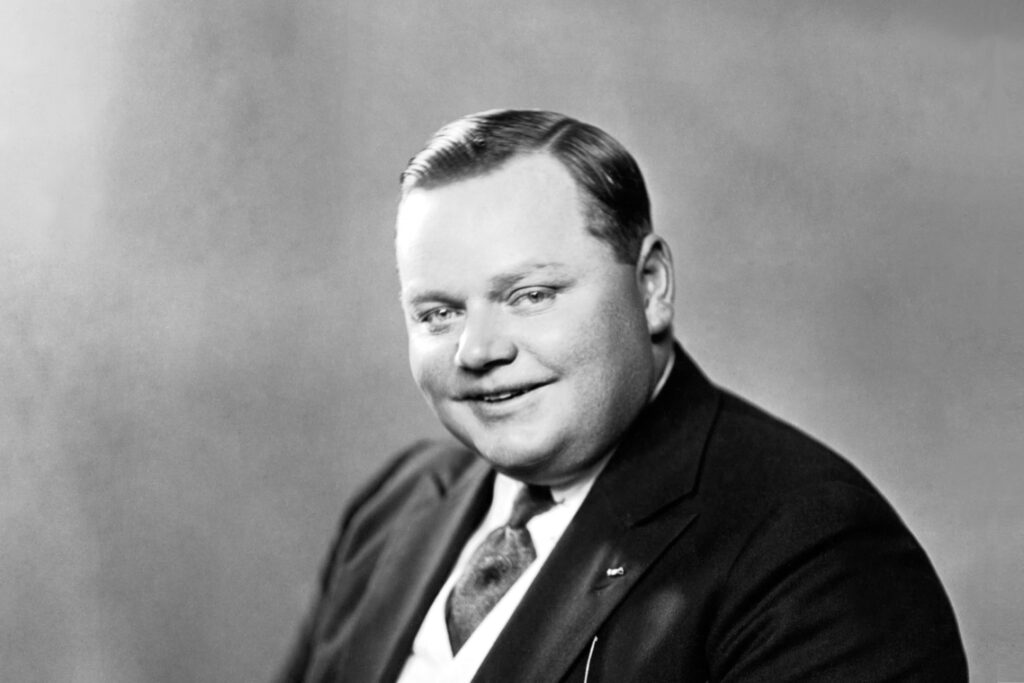
Before Chaplin became a global icon, Roscoe “Fatty” Arbuckle was already a household name. Born in Kansas in 1887, he rose from vaudeville stages to the silver screen, charming audiences with his surprising agility and innocent humor. Despite his size, he moved with elegance, leaping and pratfalling in ways that defied gravity. By 1920, he was one of the highest-paid actors in the world, making over $1 million a year. Arbuckle was more than a comic, he was America’s first superstar comedian, adored by millions and at the very height of his fame when it all came crashing down.
2. The Gentle Giant Persona
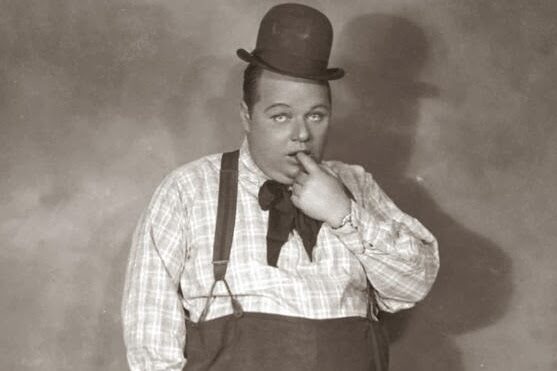
Arbuckle disliked his stage name “Fatty,” preferring simply Roscoe, but audiences loved the irony of a heavyset man moving like a dancer. Unlike many comedians of his era, he avoided cruel fat jokes, choosing instead to play innocent, gentle characters who stumbled into chaos. His humor was never sharp or mean, it was playful and lighthearted, which made him especially popular with families. Off screen, friends described him as shy and soft spoken, uncomfortable with the fame he carried. This reputation as a harmless clown would make the scandal that followed even more shocking, almost unbelievable to his fans.
3. Prohibition and the Wild 1920s
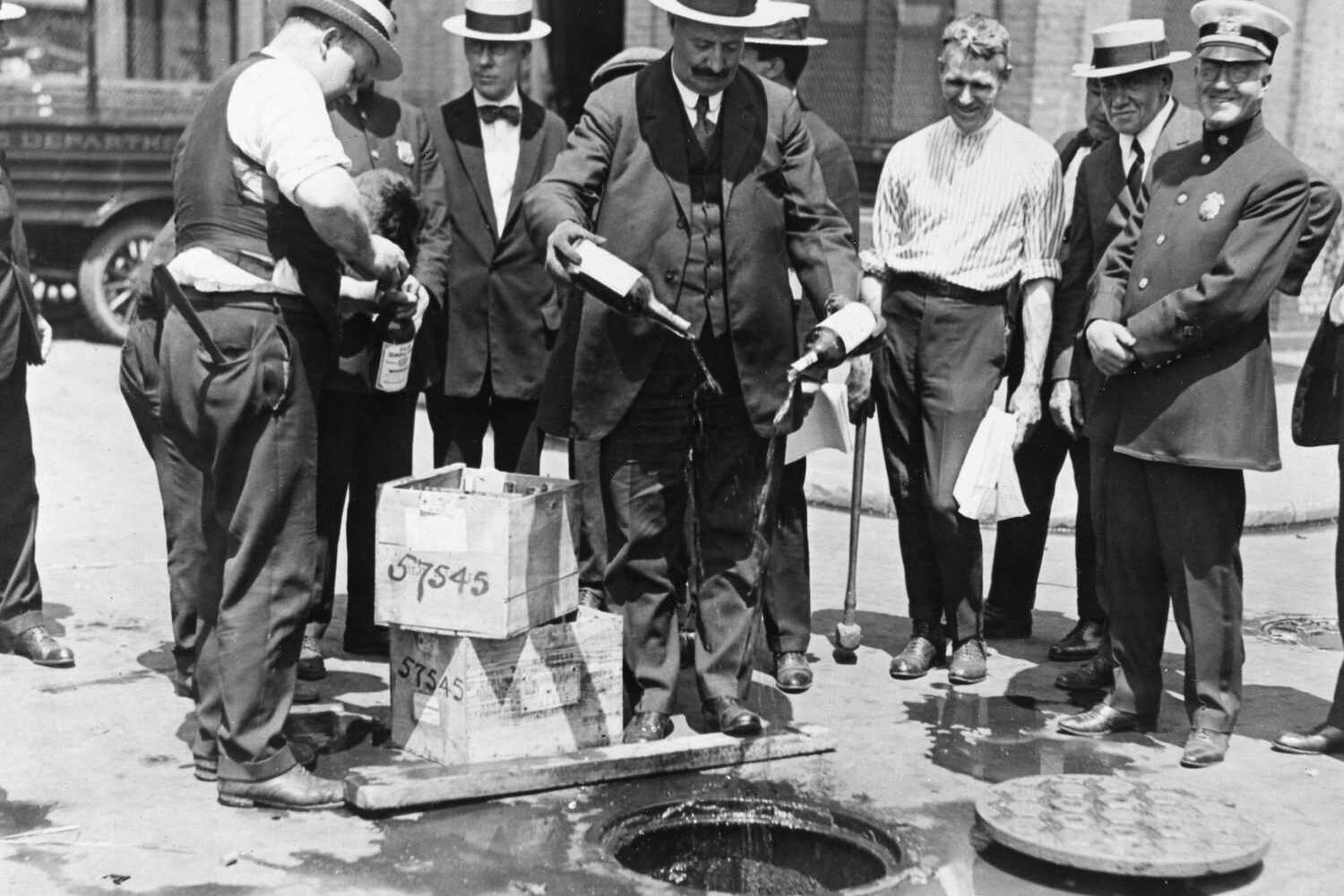
Arbuckle’s downfall was set against the backdrop of Prohibition. Alcohol was banned in 1920, but secret drinking thrived at speakeasies and hotel parties. The American public viewed Hollywood with suspicion, believing the stars lived recklessly behind closed doors. Preachers and reformers declared the film industry immoral, warning it corrupted society. Arbuckle, with his money, fame, and love of fun, became an easy target for such suspicion. When tragedy struck at one of his parties, the narrative was already set. The public did not want patience or facts, they wanted an example of Hollywood’s sins, and Arbuckle was the perfect symbol.
4. The Labor Day Party in San Francisco
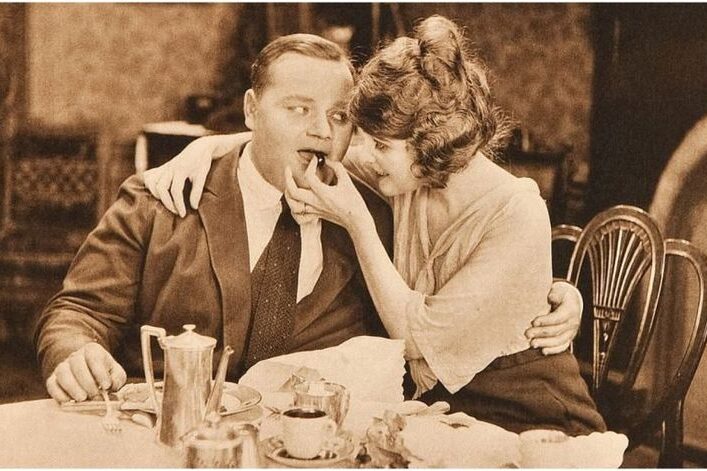
In September 1921, Arbuckle checked into San Francisco’s St. Francis Hotel to celebrate Labor Day weekend with friends. The party was filled with actors, acquaintances, and plenty of illegal liquor. Among the guests was Virginia Rappe, a young actress hoping to rise to stardom. Within hours she became violently ill, and four days later she was dead. Whispers began immediately, suggesting Arbuckle had attacked her and crushed her under his weight. Though there was no evidence, the tale spread quickly. In a city already scandalized by wild Prohibition parties, the story found an eager audience and headlines that never stopped.
5. Virginia Rappe’s Mysterious Death
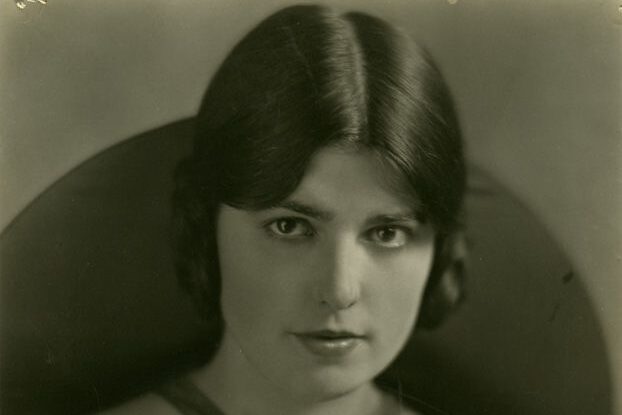
The death of Virginia Rappe has remained clouded in mystery for over a century. She had a history of bladder problems, and doctors disagreed over whether illness, alcohol, or injury caused her rupture. Still, rumors painted Arbuckle as the villain, claiming he assaulted her during the party. Witnesses gave conflicting accounts, some insisting she was already unwell before the gathering, while others hinted at darker acts. The truth may never be fully known, but one fact is clear. Her death was seized upon by a press hungry for scandal, transforming Rappe into a tragic symbol and Arbuckle into a monster.
6. William Randolph Hearst’s Role
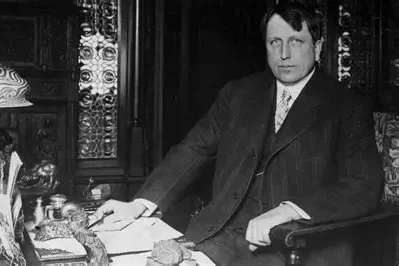
No one benefited more from Arbuckle’s scandal than media giant William Randolph Hearst. His newspapers ran lurid headlines such as “Arbuckle Kills Girl at Wild Orgy,” turning a complex tragedy into moral panic. Hearst later admitted the Arbuckle case sold more papers than any other story of his career. Facts mattered little when sensationalism paid better. Arbuckle was guilty in print before ever entering a courtroom. Overnight, the press transformed him from America’s gentle clown into a disgraced figure. The media’s appetite for scandal destroyed him, and in the court of public opinion his reputation was already beyond saving.
7. Hollywood on Trial
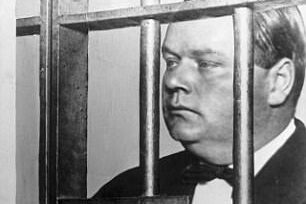
Arbuckle’s arrest quickly grew beyond his personal fate. It became a trial of Hollywood itself, with reformers pointing to the scandal as proof the movie industry corrupted American morals. Religious leaders demanded censorship, and politicians threatened to shut studios down. Arbuckle, once a star, became the scapegoat for an entire system under attack. His trials attracted swarms of reporters, who described every detail of his demeanor, expressions, and weight. Hollywood studios panicked, abandoning him to protect their profits. Once their brightest star, Arbuckle now stood completely alone, symbolizing how easily the film industry sacrifices its own when under fire.
8. Three Trials and Endless Headlines
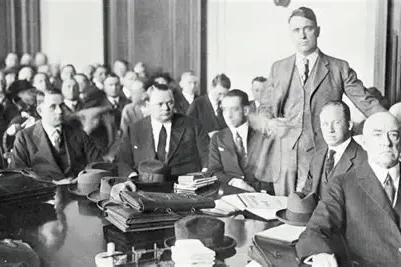
The court battles were relentless. Arbuckle’s first two trials ended in hung juries, dividing the public between those who believed he was guilty and those who saw him as a victim. The third trial acquitted him, the jury needing only six minutes to decide. They even issued a written apology, stating “A great injustice has been done.” But apologies could not erase the damage. The press had already declared him guilty for months, and culture had branded him permanently. Arbuckle left the courthouse legally free, but culturally ruined. His innocence meant nothing to a society addicted to scandal.
9. The Ruthless Hollywood Ban
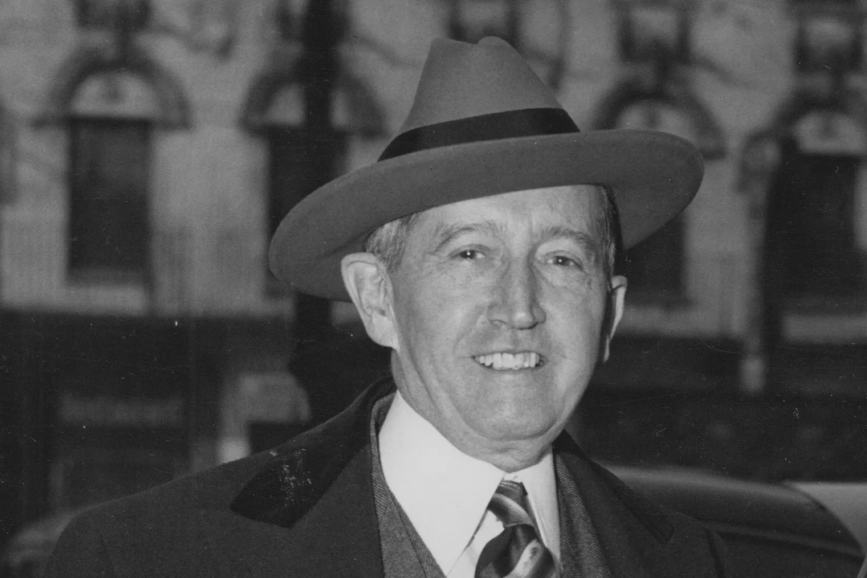
Even after being acquitted, Arbuckle’s career could not recover. Hollywood’s new morality chief, Will Hays, banned his films from theaters, erasing his presence from screens across the world. The man who once made millions laugh was now too toxic to project, his name stricken from advertisements. This was a punishment harsher than prison, a sentence of cultural oblivion. Arbuckle became a ghost in his own industry, watching his peers rise where he once reigned. Hollywood cared less about justice than image, and Arbuckle was sacrificed for appearances. His career was not simply ended; it was deliberately buried alive.
10. From Millions to Pennies
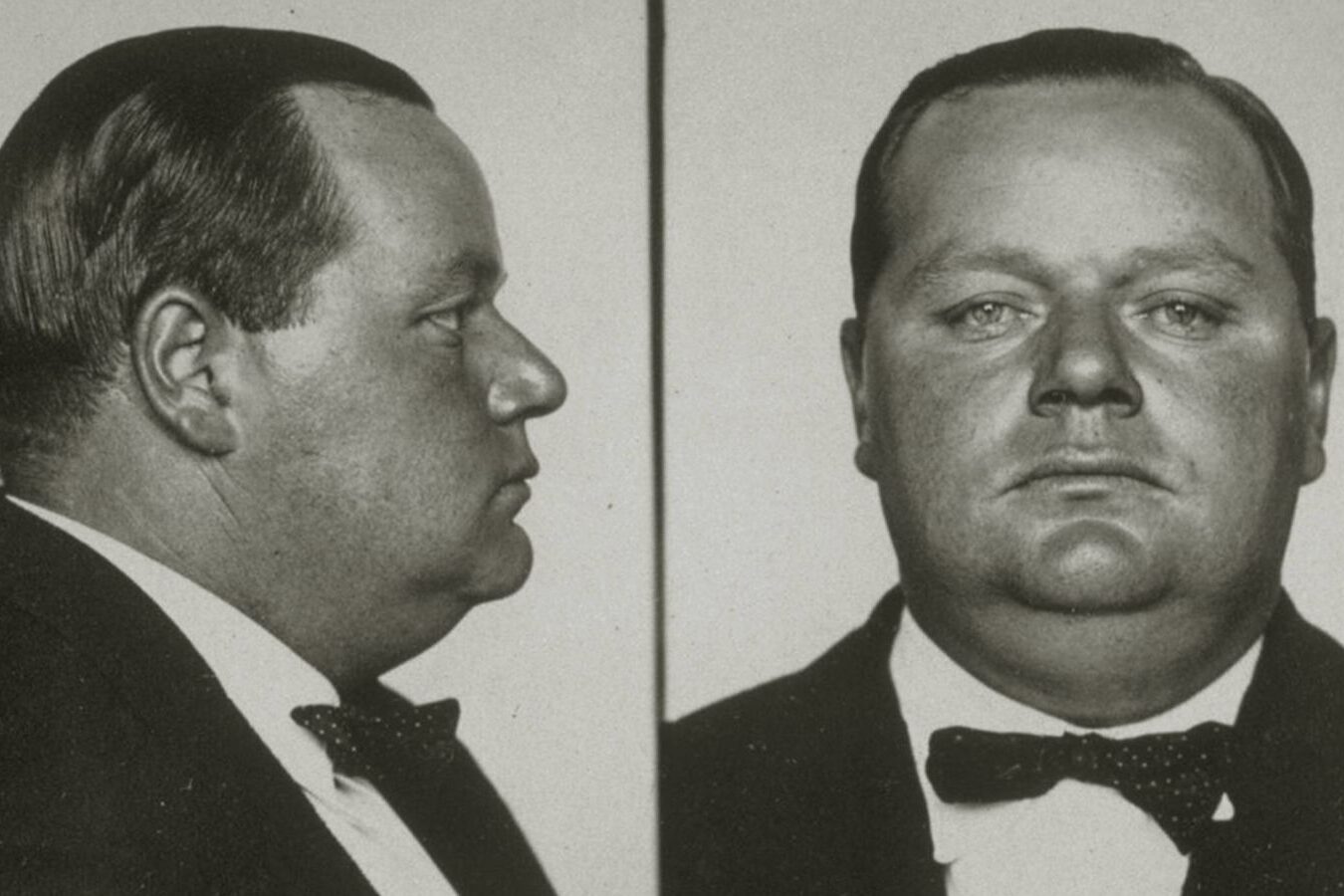
At the height of his fame, Arbuckle’s earnings surpassed $1 million annually, equivalent to over $15 million today. He lived in mansions, drove fine cars, and enjoyed all the trappings of success. But the trials consumed his fortune. Legal fees drained his accounts, canceled contracts cut off his income, and the studio ban sealed his fate. Within just a few years, Arbuckle went from one of Hollywood’s wealthiest stars to nearly broke. The man who symbolized abundance now struggled with debts. His wealth, like his fame, disappeared with shocking speed, leaving behind only memories of what once was.
11. Friends Who Fled, Friends Who Stayed
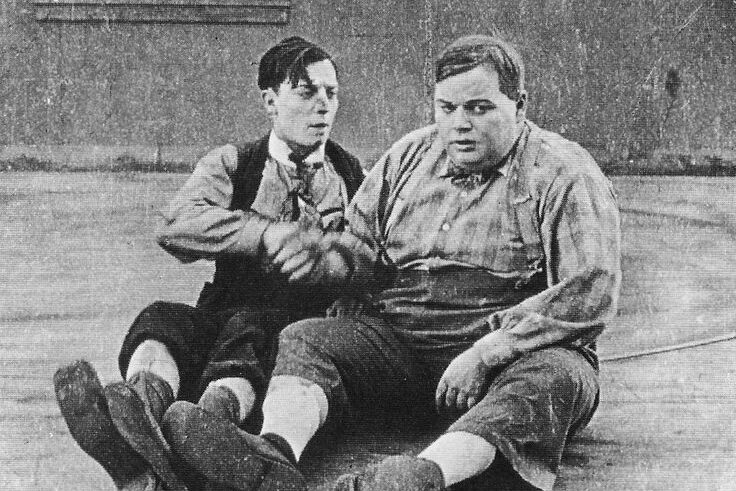
Scandals reveal loyalty, and Arbuckle discovered how fragile friendships could be. Many colleagues abandoned him, fearful of being associated with disgrace. Invitations dried up, calls went unanswered, and doors slammed shut. Still, a few friends remained. Chief among them was Buster Keaton, who stood by Arbuckle publicly and even found him work when possible. Their bond became legendary, proof that loyalty could exist in Hollywood’s fickle world. Yet, even Keaton’s support could not repair Arbuckle’s shattered career. The lesson was painful. In fame’s world, most friendships fade when lights dim, leaving only a precious few who truly stand firm.
12. Living as William Goodrich
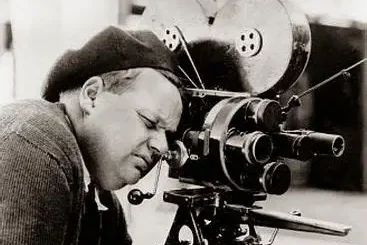
With his name blacklisted, Arbuckle returned to Hollywood quietly under a false identity. He began directing films under the pseudonym William Goodrich, a name given as a dark joke meaning “Will be good.” He directed comedies, but his audiences never knew it was him behind the camera. Friends said it was like watching a ghost at work, a man once adored by millions reduced to anonymity. Arbuckle longed for recognition, but the industry he once dominated had buried him in secrecy. Though still creating, he was invisible. He lived, but in many ways it was not truly living.
13. The Toll of Shame
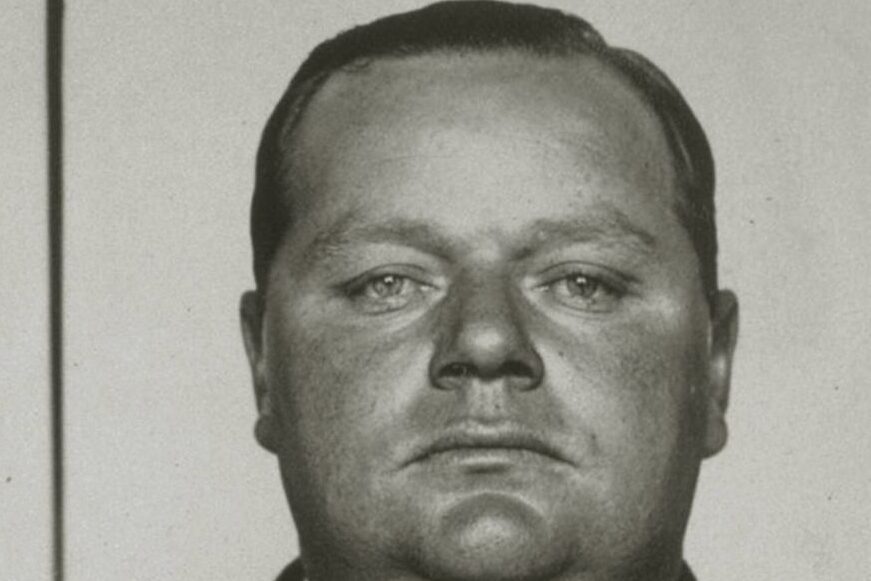
The scandal did more than destroy Arbuckle’s career, it destroyed his health and spirit. Once vibrant and full of joy, he descended into depression. Alcohol became his way to numb the pain. His weight fluctuated wildly, his youthful face aged quickly, and his once bright eyes dimmed. Reporters who glimpsed him in later years described him as broken, a shadow of the comedian they once adored. Friends said the shame never left him, eating away at his spirit. Arbuckle had been America’s favorite clown, and now he carried the unbearable burden of becoming its cautionary tale.
14. A Glimmer of Redemption
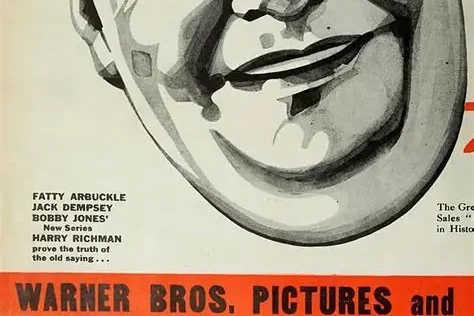
In 1932, more than a decade after the scandal, Warner Bros. cautiously offered Arbuckle a return to the screen. He starred in short comedies, and audiences responded with laughter, just as they once had. For the first time in years, he felt the warmth of applause and the joy of performing under his real name. Reviews were positive, hinting at a possible comeback. For Arbuckle, it was a glimmer of hope, a reminder that his gift for humor had not vanished. After years in the shadows, he finally stepped back into the light, if only for a moment.
15. Love at the End
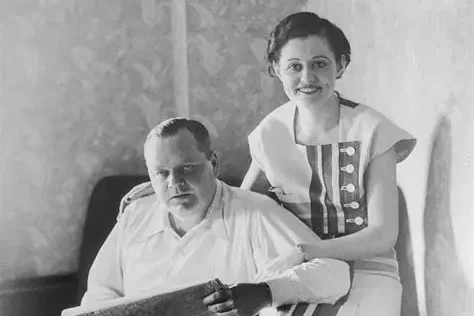
In June 1933, Arbuckle married actress Addie McPhail, bringing joy back into his life after years of hardship. Friends recalled how happy he seemed, declaring to his new wife that it was the happiest day of his life. After a decade of despair and exile, he finally found peace in love and companionship. For once, Arbuckle appeared free from the shadow of scandal, content to look toward the future. Love gave him the acceptance Hollywood had denied. In Addie’s presence, Arbuckle found laughter again, even if fate had only given him a brief chance to enjoy it.
16. Death the Morning After
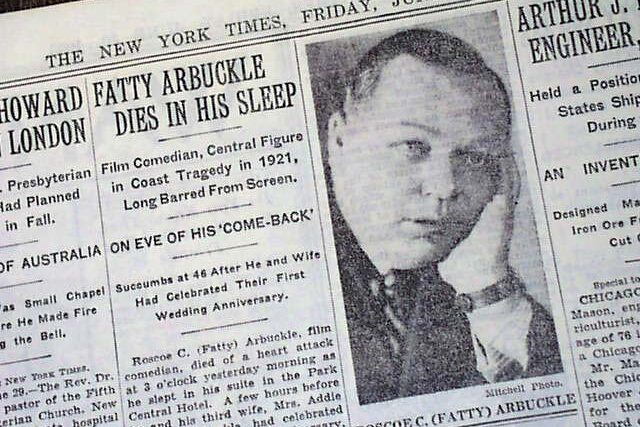
Tragedy came swiftly. The morning after celebrating his wedding, Arbuckle died in his sleep from a heart attack. He was only 46 years old. The timing felt cruel, striking just as he began to rebuild happiness and hope. Friends said it seemed as though the years of shame and struggle had finally caught up with him all at once. His comeback was cut short, and his laughter silenced forever. Arbuckle’s death was quiet, far removed from the noisy headlines that once consumed him. The first great scandal of Hollywood ended not with fanfare, but with sudden silence.
17. A Funeral Without Crowds
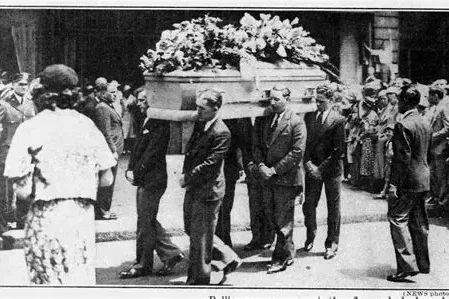
When Arbuckle died, his funeral was unlike those of his peers. While stars like Valentino drew thousands of grieving fans, Arbuckle’s was small and subdued. Only close friends attended, including his wife Addie and Buster Keaton. Hollywood offered no tributes, no grand farewell. The man who once brought joy to millions was buried quietly, his legacy still shrouded in scandal. It was a stark contrast to his days of fame, reflecting how completely the industry had erased him. His funeral was not a celebration of life, but a quiet reminder of how far he had fallen.
18. The Legacy of a Scapegoat
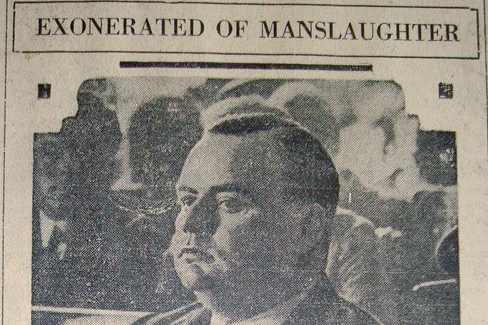
For decades after his death, Arbuckle’s name was avoided in Hollywood. His films were rarely shown, and his reputation remained tied to the scandal. Only later did historians revisit the case, pointing out how little evidence ever supported the accusations. Arbuckle began to be seen differently, not as a villain but as a victim of media frenzy and moral panic. His story became symbolic of how swiftly society can destroy its idols. Arbuckle’s fall revealed the dangers of celebrity culture, where truth is disposable and perception rules. He became Hollywood’s first true scapegoat, sacrificed for an industry’s survival.
19. Hollywood’s First Fallen Idol
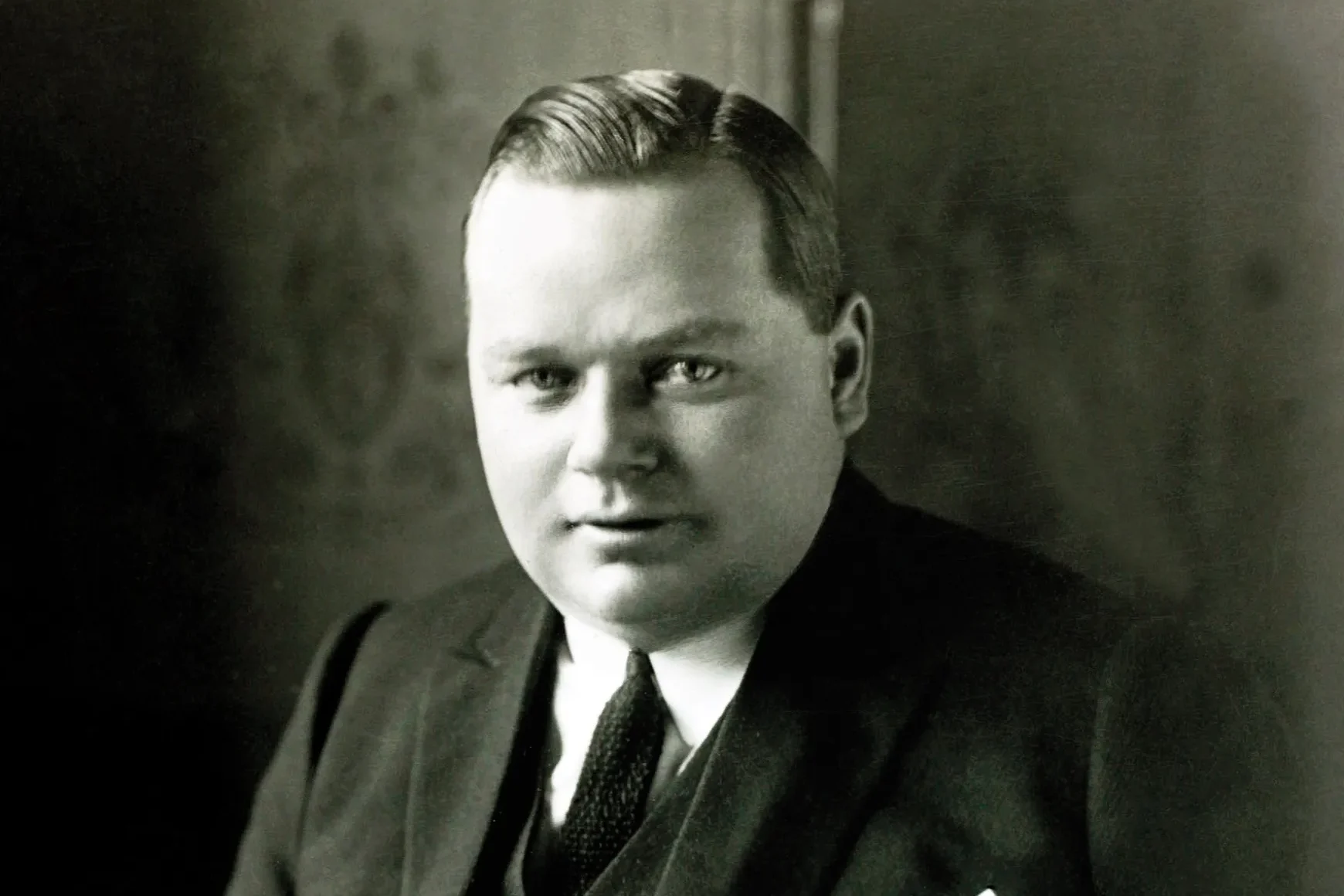
Roscoe “Fatty” Arbuckle’s life was filled with contradictions. He was adored and condemned, innocent and disgraced, rich and ruined, famous yet forgotten. His fall was not just the story of one man, but of Hollywood itself learning how scandal could both entertain and destroy. Arbuckle died with his name still tarnished, his talent buried under infamy. Yet his story endures as a warning about fame’s fragility and the dangers of a culture addicted to spectacle. He was not simply a comedian, he was the first fallen idol, showing how quickly applause can turn into silence.
This story 19 Tragic Truths Behind the Fall of Fatty Arbuckle, Hollywood’s First Scandal Star was first published on Daily FETCH


