
1. The Infamous New Coke Blunder
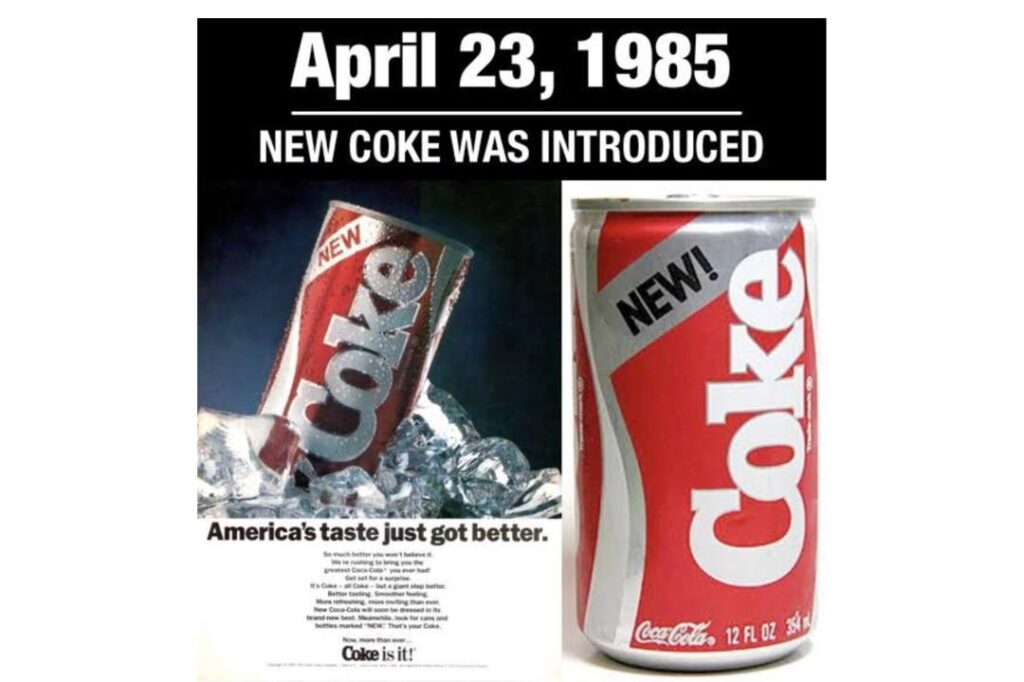
It is truly fascinating to look back at how even the biggest giants can stumble when they try to fix things that are not actually broken, and this matters because it teaches us about the delicate bond between a brand and its loyal customers. Back in April 1985, the Coca-Cola Company decided to scrap its original formula in favour of a sweeter version known as New Coke because they were terrified of losing market share to Pepsi. This decision was backed by extensive blind taste tests involving nearly 200,000 consumers who seemed to prefer the new flavour, yet the executives completely underestimated the deep emotional connection people had with the classic recipe. Almost as soon as the announcement was made, the company was hit by a massive wave of public outcry and organized protest groups that demanded the return of the drink they had grown up with.
The backlash was so severe that the company’s headquarters in Atlanta received over 1,500 angry phone calls every single day while thousands of letters poured in from distraught fans who felt betrayed by the change. Within just 79 days, the management realized they had made a monumental error and they quickly announced the return of the original formula under the name Coca-Cola Classic to appease the masses. While some conspiracy theorists suggested the whole ordeal was a clever marketing ploy to boost sales, the truth was far simpler because it was just a case of corporate hubris overlooking human sentiment. Even though the original soda returned to its dominant position, the event remains a permanent cautionary tale for any business thinking about changing a beloved product without considering the cultural heritage it carries.
2. Microsoft Zune Misses The Mark
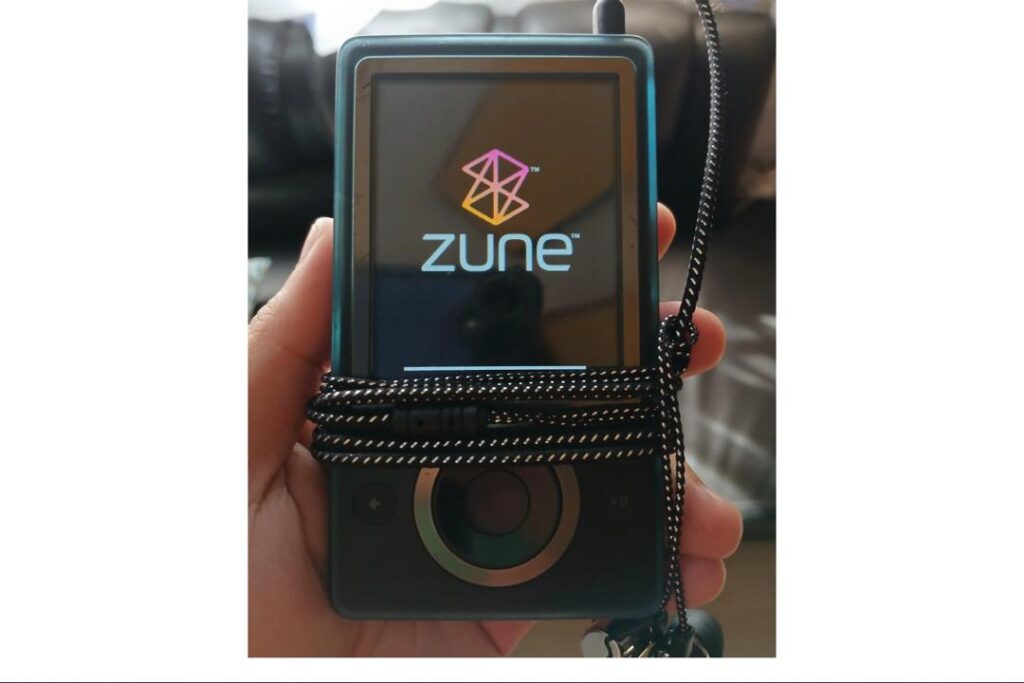
When Microsoft decided to take on the iPod in November 2006, they arrived at the party with the Zune which was a device that actually had some quite impressive technical specifications for its time. It featured a larger screen than its Apple rival and it even introduced wireless sharing capabilities that allowed users to send songs to one another, but the execution was unfortunately hampered by restrictive digital rights management. The brown plastic casing was a particularly odd choice that failed to capture the sleek aesthetic appeal of the early two-thousands tech world, and consequently, it struggled to find a foothold in a market that was already deeply integrated into the iTunes ecosystem. Despite a loyal cult following, the device never achieved the mainstream success required to truly challenge the dominance of the portable music industry.
The software was arguably the strongest part of the package because it offered a subscription service long before Spotify became a household name, yet the hardware revisions came far too slowly to keep up with the rapid pace of smartphone evolution. Microsoft eventually pulled the plug on the hardware in 2011 after years of sluggish sales and a general lack of consumer enthusiasm for a second-tier ecosystem. It serves as a reminder that being technologically competent is rarely enough if you lack the cultural momentum and the perfect timing that your competitors have already mastered. The Zune eventually faded into obscurity as a punchline in sitcoms, although its interface design did go on to inspire the Windows Phone and the modern Xbox dashboard which shows that even failures can leave a lasting legacy.
3. Google Glass Privacy Creates Panic
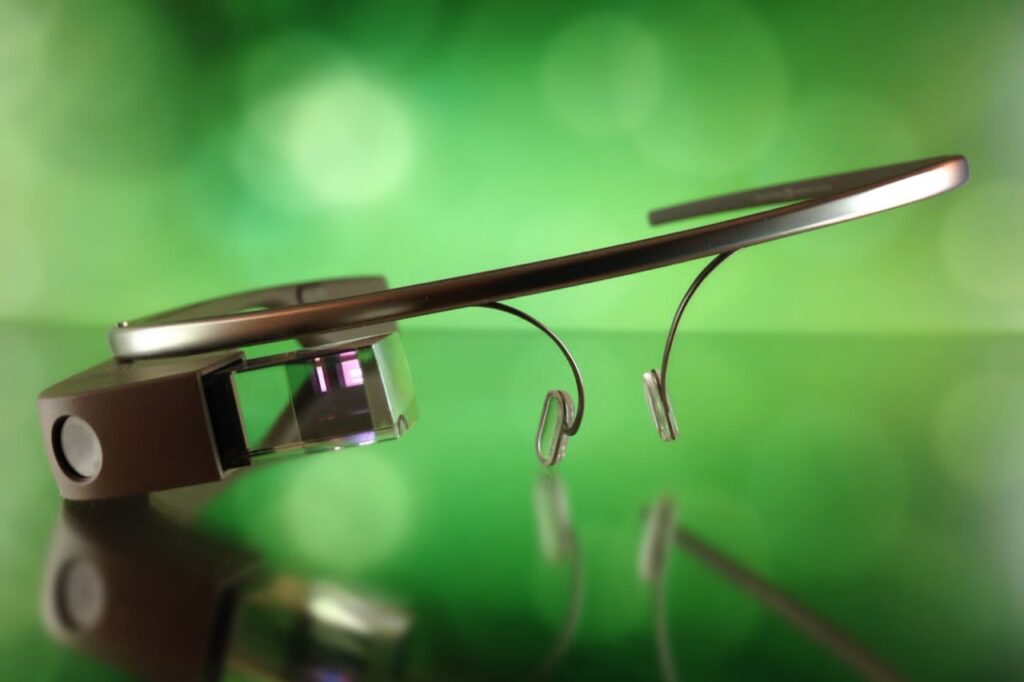
Google stepped into the wearable technology arena with immense confidence in 2013 when they introduced Google Glass, which was an optical head-mounted display designed to put the internet right in front of your eyes. While the idea of hands-free computing seemed like a futuristic dream come true, the reality of a tiny camera constantly pointed at other people triggered an immediate and visceral reaction regarding personal privacy. People were understandably uncomfortable being recorded without their consent in public spaces like bars or cinemas, and this led to the unfortunate coining of the term Glasshole to describe those who wore the device. The social friction was so intense that many establishments began banning the eyewear before the product had even moved out of its limited beta testing phase for early adopters.
The high price point of fifteen hundred dollars also meant that it remained an exclusive toy for the wealthy tech elite rather than a tool for the everyday person, which further alienated the general public. Google eventually stopped selling the consumer version in early 2015 as they retreated to focus on enterprise and industrial applications where the privacy concerns were less of an issue. It was a classic case of a company being so preoccupied with whether they could build something that they never stopped to think if society was actually ready for it. The project proved that technology does not exist in a vacuum because it must respect the unspoken social contracts that govern our daily interactions and our shared sense of personal boundaries in a digital world.
4. The Segway Human Transporter
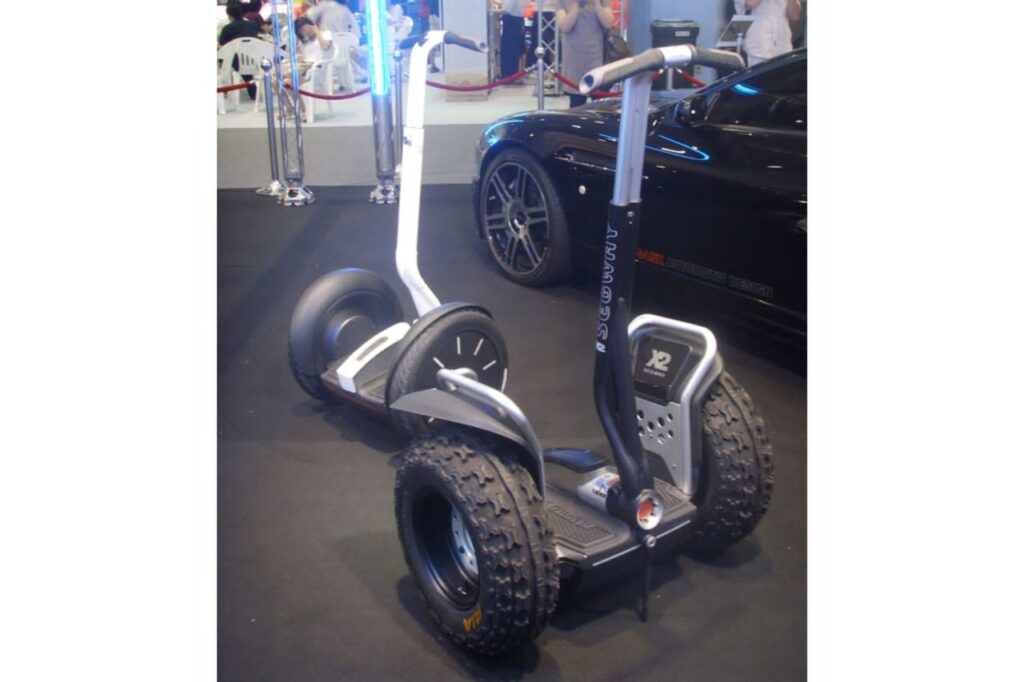
Dean Kamen promised the world that the Segway would completely revolutionize the way cities were built and how people moved through them when he launched the self-balancing scooter in December 2001. Before the big reveal, there was an incredible amount of hype with Steve Jobs even suggesting it would be as significant as the personal computer, but the reality was a bulky and expensive machine that cost five thousand dollars. Because it was too fast for the pavement and too slow for the road, it occupied a confusing middle ground that city planners and pedestrians alike found incredibly annoying. Instead of becoming the future of urban transport, it quickly became a novelty item mainly used by mall security guards and guided tour groups in tourist hotspots.
The high expectations set by the initial marketing campaign made the eventual failure feel even more dramatic because the product simply could not live up to the impossible promises of a global transportation revolution. Safety concerns also hindered its adoption after several high-profile accidents, including one involving the company’s own owner who tragically drove a rugged version of the scooter off a cliff. While the technology behind the gyroscopic balancing was undeniably brilliant, it failed to solve a problem that most people actually had because walking or cycling remained far more practical and affordable options. The Segway serves as a stark reminder that invention is not the same as innovation if the public does not find a genuine and meaningful use for the gadget in their everyday lives.
5. Fire Phone Flops Hard
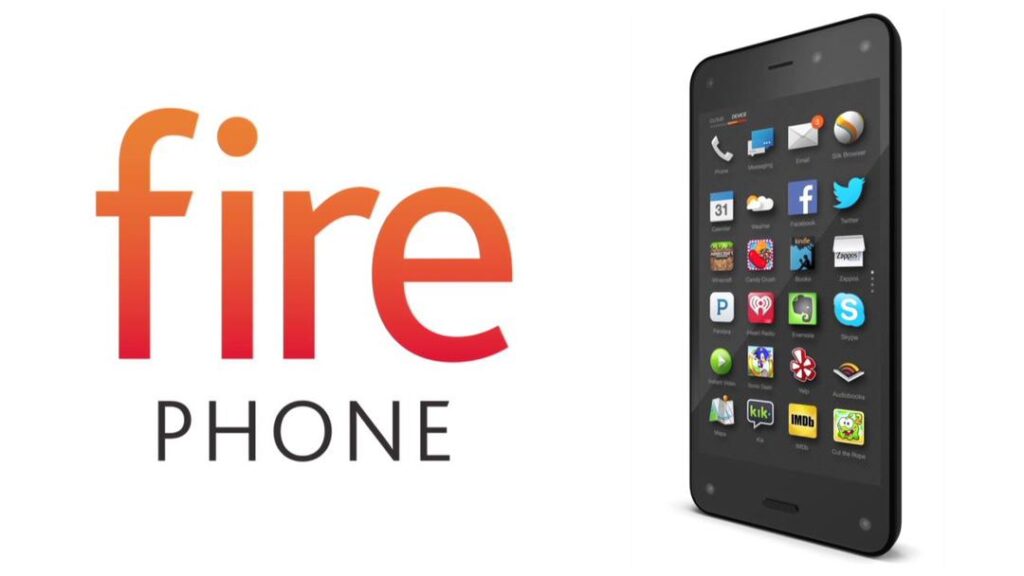
Amazon attempted to break into the competitive smartphone market in July 2014 with the Fire Phone, which was a device heavily integrated into their own retail ecosystem and featured a unique 3D dynamic perspective screen. Jeff Bezos believed that features like Firefly, which could identify physical products and link them directly to the Amazon store, would be a major selling point for frequent shoppers. However, the phone was priced at a premium level that put it in direct competition with the iPhone and Samsung Galaxy series while lacking the vast library of apps found on those platforms. Consumers were quickly put off by the fact that the device felt more like a handheld shopping catalogue than a versatile modern communication tool meant for their daily lives.
The 3D display was often dismissed as a gimmick that drained the battery life without providing any real functional value to the user experience, and the lack of Google services made it a tough sell for the average Android fan. Within just a few months, Amazon was forced to slash the price to almost nothing and they eventually took a massive 170-million-dollar write-down on unsold inventory. It was a humbling moment for a company that was used to dominating every sector it entered because it proved that brand loyalty has its limits when the product is fundamentally flawed. Amazon eventually learned from this disaster by pivoting their hardware focus toward the Echo and Alexa devices which found much more success in the burgeoning smart home market.
6. Samsung Galaxy Note 7 Recall
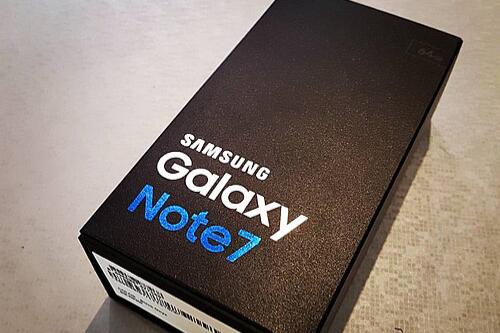
The launch of the Samsung Galaxy Note 7 in August 2016 was initially met with glowing reviews from tech critics who praised its stunning display and innovative features, but the excitement quickly turned into a literal firestorm. Reports began to emerge from all over the world of devices spontaneously catching fire or exploding while charging, which led to a massive and unprecedented global recall. The situation escalated to the point where the Federal Aviation Administration banned the phone from all flights because it was deemed a serious safety hazard to passengers and crew. Samsung tried to fix the issue with a second batch of phones, yet even these replacement units started to smoke and burn, which caused a total PR nightmare for the South Korean tech giant.
This failure was particularly damaging because it hit at the heart of the brand’s reputation for quality and reliability in a way that took years to fully repair. The company eventually had to kill the product entirely and they suffered billions of pounds in losses while launching a massive investigation into the battery manufacturing process. It was a sobering lesson in the dangers of pushing hardware boundaries too far and too fast without ensuring that the safety protocols are absolutely foolproof for the end user. Although Samsung eventually recovered with subsequent successful models, the ghost of the Note 7 still lingers as a reminder of how quickly a flagship product can become a liability when the basics of engineering go wrong.
7. Nintendo Wii U Confusion
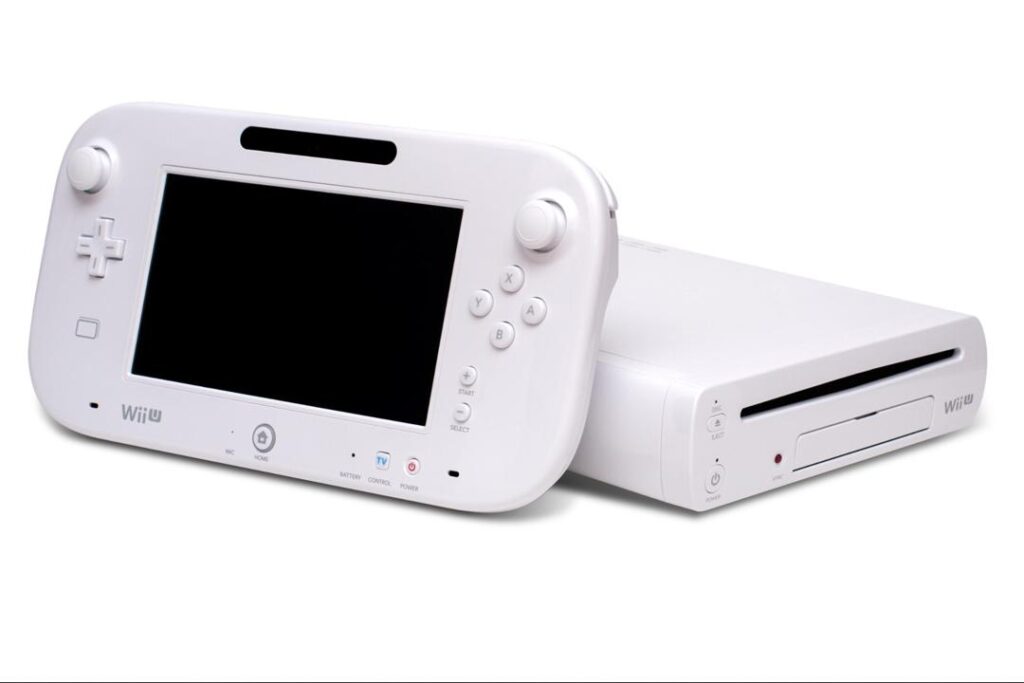
Following the massive success of the original Wii, Nintendo launched the Wii U in late 2012 with the hope of capturing both casual gamers and the hardcore audience through its unique tablet-style GamePad controller. Unfortunately, the marketing was so muddled that many parents and casual fans did not even realize it was a brand-new console, as they instead thought it was just a pricey accessory for the existing system. The name itself contributed to this confusion because it sounded like a minor upgrade rather than a generational leap forward, and the lack of compelling launch titles meant there was little reason to buy it. Developers also found the dual-screen setup difficult to work with, which resulted in a library of games that often felt gimmicky or lacked the polish of competitors.
The console struggled with slow system menus and a lack of third-party support from major publishers who were moving their focus toward the more powerful PlayStation 4 and Xbox One. While it did host some truly excellent first-party titles like Mario Kart 8 and Splatoon, the hardware sales remained stagnant and it eventually became one of Nintendo’s biggest commercial failures. This era was a difficult time for the company because it forced them to rethink their entire strategy regarding hardware design and how they communicate with their loyal fan base. Thankfully, they took the lessons learned from the Wii U and used them to create the incredibly successful Nintendo Switch, which perfected the idea of a hybrid console that people actually wanted to use.
8. The Juicero Press Disaster
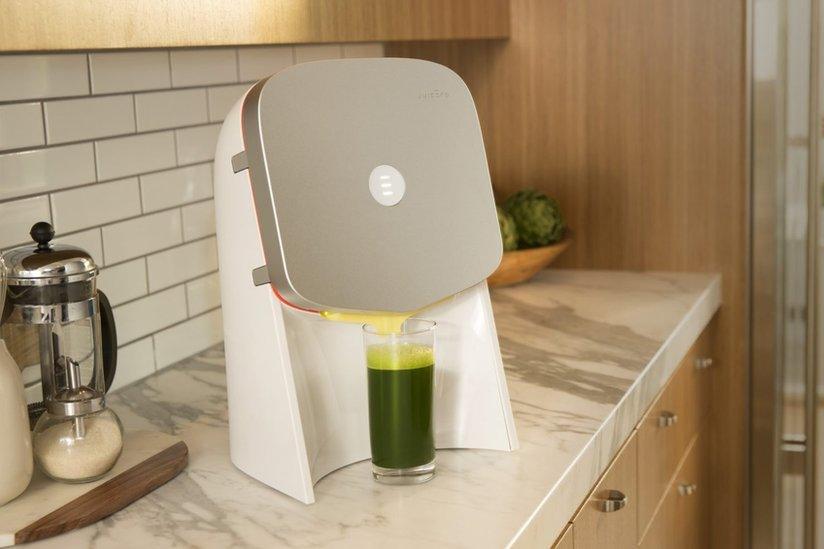
In 2016, a startup called Juicero launched a high-tech juicing machine that cost an eye-watering seven hundred dollars and required special proprietary packets of chopped fruits and vegetables to function. The founder pitched it as a revolutionary piece of kitchen technology that applied thousands of pounds of pressure to deliver the perfect cold-pressed juice directly into your glass. Silicon Valley investors were so enamoured with the idea that they poured over 100 million dollars into the company, believing it would be the next big thing in the wellness industry. However, the entire business model collapsed almost overnight when a Bloomberg report showed that the expensive packets could be squeezed just as effectively by hand without the machine.
The revelation that a person could get the same result with their bare hands turned the Juicero press into a symbol of everything wrong with over-engineered tech culture. Consumers were understandably outraged that they were being asked to pay hundreds of pounds for a device that was essentially unnecessary and served no real purpose other than to lock them into a subscription. The company tried to lower the price to 400 dollars to save face, but the damage was already done and the brand had become a laughing stock in the media. By September 2017, the company shut down for good, leaving behind a legacy of wasted venture capital and a very expensive lesson about the importance of solving actual problems instead of creating fake ones.
9. Quibi Short Form Failure
Quibi arrived in April 2020 with a massive budget and a plan to dominate the streaming world with high-quality, short-form content designed specifically for viewing on mobile phones while on the go. The platform was the brainchild of Hollywood veteran Jeffrey Katzenberg and former HP CEO Meg Whitman, who managed to raise nearly two billion dollars to fund original shows from A-list celebrities. They banked on the idea that people wanted ten-minute episodes to watch during their daily commutes or while waiting in line, but they launched right as the global pandemic hit and everyone stayed at home. With no commute and plenty of time to watch long-form content on large televisions, the core premise of Quibi was rendered almost entirely irrelevant by the changing world.
The service also initially lacked the ability to share clips on social media or cast the video to a TV screen, which frustrated users who were used to the flexibility of YouTube and TikTok. This lack of basic features combined with a monthly subscription fee made it very difficult to attract a sustainable audience in a crowded market filled with free alternatives. Despite the high production values and the impressive roster of talent, Quibi lasted only six months before announcing its closure in October 2020. It serves as a stark example of how even the most well-funded projects can fail if they do not adapt to the shifting habits of their audience or the unforeseen circumstances of the world at large.
10. Apple Maps Rough Start
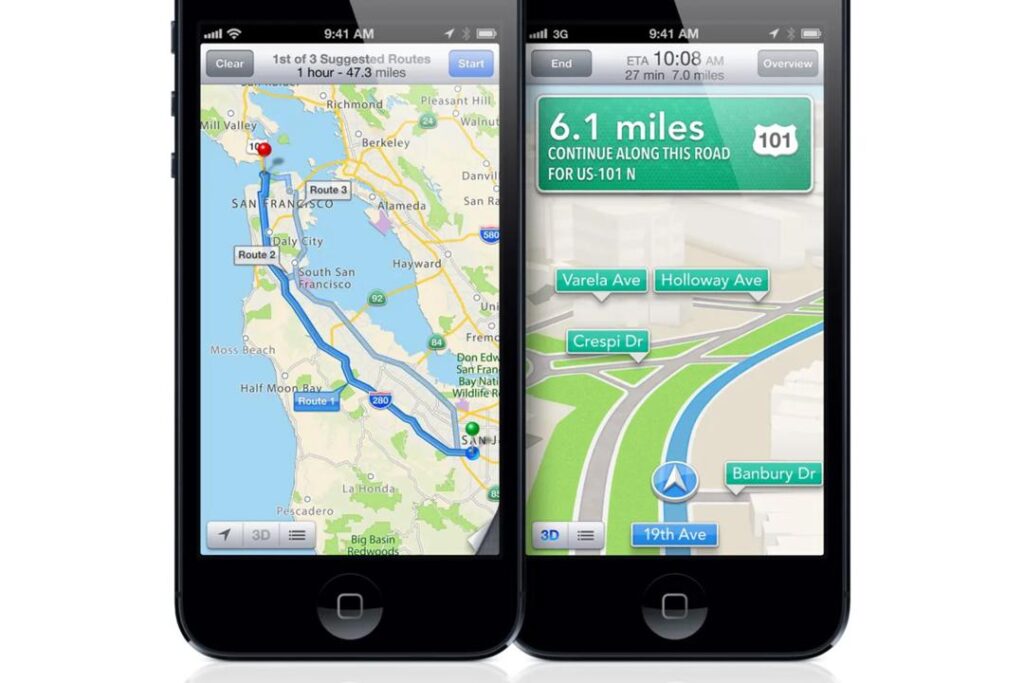
When Apple decided to replace Google Maps with its own proprietary mapping service in 2012 as part of the iOS 6 update, the results were nothing short of a digital disaster for millions of users. The app was riddled with embarrassing errors such as melting bridges, misplaced landmarks, and even entire towns that were seemingly swallowed by the earth in the satellite view. In some dangerous instances, the navigation system directed drivers onto airport runways or into remote wilderness areas without proper roads, which posed a genuine risk to public safety. The outcry was so loud and immediate that Tim Cook was forced to issue a public apology and he even suggested that users try rival services while Apple worked to fix the mess.
The failure was particularly stinging for Apple because it prided itself on providing a polished and intuitive user experience that just worked out of the box. It highlighted the immense difficulty of building a global mapping infrastructure from scratch and the folly of rushing a product to market simply to cut ties with a competitor. It took years of constant updates and the acquisition of several smaller mapping companies for Apple to finally bring the service up to a standard that could compete with Google. This era taught the company a valuable lesson about the importance of humility and the need for rigorous testing before replacing a service that people rely on for their daily survival and navigation.
11. The BlackBerry Storm Stumble
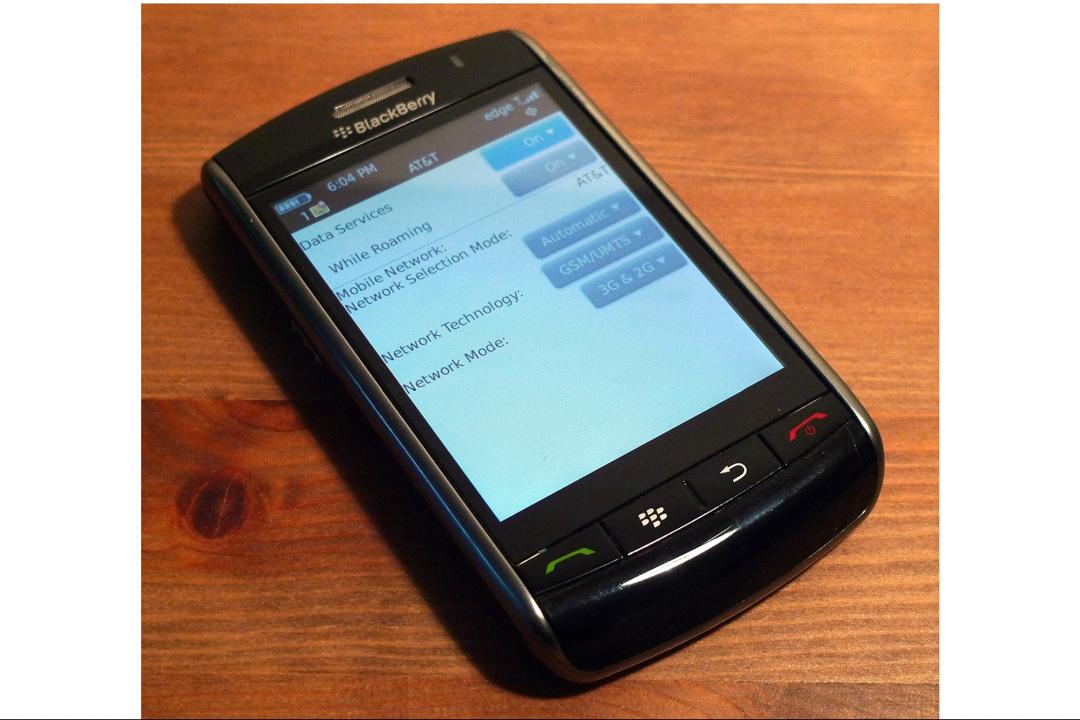
It is quite poignant to consider how the kings of the mobile world can lose their crown in a heartbeat, and this matters because it shows that resting on your laurels is the quickest way to obsolescence. In late 2008, BlackBerry felt the immense pressure of the iPhone and responded with the Storm, which was their very first device to ditch the physical keyboard in favour of a clickable touchscreen known as SurePress. The idea was to give users the tactile feedback of a real button on a glass surface, but the mechanical screen was clunky and prone to lagging or breaking entirely. Because the software was rushed to meet holiday deadlines, the device was famously buggy and it left long-time fans of the brand feeling incredibly frustrated and alienated by the lack of traditional reliability.
The backlash from consumers was swift and punishing because the device simply could not compete with the fluid elegance of its rivals, and it reportedly cost the company over 500 million dollars in returns and repairs. Instead of cementing their place in the smartphone era, the Storm became the beginning of a long decline for a company that once commanded the entire business world. It proved that you cannot simply mimic a competitor’s innovation without understanding the underlying technology and the user experience that makes it work so well. BlackBerry eventually returned to physical keys, yet the damage to their reputation was already done because the world had moved on to a more intuitive future. Even the most loyal corporate users found themselves looking elsewhere for a device that did not require a constant reboot to function properly.
12. Windows Vista Performance Woes

When Microsoft released Windows Vista in early 2007, they intended for it to be a bold and visually stunning leap forward for the personal computer with its translucent Aero glass interface and enhanced security features. However, the operating system was notoriously bloated and it required hardware specifications that most contemporary computers simply did not possess, which resulted in a painfully slow and stuttering performance for the average user. The most infuriating feature for many was the User Account Control, which interrupted nearly every single task with a pop-up window asking for permission and essentially treated the user like a stranger on their own machine. Because of these constant interruptions and the massive compatibility issues with existing printers and software, many people chose to stick with the aging but reliable Windows XP.
The marketing campaign was also hit by the Mojave Experiment, where Microsoft tried to trick people into liking Vista by rebranding it, yet this only served to highlight how toxic the brand name had actually become in the public eye. It took years of refinement and the eventual release of Windows 7 to wash away the bitter taste left by Vista’s overambitious and poorly executed launch. This era taught the tech industry that people value stability and speed over flashy visual effects and intrusive security measures that hinder daily productivity. Microsoft eventually recovered their footing, but the Vista debacle remains a classic case study in how not to handle a major software transition for a global user base. It reminds us that technology should serve the human being rather than forcing the human being to serve the technology’s high-maintenance requirements.
13. The Hoverboard Fire Scare
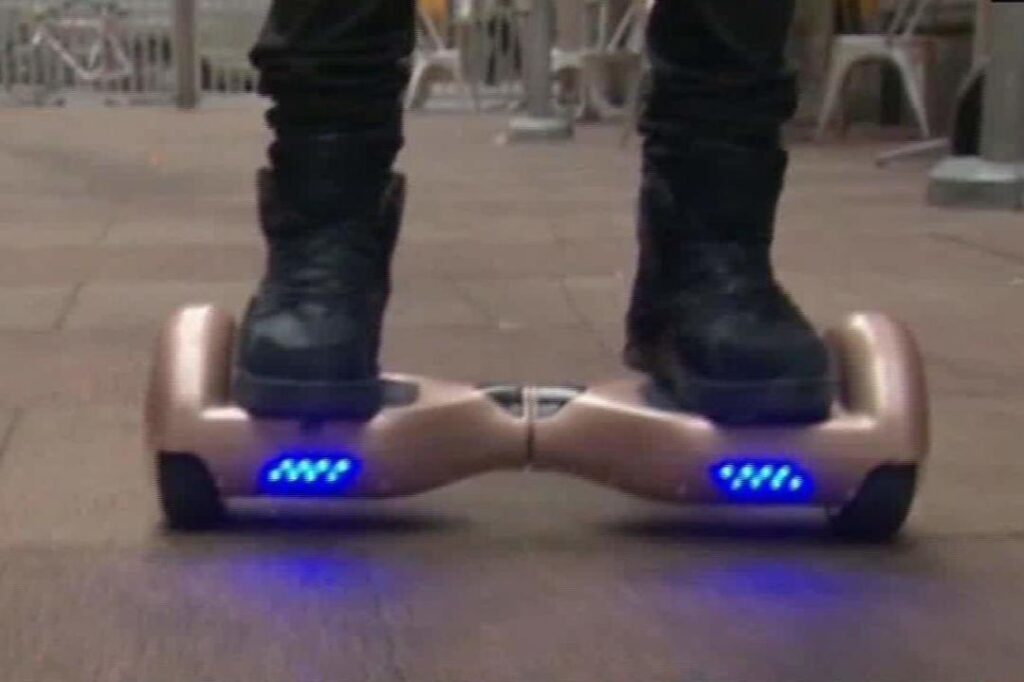
The sudden rise of the self-balancing two-wheeled scooter, popularly known as the hoverboard, was a genuine cultural phenomenon in 2015 as celebrities and teenagers alike took to the streets on these futuristic-looking gadgets. However, the market was quickly flooded with cheap and unregulated versions from various factories that cut corners on the lithium-ion battery quality to keep the prices low for the Christmas rush. Because of these substandard components, reports began to flood in of hoverboards spontaneously combusting while charging or even catching fire while someone was riding them through their living room. The sight of burning toys in family homes led to a massive safety panic and resulted in over half a million units being recalled by the Consumer Product Safety Commission.
Major airlines and public transport networks quickly banned the devices entirely because they were considered a major fire hazard to both property and life. What should have been the hottest gift of the year became a legal and logistics nightmare for retailers who had to pull the products from their shelves almost overnight. It was a sobering reminder that when a trend moves too fast for safety regulations to keep up, the consequences can be truly dangerous for the unsuspecting public. The hoverboard craze eventually cooled down as stricter manufacturing standards were introduced, yet the image of the product remains forever linked to those dramatic videos of smoke and flames. It shows that innovation must always be secondary to the fundamental safety of the person using the product in their own home.
14. Facebook Home Phone Failure
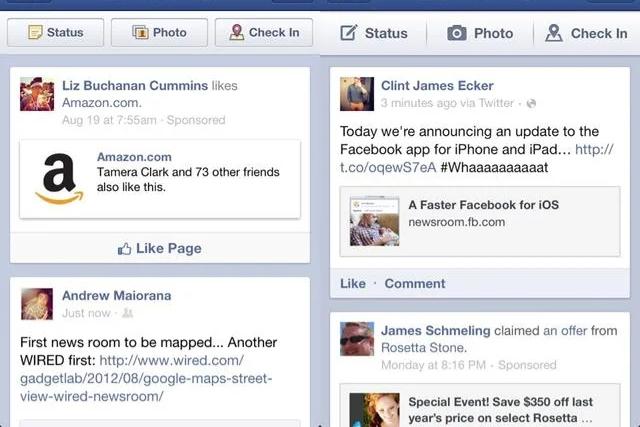
Mark Zuckerberg once believed that the mobile experience should be entirely centred around people and social connections rather than apps, which led to the creation of Facebook Home in April 2013. This was a custom interface for Android phones that replaced the traditional home screen with a constant stream of status updates and photos from a user’s Facebook feed. To go along with the software, they partnered with HTC to release the First, a dedicated smartphone that came pre-installed with the Facebook Home experience as its core identity. However, users quickly found the constant notifications and the loss of privacy to be incredibly overwhelming and intrusive for a device they used for every aspect of their lives.
The HTC First was a commercial catastrophe, selling so few units that the price was famously dropped from 99 dollars to just 99 cents on a contract within a single month of its launch. People realized they didn’t actually want their entire digital life to be a 24-hour billboard for their social media feed, especially when it made accessing other essential apps more difficult. The project was quietly shelved as Facebook realized that their place was as an app on a platform rather than the platform itself. It was a humbling lesson in digital boundaries and the fact that consumers value the ability to disconnect from social media just as much as they value the ability to use it. Sometimes, less really is more when it comes to the deep integration of technology into our personal and private moments.
15. The Pebble Smartwatch Sale
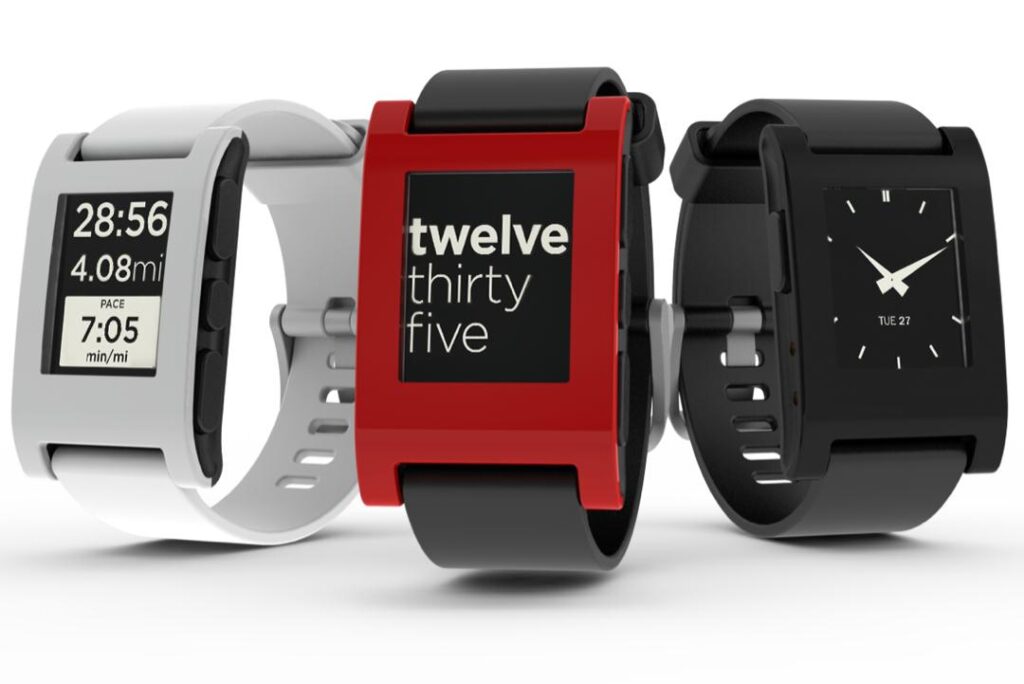
Pebble was the original darling of the crowdfunding world, raising millions of pounds on Kickstarter and proving that there was a massive appetite for wearable technology long before the big tech companies noticed. Their watches were beloved for their incredible battery life and simple e-paper displays that were easily readable in direct sunlight, creating a loyal community of developers and enthusiasts. However, the company struggled to scale up its operations and maintain its lead when giants like Apple and Samsung entered the market with far more resources and marketing power. By the time Pebble launched its third generation of watches in 2016, the financial strain had become too much to bear and the company was forced to shut down.
The decision to sell the company’s intellectual property to Fitbit resulted in the immediate cancellation of new products and the end of official support for existing users, which felt like a betrayal to the fans who had funded them. It was a heartbreaking end for a pioneer that had essentially invented the modern smartwatch category but could not survive the brutal competition of the global tech landscape. This story highlights the immense difficulty that startups face when they try to compete with trillion-dollar corporations on a level playing field. While Pebble’s technology lived on in Fitbit and eventually Google products, the loss of the independent brand was a sad moment for those who value innovation outside of the Silicon Valley giants. It reminds us that being first to market does not always guarantee a seat at the table in the long run.
16. Google Plus Social Struggle
Google Plus was launched in 2011 as a direct challenge to the dominance of Facebook, with the search giant using its massive reach to force the social network onto every single one of its users. They integrated it into YouTube and Gmail, making it nearly impossible to use Google services without having a Plus profile, which created a lot of resentment among people who just wanted to watch videos or send emails. While the platform had some genuinely clever features like Circles for organizing friends, it never felt like a natural community and instead felt like a sterile corporate project designed by algorithms. The ghost town reputation of the site became a recurring joke in the tech world because despite having millions of registered accounts, the actual engagement was incredibly low.
The final blow came when a massive data breach was discovered, revealing that the private information of hundreds of thousands of users had been exposed to external developers for years. Instead of trying to fix the fundamental issues, Google decided to shut down the consumer version of the platform in 2019, admitting that it had failed to achieve mainstream adoption. This failure was a massive blow to Google’s ambitions in the social space and it proved that you cannot simply manufacture a community through forced integration and clever engineering. A social network requires a soul and a reason for people to gather that goes beyond just being a part of a larger ecosystem. It remains a stark reminder that even the most powerful company in the world cannot force people to be social on its own terms.
17. The MoviePass Meltdown
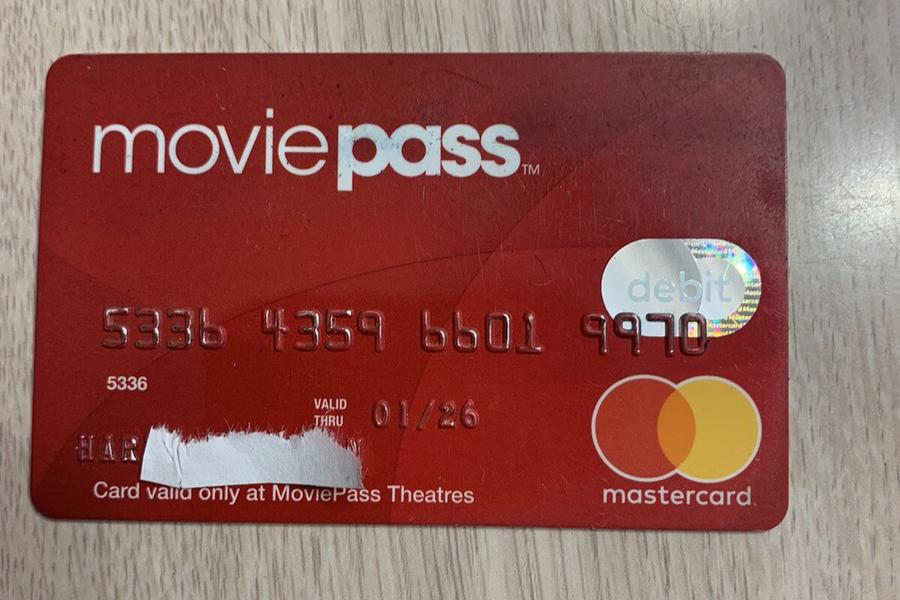
MoviePass arrived with a promise that seemed almost too good to be true because it offered subscribers the ability to see one movie in the cinema every single day for just ten dollars a month. Film fans flocked to the service in 2017, and for a short time, it seemed like the company was single-handedly reviving the cinema-going experience across the entire country. However, the business model was fundamentally flawed because the company was paying the full price for every ticket while only collecting a small monthly fee from its users. They were essentially losing money on every single customer, and as the subscriber base grew into the millions, the financial losses became completely unsustainable and led to a desperate scramble for cash.
The company began implementing increasingly bizarre and frustrating restrictions, such as blacking out major blockbusters or requiring users to take photos of their physical ticket stubs to prove they were at the cinema. One weekend, the service famously ran out of money entirely, leaving thousands of users unable to buy tickets and resulting in a total PR collapse from which they never recovered. MoviePass eventually filed for bankruptcy in 2019, leaving behind a trail of angry customers and a very clear lesson about the dangers of growth at any cost without a viable path to profit. While it changed the way cinemas think about subscription models, the original company remains a cautionary tale of Silicon Valley excess and the reality that there is no such thing as a free lunch. It proved that a great deal for consumers is only great if the company providing it can actually afford to stay in business.
18. Dyson’s Electric Car U-Turn

Sir James Dyson is a man famous for his relentless pursuit of engineering perfection, which is why the world was incredibly excited when he announced plans to build a revolutionary electric car in 2017. He invested hundreds of millions of pounds into the project and hired a team of top automotive engineers to develop a vehicle that would use his company’s expertise in solid-state batteries and digital motors. The prototype was a sleek and technologically advanced SUV that promised to rival the best from Tesla and the traditional German car manufacturers. However, as the project progressed, Dyson realized that the sheer cost of mass-producing a car from scratch without an existing manufacturing partner would make the final price tag far too high for most consumers.
In October 2019, he made the incredibly difficult and expensive decision to scrap the entire project because it was no longer commercially viable in a rapidly changing global market. It was a rare and high-profile failure for a man who had successfully disrupted the vacuum cleaner and hair dryer industries, but it showed a level of pragmatism that many other leaders lack. He chose to walk away and take the financial hit rather than pouring billions more into a product that he knew would struggle to find a profitable audience. The lessons learned from the electric car project have since been integrated into other areas of the business, proving that even a failed venture can provide valuable insights for the future. It serves as a reminder that even the greatest inventors must respect the harsh realities of global economics and the complexity of the automotive supply chain.
19. The Samsung Fold Fiasco
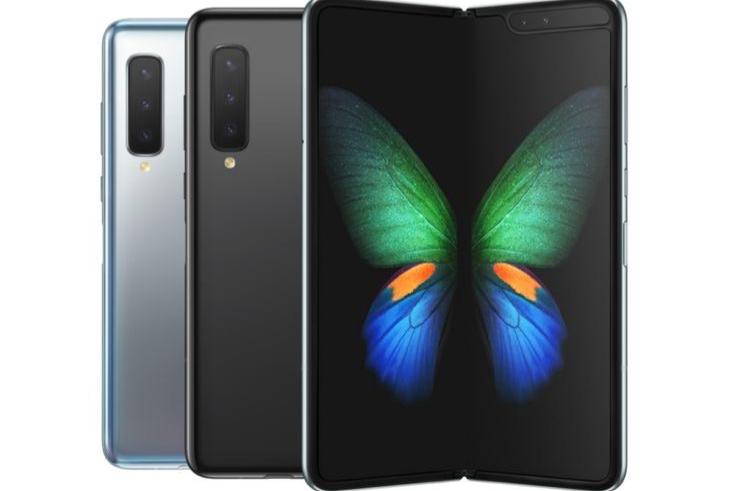
When Samsung first sent out review units of the Galaxy Fold in early 2019, it was supposed to be the triumphant arrival of a new era of flexible screen technology that would change everything. Instead, the launch became a disaster as journalists started reporting that their expensive screens were breaking after just a few hours of use. Some reviewers accidentally peeled off a protective layer that looked like a screen protector but was actually a vital part of the display’s structure, causing the whole thing to fail instantly. Others found that debris and dust were getting into the hinge mechanism and creating lumps under the screen, which made the device feel fragile and unfinished. Samsung was forced to delay the official launch by several months to redesign the hinge and reinforce the screen.
The initial failure was a massive blow to the company’s pride and it raised serious questions about whether folding phones were actually a practical reality or just a fragile gimmick. While Samsung did eventually fix the issues and the Galaxy Fold line has since become a success, the first version will always be remembered for its rocky start. It taught the tech world that being the first to market with a radical new form factor comes with enormous risks and requires a level of durability testing that goes far beyond standard devices. It also showed that consumers are willing to forgive a company if they take the time to fix their mistakes and prove that the technology is genuinely useful. The folding phone is now a staple of the high-end market, but its birth was a painful and public lesson in the challenges of modern engineering.
Like this story? Add your thoughts in the comments, thank you.


