
1. When the First Survivor Winner Learned Fame Comes With Consequences
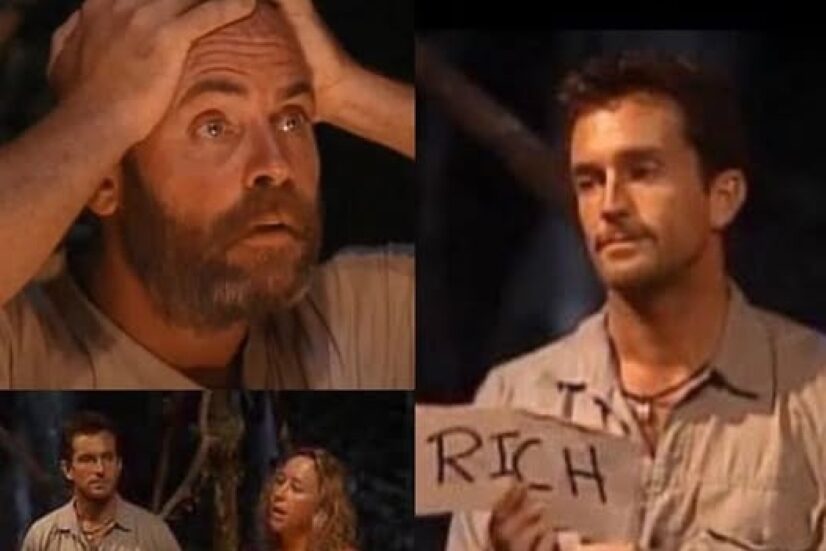
The moment Richard Hatch won the very first season of Survivor in 2000, reality television history was made. He walked away with the famous one million dollar prize and quickly became one of the most talked-about personalities on television. Hatch’s strategic gameplay and unapologetic confidence helped shape the blueprint for how future contestants approached the game. For a while, he enjoyed the attention, appearing on television and discussing how the show had changed his life. It looked like the classic success story that reality TV promised viewers.
But life after the win became far more complicated than anyone expected. Hatch later faced serious legal trouble for failing to report his prize money to the IRS. The issue eventually led to prison time and financial setbacks that overshadowed his victory. Reflecting on the experience years later, Hatch once described prison life bluntly, saying, “This is prison… and it’s horrendous,” emphasizing that the consequences were far from glamorous. His story became one of the earliest reminders that sudden fame and money can bring unexpected challenges, especially when the spotlight fades and real life begins again.
2. The American Idol Winner Who Built a Music Empire

When Kelly Clarkson won the first season of American Idol in 2002, it felt like the beginning of something special. Viewers watched a small-town singer from Texas transform into a national star almost overnight. Winning the competition came with a promised million-dollar prize and a recording contract, but the bigger reward turned out to be the platform the show gave her. Clarkson quickly released hit songs, and within a few years she had become one of the most successful artists to emerge from reality television.
Interestingly, Clarkson later revealed that the prize itself was not exactly what it seemed. Years after the show, she explained that the million-dollar reward was structured more as a career investment than a straightforward cash payment. Speaking candidly about the experience, she said the prize was “misleadingly described” and not the simple payout many viewers believed it to be. Still, the win launched a remarkable career filled with chart-topping songs, Grammy Awards, and eventually her own daytime talk show. In Clarkson’s case, the real prize turned out to be the opportunities that followed long after the finale aired.
3. When a Reality Winner Used the Money to Buy Back Time

For some winners, the most valuable thing the prize money buys is not luxury but freedom. That was part of the story for Tyson Apostol after he won Survivor: Blood vs. Water and took home the million-dollar prize. Apostol had been a fan favorite for years, known for his sarcastic humor and competitive edge. Winning the season marked the moment when his reputation shifted from clever villain to proud father who simply wanted more time with his family.
Apostol later spoke openly about how the win changed his priorities. Instead of chasing endless opportunities, he focused on spending time at home with his children. Reflecting on the experience, he once explained that the biggest benefit of the money was the ability to be present for everyday life. “The thing that has made winning the million dollars so great is that I’m able to spend time with my kids at home every day,” he shared in an interview about his post-show life. For him, the prize didn’t just represent success on television. It created room for a quieter, more meaningful life beyond the spotlight.
4. A Game Show Millionaire Who Chose a Quiet Life

When John Carpenter became the first top prize winner on Who Wants to Be a Millionaire in 1999, it was one of the most memorable moments in television. Millions of viewers watched as the IRS agent calmly worked his way through every question until he reached the million-dollar final round. Instead of calling for help during the last question, he famously used the lifeline just to tell his father he was about to win. The moment instantly became part of TV history and helped turn the show into a cultural phenomenon.
What made Carpenter’s story even more interesting was what happened after the win. Unlike many reality show champions, he chose not to chase celebrity status or media opportunities. He simply returned to his job and continued living a relatively normal life. In later interviews, Carpenter explained that the money helped create financial stability rather than a dramatic lifestyle change. His story quietly showed that sometimes the most satisfying ending is not fame or headlines, but the chance to keep life simple while knowing you once had a moment that millions of people watched and celebrated.
5. The Idol Winner Who Faced the Weight of Expectations

Winning American Idol instantly turns a contestant into a national star, but it also brings enormous expectations. That was something Ruben Studdard experienced after winning the show’s second season in 2003. His powerful voice and gentle personality made him a favorite with viewers, and the victory came with a recording contract and significant prize money. For a while, everything seemed to be moving in the right direction as his debut album sold well and his songs found their way onto radio playlists across the country.
Still, the reality of maintaining that success proved challenging. The music industry moves quickly, and the pressure on reality TV winners to keep delivering hits can be intense. Studdard later spoke honestly about the ups and downs that followed his win, including financial struggles and career shifts. Looking back, he once reflected on the lessons learned during that time, saying that success on television does not always translate into long-term stability. His journey became a reminder that winning the show is only the beginning. Building a lasting career afterward requires persistence, adaptability, and sometimes the courage to start again.
6. A Survivor Champion Who Turned the Experience Into a Career

For some contestants, appearing on Survivor becomes more than a single adventure. That was certainly true for Rob Mariano, often known to fans simply as Boston Rob. Although his fame grew across multiple seasons, his eventual win on Survivor: Redemption Island finally secured the million-dollar prize that had eluded him in earlier attempts. By that time, viewers already knew his strategic gameplay and confident personality well.
After the win, Mariano turned his reality television fame into a full career. He appeared on other shows, hosted programs, and became one of the most recognizable figures connected to the Survivor franchise. In interviews reflecting on the experience, he often described the show as life-changing, explaining that it opened doors he never imagined. For Mariano, the prize money mattered, but the real impact came from the opportunities that followed. His story illustrates how reality TV can transform an ordinary contestant into a long-term television personality when the right mix of charisma, timing, and audience support comes together.
7. When a Winner Used the Money to Start Over

Winning a reality show can sometimes represent a fresh start rather than a final destination. That was the case for Amber Brkich after she won Survivor: All-Stars in 2004. Her victory came during one of the most dramatic seasons in the show’s history, and it also introduced viewers to her relationship with fellow contestant Boston Rob. Their partnership became one of the franchise’s most memorable storylines.
After the season ended, Brkich used the prize money to help build a stable life outside the intense world of reality competition. She eventually married Rob Mariano, and together they built a family while occasionally returning to television projects and appearances. Their relationship, which began during the show, became one of the rare examples of a lasting partnership born on reality TV. In interviews reflecting on that period, Brkich has often spoken about how surreal the experience felt, describing the sudden attention and life changes that followed. Her story shows how the prize from a reality show can become the foundation for something much more personal than fame.
8. The Apprentice Winner Who Entered the Business Spotlight

Winning The Apprentice meant more than prize money. For contestants, it promised a high-profile career opportunity connected to business and leadership. When Bill Rancic became the first winner in 2004, he gained not only the title but also a management position within the organization connected to the show.
Rancic embraced the opportunity and used the visibility from the program to build a public profile as an entrepreneur and television personality. He later appeared in business-focused programming, wrote books about leadership and entrepreneurship, and remained active in media for years after his win. Reflecting on the experience in interviews, he often described the show as a turning point that accelerated his career. The prize itself mattered, but the exposure proved even more valuable. For Rancic, the reality competition worked exactly as promised. It introduced him to a national audience and opened doors that allowed him to expand his professional ambitions far beyond the original show.
9. When Winning a Reality Show Opened the Door to Bigger Opportunities

For a handful of contestants, winning a reality competition is only the beginning. The exposure from a major show can open doors in television, business, and entertainment that might never have appeared otherwise. Many winners discover that the prize money is only one part of the reward. The visibility and recognition can be even more valuable.
Some contestants move into hosting roles, others write books, and many become public speakers who share their experiences about competition, resilience, and personal growth. Networks often invite memorable winners back for spin-off shows, reunion specials, or new competitions that keep their stories alive with fans. In many ways, reality television works like a launching pad. The audience gets to see someone’s personality unfold week after week, creating a connection that traditional auditions rarely provide. When viewers invest in a contestant’s story, opportunities naturally follow. That is why some winners find themselves building entire careers long after the prize money is spent. In those cases, the real turning point was not the check they received but the moment millions of viewers first learned their name.
10. Some Winners Quietly Return to Normal Life

Not every reality TV champion turns into a celebrity. In fact, many winners disappear from the spotlight almost as quickly as they entered it. Shows like Big Brother and The Amazing Race have produced contestants who briefly became household names before returning to regular careers, families, and routines. For many of these winners, the prize money works more like a reset button than a ticket to fame. Some use it to pay off debt, buy homes, or invest in small businesses. Others simply step away from the attention and enjoy the stability it provides.
Interviews with former contestants often reveal a similar sentiment: the experience was exciting, but normal life eventually felt more comfortable than the pressure of staying famous. Reality TV producers rarely highlight these quieter endings, but they are surprisingly common. The truth is that not every winner wants to build a media career or stay connected to entertainment. For some people, the best outcome is simply the freedom to live life without financial stress. After months of intense competition and constant filming, returning to everyday life can feel like the real victory.
11. When a Winner Learned That Taxes Take a Big Bite

Winning a massive cash prize on television can feel like a dream come true, but many contestants quickly discover that the amount they actually receive is far smaller than the check shown on screen. That reality hit home for several winners across shows like Survivor and Big Brother, where the famous one million dollar prize is subject to federal and sometimes state taxes. Contestants often celebrate the headline number during the finale, but behind the scenes financial advisors start explaining what the real payout will look like.
Financial experts have repeatedly pointed out that taxes can reduce the final amount by hundreds of thousands of dollars. Former contestants have shared similar experiences in interviews, explaining that the prize money still changes their lives but requires careful planning. One winner once joked that the IRS becomes “the silent partner in your victory,” a reminder that sudden wealth always comes with responsibility. For many contestants, the experience becomes a crash course in financial literacy. They quickly learn that managing the prize wisely matters just as much as winning it in the first place.
12. A Big Brother Winner Who Focused on Stability

Winning Big Brother places contestants under constant surveillance for months, so by the time the show ends many of them are ready for quiet. That was part of the story for Ian Terry, who won season fourteen of the show and captured the grand prize. Terry was known for his intelligence and strategic thinking inside the house, carefully navigating alliances and challenges until he reached the final vote.
After the win, Terry took a path that surprised some fans. Instead of leaning heavily into reality TV fame, he returned to a more traditional career path and continued pursuing work connected to engineering and consulting. The prize money provided stability and flexibility, but he largely stepped away from the constant public spotlight. In later conversations with fans, Terry explained that while the show was an unforgettable experience, his long-term goals were always rooted in building a balanced life outside television. His story quietly reflects what many contestants discover after reality TV fame fades. Sometimes the most meaningful outcome is the chance to move forward with a little more security and perspective.
13. When the Amazing Race Prize Became a Family Investment

The competition on The Amazing Race is built around teamwork, endurance, and travel across the globe. When teams cross the finish line first and win the one million dollar prize, the celebration often feels like the culmination of an intense adventure. But once the excitement fades, many winners begin thinking about how to use the money responsibly.
Several past winners have explained that the prize often becomes a tool for long-term planning rather than immediate luxury. Some teams invest in homes, education, or family businesses. Others use the money to eliminate debt or build savings that will support them for years. Former contestants have spoken about how the experience changes their outlook on money, especially after spending weeks navigating unfamiliar countries and high-pressure challenges. In interviews, winners often mention that the race itself teaches resilience and teamwork, lessons that stay with them long after the prize money is spent. For many teams, the real reward is not just the cash but the shared memory of completing one of the toughest reality competitions ever filmed.
14. A Survivor Winner Who Became a Public Voice

Winning Survivor can instantly give contestants a public platform. That is something Yul Kwon experienced after winning Survivor: Cook Islands in 2006. Known for his thoughtful gameplay and calm leadership style, Kwon’s victory resonated strongly with viewers and quickly turned him into one of the show’s most respected champions. After the win, Kwon used the attention in ways that went beyond entertainment. He built a career in technology and public policy while also speaking about representation and leadership in media and business.
In various interviews, he has reflected on how the show unexpectedly amplified his voice and allowed him to participate in conversations about culture and opportunity. The prize money was important, but the influence that followed proved even more meaningful. Kwon’s story illustrates how reality TV can create platforms that extend far beyond the show itself. A single season of competition introduced him to millions of viewers, and he used that visibility to pursue work that combined professional success with public impact.
15. When Some Winners Realized Fame Fades Quickly

One of the quiet truths about reality television is how quickly public attention moves on. A contestant can be everywhere in the media during the finale week and then gradually return to anonymity as new seasons and new personalities take over. Many winners from shows like Big Brother or Survivor have spoken about this transition.
At first, the recognition can feel overwhelming. Strangers approach them in airports, fans ask for photos, and interviews fill their schedules. But as months pass, the spotlight slowly fades. Some contestants admit that the shift can feel strange, especially after living under constant attention during filming. Others welcome the return to normal life. Former participants often describe the experience as a brief window into celebrity culture. It can be exciting, but it rarely lasts forever. Over time, most winners settle back into everyday routines, carrying the memory of their victory with them while the world turns its attention to the next big reality TV moment.
16. When a Winner Used the Prize to Help Others

For some reality TV champions, the biggest change after winning is the ability to give back. That was part of the story for Ethan Zohn after he won Survivor: Africa in 2002 and received the one million dollar prize. Zohn had already built a reputation during the season for his calm leadership and positive attitude, and viewers admired the way he handled challenges and alliances. After the finale aired, the victory brought attention, interviews, and the chance to use his platform in ways that extended beyond entertainment. While some winners focused on personal ventures, Zohn began thinking about how the experience could help support causes that mattered to him.
Over time, that idea turned into real action. Zohn later helped establish a charity focused on supporting children affected by HIV and AIDS in Africa, using the visibility he gained from the show to bring awareness and funding to the issue. Reflecting on his experience, he once explained that the show changed his outlook on responsibility and opportunity. “Winning Survivor gave me a platform I never expected,” he shared during discussions about his charity work. His journey shows that sometimes the most lasting impact of a reality TV win is not the money itself but the ability to inspire meaningful work that continues long after the season ends.
17. The Lottery-Sized Prize That Didn’t Last Forever

Winning the largest prize in reality television history sounds like the ultimate dream, and that moment arrived for David Genat when he took home a record cash prize on Australian Survivor. His strategic gameplay and bold personality made him a standout competitor, and when the final votes were revealed he walked away with a reward that many contestants could only imagine. Fans watched the finale thinking the victory would guarantee a lifetime of financial security.
But Genat later spoke openly about the realities of managing such a massive reward. Like many winners across reality television, he discovered that large sums of money still require careful planning, investment, and restraint. In interviews he emphasized that the win changed opportunities but did not magically remove the need for discipline. The experience echoed what many financial advisors say about sudden wealth. Without thoughtful decisions, even very large winnings can disappear faster than expected. Genat’s reflections became part of a broader lesson that reality TV victories can open doors, but long-term stability still depends on how the prize money is managed after the celebration fades.
18. When the Prize Helped Build a Media Career

Winning Big Brother often places contestants in front of millions of viewers for months, which means the finale can launch a public career almost overnight. That opportunity appeared for Rachel Reilly after she captured the grand prize during the show’s thirteenth season. Reilly was already known to fans for her outspoken personality and competitive spirit, and her victory cemented her place as one of the most memorable contestants in the show’s history. The prize money was significant, but the recognition she gained from the program opened a different set of doors.
Following the win, Reilly continued appearing on television, including additional seasons of reality competition and guest appearances across entertainment programs. She eventually became a familiar figure within the reality TV community, building a career that blended media appearances with fan engagement. Reflecting on the experience, she often described the show as a turning point that introduced her to a much wider audience. For viewers, her story illustrates how reality television can evolve into an ongoing career rather than a one-time event. The initial prize may start the journey, but the relationships and opportunities created afterward often shape the long-term outcome.
19. When Winners Realize the Experience Matters Most

Many contestants enter reality television believing that the prize money will define the entire experience. But years after the finale airs, some winners begin to describe the journey in very different terms. Past champions from shows like Survivor and The Amazing Race often reflect on how the friendships, challenges, and personal growth stayed with them longer than the excitement of the final check. Living through weeks of intense competition forces people to adapt quickly, trust strangers, and learn how they respond under pressure.
In interviews and reunion specials, former contestants frequently talk about the lessons they carried into everyday life. They mention resilience, teamwork, and the surprising confidence that comes from navigating unpredictable situations. The prize money certainly helps create new opportunities, but the memories and personal growth tend to last longer than any headline about winnings. For many winners, the show becomes a chapter they look back on with gratitude rather than just a financial milestone. It reminds viewers that behind every dramatic finale is a story about people discovering their strengths and moving forward with a new perspective.


