
1. The Living Room Vcr
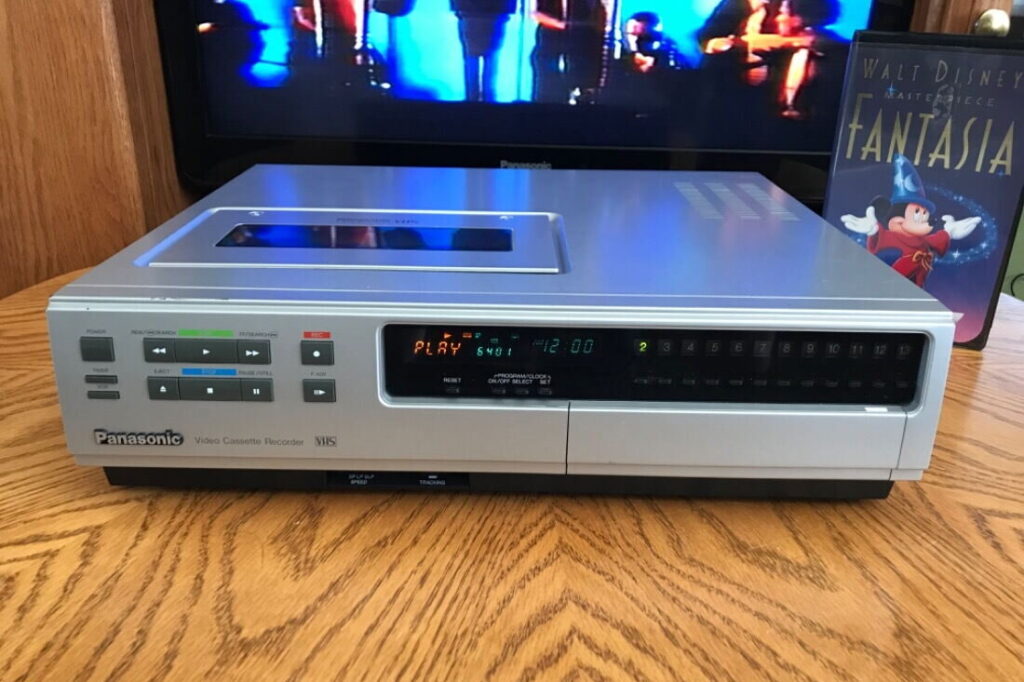
Walk into a typical home in the 1980s and the living room often told the whole story of how families spent their evenings. Right beneath the television, sitting proudly like an important new guest, was the VCR. It did not arrive quietly either. Once a family bought one, routines began to change almost immediately. Weekend movie nights suddenly felt like an event. Someone would stop at the local video rental shop, carefully pick a tape, and the whole household would gather to watch together. The excitement around choosing the right film was part of the fun. Even neighbors sometimes joined in, turning an ordinary evening into a shared moment. The living room slowly became a tiny cinema without anyone needing to leave the house.
Using a VCR also came with its own little habits that everyone seemed to learn quickly. Someone had to remember to press rewind after the movie ended, especially if the tape was rented. Children were often the ones sent to handle the buttons while parents settled into the couch. Recording television shows was another small miracle people enjoyed. If a program aired late at night, families could simply tape it and watch it later. Looking back now, the VCR was more than a machine sitting under the television. It quietly helped shape how families relaxed, laughed, and spent time together at home.
2. The Reliable Rotary Or Push Button Telephone
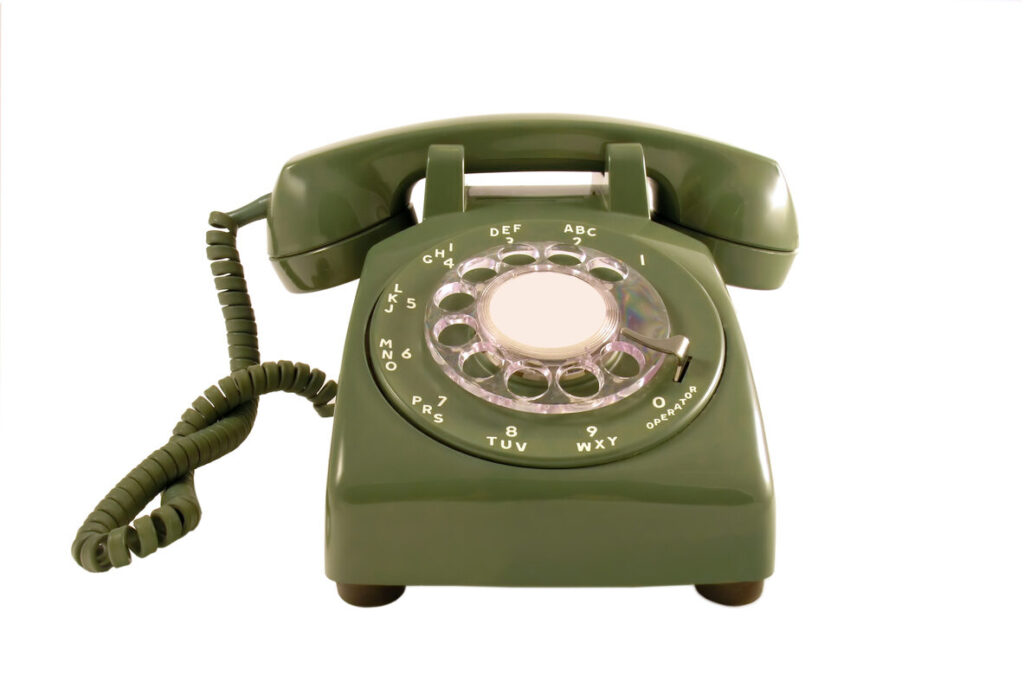
Every household in the 1980s had a telephone that everyone shared. It usually sat in the living room or hallway where the ringing sound could reach every corner of the house. Some homes still had rotary phones that required slowly turning the dial with a finger, while others had upgraded to push button models that felt modern and quick. The phone itself rarely moved from its place, but conversations traveled far through it. Friends called after school, relatives checked in during the evening, and neighbors sometimes rang just to confirm small plans for the weekend. Hearing the phone ring could send someone hurrying across the room before it stopped.
Privacy around the phone was almost impossible. Anyone nearby could hear half the conversation and sometimes both sides if the voice was loud enough. Teenagers often stretched the curly cord as far as it would go in hopes of stepping into another room. The phone book was usually kept close by, along with a small pad for writing down messages. It was not fancy technology, but it kept households connected in a steady way. That simple ringing phone carried good news, long chats, quick updates, and sometimes the laughter that echoed through the whole house.
3. The Cassette Tape Collection
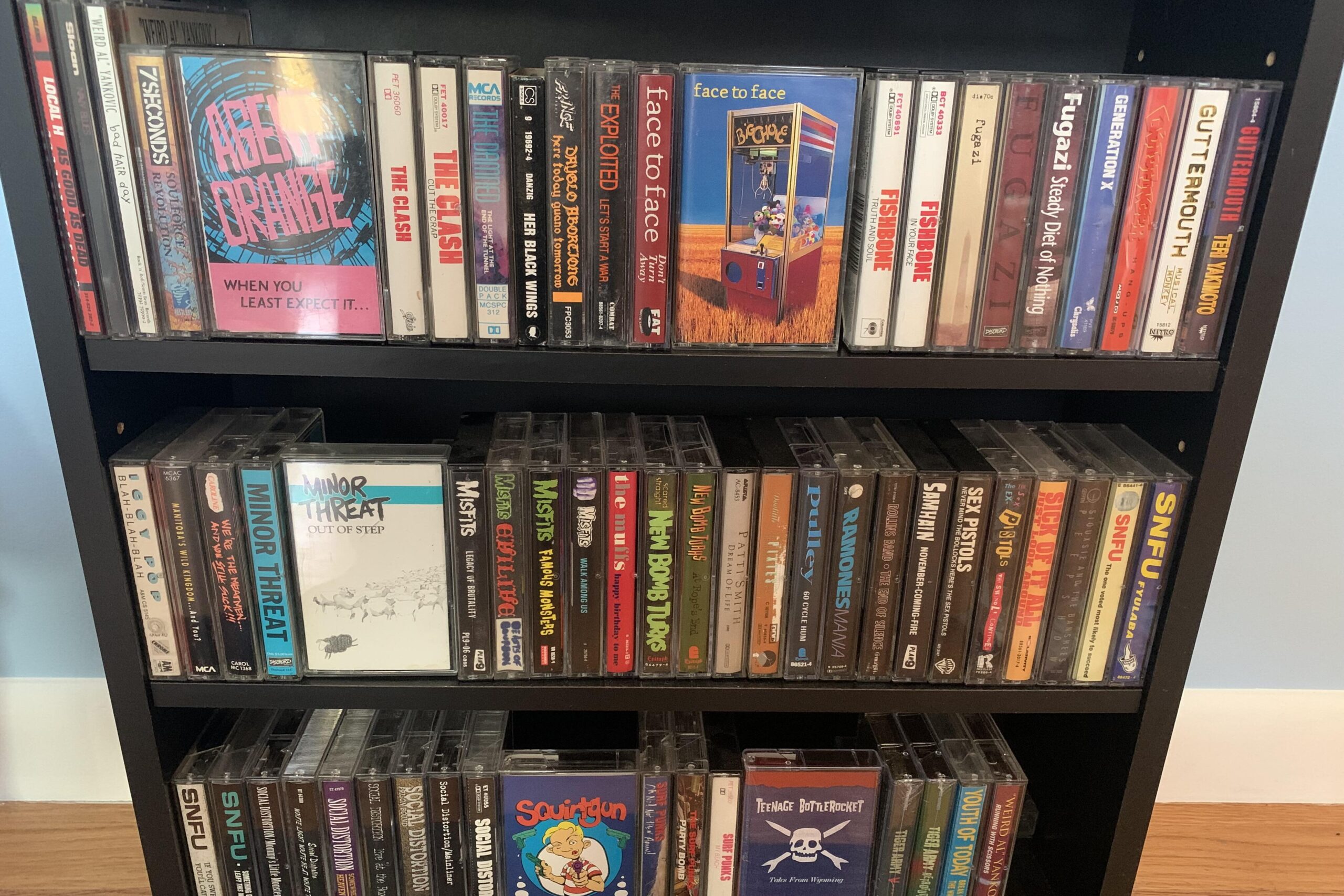
Music had a very physical presence in many homes during the 1980s, and cassette tapes were usually at the center of it. Open a drawer or look beside the stereo and you would often find a stack of plastic cases lined up neatly. Each tape held songs that people played again and again until they knew every lyric by heart. Some were official albums bought from record stores, while others were homemade recordings captured from the radio. Teenagers especially loved making mixtapes for friends, carefully choosing songs that fit a mood or message. It was a simple way of sharing music and feelings at the same time.
Listening to cassette tapes also came with a few small challenges that people learned to handle without much complaint. Sometimes a tape would twist or tangle inside the player, and someone would calmly grab a pencil to wind it back into place. That small trick was almost a universal skill. The sound of a tape clicking into the player and the soft whirring while it played became familiar household noises. For many families, those tapes were not just about music. They were tied to road trips, weekend cleaning, and quiet evenings when a favorite album filled the room.
4. The Big Wooden Television Set
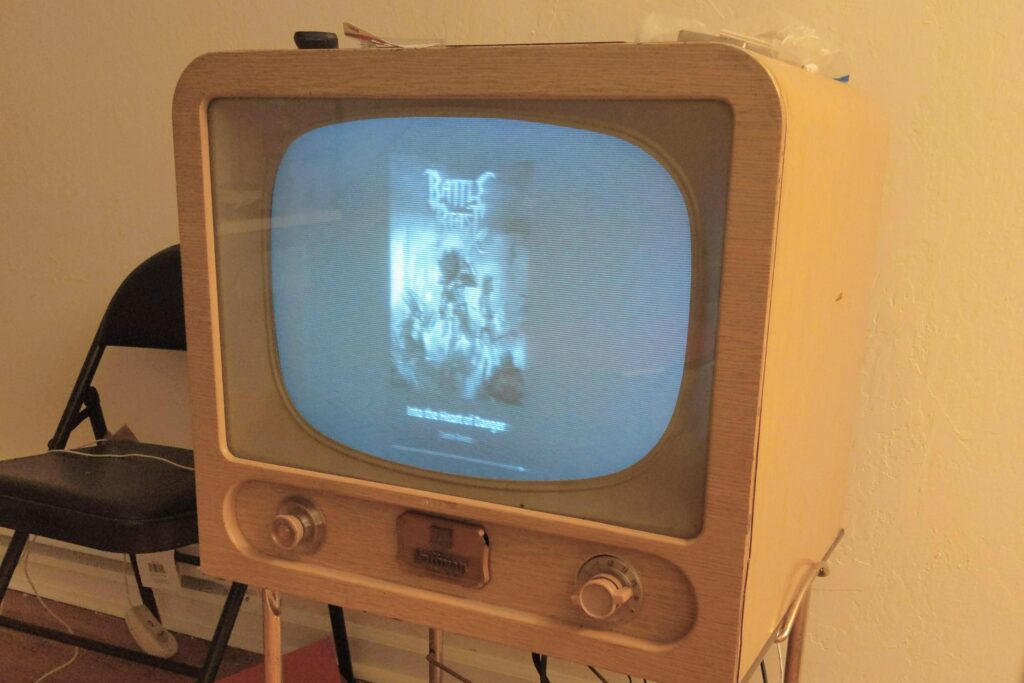
Televisions in the 1980s were not small or sleek the way they are today. Most of them were large boxes with wooden panels that made them look like a piece of furniture. They often sat in the center of the living room where everyone could see clearly. After dinner, family members would naturally drift toward the couch and chairs nearby. Watching television together became part of the evening routine. There were not hundreds of channels to scroll through, but the shows people loved were enough to bring everyone together. Laughter from sitcoms or dramatic moments from weekly series often filled the room.
Changing channels was sometimes an activity of its own. If the television did not have a remote control, someone had to walk up and turn the knob. Children were often asked to do the honors. The television also doubled as a display space where families placed framed photographs or decorative items on top. It stood quietly in the room, but it held countless shared moments. From weekend cartoons to nightly news, that large wooden television set became a steady companion in many households throughout the decade.
5. The Boombox On The Shelf
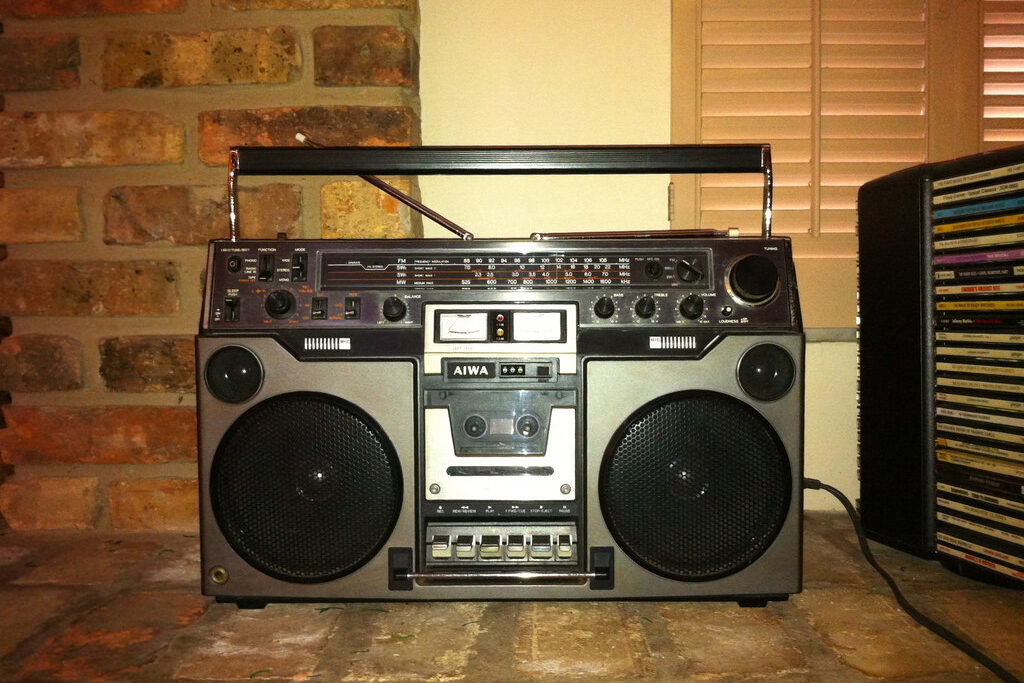
The boombox was one of those items that instantly brought energy into a room. It was not a quiet device either. With large speakers on both sides and a cassette player in the middle, it was built to play music loudly and clearly. Many households kept one on a shelf or table where it was easy to reach. Parents might turn it on while cleaning the house, letting the radio fill the room with familiar songs. Teenagers often preferred their favorite tapes, playing them repeatedly while doing homework or relaxing with friends. The boombox quickly became part of the sound of daily life.
Its portability also made it special. Unlike larger stereo systems, the boombox could move from room to room or even outside. On warm afternoons it might sit by an open window, letting music drift out toward the street. Some people carried them to parks or gatherings, creating small moments of shared music wherever they went. The buttons were large and satisfying to press, and the sound felt bold and lively. For many families, the boombox was not just about listening to songs. It brought music into everyday routines in a way that felt spontaneous and fun.
6. The Family Stereo System
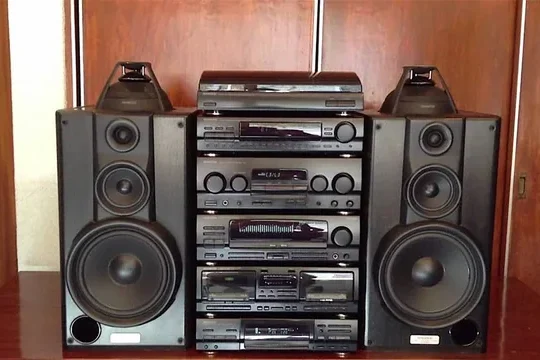
For households that truly loved music, the stereo system was something they were proud to own. It usually stood on a small cabinet or shelf with several pieces stacked neatly together. There might be a record player on top, a cassette deck below it, and an amplifier with glowing lights. On either side sat large speakers that delivered sound strong enough to fill the entire room. When someone decided to play music, it felt like a small event. Family members often paused what they were doing just to listen. Albums were played from beginning to end instead of skipping quickly between songs.
Adjusting the sound became part of the experience as well. The knobs controlling bass and treble allowed people to shape how the music felt in the room. Some owners took pride in getting the balance just right. Friends visiting the house might gather near the stereo while talking and enjoying the songs together. It was not unusual for someone to carefully wipe a record before placing it on the turntable. The stereo system turned ordinary listening into something a little more thoughtful and shared. It quietly brought music into the heart of the household.
7. The Corded Kitchen Wall Phone
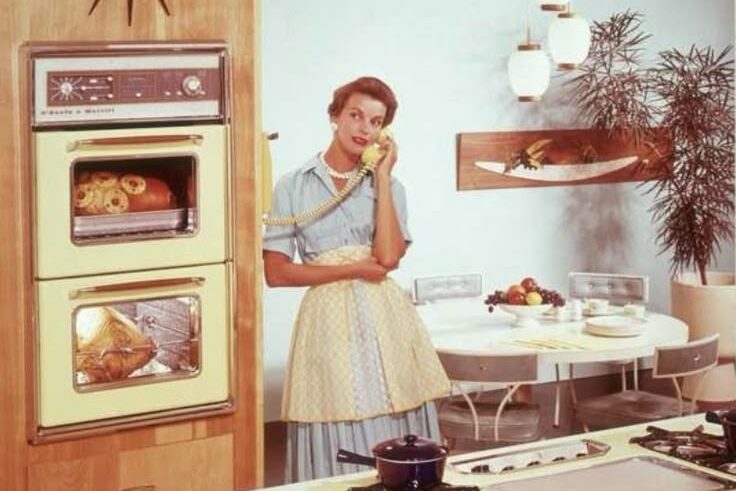
In many homes, the kitchen had its own telephone mounted right on the wall. It was placed there because the kitchen was often the busiest room in the house. Parents could answer calls while cooking dinner or washing dishes without needing to run to another room. The long curly cord gave enough freedom to move around a little while talking. Conversations with friends or relatives sometimes happened while stirring a pot or preparing vegetables. It felt natural to mix daily chores with quick chats. The phone simply blended into the rhythm of household life.
Nearby there was often a small notepad and pen where messages could be written down quickly. If someone called while another family member was out, the details were neatly recorded for later. Children sometimes answered the phone as well, proudly announcing the household name before passing the receiver to an adult. The sound of the kitchen phone ringing during the evening became a normal part of the day. Though it looked plain and practical, it helped keep families connected to relatives, neighbors, and friends.
8. The Answering Machine
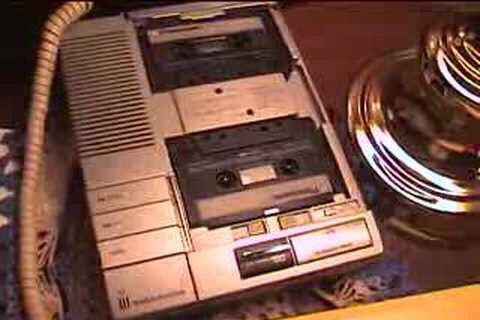
As the 1980s progressed, more households began adding answering machines beside their telephones. At first the idea felt slightly unusual. The device could record a message from a caller when no one was home, which seemed impressive for its time. Families would return home and press a button to hear who had tried to reach them. The machine usually played a small greeting first, sometimes recorded in a friendly voice by someone in the household. People often had fun creating these greetings, trying to sound cheerful and welcoming to anyone who called.
Listening to the messages later became a small daily routine. Everyone might gather around for a moment to hear what had come in during the day. Sometimes the messages were simple reminders, while other times they carried exciting news or friendly invitations. The tape inside the machine quietly captured voices that might otherwise have been missed completely. Though the technology seems basic today, it helped people stay informed without needing to wait by the phone all day. It was a small step toward the communication tools people use now.
9. The Personal Computer In The Corner
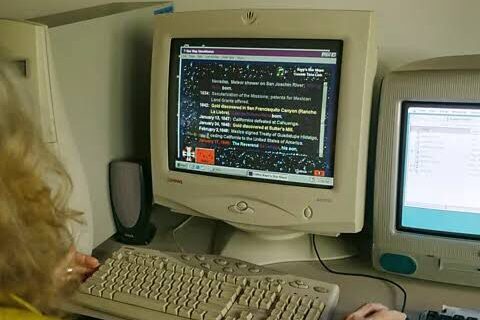
By the later years of the 1980s, some homes began making space for something new and slightly mysterious. The personal computer often appeared on a desk in a quiet corner of the house. It usually included a bulky monitor, a keyboard, and sometimes a separate disk drive. To many parents it looked complicated, but children were often eager to explore it. They learned how to load simple games or type small school assignments using basic programs. The clicking sound of the keyboard slowly became familiar in households that owned one.
Using a computer felt different from most other home activities. It required patience and curiosity, especially when learning commands or navigating menus. Families sometimes gathered around just to watch someone try a new game or program. Even though these early computers were far simpler than modern ones, they sparked a sense of possibility. Parents began to realize that technology would likely become an important part of the future. The computer sitting quietly in the corner hinted at a new chapter in everyday life.
10. The Rolodex Of Contacts
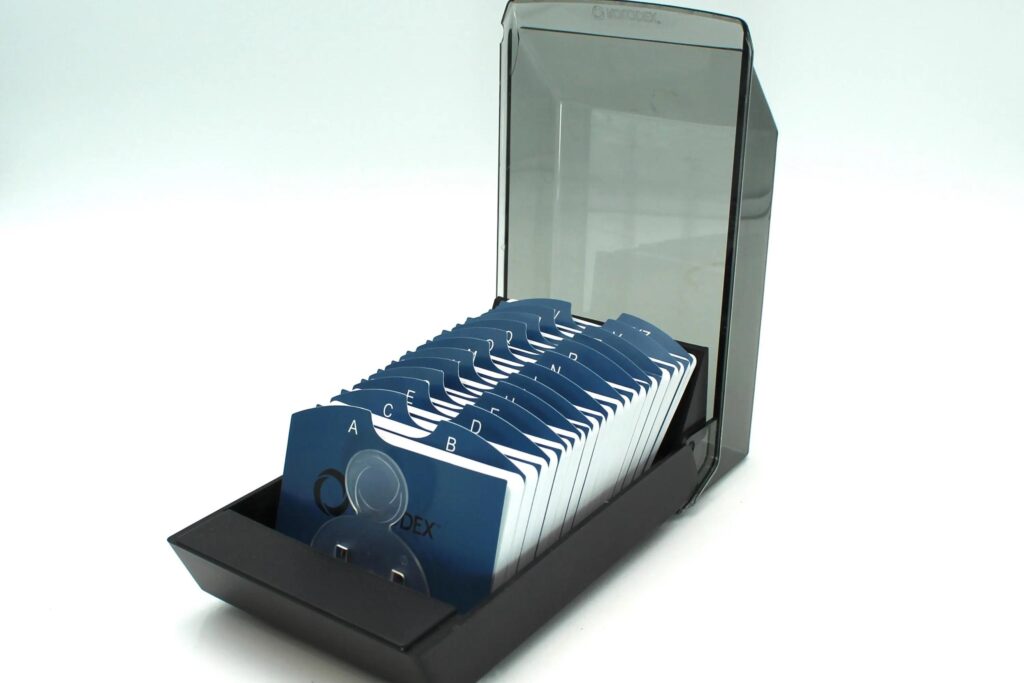
By the middle of the 1980s, many homes had a small spinning card file sitting somewhere near the telephone or on a desk. This was the Rolodex, and it quietly helped families keep track of important phone numbers and addresses. Each card held a name written neatly in pen along with contact details. When someone needed a number, they simply turned the wheel until they reached the right letter. It was simple, organized, and easy to use. In a time when people could not rely on digital contact lists, the Rolodex helped prevent important numbers from getting lost on random scraps of paper.
Over time the cards inside began to reflect the social life of the household. There were entries for relatives, neighbors, doctors, schools, and local businesses. When a number changed, the card was updated or replaced. Some families even added small notes beside certain names as reminders. Sitting quietly beside the phone, the Rolodex became a dependable little helper. It may have looked modest, but it made staying organized much easier during an era when every phone call mattered and remembering numbers was part of everyday life.
11. The Video Game Console
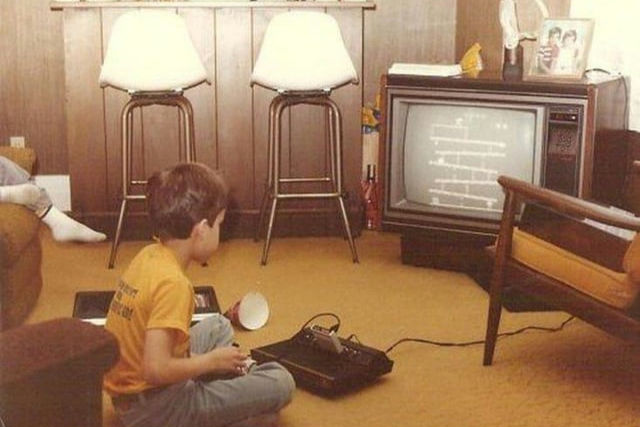
For many children growing up in the 1980s, the arrival of a video game console in the house felt like pure excitement. These systems connected directly to the family television and allowed players to control characters moving across the screen. The graphics were simple and blocky compared with today’s games, yet they were fascinating at the time. After school, children often gathered around the television to play for a while before dinner. Friends visiting the house were quickly invited to join in, taking turns with the controller while cheering each other on.
Game cartridges were usually kept in a small stack beside the console. Switching from one game to another meant sliding out one cartridge and pushing in another with a firm click. Players worked hard to beat high scores or reach the next level. Parents sometimes watched from nearby chairs, occasionally trying a game themselves even if they claimed they were not very good at it. The console quietly turned the living room into a playful space where laughter and friendly competition became part of the daily routine.
12. The Kitchen Microwave
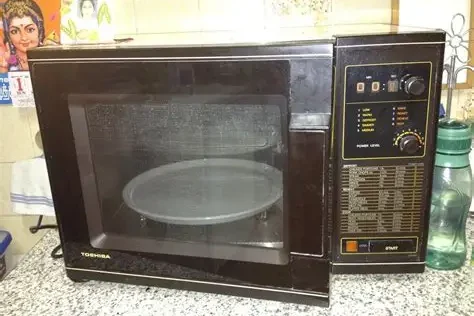
When microwave ovens began appearing in kitchens during the 1980s, many families were amazed by how quickly they worked. Heating food that once took several minutes on the stove could now happen in a much shorter time. The appliance usually sat on a countertop where it was easy to reach. With a few simple buttons, leftovers could be warmed and snacks prepared without much effort. For busy households juggling work, school, and errands, that convenience felt incredibly helpful.
Using the microwave soon became second nature. Someone might heat soup for lunch or quickly pop popcorn for a movie night. Some families even experimented with special microwave recipes printed in small cookbooks that came with the appliance. Though the machines looked large and slightly bulky compared with modern ones, they quickly proved their usefulness. Over time the microwave earned a permanent spot in the kitchen, helping families save time while still enjoying warm meals together.
13. The Home Fax Machine
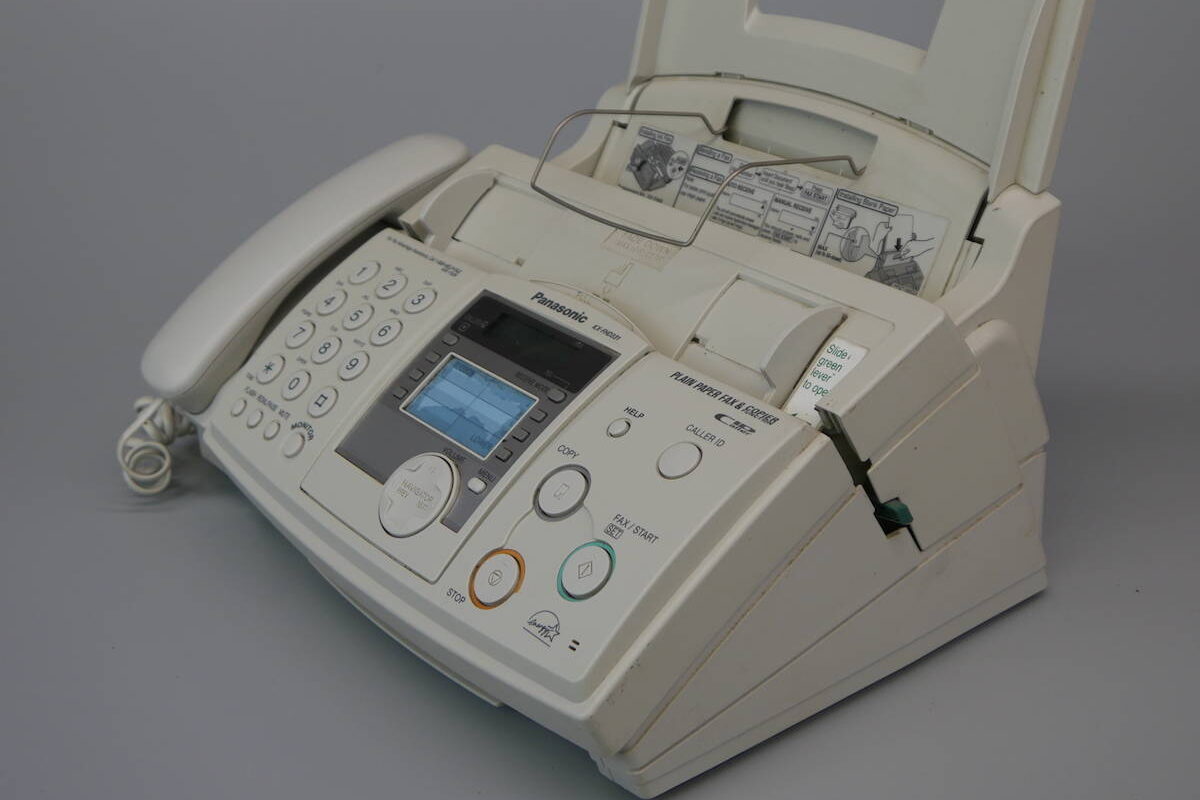
Toward the end of the decade, a few households began bringing home devices that had once been mostly found in offices. The fax machine was one of them. It allowed documents to travel through a telephone line and appear almost instantly on another machine somewhere else. For people who worked from home or ran small businesses, this felt like a remarkable improvement in communication. Sending a page no longer meant waiting days for the mail. Instead it could arrive within minutes.
The process itself had a certain rhythm. A sheet of paper was placed carefully into the machine, the number was dialed, and the device began to hum softly while transmitting the document. Soon another page would slowly roll out from the receiving machine. Watching the paper appear line by line was oddly satisfying. Though fax machines would later become less common, at the time they represented a clever solution for sharing information quickly between distant places.
14. The Compact Disc Player
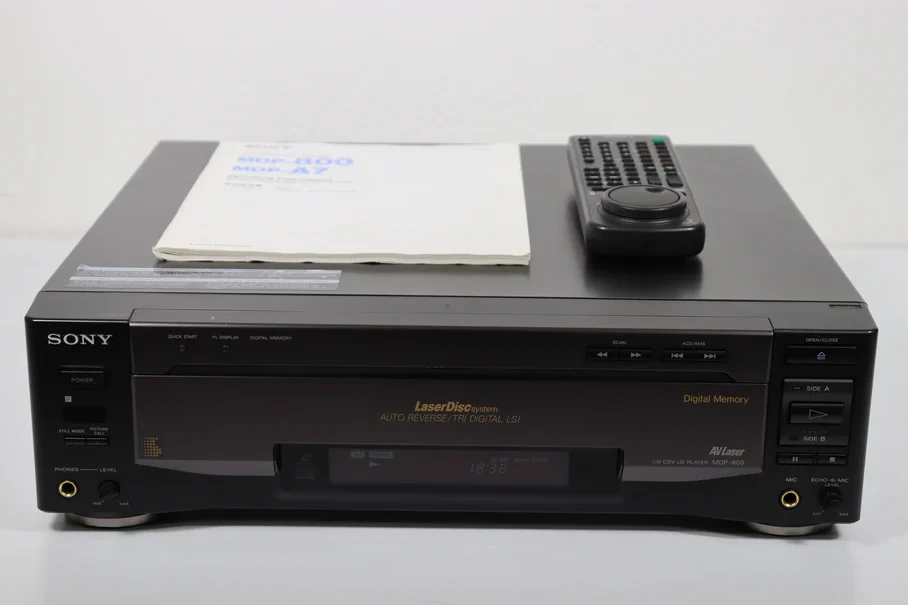
As the 1980s moved toward their final years, a new way of listening to music began appearing in homes. The compact disc player introduced shiny discs that looked almost futuristic compared with cassette tapes and vinyl records. Many people were curious about this new format and the promise of clearer sound. The discs were smaller and easier to handle than records, and placing one into the player felt surprisingly simple. With a gentle press of a button, the music started almost instantly.
Another feature people appreciated was the ability to jump directly to different tracks. Instead of rewinding a tape or lifting a needle, listeners could move between songs with a quick button press. Some households slowly began collecting these discs while still holding onto their older music formats. The compact disc player did not replace everything overnight, but it hinted that music technology was moving in a new direction. For many families it felt like a small step into the future of sound.
15. The Family Camcorder
Capturing family moments changed in an exciting way once camcorders began appearing in homes. These video cameras were larger than modern devices and often rested on a person’s shoulder while filming. Despite their size, families loved them because they allowed everyday memories to be recorded in motion. Birthdays, school performances, and holiday gatherings suddenly became little home movies. Someone in the family usually took on the role of camera operator, carefully documenting important moments.
Later, the tapes could be played back through the VCR so everyone could watch the recordings together. Seeing familiar faces and hearing voices from earlier days felt special. Children laughed at their younger selves while parents enjoyed revisiting milestones that passed too quickly. The camcorder added a new layer to family storytelling. Instead of only remembering events through photographs, households could now relive them through moving images that captured laughter, excitement, and the small details of everyday life.
16. The Pager Or Beeper
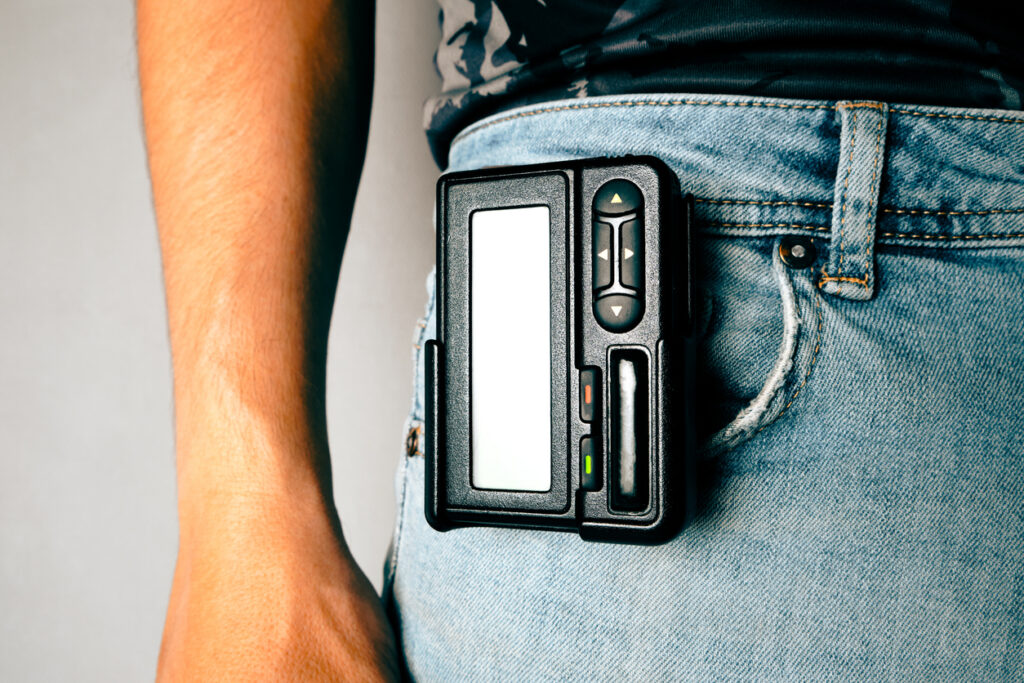
In some households during the late 1980s, a small electronic device known as a pager began making appearances. It was especially common among professionals who needed to stay reachable while away from home. The pager clipped onto a belt or slipped into a pocket. When someone needed to contact the owner, the device emitted a sharp beep and displayed a phone number on its tiny screen. Hearing that sound meant it was time to find the nearest telephone and return the call.
Although it may seem simple today, the pager represented an early form of mobile communication. It allowed people to receive messages even when they were not sitting beside their home phone. Doctors, technicians, and business owners often relied on them throughout the day. Families sometimes heard the beep during dinner or while watching television, prompting someone to step away briefly to make a call. The pager quietly hinted that constant connectivity would soon become part of everyday life.
17. The Exercise Video And Workout Mat

Fitness became a popular part of daily routines during the 1980s, and many households joined the trend right in their living rooms. Exercise videos allowed people to follow guided workouts without needing to leave home. The tape would be placed into the VCR, the television turned on, and suddenly the room transformed into a small workout space. A simple mat on the floor was usually enough to begin. Energetic instructors on screen led viewers through stretches and movements while upbeat music played in the background.
Families often approached these sessions with a mix of determination and laughter. Some movements looked easier than they actually were, and people occasionally lost balance or missed a step. Still, the idea of staying active at home appealed to many. It gave parents, teenagers, and even children a chance to move around together. Over time those workout tapes became familiar companions during morning routines or quiet afternoons. They reminded households that exercise could be both healthy and enjoyable.
18. The Family Photo Album
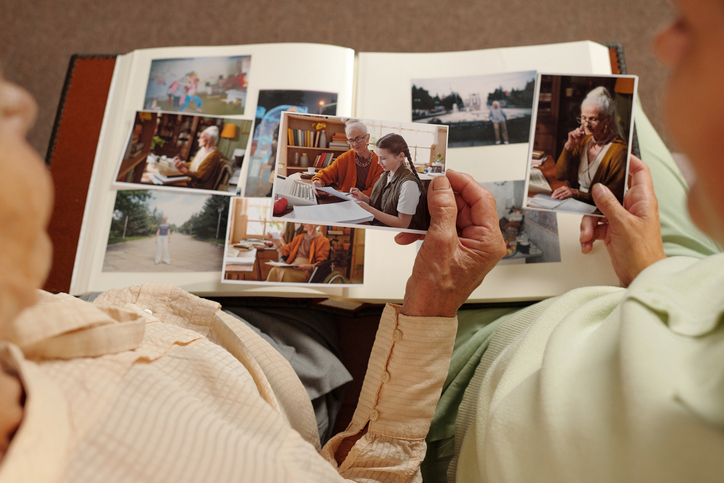
Long before digital galleries existed on phones or computers, families preserved their memories inside photo albums. These albums usually had thick pages where printed photographs were carefully arranged. Some pages included small handwritten captions describing where the picture was taken or what the occasion was. Sitting together and flipping through an album often sparked conversations about past holidays, birthdays, and everyday moments that had been captured on camera. Each photograph held a story waiting to be told again.
The physical presence of the album made those memories feel especially meaningful. Children enjoyed pointing out familiar faces while parents explained the details behind each scene. Guests visiting the home were sometimes invited to look through the pages as well. Over the years the album slowly filled with new pictures, becoming a record of family life. Unlike digital images that can be forgotten in folders, these albums remained visible reminders of shared experiences and the people who made them special.
19. The Drawer Full Of Instruction Manuals
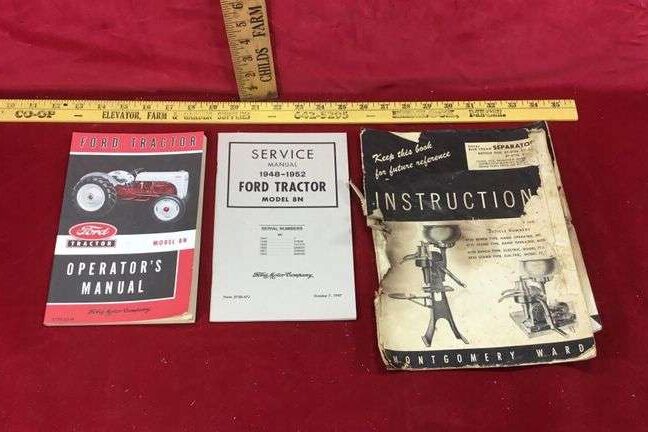
In many homes there was a drawer somewhere that quietly collected instruction manuals for different household items. Whenever a new appliance arrived, it came with a small booklet explaining how to use it. Instead of throwing those papers away, families often placed them together in one drawer just in case they were needed later. Over time the collection grew to include manuals for televisions, stereos, VCRs, and kitchen gadgets. It might look a little messy, but it served a useful purpose.
When a device stopped working properly or a setting became confusing, someone would open that drawer and start searching through the booklets. Eventually the right manual would appear and offer a helpful solution. Looking back, that drawer quietly told the story of how homes were filling with new technology throughout the decade. Families were learning how to use these devices step by step. In a way, those manuals reflected the curiosity and patience that helped households adapt to a changing world. If this stroll through everyday eighties life stirred up a memory, share it with someone who remembers those homes too. Sometimes the smallest objects carry the warmest stories.


