
1. Ring Around The Rosy And The Playground Memory
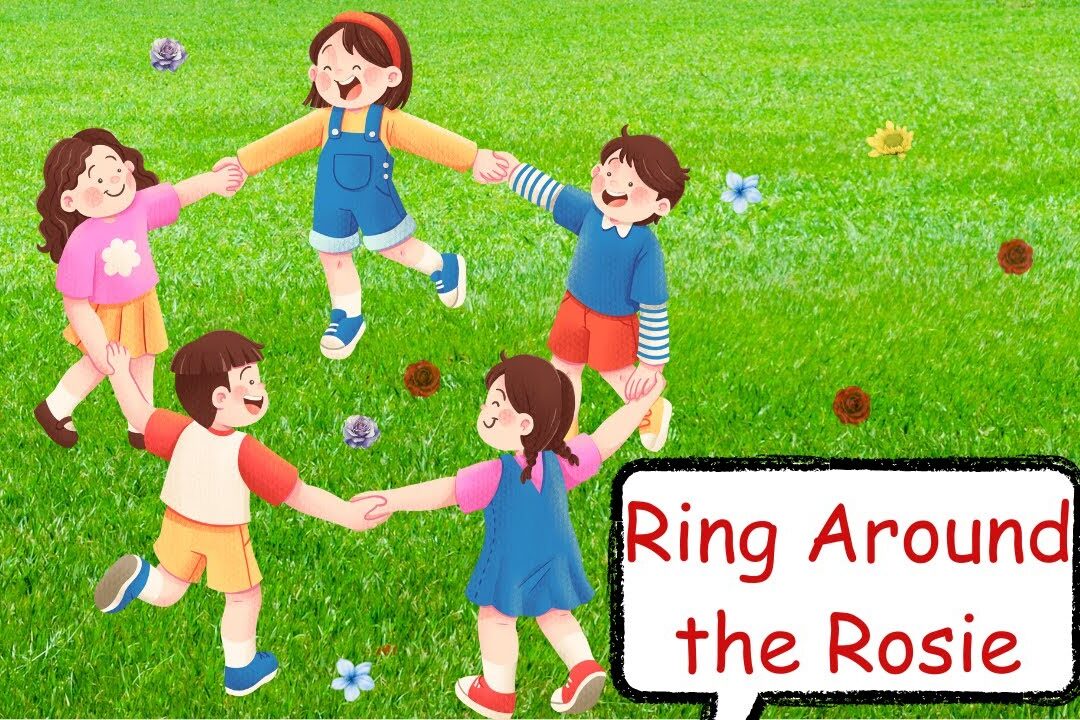
Most of us first heard nursery rhymes sitting on a classroom floor or holding hands in a noisy playground, and Ring Around The Rosy usually came with spinning, giggling, and that dramatic fall at the end. As children, nobody stopped to wonder why everyone suddenly drops down. Later in life, many people hear the popular story linking the rhyme to the old plague years, with the rosy rash, flowers carried for protection, and people collapsing from illness. The idea sounds chilling, yet it spread because the rhyme already carried that strange final moment that feels darker than the rest of the song.
Even if historians still debate the truth, what really matters is how naturally people attach real fears to familiar childhood sounds. Communities often reshape older events into songs that feel safe enough for children to repeat. That may be why this rhyme stayed so strong across generations. What once might have held worry or warning now survives as nothing more than a circle game that still makes children laugh when they fall together, which honestly feels like the most human ending possible.
2. Humpty Dumpty Before The Egg Picture

When most people picture Humpty Dumpty, they immediately imagine a round egg sitting nervously on a wall, but that famous egg image only appeared much later. Early versions of the rhyme never actually describe him as an egg at all, which surprises many adults when they first learn it. Some long standing stories suggest Humpty Dumpty may have referred to a heavy cannon placed on defensive walls during an English civil war siege. When the wall collapsed, the massive weapon fell and could not be lifted back into position, leaving the town exposed and defeated.
Over time, storytellers simplified the image so children could understand the idea of something fragile breaking beyond repair. Turning the fallen object into an egg made the message instantly clear without needing military history. That gentle shift from battlefield loss to nursery illustration shows how folklore softens serious events. Instead of remembering the tension of war, generations grew up remembering only the simple lesson that once something truly breaks, even all the king’s men cannot always put it back together again.
3. Baa Baa Black Sheep And The Farmer’s Worry
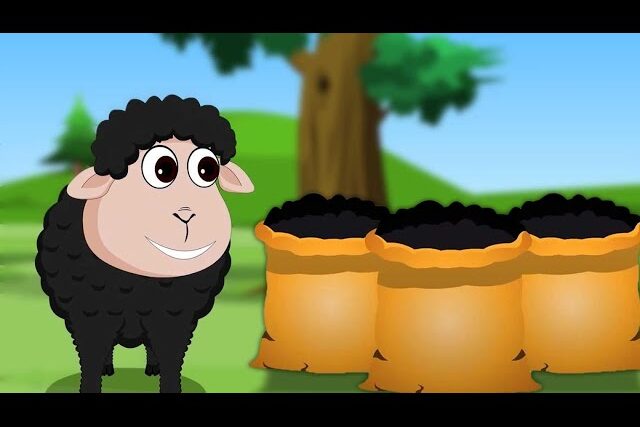
Baa Baa Black Sheep sounds like one of the softest nursery songs ever written, yet the world behind it may have been anything but soft. In medieval England, sheep were not just animals wandering in fields but the backbone of the entire wool economy. Farmers depended heavily on their flocks, and large portions of their wool profits were often claimed by powerful landowners, the church, or the crown. That reality meant many workers labored through long seasons only to watch much of their earnings leave before reaching their own families.
Hearing the line about three bags being divided suddenly feels less random when viewed through that everyday struggle. Even if the rhyme did not begin as a protest, it reflects how deeply wool shaped ordinary life. Songs often grow from what people talk about most, and for many rural families, livestock meant survival. The calm tone of the rhyme almost feels like quiet acceptance, the kind people develop when systems feel too big to fight, so they simply sing their stories instead.
4. Jack And Jill And The Sudden Fall

Jack And Jill tumbling down a hill feels like classic childhood chaos, the kind that makes kids laugh first and worry later. On the surface it sounds like nothing more than two children slipping while fetching water, yet over time listeners began connecting the fall to bigger historical moments. Some storytellers linked the lost crown in the rhyme to rulers losing power during political upheaval, while others think it simply reflects the very real danger of carrying heavy buckets down steep village paths. In earlier centuries, fetching water was daily work, not a cartoon chore.
What keeps the rhyme alive is how easily the scene feels familiar. Anyone who has ever slipped, dropped something important, or watched a careful plan collapse understands that sudden helpless moment. The rhyme does not need a confirmed royal scandal to feel true. Sometimes the smallest accidents leave the biggest impressions, and perhaps that is why generations kept repeating this story, because it quietly reminds us how fast an ordinary day can turn into a tumble.
5. London Bridge And The City That Would Not Stay Down

London Bridge Is Falling Down feels dramatic when sung, yet the real bridge truly faced centuries of damage, rebuilding, fires, and repairs. Medieval London depended heavily on that crossing, and each collapse or structural failure affected trade, travel, and daily movement across the river. Over generations, citizens watched builders patch, reinforce, and redesign the structure again and again. Living through that cycle meant the idea of the bridge falling was not a shocking event but an expected part of city life.
The rhyme’s repeated suggestions for rebuilding with different materials almost sound like neighbors discussing solutions out loud. That practical tone makes the song feel less like tragedy and more like stubborn determination. Cities survive by rebuilding, and London learned that lesson early. Perhaps that is why children still sing this rhyme with energy instead of sadness. Beneath the simple melody sits a quiet truth about human communities, which is that things fall, repairs take time, and people keep working until the crossing stands strong again.
6. Mary Mary Quite Contrary And A Stubborn Garden

Mary Mary Quite Contrary often sounds like a gentle gardening rhyme, yet the word contrary has always made listeners pause. Some interpret the character as representing a strong willed historical queen, while others hear nothing more than a person carefully tending her garden in her own particular way. Either reading works because the rhyme centers on control, routine, and the quiet insistence that things must grow according to a chosen order. Gardens have always symbolized power in small form, since whoever plans the layout decides what thrives.
That idea resonates across time because everyone understands the urge to manage their small corner of the world. Whether the rhyme hints at royal authority or simply at a determined gardener, the emotional core stays the same. People like structure, especially during uncertain periods, and planting rows in neat patterns offers comfort. The song survives because it reflects that everyday human instinct to shape surroundings carefully, hoping that if the garden behaves, maybe life beyond the fence will feel manageable too.
7. Three Blind Mice And The Endless Chase
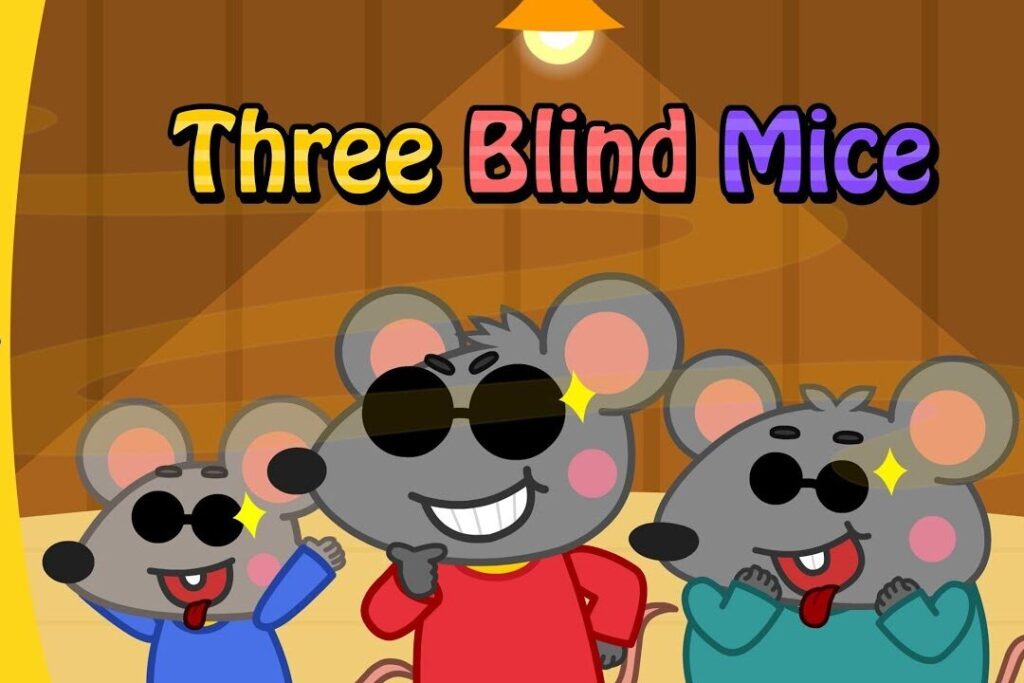
Three Blind Mice rushing after one another feels playful when sung quickly, yet the image of constant pursuit gives the rhyme an oddly tense energy. Some later interpretations connected the mice to figures caught in dangerous political conflicts, but even without that reading, the story captures something deeply human about being chased by consequences. The farmer’s wife represents authority, punishment, or simply the force that eventually catches up with careless choices. Children hear the rhythm first, while adults often notice the anxiety underneath.
Stories about pursuit appear everywhere because they mirror real fears about losing safety or control. The mice do not escape through clever tricks or heroic strength, which may be why the rhyme feels strangely memorable. It reflects the uncomfortable truth that not every chase ends in victory. Still, children keep singing it because rhythm softens the message. Turning tension into music makes it easier to process, and that transformation from worry into song is exactly how many old rhymes managed to survive.
8. Old Mother Hubbard And The Empty Cupboard Feeling
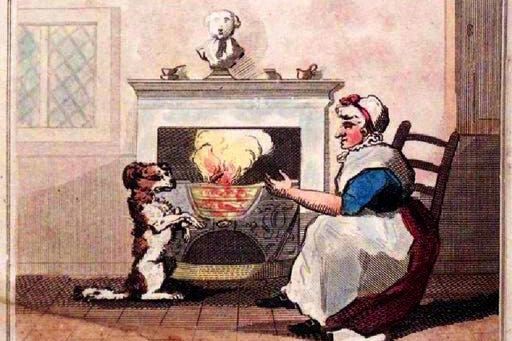
Old Mother Hubbard heading to her cupboard only to find nothing inside feels almost painfully relatable, even centuries later. Food shortages, delayed wages, and unpredictable harvests shaped daily life for many families in earlier times. Opening storage and finding it empty was not comic exaggeration but a real household fear. The rhyme exaggerates the situation with humor and repetition, yet the emotional truth lands immediately because everyone understands that sinking feeling of expecting something useful and finding none.
Humor has always helped people talk about hardship without sounding defeated. By turning an empty cupboard into a playful song, communities could acknowledge scarcity while still laughing together. That balance between worry and humor probably explains why the rhyme lasted so long. Children enjoy the silly surprises, while adults quietly recognize the deeper reality behind the joke. Sometimes the simplest domestic moment carries the strongest emotional weight, and this rhyme captures that shared human experience in a way no history lesson ever could.
9. Little Bo Peep And Waiting For Things To Return
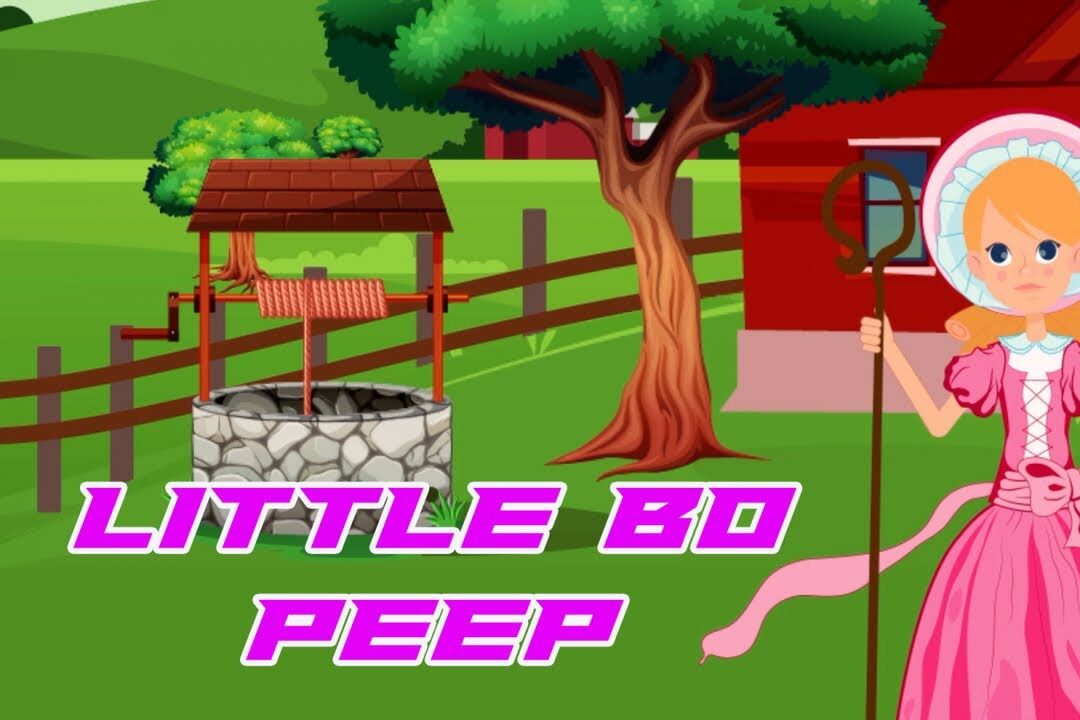
Little Bo Peep losing her sheep sounds soft and dreamy, yet anyone responsible for animals, money, or even modern work projects knows the stress of watching something important disappear. In farming communities, wandering livestock meant real financial danger, not just inconvenience. Searching endlessly could waste time needed for other survival tasks, so the rhyme’s advice to leave them alone and trust their return reflects a surprisingly practical mindset. Patience often saved energy better spent elsewhere.
That calm message still resonates today because life regularly puts people in situations where chasing harder does not solve the problem faster. Sometimes the only option is to pause and let things settle before they find their way back. The gentle tone of the rhyme feels almost like quiet reassurance passed from one generation to the next. Not every crisis demands panic, and not every loss is permanent. That simple comfort may be the real reason this peaceful little song kept its place in childhood for so long.
10. Georgie Porgie And The Loud Reputation
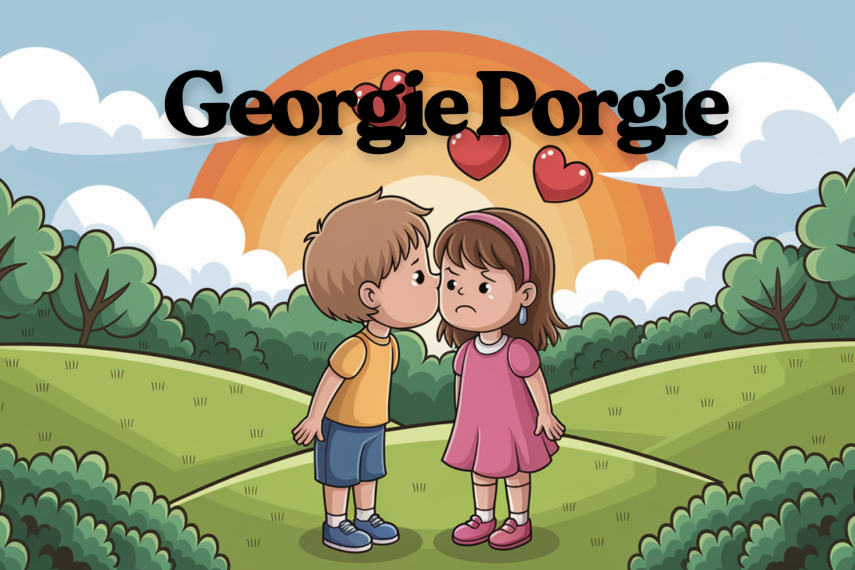
Georgie Porgie kissing the girls and making the boys cry feels like classic playground teasing, the kind that spreads fast once one child starts chanting it. Yet the rhyme also mirrors how communities have always reacted to larger than life personalities. Every town, school, or royal court has someone whose charm wins attention while their behavior sparks gossip. Stories about such figures travel quickly because people enjoy repeating dramatic character tales, especially when romance and rivalry mix together.
The rhyme survives because it captures that timeless social pattern in a few simple lines. Children chant it for fun, but adults instantly recognize the situation from real life. Reputation spreads, crowds react, and eventually the loudest personality becomes the center of every story whether they want that role or not. Turning that dynamic into a short sing song made it easy to remember and pass along. In a way, the rhyme works like early social commentary, showing how quickly public opinion forms around anyone who stands out too brightly.
11. Sing A Song Of Sixpence And The Strange Pie Surprise
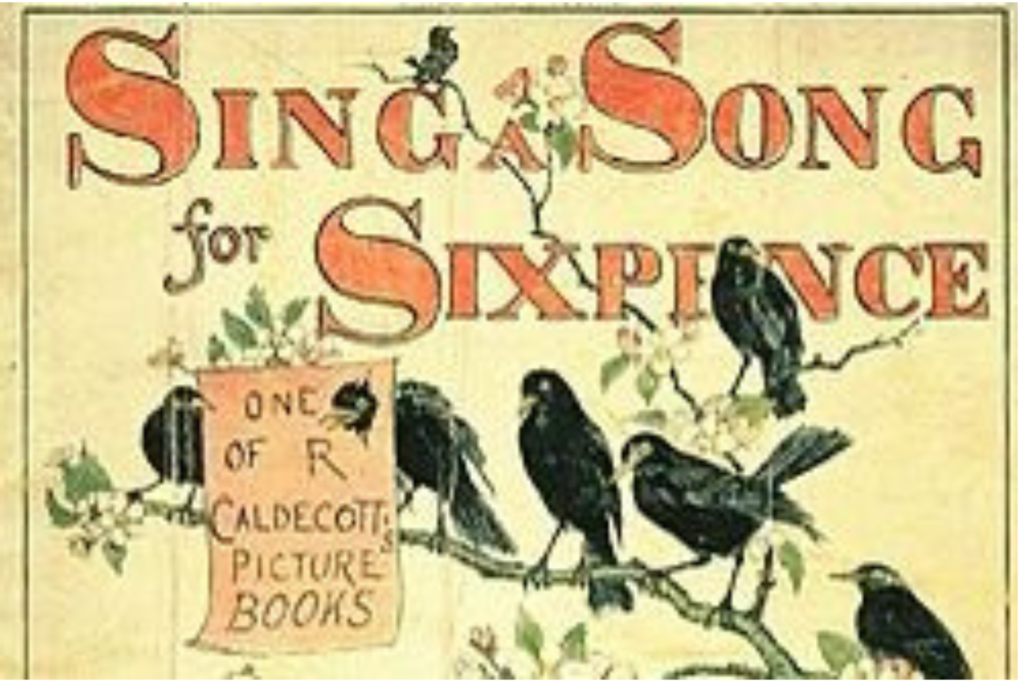
Sing A Song Of Sixpence always sounds cheerful, yet the image of birds flying out of a baked pie feels oddly specific once you stop and picture it. In earlier centuries, wealthy banquets often focused on spectacle as much as food, and hosts loved surprising guests with elaborate presentations. Large pies sometimes hid decorations or unexpected contents meant purely for entertainment. The rhyme reflects that world of theatrical dining, where meals were public displays of status, wealth, and imagination rather than quiet family dinners. Hearing the king counting money and the queen calmly eating bread paints a full domestic scene around the strange pie moment.
What makes the rhyme memorable is how casually the absurd detail is treated, as if such extravagance were perfectly normal. For ordinary families listening later, the story probably felt both funny and slightly unbelievable, which helped it stick in memory. Songs often survive when they mix everyday routines with one unforgettable image. In this case, the peaceful royal setting combined with the sudden burst of birds creates exactly the kind of visual children never forget once they hear it.
12. Hickory Dickory Dock And Learning The Hours
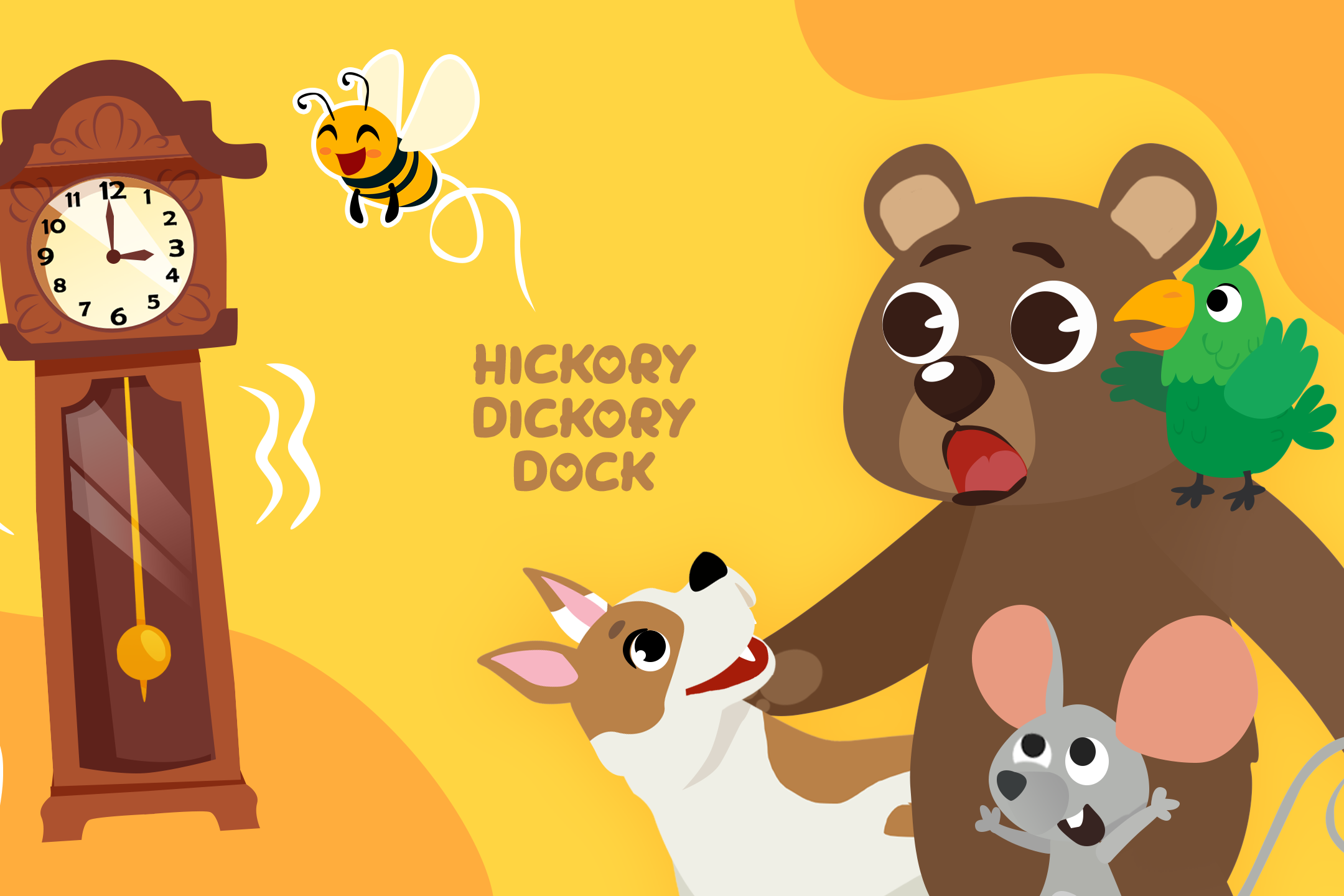
Hickory Dickory Dock seems like nothing more than a mouse running up a clock, yet the rhyme quietly reflects a time when public clocks were becoming central to daily life. Before reliable mechanical clocks spread through towns, people measured time loosely through sunlight, church bells, or seasonal routines. Once large clocks appeared in public spaces, work hours, market openings, and travel schedules started following stricter patterns. The rising and falling mouse mirrors that steady movement of time itself, climbing upward only to return again when the next hour strikes.
For children, the rhythm makes the lesson playful rather than instructional. Without realizing it, they begin connecting numbers, sound, and passing time. That gentle teaching style explains why the rhyme endured so easily in homes and classrooms. Instead of forcing memorization, it wraps the concept of structured hours inside a tiny adventure. Many nursery rhymes survive because they teach something useful while pretending to be pure nonsense, and this small story about a mouse and a clock quietly does exactly that.
13. Little Jack Horner And The Lucky Plum
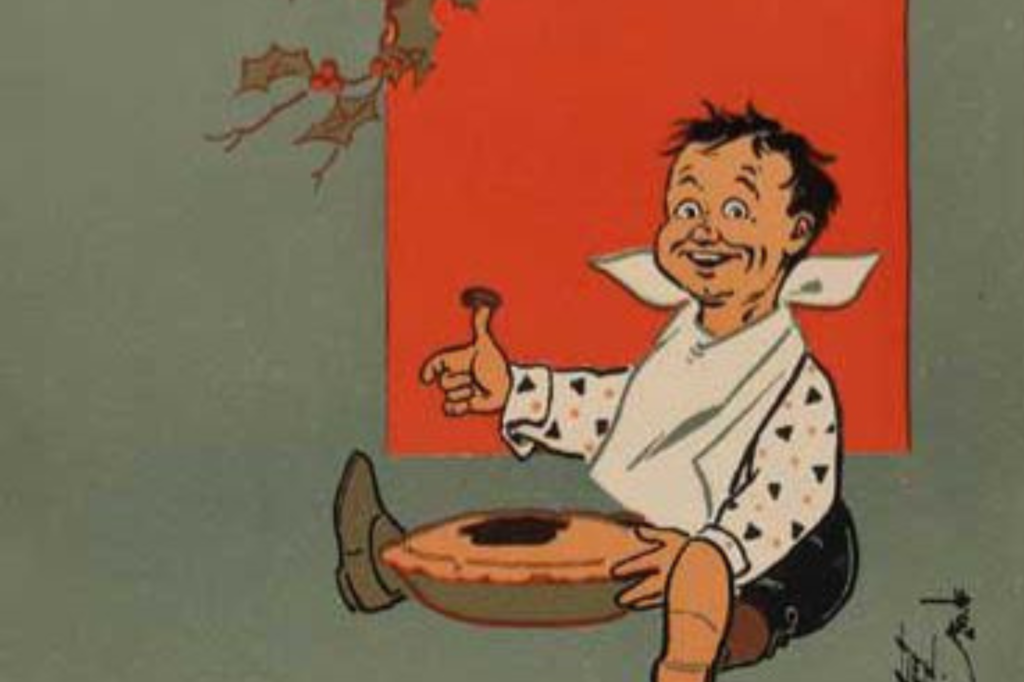
Little Jack Horner sitting quietly and pulling out a plum feels like a simple reward story, yet the idea of finding a hidden prize inside food has always fascinated listeners. Across older societies, moments of sudden good fortune often became symbolic stories shared widely. Whether tied to property legends or not, the rhyme captures that familiar human suspicion that someone somewhere quietly benefited from being in the right place at the right time. The proud line about being a good boy sounds less like innocence and more like someone justifying unexpected luck.
That emotional tension keeps the rhyme interesting even for adults. Everyone has seen situations where opportunity lands unevenly, leaving observers wondering whether skill or timing mattered more. By shrinking that big life question into one boy and one plum, the rhyme makes the idea easy to repeat without sounding bitter. Children hear a clever moment, while older listeners recognize the deeper truth that fortune sometimes arrives quietly, and once it does, people rarely question it too loudly.
14. Rock A Bye Baby And The Gentle Tree Cradle

Rock A Bye Baby feels soothing at first, yet the image of a cradle swaying high in a tree adds a slight sense of danger that many parents notice once they listen closely. Earlier childcare traditions in various places used suspended cradles or hammocks to rock infants gently with natural movement. The lullaby reflects that comforting rhythm of motion, which has always helped babies fall asleep faster than still silence. The falling branch ending sounds dramatic, yet musically it simply completes the downward rocking pattern built into the melody.
What keeps the song alive is not the story itself but the emotional atmosphere it creates. Lullabies rarely survive because of their lyrics alone. They last because exhausted parents keep choosing the tunes that actually calm a restless child at night. This one carries that slow rocking cadence that signals safety, rest, and warmth. Over generations, the words mattered less than the feeling, and that feeling turned the song into a quiet nighttime companion repeated in bedrooms long after its original background faded away.
15. Here We Go Round The Mulberry Bush And The Daily Routine
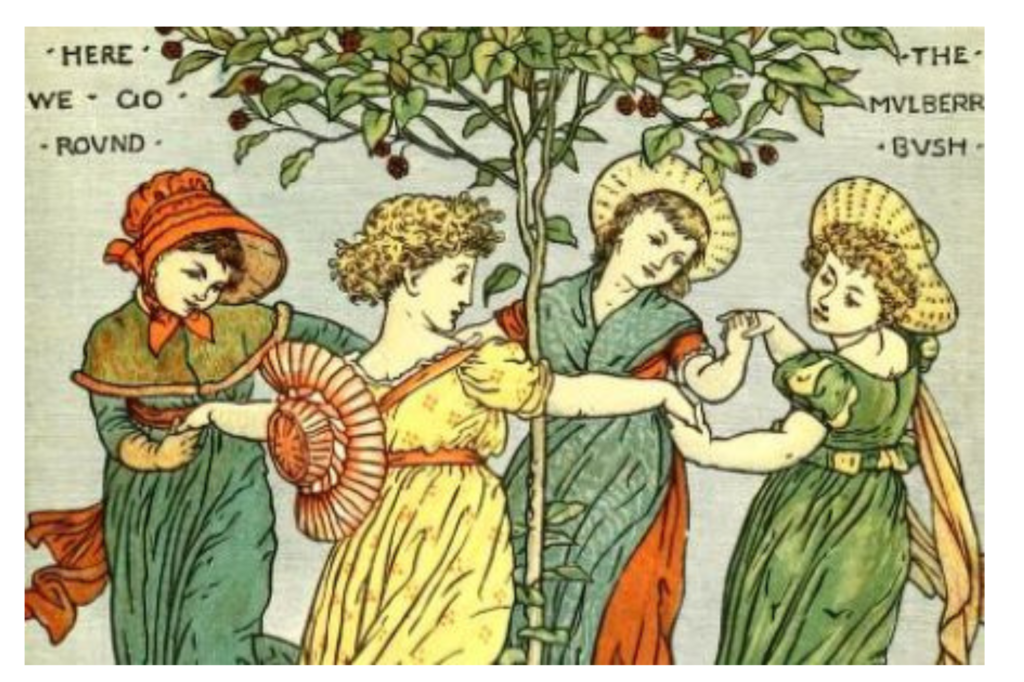
Here We Go Round The Mulberry Bush feels like a cheerful circle game, yet its lyrics focus strongly on repeating ordinary morning tasks like washing, dressing, and preparing for the day. Earlier communities often lived by strict daily routines shaped by work schedules, institutional rules, or household expectations. Repetition structured life, and children learned those patterns early by watching adults follow the same sequence each morning. The song mirrors that rhythm by placing each activity inside a looping melody that never really changes direction.
That connection between music and routine makes the rhyme surprisingly practical. Children singing it are not just playing but rehearsing the order of daily responsibilities in a way that feels fun instead of demanding. Many long lasting nursery rhymes survive because they double as quiet teaching tools for real life habits. The circular movement of the game reinforces the idea that tomorrow morning will begin exactly the same way again, which for growing children creates a sense of stability that feels comforting rather than boring.
16. Pop Goes The Weasel And The Busy City Streets

Pop Goes The Weasel sounds like a lively dance tune, yet its background reflects the crowded energy of growing industrial cities where workers balanced wages, rent, and daily survival. Urban neighborhoods were filled with music halls, street vendors, and secondhand shops where people constantly traded or pawned belongings to manage short term expenses. The cheerful bounce of the melody mirrors that restless city movement, where life never slowed and everyone kept adjusting to changing circumstances just to stay afloat.
What makes the rhyme stick is that mix of humor and realism. Instead of describing hardship directly, it wraps financial pressure inside a catchy chorus that invites clapping and spinning. Communities often use music that way, turning stress into rhythm so it feels lighter to carry. Even today, the song still feels energetic rather than heavy, which shows how successfully it transformed everyday struggle into something playful enough for children while still quietly echoing the busy pulse of crowded working streets.
17. Goosey Goosey Gander And The Wandering Search

Goosey Goosey Gander follows a character moving through upstairs and downstairs spaces before discovering someone who refuses to follow expected rules. The wandering structure reflects older homes with multiple floors, hidden corners, and strong expectations about obedience within the household. Stories built around searching rooms often symbolized authority checking whether everyone behaved properly. The sudden punishment at the end feels strange today, yet it mirrors how seriously rule breaking could be treated in tightly controlled social environments.
Despite that stern background, the rhyme survives mostly because of its rhythmic journey through the house. Children enjoy the sense of movement and exploration, imagining secret spaces behind every door. That playful curiosity gradually softened the harsher message, turning the story into more of an adventure than a warning. Many nursery rhymes followed this path, beginning with strict moral lessons but slowly transforming into imaginative travel stories once later generations focused more on the fun of the journey than the seriousness of the rules.
18. Simple Simon And The Awkward Market Visit

Simple Simon meeting the pieman captures one of the most universal human experiences, which is showing up somewhere hopeful and realizing you cannot afford what you wanted. Markets in earlier towns were busy social centers where buying and selling happened in full public view. Having no money in that setting could feel embarrassing as well as disappointing. The rhyme turns that awkward situation into gentle humor, letting listeners laugh at Simon while quietly recognizing the feeling themselves.
That shared recognition explains why the story stayed popular. Everyone, at some point, has faced a moment where enthusiasm ran ahead of preparation. By keeping the tone light, the rhyme teaches the practical lesson without sounding harsh or scolding. Children hear a funny encounter, while adults understand the reminder about planning ahead. Songs that mix humor with real life experience tend to last longest, because they feel honest without becoming heavy, and this tiny market scene manages to hold both truth and kindness at once.
19. Twinkle Twinkle Little Star And Ending With Wonder

Twinkle Twinkle Little Star feels softer than many older rhymes because it belongs to a period when children’s writing began focusing more on curiosity than warning. Instead of telling a story about danger, punishment, or survival, it invites the listener to look upward and ask simple questions about the night sky. That shift reflects a growing cultural interest in learning, exploration, and encouraging children to observe the natural world rather than fear it. The steady melody matches the calm feeling of lying awake and watching distant lights quietly shimmer above.
Ending the journey of nursery rhymes here feels natural because it shows how childhood songs gradually moved toward comfort and imagination. Earlier rhymes often carried echoes of work, rules, or hardship, while this one rests entirely on gentle curiosity. That progression mirrors how societies slowly reshape what they pass down to children. And maybe that is the real thread connecting every rhyme we grew up with, simple songs carrying pieces of older worlds while still sounding warm enough to sing today.


