
1. When Erasing Hurts the Self
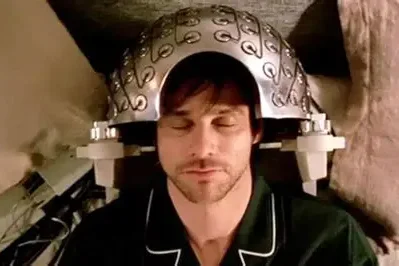
We all have memories we wish we could forget. The idea of scientists being able to erase or reprogram them sounds like comfort until you think about what that means for who we are. Our memories build our identity and shape how we see ourselves and others. Taking one away might feel like losing a piece of our story. If we change what we remember, we might also change how we love, forgive, or even dream. In trying to remove pain, we might accidentally erase the lessons that taught us to survive and to grow.
2. The Question of True Consent

Before scientists can try erasing memories, they must ask if a person can truly consent to something that changes who they will become afterward. If removing a memory transforms your personality or emotions, how can your present self decide for a future version of you? It becomes a moral puzzle because the self that agrees might not be the self that lives with the result. It is like signing away tomorrow’s feelings today. The line between choice and consequence grows faint when memory itself becomes the very thing being rewritten or softly replaced.
3. Forgetting What Others Remember

When one person chooses to erase a shared memory, it does not vanish for everyone else. Imagine removing the memory of a painful breakup while the other person still feels every detail of it. Memory editing could leave people living different emotional truths about the same moment. This uneven forgetting creates confusion and hurt. It raises questions about whether we have a duty to remember shared experiences, even painful ones, because memory connects us. Healing should not mean rewriting the truth for one while leaving another to carry the story alone.
4. Who Gets to Afford Forgetting

As with most new technology, memory editing may not reach everyone equally. Those with money or access might get to remove trauma or regret while others are left to live with pain. This could create a new kind of privilege where emotional relief becomes a luxury item. It is hard to imagine fairness in a world where only some can rewrite their past while others cannot. Healing should never depend on wealth or opportunity. Yet science may make memory manipulation something only a few can afford to experience in their lifetime.
5. When Healing Becomes Control
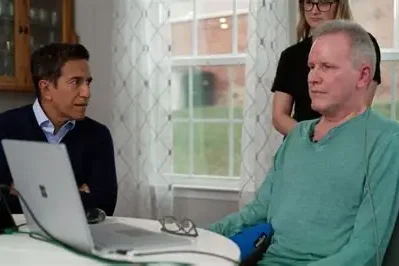
Memory technology sounds like it is meant for healing, but it could also be used to control. If a person’s memories can be changed, governments or organizations might find ways to influence thoughts or decisions. It is a chilling thought that someone could forget what made them question authority. Even in good hands, the temptation to use memory for persuasion is strong. What begins as therapy could become manipulation. That is why scientists must tread carefully. A mind that can be rewritten too easily can just as easily be quietly controlled.
6. Emotions That Do Not Feel Real
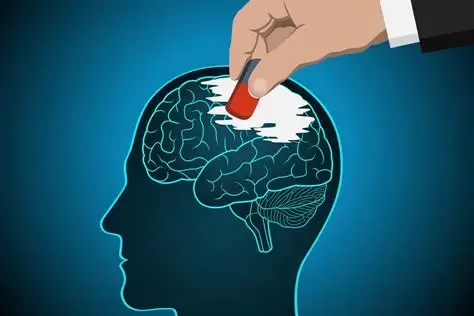
Our feelings are tied to the memories that shaped them. When you erase a memory, you do not just lose the event but the emotions that came with it. Imagine forgetting heartbreak but also losing the growth and empathy it inspired. Without those emotions, reactions might feel shallow or incomplete. Some scientists worry that editing memory could make people emotionally detached from their experiences. It is like painting over part of a picture until the colors stop blending. We might be healed, maybe, but also feel oddly distant from who we are.
7. Regret That Cannot Be Undone

There is something final about deleting a memory. Once it is gone, it might never return. What if, years later, you realize that memory was an important part of your story? You cannot revisit it, explain it, or learn from it again. The possibility of regret looms large. People often grow through reflection, even painful ones. But when a memory is erased, the lesson vanishes too. It becomes a trade between peace and understanding, and no one can predict how they will feel once that part of their past disappears forever.
8. Losing Wisdom in the Process

Painful memories are often teachers that shape our sense of judgment and compassion. They remind us of what went wrong so we do not repeat it. Erasing them may spare us pain, but it also removes the wisdom they leave behind. Every scar carries a story, and when we remove it, we lose context for our growth. Without those lessons, we might walk back into the same mistakes, unaware of what we once knew. Healing is important, but forgetting completely might keep us trapped in the same painful circle without realizing it.
9. The Blurred Line Between Therapy and Perfection

There is a fine line between healing and improving. Scientists might start by helping people forget trauma, but where does it stop? Could someone choose to erase an embarrassing moment, a breakup, or even failure? The risk is that we start to treat ordinary human experiences as flaws that need fixing. Memory editing might slowly shift from medicine to self-enhancement. Once that happens, the question changes from “Should we help?” to “Should we perfect?” That change could make the normal ups and downs of life feel like mistakes we should erase.
10. When Justice Forgets Too
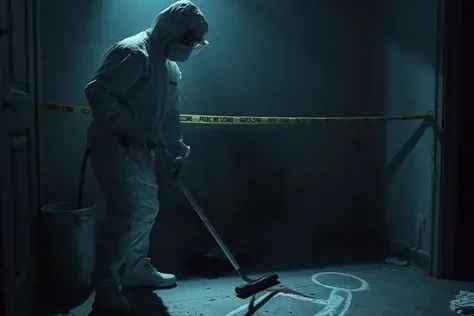
Memories are not just personal; they hold evidence, truth, and accountability. If someone erases a memory of a crime, a lie, or an injustice, it could alter reality itself. Legal systems depend on testimony and recollection. If those are edited or gone, how can we prove what truly happened? Memory is not only about feelings; it is about truth. Once we allow its removal, we risk erasing justice along with pain. A memory might feel private, but its absence can affect others. Forgetting could make wrongs impossible to make right again.
11. The Self That Feels Unfamiliar

Our memories connect the past to the present, showing how far we have come. When that thread is broken, people can start to feel detached from who they used to be. Scientists say that removing memories might leave individuals confused about their own stories. It is not just forgetting an event; it is losing a version of yourself. That gap can make familiar places or faces feel strange. Without memories to anchor us, even joy might seem misplaced. A clear past helps define a clear future, but editing it changes both.
12. The Empty Space Pain Leaves Behind
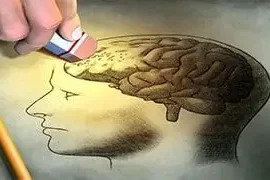
When a memory is erased, something else goes missing too. The emotional echo that follows pain can leave a strange emptiness behind. It is like removing a painting from a wall and staring at the blank space left in its place. Relief may come, but so does the hollow that follows. Scientists can erase experiences, but they cannot replace the meaning those moments carried. Healing is not only about removing pain; it is about understanding it. Without that balance, peace can begin to feel more like absence than recovery or growth.
13. The Risk of Losing Autonomy

Our choices define us, but memory editing could quietly take that power away. If you forget an important event, your motivations and values may shift without your awareness. You would be living a life shaped by decisions you do not remember making. True freedom means choosing with understanding, but when awareness itself changes, control fades. A person might think they are acting independently while unknowingly guided by someone else’s edits. That quiet loss of self-control makes memory technology one of the most delicate and dangerous scientific powers today.
14. Trust in a Shared Reality

Society depends on collective memory. It helps us agree on what happened and how we move forward. If people begin editing their personal recollections, our shared reality might start to fall apart. Two people could remember the same event differently because one has changed it. That kind of difference can weaken trust, relationships, and even communities. Memory binds experiences together. Once we lose that common ground, it becomes harder to connect. Forgetting alone might bring comfort, but it can also separate us from the stories that unite us.
15. Who Decides What to Forget

The biggest ethical question might be who decides what counts as a memory worth erasing. Should it be the person, a doctor, or a system claiming to protect mental health? These decisions can be shaped by power or bias. Once the ability to alter memory exists, others may try to control it. The right to choose must stay personal, but history shows how easily control slips away. Forgetting could become less about healing and more about convenience for those who gain from keeping certain stories quietly erased forever.
16. When Responsibility Disappears

If someone forgets something they did wrong, are they still responsible for it? Memory erasure could make moral accountability harder to define. A person who forgets might no longer feel guilt, but their actions still remain part of reality. Responsibility does not vanish with recollection. If we begin to erase the weight of our choices, society may lose a key part of ethics itself. Remembering may hurt, but it is how we grow accountable. Without memory, there is no measure for growth, forgiveness, or true moral change.
17. The Chain Reaction of Change

Memories are connected like threads in a web. Touch one and others move. Scientists cannot always predict which emotions or associations will shift when they alter a single memory. A small change might rewrite more than expected. A person might react differently to music, scents, or people without understanding why. That unpredictable ripple effect makes memory editing risky. It reminds us that the mind is not built in parts but in patterns. Altering one thread can quietly reshape the entire design of who we are without our realizing it.
18. Forgetting as a Habit

If forgetting becomes easy, people might begin to use it often to skip pain instead of facing it. Over time, we might lose the resilience that comes from enduring difficulty. What starts as a breakthrough could turn into an escape from growth. Forgetting may begin to feel natural, even preferable to remembering. Yet life’s depth often comes from imperfection. When we smooth out every scar, we lose proof that we endured, adapted, and changed. The ability to forget should never replace the courage to heal and keep learning.
19. Remembering to Stay Human

In the end, the greatest risk of memory erasure is forgetting why memory matters. Our joys, mistakes, and griefs shape the soul of who we are. To lose them is to lose the thread that ties us to meaning. Healing is necessary, but humanity thrives on remembering, not rewriting. The ethical concerns surrounding memory manipulation remind us that science must always move with empathy. In the race to perfect minds, we should never forget the imperfect memories that make us beautifully and completely human beings.
This story 19 Ethical Nightmares Scientists Face as They Erase and Reprogram Memories was first published on Daily FETCH


