
Destinations With Alarming Disappearance Records
Some destinations show up in travel magazines for their beauty, adventure, or mystery. But every now and then, certain places appear in the news for a very different reason. Over the years, a handful of well known travel spots have quietly built reputations for frequent accidents, missing persons reports, or unexplained disappearances. In many cases, the reasons are not mysterious at all. Harsh weather, difficult terrain, powerful oceans, or simple human misjudgment often play a role. Still, the number of incidents tied to these places has raised eyebrows among travelers and locals alike.
That does not mean these destinations should be avoided entirely. Many of them remain stunning places visited safely by thousands of people every year. What they do share is a history that reminds visitors to approach them with awareness and respect. From remote deserts to towering mountains and isolated forests, these locations show how quickly adventure can turn serious when nature is underestimated. Here are several destinations around the world that have developed alarming disappearance records over time.
1. Bermuda Triangle Mysteries
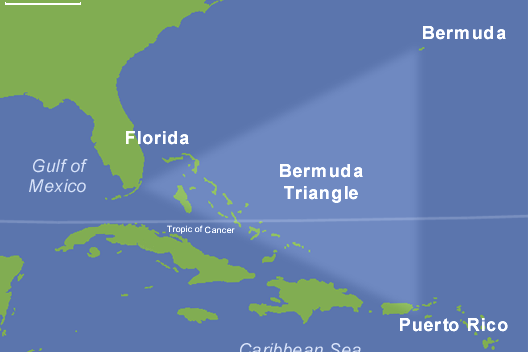
People often begin conversations about dangerous travel spots with the Bermuda Triangle, and it feels like a natural place to start here too. This stretch of ocean between Miami, Bermuda, and Puerto Rico has fascinated travelers for generations. Ships and aircraft have disappeared here over the years, leaving behind stories that range from simple accidents to mysteries people still debate today. Most travelers pass through the region without any trouble at all, especially on commercial flights and cruise ships. Still, the area reminds people how unpredictable the ocean can be when weather, navigation challenges, and busy shipping routes meet in one place.
Many sailors say the real story of the Bermuda Triangle is not about supernatural events but about the sea itself. Sudden storms can rise quickly in this part of the Atlantic, and powerful currents can push vessels far from their course. Some disappearances were later explained by weather or equipment failure, while others were never fully solved. Travelers who sail through the region today usually focus on preparation and experience. Weather tracking, modern navigation systems, and skilled crews have made journeys far safer than in the past. Still, when people look across these waters, they often feel a quiet respect for how vast and unpredictable the ocean remains.
2. The Deadly Beauty Of Mount Everest

Mount Everest is often the first place people mention when the conversation turns to dangerous travel spots. The mountain rises above the Himalayas and pulls climbers from every part of the world. Many people arrive with the same dream of standing on the highest point on Earth. Even reaching base camp can feel like a huge personal victory. The scenery alone is unforgettable. Snow covered peaks stretch across the horizon while cold winds sweep through the valleys. Yet the mountain quickly reminds visitors that beauty and danger often live in the same place. The higher climbers go, the thinner the air becomes and every step begins to feel heavier.
Climbers who move higher must deal with freezing temperatures, powerful winds, and sudden storms. Many people have died on Everest over the years while attempting the summit. Some were caught in avalanches. Others became exhausted in the thin air near the top. The upper section is often called the death zone because the body struggles to survive there for long. Climbers move slowly and depend on guides, oxygen tanks, and careful timing. Experienced mountaineers often say reaching the summit is only half the journey. The real goal is getting down safely. Everest remains breathtaking, but it quietly reminds everyone that the mountain always has the final say.
3. Australia’s Fraser Island Waters
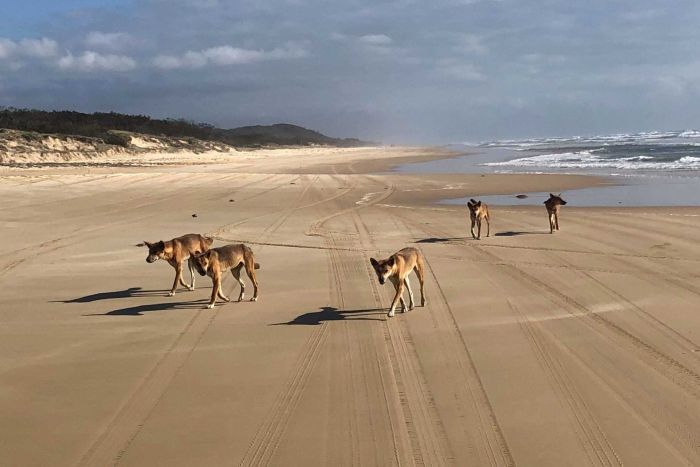
Fraser Island in Australia often looks like a perfect beach escape when travelers first arrive. Long sandy shores stretch along the coastline while clear water shines under the sun. Many visitors explore the island by driving along the beach or camping among the dunes. The peaceful atmosphere makes it feel like the kind of place where nothing could possibly go wrong. From a distance the ocean even looks calm and gentle. This first impression can make people feel very comfortable around the water. However, locals and park rangers usually give new visitors the same advice when they arrive. The ocean here deserves serious respect.
The waters around Fraser Island are known for strong rip currents that can pull swimmers away from shore very quickly. Even confident swimmers can struggle once the current takes hold. Shark sightings also occur in the surrounding ocean, which is why swimming is discouraged in many areas. The island has another challenge on land as well. Fraser Island is home to wild dingoes that roam the beaches and forests. Visitors who try to feed or approach them sometimes face aggressive behavior. Rangers constantly remind tourists to keep their distance. Fraser Island remains stunning and peaceful, but travelers who listen to those warnings usually have the safest trips.
4. Japan’s Aokigahara Forest
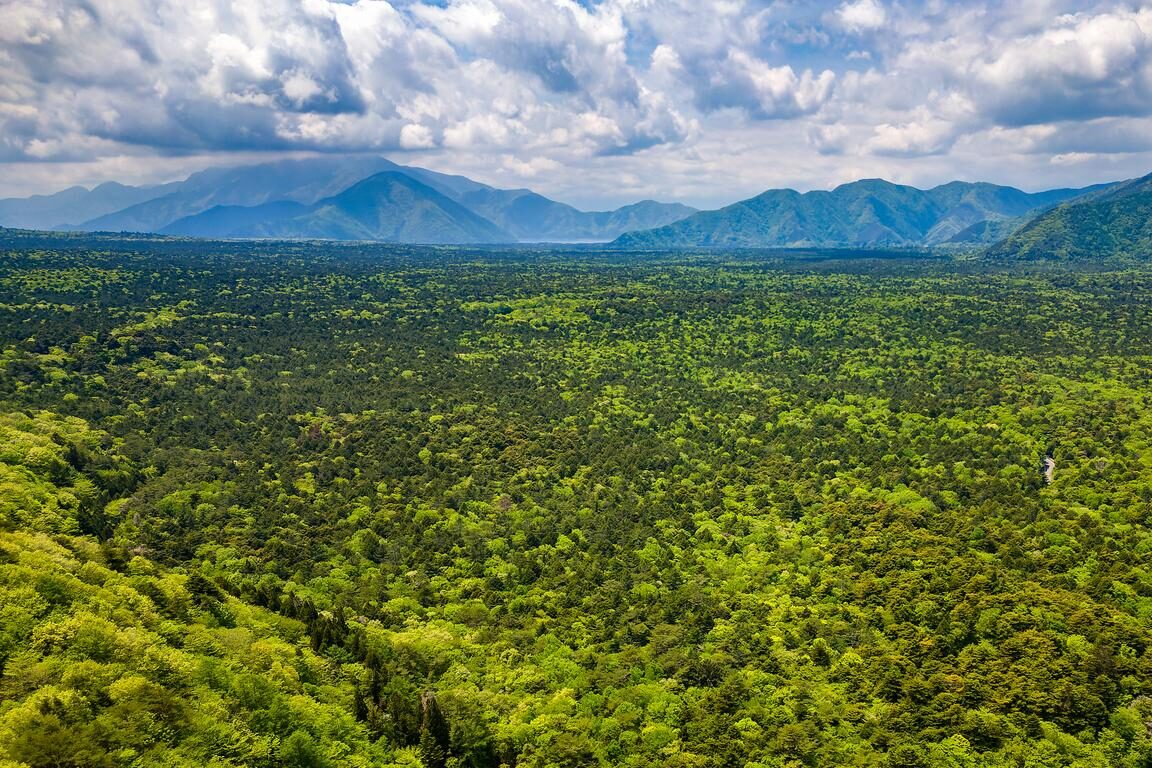
Aokigahara Forest sits quietly at the base of Mount Fuji and often surprises visitors with its unusual atmosphere. The forest looks peaceful from the outside, filled with tall trees and narrow walking paths. Once people step inside, the silence becomes noticeable almost immediately. The thick vegetation blocks wind and absorbs sound, which makes the forest feel strangely calm. Many travelers visit because they want to experience that quiet environment while exploring the natural beauty around Mount Fuji. The ground is covered with moss and volcanic rock, creating a landscape that feels ancient and mysterious. It can be a beautiful place to walk when visitors stay on the main trails.
The forest can become confusing for hikers who leave those marked paths. The trees grow closely together and many areas look very similar in every direction. This makes it easier than expected for someone to lose their sense of direction. Volcanic rock beneath the ground can also interfere with compasses. Over the years some hikers have become lost after wandering too far into the forest. Search teams occasionally have to locate missing visitors. Local authorities encourage travelers to stay on established trails and explore the forest with companions. Aokigahara remains peaceful and beautiful, but it gently reminds visitors how easily unfamiliar nature can disorient people.
5. Death Valley’s Extreme Heat
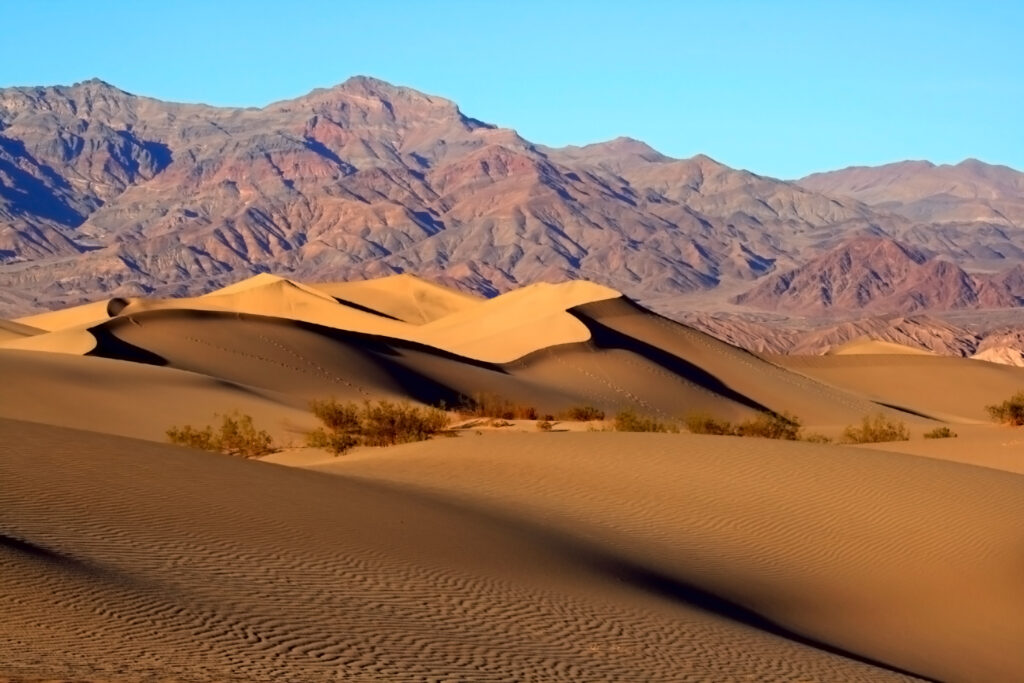
Death Valley in California often surprises travelers the moment they step out of their cars. The landscape stretches across wide salt flats, dry valleys, and sharp mountains that glow under the desert sun. Many people visit because they want to see one of the hottest places on Earth with their own eyes. During cooler months, the valley can feel calm and peaceful. Visitors stop at scenic viewpoints, take photos, and enjoy short walks across the desert floor. The silence and open sky make the area feel almost otherworldly. At first, the environment can appear quiet and harmless, especially early in the morning.
When summer arrives, however, Death Valley becomes one of the most dangerous environments in North America. Temperatures regularly climb above 120 degrees Fahrenheit, and the heat can overwhelm visitors faster than expected. Travelers who attempt long hikes without enough water often face dehydration or heat exhaustion. Cars sometimes break down on remote roads, leaving people stranded far from help. Park rangers constantly remind visitors to carry large amounts of water and avoid walking during the hottest hours of the day. Death Valley remains breathtaking in its quiet beauty, but the desert teaches every traveler a simple lesson about preparation and respect.
6. Brazil’s Snake Island
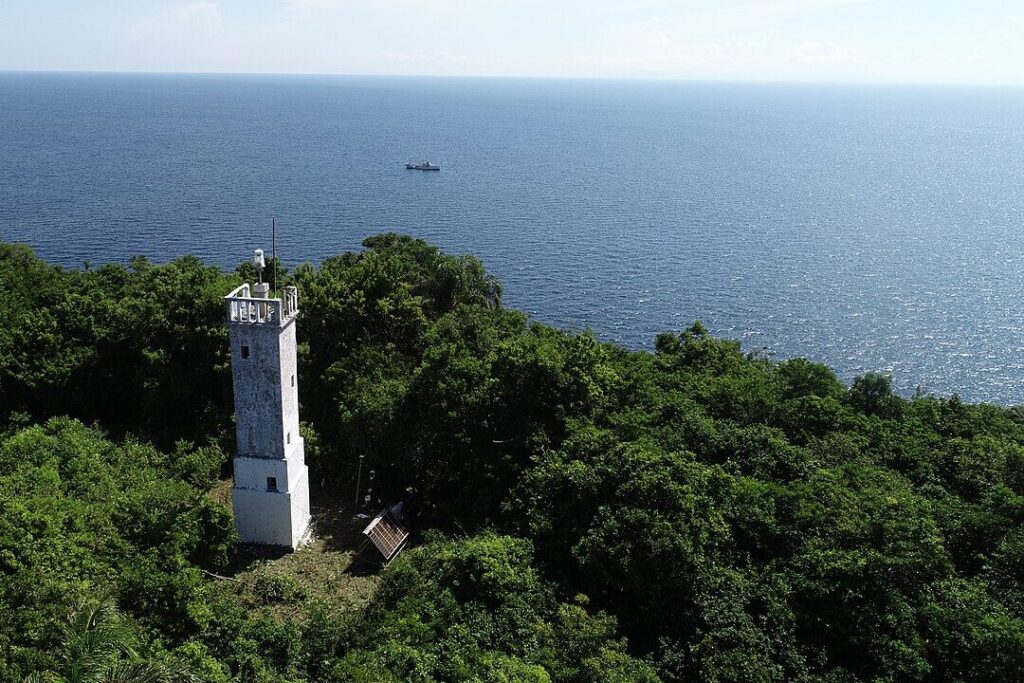
Off the coast of Brazil lies a small island called Ilha da Queimada Grande, often known as Snake Island. From a distance it looks like a peaceful green island rising from the ocean. Dense vegetation covers the hills while rocky cliffs meet the water along the shore. At first glance it might seem like the kind of remote place explorers would love to visit. However, this island has become famous for a very unusual reason. It is home to thousands of golden lancehead vipers, a venomous snake species found almost nowhere else in the world.
Because of the large number of snakes living there, the Brazilian government does not allow tourists to visit the island. Only scientists with special permission are allowed to land there for research. The golden lancehead viper carries a powerful venom, and the density of snakes across the island makes it extremely dangerous for humans. Fishermen passing nearby sometimes report seeing snakes across the vegetation along the slopes. Over time the island developed a reputation as one of the most dangerous places for people to step foot. Today Snake Island remains off limits, standing as a place where wildlife completely dominates the environment.
7. The Amazon Rainforest
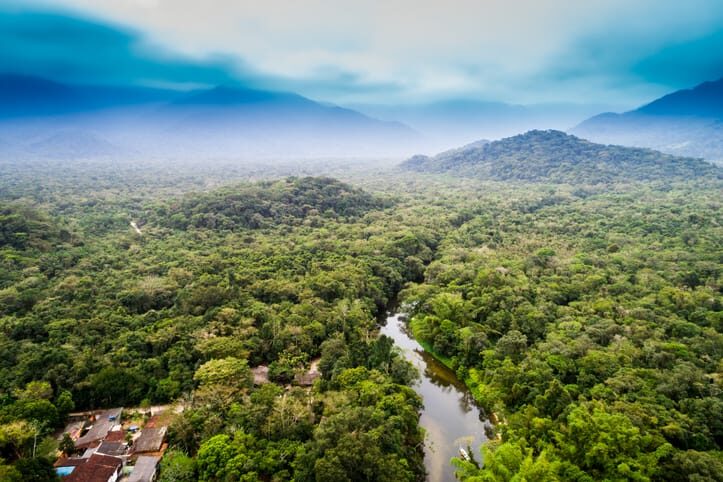
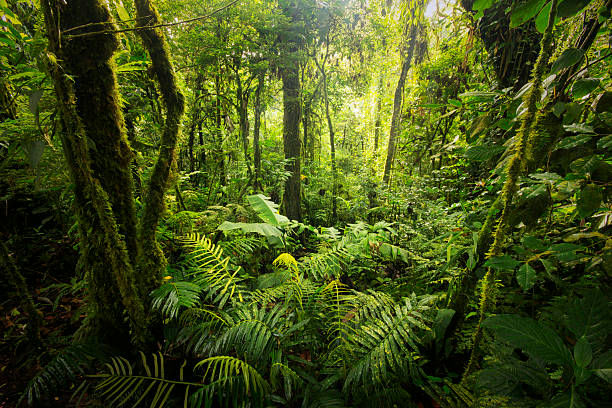
The Amazon rainforest often feels endless once travelers step inside its thick green landscape. Towering trees form a dense canopy above while rivers twist quietly through the jungle. Guided tours bring visitors into this vast ecosystem where they may see colorful birds, monkeys, and other wildlife moving through the branches. Many travelers describe the experience as unforgettable because the forest feels alive in every direction. The sounds of insects, birds, and flowing water fill the air throughout the day. For visitors who enjoy nature, the Amazon can feel like one of the most fascinating places on Earth.
Yet the same environment that makes the Amazon beautiful can also make it dangerous for people unfamiliar with the terrain. The forest is so dense that it becomes easy to lose direction after leaving established trails. Many areas look similar, which can confuse hikers who wander away from guides. Rivers, insects, and wildlife create additional challenges for anyone trying to survive alone in the jungle. Search teams sometimes struggle to locate missing travelers because the vegetation hides tracks and absorbs sound. Experienced guides always remind visitors to stay close to the group, because the forest rewards curiosity but demands caution.
8. Thailand’s Koh Tao Island
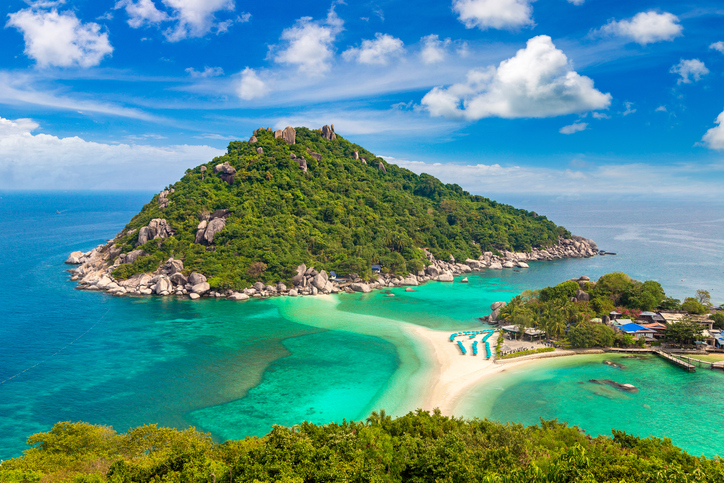
Koh Tao in Thailand has become famous among travelers as one of the best places in the world to learn scuba diving. Visitors arrive from across the globe to explore coral reefs, swim through warm waters, and enjoy the relaxed island atmosphere. Small diving schools line the beaches, and many tourists spend their days training underwater before watching sunsets along the shore. The island has built a friendly reputation where travelers quickly meet others who share the same sense of adventure. For many visitors, Koh Tao becomes a place filled with memorable diving experiences and long evenings by the sea.
Despite its beauty, the island has occasionally drawn attention because of several tourist deaths and disappearances reported over the years. Some incidents were ruled accidents, while others led to speculation in international news coverage. Local authorities maintain that most cases involved swimming accidents, alcohol related situations, or personal conflicts rather than anything mysterious. Today the island continues to welcome thousands of visitors every year, and diving schools follow strict safety practices. Most travelers enjoy a peaceful vacation without any problems. Still, experienced visitors often remain aware of their surroundings, especially late at night or on isolated beaches.
9. Yosemite’s Hidden Falls And Cliffs
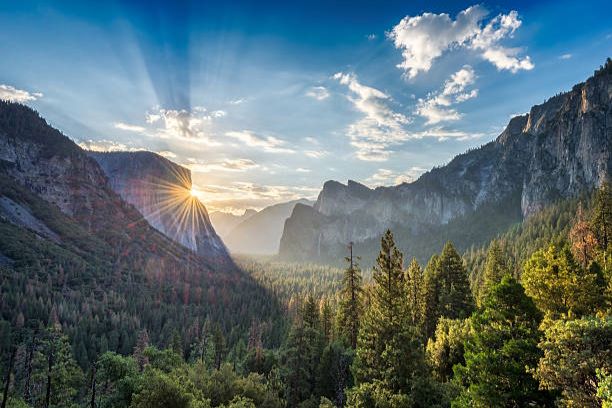
Yosemite National Park is one of those places people visit expecting beauty, and it rarely disappoints. Towering granite cliffs rise above the valley while waterfalls spill down the rock faces in long white streams. Travelers walk along quiet forest trails, stop at scenic viewpoints, and take photographs of landscapes that feel almost unreal. The park welcomes millions of visitors each year who come to experience its famous views. Standing in Yosemite Valley often feels peaceful and inspiring. The sound of water rushing over rocks and the sight of sunlight moving across the cliffs create an atmosphere that draws people deeper into nature.
However, the same dramatic landscape that makes Yosemite breathtaking also creates real risks for visitors. Slippery rocks near waterfalls can cause people to lose their footing, especially when they step beyond marked paths. Steep cliffs surround many parts of the valley, and some tourists have fallen while trying to capture better photographs. Powerful river currents can also pull swimmers downstream faster than expected. Park rangers regularly remind visitors to remain on established trails and respect safety barriers. Yosemite remains one of the most beautiful places in the United States, yet it quietly reminds travelers that natural beauty sometimes comes with serious responsibility.
10. India’s Bhangarh Fort
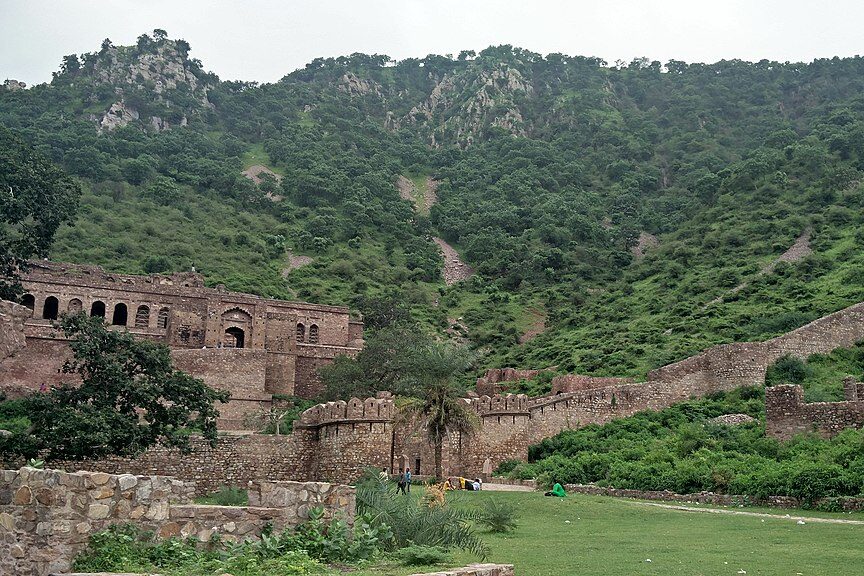
Bhangarh Fort in Rajasthan often attracts travelers who are curious about its long history and unusual reputation. The ruins sit between quiet hills and scattered trees, creating an atmosphere that feels calm during the day. Visitors walk through broken stone walls, old temples, and abandoned buildings that date back several centuries. The surrounding landscape is peaceful, and the views across the countryside give the area a quiet charm. Many travelers come simply to explore the architecture and learn about the region’s past. Walking through the ruins in daylight usually feels like stepping into a forgotten chapter of history.
What makes Bhangarh unusual is the rule that visitors are not allowed to remain inside the ruins after sunset. Authorities placed signs near the entrance that clearly state the site must be vacated before dark. The rule developed partly because of local legends and partly because the area becomes extremely isolated at night. With no lighting and uneven structures, the ruins could easily become dangerous after sunset. Travelers who visit during the day often describe the place as fascinating rather than frightening. Bhangarh Fort stands as a reminder that history, folklore, and safety concerns sometimes blend together in unusual travel destinations.
11. The Sahara Desert

The Sahara Desert stretches across North Africa like an endless ocean of sand and stone. Travelers who visit often describe the experience as both peaceful and overwhelming. Sand dunes rise and fall across the landscape while the sky stretches wide above the horizon. Camel caravans move slowly across the desert, and nights bring clear skies filled with stars. Many visitors join guided tours that allow them to experience the quiet beauty of the desert. Standing among the dunes often feels like stepping into a place where time moves more slowly and the outside world feels far away.
Despite its beauty, the Sahara can quickly become dangerous for anyone who underestimates its size and climate. Temperatures during the day can climb extremely high while nights may become surprisingly cold. Sandstorms sometimes appear with little warning, covering tracks and making navigation difficult. Travelers who wander away from guides can easily lose their sense of direction because the landscape looks similar in many places. Rescue teams have occasionally searched for missing tourists who attempted independent journeys across the desert. The Sahara remains breathtaking, but experienced guides always remind visitors that preparation and guidance are essential when traveling through such a vast environment.
12. Mexico’s Devil’s Cave Cenotes
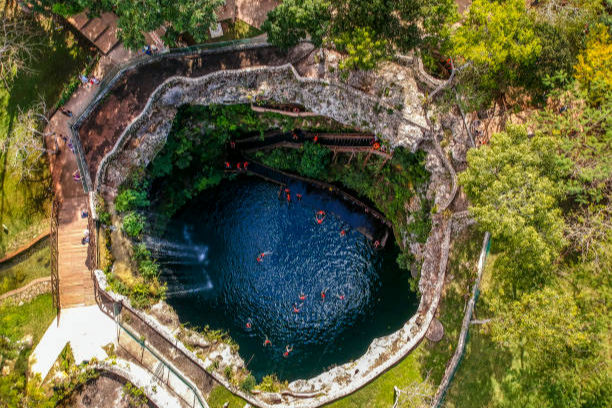
The Yucatán Peninsula in Mexico is famous for its cenotes, natural pools formed when underground caves collapse and reveal clear groundwater. Many travelers visit these locations to swim in the cool blue water and explore the limestone formations around them. Some cenotes are open and bright, allowing sunlight to reach the surface and create beautiful reflections in the water. Visitors often describe the experience as peaceful and refreshing after spending time in the tropical heat. These natural pools have become one of the region’s most popular attractions for travelers exploring the area.
Some cenotes, however, lead into underground cave systems that stretch far beneath the surface. These caves attract experienced divers who want to explore narrow tunnels and underwater chambers hidden inside the rock. For untrained swimmers, entering these caves can become dangerous. Visibility can drop quickly, and the passages can become confusing without proper equipment and experience. Divers who enter these systems without guides sometimes struggle to find their way back to the entrance. Responsible tour operators require special training before allowing anyone to explore the deeper cave sections. The cenotes remain stunning natural wonders, but their hidden depths require knowledge and careful preparation.
13. Alaska’s Vast Wilderness
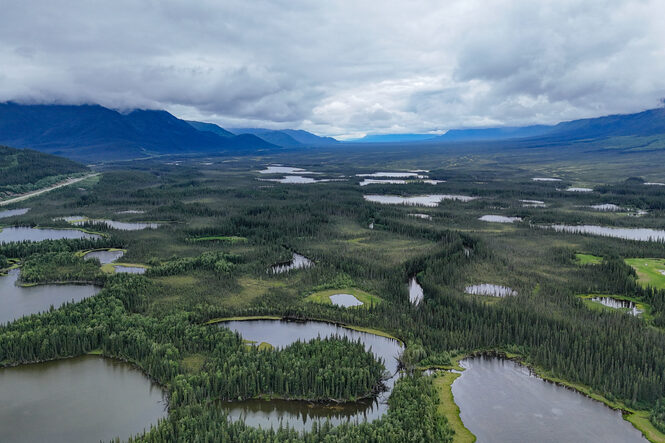
Alaska often attracts travelers who are searching for wild landscapes and untouched nature. The state is known for towering mountains, massive glaciers, and forests that stretch for hundreds of miles. Visitors arrive hoping to see wildlife, hike remote trails, and experience the feeling of standing in true wilderness. Many national parks in Alaska provide guided experiences that allow travelers to explore safely while enjoying the dramatic scenery. The open spaces and quiet landscapes make Alaska feel very different from crowded tourist destinations found elsewhere.
At the same time, Alaska’s wilderness can quickly become overwhelming for people who underestimate the environment. The terrain is vast, and many areas remain far from roads or nearby towns. Weather conditions can change rapidly, turning a calm day into a stormy one within hours. Hikers who travel alone sometimes lose their way in dense forests or mountainous terrain. Wildlife such as bears and moose can also create unexpected encounters for visitors unfamiliar with the region. Search teams occasionally conduct operations to locate missing travelers. Alaska remains a remarkable place to explore, but experienced visitors understand that preparation and awareness are essential in such remote landscapes.
14. South Africa’s Table Mountain
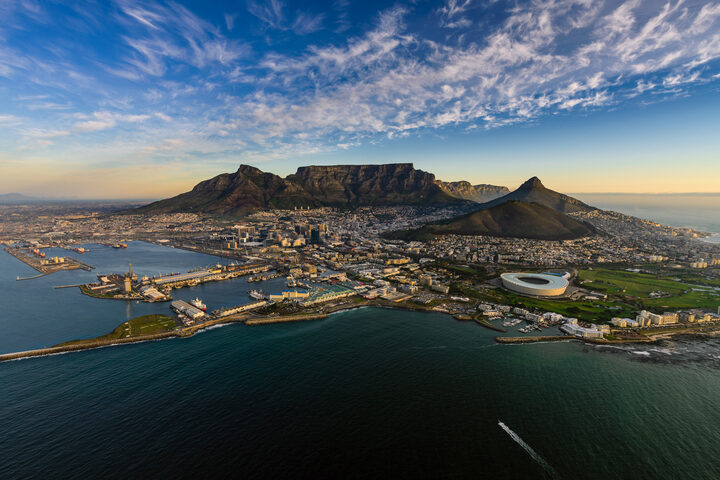
Table Mountain rises above the city of Cape Town and has become one of the most recognizable landmarks in Africa. The flat summit and steep cliffs create a dramatic view that attracts thousands of visitors every year. Travelers can reach the top by hiking one of the mountain trails or by riding a cable car that climbs the rocky slopes. From the summit, the view stretches across Cape Town, the coastline, and the ocean beyond. Many visitors spend hours walking across the top while enjoying the cool air and panoramic scenery.
Despite its popularity, Table Mountain can surprise hikers with rapidly changing weather. Clouds sometimes move across the summit within minutes, reducing visibility across the trails. Visitors who start hikes in clear weather may suddenly find themselves surrounded by thick mist. Some hikers have become lost after wandering away from marked paths during these conditions. The rocky slopes can also become slippery when moisture settles on the stone surfaces. Local rescue teams occasionally assist hikers who lose their way. Table Mountain remains one of South Africa’s most beautiful destinations, yet experienced locals always encourage visitors to check weather conditions before beginning the climb.
15. Indonesia’s Mount Merapi
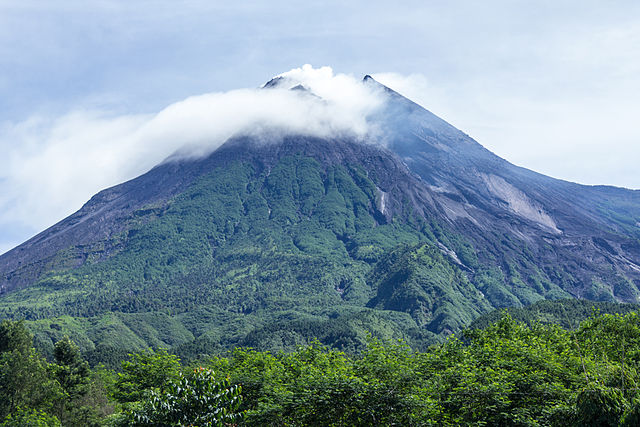
Mount Merapi stands near the Indonesian city of Yogyakarta and remains one of the most active volcanoes in the world. The volcano rises above nearby villages, creating a dramatic landscape shaped by past eruptions. Travelers often visit the region to see the powerful natural forces that continue to shape the land. Guided tours sometimes take visitors to viewpoints where they can observe volcanic terrain and learn about the history of eruptions in the area. The surrounding countryside also offers beautiful views of forests, farms, and nearby mountains.
Although Merapi attracts curious travelers, the volcano remains active and closely monitored by scientists. Eruptions have occurred many times over the years, sometimes sending ash and hot gases across nearby areas. Authorities occasionally restrict access to certain parts of the mountain when activity increases. The volcanic slopes can also become unstable, especially after heavy rainfall or recent eruptions. Visitors exploring the region usually rely on local guides who understand the safest routes. Mount Merapi offers a fascinating look at the power of the Earth, but travelers quickly learn that active volcanoes require constant caution and respect.
16. Scotland’s Loch Ness Waters
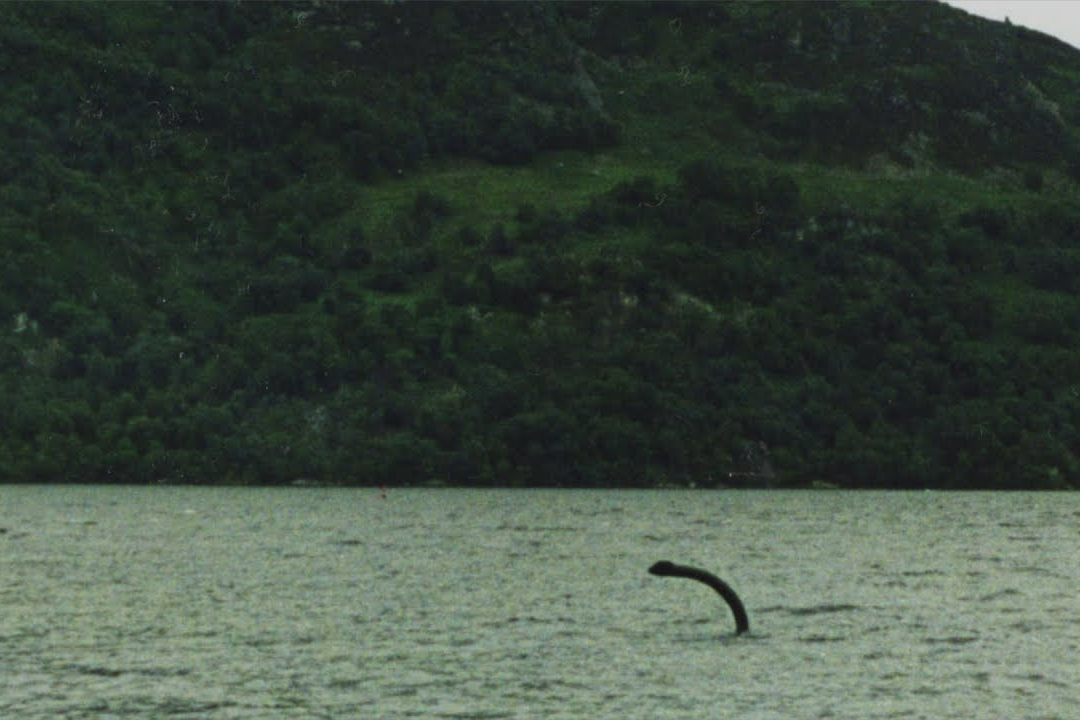
Loch Ness in Scotland has become famous around the world because of the legendary creature that people claim lives beneath its dark waters. Tourists travel from many countries hoping to catch a glimpse of something unusual in the lake. Boats move slowly across the surface while visitors scan the water and take photographs of the surrounding hills. The lake itself stretches for many miles through the Scottish Highlands, creating a calm and beautiful landscape that feels peaceful to explore.
While the legend attracts attention, the real danger in Loch Ness comes from the water itself. The lake is extremely deep and remains very cold throughout the year. Even strong swimmers can struggle if they enter the water unexpectedly. The dark color of the lake also reduces visibility, making it difficult to see beneath the surface. Boaters sometimes face rough conditions when winds move across the water. Although most visits pass without problems, a few accidents have occurred over the years. Loch Ness remains one of Scotland’s most famous destinations, but the environment quietly reminds visitors that cold deep water deserves careful respect.
17. China’s Huashan Plank Walk
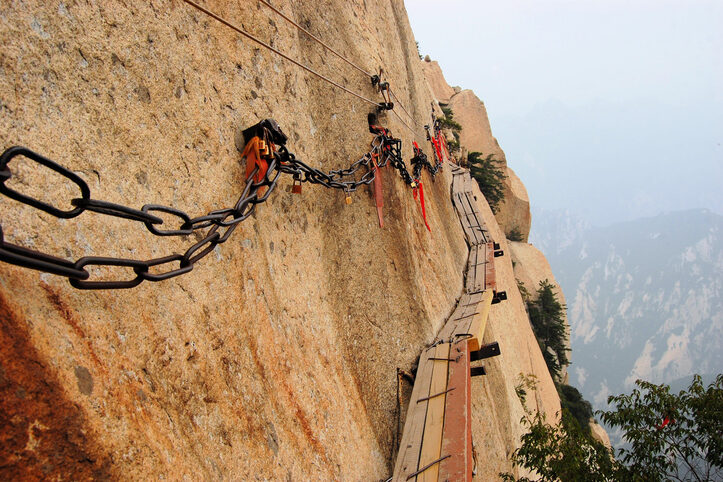
Mount Huashan in China attracts travelers who are looking for one of the most thrilling hiking experiences in the world. The mountain itself is already known for its steep peaks and dramatic scenery. However, one particular route has made the location famous among adventurous visitors. The Huashan Plank Walk is a narrow wooden path attached to the side of a high cliff. Travelers carefully move along the boards while holding chains fixed into the rock face. The view below stretches thousands of feet down the mountain slope.
The walk is now managed with safety harnesses that visitors must wear while crossing the path. Even with this equipment, the experience can feel intense for many people. Strong winds sometimes move across the mountain, adding to the challenge of walking along the narrow boards. In earlier years, before modern safety rules were introduced, accidents occasionally occurred along the route. Today trained staff monitor visitors and ensure safety procedures are followed. The Huashan Plank Walk remains one of the most unusual hiking routes in the world. For many travelers, completing the path becomes a memorable moment that mixes excitement with careful concentration.
18. Hawaii’s Kilauea Volcano
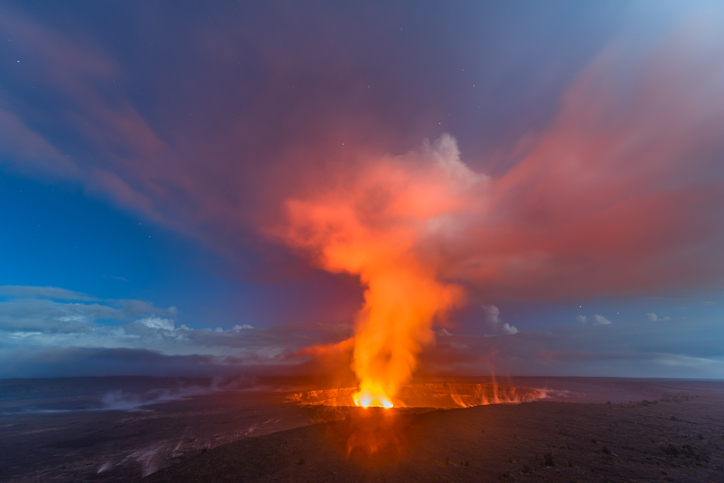
Kilauea Volcano on Hawaii’s Big Island has fascinated travelers for many years. The volcano continues to shape the landscape as lava flows slowly across the ground during periods of activity. Visitors come to Hawaii Volcanoes National Park to witness one of the most powerful natural processes on Earth. Seeing glowing lava at night can feel unforgettable, and many travelers describe the experience as both beautiful and humbling. The surrounding park also offers walking trails and viewpoints where visitors can observe volcanic craters and rugged terrain.
Despite the incredible scenery, the volcanic environment can be unpredictable. Lava flows sometimes change direction, and the ground near active areas can become unstable. Toxic gases may also rise from cracks in the earth when volcanic activity increases. Park rangers carefully monitor the volcano and close certain areas when conditions become unsafe. Visitors are encouraged to follow marked trails and remain within designated viewing zones. Most travelers explore the park safely by respecting these guidelines. Kilauea continues to draw curious visitors from around the world, but it also reminds everyone that nature’s most powerful forces must always be approached with caution.
19. The Cliffs Of Moher
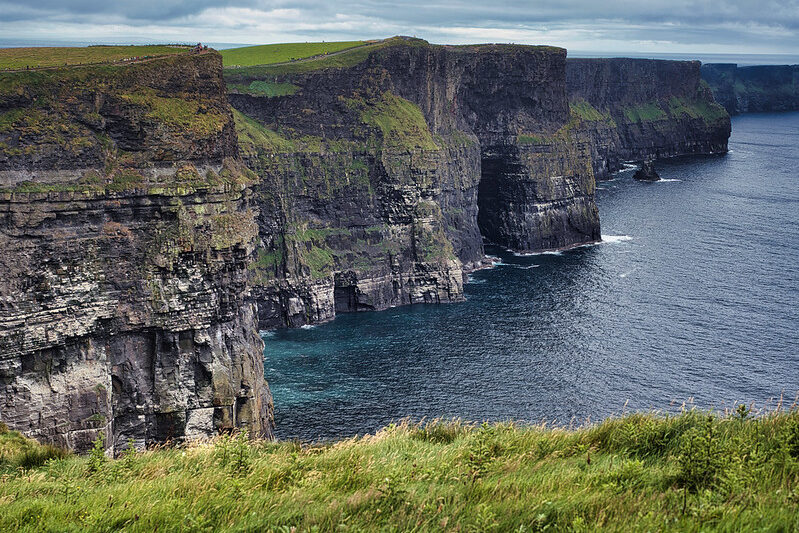
The Cliffs of Moher along Ireland’s western coast often appear on travel lists for their breathtaking ocean views. Rising high above the Atlantic, the cliffs stretch for miles and offer one of the most dramatic landscapes in the country. Visitors walk along the paths, stop at viewing platforms, and watch waves crash far below the rocky edge. On clear days, the horizon seems endless while seabirds glide through the wind along the cliff face. It is the kind of place where people pause quietly for a moment, simply taking in the power and beauty of the coastline.
Despite the peaceful scenery, the cliffs can become dangerous when visitors move too close to the edge. Strong coastal winds sweep across the area and sometimes push harder than people expect. Certain sections of the cliffs also contain loose ground that can crumble under pressure. Tourists occasionally step beyond safe viewing areas while trying to capture photographs of the ocean below. Most visits pass without any problems, but accidents have occurred over the years. The Cliffs of Moher remain one of Ireland’s most unforgettable landscapes, quietly reminding travelers that natural beauty is often best enjoyed with patience, awareness, and respect.


