
1. Gary Coleman
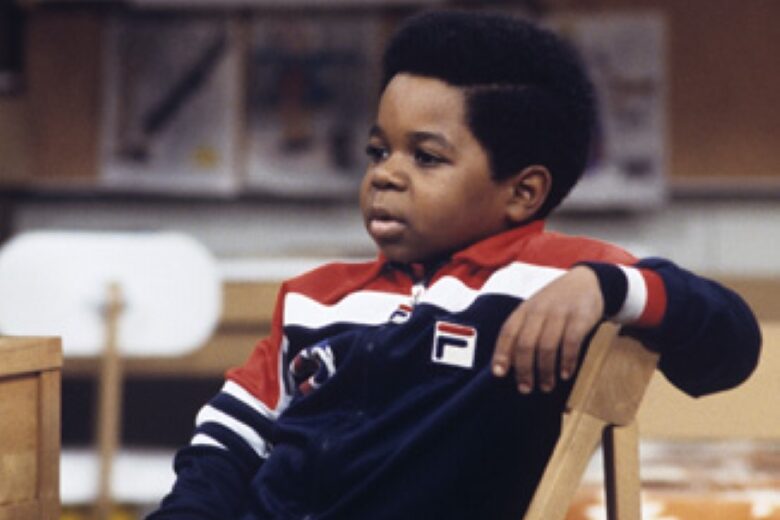
Gary Coleman’s role as Arnold Jackson on Diff’rent Strokes made him one of television’s most recognizable faces in the late 1970s and 1980s. While earning tens of thousands per episode and becoming a pop‑culture fixture with his catchphrase “What’chu talkin’ ’bout, Willis?”, what happened off‑camera was far less rosy. Behind the scenes, legal and financial missteps by those managing his earnings left him in a difficult spot as he transitioned into adulthood. His adoptive parents were reportedly paid hundreds of thousands of dollars to manage his trust, but years later, Coleman discovered his funds were nearly depleted, in part due to mismanagement and disputes over how that money was spent.
As a result, Coleman faced financial hardship and ultimately filed for bankruptcy in 1999. Despite still appearing in sporadic roles and public events, he later worked jobs far removed from his television fame, such as security work, underscoring how dramatically a child actor’s finances can shift when no sustainable structure is in place. Even so, Coleman remained a beloved cultural figure, and his legacy opened up conversations about how to better support young actors’ financial futures so they can thrive beyond their breakout roles.
2. Honey Boo Boo (Alana Thompson)

Alana “Honey Boo Boo” Thompson became a television name before most kids pick out their own shoes, first appearing on Toddlers & Tiaras and later headlining Here Comes Honey Boo Boo. What many fans might assume that she was set up for life financially has turned out to be far more complicated. In a candid interview, the now‑19‑year‑old said she has never seen any of the money she earned from those shows, admitting, “I have never, ever received the Here Comes Honey Boo Boo money. I don’t know what happened to it.” Though child stars are supposed to have their earnings protected in a Coogan account, a trust set up by law to safeguard a portion of what a minor makes, Alana says only a small amount ever remained in hers, and that her mother withdrew much of the funds over the years for living expenses or bills.
The drama around her earnings has been dramatized on Mama June: Family Crisis, where Alana confronted her mother, June “Mama June” Shannon, about missing money and claims of a stolen $35,000 from her Dancing with the Stars paycheck. While some of that sum has reportedly been returned, Alana says the lack of transparency and apology has left a lingering emotional wound as much as a financial one. Today, she’s focusing on her future, including pursuing higher education and actively working to ensure her remaining funds are managed more protectively, with a new Coogan account set up under her sister’s supervision. Her story highlights how reality‑TV fame at a young age doesn’t automatically result in security without careful oversight.
3. Jackie Coogan

Jackie Coogan is one of those names that flickers in old‑Hollywood history like both a cautionary tale and a turning point in entertainment law. Born in 1914, he became a beloved child actor through The Kid and a string of silent films, earning an astonishing amount for his time, around $3 million to $4 million by the time he was in his teens, which would equate to dozens of millions today. He was so financially successful that Guinness World Records later noted him as one of the youngest millionaires ever in film. Yet fame and earnings didn’t guarantee stability. When Coogan turned 21, he learned the vast majority of his fortune had been spent by his mother and stepfather on luxuries, from fancy cars to costly jewelry. What remained was far less than expected, and after legal battles, he walked away with a small fraction of what he once had, due in part to high litigation costs and few protections for child actors at that time.
The impact of Coogan’s situation stretched beyond his own pocket, rippling into Hollywood’s legal framework. His lawsuit and its outcome spurred the creation of the California Child Actors’ Bill, often called the Coogan Act, a law designed to protect future young performers by requiring a portion of earnings be set aside in trust until adulthood. That legacy lives on today as a reminder that early success can sometimes come with invisible risks. Coogan continued acting later in life, including a memorable role as Uncle Fester on The Addams Family, but the memory of how his childhood earnings vanished stayed with him and shaped protections for child actors long after.
4. Jodie Sweetin

Jodie Sweetin became famous across living rooms nationwide as Stephanie Tanner on Full House, a sitcom that brought laughter and nostalgia to millions over its eight‑season run. As a result, she earned a comfortable income and had residuals that continued for years after the show wrapped. But once the spotlight dimmed and adulthood arrived, Sweetin faced challenges that hit far deeper than a paycheck. In her memoir and interviews, she has described how, during her late teens and early twenties, she struggled with addiction at the peak of her difficult period, spending as much as $10,000 per week on substance use at the worst of it.
Those personal battles drained her savings and led to a bankruptcy filing in the 1990s that listed significant debts, leaving her to rebuild both financially and personally. Sweetin has since turned that chapter of her life into something purposeful, focusing on sobriety, family, and helping others who find themselves in similar struggles. Her journey from a bright‑eyed sitcom star to an adult grappling with real‑world pressures is a reminder that money earned in youth is not immune to the choices and hardships that come later in life.
5. Willie Aames
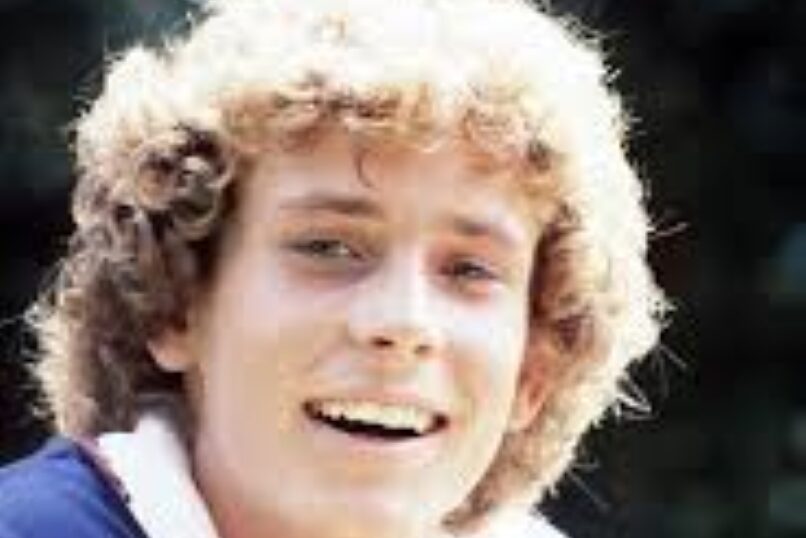
In the 1970s, Willie Aames was one of television’s most familiar young faces, starring as Tommy Bradford on Eight Is Enough and earning about $1 million a year during the show’s height. Fans knew him for his charm, but what followed behind the scenes was a much tougher narrative. Aames struggled with substance abuse that eroded both his finances and his sense of direction after his child‑star success began to fade.
As addiction took hold, financial decisions went awry, leading to tax debts and financial strain that eventually forced his home into foreclosure. During his lowest points, he candidly shared that he once had only a handful of dollars, sleeping in cars or under bushes as he tried to piece his life back together. Through grit and resilience, Aames eventually pivoted into construction work and later returned to the industry in roles that drew on his life experience, ultimately helping others facing similar battles. His story isn’t about tragedy so much as tenacity and how finding one’s footing again can be the greatest transformation of all.
6. Leif Garrett
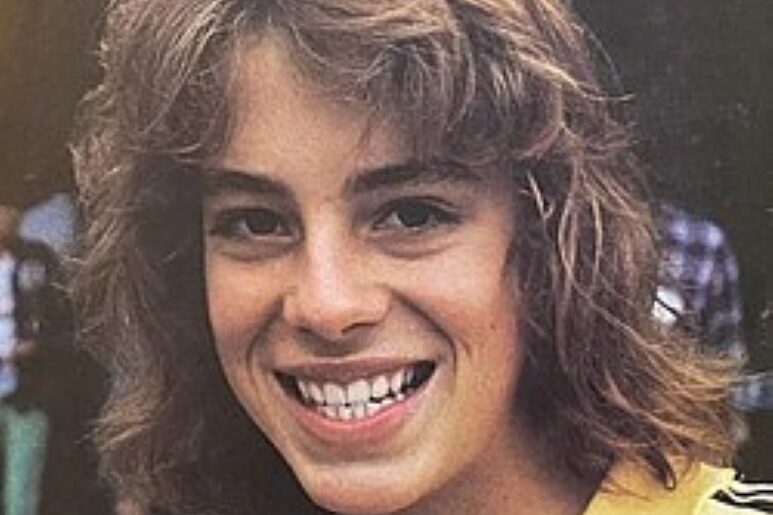
In the late 1970s, Leif Garrett was the quintessential teen idol: blonde hair, pop songs on the charts, movie roles and magazine covers. Yet as the spotlight faded, Garrett struggled to maintain both his career and his finances. While exact numbers vary, his early success brought in significant earnings that, like many young stars, were not always safeguarded in ways that protected his long‑term future.
Life after fame brought personal challenges, including battles with substance use that further complicated Garrett’s financial stability. By the early 2000s, he had filed for bankruptcy, a stark contrast to the wealth most fans imagined he’d achieved at his peak. Garrett’s path shows how quickly fortunes can shift when the pressures of early fame collide with adult realities, and how important it is for young performers to have trusted, grounded guidance as they grow up both in and out of the public eye.
7. Jena Malone

Jena Malone burst onto screens in her early teens with memorable turns in films like Contact and Stepmom, roles that hinted at a long, successful career ahead. But what many might not know is that she also faced a serious personal and financial crossroads in her youth. Malone alleged her mother withdrew large sums from her earnings under the guise of loans, a revelation that led her to seek legal emancipation at just 15 so she could manage her own money and career decisions.
Winning that case transformed Malone’s trajectory, giving her financial control and agency over her life at an age when most teens are just learning to drive. She later appeared in major films such as The Hunger Games series, proving that taking charge of her finances didn’t just preserve her earnings, it preserved her confidence and creative independence. Malone’s story demonstrates that sometimes the most important role a young performer can play is defending their own future.
8. Aaron Carter

Aaron Carter’s music career skyrocketed before he turned 18, racking up millions in record sales, tours, and television appearances that made him one of the most successful young pop stars of his era. Estimates put his early earnings at around $200 million, an astonishing figure that would seem to promise lifelong security. But Carter later disclosed that much of that income was either spent or tied up in complex financial obligations, leaving him with only a small portion of what he once had while carrying millions in tax debt.
In 2013, he filed for bankruptcy, citing the massive disparities between what he earned and what was left. His candid reflections about feeling misled by contracts early in his career sparked important conversations about how young entertainers are educated (or not) about finance and contracts. Carter passed away on Nov 25, 2022. His story is a vivid example of how wealth at a young age doesn’t automatically translate into stability, and how empowering performers with knowledge can be just as important as the paycheck itself.
9. Amanda Bynes

Amanda Bynes lit up screens with her sketch comedy shows like All That and her own spin-off, The Amanda Show, becoming a household name before most teens had their driver’s license. At the height of her career, she earned hundreds of thousands per project, building what seemed like a secure fortune for her age. Yet, as Bynes has shared in interviews, the reality behind the fame was starkly different: much of her money was inaccessible or mismanaged, leaving her with limited financial control as she entered adulthood. Legal conservatorships and personal struggles complicated her finances even further, creating a gap between the success audiences saw and the earnings she actually controlled.
Despite the setbacks, Bynes’ story isn’t just about loss; it’s about reinvention. She later enrolled in fashion school and began a slow, deliberate path toward independence and recovery. Her journey illustrates how young performers, even when earning huge sums, are vulnerable if proper oversight and personal guidance aren’t in place. Fans often see glamour, but Bynes’ candid reflections reveal a deeper truth: money earned as a child can vanish if not carefully managed, and regaining stability requires both legal action and personal growth. She reminds us that fame doesn’t guarantee freedom, and that resilience can be as valuable as a paycheck.
10. Ryder Strong

Ryder Strong became an iconic teen actor as Shawn Hunter on Boy Meets World, starring alongside Cory Matthews in a show that became a defining part of 1990s television. While Strong earned a significant income from the series, much of it went toward taxes, agents’ fees, and daily expenses, leaving him without a massive nest egg when the show ended. In interviews, he’s described the financial lessons he learned the hard way, acknowledging that early fame doesn’t always translate into lifelong financial security.
Strong chose to invest in himself differently, exploring directing, teaching acting, and pursuing projects that allowed him to build a sustainable career without chasing the spotlight. His story is a reminder that financial stability isn’t always about how much you earn but how you manage it and pivot when your early career slows. By focusing on craft and education, Strong created a steady, rewarding professional life, proving that not all success is measured in dollars. The lessons he shares resonate with young performers and fans alike: fame can fade, but knowledge, creativity, and foresight can endure.
11. Nicholle Tom

Nicholle Tom captured audiences’ hearts as Ryce in The Nanny and voice roles in animated projects, establishing herself as a successful child actor. Her early career brought recognition and financial rewards, but like many young performers, her wealth wasn’t automatically safeguarded for long-term stability. As she matured, Tom chose to step back from acting to prioritize family and personal growth, a decision that meant turning away from potential earnings she could have otherwise accumulated.
Tom has shared that navigating her finances taught her the value of perspective: income alone doesn’t guarantee security or fulfillment. Her story highlights how life choices, priorities, and timing are as important as the dollars earned in youth. By focusing on what mattered most, personal happiness, meaningful work, and a balanced life Tom illustrates that stability comes from intentional living, not just early fame. Fans who followed her career can appreciate the quiet strength it takes to trade a fast-paced, high-income lifestyle for a grounded, purposeful path.
12. Keshia Knight Pulliam

Keshia Knight Pulliam became a television darling as Rudy Huxtable on The Cosby Show, one of the 1980s’ most beloved family sitcoms. She earned substantial income during the show’s run and received residuals for years afterward, but Pulliam made careful financial decisions that helped her avoid the financial pitfalls many of her peers faced. While she may not have amassed a celebrity-level fortune, her approach to budgeting, savings, and responsible living meant she could transition into adulthood with stability intact.
Pulliam’s story serves as a contrast to more dramatic tales of child-star financial loss. Rather than focusing on rapid wealth accumulation, she prioritized long-term security and a balanced life. Pulliam continued to work in television, film, and theater while emphasizing family and personal growth, demonstrating that financial literacy and prudent decision-making can protect young actors from the volatility of fame. Her path reminds audiences that careful planning can preserve not only money but also peace of mind.
13. Danielle Fishel

Danielle Fishel’s career as Topanga on Boy Meets World made her a defining face of 1990s teen sitcoms. While she earned a solid income from her role and residuals over the years, Fishel later admitted that much of it was used for normal living expenses, leaving a modest personal reserve. She pursued higher education, worked in entertainment journalism, and eventually returned for the Girl Meets World revival, showing how child stars often need to balance past fame with adult choices and responsibilities.
Fishel’s story emphasizes the importance of reinvention. By investing in education and building new skills, she created a career beyond nostalgia. Her financial journey wasn’t about losing millions but understanding that wealth earned young doesn’t always translate to automatic security. Instead, Fishel focused on long-term sustainability and professional fulfillment, proving that deliberate choices and personal growth often outweigh early financial success.
14. Mandy Moore

Mandy Moore rose to fame in her teens as a pop singer, recording hit albums and touring extensively. Despite early success, Moore has acknowledged that much of her earnings went to industry costs, management fees, record production, and promotion, leaving her with far less than the headline numbers suggest. The experience taught her valuable lessons about contracts and financial planning, which she applied later when transitioning into acting, a move that allowed her to create a more stable, sustainable income.
Moore’s story is a testament to adaptability. While her early earnings didn’t guarantee a secure future, her willingness to pivot and develop new skills helped her establish a flourishing acting career. From film and television roles to voice acting in animated features, Moore transformed potential financial setbacks into a broader, more resilient career. She illustrates that learning from early experiences, rather than being defined by them, can lead to enduring professional and personal fulfillment.
15. Christina Aguilera

Christina Aguilera exploded onto the music scene as a teen with Genie in a Bottle, earning millions in record sales, tours, and endorsements. Yet, she later revealed that record label expenses, recoupable costs, and contract structures meant her personal take-home income was significantly less than what fans imagined. Navigating those financial realities as a teenager proved challenging and educational, forcing her to learn the business side of music quickly.
Aguilera’s journey underscores a lesson that resonates with young performers everywhere: early fame doesn’t automatically equal financial security. Her resilience in learning the intricacies of her industry allowed her to regain control and establish a long-term, sustainable career in music and television. Beyond the dollars, she gained knowledge and experience that continue to shape her choices today, proving that personal growth often outweighs early financial gains.
16. Tara Strong

Tara Strong began working in voice acting as a child, becoming the voice behind many beloved animated characters. While her career provided consistent work and income, Strong has shared that voice actors face unique financial challenges, including irregular pay, fluctuating residuals, and industry expenses that can impact long-term savings. Her approach has been meticulous budgeting and careful planning, allowing her to maintain stability and avoid the pitfalls that other child performers often encounter.
Strong’s story isn’t about dramatic loss but about foresight. She illustrates that longevity in the industry depends as much on financial literacy and planning as on talent. By prioritizing security and wise investments, she built a sustainable career that spans decades. Strong proves that with knowledge, patience, and strategy, child performers can navigate fame without sacrificing their financial future. Her path is a quiet but powerful reminder that thoughtful management can preserve both earnings and peace of mind.
17. Lindsay Lohan

Lindsay Lohan became a Hollywood fixture as a child actress, appearing in The Parent Trap at just 11 and quickly ascending to teen stardom with hits like Freaky Friday and Mean Girls. Those films brought in millions and made her one of the most talked-about young performers of the 2000s. Yet the wealth she earned was accompanied by high expectations, legal troubles, and public scrutiny. Much of her early fortune was spent on lifestyle expenses, legal fees, and career missteps, leaving her finances in a precarious position by her early twenties.
Despite setbacks, Lohan has worked to rebuild both her career and public image, taking on acting projects, business ventures, and personal growth efforts. Her story is a powerful reminder of how early success can be both a blessing and a challenge, and that navigating fame requires careful planning, support, and sometimes a long road to recovery. While the headlines often focus on her struggles, her ongoing efforts to stabilize her life and career show that reinvention is possible even after financial and personal turbulence. We are not counting her out quite yet.
18. Macaulay Culkin

Macaulay Culkin is synonymous with childhood movie magic, particularly for his breakout role in Home Alone, which earned him a fortune at an age when most kids are focused on school and play. However, by the time he reached adulthood, disputes with his parents and questionable financial management left him with significantly less than the millions fans assumed he had. Culkin famously sued his parents over mismanagement of his earnings, highlighting the legal and emotional challenges young actors face when trusted adults mishandle their money.
Culkin’s later years have been marked by a more deliberate pace, focusing on artistic projects, music, and personal interests rather than chasing fame or fortune. While his early earnings dwindled due to legal battles and family conflicts, he has crafted a fulfilling adult life that prioritizes autonomy and creative expression. His experience underscores a key lesson for child stars: early fortune is only as valuable as the safeguards and guidance surrounding it. Culkin demonstrates that, even when money is lost, purpose and passion can still flourish.
19. Haley Joel Osment

Haley Joel Osment captured hearts in The Sixth Sense with a performance that earned him an Academy Award nomination before he was even a teenager. With such acclaim came significant earnings, but the transition to adult roles, combined with management challenges, meant he did not retain a long-term financial security comparable to his early income. Osment has discussed how the demands of Hollywood, combined with limited guidance on handling wealth as a minor, created unexpected pressures that affected both his career trajectory and personal finances.
Today, Osment balances acting, theater, and voice work with a more grounded perspective on life and finances. While he may not have maintained the multi-million-dollar fortune of his childhood peak, he has built a sustainable career and personal fulfillment outside the glare of constant fame. His story, like the others on this list, highlights a recurring truth: wealth and fame earned in youth are fragile without proper support, guidance, and planning. Osment’s journey encourages both audiences and young performers to prioritize knowledge, independence, and personal growth alongside early success.


