
1. Chimpanzees And Stick Fishing

It usually begins with chimpanzees, not because they are the only ones doing something remarkable, but because watching them feels strangely familiar in a quiet, almost grounding way. In the forest, they pick up thin sticks and slide them gently into termite mounds, waiting a moment before pulling them out covered in insects. The process is calm and steady, almost like they understand the timing of it all without needing to rush. Younger chimpanzees often sit nearby, watching closely, trying again and again until they get it right, slowly building confidence through repetition and patience.
Over time, this becomes part of their everyday life, something they carry with them as they grow and move within their groups. They are not guessing each time, they are repeating something that works and refining it with practice. What stands out is how this behavior is passed down without noise or formal instruction, just through watching and doing. It settles into you that this is not random. It is knowledge moving quietly from one generation to the next, shaping survival in a way that feels simple, steady, and deeply familiar.
2. Sea Otters And Rock Cracking

There is something calming about a sea otter floating on its back, drifting gently with the water while going about its routine in a way that feels almost effortless. Then you notice the small but important detail resting on its chest, a rock used to crack open shellfish with repeated, steady taps. The motion is controlled, not rushed, and it feels practiced, like something it has done countless times before without needing to think too hard about it. Some otters even keep a favorite rock tucked away, returning to it again and again.
That small habit makes the behavior feel more personal, almost like carrying a trusted tool that fits just right. It is not about trying something new each time, it is about relying on what already works and sticking with it. Watching them, you see a quiet routine unfold, something dependable they return to daily without stress or urgency. It reminds you that intelligence does not always need complexity. Sometimes it shows up in simple habits that make life easier, repeated gently over time.
3. Crows Crafting Hooks

Crows are easy to overlook until they do something that makes you pause and look again with a bit more attention than before. At first glance, they seem like any other bird, but then you see one carefully shaping a twig into a hook. It is not random or accidental. The crow adjusts the twig with purpose, creating a tool it can use to pull insects from tight spaces that its beak cannot reach. That small act feels significant because it shows more than just use. It shows change and intention.
There is a quiet kind of thinking behind it, like solving a problem step by step without needing to rush or make a scene. It does not feel showy or exaggerated. It feels steady and real in a way that stays with you. Watching a crow do this changes how you see it. It is no longer just reacting to its environment. It is shaping it in a small but meaningful way that makes survival easier without drawing attention to itself.
4. Dolphins Using Sea Sponges
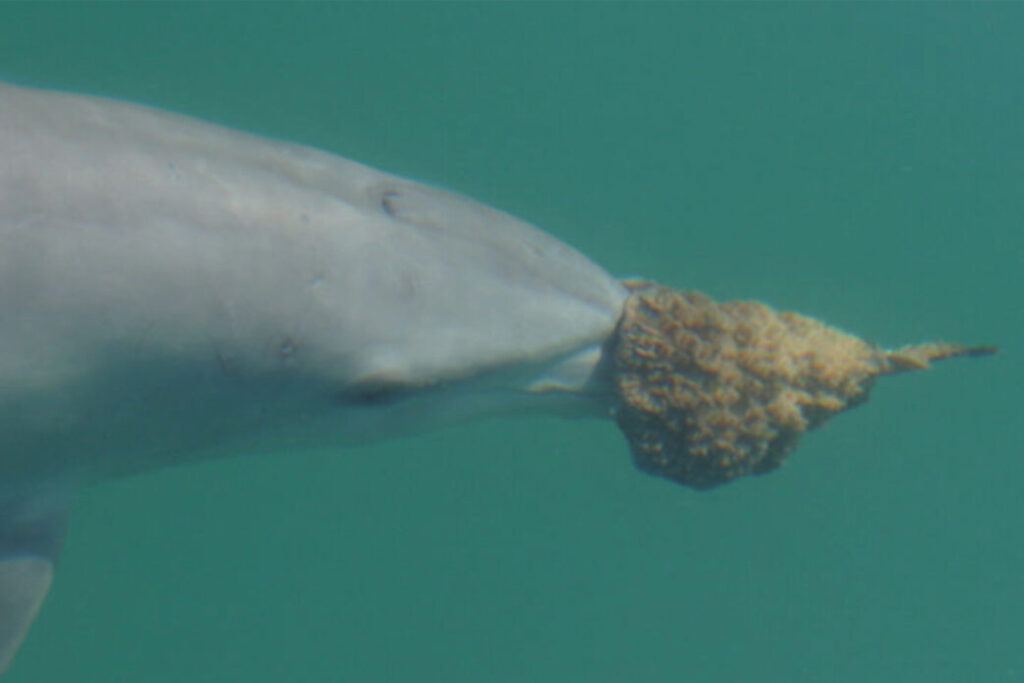
Dolphins are often seen moving quickly through the water, playful and energetic, but this behavior feels slower and more deliberate in a way that stands out. In certain areas, dolphins place sea sponges over their snouts before searching along the seabed for food hidden beneath sand and rough surfaces. The sponge protects them as they dig, allowing them to explore places that might otherwise cause injury. It is a simple idea, but it changes how they interact with their environment in a careful way.
What makes it more interesting is how this behavior is learned and shared within certain groups. It is often passed from mother to calf, meaning not all dolphins do this. That detail makes it feel more personal and rooted in experience rather than instinct alone. Watching it, you get the sense that this is more than survival. It is guidance, quietly shared over time, shaping how they move, feed, and live within their surroundings.
5. Elephants Using Branches

Elephants move with a calm presence that makes their actions feel intentional, even when they are simple and easy to overlook at first glance. When they pick up branches to swat flies or scratch themselves, it looks ordinary, like something done without much thought. But then you notice how they sometimes adjust the branch, removing leaves or shaping it slightly so it works better for what they need in that moment. That small detail gives the action more meaning.
It shows awareness, not just of the tool, but of how to improve it in a way that makes it more effective. There is no rush in how they do it, no sign of frustration or urgency. It feels practical and grounded, like solving a small problem as it comes. Watching them, you begin to notice how even simple actions can carry a quiet sense of thoughtfulness that does not need attention to be understood.
6. Octopuses Carrying Coconut Shells
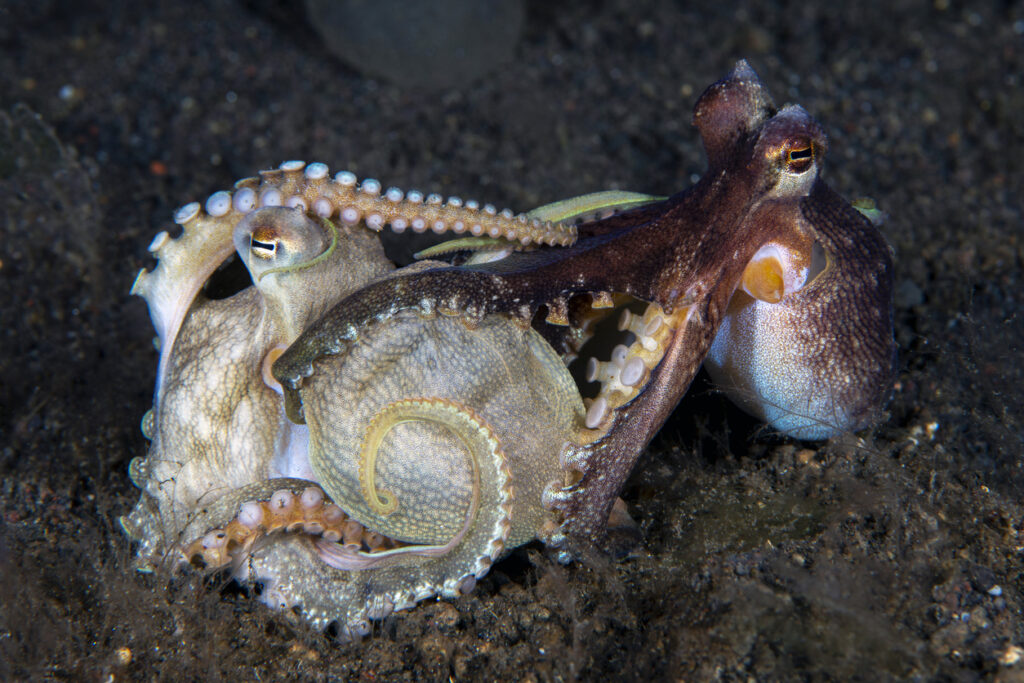
Octopuses already seem different from most animals, so when you see one carrying coconut shells across the ocean floor, it feels quietly surprising in a way that stays with you. They gather these shells and move with them, holding onto something that does not serve an immediate purpose. It is not rushed or random. They carry them patiently, sometimes over a distance, as if they already know they will need them later. It feels less like reaction and more like quiet preparation unfolding step by step.
Later, when the need arises, they arrange the shells into a form of shelter, creating a safe space for themselves in an otherwise open environment. That shift from carrying to using makes everything click. It shows that the earlier effort was not accidental. Watching this behavior, you begin to notice a sense of planning that feels calm and intentional. It is not loud or dramatic, but it is clear. They are preparing for what might happen, not just responding to what is already in front of them.
7. Woodpecker Finches Using Cactus Spines
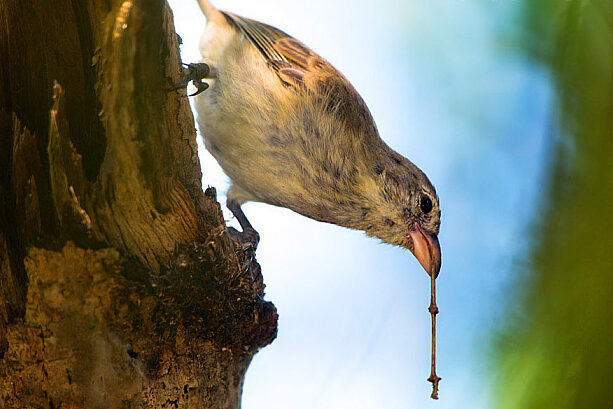
On the Galápagos Islands, woodpecker finches deal with a small but frustrating challenge when insects hide deep inside tree bark where their beaks cannot reach. Instead of giving up or moving on, they pick up cactus spines or small twigs and use them to pull the insects out. It is not something that looks complicated, but it changes how they feed in a very practical way. The action feels steady, like something that has been tried enough times to become reliable.
There is something natural about how they do it, as though it simply became part of their routine over time. It does not feel forced or overly clever. It feels like a quiet adjustment that worked and stayed. Watching them, you get the sense that small solutions can shape everyday life in meaningful ways. It is not about doing something extraordinary. It is about finding what works and sticking with it until it becomes second nature.
8. Capuchin Monkeys Cracking Nuts
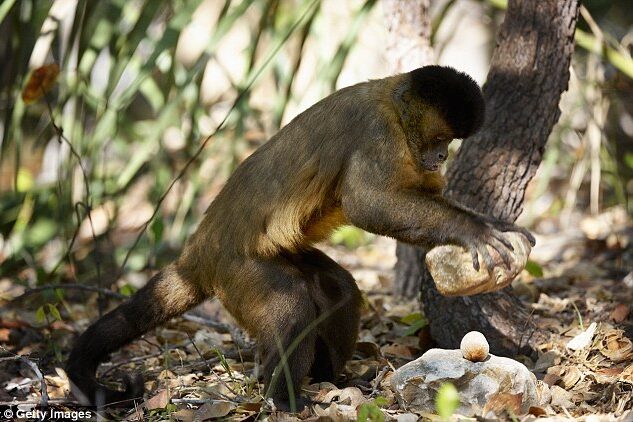
Capuchin monkeys approach nut cracking with a level of patience that slowly becomes noticeable the longer you watch them. They pick up stones, place the nut carefully on a surface, and strike it repeatedly until it opens. The process is not rushed or chaotic. There is a rhythm to it, a steady repetition that shows they understand what needs to be done. It feels like a practiced routine rather than a random attempt.
Younger monkeys often take time to learn, watching others closely and trying again and again until they improve. There is no pressure in the way they learn, just repetition and quiet progress. Over time, the action becomes easier and more natural. Watching them, it feels like seeing learning happen in its simplest form. Not forced, not hurried, just built slowly through doing the same thing until it works without effort.
9. Sea Gulls Dropping Shellfish
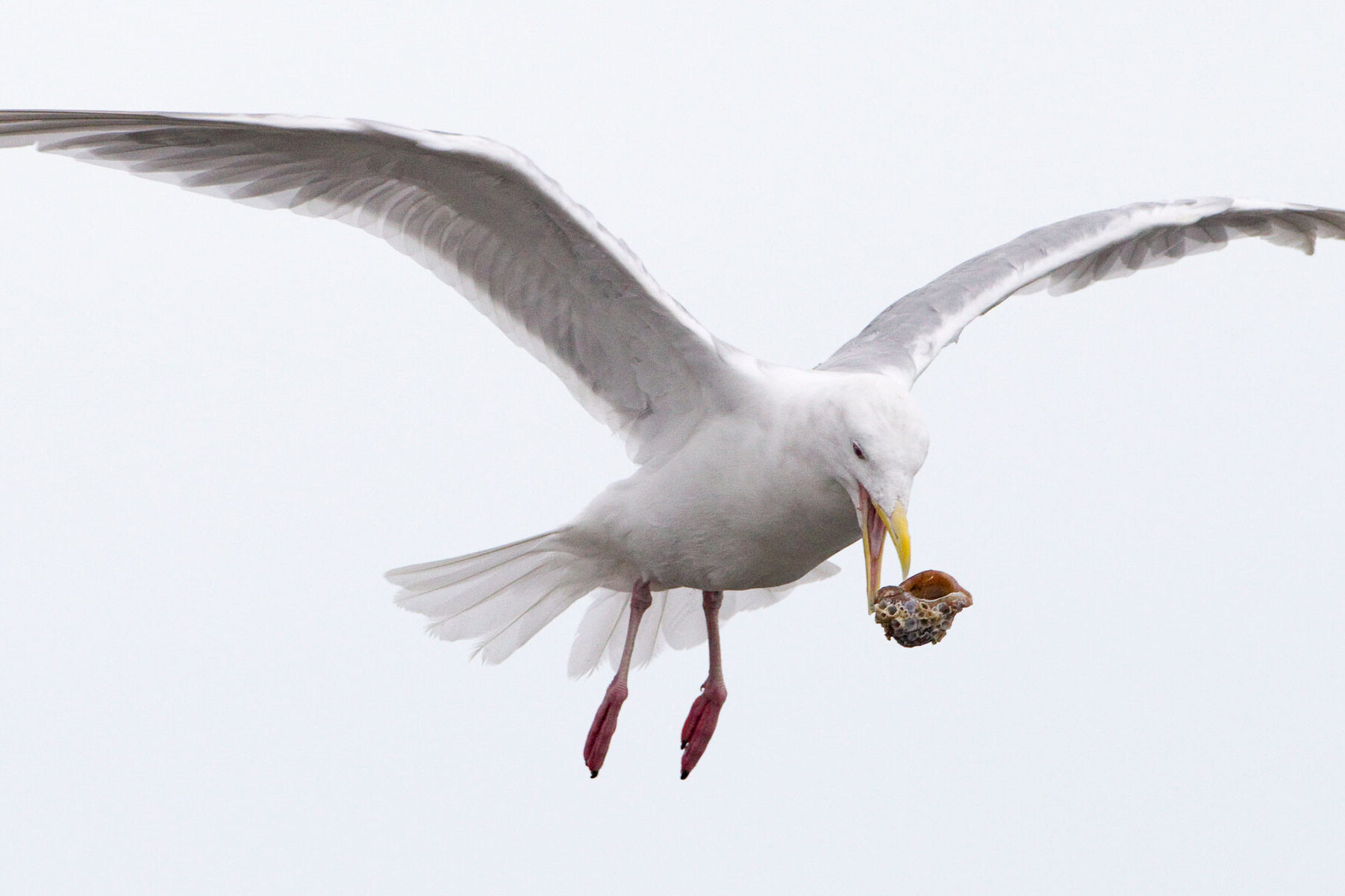
Sea gulls have found a way to solve a problem without making it complicated, and that is what makes their behavior stand out in such a simple way. When faced with hard shellfish, they carry them into the air and drop them onto rocks below. The height is not random. They adjust it depending on what they are trying to break, showing a quiet awareness of what works best in each moment.
It feels like something they figured out over time, through trying and noticing what worked better. Once the method proved reliable, it stayed. Watching them, you see how they return to the same approach without hesitation. It reminds you that intelligence does not always need complexity. Sometimes it is just about finding a solution that works and using it again and again without needing to change it.
10. Egyptian Vultures Using Stones
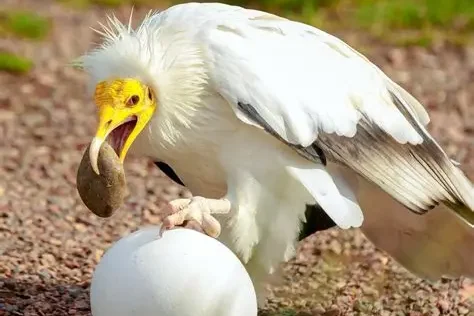
Egyptian vultures face a real challenge when it comes to opening ostrich eggs, which are too strong to break using their beaks alone. Instead of struggling endlessly, they pick up stones and use them to strike the eggs repeatedly. The action is simple, but it requires persistence and focus. They continue hitting the egg until it finally cracks, showing a steady commitment to the task.
There is something quiet in the way they approach it, no rushing, no frustration, just repetition until it works. It feels like they understand that the result will come if they keep going. Watching them, you notice that the tool matters, but so does the patience behind it. It becomes less about the stone itself and more about the consistency in how it is used, turning effort into something that eventually pays off.
11. Orangutans Using Leaves As Gloves
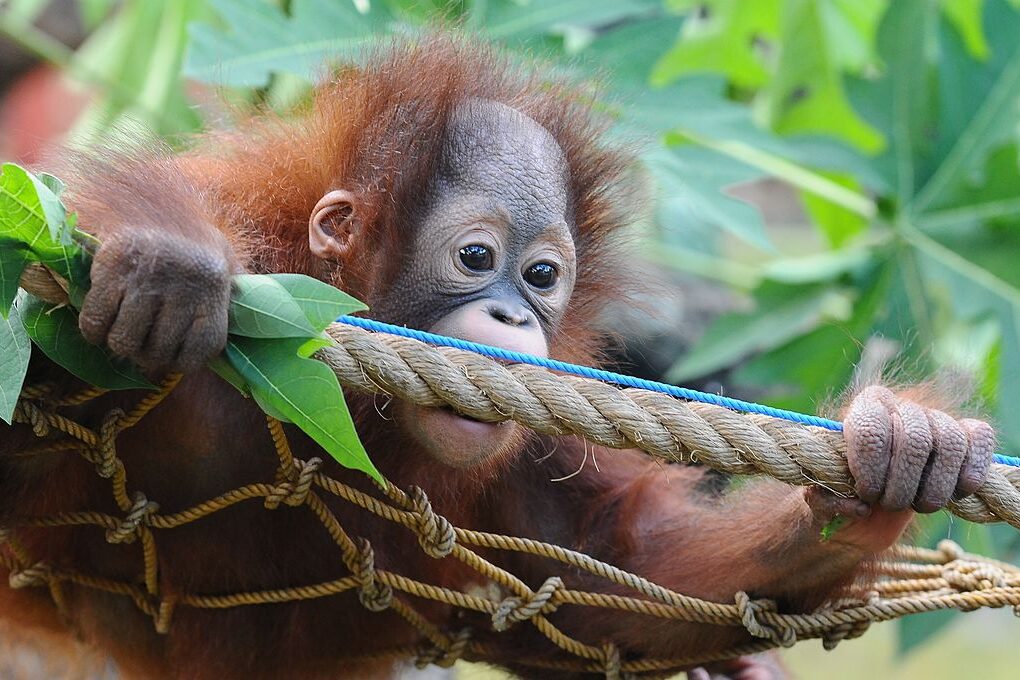
Orangutans move through the forest with a quiet awareness that becomes more noticeable the longer you watch them. When they come across thorny branches or spiky plants, they sometimes pick up leaves and use them to cover their hands before touching anything sharp. It is a small action, but it changes how they interact with their surroundings. Instead of reacting to discomfort, they prepare for it in advance, which makes the whole moment feel thoughtful and intentional.
There is something gentle in the way they do this, like they are taking a second to make things easier before continuing. It does not feel rushed or forced. It feels natural, like something they have come to understand over time. Watching them, you begin to notice how even simple actions can show awareness and care. It is not about doing something complicated. It is about making small adjustments that protect them and help them move through their environment more comfortably.
12. Parrots Using Sticks For Scratching
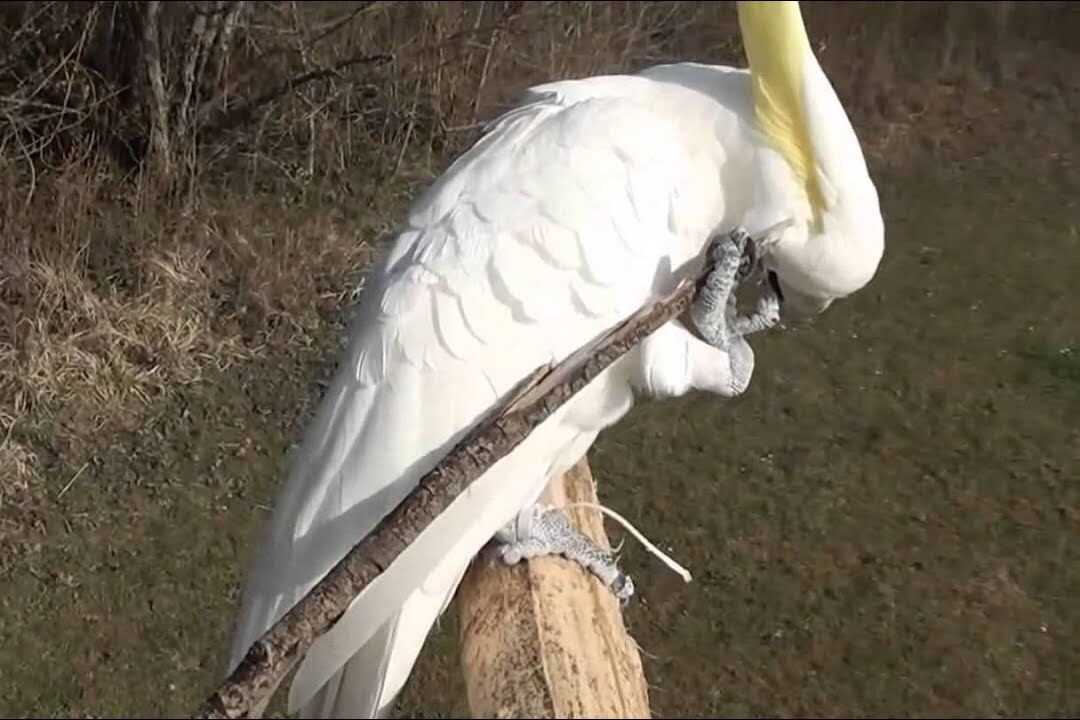
Some parrots have been observed using small sticks to scratch parts of their bodies that their beaks cannot easily reach. It is not something dramatic or tied to survival in an obvious way, but it stands out because it feels so relatable. They pick up the stick and use it carefully, adjusting the angle until it works. The movement is slow and deliberate, showing that they understand what they are doing.
What makes this behavior interesting is how natural it looks once they begin. It does not feel like trial and error every time. It feels like something they have figured out and now rely on when needed. Watching it, you cannot help but notice how similar it feels to solving a small everyday problem. It is simple, practical, and quietly effective in a way that does not need attention to be understood.
13. Ants Using Debris To Transport Food
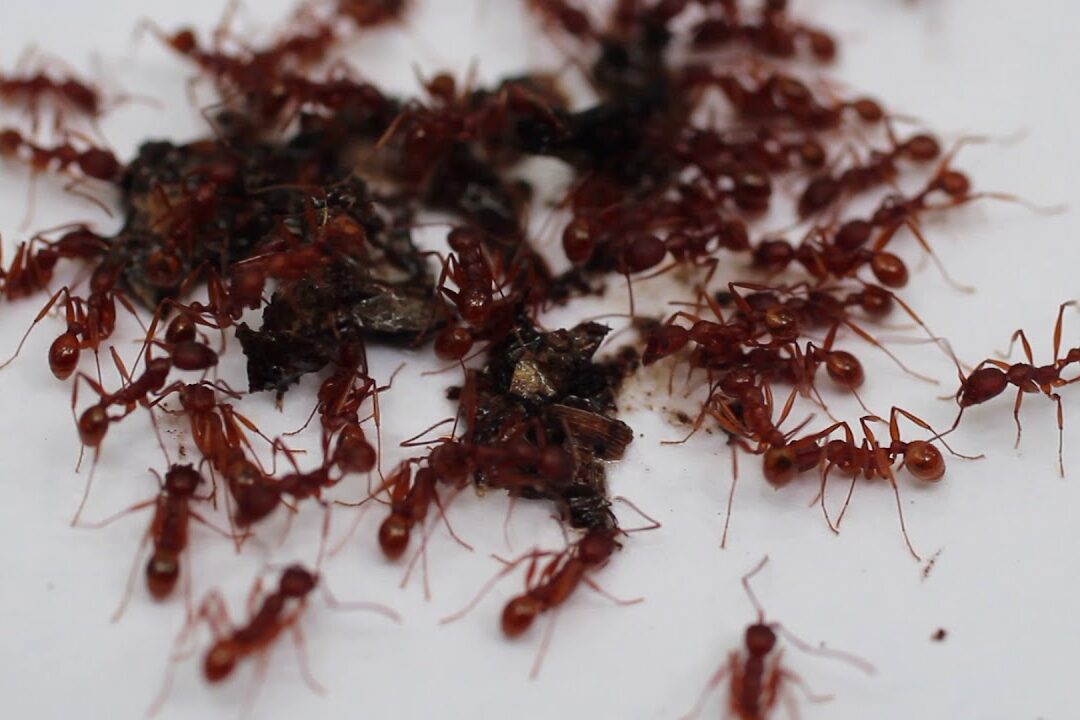
Ants are known for working together, and this behavior fits into that pattern in a very steady way. Some ants collect small pieces of leaves or debris and use them to carry liquid food back to their colony. Instead of transporting it directly, they soak the material and move it together, making the process more efficient. It is not something you notice immediately, but once you see it, it becomes hard to ignore.
There is a strong sense of coordination in how they do this, like each ant understands its role without needing direction. It feels organized and purposeful, not rushed or chaotic. Watching them, you see how small actions can come together to form something larger. It is not about one ant doing something impressive. It is about many of them working in a way that makes survival easier for the whole group.
14. Bearded Capuchins Using Stones For Digging
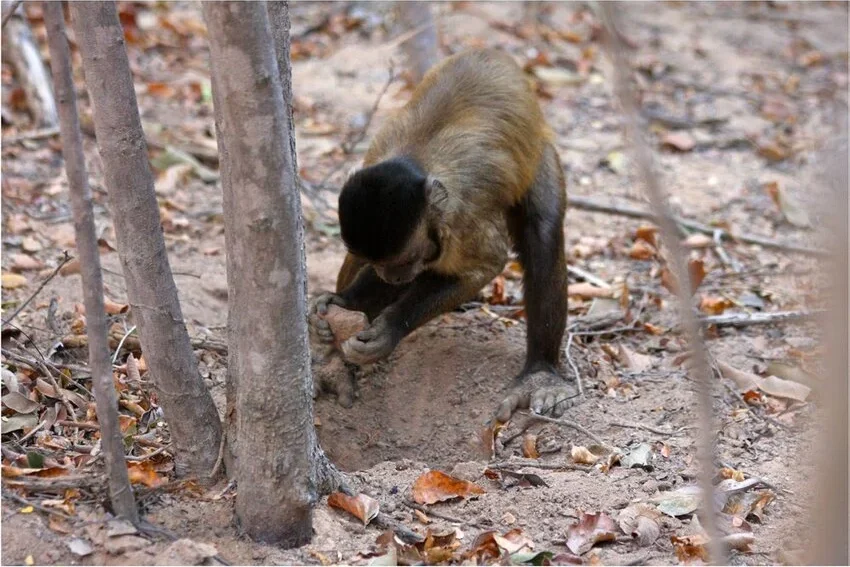
Bearded capuchins are already known for using stones to crack nuts, but their behavior goes a step further when they begin using those same tools for digging. They pick up stones and use them to break into the ground, searching for food hidden beneath the surface. It shows that they are not limited to one use. They are able to apply the same tool in different situations when needed.
That flexibility is what makes this behavior stand out. It feels like a natural extension of something they already know how to do. Instead of learning something entirely new, they adjust what they have and use it in another way. Watching them, it becomes clear that problem solving is not always about finding new tools. Sometimes it is about seeing new uses for what is already in front of you.
15. Goffin’s Cockatoos Making Tools
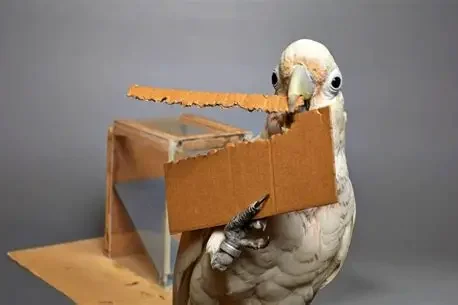
Goffin’s cockatoos have a way of approaching problems that feels curious rather than rushed, like they are exploring options instead of forcing solutions. When they are faced with food that is just out of reach, they do not simply give up or keep trying the same thing. They begin to shape materials around them, turning pieces into tools that actually work for what they need. It is not just about using what is available. It is about changing it so it fits the situation better.
That small shift makes their behavior stand out in a quiet but lasting way. It feels like they are thinking through the process, adjusting as they go, and learning from each attempt. Watching them, there is a sense that curiosity is guiding them more than urgency. They are not rushing to solve the problem. They are figuring it out step by step. It becomes less about the tool itself and more about the willingness to try something different until it works in a way that feels natural.
16. Alligators Using Sticks As Bait
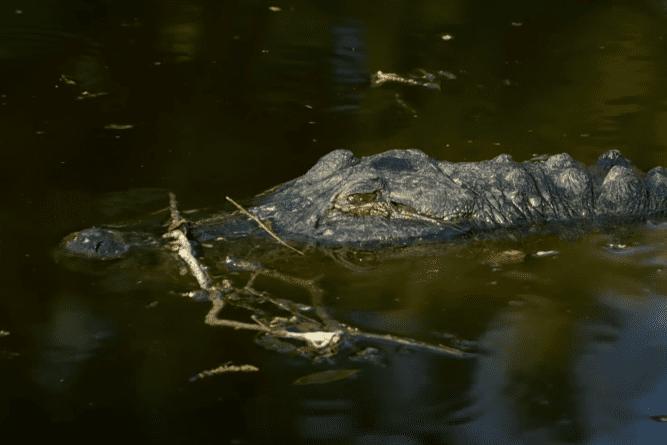
This behavior is easy to miss because it happens so quietly, but once you notice it, it stays with you. Some alligators have been observed placing sticks on their snouts during bird nesting season, when birds are actively searching for materials to build their nests. The stick itself does not seem important at first, but it draws birds closer without them realizing the danger. It is a simple setup, but it works in a way that feels almost effortless.
What makes it stand out is the timing. The alligator is not placing the stick randomly. It is doing it when birds are most likely to be looking for it. That detail makes the behavior feel more thoughtful than it first appears. Watching it, you see how small changes can create opportunities. It is not dramatic or exaggerated. It is just a quiet way of increasing the chances of success without needing to do much at all.
17. Hermit Crabs Using Shells
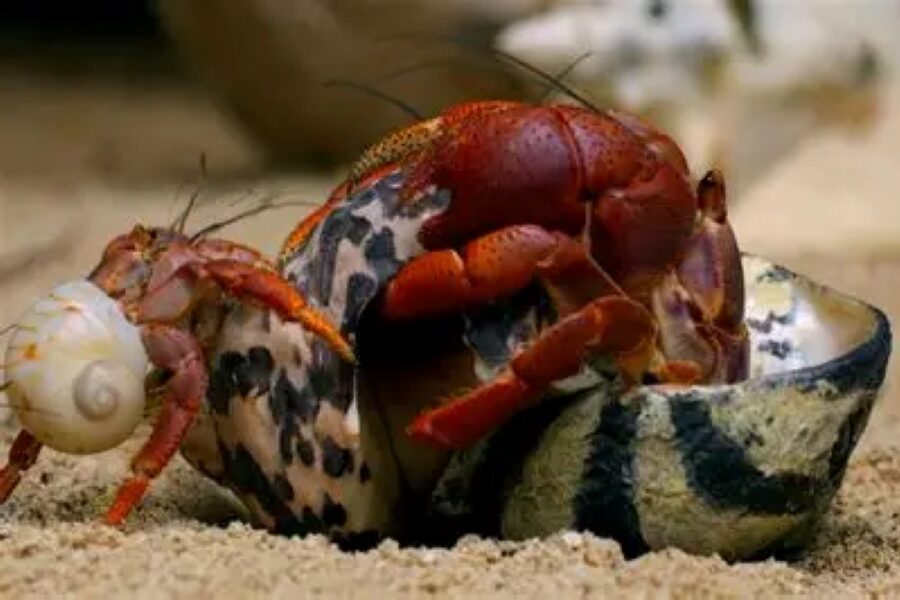
Hermit crabs live in a way that makes their tools feel like a constant part of their lives rather than something they pick up and drop. They rely on shells for protection, moving from one to another as they grow. It is not a one time choice. It is something they keep adjusting over time, always looking for a better fit that offers more safety and comfort. The process feels ongoing, like something they are always aware of.
There is something careful in how they approach it. They test shells, move into them, and sometimes switch again if something better comes along. It is not rushed or careless. Watching them, you get the sense that they understand what they need, even if it looks simple from the outside. It reminds you that tools are not always temporary. Sometimes they become part of how an animal moves through the world every single day.
18. Rats Using Tools In Experiments
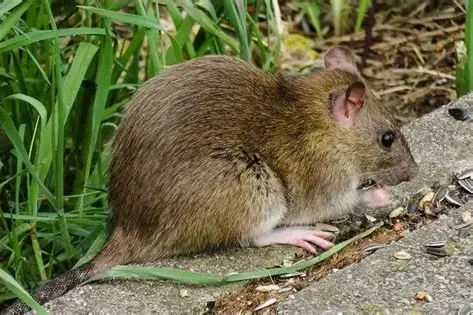
Rats are often underestimated, but in controlled environments, they have shown that they can use tools in ways that feel surprisingly adaptable. When food is placed just out of reach, they learn to move or pull objects closer to themselves so they can access it. It does not happen instantly. There is a short period of trying and adjusting, but once they understand what works, they repeat it with more confidence and less hesitation.
What stands out is how quickly they shift from trying to understanding. It feels like watching something click into place. They are not just reacting blindly. They are learning from the situation and adjusting their behavior in a way that makes sense. It makes you pause and think about how much might be happening in natural settings that we do not always notice. Sometimes the ability is there, just waiting for the right moment to show itself.
19. Bonobos Sharing And Using Tools Together
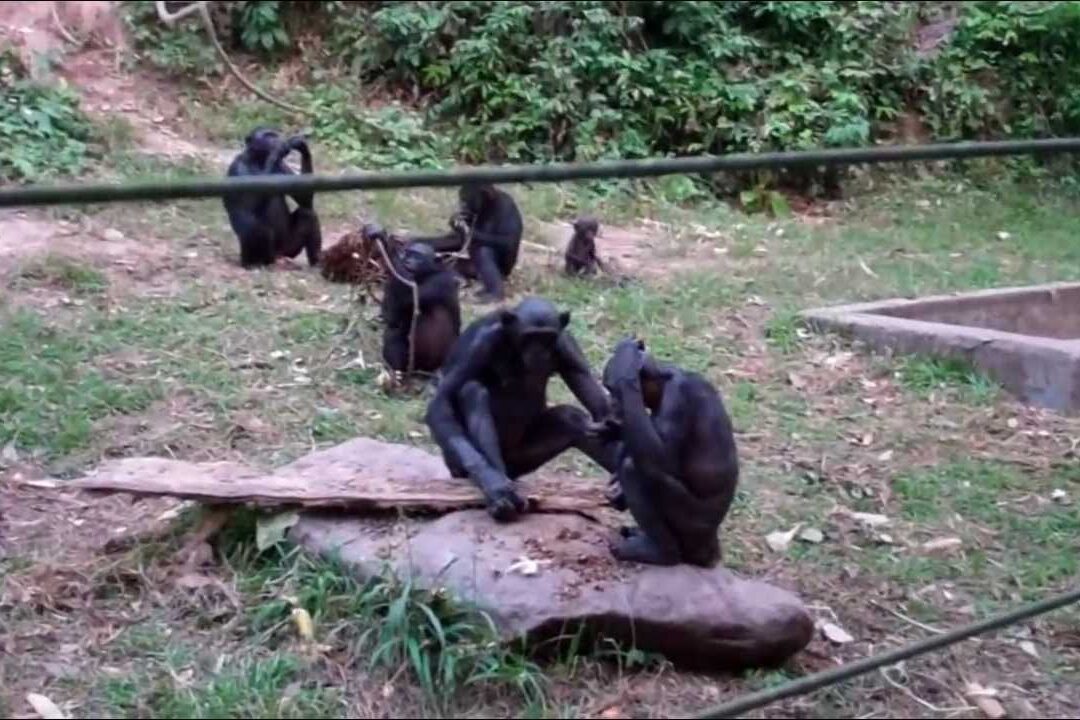
Bonobos bring a different kind of energy into tool use, one that feels more connected and less focused on individual effort. They do not just use tools on their own. They also share them, passing them between each other in a way that feels calm and cooperative. There is no sense of urgency or competition. It feels balanced, like they understand how to work together without needing to force it.
As everything comes together here, it begins to feel less like separate moments and more like a shared pattern across different animals. Each one has found its own way of using what is available, learning from experience, and sometimes passing that knowledge along. Watching bonobos, it feels like a quiet reminder that intelligence is not only about solving problems alone. Sometimes it is about connection, sharing, and doing things together in a way that feels natural and steady over time.


