
1. Tom Hardy And On-Set Tension
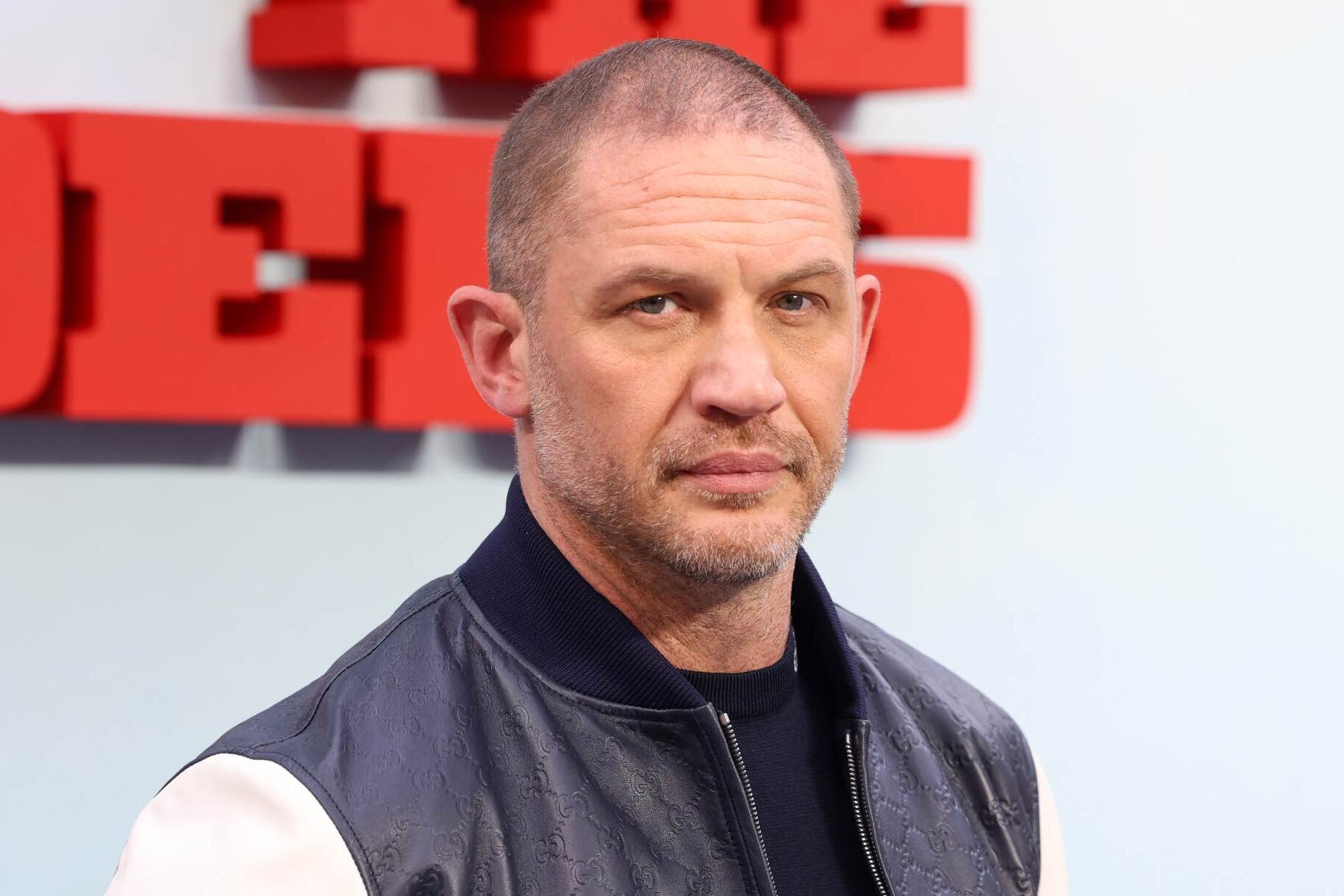
Sometimes when we sit down to watch a film, it is easy to forget that a movie set is still a workplace filled with long hours, tight schedules, and strong personalities trying to get it right. Filming Mad Max Fury Road was physically demanding, especially under desert heat and nonstop action scenes. Charlize Theron later admitted there was real tension between her and Tom Hardy, particularly around punctuality and communication. She spoke about feeling frustrated and unsupported at certain moments. The atmosphere, according to her, felt strained more than once, and that discomfort lingered throughout parts of production.
Hardy eventually addressed the situation himself, admitting he could have handled things better and acknowledging that he contributed to the tension. Looking back, the conflict sounds less like a dramatic feud and more like two exhausted professionals clashing under extreme pressure. Long days, physical strain, and creative expectations can wear down even seasoned actors. Despite the friction, the film went on to receive major acclaim. Still, both actors have openly recognized that the process was not smooth, proving that even celebrated masterpieces can carry complicated behind the scenes memories.
2. Chevy Chase’s Comedy Conflicts
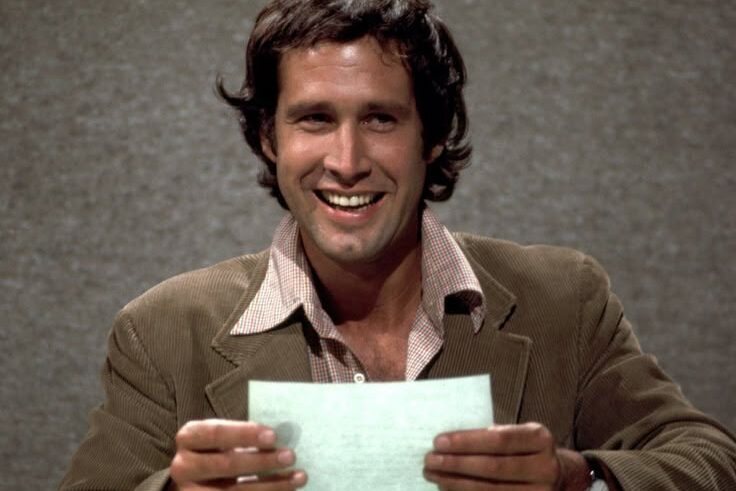
Chevy Chase built his career on sharp humor and confident delivery, but several colleagues have suggested that working with him was not always lighthearted. During his time on Community, creator Dan Harmon openly discussed tension between them, and some cast members later confirmed that the set could feel uncomfortable. Similar stories followed him from his Saturday Night Live years, where certain co stars described him as distant and difficult to approach. Over time, these repeated accounts shaped a steady reputation that extended beyond one single project.
Chase has often minimized the criticism, implying personality differences rather than serious conflict. Still, when multiple productions across decades share similar descriptions, it becomes harder to dismiss. Comedy relies heavily on chemistry and collaboration, and when that balance shifts, the atmosphere changes quickly. Many fans continue to admire his talent and legacy, yet the behind the scenes stories remain part of his public image. It serves as a reminder that being brilliant on screen does not always guarantee ease and warmth off camera.
3. Shannen Doherty And Cast Feuds
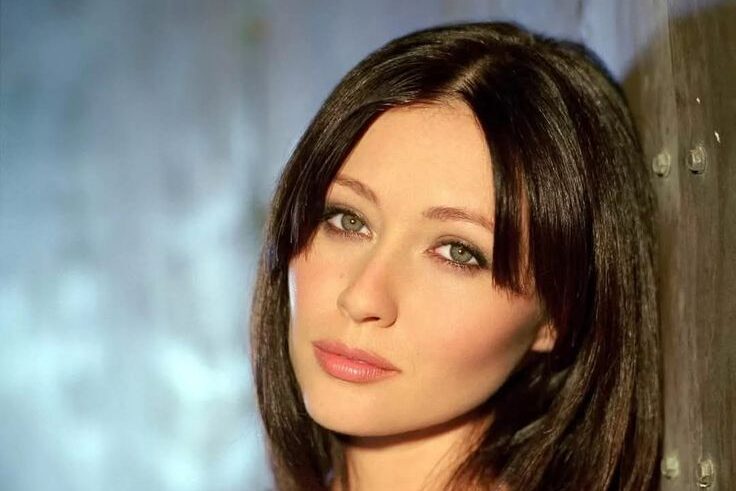
Shannen Doherty’s early fame came with headlines that extended beyond her performances. On Beverly Hills, 90210, reports of tension among cast members surfaced repeatedly, eventually leading to her departure. Years later on Charmed, similar conversations emerged, with co star Alyssa Milano acknowledging a strained working relationship. The narrative painted Doherty as difficult, and that label followed her into future roles. For many viewers, the off screen drama became almost as talked about as the shows themselves.
As time passed, Doherty reflected openly on that chapter of her life, admitting she was young and struggling with the pressures of sudden celebrity. She acknowledged that she did not always respond to stress in healthy ways. Looking back, the situation feels more layered than early headlines suggested. Fame, youth, and demanding schedules can amplify even small disagreements. Her story shows how early career tension can define public perception for years, even when personal growth eventually reshapes the person behind the reputation.
4. Bill Murray’s Difficult Reputation
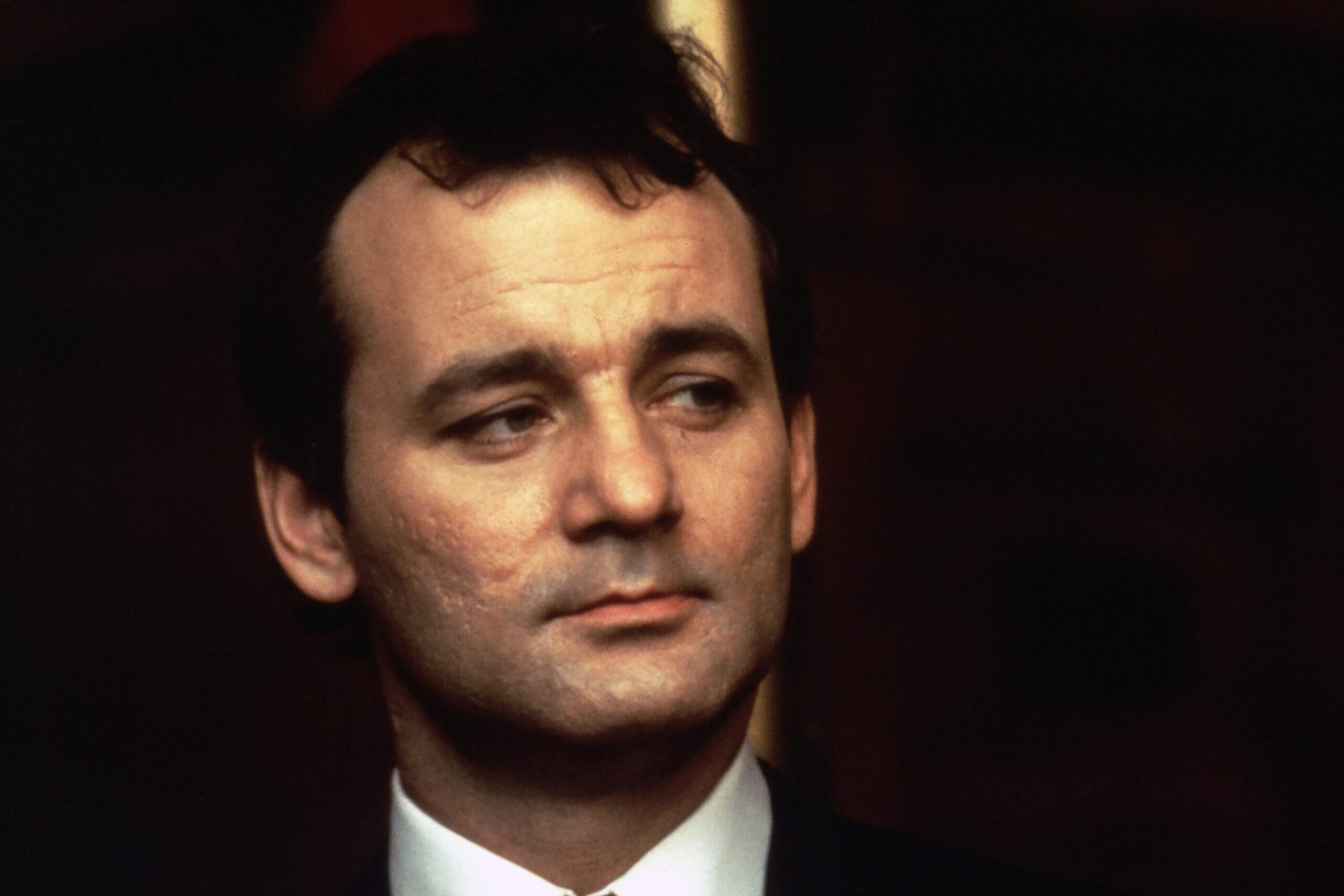
Bill Murray’s relaxed public image has long charmed audiences, yet several behind the scenes accounts tell a more complicated story. During the filming of Charlie’s Angels, Lucy Liu confirmed there was a confrontation after Murray criticized her performance. She later said she stood up for herself and continued working professionally, but the moment drew attention. Years later, production on Being Mortal was paused following a complaint about Murray’s conduct. He described the situation as a misunderstanding and said he believed he was being playful.
These moments reopened long running conversations about his unpredictability on set. Some collaborators describe him as spontaneous and creatively daring, qualities that can energize a project. Others suggest that unpredictability can feel uncomfortable depending on the environment. Murray has maintained that he never intends harm, yet repeated stories have shaped a more complex public image. It highlights how humor and personality are interpreted differently by those sharing the same workspace, especially when expectations and boundaries are not clearly aligned.
5. Alec Baldwin’s Heated Moments

Alec Baldwin has long been known for bringing intensity into his performances, and that same intensity has reportedly surfaced behind the scenes. Over the years, stories of raised voices and tense exchanges have circulated during certain productions. While filming The Edge, reports hinted at friction, though Anthony Hopkins later downplayed any serious conflict. Baldwin himself has spoken publicly about working through anger and making efforts toward personal growth. His candid admissions have added context to the narratives surrounding him.
Colleagues often describe Baldwin as passionate and deeply committed to his craft, yet occasionally intimidating in high pressure situations. Film sets can heighten emotions when schedules are tight and creative stakes feel high. For Baldwin, that intensity sometimes blurred into discomfort for others. At the same time, many collaborators continue to praise his professionalism and focus. His career reflects the complicated balance between dedication and temperament, showing how strong personalities can both elevate and strain collaborative environments.
6. Julia Roberts And On-Set Clashes
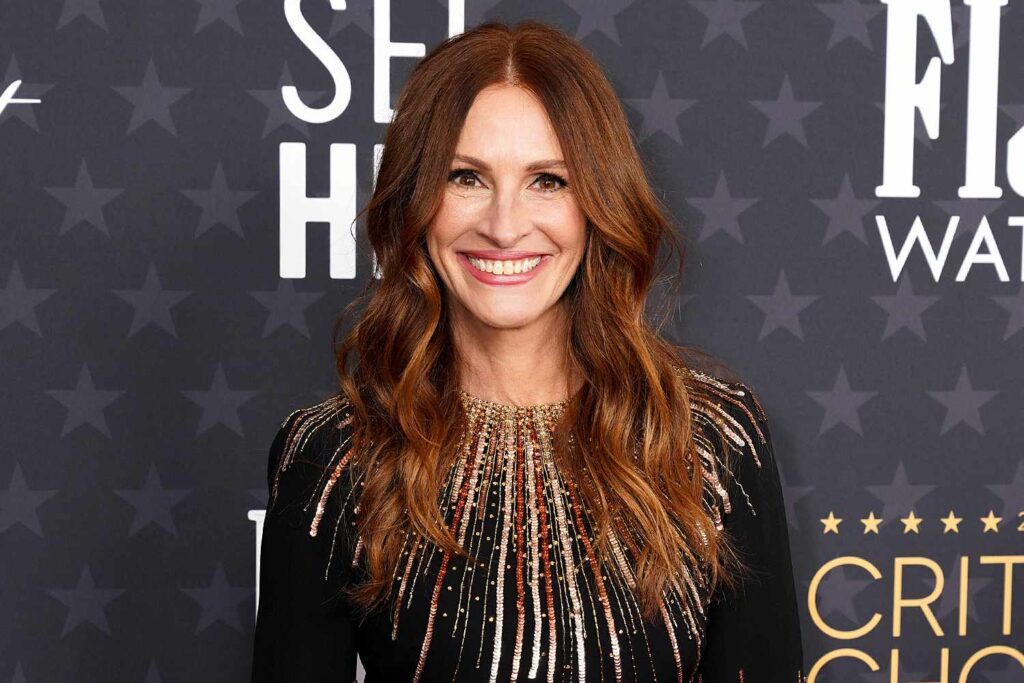
Julia Roberts became one of Hollywood’s most beloved leading actresses, yet not every project reportedly felt effortless behind the scenes. During the filming of Hook, director Steven Spielberg later described the experience as challenging. In the height of her 1990s fame, media coverage often portrayed Roberts as difficult, particularly during periods when personal headlines overshadowed her work. That scrutiny created an atmosphere where every interaction seemed magnified and publicly interpreted.
Roberts later acknowledged that overwhelming fame affected her emotional balance and professional interactions. Constant attention can place enormous pressure on anyone, especially when privacy feels nonexistent. Many co stars in later years have praised her warmth and generosity, suggesting growth over time. The earlier stories appear tied to a moment when celebrity culture was relentless and unforgiving. Her journey reflects how intense visibility can influence workplace dynamics, especially when someone is navigating sudden global recognition while still finding stability.
7. Val Kilmer’s Intense Approach
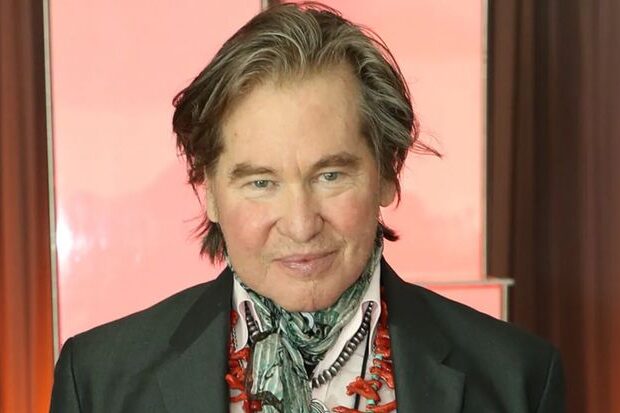
Val Kilmer has always been known for taking his craft seriously, but that seriousness reportedly created tension on several sets. During Batman Forever, director Joel Schumacher publicly described the collaboration as difficult, pointing to personality clashes. On The Island of Dr. Moreau, production was already chaotic, and accounts frequently mentioned Kilmer’s intense presence as part of the strain. His commitment to fully immersing himself in roles sometimes left colleagues unsure how to connect with him.
In his memoir, Kilmer reflected on those experiences and suggested he was misunderstood rather than deliberately challenging. He described himself as deeply focused and emotionally invested in performance. For some co stars, that focus felt distant or rigid. For others, it represented dedication to artistic integrity. His career illustrates how strong commitment can inspire admiration while also generating friction, depending on the environment and the personalities sharing the same creative space.
8. Lea Michele’s Glee Controversy

When Glee first aired, it looked like a tight knit cast of young performers chasing big dreams together. Years later, that image shifted. In 2020, Samantha Ware publicly accused Lea Michele of making her experience on set deeply uncomfortable. Other former cast members supported similar claims, describing an atmosphere that felt tense at times. Michele responded with a public apology, acknowledging that her behavior may have caused pain. The conversation quickly grew beyond one show, becoming part of a broader industry reckoning about workplace culture and accountability.
What stood out most was how long some of those feelings had been carried quietly before being voiced. Sets may wrap, but experiences stay with people. For fans, it was a reminder that the energy we see on screen does not always reflect what happened between takes. Michele’s apology marked a moment of reflection, but the stories reshaped how many people viewed the show’s legacy. It reinforced the idea that respect behind the scenes matters just as much as performance in front of the camera.
9. Christian Bale’s Infamous Rant
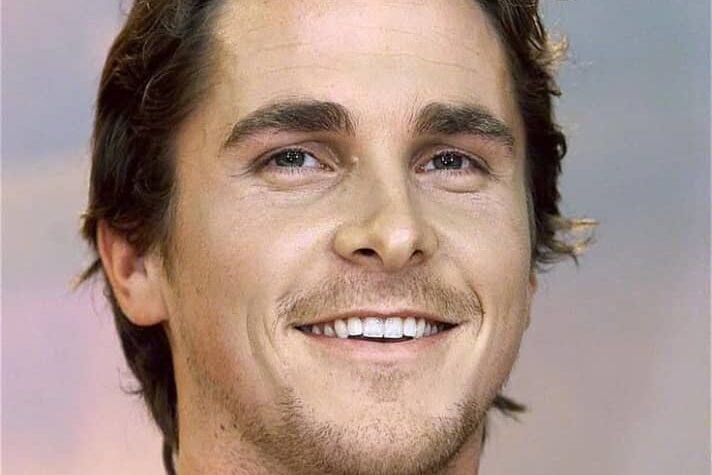
Christian Bale is widely respected for his intense preparation and commitment to roles. That dedication came under scrutiny when an audio recording from the set of Terminator Salvation leaked online. In it, Bale angrily confronted a crew member for interrupting a scene. The recording spread quickly and sparked debate about professionalism and pressure on set. Bale later apologized publicly, stating there was no excuse for his behavior and expressing regret for the outburst.
The moment became a defining headline in an otherwise celebrated career. Many colleagues continue to describe Bale as focused and serious about his craft. Still, the incident revealed how easily stress can escalate in high stakes environments. Long days and repeated takes can wear down patience, but accountability matters. The apology helped soften the fallout, yet the recording remains a reminder that even respected actors are not immune to moments of frustration that can quickly become public.
10. Russell Crowe’s Fiery Temper
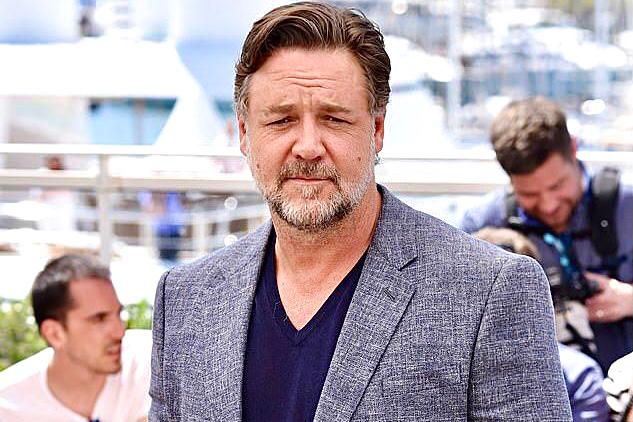
Russell Crowe has built a career on strong, commanding performances, and stories about his temper have followed him for years. Reports of confrontations on and off set have appeared at different points in his career. Crowe himself has acknowledged that he once struggled with anger and has spoken about personal growth. Some co stars describe him as generous and fiercely loyal, while others recall tense exchanges that left lasting impressions.
This contrast has shaped a layered reputation rather than a single narrative. Crowe’s intensity can be inspiring in a performance, yet challenging in a collaborative setting. Over time, he has expressed regret for certain public incidents and suggested that maturity has changed his outlook. His story reflects how careers evolve, and how personal reflection can reshape public perception, even when earlier headlines remain part of the record.
11. Katherine Heigl’s Public Remarks
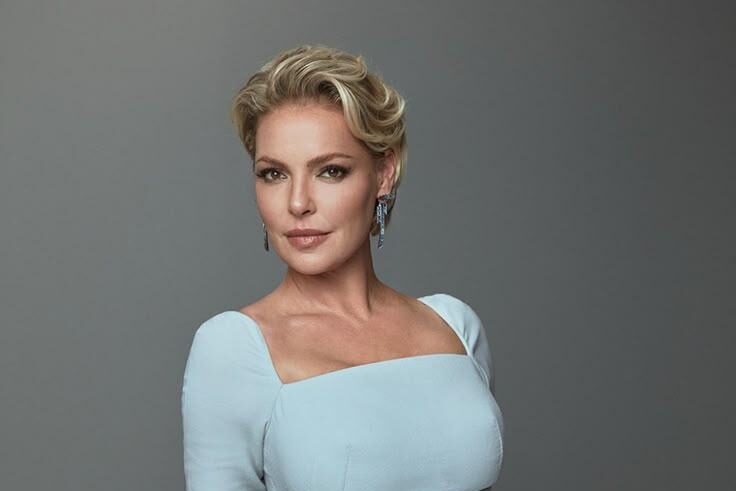
Katherine Heigl’s departure from Grey’s Anatomy became widely discussed after she publicly criticized the show’s writing and withdrew herself from Emmy consideration. The decision sparked backlash and speculation about strained relationships with producers and cast members. Shonda Rhimes later referred to difficult personalities in interviews, comments that many believed were directed at Heigl. The controversy shifted attention from her performance to her professional choices.
In later interviews, Heigl admitted she regretted how she handled the situation and wished she had addressed concerns privately. She acknowledged that her words affected working relationships and her career trajectory. The episode became a reminder that public criticism in collaborative industries carries significant consequences. Speaking honestly can be admirable, but timing and tone matter. The situation left a lasting mark on her reputation within the industry.
12. Edward Norton’s Creative Control
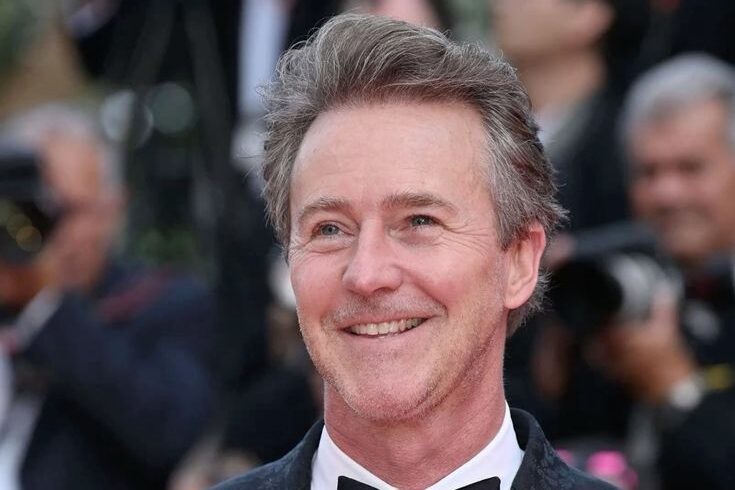
Edward Norton is known for being deeply involved in the creative process of his films. During American History X, reports surfaced that he influenced the final edit, leading to tension with the director. Similar accounts followed The Incredible Hulk, where creative disagreements were said to have affected future casting decisions. Norton has described his involvement as dedication to storytelling and artistic integrity.
For some collaborators, that level of involvement signaled passion and intelligence. For others, it created friction in projects requiring shared vision and compromise. Film production depends on teamwork, and when strong creative opinions collide, tension can rise quickly. Norton’s reputation reflects this balance between commitment and collaboration. His approach has earned both praise and criticism, illustrating how artistic intensity can inspire admiration while also testing professional relationships.
13. Marlon Brando’s Unpredictable Behavior
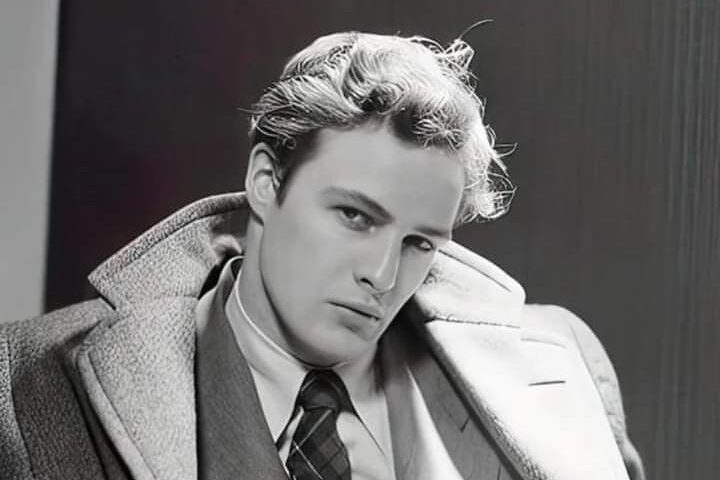
Marlon Brando remains one of the most celebrated actors in film history, yet stories about his unpredictability are equally famous. During The Island of Dr. Moreau, production was widely described as chaotic, and Brando’s unconventional choices added to the strain. Co stars and crew members recounted moments when he improvised unexpectedly or resisted direction, creating confusion during filming.
At the same time, many admired his fearless creativity and groundbreaking performances. Brando often expressed boredom with traditional filmmaking methods, which may have influenced his behavior on set. Working with him meant embracing uncertainty, something that thrilled some collaborators and unsettled others. His legacy reflects both extraordinary talent and complex working dynamics, showing how brilliance and difficulty can coexist within the same career.
14. Lindsay Lohan’s Production Delays
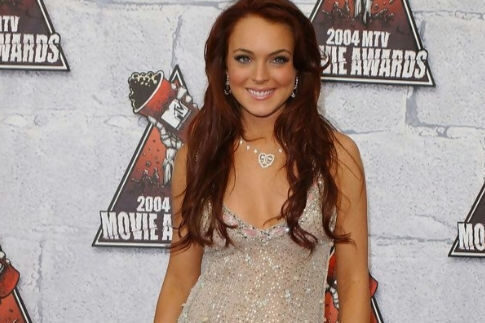
Lindsay Lohan’s early success made her one of Hollywood’s brightest young stars, but her career later became intertwined with reports of production delays and missed call times. During the filming of Georgia Rule, producers publicly expressed concern about her reliability. Co stars reportedly adjusted to changing schedules, and the situation drew significant media attention.
Lohan later spoke openly about personal struggles that affected her professionalism during that period. Growing up under constant public scrutiny can magnify private challenges, and her situation unfolded in real time across headlines. Over the years, she has worked toward rebuilding trust and reestablishing stability in her career. Her story reflects how personal hardship and public pressure can intersect in ways that influence workplace dynamics and long term reputation.
15. David O. Russell’s Heated Exchanges
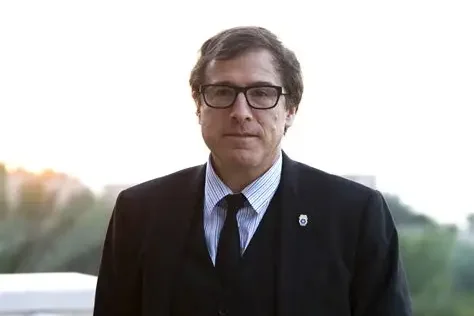
David O. Russell’s directing style has been described as passionate and intense. A behind the scenes video from I Heart Huckabees captured a heated argument between Russell and Lily Tomlin, drawing attention to his approach. Tomlin later acknowledged the clash but continued to work with him on future projects. Other actors have spoken about similarly charged environments on his sets.
Russell has defended his intensity as part of pushing performances toward authenticity. Some collaborators thrive under that pressure, crediting it for strong results. Others feel the strain more acutely. Creative environments often balance emotion and collaboration, and that balance can shift depending on personalities involved. Russell’s reputation reflects the complexity of leading artistic projects where high expectations meet human limitations.
16. Terrence Howard’s Disputes
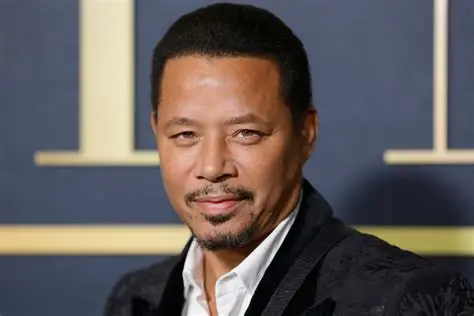
Terrence Howard’s departure from the Iron Man franchise surprised audiences who expected him to return for sequels. Reports indicated that contract and salary disagreements played a significant role in the decision. Howard later claimed he was treated unfairly, while studio representatives described the change as business related. The public nature of the situation fueled speculation about strained relationships.
Franchise productions operate under intense financial and creative pressures, where negotiations can quickly affect casting decisions. While co stars largely remained neutral, the sudden recasting drew attention to the behind the scenes realities of blockbuster filmmaking. Howard’s exit became an early example of how business considerations can reshape a franchise’s direction, leaving lingering questions about what happened off camera.
17. Wesley Snipes And Blade Trinity
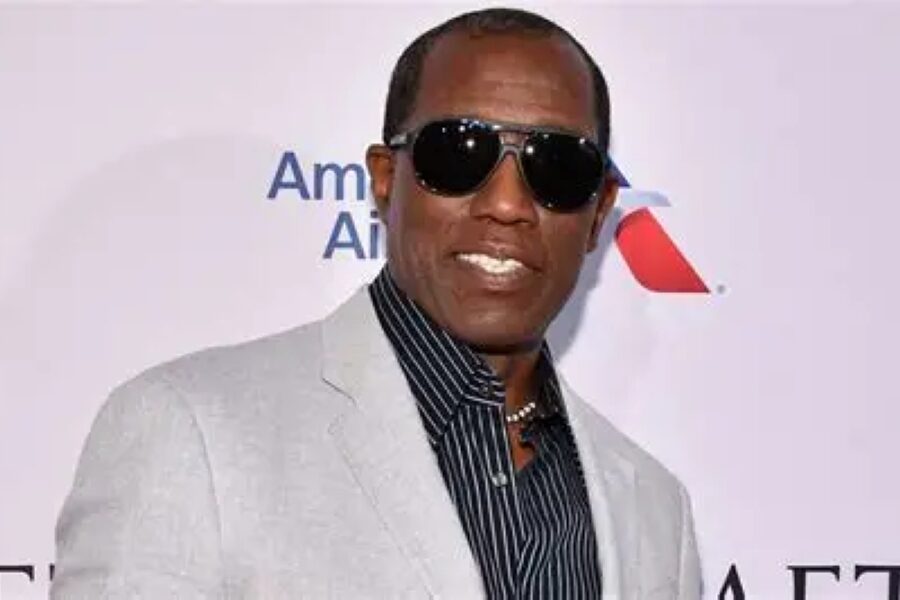
Blade Trinity’s production became widely known for reported tension between Wesley Snipes and the creative team. Director David S. Goyer later confirmed that filming was challenging, though specific accounts varied. Reports suggested communication issues and a divided atmosphere on set. Snipes disputed several claims, arguing that studio conflicts contributed to the strain.
When disagreements extend beyond creative differences, they can affect morale across an entire production. Crew members described a difficult environment, and the film’s behind the scenes narrative became nearly as discussed as the movie itself. The situation illustrated how fragile collaboration can become when trust weakens. Even established franchises are not immune to conflict when relationships break down.
18. Gene Hackman’s Intimidating Style
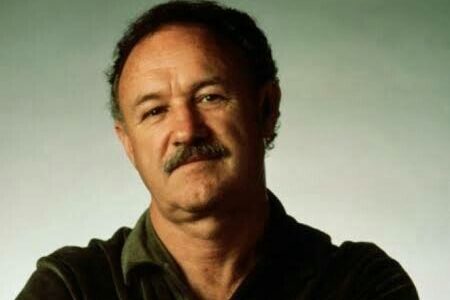
Gene Hackman brought a commanding presence to his performances, and some colleagues felt that same seriousness during rehearsals. While filming The Royal Tenenbaums, director Wes Anderson acknowledged moments of tension, though he later praised Hackman’s work warmly. Co stars described him as demanding but deeply committed to delivering strong performances.
Hackman rarely addressed such reports publicly, choosing instead to let his work speak for itself. High standards can feel motivating to some and intimidating to others. In collaborative spaces, personality differences shape experiences in subtle ways. Despite occasional friction, many colleagues expressed admiration for Hackman’s dedication. His career reflects how intensity and professionalism can coexist, even when not everyone experiences them the same way.
19. Jared Leto’s Method Extremes
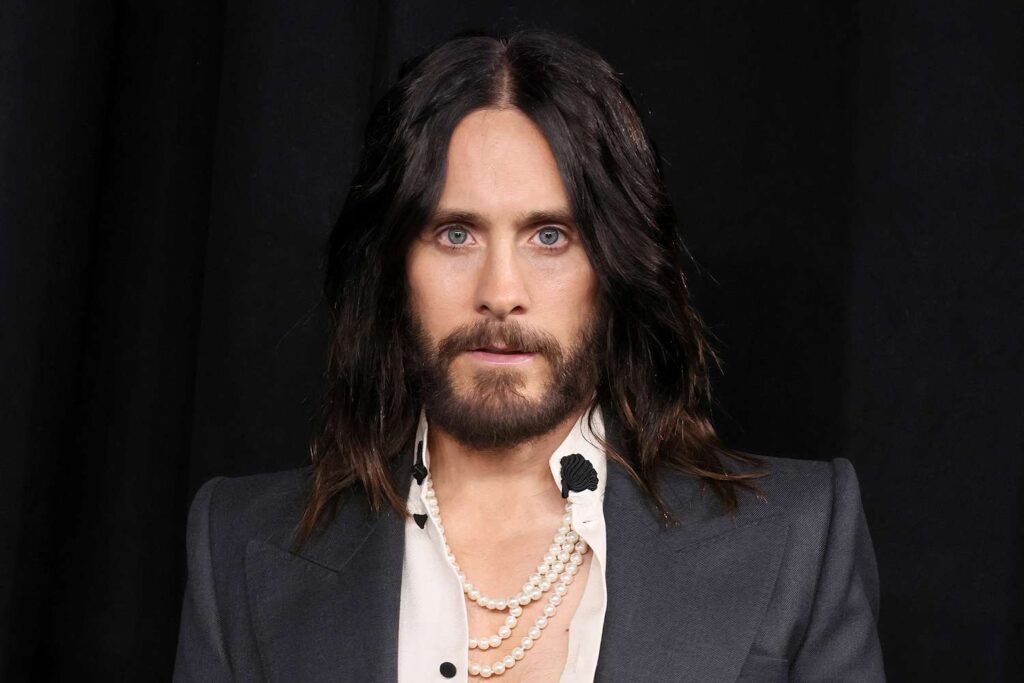
Jared Leto’s approach to method acting during Suicide Squad drew attention after co stars shared stories about unusual gestures meant to enhance immersion. Some described the experience as unsettling, while others minimized the impact. Leto defended his choices as part of fully inhabiting the character and maintaining unpredictability on set.
The debate around his methods sparked broader conversations about boundaries in performance. Acting often requires vulnerability and experimentation, but it also relies on mutual respect among collaborators. Leto’s approach divided opinion, highlighting how personal process can affect group dynamics. In the end, film sets function best when creativity and consideration move together, ensuring that artistic risks do not overshadow professional respect.


