
1. Pat Priest Found Peace Beyond the Munster Mansion
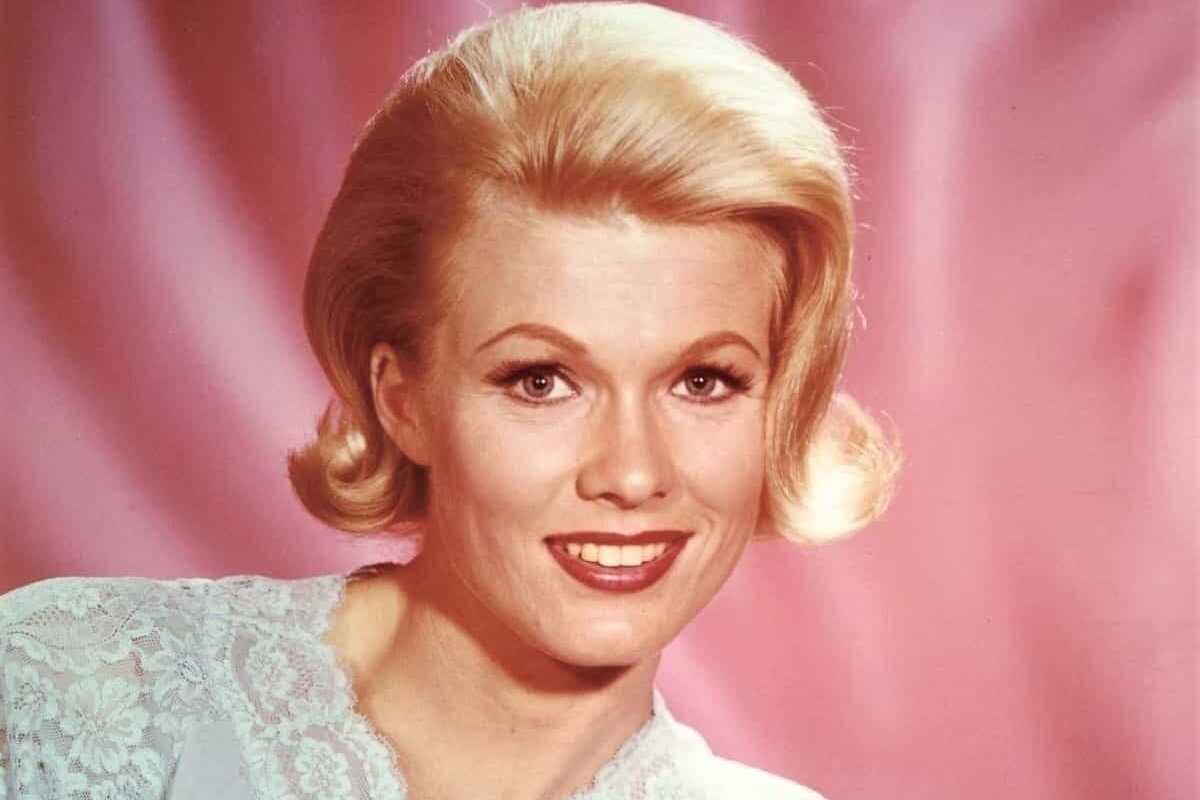
When people remember the gothic comedy The Munsters, they often think of the bright and cheerful Marilyn, the one “normal” member of the spooky household. For a time, that role belonged to Pat Priest, who stepped in during the show’s later episodes and quickly became part of its charm. She had the kind of easygoing presence that made audiences feel like she could be the neighbor next door. For a while it seemed like television had found a young star who would stick around for decades.
But after the late 1960s, Priest gradually chose a quieter path. Acting roles became less frequent, and eventually she stepped away from Hollywood altogether. In interviews years later, she reflected on that decision with calm honesty, once noting that life outside the industry “was simply where I felt happiest.” She later worked in business and lived far from the entertainment spotlight. Fans of classic television still remember her warmly, yet her story is also a reminder that sometimes stepping away from fame can be just as fulfilling as chasing it.
2. Jeremy Slate Walked Away From the Hollywood Machine
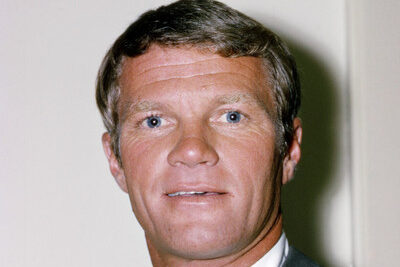
During the mid-1960s, Jeremy Slate seemed poised to become a lasting television presence. One of his most recognizable roles came on the western series The Aquanauts and later appearances on popular shows of the time. With his rugged look and confident screen presence, he fit perfectly into the era’s television landscape, where adventurous characters and charismatic leads were in high demand.
Still, Slate’s relationship with fame was never simple. After several years of steady work, he began drifting away from the industry. Parts became sporadic, and by the 1970s he had largely stepped back from regular television appearances. Years later he reflected on Hollywood’s pressures, once remarking in an interview that the business could be “a strange place to build a normal life.” Though he occasionally returned to acting later in life, the momentum of his early career never fully returned. For many viewers who remember seeing him pop up across classic series, his quieter later years feel like the story of someone who tasted television fame briefly and then chose a more private rhythm.
3. Marta Kristen Quietly Closed the Airlock
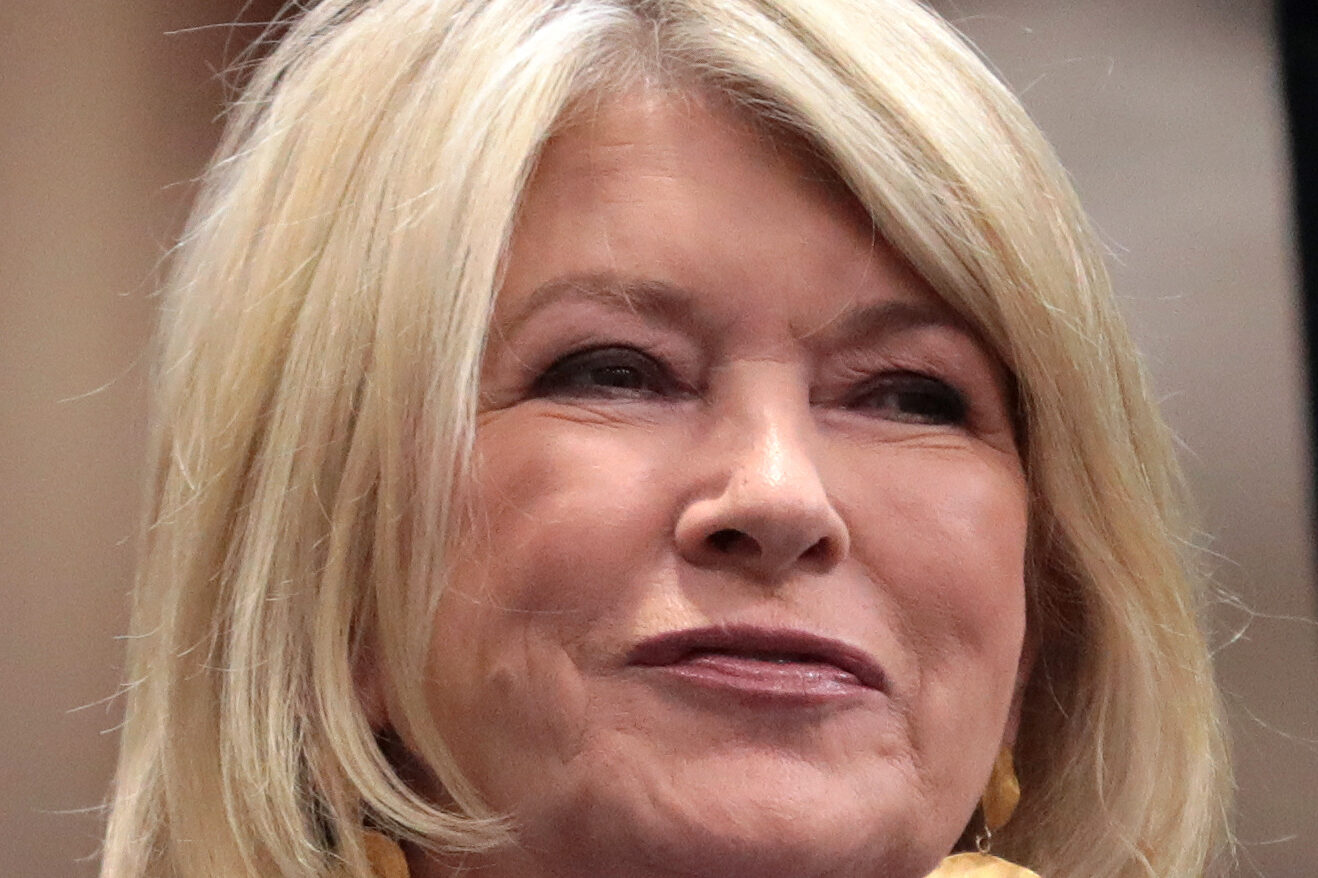
For fans of classic science fiction, Marta Kristen will always be remembered as Judy Robinson from Lost in Space. The show captured imaginations in the 1960s with its colorful adventures and family-centered storytelling. Kristen played the intelligent and thoughtful eldest Robinson child, and her performance helped give the series a warm emotional core amid all the cosmic chaos.
Yet when the show ended in 1968, Kristen’s on-screen presence slowly faded. She appeared in a handful of projects afterward but never pursued the kind of constant visibility many actors chase. Over time she stepped back from acting almost entirely. Reflecting on that period, she once shared that fame from the show was “a wonderful chapter, but only a chapter.” Kristen eventually focused more on personal life and occasional appearances at fan gatherings rather than full-time acting. For viewers who grew up watching the Robinson family navigate distant planets, her quiet retreat from the spotlight feels fitting in a way, like someone who completed an adventure and then simply returned home.
4. Jon Provost Chose Life Beyond Lassie’s Shadow
Millions of Americans once knew the face of Jon Provost as little Timmy from the beloved family series Lassie. For much of the 1960s, he was one of television’s most recognizable child stars, often seen alongside the heroic collie that rescued Timmy from every imaginable mishap. The role made him a household name and placed him firmly in the memories of an entire generation of viewers.
But child stardom rarely lasts forever. As Provost grew older, the industry began to move on, and he found himself looking for a different kind of life. Rather than fight for constant roles, he chose to step away from the Hollywood spotlight. He later became involved in ranching and other business ventures, building a life far removed from sound stages and cameras. Looking back, he once remarked in an interview that he felt fortunate simply to have been part of a show that meant so much to families. For many fans, Timmy will always be the boy calling for Lassie, even if the actor himself quietly moved on decades ago.
5. Bobby Sherman Slipped From Teen Idol to Private Citizen
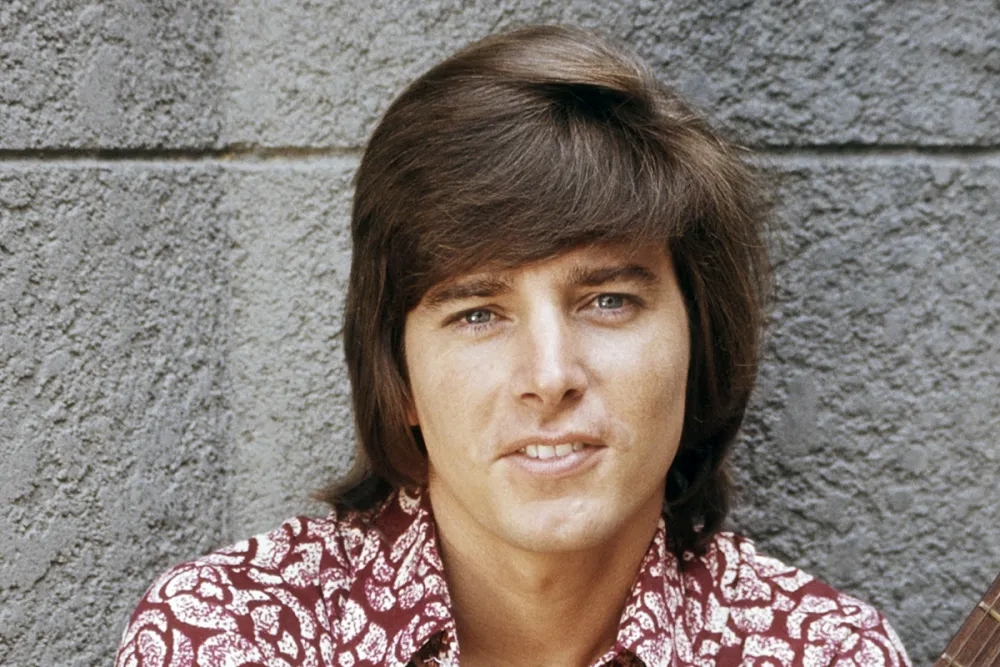
In the late 1960s, Bobby Sherman became a familiar face thanks to his role on the adventure series Here Come the Brides. With his boyish charm and easy smile, Sherman quickly became a teen idol, appearing on television screens and magazine covers alike. At the time, it seemed his career would keep climbing for years. Yet the pace of celebrity life can be exhausting, especially for someone who finds fulfillment elsewhere. By the mid-1970s, Sherman began stepping away from show business, eventually choosing an entirely different path.
He trained as a paramedic and later worked with emergency services, devoting his time to helping people rather than performing for cameras. Sherman once explained that he wanted to do something “real and useful” with his life, a decision that surprised many fans but also earned deep respect. His story stands out among former television stars because it shows how dramatically life can change after fame fades. Sometimes the quietest exits are the ones that lead to the most meaningful second chapters.
6. Dwayne Hickman Left “The Many Loves” Behind

In the 1960s, Dwayne Hickman was best known for his role as the charming Dobie Gillis on The Many Loves of Dobie Gillis. His easygoing humor and relatable teen charm made him a favorite among audiences, giving the show a sense of authenticity that still resonates when watched today. He seemed destined to be a regular on screens for decades.
Yet after the series ended in 1963, Hickman took a different approach to life. Rather than chasing constant acting roles, he moved into production and directing, preferring work behind the camera. He also occasionally appeared in guest roles on other shows but largely stayed out of public attention. In interviews later in life, he mentioned that he enjoyed the change of pace and the freedom that came from stepping away from fame. For fans who grew up with Dobie and his adventures, Hickman’s story feels like someone who understood early on that life off-screen can be just as rewarding as life in the spotlight.
7. Sally Field Took a Subtle Step Away
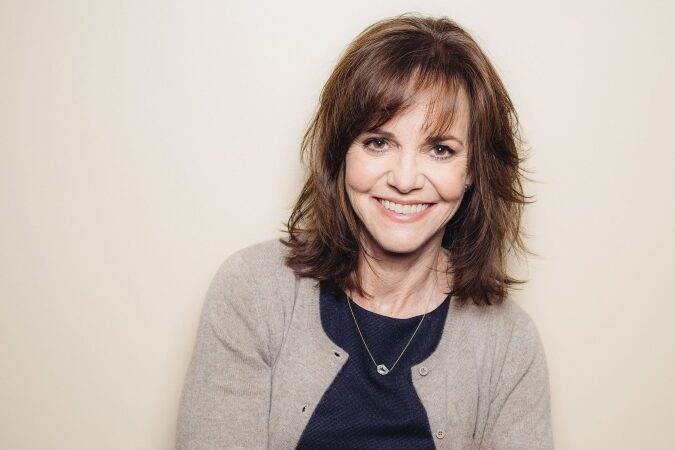
Long before she became an Oscar-winning actress, Sally Field gained early fame in the 1960s through lighthearted sitcoms like Gidget and The Flying Nun. Her girl-next-door appeal and comedic timing made her a household name, yet that era was only a brief introduction to a much longer career.
Even with such visibility, Field experienced the pressures of early fame. By the late ’60s, she intentionally slowed her career to focus on personal growth and theater work, stepping away from constant public scrutiny. She described that period as a necessary pause to “figure out who I really was.” While she returned later to Hollywood with award-winning performances, her early withdrawal shows that even rising stars sometimes need to step back, regroup, and explore life outside of cameras and fan magazines.
8. Lee Meriwether Walked Out of the Limelight
Most people remember Lee Meriwether as Miss America 1955 and later as Catwoman in the 1966 Batman movie. She also became a familiar face on television in the 1960s with appearances on shows like Barnaby Jones. Her grace and elegance made her captivating both on screen and in public appearances, suggesting a long-lasting career in the spotlight.
Yet Meriwether didn’t cling to constant television roles. She selectively chose projects and eventually began focusing on family life and other creative pursuits. She occasionally returned for guest appearances, but the bustling 1960s TV schedule gave way to a quieter, more intentional life. Looking back, she shared that balancing career and personal fulfillment was always her priority. For fans who grew up seeing her in those iconic early roles, her later step back is a gentle reminder that not every star wants to remain in the glare of fame indefinitely.
9. Richard Long Drifted to Simpler Horizons
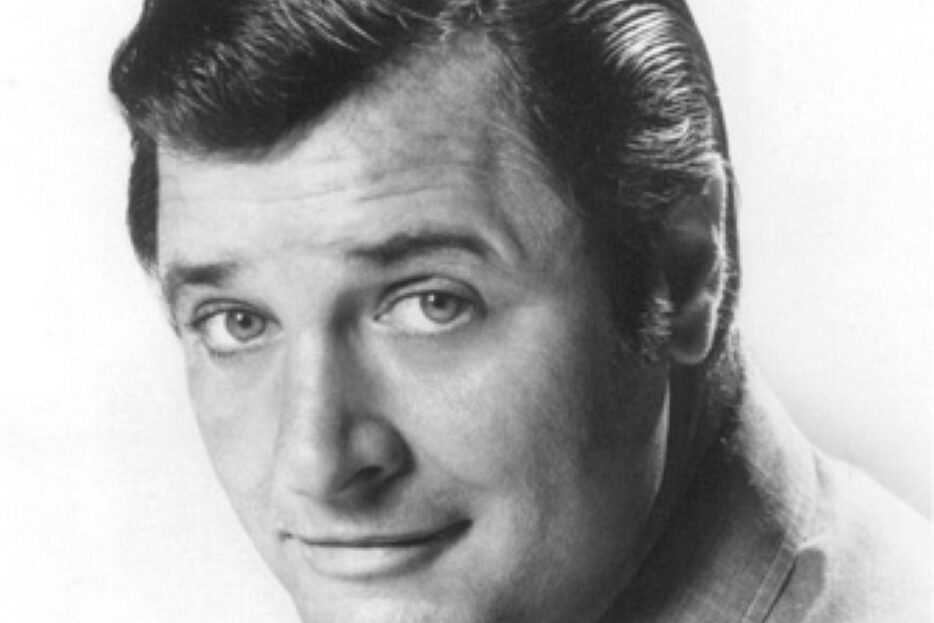
Richard Long, Richard Long, was a mainstay of 1960s television, starring in westerns and adventure series like The Big Valley. With his strong, reliable presence, Long became a favorite of viewers who appreciated dependable heroes on screen. He had a kind of quiet charisma that made him memorable even in guest roles.
However, as the decade waned, Long chose to prioritize life away from Hollywood. He took fewer roles and eventually focused on projects that allowed him personal satisfaction over fame. In interviews, he reflected that television work had been fulfilling but that the constant attention was not always necessary for happiness. Long’s story is a gentle example of how one can leave a recognizable career behind, still remembered fondly, while pursuing a life that feels balanced and intentional.
10. Pat Crowley’s Grace Moved Offscreen
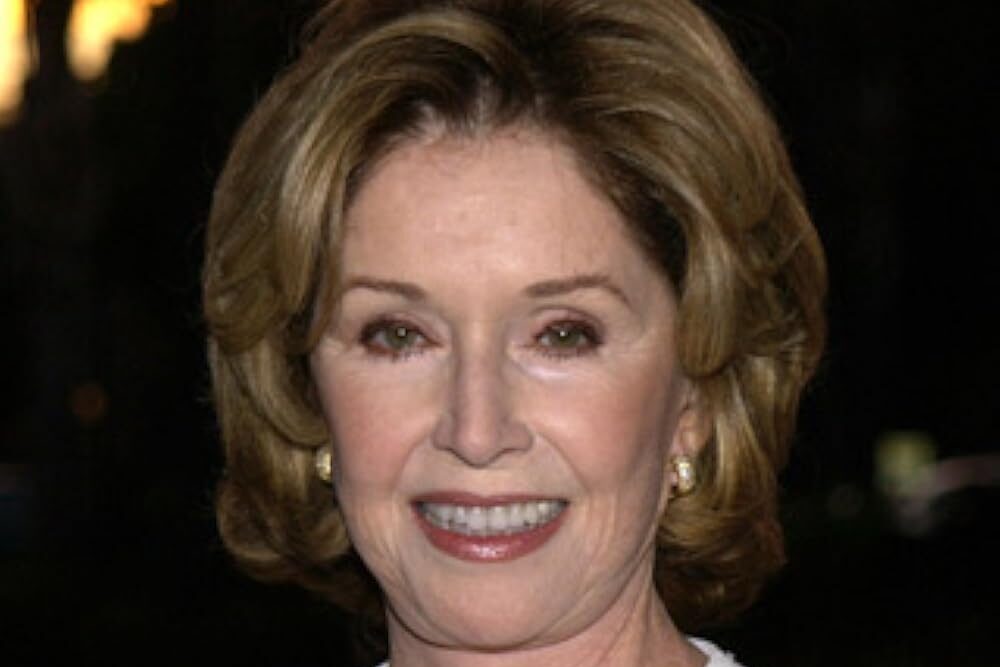
During the 1960s, Pat Crowley appeared in numerous TV series and movies, captivating audiences with her charm and wit. She worked steadily on shows like The Adventures of Ozzie and Harriet, earning respect for her poise and versatility. Crowley had that special presence that made viewers feel instantly connected.
Despite her popularity, Crowley gradually stepped away from constant television work after the 1960s. She focused more on selective projects, family, and maintaining privacy, allowing her career to recede gently without any fanfare. Reflecting on her life, she mentioned that she valued balance and choosing meaningful work over relentless visibility. For many classic TV fans, Crowley remains a beloved figure whose departure from the screen reminds us that stepping back doesn’t diminish the impact of a career; it only adds a quieter dignity to it.
11. Mike Connors Vanished from TV Screens
In the 1960s, Mike Connors became a household name with his role as private detective Joe Mannix on Mannix. With his sharp looks, calm confidence, and quick wit, Connors fit perfectly into the decade’s wave of crime and detective dramas. Audiences tuned in week after week to see him solve cases with style, making him one of television’s reliable leads.
Despite his popularity, Connors eventually reduced his television appearances, focusing on projects that interested him personally rather than chasing fame. He remained connected to acting but in a far more measured way, appreciating the freedom that came with selective roles. In interviews, he reflected that he wanted to balance career satisfaction with family life, and sometimes that meant stepping out of the limelight. Today, fans remember him fondly for his iconic role while acknowledging that a quieter, intentional life can be just as fulfilling as constant public attention.
12. Barbara Eden Quietly Shifted Gears
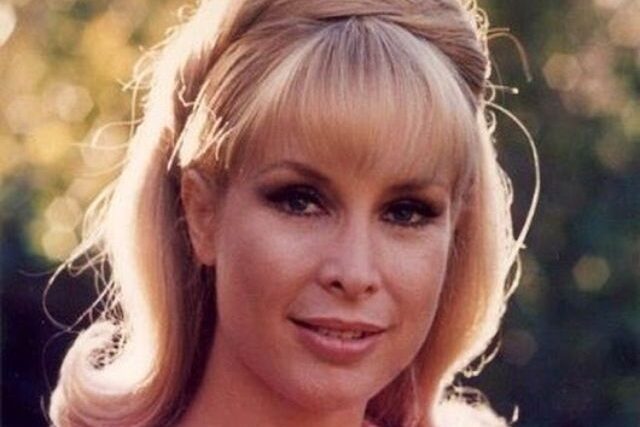
Everyone remembers Barbara Eden as the whimsical and unforgettable star of I Dream of Jeannie. Her sparkling performances and comedic timing made her a defining figure of 1960s television, enchanting millions with each magical episode. Eden’s charm was undeniable, making her one of the decade’s standout stars.
After the series concluded in 1970, Eden chose to focus more on personal pursuits, theater, and selective screen roles rather than constant television work. While she occasionally returned for guest appearances or special projects, she mostly opted for privacy and family time. In interviews, she spoke about enjoying the ability to step away without losing the memories of what made that era so special. Her career trajectory demonstrates that leaving the spotlight doesn’t erase one’s legacy; it can instead give it a quiet, enduring shine.
13. Robert Culp Stepped Back with Poise
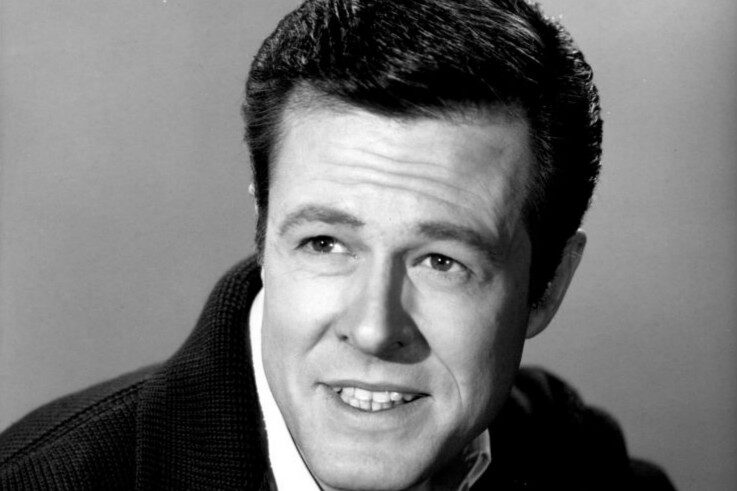
Known for his roles in I Spy during the 1960s, Robert Culp had a blend of sophistication and cool that made him perfect for espionage drama. Paired with Bill Cosby, Culp became one of the faces of modern, intelligent television storytelling, a rare combination in that decade. Viewers admired his charisma and wit, which made each episode compelling.
As the 1960s closed, Culp began to take fewer roles and focus on projects that interested him creatively rather than for visibility alone. He remained in the industry but mostly on his own terms, including occasional writing and directing. He once commented that the demands of constant fame could be overwhelming and that choosing selective work felt liberating. For audiences who grew up watching him navigate suspenseful plots and clever dialogue, Culp’s later retreat seems thoughtful and deliberate, a move toward personal fulfillment rather than recognition.
14. Florence Henderson Stepped Away from Routine
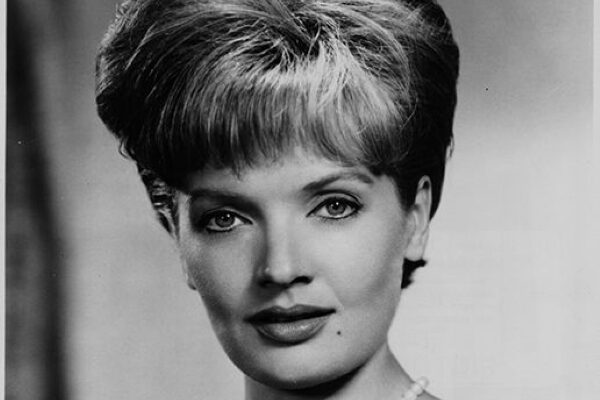
While Florence Henderson is forever remembered as the matriarch Carol Brady on The Brady Bunch, her rise in the 1960s set the stage for decades of television fame. Before Brady, she worked steadily in variety shows and television movies, building a reputation for warmth and professionalism. Her 1960s presence hinted at the lasting impact she would eventually have on TV families.
However, Henderson also understood the value of stepping back. Even while her career continued into the ’70s and beyond, she occasionally chose privacy and selective appearances, preferring to engage in meaningful projects over constant exposure. She later reflected that the early years taught her the importance of pacing herself, noting that her best work often came when she balanced visibility with personal life. Her story illustrates how taking a step back doesn’t diminish talent or legacy, but can enhance it by providing perspective and longevity.
15. Patty Duke Took a Pause from the Spotlight
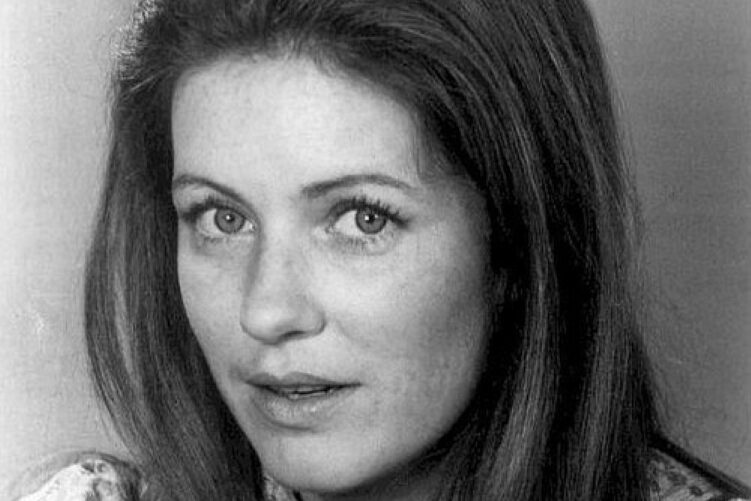
During the 1960s, Patty Duke captured hearts as the title character on The Patty Duke Show. With her energy, charm, and comedic timing, Duke became a teen icon, navigating the dual role of identical cousins with ease and skill. Her presence on television was vibrant, and her performances are still remembered fondly today.
After the series ended, Duke struggled with the pressures of early fame and ultimately chose to step away for periods of her life to focus on mental health, family, and personal growth. She remained active in the entertainment industry but on a much more selective basis, including stage work and advocacy. Duke’s journey is a reminder that stepping away can be a form of self-care, and her later reflections emphasize that a meaningful life sometimes requires taking a quieter path despite early stardom.
16. Richard Deacon Chose a Private Life
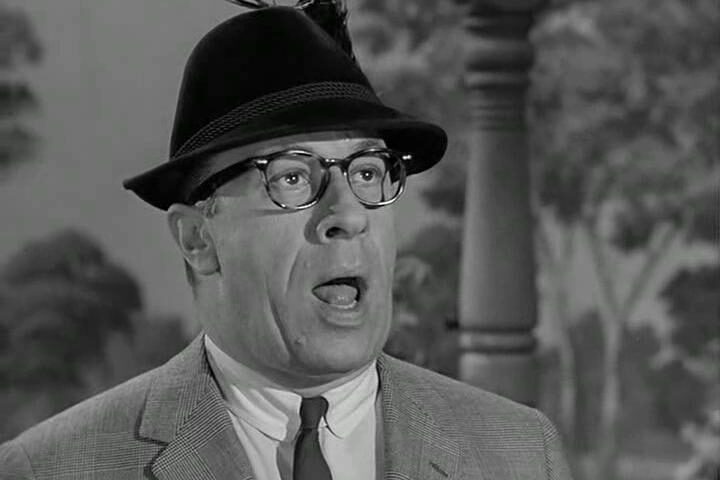
Richard Deacon was one of those character actors whose face was instantly recognizable in the 1960s. From shows like The Dick Van Dyke Show, he brought warmth and humor to supporting roles, often leaving a lasting impression with subtle comedic timing. He became a reliable presence on screen, the kind of actor audiences subconsciously loved.
Yet Deacon preferred life away from public attention. After a steady television career, he stepped back gradually, focusing on personal interests and quiet routines over constant acting work. He rarely sought the spotlight, letting his earlier work speak for itself. Interviews suggest he enjoyed the freedom that came from privacy, demonstrating that a fulfilling life can exist outside the glare of cameras and public expectation. For viewers, his exit reminds us that longevity in impact doesn’t require constant visibility it can live quietly through memory and performance.
17. Charles Nelson Reilly Retreated Gently
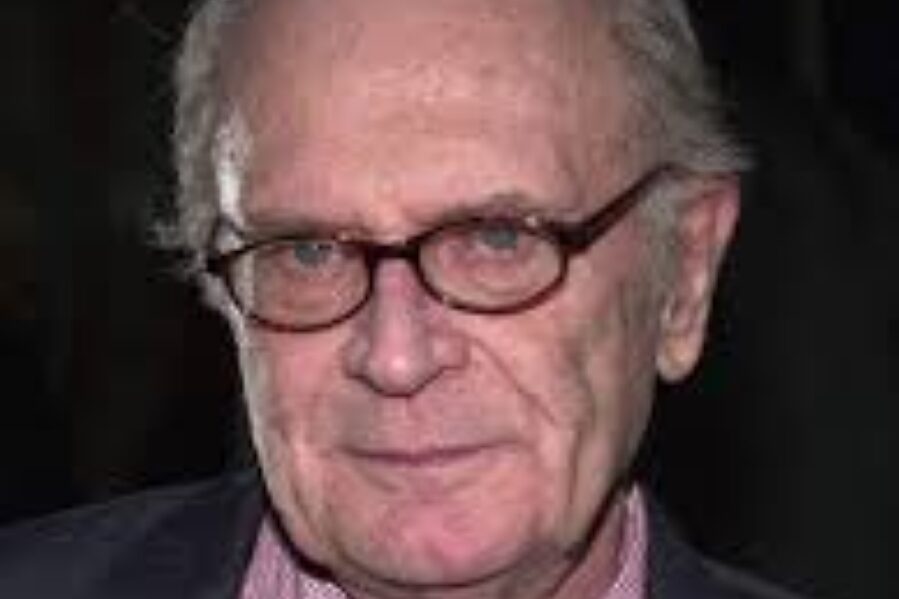
A theatrical personality turned television presence, Charles Nelson Reilly was beloved for his guest appearances on 1960s game shows and sitcoms. His wit, humor, and vibrant energy made him stand out in an era of studio-limited lighting and tightly scripted comedy. Reilly had a knack for leaving audiences laughing, making him one of the more memorable faces of 1960s TV.
Despite his popularity, Reilly often preferred smaller engagements and occasional guest appearances rather than long-term, high-pressure roles. He later focused on stage work, writing, and teaching acting, sharing his talent away from constant cameras. Reilly’s choices show that retreating from television fame doesn’t equate to fading away; instead, it can open doors to different kinds of fulfillment while keeping the spark of creativity alive. His career remains a testament to the value of choosing work that resonates personally rather than chasing continuous visibility.
18. Michael Landon’s Transition to Behind-the-Scenes
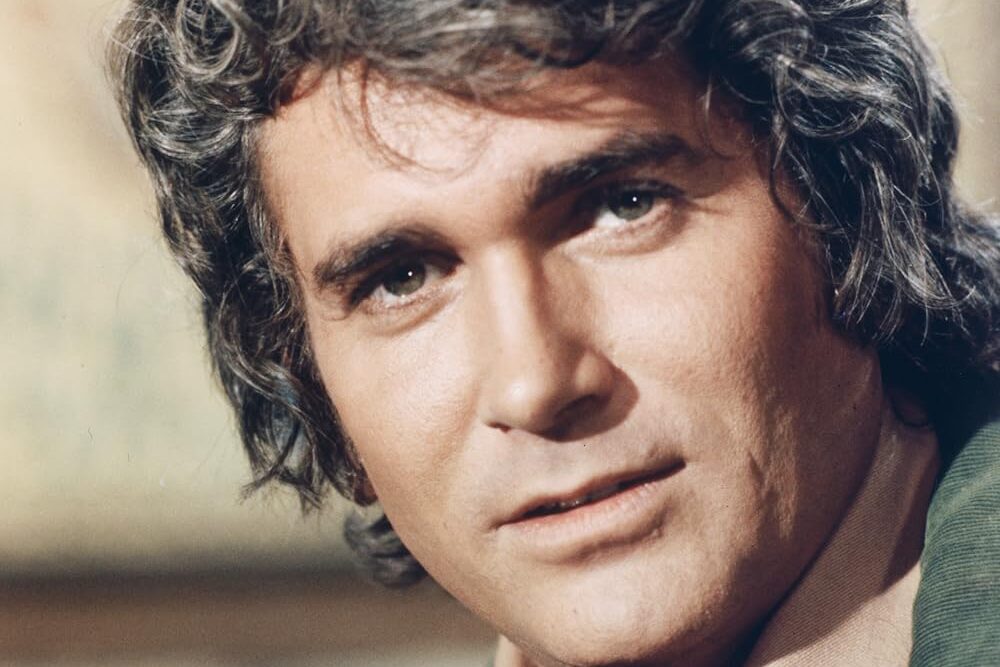
Known initially in the 1960s for his role on westerns like Bonanza, Michael Landon became one of television’s defining young stars. His charm, athleticism, and boy-next-door appeal made him a standout, and viewers quickly connected with his characters, rooting for them through long story arcs and family dramas.
Landon eventually transitioned from acting to directing and producing, seeking more creative control rather than simply being in front of the camera. His work behind the scenes allowed him to shape stories in ways that acting alone could not. For fans, Landon’s 1960s beginnings are remembered with affection, while his later career shows how stepping into new roles even away from public performance can lead to enduring influence and legacy. His story, along with those of the other stars, gently reminds us that fame is fleeting but choice and personal fulfillment endure.


