
1. The Sopranos Cut To Black Ending
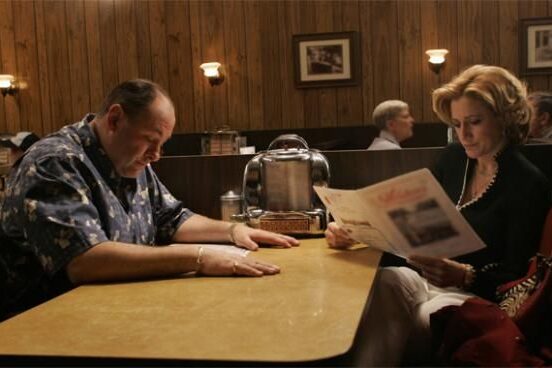
Sometimes a TV moment lands quietly and you cannot quite explain why it feels unusual. That is how many viewers felt during the final scene of The Sopranos. Tony sat with his family in a small restaurant, the camera lingered, and then the screen suddenly went black. No music, no dramatic sendoff, just silence. Many viewers genuinely thought their television had stopped working. It felt abrupt and oddly unfinished, especially for a show known for building tension carefully over the years. People called HBO asking if the episode had cut off early. The confusion became part of the experience, and conversations started immediately after the credits rolled quietly.
Over time, the scene began to feel more intentional. Creator David Chase later shared that he wanted viewers to experience uncertainty the same way Tony lived every day. That quiet ending slowly turned into something thoughtful rather than frustrating. The lack of closure encouraged reflection instead of resolution. What once felt incomplete started to feel like a realistic ending that trusted viewers to sit with ambiguity. Years later, the scene still sparks conversation, and that silence now feels like a deliberate storytelling choice rather than a mistake that slipped through unnoticed.
2. Breaking Bad’s Fly Episode

When Breaking Bad aired an episode focused almost entirely on Walt and Jesse chasing a fly in the lab, viewers were caught off guard. The pacing slowed dramatically, and the story stayed in one location. For a show known for tension and momentum, the quiet felt unusual. Some viewers wondered if the episode was filler or simply a pause in the action. Yet as the episode continued, the conversations between Walt and Jesse began to carry more weight. Their dialogue revealed tension, guilt, and frustration that had quietly built beneath the surface.
Later, the episode started to feel more meaningful. The stillness allowed viewers to notice small character details that might otherwise have been missed. Walt’s need for control became clearer, and Jesse’s emotional exhaustion felt more visible. What seemed slow at first turned into a thoughtful character study. Over time, critics and fans began revisiting the episode with new appreciation. The fly stopped feeling random and instead became symbolic of Walt’s unraveling mindset. That quiet hour, once questioned, slowly earned its place as one of the show’s most reflective and carefully constructed episodes.
3. Friends Ross Saying Rachel’s Name At His Wedding
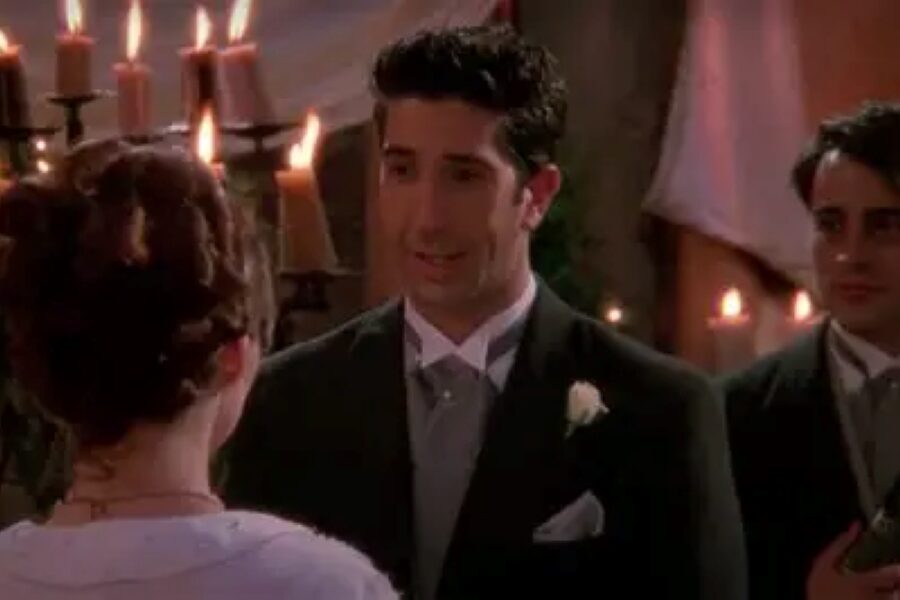
Weddings on Friends were usually filled with light humor, so when Ross said Rachel instead of Emily at the altar, the moment felt unusually uncomfortable. The laughter faded quickly, and the silence that followed made everything feel more real than expected. Viewers watched the expressions shift, and the awkwardness lingered longer than a typical sitcom beat. It felt like the show had suddenly stepped into something more emotional. Many fans were surprised by how quiet the scene became, especially since Friends often softened tense moments with humor.
Later, the scene started to feel more intentional. The writers allowed the moment to sit without rushing into jokes, which made it more believable. Ross’s unresolved feelings for Rachel had been building quietly, and this moment brought everything to the surface. What once felt painfully awkward became one of the show’s most memorable turning points. The silence, once uncomfortable, added emotional weight. Looking back, it felt like a natural step in their complicated relationship, and that quiet pause helped the moment stay with viewers long after the episode ended.
4. Game Of Thrones Daenerys’ Sudden Turn

When Daenerys made her final shift in Game Of Thrones, many viewers felt caught off guard. Her decisions seemed to happen quickly, and the change felt heavier than expected. Fans had followed her journey for years, so the sudden intensity left some viewers uneasy. It felt like the show moved faster than the character’s emotional buildup. People revisited earlier scenes, trying to understand how the transformation unfolded. At first, the moment felt abrupt and difficult to process.
Over time, earlier moments began to feel more meaningful. Small signs from previous seasons showed flashes of anger, control, and determination that hinted at her future choices. The shift started to feel less sudden and more like a slow buildup that had been quietly developing. The story did not introduce something new, it revealed something that had always existed beneath the surface. What once felt rushed slowly began to feel inevitable. Looking back, the change reflected how power and pressure shaped her character over time.
5. The Office Jim Not Looking At The Camera

Jim’s camera glances were one of the most familiar parts of The Office. They created a quiet connection with viewers and made everyday office moments feel personal. So when those looks became less frequent, fans noticed the difference. It felt subtle but noticeable, like something small had shifted. The show still worked, but the absence made viewers pause. Jim seemed more focused on his life outside the office, and the change felt slightly unusual at first.
Later, the shift started to make sense. Jim’s character had grown, and his priorities had changed. He was more settled, focused on family, and less interested in reacting to every awkward moment. The reduced camera glances reflected that maturity. What once felt missing became a quiet sign of character development. The documentary style remained, but Jim no longer needed to share every reaction. The subtle change showed growth in a natural way, and over time, the difference felt thoughtful rather than accidental.
6. Lost’s Polar Bears

When polar bears appeared on a tropical island in Lost, viewers were immediately confused. The moment felt random and slightly unbelievable. It raised questions without offering answers, which made the scene feel even more unusual. Some viewers wondered if the show was leaning too heavily into mystery without explanation. The image stayed with audiences because it felt so unexpected. At first, it seemed like a strange creative decision.
As the series continued, the mystery slowly unfolded. The Dharma Initiative storyline introduced experiments that explained the unusual presence of the bears. Suddenly, the early confusion began to feel intentional. The show rewarded patience, and the strange detail became an early clue rather than a random moment. What once felt odd turned into a key part of the show’s layered storytelling. Looking back, the polar bears helped define the tone of Lost and prepared viewers for the mysteries that followed.
7. Grey’s Anatomy Musical Episode
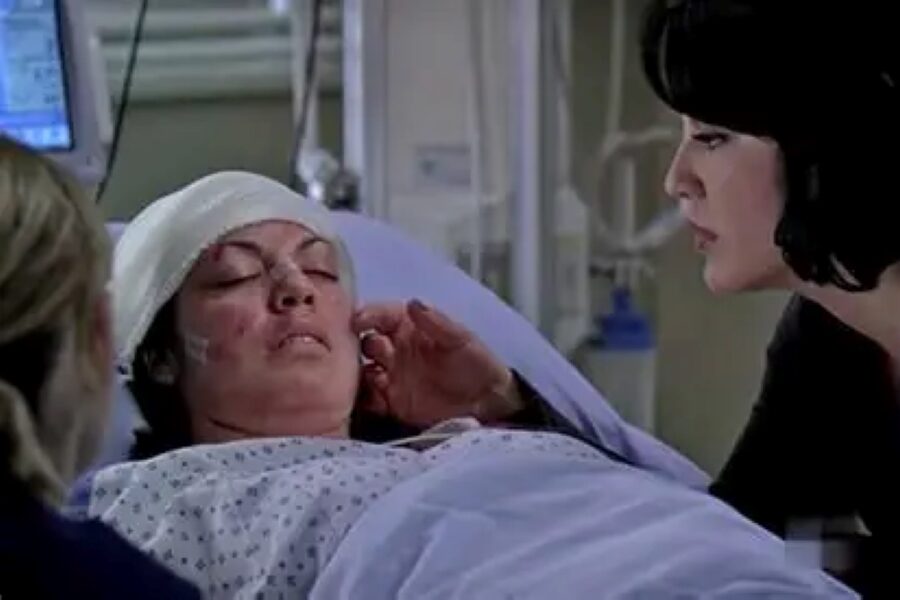
When Grey’s Anatomy introduced a musical episode, many viewers were surprised. A medical drama suddenly shifting into songs felt unexpected. The emotional tone remained serious, but the format changed, which made the episode feel unusual. Some viewers were unsure how to react, since the show rarely experimented in that way. The transition from dialogue to music felt different, and the risk stood out immediately.
As the episode continued, the choice began to feel more meaningful. The songs reflected Meredith’s emotional state and allowed characters to express feelings differently. The music added depth rather than distraction. What once felt unusual slowly became emotionally powerful. The format helped highlight the intensity of the situation in a unique way. Over time, the episode became known as one of the show’s boldest creative decisions, and what initially felt strange turned into a memorable storytelling moment.
8. Stranger Things Eleven Losing Her Powers
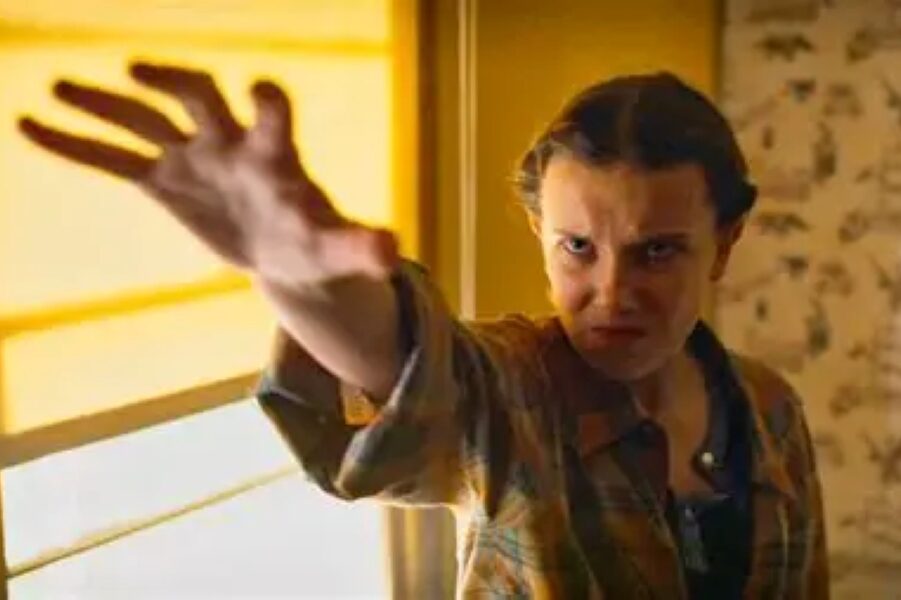
When Eleven lost her powers in Stranger Things, the shift felt unsettling. Her abilities had always shaped the story, so removing them made the show feel different. Viewers wondered how the character would move forward without the strength she relied on. The change felt uncomfortable at first, especially since her powers were central to many key moments. It seemed like a major shift in direction.
As the season progressed, the decision began to feel intentional. Eleven started exploring her identity beyond her abilities, which gave the character more depth. The absence of powers allowed emotional growth and new relationships to develop. What once felt limiting became meaningful character development. The storyline shifted from strength to self discovery, and that quiet change helped the character evolve naturally. Over time, the decision felt thoughtful and added a new layer to Eleven’s journey.
9. Parks And Recreation’s First Season Tone
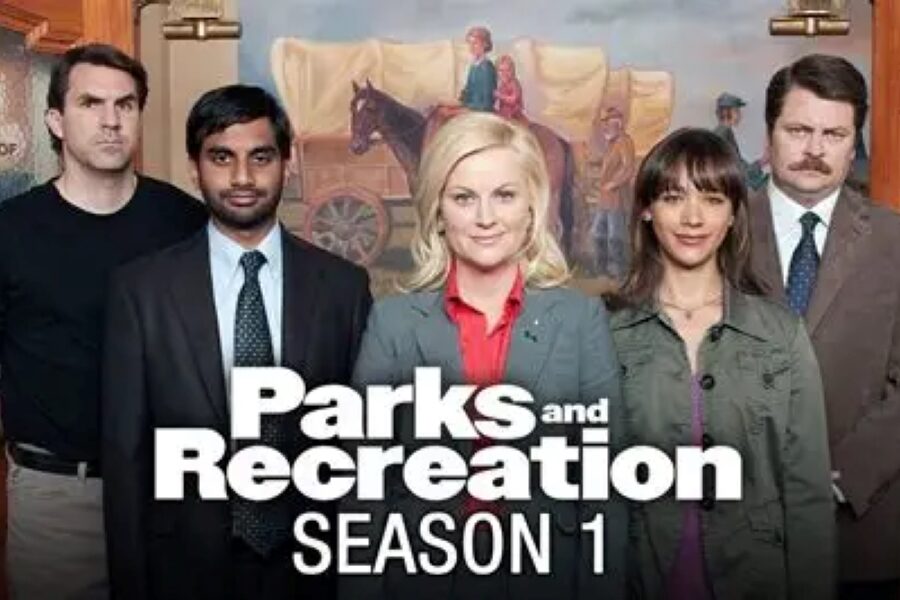
When Parks And Recreation first aired, something about the tone felt slightly uncertain. Leslie Knope came across as overly naive, and the pacing felt slower than what the show later became known for. Viewers were still trying to understand the characters, and the humor had not quite found its rhythm. It felt like the show was still searching for its voice. Some audiences compared it to The Office, expecting a similar flow, but the first season felt different and somewhat awkward.
As the show moved into later seasons, small changes began to reshape everything. Leslie became more confident and capable, while the supporting characters developed stronger personalities. The humor felt more natural, and the pacing improved. What once felt uneven slowly became the foundation for something memorable. Looking back, the first season now feels like a quiet beginning rather than a misstep. The early uncertainty allowed the show to grow, and that gradual improvement helped Parks And Recreation become one of television’s most beloved comedies.
10. Buffy’s Silent Episode
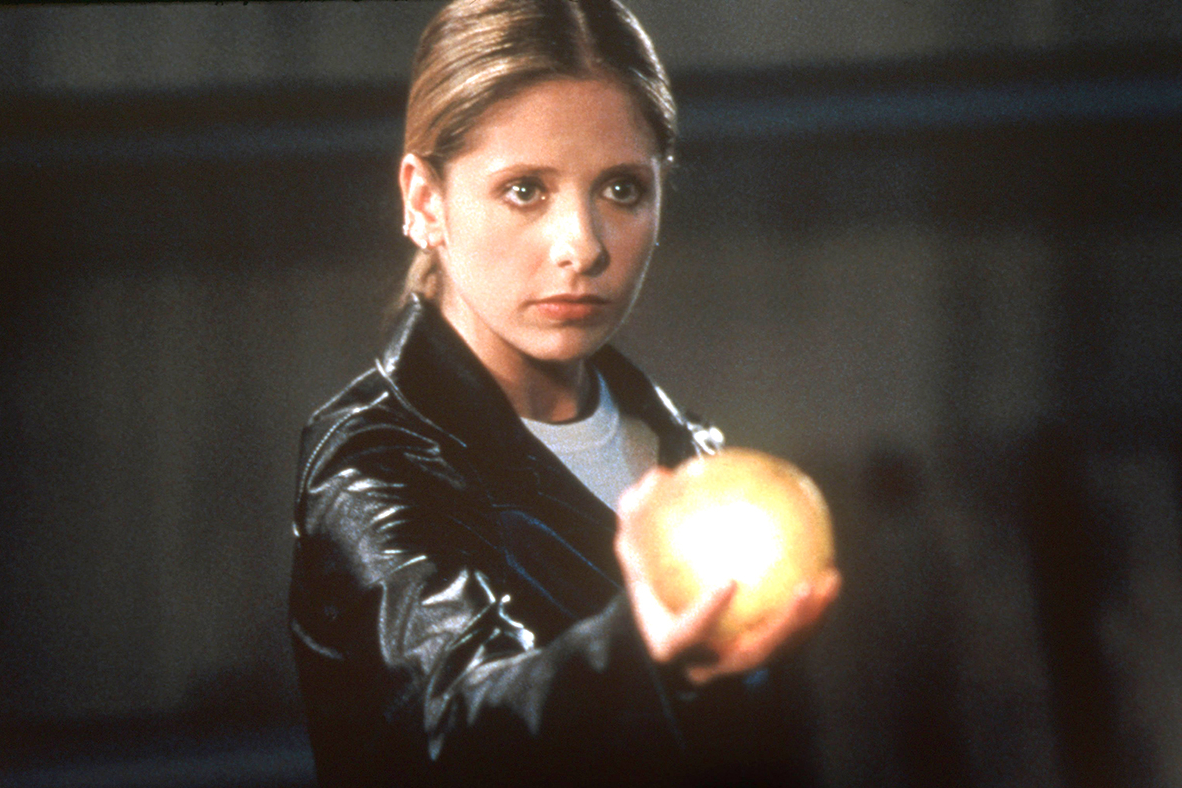
It felt unusual when Buffy The Vampire Slayer aired an episode with barely any dialogue. The show was known for clever conversations and quick humor, so the sudden quiet created a different kind of atmosphere. Viewers noticed immediately that something had shifted. Characters communicated through expressions and movement instead of words, which made every scene feel slower and more deliberate. At first, the silence seemed risky, and some viewers wondered if the episode would hold attention without the familiar rhythm of dialogue.
As the episode continued, the silence started to work in its favor. The lack of dialogue made tension feel stronger, and the emotional moments landed more deeply. Small reactions became more meaningful, and the storytelling leaned heavily on visuals. What initially felt strange gradually became immersive. The quiet allowed viewers to focus on fear, uncertainty, and connection in a new way. Over time, the episode became one of the most remembered creative risks in the series, proving that sometimes removing words can make a story feel even more powerful and memorable.
11. The Crown Recasting Actors
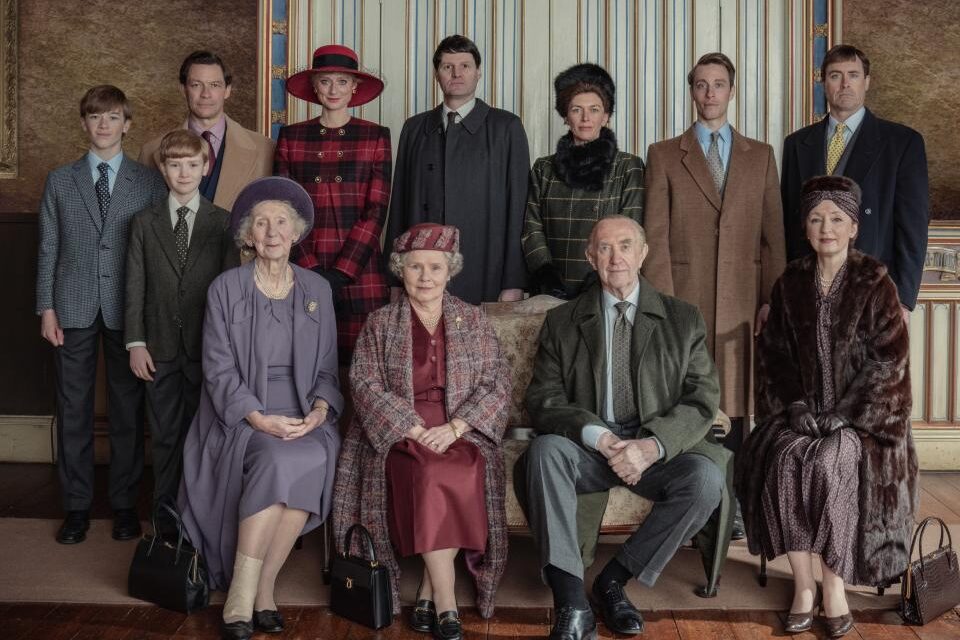
When The Crown introduced new actors between seasons, the shift felt noticeable right away. Viewers had grown attached to familiar faces, and seeing new performers in the same roles created a moment of adjustment. The characters were the same, but the presence felt different. It was not easy at first, especially since the original cast had shaped the early tone of the series. The transition felt slightly distant, and audiences needed time to reconnect with the story.
As the series progressed, the recasting began to feel more natural. The change allowed characters to age realistically and reflect different stages of their lives. New performances added depth while maintaining continuity. What once felt jarring slowly became one of the show’s strengths. The passage of time felt authentic, and the storytelling benefited from fresh interpretations. Looking back, the recasting helped The Crown move forward with confidence, turning an initially uncomfortable transition into a thoughtful creative decision that supported the long term narrative.
12. The Office Michael Scott Leaving Quietly
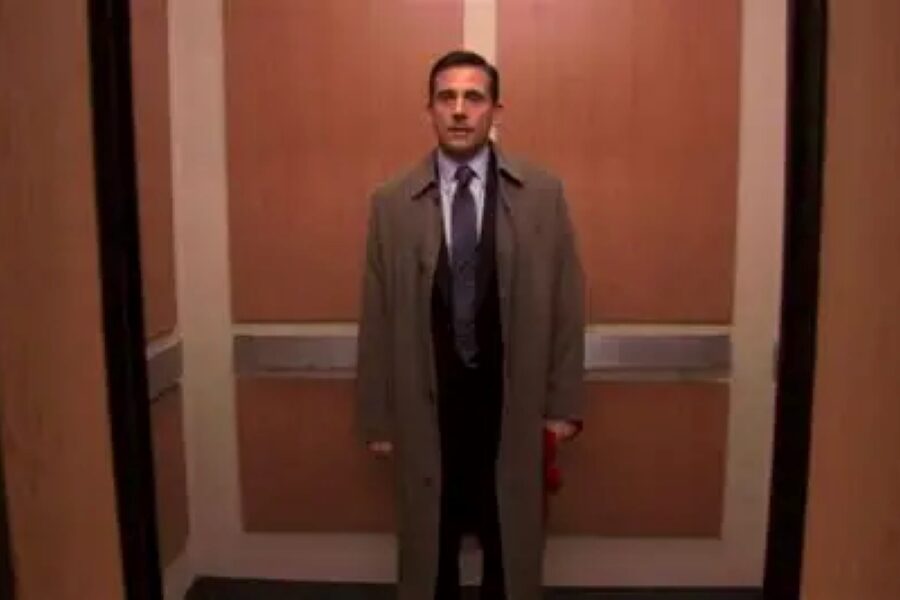
Michael Scott’s departure from The Office felt surprisingly simple. After years of memorable moments, many viewers expected a dramatic farewell filled with speeches and big emotions. Instead, the goodbye happened quietly, with small interactions and understated conversations. The simplicity felt unexpected, especially for a character who often brought loud energy to the office. The moment lingered gently, and viewers felt the shift as the episode moved forward.
As the scene settled, the quiet farewell began to feel meaningful. Michael had grown over the years, and the subtle goodbye reflected that change. The focus stayed on personal connections rather than spectacle. What initially felt understated slowly became emotional. The calm tone allowed viewers to reflect on the character’s journey and the relationships he built. Over time, the departure became one of the show’s most heartfelt moments, remembered not for dramatic gestures but for the warmth and sincerity that defined the goodbye.
13. Brooklyn Nine Nine Tone Shift
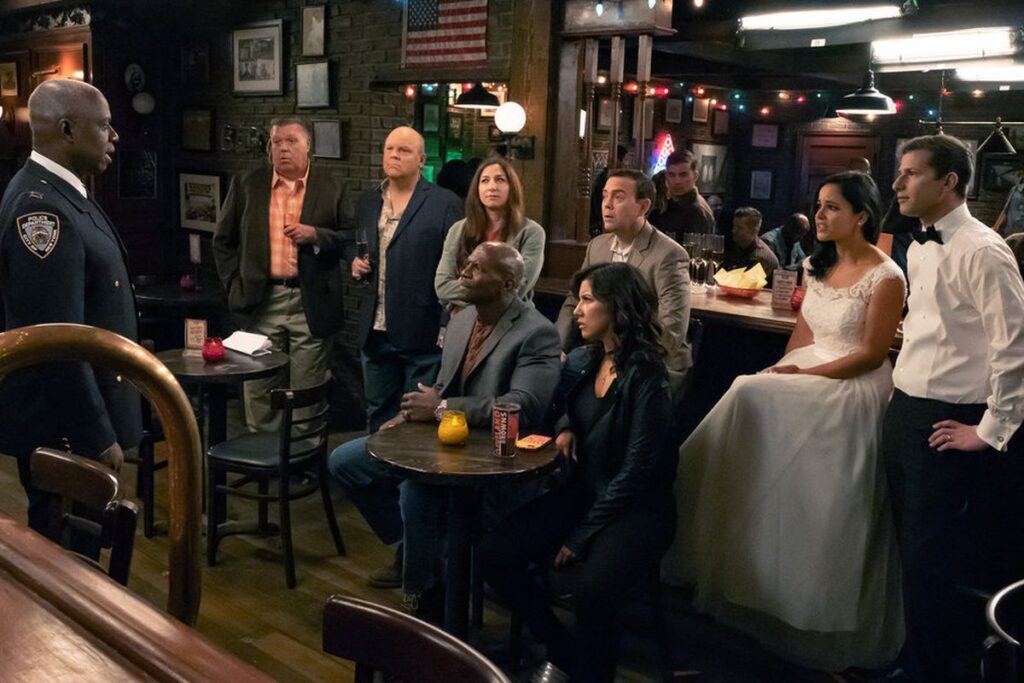
In later seasons, Brooklyn Nine Nine began exploring more serious topics, and the change felt noticeable. The show had always balanced humor and heart, but the shift introduced deeper conversations. Some viewers wondered how the tone would evolve while keeping the familiar comedy intact. The episodes still felt warm, but the added seriousness created a slightly different rhythm. It felt like the show was growing alongside its characters.
As the stories continued, the balance became more comfortable. The characters addressed meaningful topics while maintaining their personalities and humor. What once felt like a shift gradually felt natural. The added depth strengthened the emotional connection without losing the lighthearted tone. Over time, the change helped the show mature while staying true to its core. The transition reflected growth, allowing Brooklyn Nine Nine to remain relatable and thoughtful without losing the warmth that made viewers connect with it in the first place.
14. The X Files Ambiguous Episodes
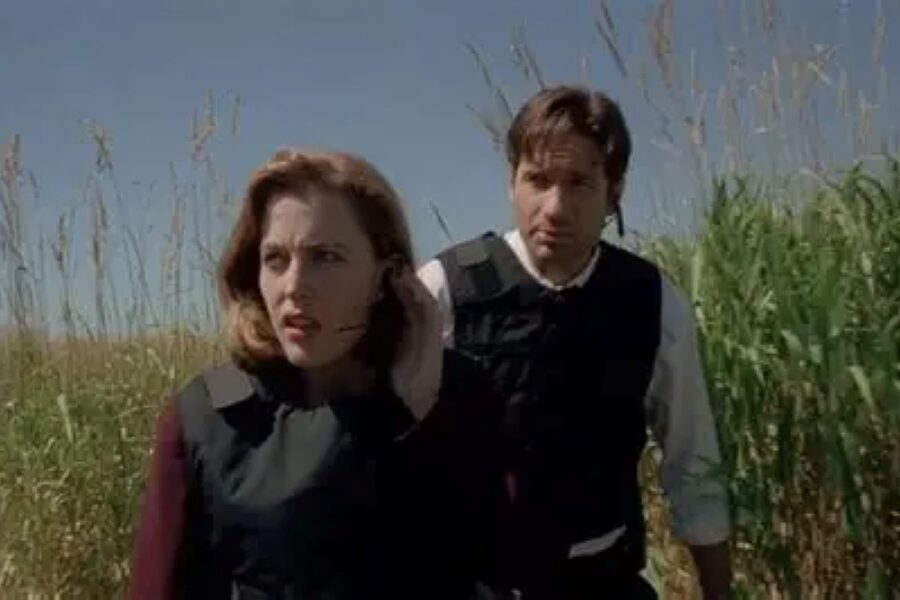
Watching The X Files sometimes meant finishing an episode with more questions than answers. That felt unusual, especially for viewers used to tidy conclusions. Episodes would end quietly, leaving mysteries unresolved and conversations unfinished. At first, this approach felt slightly frustrating. Some viewers expected clear explanations, but instead they were left thinking about what really happened. The ambiguity gave the show a different rhythm that took time to adjust to.
As the series continued, the unanswered questions began to feel intentional. The mystery encouraged viewers to reflect and form their own interpretations. What once felt incomplete slowly became immersive. The lack of resolution created discussion and curiosity that lasted beyond the episode. Over time, the ambiguity became one of the show’s defining strengths. The X Files leaned into uncertainty, and that quiet confidence helped shape its identity. The moments that once felt off eventually became part of the experience that kept viewers returning.
15. Modern Family Documentary Style

When Modern Family first introduced characters speaking directly to the camera, the format felt slightly unusual. Sitcoms traditionally followed straightforward storytelling, so the documentary style created a different feel. The confessional moments offered personal insight, but early on, the approach took some getting used to. Viewers noticed the shift between scenes and interviews, which gave the show a distinct rhythm that felt new.
As the show developed, the documentary style began to feel natural. The interviews added humor and emotional clarity, helping viewers understand characters more deeply. What once felt different became part of the show’s personality. The format allowed quiet reflections that balanced the comedic moments. Over time, the approach strengthened storytelling and made Modern Family feel more personal. The style that once seemed unusual gradually became one of the elements that made the show stand out and feel familiar.
16. The Office Pam Walking On Coals Moment

Pam walking across hot coals during The Office felt like a quiet shift that many viewers did not expect. The moment was simple and did not rely on humor or dramatic buildup. She stepped forward calmly, and the scene moved quickly, yet it lingered emotionally. For a character who had spent seasons finding confidence, the action felt subtle but important. Some viewers may not have noticed its weight immediately, since the show often balanced emotional growth with everyday office humor.
As time passed, the moment started to feel more meaningful. Pam had slowly grown into someone willing to take risks and trust herself. Walking across the coals reflected that internal change. What once seemed like a small scene became a quiet symbol of growth. The simplicity made it relatable, and the confidence felt earned. Looking back, the moment captured how change often happens gradually. It did not need to be dramatic to leave an impression, and that gentle shift stayed with viewers long after the episode ended.
17. The Office Robert California’s Arrival
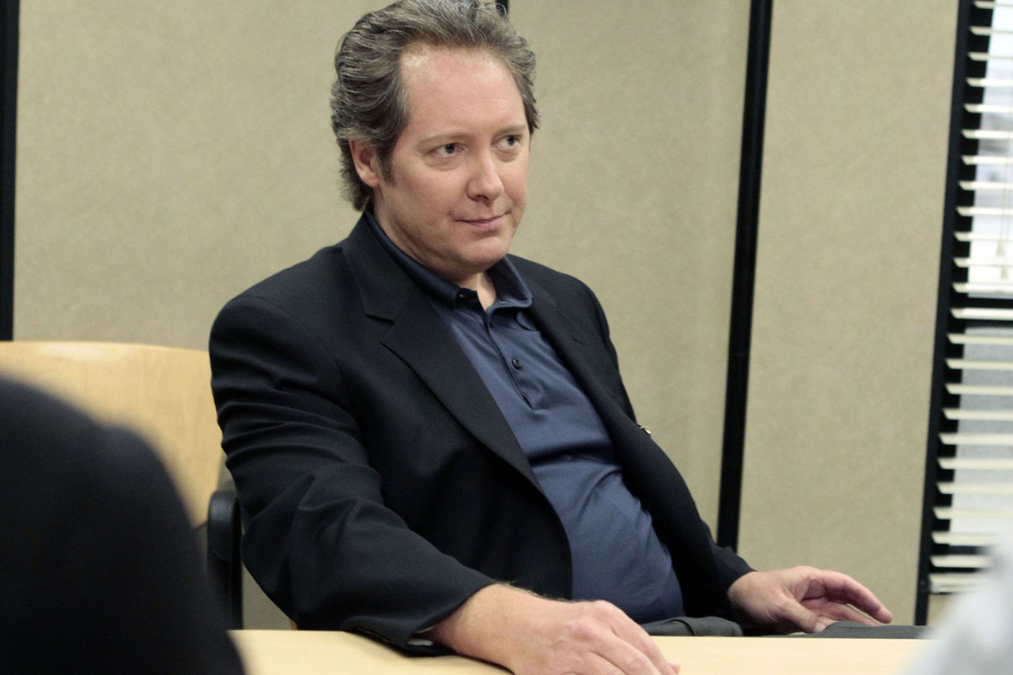
When Robert California first appeared in The Office, his presence felt different right away. He spoke calmly, paused often, and carried an unpredictable energy that contrasted with the familiar office dynamic. Viewers were unsure how to read him, and the tone shifted slightly with his arrival. After the departure of previous leadership, the introduction felt unusual. His conversations felt layered and sometimes confusing, which made the character harder to place at first.
As episodes continued, the character began to settle into the show’s rhythm. Robert’s unpredictability created new interactions and tension that felt fresh. What once seemed off gradually became interesting. His quiet authority shaped office decisions and influenced the characters in subtle ways. Over time, viewers adjusted to his presence, and the uncertainty became part of his appeal. The arrival that initially felt unusual slowly became another chapter in the show’s evolving workplace dynamic.
18. Stranger Things Hopper’s Letter Scene
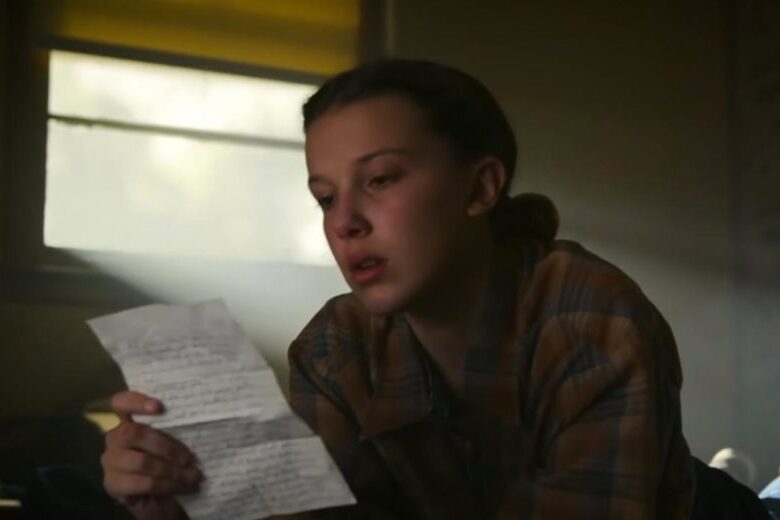
When Hopper’s letter was read toward the end of Stranger Things, the tone shifted gently. The show often leaned on suspense and action, so the quiet narration felt different. The pacing slowed, and the focus moved to reflection. Viewers listened as the words unfolded, and the emotional tone softened. The contrast between action and stillness made the moment feel unexpected.
As the scene continued, the quiet reflection became meaningful. Hopper’s words revealed vulnerability and growth that had developed over time. What once felt like a tonal shift gradually became one of the most memorable emotional moments in the series. The simplicity allowed viewers to connect with the characters in a more personal way. Looking back, the letter captured how quiet moments often carry the strongest impact. The gentle shift in tone felt natural, and the scene lingered long after the episode ended


