
Joffrey Baratheon
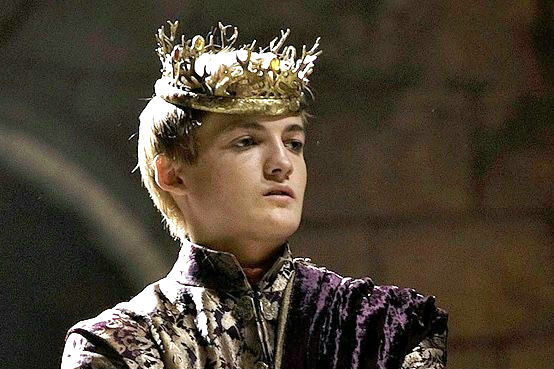
Few television figures have managed to unite global audiences in pure disdain quite like Joffrey Baratheon from Game of Thrones. Making his debut in the 2011 series premiere, Joffrey was the golden-haired prince who quickly turned into a nightmare king. His reign was defined by a terrifying mix of teenage insecurity and absolute, unchecked power. Whether he was tormenting his betrothed, Sansa Stark, or ordering the shocking execution of Ned Stark in the first season’s climax, he remained a character that viewers simply could not stand.
What made Joffrey so uniquely reviled was his pure, senseless cruelty. Actor Jack Gleeson delivered such a convincing performance that he often faced real-life heckling, despite being known as a lovely person off-camera. By the time the “Purple Wedding” aired in April 2014, the character’s dramatic exit became one of the most celebrated moments in television history. Even a decade later, Joffrey remains the gold standard for a “love to hate” villain, proving that a well-written antagonist can leave a permanent mark on pop culture through sheer malice.
Ramsay Bolton
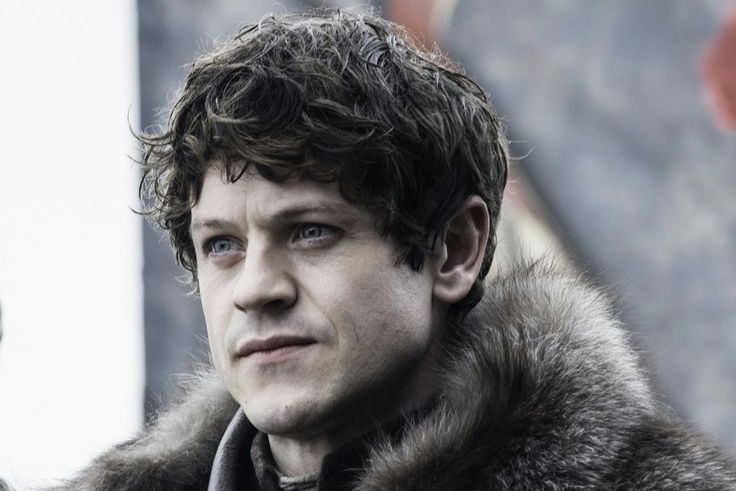
If Joffrey Baratheon was a spoiled brat with a crown, Ramsay Bolton was a calculated monster who took the darkness of Game of Thrones to a whole new level. Entering the fray in 2013 during the third season, Ramsay specialized in psychological warfare and physical intimidation. His most notorious storyline involved the systematic breaking of Theon Greyjoy, whom he stripped of his identity and renamed “Reek.” This plotline was so intense that it sparked intense debates among fans regarding the limits of on-screen violence.
Portrayed with chilling charisma by Iwan Rheon, Ramsay was a villain who didn’t just want to win; he wanted to see his enemies suffer in the most creative ways possible. His actions, including his treatment of Sansa Stark in Season 5, made him perhaps the most hated figure in the entire franchise. When he finally met his end during the “Battle of the Bastards” in June 2016, the collective sigh of relief from the audience was palpable. Ramsay’s legacy is a reminder of how a truly terrifying villain can drive the emotional stakes of a series.
The Governor
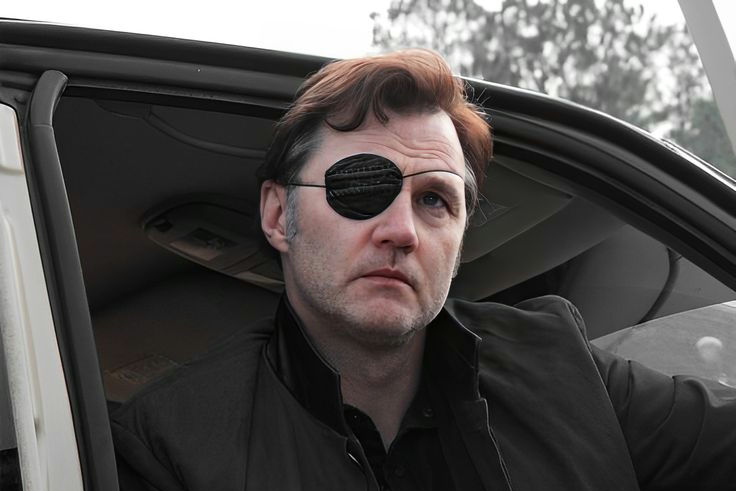
In the post-apocalyptic world of The Walking Dead, the zombies are rarely the biggest threat; usually, it is the people. The Governor, introduced in 2012 during the show’s third season, proved this point perfectly. Initially presenting himself as the charismatic and protective leader of a walled community called Woodbury, he hid a deeply fractured and violent soul behind a polished exterior. His descent from a grieving father into a ruthless dictator made him a primary foil for Rick Grimes and his group of survivors.
Played by David Morrissey, The Governor was a master of manipulation. He was the kind of villain who could share a drink with you one moment and plot your demise the next. His obsession with control eventually led to the destruction of the prison sanctuary in a brutal 2013 episode that saw the loss of several fan-favorite characters. Unlike the mindless walkers roaming the forest, The Governor’s evil was intentional and deeply personal. Even after his departure from the series, his impact on the show’s moral landscape continues to be a point of discussion for longtime viewers.
Livia Soprano
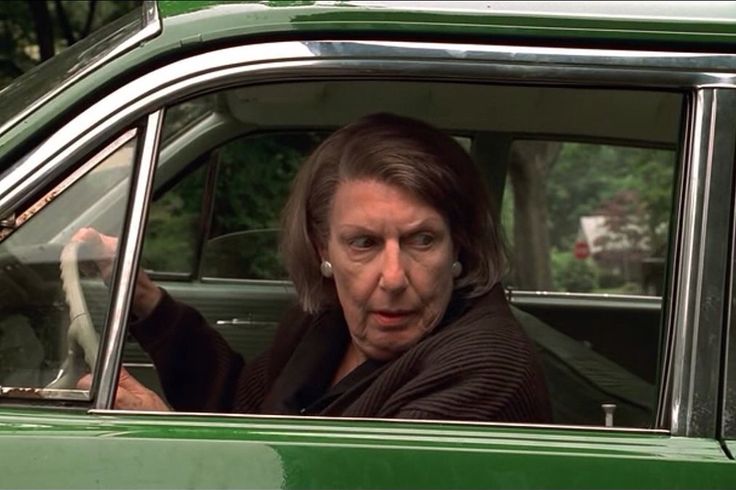
Livia Soprano from The Sopranos didn’t need to carry a weapon or lead an army to be one of the most disliked characters in TV history. As the matriarch of the Soprano family, she weaponized guilt, pessimism, and emotional coldness against her son, Tony. When the show premiered in 1999, audiences were introduced to a woman who seemed to find joy only in making those around her miserable. Her manipulative nature reached its peak when she subtly encouraged a hit on her own son after he placed her in a nursing home.
Nancy Marchand’s portrayal of Livia was so hauntingly realistic that it hit home for many viewers who had dealt with similar family dynamics. She wasn’t a cartoonish villain; she was a master of the “poor me” routine, using her age and perceived frailty to hide her sharp, vindictive edge. Although Marchand passed away in 2000, leading to the character’s off-screen death in the third season, Livia’s shadow loomed over the entire series. She remains a classic example of how psychological complexity and domestic toxicity can create a character that is truly hard to watch.
Cersei Lannister
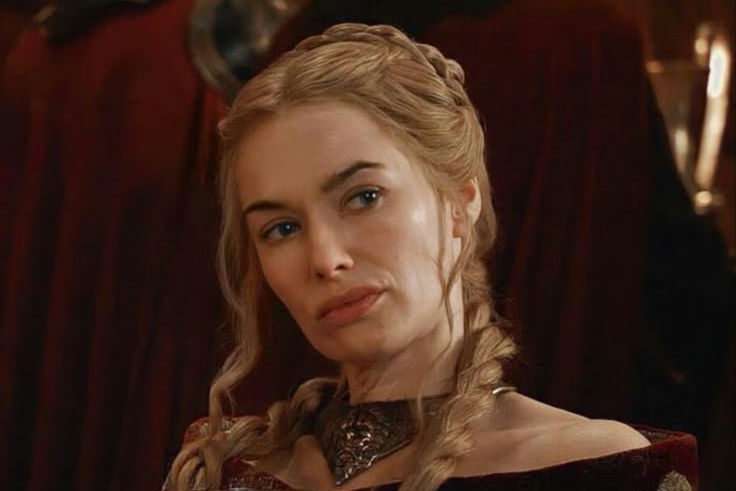
Cersei Lannister is perhaps the most complex “villain” to ever grace the screen. From the moment Game of Thrones began in 2011, Cersei was positioned as a woman who would burn the world down to protect her children and her position of power. While her actions were often horrific, such as the 2016 explosion of the Great Sept of Baelor which wiped out her political rivals, her motivations were rooted in a fierce, albeit twisted, sense of maternal loyalty and survival in a world that consistently underestimated her.
Lena Headey’s masterful performance allowed audiences to occasionally feel a glimmer of sympathy for Cersei, only for the character to follow it up with an act of cold-blooded betrayal. This constant push and pull made her a fascinating figure to track over eight seasons. By the time the series concluded in 2019, Cersei had evolved from a manipulative queen into a lonely, desperate ruler clinging to a crumbling throne. Whether you admired her resolve or detested her cruelty, there is no denying that Cersei was a powerhouse character who kept the audience on the edge of their seats.
Skyler White
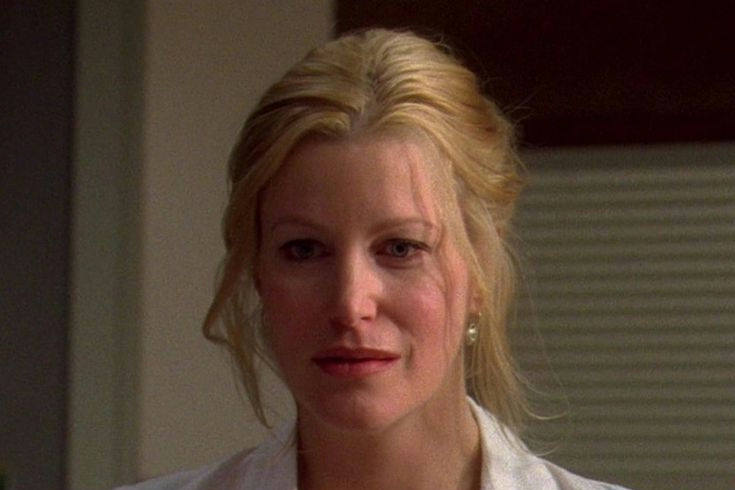
Skyler White from Breaking Bad occupies a unique spot on this list because the hatred directed toward her was often a point of major controversy. When the show debuted in 2008, Skyler was the pregnant wife of a man secretly cooking illegal substances. As she discovered Walter White’s lies and began to oppose his criminal lifestyle, a segment of the audience turned on her. Many viewers saw her as an obstacle to Walt’s “cool” transformation, despite the fact that her reactions were those of a concerned mother trying to protect her family.
Anna Gunn, the actress who played Skyler, eventually wrote an op-ed about the intense vitriol she received from fans, which often crossed the line into personal attacks. Looking back at the series, which ended its legendary run in 2013, many critics have reassessed Skyler’s role. She is now often seen as a tragic figure trapped in an impossible situation. While she made questionable choices, such as her involvement in money laundering, the divided reaction to her character remains one of the most significant examples of how audience bias can affect the perception of a female lead.
Piper Chapman
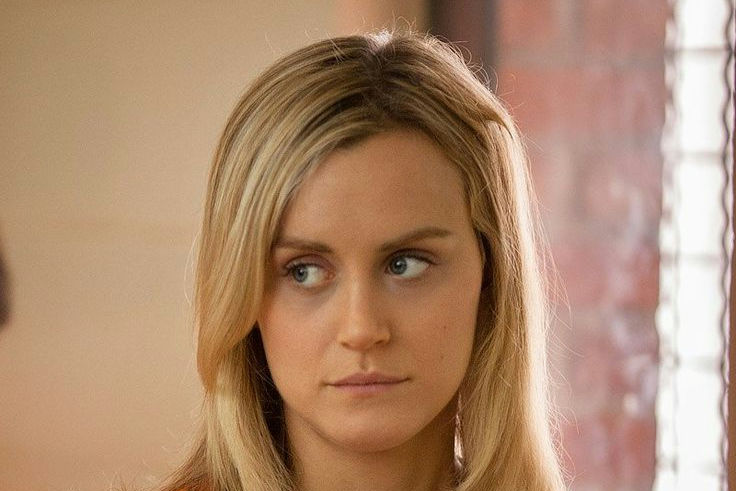
When Orange Is the New Black premiered on Netflix in 2013, Piper Chapman was the audience’s guide into the world of women’s prison. Based on a real-life memoir, the character was a privileged New Yorker who found herself way out of her element. However, as the series progressed, Piper’s self-centeredness and lack of awareness regarding her own privilege began to grate on viewers. While the supporting cast was filled with diverse, high-stakes stories, Piper often seemed focused on her own romantic drama and status within the prison walls.
By the middle seasons, many fans found themselves rooting for almost any character except the lead. Taylor Schilling played the role with a specific kind of entitled energy that was intentionally frustrating. As the show moved toward its series finale in 2019, it leaned into the idea that Piper wasn’t necessarily a “good” person just because she was the protagonist. Her journey from a nervous fish-out-of-water to a manipulative inmate made her one of the more polarising figures in the era of prestige streaming television, proving that the main character isn’t always the hero.
Ross Geller
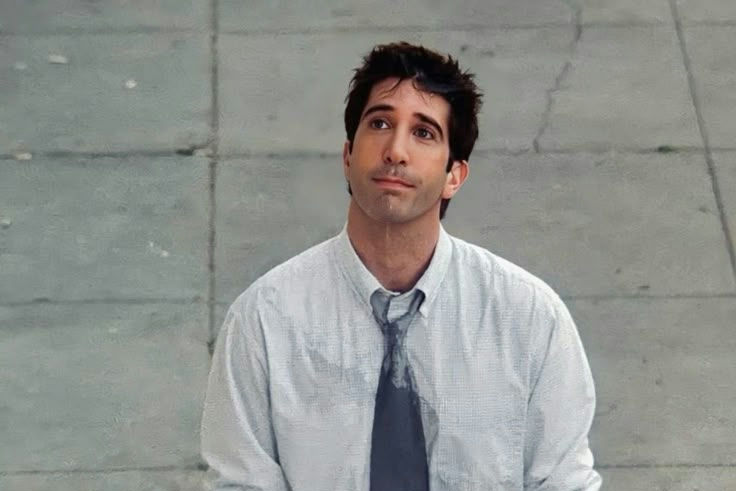
For ten seasons between 1994 and 2004, Friends dominated the airwaves, and Ross Geller was a core part of that success. However, in the years since the show ended, Ross has become a lightning rod for criticism. While he was once seen as the lovable, nerdy romantic, modern audiences often view his behavior through a more critical lens. His intense jealousy regarding Rachel Green’s career and his frequent emotional outbursts have led many to label him as the most “toxic” member of the famous friend group.
David Schwimmer’s incredible comedic timing often masked the character’s deeper flaws, but the “we were on a break” debate of 1997 remains one of the most contentious points in sitcom history. Critics point to his possessiveness and his struggle to handle his partners’ independence as traits that haven’t aged well. While Ross provided some of the show’s funniest physical comedy, like the infamous leather pants incident, his character serves as a fascinating case study in how social norms and audience expectations for “the leading man” have shifted significantly over the last few decades.
Rachel Berry
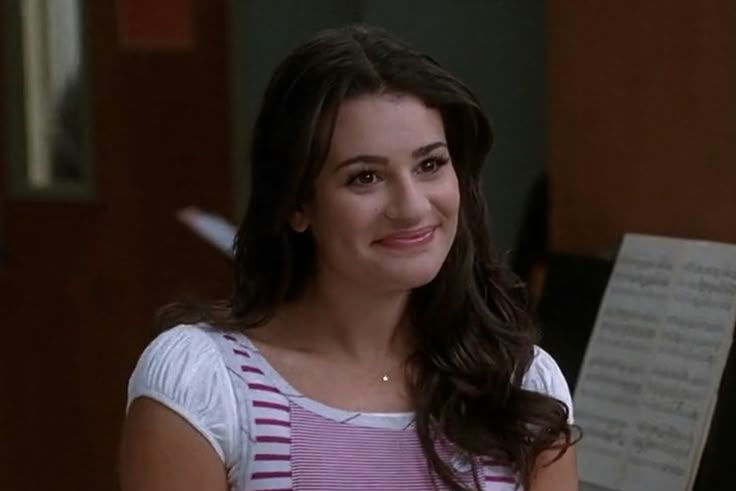
In 2009, Glee became a cultural phenomenon, and at the center of it was Rachel Berry. A talented singer with dreams of Broadway, Rachel was defined by her relentless ambition and a “me first” attitude that often rubbed her teammates the wrong way. While her vocal talent was undeniable, her tendency to sabotage others to get a solo made her a difficult character to support. She was the personification of the high school overachiever who doesn’t care who they step on to reach the top.
Lea Michele’s portrayal was pitch-perfect for a theater kid who felt like a big fish in a small pond. However, as the show continued until 2015, Rachel’s lack of significant growth or humility led many viewers to find her repetitive and annoying. Her internal belief that she was the “star” of everyone’s story made for great drama but also made her one of the most divisive protagonists of the 2010s. Even today, mentioning Rachel Berry in musical theater circles is likely to start a lively debate about talent versus temperament.
Carrie Bradshaw
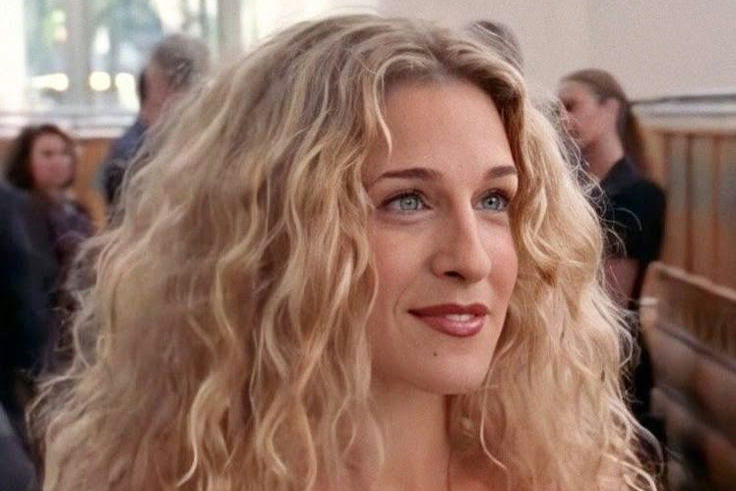
Sex and the City changed the landscape of television for women when it launched in 1998, but its lead character, Carrie Bradshaw, has become increasingly unpopular with time. As a relationship columnist, Carrie was supposed to be the relatable voice of modern dating. However, her chronic selfishness, particularly regarding her loyal friends, often left a bad taste in viewers’ mouths. Whether she was judging her friends’ choices or expecting them to bail her out of financial trouble caused by her shoe addiction, Carrie frequently put herself first.
Portrayed by Sarah Jessica Parker, Carrie’s fashion sense and charm carried the show through six seasons and two movies. But by the time the revival And Just Like That… premiered in 2021, the flaws in her character were impossible to ignore. Her “toxic” relationship with Mr. Big and her inability to listen to anyone else’s problems have turned her into a character that many fans now view with a mixture of nostalgia and frustration. She remains an icon, certainly, but she is also a reminder that being the “it girl” doesn’t always make you a likable one.
Rory Gilmore
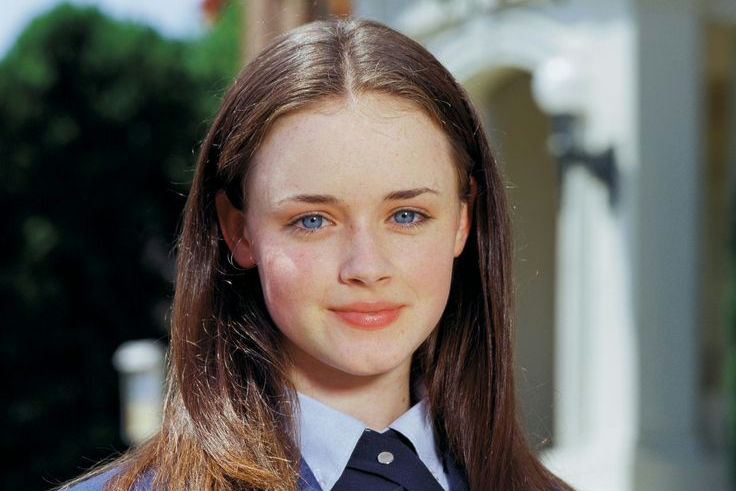
When Gilmore Girls first premiered in October 2000, Rory Gilmore was the poster child for the “perfect” daughter. For the first few seasons, she was a studious, sweet, and highly ambitious teenager navigating life in the quirky town of Stars Hollow. Audiences initially fell in love with her coffee-fueled banter and her dreams of attending an Ivy League university. However, as the show progressed into its later years, particularly around 2005 and 2006, viewers began to notice a shift toward a more entitled and less relatable personality.
Portrayed by Alexis Bledel, Rory’s transition into adulthood was marked by several controversial decisions that alienated long-time fans. Whether it was her affair with a married ex-boyfriend or her sudden decision to drop out of Yale after receiving a single piece of harsh criticism, her growth felt more like a regression to many. By the time the 2016 revival A Year in the Life aired on Netflix, Rory was depicted as a struggling thirty-something with little professional direction and a continued sense of superiority. This evolution turned a once-beloved icon into one of the most debated and frequently criticized protagonists in television history.
Caillou
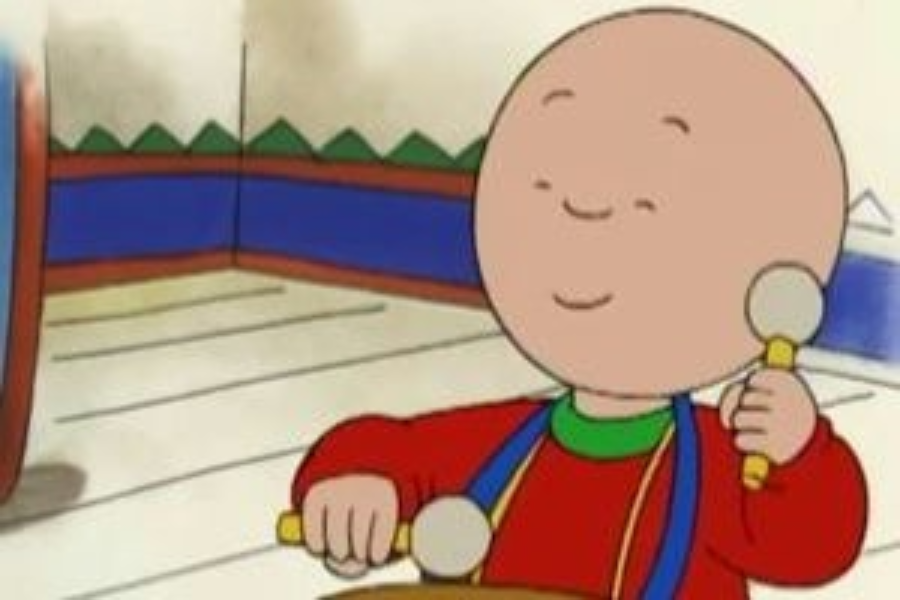
Since its debut in 1997, the animated series Caillou has been a staple of children’s programming, yet it holds a notorious reputation among parents. While the show was designed to help toddlers navigate everyday frustrations and developmental milestones, the title character quickly became a symbol of irritation for adults. Caillou was meant to represent a typical four-year-old, but many viewers felt his behavior leaned too heavily into constant whining and temper tantrums without showing much personal growth or receiving any real consequences.
The backlash against the character became so widespread that he is frequently cited in online parenting forums as one of the most “banned” shows in modern households. Critics argue that instead of teaching conflict resolution, the show inadvertently modeled poor behavior for its young audience. Even after the original series ended in 2010, the “Caillou effect” remains a popular topic in cultural discussions about children’s media. For many, the bald-headed toddler remains the ultimate example of a character who missed the mark on relatability, becoming a polarizing figure for an entire generation of families.
Janice Litman-Goralnik
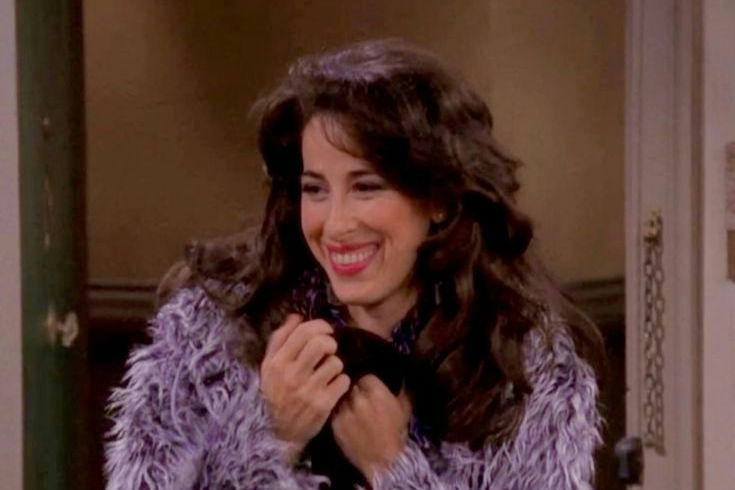
In the world of Friends, which ran from 1994 to 2004, few guest stars made as much of an impact as Janice Litman-Goralnik. Known primarily as Chandler Bing’s recurring on-and-off girlfriend, Janice was famous for her loud, nasal voice and her piercing, repetitive laugh. Her signature catchphrase, “Oh, my, God!”, became an instant pop culture staple. While her appearances were intended to provide comedic relief, the character’s exaggerated personality was specifically designed to be as grating as possible for both the main cast and the audience at home.
Maggie Wheeler, the actress behind the character, created the iconic laugh as a way to cope with Matthew Perry’s comedic timing on set. While many fans grew to appreciate the humor and heart Janice brought to the show over its ten-year run, others found her presence genuinely difficult to tolerate. She was the ultimate “vibe-killer” for the group, often showing up at the most inconvenient times. Despite the polarized reactions, Janice appeared in every single season of the show, proving that even a character people claim to hate can become an essential and unforgettable part of a legendary series.
Toby Flenderson
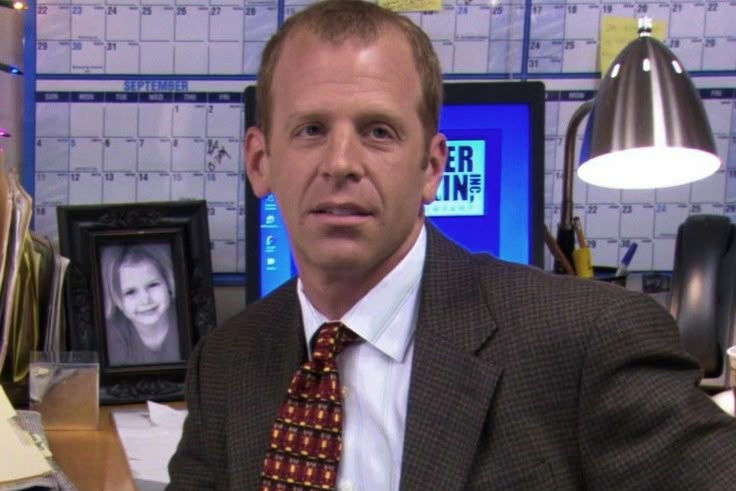
Toby Flenderson from The Office is perhaps the most sympathetic entry on this list, yet he remains deeply unpopular within the show’s fictional universe and among certain fan circles. Serving as the Human Resources representative at Dunder Mifflin starting in 2005, Toby was the constant target of Michael Scott’s irrational and intense hatred. Because Toby’s job was to enforce corporate rules and maintain order, he was often viewed as the “fun-killer” in an otherwise chaotic and entertaining workplace environment.
Portrayed by Paul Lieberstein, Toby was written to be a soft-spoken, melancholic, and somewhat defeated man. While many viewers felt sorry for him during Michael’s verbal tirades, others found his moping demeanor and awkward social interactions to be frustrating. His character arc eventually took some strange turns, including a brief stint in Costa Rica and a strange obsession with the “Scranton Strangler” case in later seasons. Whether he was a victim of circumstance or just an incredibly dull presence, Toby’s reputation as the office “buzzkill” cemented his place in the history of characters viewers love to pick on.
Kimmy Gibbler
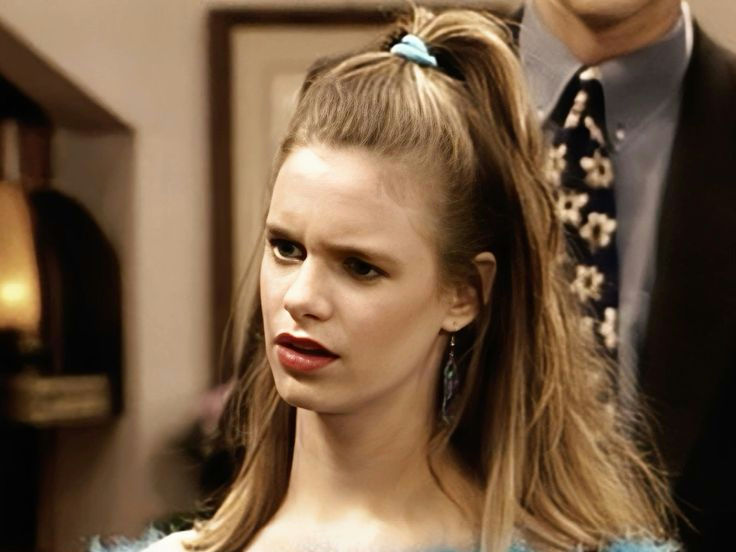
When Full House premiered in 1987, Kimmy Gibbler was introduced as the eccentric best friend of D.J. Tanner. For eight seasons, she served as the loud, uninvited neighbor who frequently annoyed the Tanner adults with her stinky feet and lack of boundaries. Kimmy was the classic sitcom trope of the “weird neighbor,” but as the years went on, her quirks became increasingly polarized among the audience. While younger viewers often found her antics hilarious, many older fans found her character to be more of a nuisance than a highlight.
Andrea Barber played the role with high energy and a unique fashion sense that defined the late ’80s and early ’90s. Despite the character’s unpopularity with the Tanners, the actress’s chemistry with the cast was undeniable. This was proven decades later when Kimmy returned as a main character in the 2016 revival Fuller House. While she eventually won over many skeptics by showing a more loyal and caring side, Kimmy remains a prime example of how a character’s “annoying” traits can become their most defining and divisive legacy in television history.
Dawn Summers
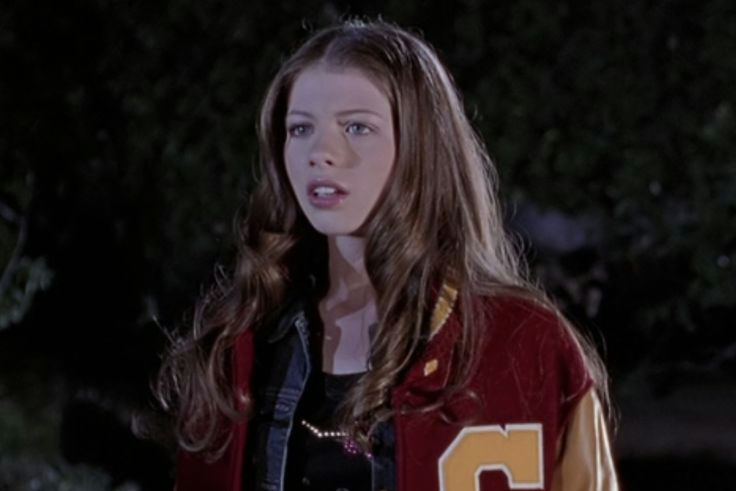
The introduction of Dawn Summers in the fifth season of Buffy the Vampire Slayer in 2000 remains one of the most shocking “plot twists” in TV history. Suddenly appearing as Buffy’s younger sister with no prior mention, Dawn was later revealed to be a mystical energy known as “The Key” transformed into human form. While the concept was brilliant from a storytelling perspective, the execution of Dawn’s character often frustrated fans. As a teenager in a high-stakes supernatural world, she was frequently portrayed as a screaming, rebellious burden who required constant rescue.
Michelle Trachtenberg did an excellent job portraying a confused and emotional teen, but many viewers found her constant outbursts to be a distraction from the show’s main action. For a fan base used to seeing powerful, capable characters, Dawn’s vulnerability felt like a step backward for the narrative. Although her character significantly matured by the show’s final season in 2003, the initial negative reaction stayed with her. Dawn continues to be a central figure in discussions about how “replacement” or “sudden” characters can struggle to find a foothold with an established audience.
Lori Grimes
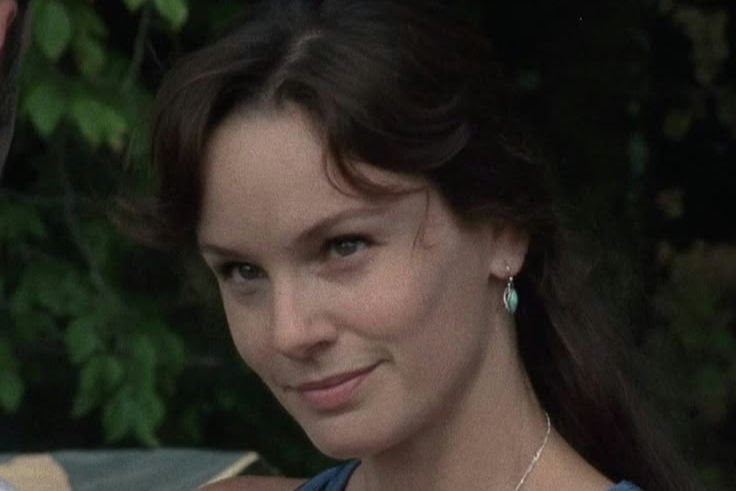
In the early seasons of The Walking Dead, which launched in 2010, Lori Grimes became one of the most criticized figures in the survivor group. As the wife of protagonist Rick Grimes, her storyline was central to the show’s emotional core, yet her decisions frequently baffled viewers. Her complex relationship with Shane Walsh and her perceived inability to keep track of her son, Carl, led to a wave of online criticism. Fans often argued that her actions created unnecessary drama and danger in a world already filled with flesh-eating zombies.
Sarah Wayne Callies, who portrayed Lori, faced a difficult task in humanizing a character trapped in an impossible situation. While the writers intended for her to represent the emotional strain of a collapsing world, she often came across as indecisive or manipulative to the audience. By the time her character met a tragic end in 2012 during the show’s third season, many viewers felt more relief than sadness. Lori’s legacy is often used to discuss the “unlikable female lead” trope, highlighting the thin line between a character who is flawed and a character who is simply frustrating to watch.
Scrappy-Doo
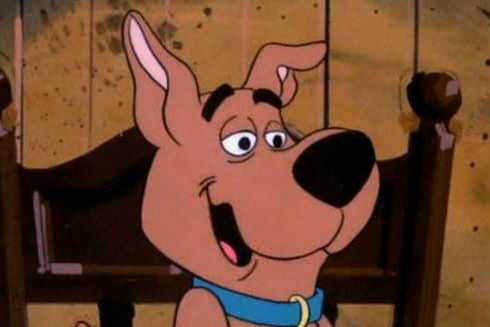
Scrappy-Doo is perhaps the only character on this list whose unpopularity was so severe that it changed the course of an entire franchise. Introduced in 1979 to boost the ratings of the Scooby-Doo series, Scrappy was Scooby’s pint-sized, over-the-top nephew. While the original gang was known for their cautious and often cowardly approach to mysteries, Scrappy was defined by his aggressive catchphrase, “Puppy Power!” and his desire to physically fight every monster he encountered. Unfortunately, this “bravery” was seen by fans as incredibly annoying and disruptive to the show’s established chemistry.
The backlash was so intense that Scrappy eventually became a pariah within the animation world. He was eventually removed from the series in the late 1980s and has rarely appeared in the franchise since, except as a villain in the 2002 live-action film. His character is so widely disliked that the term “Scrappy-Doo” is now used by critics to describe any new character added to a show who is perceived as irritating or unnecessary. He remains a cautionary tale for TV producers on how not to modernize a classic series.


