
1. Napoleon’s Russian Winter
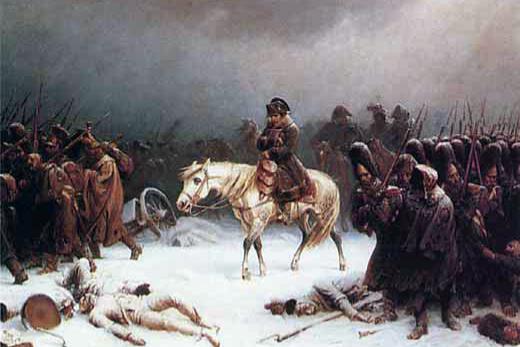
Weather is often treated as background noise in history books, yet time and again it has stepped into the spotlight and altered the course of human events. In 1812, Napoleon Bonaparte marched into Russia with one of the largest armies Europe had ever seen, expecting a swift victory. Instead, he encountered a brutal winter that reshaped the outcome entirely. Russian forces retreated while scorching their own land, leaving little food or shelter behind. When winter arrived earlier and harsher than anticipated, freezing temperatures, snowstorms, and disease devastated Napoleon’s troops. Soldiers lacked winter clothing, horses froze, and supply lines collapsed. Fewer than a tenth of the original force returned. The failed campaign weakened Napoleon’s dominance across Europe and encouraged rival powers to challenge him, marking a major turning point that ultimately led to his downfall.
2. D-Day’s Narrow Weather Window
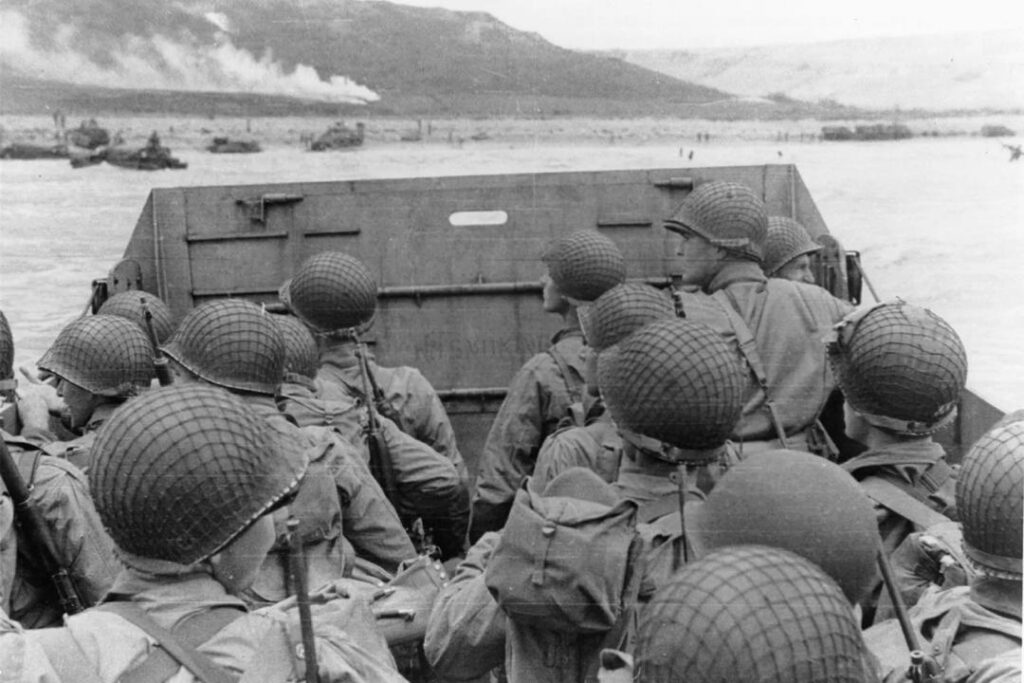
The Allied invasion of Normandy in 1944 depended heavily on precise weather conditions. Troops needed moonlight for night landings, low tides to expose German obstacles, and manageable seas for landing craft. Poor weather forced commanders to delay the operation from June 5 to June 6. A brief break in the storm gave General Eisenhower the narrow window he needed to proceed. Ironically, German forces assumed an invasion was impossible due to the weather and relaxed defenses. That single forecast decision allowed Allied forces to gain a foothold in Europe, accelerating the defeat of Nazi Germany and shaping the outcome of World War II.
3. The Spanish Armada’s Defeat
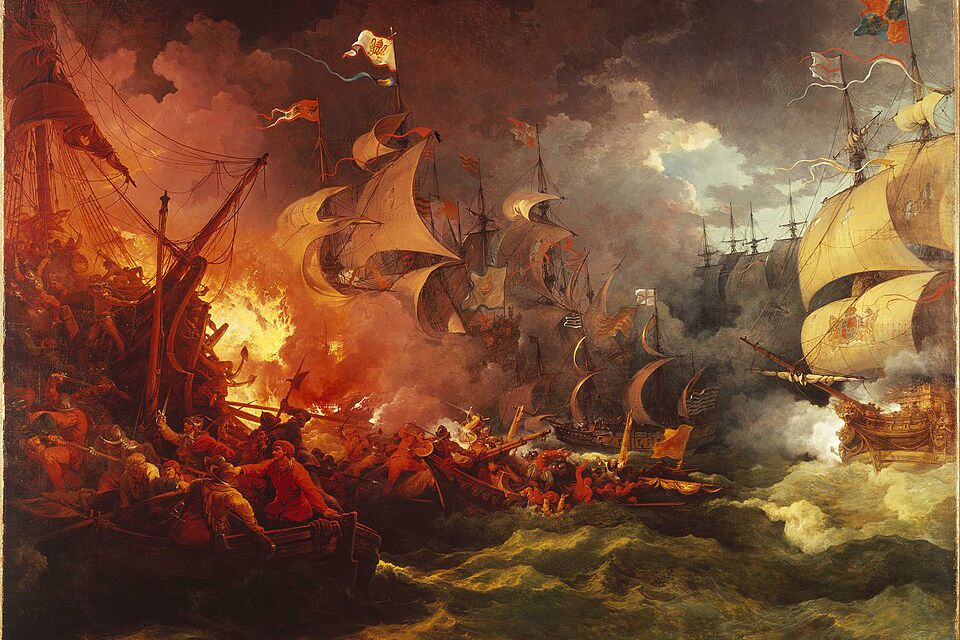
In 1588, Spain launched the massive Spanish Armada to invade England and overthrow Queen Elizabeth I. While English naval tactics played a role, weather proved decisive. After clashes in the English Channel, violent storms scattered Spanish ships as they attempted to retreat around Scotland and Ireland. Many vessels smashed against rocky coastlines or sank at sea. Poor maps and unfamiliar waters worsened the damage. Roughly a third of the fleet was lost, not in battle, but to storms. The defeat ended Spain’s dominance at sea and marked England’s rise as a major naval power.
4. Hannibal Crosses the Alps
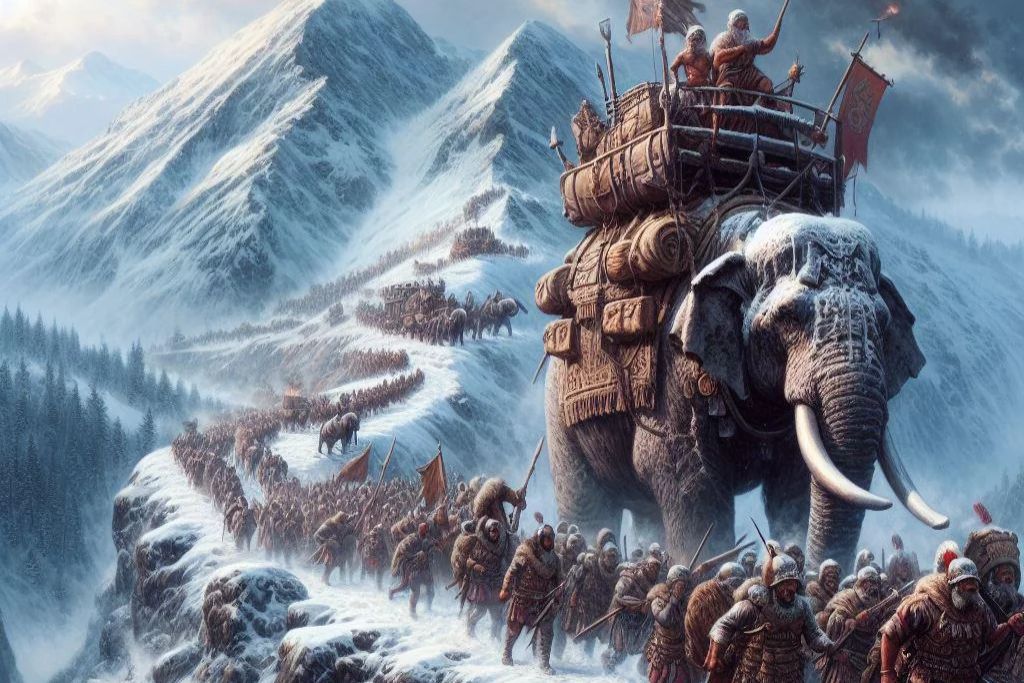
During the Second Punic War, Hannibal Barca attempted one of history’s most daring military maneuvers by crossing the Alps with tens of thousands of soldiers and war elephants. The journey exposed his army to snow, freezing winds, avalanches, and treacherous mountain paths. Weather-related losses were enormous, with soldiers and animals dying from cold and falls. Despite these hardships, Hannibal reached Italy and stunned Rome with unexpected victories. The extreme weather didn’t stop him, but it shaped the scale and limits of his campaign, turning the crossing into a legendary example of endurance under nature’s harshest conditions.
5. The Mongol Typhoons
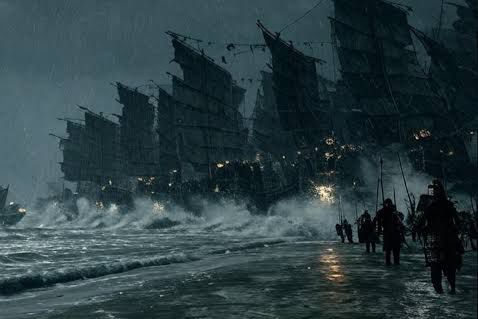
In the, the Mongol Empire attempted to invade Japan twice, in 1274 and 1281. On both occasions, powerful typhoons struck the invading fleets. Ships were wrecked, thousands of soldiers drowned, and supplies were destroyed. The storms were so decisive that the Japanese called them “kamikaze,” meaning divine wind, believing the weather protected the nation. These failed invasions prevented Japan from falling under Mongol rule and reinforced its cultural and political independence. Weather, rather than military strength, preserved Japan’s sovereignty during a critical historical moment.
6. Waterloo’s Muddy Battlefield

The Battle of Waterloo in 1815 was heavily influenced by rain that fell the night before the fighting began. The soaked ground turned fields into thick mud, slowing troop movement and delaying Napoleon’s artillery deployment. Cannons sank into the earth, reducing their effectiveness. These delays gave opposing forces time to regroup and receive reinforcements. The muddy conditions disrupted Napoleon’s battle plans and contributed to his final defeat. Waterloo ended his rule permanently and reshaped European politics, proving how something as simple as rainfall can alter the fate of empires.
7. The Dust Bowl Migration
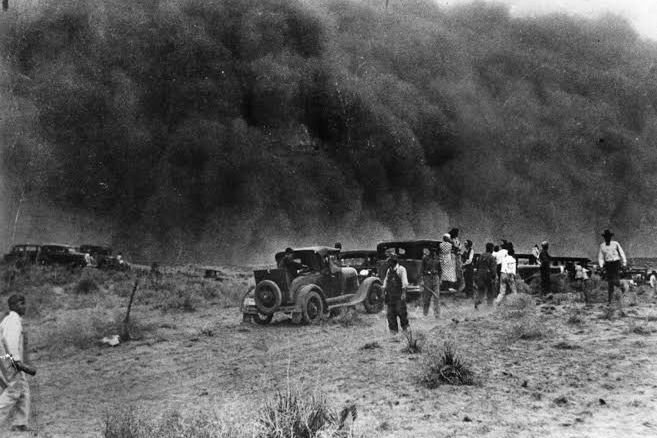
During the 1930s, severe drought and poor farming practices turned large parts of the American Great Plains into dust-choked wastelands. Massive dust storms destroyed crops, killed livestock, and made daily life unbearable. Hundreds of thousands of families were forced to abandon their homes and migrate west in search of work. This climate disaster deepened the Great Depression, reshaped U.S. agricultural policy, and influenced labor laws and environmental conservation efforts. The Dust Bowl stands as a powerful example of how prolonged weather conditions can drive mass migration and lasting social change.
8. The Cold Winter of Valley Forge
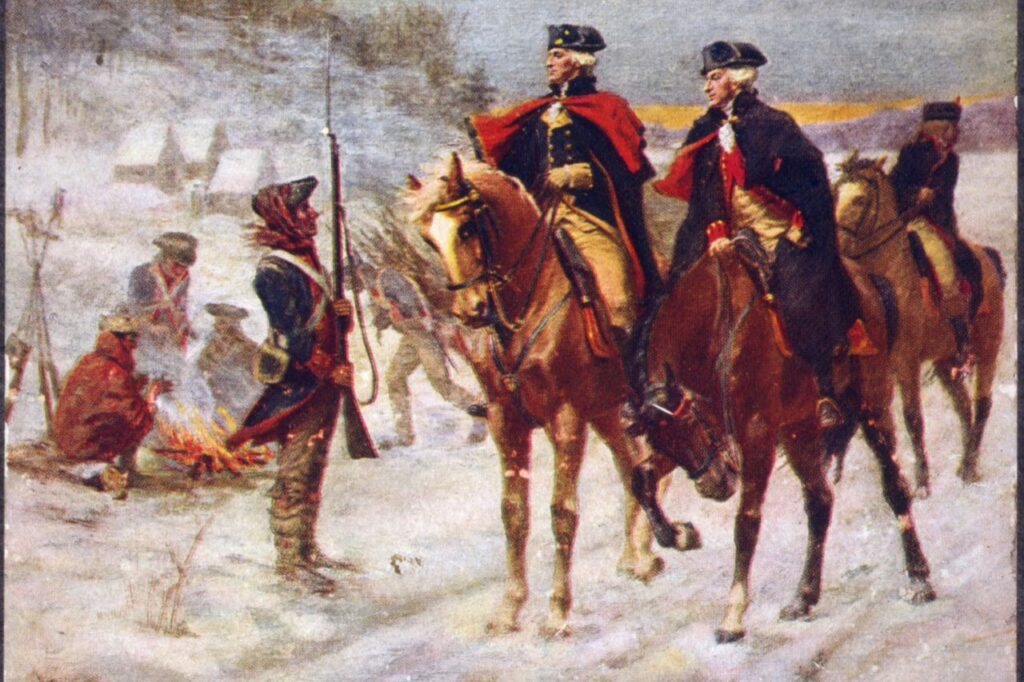
The winter of 1777–1778 at Valley Forge tested the Continental Army during the American Revolutionary War. Soldiers endured freezing temperatures, inadequate shelter, and shortages of food and clothing. Disease spread rapidly in the cold, claiming many lives. Despite these hardships, the army did not collapse. Instead, the brutal winter forged discipline, resilience, and unity among the troops. Training improved under foreign military advisors, and morale slowly strengthened. Surviving Valley Forge became a defining moment that prepared the army for future victories and ultimately independence.
9. The Little Ice Age

From roughly the 14th to the 19th century, much of the world experienced cooler temperatures known as the Little Ice Age. Colder winters shortened growing seasons, triggered crop failures, and contributed to famines across Europe and parts of Asia. Rivers like the Thames froze solid enough to host winter festivals. The climate shift influenced food prices, migration, and political unrest. In some regions, it intensified existing tensions and hardship. Though gradual, this long-term weather pattern quietly shaped economies, daily life, and historical outcomes for centuries.
10. Hurricane Katrina’s Aftermath
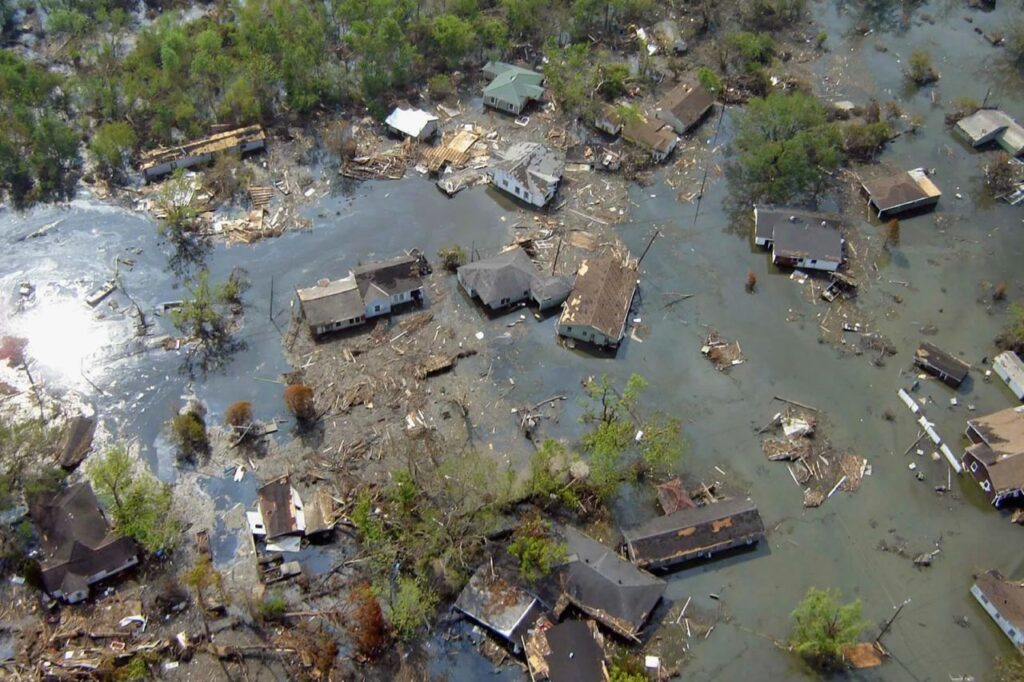
When Hurricane Katrina struck the U.S. Gulf Coast in 2005, it became one of the most devastating natural disasters in American history. Storm surges breached levees in New Orleans, flooding large parts of the city. The disaster exposed weaknesses in infrastructure, emergency planning, and social inequality. Government response failures became national talking points, prompting major reforms in disaster management and urban planning. Katrina reshaped conversations about climate risk, coastal protection, and environmental justice, showing how extreme weather can redefine policy and public awareness long after the storm passes.
11. The Storm That Sank Rome
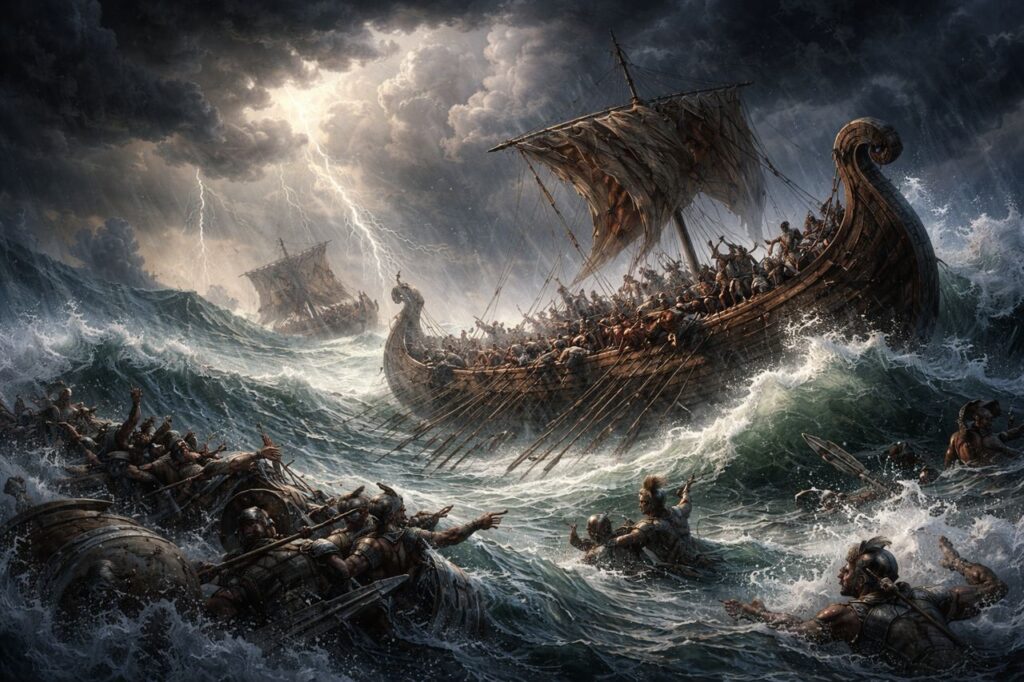
In 255 BCE, during the First Punic War, a massive storm destroyed a large Roman fleet returning from North Africa. Ancient sources describe violent winds and waves smashing hundreds of ships against the coast, killing tens of thousands of sailors. Rome had invested heavily in naval power to challenge Carthage, and the sudden loss was a severe blow. The disaster forced Rome to rebuild its fleet from scratch and rethink its naval strategy. This weather-driven catastrophe delayed Roman dominance at sea and prolonged the war, demonstrating how natural forces could abruptly overturn carefully planned military ambitions.
12. The Blizzard of 1888

In March 1888, a powerful blizzard buried parts of the northeastern United States under massive snowdrifts. Cities like New York and Boston were paralyzed for days as transportation, communication, and food deliveries collapsed. Trains were stranded, telegraph lines snapped, and hundreds of people died from exposure or accidents. The storm exposed how vulnerable modern cities were to extreme weather. In its aftermath, urban planners pushed for underground transit systems, improved weather forecasting, and stronger infrastructure. The blizzard permanently changed how American cities prepared for and responded to winter storms.
13. The Year Without Summer
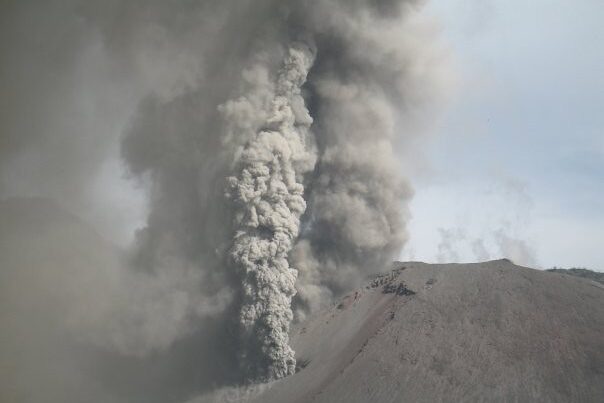
In 1816, much of the Northern Hemisphere experienced unusually cold temperatures, snow in summer, and widespread crop failures. The cause was the massive eruption of Mount Tambora in Indonesia the previous year, which filled the atmosphere with ash and blocked sunlight. Harvests failed across Europe and North America, leading to food shortages, rising prices, and migration. Social unrest increased as communities struggled to survive. The climate anomaly earned the name “the year without summer” and remains one of the clearest examples of how volcanic weather effects can reshape global history.
14. The London Smog Disaster
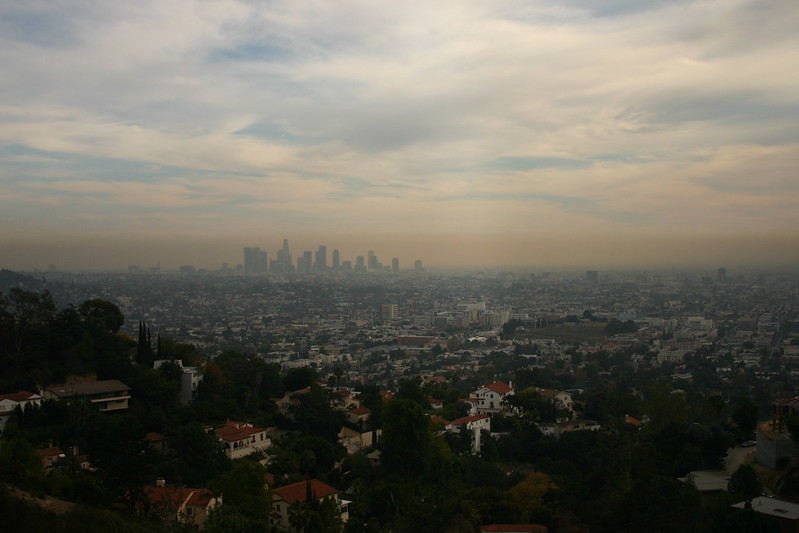
In December 1952, a dense smog settled over London for several days, caused by cold weather trapping coal smoke near the ground. Visibility dropped dramatically, transportation stopped, and hospitals filled with patients suffering breathing problems. Thousands of deaths were later linked to the event. The disaster shocked the public and forced the British government to confront the dangers of air pollution. It led directly to major clean air laws and long-term changes in energy use. Weather conditions didn’t just cause a crisis, they pushed policy and public health reforms forward.
15. The Chicago Heat Wave

In July 1995, an intense heat wave struck Chicago, sending temperatures and humidity soaring for days. The extreme conditions overwhelmed the city, contributing to more than 700 deaths, many among elderly and isolated residents. Power outages, lack of air conditioning, and delayed emergency responses worsened the toll. The tragedy forced cities across the United States to rethink how they prepare for extreme heat. New heat emergency plans, cooling centers, and public health alerts were developed, proving that heat can be as historically consequential as storms or floods.
16. The Floods That Built Dams
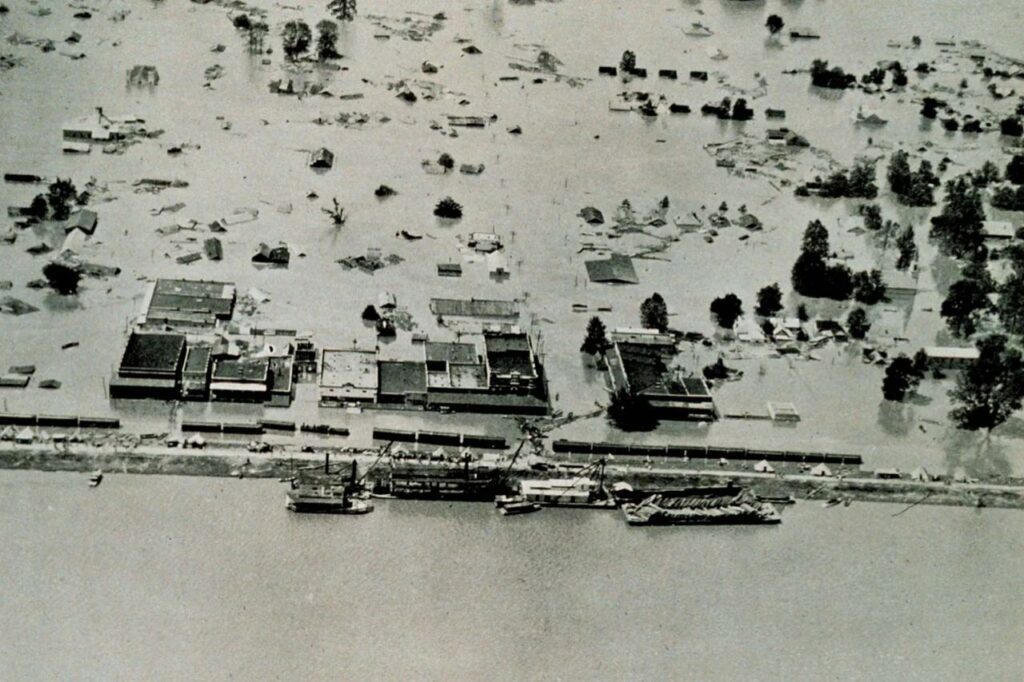
The Great Mississippi Flood of 1927 was one of the most destructive river floods in U.S. history. Heavy rainfall caused levees to fail, flooding vast areas across several states. Hundreds of thousands were displaced, and entire communities were destroyed. The disaster exposed weaknesses in flood control systems and uneven government response. In response, federal authorities expanded river management efforts, leading to large-scale dam and levee construction. The flood reshaped environmental policy, infrastructure planning, and the federal government’s role in disaster response.
17. The Storm That Saved Dunkirk

During World War II in 1940, Allied troops were trapped at Dunkirk and faced near-certain capture. Unexpectedly calm seas and periods of cloud cover limited German air attacks, while storms elsewhere delayed enemy operations. These conditions allowed hundreds of small civilian boats to cross the English Channel and rescue stranded soldiers. The evacuation saved over 300,000 troops and preserved the core of Britain’s army. Weather conditions played a crucial role in turning what could have been a catastrophic defeat into a defining moment of survival and resilience.
18. Wildfires Change Landscapes
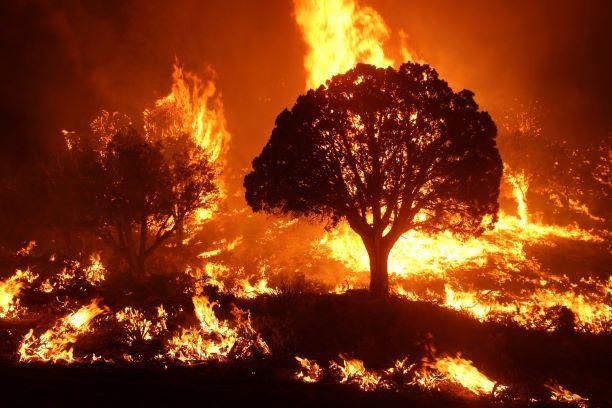
In recent decades, prolonged droughts, heat waves, and shifting weather patterns have fueled increasingly severe wildfires around the world. From Australia to California, fires have destroyed towns, reshaped ecosystems, and forced large-scale evacuations. These events have altered land management practices, insurance policies, and climate discussions. Governments and communities now factor wildfire risk into urban planning and emergency preparedness. The growing impact of weather-driven fires shows how climate conditions continue to influence history in real time, shaping how societies adapt to a changing environment.
Weather has never been a passive backdrop to human history. These moments remind us that while humans plan and build, nature still holds the power to change the story in unexpected ways.
Like this story? Add your thoughts in the comments, thank you.


