
1. Waiting Patiently For Letters

There was a time when life moved a little slower, and you felt it most when you were expecting a letter. You would check the mailbox almost absentmindedly, not because you were certain something had arrived, but because there was always that small hope. It could be from a friend, a relative, or someone you missed just enough to want to hear from them in their own words. You did not rush through it when it came. You sat down, unfolded it carefully, and let each sentence land. It felt like someone had taken their time to reach you, and that made it matter more than anything instant ever could.
Even replying had its own rhythm. You thought about what to say before putting pen to paper, sometimes starting over just to get the tone right. It was not about speed, it was about meaning. Those letters stayed with you, tucked into books or drawers, revisited when you needed a reminder of a moment or a person. Looking back now, it feels less about the act itself and more about how it made you pause, reflect, and truly connect in a way that never felt rushed or incomplete.
2. Memorizing Phone Numbers
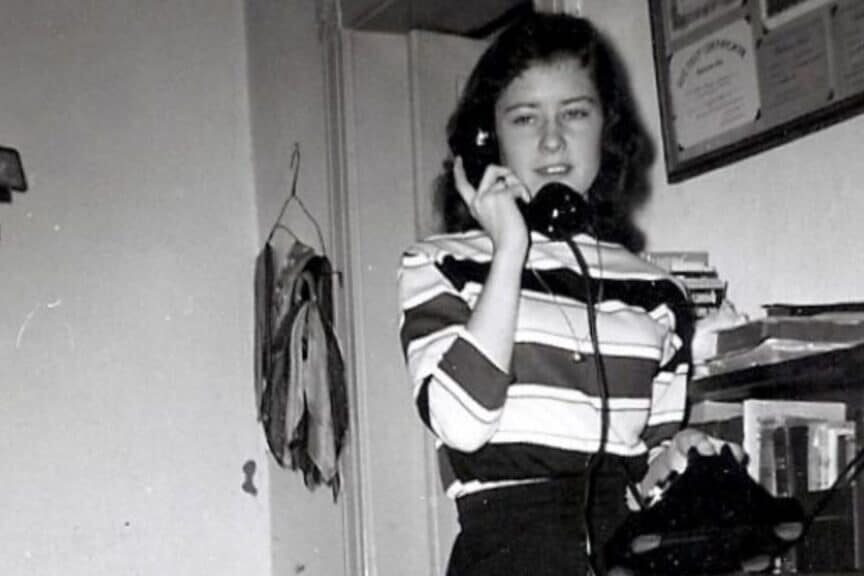
Before phones started remembering everything for us, you carried numbers in your head without even thinking about it. It was just part of daily life. You knew your closest friends’ numbers, your family’s numbers, and even a few extras you dialed often enough. It was not something you tried hard to do, it just stuck with you naturally because it had to. If you needed to call someone, you could not rely on scrolling or searching. You simply recalled it and dialed, sometimes repeating it quietly to yourself just to make sure you got it right.
There was something quietly comforting about that. Knowing someone’s number felt like holding onto a small piece of them. And if you forgot, it was not easily fixed. You had to ask around or look it up somewhere, which made remembering even more important. Now, it feels like that habit has faded without us noticing. Everything is stored, backed up, and retrievable. But back then, it lived with you, and that made each connection feel just a little more personal.
3. Using Phone Booths
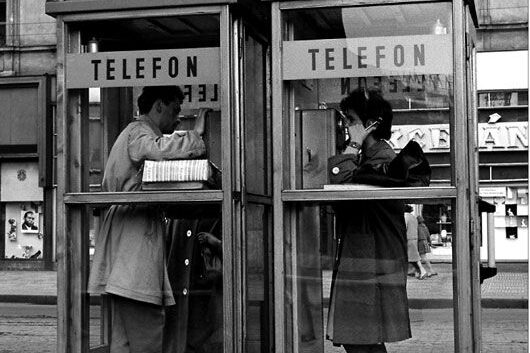
Stepping into a phone booth used to feel like a normal part of being out and about. You did not think twice about it. If you needed to make a call, you looked around for one, coins already in your hand or tucked somewhere easy to reach. You would step inside, close the door, and for a moment, the world outside felt slightly quieter. It was just you, the receiver, and the number you were about to dial. There was no distraction, no multitasking, just a simple moment of reaching someone.
Calls were usually brief because you knew someone else might be waiting. You got straight to the point, said what you needed to say, and hung up with a sense of completion. It was not convenient in the way things are now, but it worked in a steady, reliable way. Looking back, those small interactions carried a kind of presence that feels rare today. You were fully there, focused on that one conversation, even if it only lasted a few minutes.
4. Watching Shows At Scheduled Times
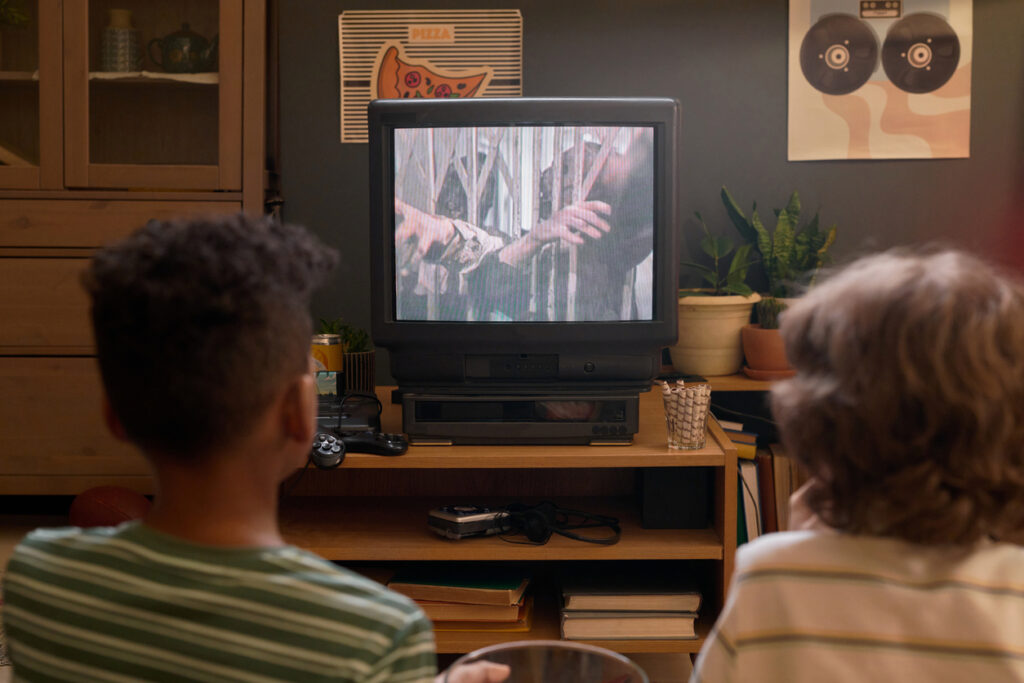
Evenings had a quiet structure to them, especially when it came to watching television. If your favorite show came on at a certain time, you made sure you were ready. There was no catching up later or skipping ahead. You showed up when it aired or you missed it. Families often gathered around without needing to plan much. It was understood. That shared routine made watching feel like an event, something you looked forward to during the day.
You would talk about it the next day with friends or coworkers, knowing they likely watched it too. There was a shared experience in it, something everyone could relate to at the same time. Now, everything is available whenever you want, which is convenient, but it has changed that feeling. Back then, being present at the right time mattered, and somehow that made each moment in front of the screen feel a little more special and worth remembering.
5. Looking Things Up In Encyclopedias
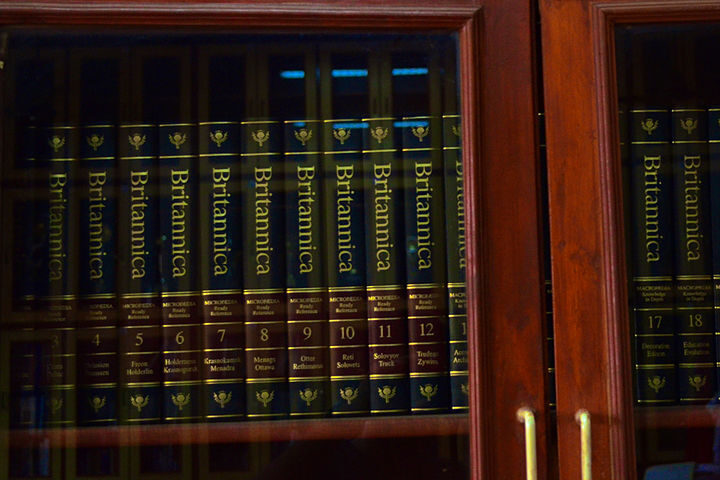
Finding information used to feel like a small journey on its own. You would walk over to a shelf, pull out a heavy encyclopedia, and flip through its pages until you found what you were looking for. It was not instant, but it was satisfying in a quiet way. You often ended up learning more than you intended because something else would catch your eye along the way. It encouraged curiosity without you even realizing it.
There was also a sense of trust in those books. They felt solid, reliable, like the answers inside had been carefully put together. You did not question them much, you simply read and absorbed. It took time, but that time made the knowledge stick. Now, answers come quickly, sometimes too quickly, and it is easy to move on just as fast. Back then, the process itself felt like part of the learning, and that made it more meaningful.
6. Developing Film Photos
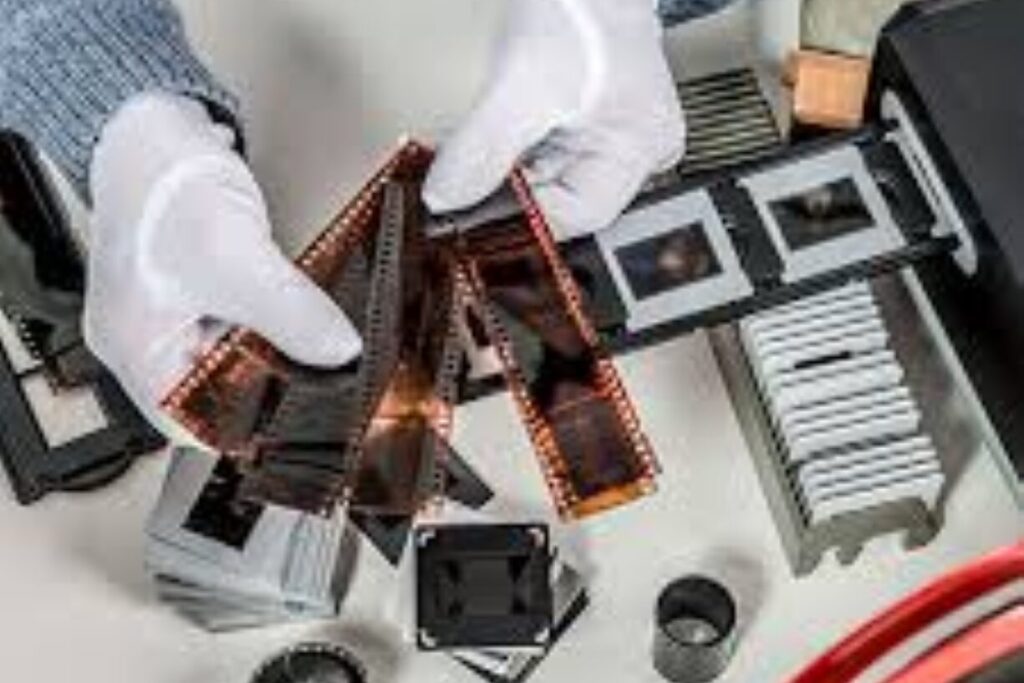
Taking pictures used to come with a bit of uncertainty, and that was part of what made it special. You would capture moments without knowing exactly how they turned out. Once the roll was finished, you took it to be developed and waited. Sometimes you forgot what you even took. Then, when you finally got the photos back, it felt like opening a small collection of memories all at once.
Not every picture was perfect, and that was fine. Some were blurry, some were oddly framed, but they all held something real. You did not delete or retake endlessly. You accepted what you got and appreciated it for what it was. Those photos often ended up in albums or envelopes, passed around and revisited over time. It made each image feel more valuable because it was not easily replaced or repeated. It was simply a moment, captured once.
7. Reading Newspapers Daily
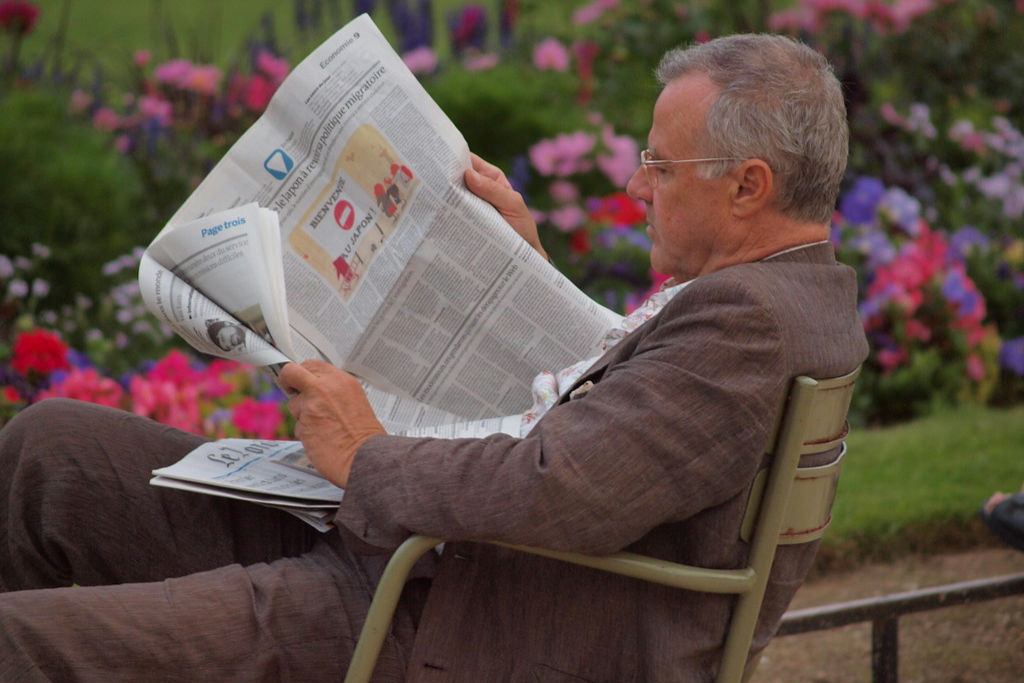
There was a certain calm in starting the day with a newspaper. You would unfold it slowly, scanning headlines before settling into the stories that caught your attention. It was not rushed. You took your time, sometimes reading sections you did not expect to enjoy. It became part of a quiet routine that helped ease you into the day without too much noise or distraction.
You might share something you read with someone else later, turning it into a conversation without even planning to. The experience felt steady and familiar, something you could rely on each morning. Now, news comes in fast and constantly, often overwhelming before you can fully take it in. Back then, it arrived once, in a form you could hold, and you engaged with it at your own pace, which made it feel more manageable and personal.
8. Using Maps For Directions
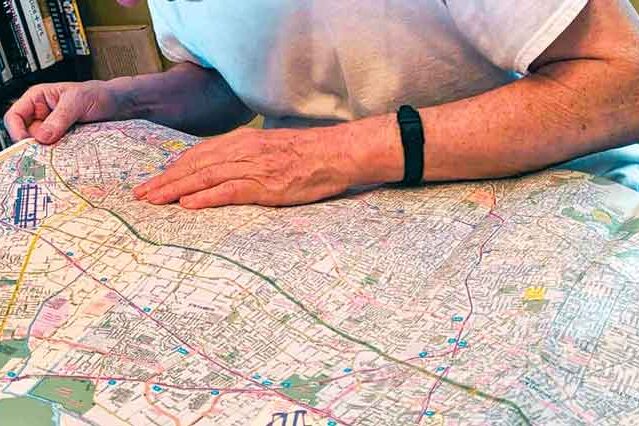
Traveling somewhere new meant preparing ahead of time. You would look at a map, trace your route, and try to remember key turns before setting out. It required a bit of focus, but it also made you more aware of where you were going. You paid attention to signs, landmarks, and sometimes even asked people for directions along the way. It was not always smooth, but it felt more involved.
Getting lost was not unusual, and oddly enough, it was not always a bad thing. You discovered places you did not expect, learned new routes, and built a better sense of direction over time. Now, navigation is simple and precise, which is helpful, but it removes that layer of exploration. Back then, you were part of the journey in a more active way, figuring things out as you moved along, one turn at a time.
9. Recording Songs From The Radio
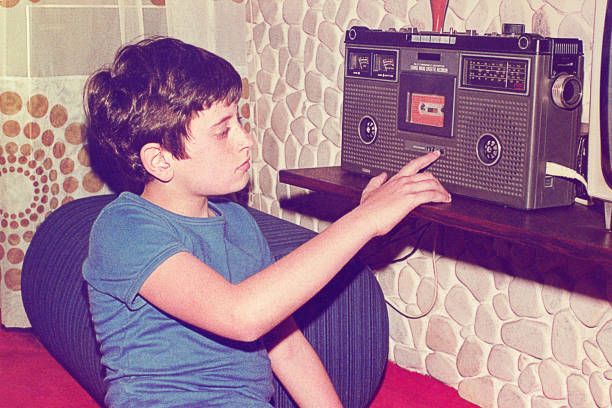
Catching your favorite song on the radio felt like a small win. You stayed close, listening carefully, waiting for those first few notes so you could hit record at just the right moment. Sometimes you got it perfectly, sometimes you missed a bit, and sometimes the presenter talked over the beginning. Still, you kept it. It was yours, and that made it enough.
Those recordings became personal collections, built slowly over time. You did not have everything instantly, so you appreciated what you had more. Each song carried the memory of when and how you got it. Now, music is always available, which is convenient, but it has changed how we experience it. Back then, there was a sense of effort and timing that made each track feel earned, not just selected.
10. Visiting Libraries For Research
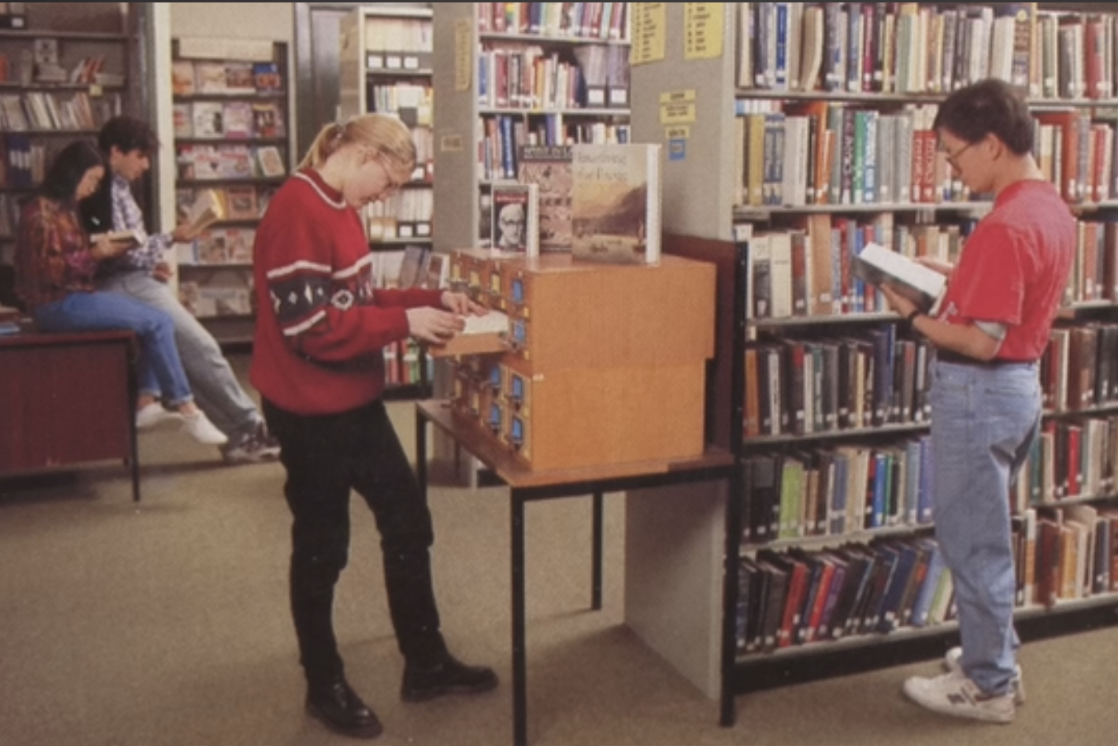
Going to the library used to feel like stepping into a space where time slowed down just enough for you to focus. You walked in quietly, already knowing you would be there for a while. There were shelves lined with books, tables filled with people reading or writing, and that soft stillness that made it easier to concentrate. You searched through catalog cards or asked for help, then followed the trail until you found what you needed. It was not quick, but it felt steady.
You often ended up learning more than you planned because one book led to another. There were no distractions pulling you away, just the task in front of you. That kind of focus felt natural then. Now, it can feel harder to hold onto. Back then, the library was not just about finding answers, it was about the process of getting there, step by step, in a way that made the knowledge stay with you longer.
11. Making Plans Without Constant Updates
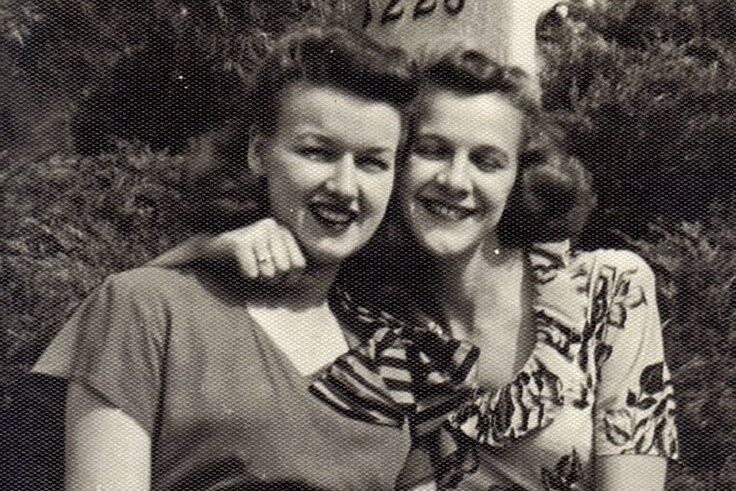
When you made plans, you actually made them and left it at that. If you agreed to meet at a certain time and place, you showed up. There were no follow up messages to confirm or adjust things along the way. You trusted that the other person would be there too. It sounds simple, but it required a quiet kind of commitment that people did not question much at the time.
If something changed, you either found a way to pass the message earlier or you just hoped the other person would understand. There was less flexibility, but also less back and forth. That made plans feel more solid, like something you could rely on. Now, everything can shift in a moment, which is helpful, but it also changes how we approach time and responsibility. Back then, showing up meant something a little deeper.
12. Using Answering Machines
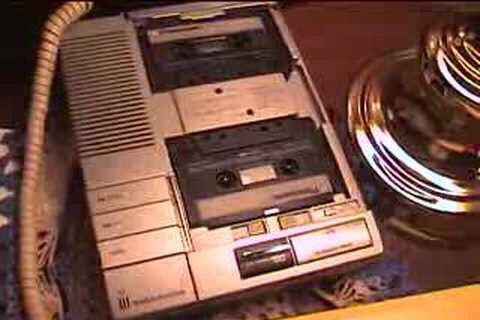
Missing a call did not feel like missing out completely because the answering machine was there to catch it. You would come back, press play, and listen to the messages one by one. Sometimes they were short and direct, other times they carried a bit of personality in the way they were spoken. Hearing someone’s voice like that made the message feel more real and closer to you.
You might replay a message just to hear it again, especially if it mattered. There was no rush to respond immediately. You listened, thought about it, and then called back when you could. It created a small pause between communication that allowed things to settle. Now, everything happens almost instantly, but back then, that little gap made conversations feel more thoughtful and less hurried.
13. Shopping Without Online Reviews

Buying something used to rely more on your own judgment than anything else. You walked into a store, looked around, picked things up, and decided based on what felt right. Sometimes you asked the person selling it, sometimes you asked a friend, but there was no long list of opinions to scroll through before making a choice. It was simpler, even if it came with a bit of uncertainty.
That uncertainty was not always a bad thing. It meant you learned from your own experiences. If something worked well, you remembered it. If it did not, you adjusted next time. It created a more personal relationship with the things you bought. Now, reviews guide almost every decision, which can be helpful, but it also takes away that small sense of discovery that came from figuring things out on your own.
14. Playing Outside Without Screens
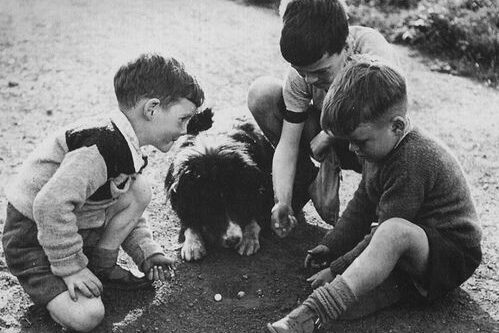
Afternoons often stretched out in a way that felt endless, especially when you spent them outside. You did not need much to get started. A ball, a stick, or sometimes nothing at all was enough. You made up games, changed the rules as you went, and stayed out until someone called you back in. Time passed without you noticing because you were fully in it.
There were no screens pulling your attention away, no notifications breaking the flow. Just movement, laughter, and whatever you could create in the moment. It built a kind of freedom that felt natural then. Now, it feels different, more structured and often indoors. But those simple outdoor hours carried something real, something that did not need anything extra to feel complete.
15. Writing Notes By Hand
Leaving a handwritten note was a small act that carried a lot of meaning. It could be something simple, just a reminder or a quick message, but the effort behind it made it feel more personal. You took a moment to write it, chose where to leave it, and trusted the person would find it. There was something thoughtful about that process that stayed with people.
Each note had its own look, shaped by the way you wrote. It was not uniform or perfect, and that was part of what made it special. Even after it was read, it often stayed around a little longer, tucked somewhere or kept without much thought. Now, messages disappear quickly, but back then, those small handwritten pieces had a way of lingering just enough to be remembered.
16. Browsing Stores For Music And Movies
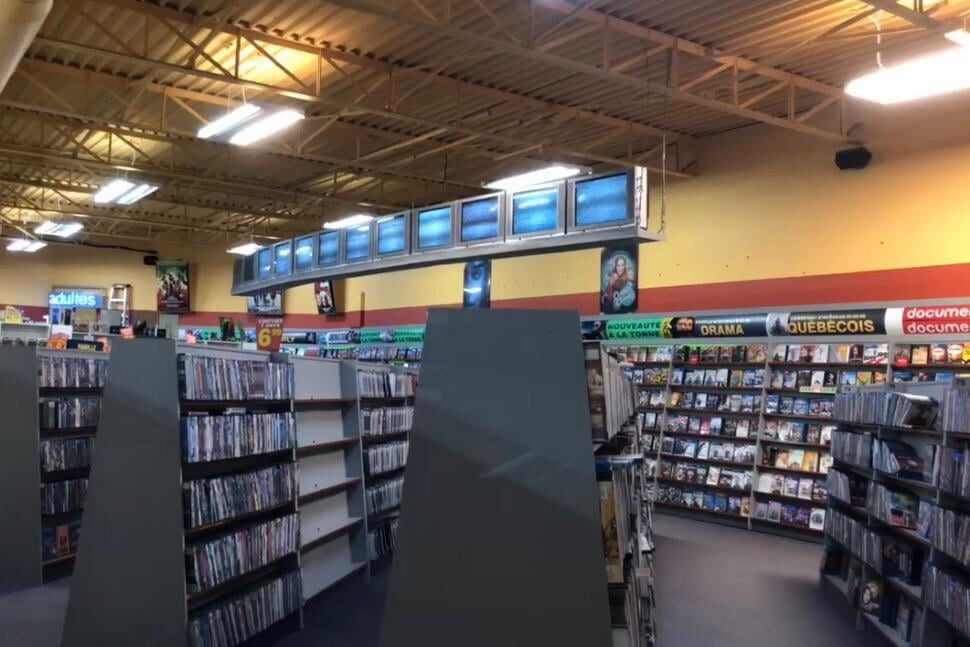
Walking into a store to find music or movies felt like something you did without rushing. You moved slowly, scanning shelves, picking up covers, turning them over, and reading the back like it might tell you everything you needed to know. Sometimes you came in with something specific in mind, but most times, you left with something you did not plan for. It was not about speed, it was about that quiet moment of discovery that happened when something caught your eye.
You might stand there for a while, deciding, comparing, or even putting something back before picking it up again. And when you finally chose, it felt like your decision, not something suggested to you. That small process made it feel earned in a way that is hard to explain now. Today, things are quicker and easier to find, but back then, the act of searching was part of the experience, and somehow, that made what you found feel more personal and lasting.
17. Learning Skills Through People, Not Tutorials
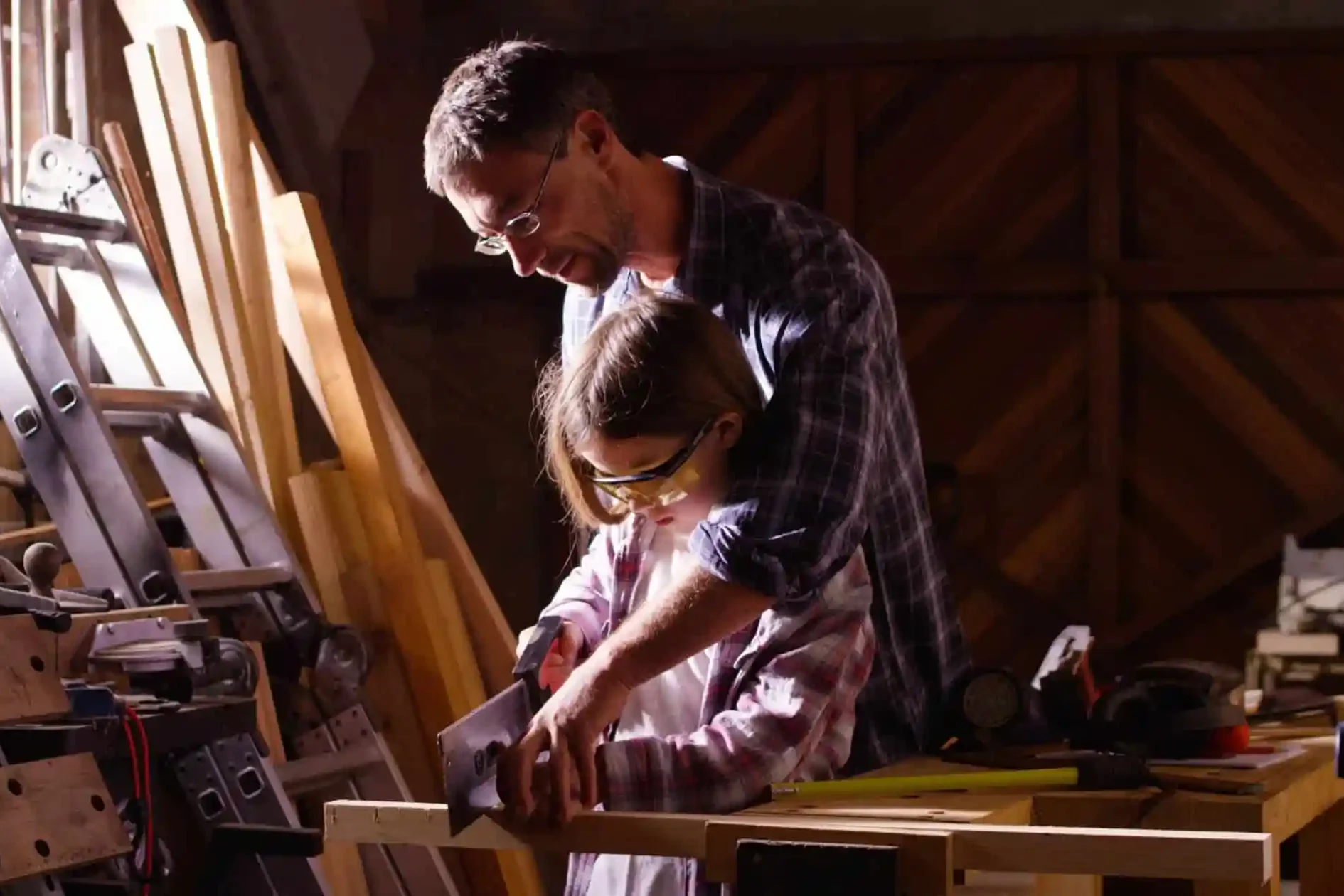
Learning something new often began with asking someone who already knew how to do it. You watched closely, listened carefully, and tried to follow along, even when it did not come easily at first. There was patience involved, both from you and from the person teaching you. It was not about getting it right immediately, it was about understanding it step by step until it finally made sense.
What stayed with you was not just the skill itself, but how you learned it and who helped you along the way. There were small corrections, shared laughter, and those moments when things finally clicked. It made the learning feel real and connected to people, not just information. Now, it is easier to find instructions, but that personal exchange can feel missing. Back then, learning carried a sense of relationship that made it stick in a deeper way.
18. Living Without Constant Notifications

There was a time when your day was not filled with constant interruptions. You could focus on one thing and stay with it until you were done. Whether you were working, talking to someone, or simply resting, your attention stayed in that moment without being pulled away. It felt normal, not something you had to work hard to protect. The quiet was just there, steady and uninterrupted.
That kind of stillness made everyday moments feel fuller in a simple way. You noticed things more, finished what you started, and moved through your day at your own pace. Looking back, it was not about having less technology, it was about having space to be present without distraction. And maybe that is why those moments linger in memory. Not because they were extraordinary, but because you were fully there, from beginning to end, without anything competing for your attention.


