
1. The Day Phones Quietly Took Over Everything

If someone from the early 1990s walked into today’s world, the first thing they would notice is how glued we are to our phones. What started as a simple calling device slowly absorbed our camera, calendar, music player, bank card, and even our photo albums. Back then, futurists talked about pocket computers that would organize daily life, but the idea felt distant and slightly exaggerated. Yet here we are, checking the same small screen for directions, reminders, work chats, and family messages before we even get out of bed in the morning.
The real change was not technical but personal. The phone became the object people trust with their schedules, memories, and private conversations. It wakes us up, guides our travel, tracks our health, and entertains us while waiting in line. Nobody announces how powerful it is anymore because it simply feels normal. The prediction came true in the quietest possible way, by blending into ordinary life until it felt less like futuristic technology and more like something we have always carried.
2. Seeing Faces Instead Of Just Hearing Voices

There was a time when long distance calls meant staring at the wall while listening to someone’s voice and hoping the signal stayed clear. Movies once imagined people casually speaking through screens, face to face, from different cities. That idea sounded charming but unrealistic for everyday life. Slowly, internet speed improved, cameras shrank, and video calling apps became simple enough for anyone to use without technical knowledge or expensive equipment.
Today people join meetings from kitchens, attend family celebrations from other countries, and watch nieces grow up through phone screens. Teachers hold lessons online, doctors check in with patients remotely, and friends catch up while walking home from work. What once felt like science fiction now feels so routine that people complain when the camera quality is poor. The prediction succeeded because it solved a human need, not a technical one. People always wanted to see the person they were talking to, and now they simply can.
3. Shopping From The Couch Became Completely Normal

Years ago, the idea of buying something without seeing it physically first made many people nervous. Catalog orders existed, but waiting weeks for delivery felt frustrating and uncertain. Early internet shopping looked similar at first, with slow websites and trust issues. Still, the prediction remained that one day people would order nearly everything from home with just a few clicks and expect fast delivery without stress or confusion.
Now the process feels almost automatic. Someone remembers they need new shoes, opens an app, checks reviews, taps purchase, and forgets about it until the doorbell rings. Groceries, electronics, birthday gifts, and even furniture travel across cities overnight. The biggest surprise is how emotionally ordinary this became. No ceremony, no excitement, just another task handled quickly. The future of shopping did not arrive as flashy robotics or giant automated malls. It arrived as convenience, quietly removing the need to leave the house for things we already know we want.
4. Movies And Shows Appearing The Moment We Want Them
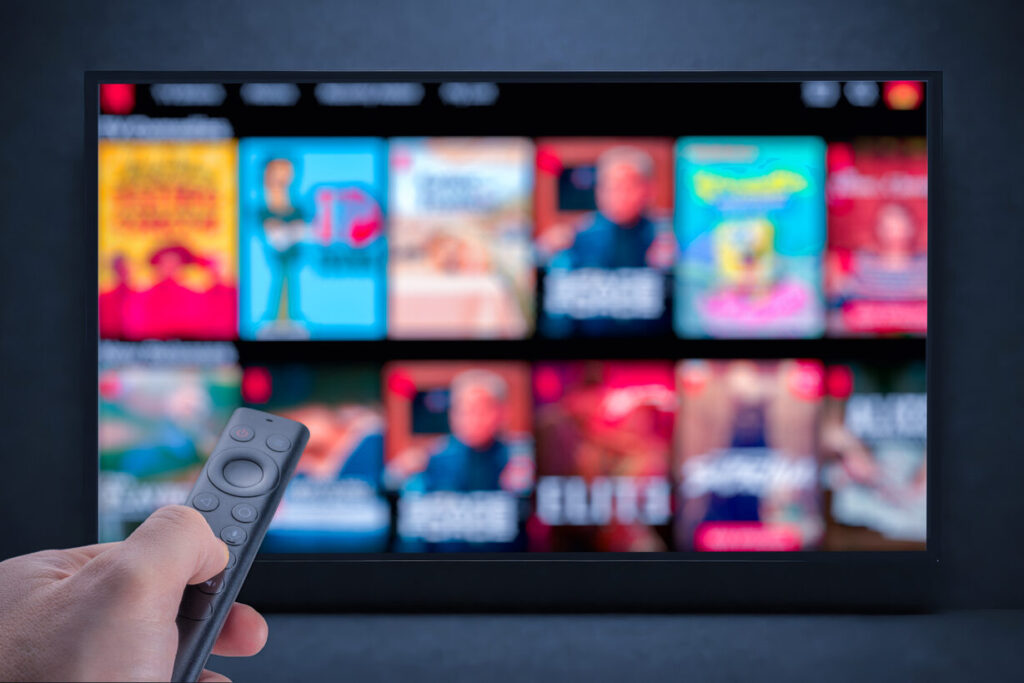
Not so long ago, watching a movie required planning. Either you waited for television scheduling, rented a disc, or bought physical copies to build your own collection. Predictions suggested that one day entertainment would live in digital libraries where viewers could simply choose and press play at any time. Many people doubted internet connections could ever support something that smooth and immediate.
Today, choosing what to watch often takes longer than loading it. Entire seasons sit ready for late night viewing, paused halfway, resumed later on another device without effort. Families no longer argue about recording times or missing episodes. Children grow up assuming every show ever made exists somewhere behind a search bar. The technology behind streaming is impressive, but what really matters is the sense of control it gives viewers. Entertainment now adjusts to human schedules, not the other way around, which is exactly what those early predictions imagined.
5. Maps That Guide Us Turn By Turn Without Panic
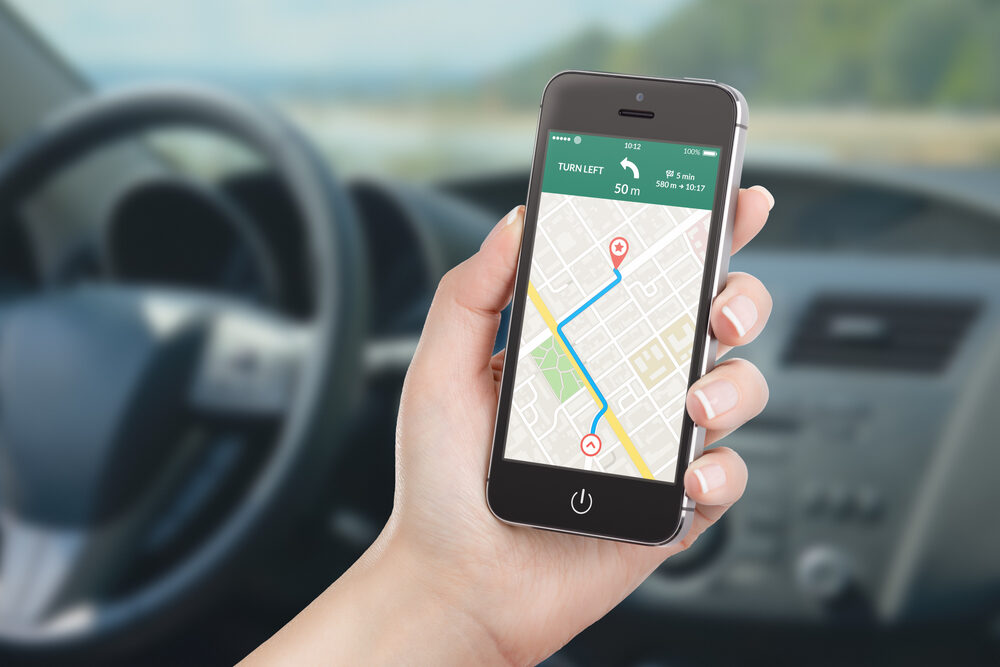
Older drivers remember unfolding large paper maps across the steering wheel and hoping they understood the tiny printed roads correctly. Missing one exit could mean stopping at a gas station to ask strangers for directions. Predictions about satellite navigation once sounded like tools only pilots or military teams would use. Few expected everyday drivers to rely on it constantly for even short city trips.
Now people casually drive into unfamiliar neighborhoods with total confidence because a calm digital voice guides every turn. If traffic builds ahead, the route changes automatically. Walking directions help travelers explore foreign cities without anxiety. Even delivery drivers depend on these systems to manage dozens of stops daily. What changed was not just navigation accuracy but emotional comfort. Getting lost used to feel like part of travel. Today, the moment the map signal drops, people feel uneasy. That reaction alone proves how completely this once futuristic prediction became part of normal life.
6. Talking Out Loud And Technology Actually Responds

For many years, speaking to a machine sounded awkward or theatrical, something only movie characters did inside futuristic control rooms. Predictions claimed one day homes would respond to spoken commands, allowing people to request music, weather updates, or reminders simply by talking. It sounded convenient but also slightly unrealistic, since voice recognition struggled badly with accents and background noise.
Then gradually, the systems improved. Now someone cooking dinner can ask for a timer without touching anything. Someone lying in bed can switch off lights with a short sentence. Children ask random homework questions aloud and expect immediate answers. The surprising part is how quickly the embarrassment disappeared. Nobody feels strange speaking to a device anymore because it saves time in small everyday moments. The prediction worked not because machines became conversational geniuses, but because they became just reliable enough to handle simple requests without making life feel complicated.
7. Social Platforms Turning Into Daily Public Spaces
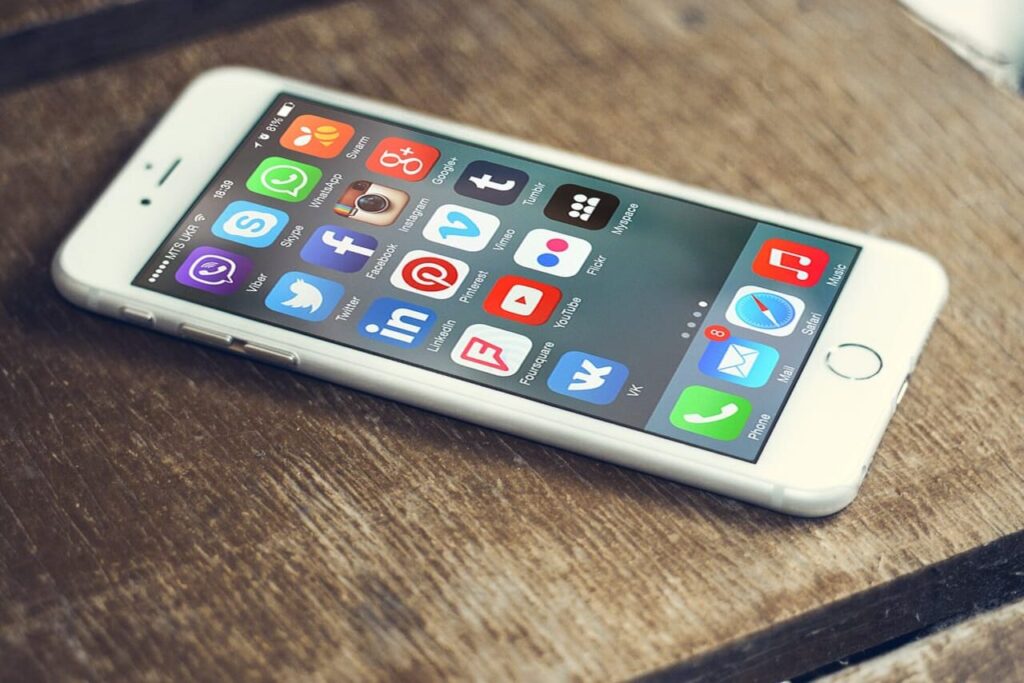
Early internet chat rooms hinted that people enjoyed connecting online, but few imagined how central digital social platforms would become to everyday communication. Predictions suggested the internet might evolve into a shared social space where personal updates, public discussions, and community organization would all happen side by side. That sounded ambitious at the time, since most people still viewed the internet as an information tool rather than a social environment.
Now birthdays, business announcements, neighborhood alerts, and global news often appear first on social feeds before anywhere else. Friends reconnect after decades, creators build careers from their bedrooms, and local events fill up through simple shared posts. Logging in often feels like stepping into an ongoing conversation that never really stops. The prediction proved true because humans naturally gather where communication feels easiest. The platforms themselves keep changing names and designs, but the core idea stayed solid. The internet did become a social town square, just larger and louder than anyone expected.
8. Working From Home Became A Real Career Option

For a long time, working from home sounded like a rare privilege reserved for freelancers or special company roles. Offices were seen as the natural center of productivity, and predictions that large numbers of people would someday work remotely felt unrealistic. Managers worried about supervision, teamwork, and communication problems if employees were scattered across different locations instead of sitting under one roof.
Then better internet, shared online documents, and video meeting tools slowly made remote work easier than anyone expected. Suddenly teams could collaborate on the same file, talk face to face through screens, and track progress without being physically present. Many workers discovered they could focus better without long commutes or office noise. Companies realized hiring globally opened more talent options. What began as an emergency adjustment for some industries quickly proved practical for many others. Today, asking whether a job allows remote or hybrid work feels completely normal, which shows how thoroughly this once doubtful prediction settled into everyday professional life.
9. Houses Slowly Becoming Smart And Connected

Old futuristic magazines loved showing homes that automatically adjusted lighting, temperature, and security with almost magical precision. At the time, most houses relied on manual switches, basic thermostats, and simple locks. The idea that everyday households would control appliances through phones sounded expensive and unnecessary, something only luxury mansions might attempt rather than something regular families would adopt.
Yet small connected devices started appearing one by one. First came programmable thermostats, then security cameras with phone alerts, then smart bulbs controlled from bed without getting up. None of these changes felt dramatic individually, but together they quietly reshaped how people interact with their homes. Someone traveling can now check their front door instantly. Someone arriving late can turn on lights before stepping inside. Parents monitor deliveries without opening the door. The smart home prediction came true not through one giant invention, but through dozens of small practical upgrades that slowly made connected living feel less futuristic and more like simple everyday convenience.
10. Paying Without Cash Becoming Routine
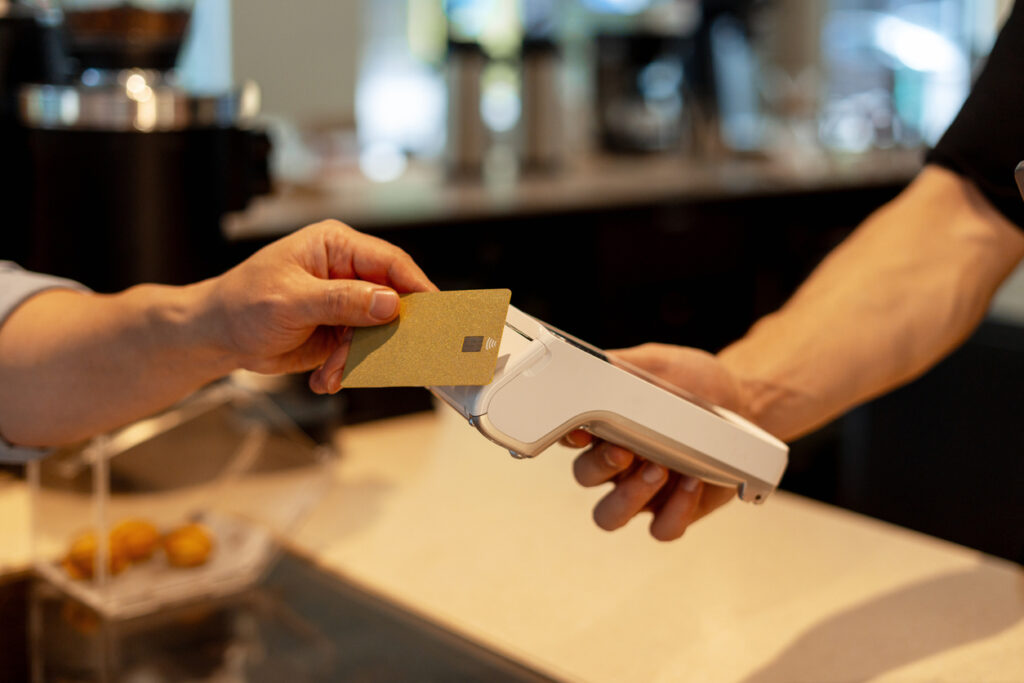
Cash once felt like the permanent foundation of everyday buying and selling. People carried notes for groceries, transport, and small errands, while cards were seen as secondary tools. Predictions suggested digital payments might eventually dominate once security improved and smartphones became widespread, but many assumed physical money would always remain the safer and more trusted option for daily transactions.
Instead, contactless payments and mobile banking spread quickly once they proved both fast and reliable. Someone now taps a phone for transport, sends money instantly to a friend after lunch, or pays bills without touching paper at all. Street vendors, supermarkets, and taxi drivers often accept digital transfers as easily as cash. Younger customers sometimes leave home with only their phone and feel completely prepared. The shift happened gradually enough that many barely noticed when digital payment stopped feeling new. The prediction came true because it saved time in tiny moments, and when technology removes small daily friction, people usually accept it faster than expected.
11. Files Living In The Cloud Instead Of One Computer
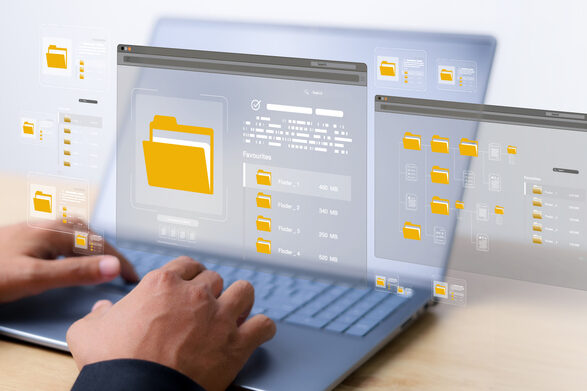
There was a time when losing your computer meant losing your documents, photos, and work permanently unless you remembered to back everything up manually. Predictions suggested future systems would store personal files on remote servers so they could be accessed from anywhere. Many people initially distrusted the idea, feeling safer keeping everything physically on their own machines rather than somewhere invisible online.
Slowly, automatic syncing changed that habit. Photos now appear instantly across phone, tablet, and laptop without effort. Work documents update in real time while several people edit simultaneously. Students submit assignments from shared folders, and families recover years of memories even after replacing broken devices. What once sounded risky now feels reassuring. Many users no longer even think about where their files physically exist, only that they appear whenever needed. The prediction succeeded because it removed anxiety about loss while adding everyday convenience, turning cloud storage from a technical concept into something quietly dependable in the background of daily digital life.
12. Watches Turning Into Health And Activity Companions
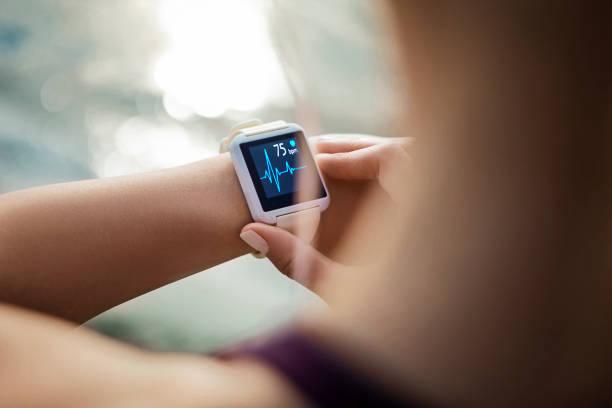
Wristwatches once served one simple purpose, telling time. Predictions suggested wearable technology might eventually track health signals such as heart rate, sleep patterns, and daily movement. That idea sounded useful for athletes but unnecessary for ordinary people, since most assumed serious health monitoring belonged only in hospitals or professional training centers rather than on someone’s wrist during normal daily routines.
Then fitness trackers arrived and slowly evolved into smartwatches packed with sensors. People began counting steps, checking pulse readings during walks, and receiving reminders to stand after sitting too long. Some devices now monitor sleep cycles and encourage healthier routines simply through gentle daily notifications. The change feels personal rather than technical. Users start noticing patterns in their own habits and adjusting small behaviors naturally. The prediction worked because it turned health awareness into something continuous and casual instead of occasional and medical. Looking at your wrist for wellness information now feels just as ordinary as checking the time once did.
13. Translation Tools Helping Conversations Across Languages
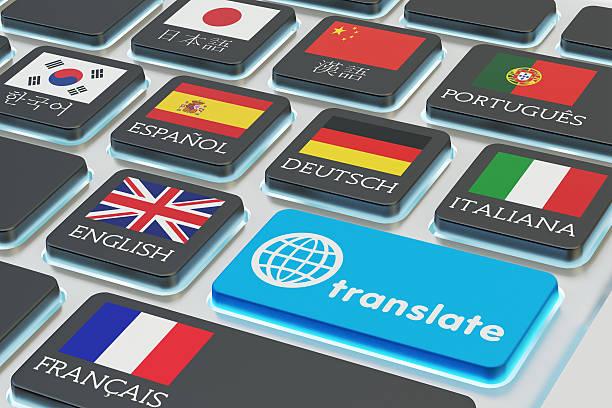
Traveling abroad once meant carrying phrasebooks, memorizing basic greetings, and hoping gestures filled the communication gaps. Predictions claimed handheld devices might eventually translate speech or text instantly between languages, allowing smoother interaction between strangers. Many believed language nuance would make that goal nearly impossible, especially for casual everyday conversation rather than formal written documents.
Yet translation apps gradually improved through machine learning and massive language databases. Now travelers point their phone camera at menus and see instant translations. Someone speaks into a microphone and receives a spoken response in another language seconds later. While not perfect, the tools remove enough uncertainty that people feel more confident starting conversations they might have avoided before. Business meetings, tourism, and even online friendships benefit from this quiet bridge between cultures. The prediction succeeded not by eliminating language differences entirely, but by lowering the fear of misunderstanding enough that communication feels possible where it once felt intimidating.
14. Online Learning Opening Classrooms Everywhere

Education once depended heavily on physical classrooms, printed materials, and fixed schedules. Predictions suggested digital platforms might someday allow students anywhere in the world to attend lessons remotely, watch recorded lectures, and earn certifications without relocating. Many doubted online education could match the structure or seriousness of traditional schooling, assuming it would remain a small supplement rather than a major learning pathway.
Instead, online courses expanded rapidly as video streaming, discussion boards, and digital testing improved. Working adults now study new skills at night after their jobs. Teenagers learn coding from instructors in other countries. Universities host hybrid programs mixing campus and remote participation. Learning became something people fit into their lives rather than something requiring full relocation. The prediction came true because access mattered more than location. Once the technology allowed stable video teaching and interactive materials, the idea of logging in for structured education stopped feeling experimental and started feeling like a practical, flexible way to keep growing professionally.
15. Getting A Ride Through An App Instead Of Calling A Taxi

Calling a taxi once meant dialing dispatch, waiting uncertainly, and hoping the driver arrived soon. Predictions suggested digital platforms might eventually connect passengers directly with nearby drivers through location tracking, creating faster and more predictable urban transport systems. At first the idea sounded complicated, since it required accurate maps, mobile payments, and real time positioning all working smoothly together.
Then ride hailing apps combined those pieces into one simple interface. Someone now opens an app, sees the driver approaching on a live map, and receives an automatic fare estimate before the trip even begins. Payment happens quietly after arrival without handling cash. The emotional difference is what really stands out. Riders feel more informed and in control, while drivers gain clearer navigation and customer matching. What once involved uncertainty and waiting now feels structured and transparent. The prediction succeeded because it replaced guesswork with visible information, and once people experienced that clarity, going back to the older system felt unnecessarily stressful.
16. Unlocking Devices Just By Looking At Them

Passwords once felt like the only serious way to secure personal devices. Predictions suggested biometric systems might eventually recognize faces or fingerprints instantly for authentication. Many worried the technology would be unreliable or too complex for everyday use, assuming it would remain limited to high security labs or government checkpoints rather than ordinary consumer electronics used by millions daily.
Then facial recognition and fingerprint sensors became faster and more accurate through improved cameras and processors. Now someone simply glances at their phone and it unlocks before they even finish lifting it. Laptops, office entry systems, and airport checkpoints increasingly rely on similar verification. The shift feels subtle but meaningful. Instead of remembering dozens of passwords, people use their own physical identity as the key. The prediction worked because it reduced effort without sacrificing convenience. What once sounded like advanced surveillance technology now feels like a small everyday shortcut that saves a few seconds dozens of times each day.
17. Ordering Meals With A Few Taps Instead Of A Phone Call

Not long ago, ordering food meant finding a paper menu, calling the restaurant, repeating your address, and hoping nothing was misunderstood over the line. Predictions imagined digital platforms that would connect restaurants, delivery drivers, and customers seamlessly through one system. Many assumed smaller restaurants would never adapt to such technrical coordination or that customers would still prefer traditional phone ordering.
Instead, food delivery apps spread quickly once they simplified the process. People scroll menus with photos, customize orders clearly, and track the rider approaching in real time. Students order late night meals, busy parents solve dinner during hectic evenings, and office workers arrange group lunches without confusion. The emotional appeal is not just speed but certainty. You see what you ordered, when it left, and when it arrives. The prediction succeeded because it removed the awkwardness and uncertainty of phone orders, turning something once mildly stressful into a routine background task handled in seconds.
18. Artificial Intelligence Quietly Helping With Everyday Tasks
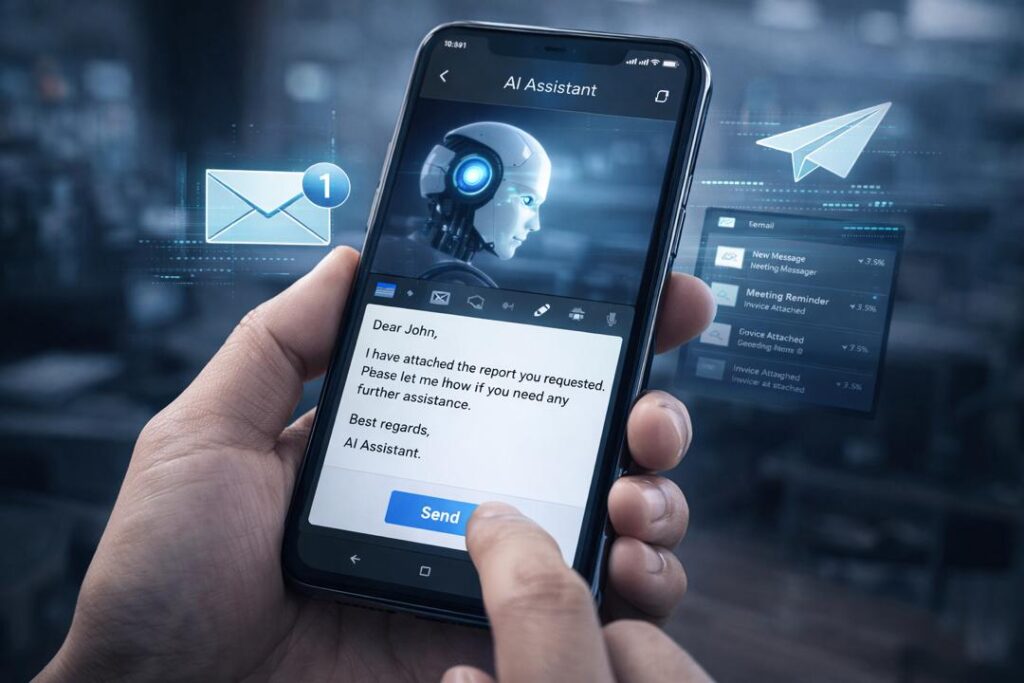
For decades, artificial intelligence sounded like something tied to robots or distant science fiction futures. Predictions imagined machines that could assist with writing, research, design ideas, and problem solving. Many expected dramatic humanoid robots, but the real change arrived much more quietly through software tools embedded inside everyday apps and services people already used.
Now AI suggests email replies, summarizes long documents, recommends movies, filters spam, and helps brainstorm ideas when someone feels stuck. Students use it for study support, professionals use it for drafting outlines, and businesses use it to analyze patterns in customer data. The important part is how normal it already feels. Most people interact with AI daily without announcing it or even noticing the system behind the interface. The prediction came true not as a dramatic takeover but as a steady partnership, with intelligent tools sitting quietly in the background helping humans move a little faster through tasks they already planned to do.
19. Truly Self Driving Cars On Every Road
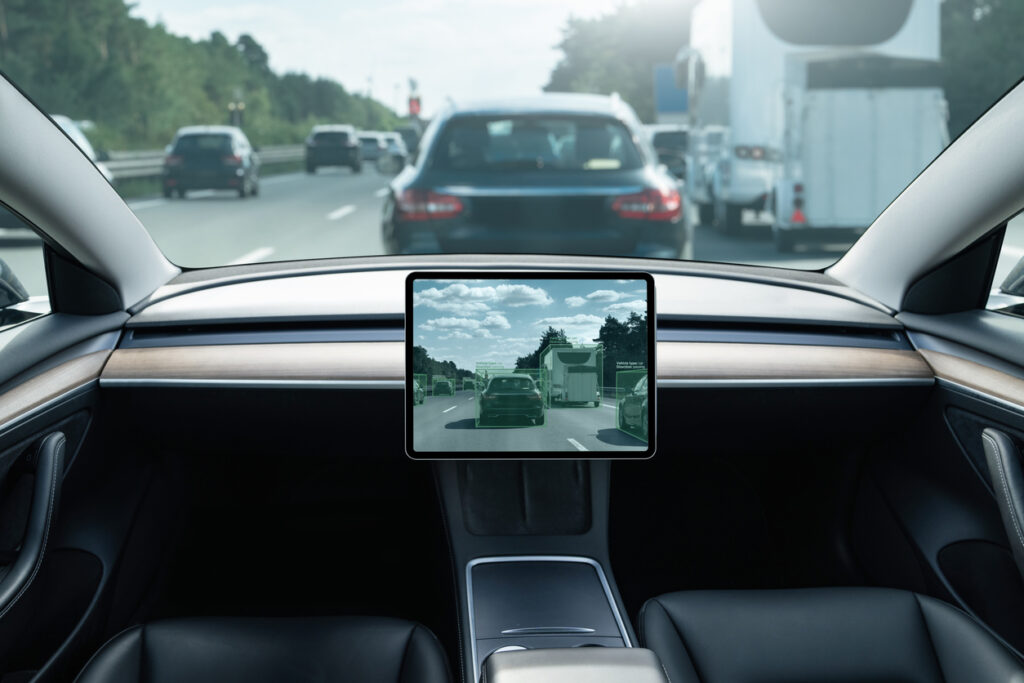
For years people imagined a future where nobody actually drives anymore. The car would handle traffic, lane changes, parking, and long highway journeys while passengers relax, read, or even sleep. Early prototypes and test vehicles made this vision feel extremely close, and many assumed fully autonomous cars would dominate roads by now in most cities around the world.
Reality turned out more complicated. While modern vehicles can assist with steering, braking, and cruise control, they still require human attention in unpredictable situations like sudden road construction, heavy rain, or chaotic city traffic. Driving involves countless small judgment calls that remain difficult for software to handle safely in every condition. Some controlled areas now test driverless taxis, but widespread everyday use still feels a few steps away. The prediction may eventually come true, but for now most people still keep their hands on the wheel, proving that replacing human driving judgment turned out harder than early excitement suggested.
20. Personal Flying Cars For Daily Commutes
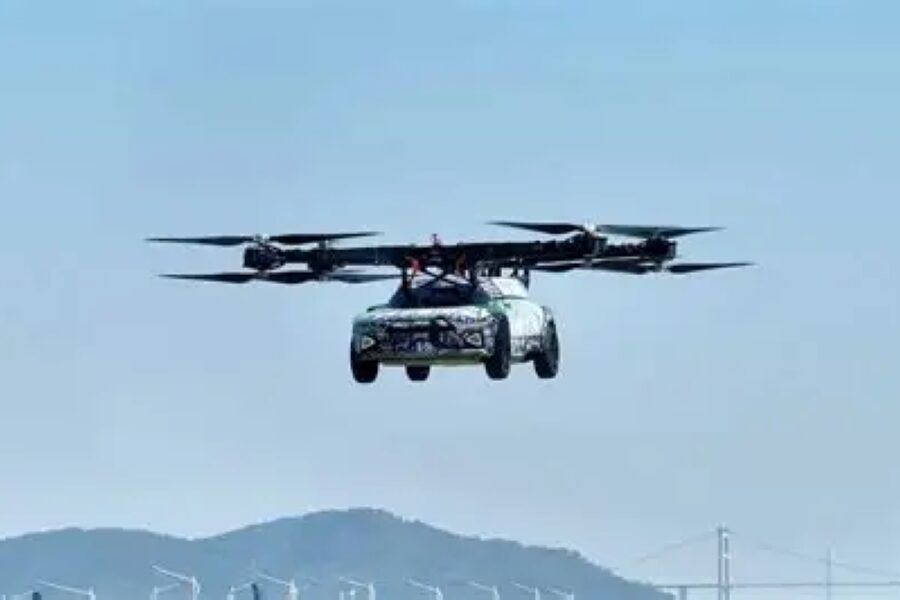
The image of commuters lifting straight into the air to skip traffic has lived in popular imagination for generations. Old concept drawings showed families parking small aircraft in their driveways and flying calmly above crowded highways. Engineers have successfully built experimental flying vehicles, and several companies continue testing electric vertical takeoff designs meant for short urban travel routes.
Even so, everyday flying cars remain rare because the real challenges are not just technical. Air safety regulations, pilot training requirements, noise concerns, and the need for controlled air traffic systems all complicate mass adoption. Cities would need entirely new infrastructure to manage thousands of low altitude vehicles safely. For now, the idea survives mostly in demonstrations and prototype showcases rather than neighborhood parking lots. The dream still feels exciting, but most commuters continue dealing with normal traffic jams, showing that sometimes the biggest obstacles to futuristic transport are social organization and safety planning rather than engineering alone.
21. Permanent Human Cities On Mars
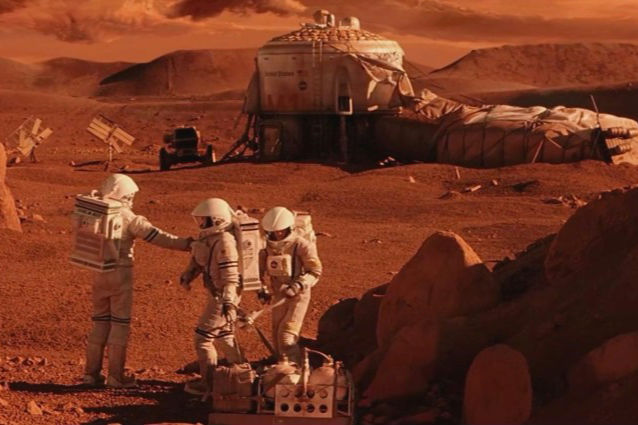
Space agencies and private companies have long spoken about sending humans to live permanently on Mars. The idea captured public imagination because it represents both technological achievement and humanity’s desire to explore beyond Earth. Robotic missions already send detailed images and data back from the Martian surface, which makes the idea of human settlement feel emotionally close even if practically distant.
The truth is that sustaining human life there requires solving enormous challenges involving radiation exposure, oxygen production, food supply, and psychological health during long isolation. Transporting building materials alone would require repeated massive launch operations. Scientists continue planning future missions and testing habitat designs, but a self sustaining Martian town still belongs more to long term strategy than near future reality. The prediction has not failed, it is simply unfolding slowly. Each successful rocket launch and planetary study moves the timeline forward, but for now humanity remains firmly Earth based while Mars waits patiently as the next great frontier.
22. Household Robots That Handle All Chores
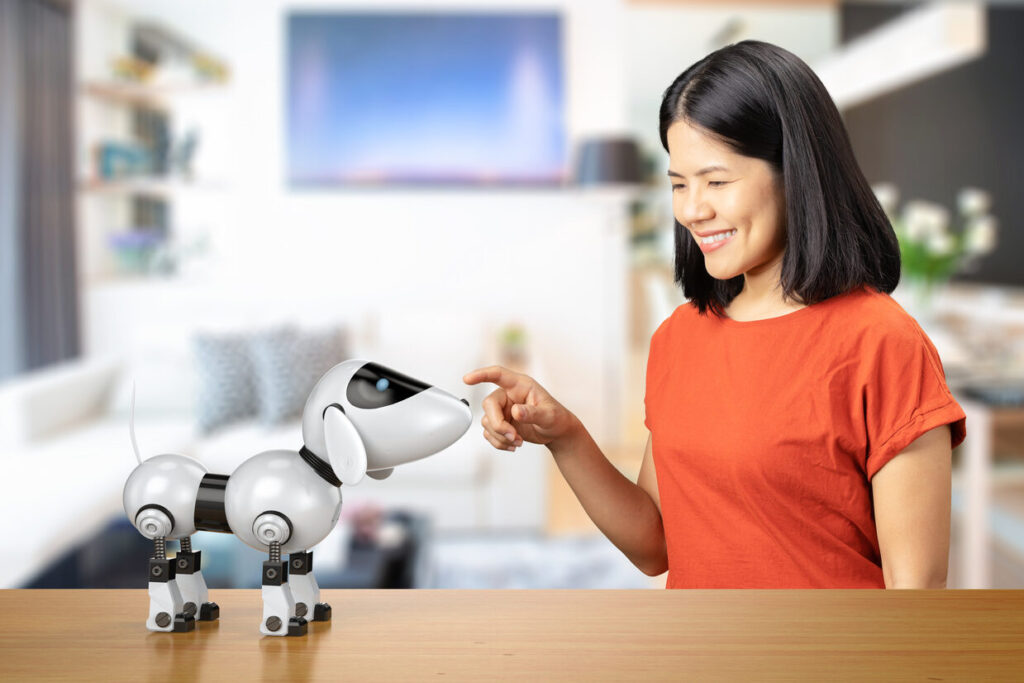
Movies often showed cheerful household robots cooking breakfast, folding laundry, washing dishes, and tidying rooms while families focused on more enjoyable activities. Early robotics optimism suggested such general purpose home assistants might appear quickly once mechanical engineering and computing improved. Many people imagined owning one central robot capable of handling nearly every repetitive domestic task automatically.
In practice, robots excel when tasks are extremely specific and predictable. Robotic vacuum cleaners work because floor cleaning follows a simple pattern. Cooking, laundry sorting, fragile dish handling, and clutter organization require flexible movement and real time decision making in constantly changing environments. Human homes contain too many unpredictable details for current machines to manage smoothly. Engineers continue developing smarter robotic arms and navigation systems, but the single do everything home robot still feels experimental. For now, people rely on smaller specialized devices instead of one universal helper, meaning the fully automated domestic assistant remains a future promise rather than an everyday appliance.
23. Medical Nanobots Repairing The Body From Inside
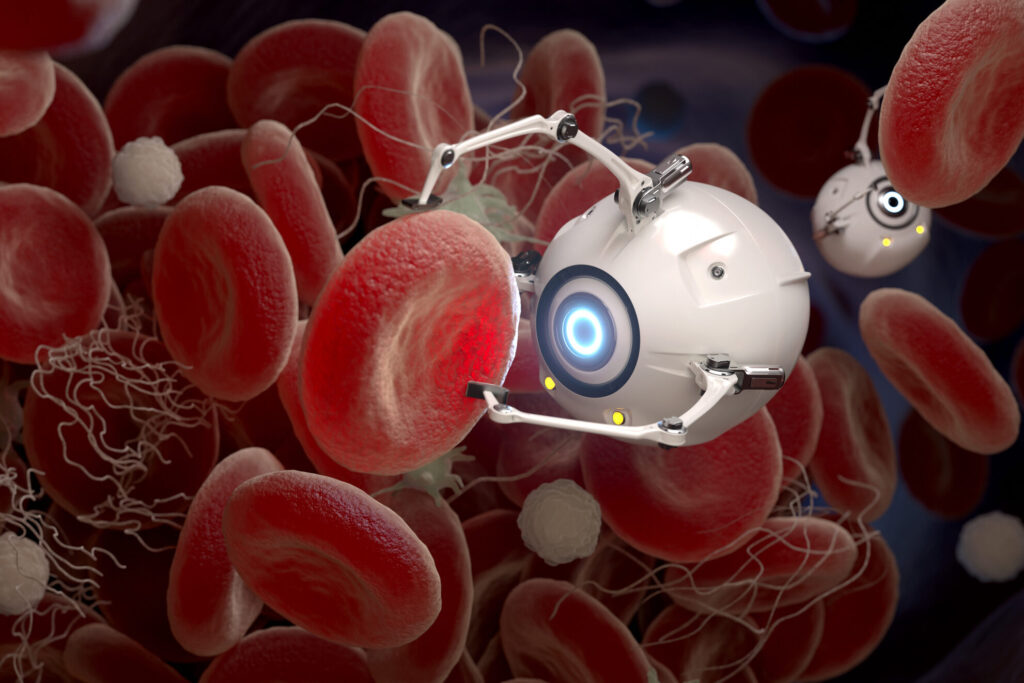
Some futuristic medical predictions imagined microscopic robots traveling through the bloodstream, repairing damaged cells, removing infections, and preventing disease automatically before symptoms even appear. The concept fascinated both scientists and the public because it suggested a world where many illnesses could be treated internally with almost perfect precision and minimal side effects compared to traditional surgery or medication.
Medical research has made impressive progress with targeted drug delivery and microscopic imaging tools, but fully autonomous repair robots inside the human body remain largely theoretical. Biology operates through extremely complex chemical interactions that are still not fully understood in real time at the cellular level. Designing machines small enough, safe enough, and intelligent enough to function continuously inside living tissue presents enormous engineering and ethical challenges. While laboratories continue exploring nanotechnology applications, the vision of tiny programmable doctors circulating permanently inside our veins still belongs to future medical generations rather than present day hospital treatment plans.
24. One Universal Digital Currency Used Worldwide
With the rise of online banking and cryptocurrency, many analysts predicted the world might eventually adopt a single global digital currency accepted everywhere. The idea sounded logical because the internet already connects global commerce, and a shared financial system could theoretically simplify international trade, travel payments, and cross border business operations dramatically.
What slowed this prediction is that money is deeply tied to national economic policy and government stability. Countries rely on controlling their own currency to manage inflation, employment, and financial crises. Even as digital wallets spread and international transfers become faster, nations continue developing their own systems rather than merging into one global standard. Some regions experiment with digital versions of local currencies, but complete worldwide unification remains politically and economically complicated. The technology exists to support global digital money, yet the decision involves trust, regulation, and sovereignty issues far beyond software design, which keeps this prediction waiting for broader international agreement.
25. Fully Immersive Virtual Reality For Everyday Life
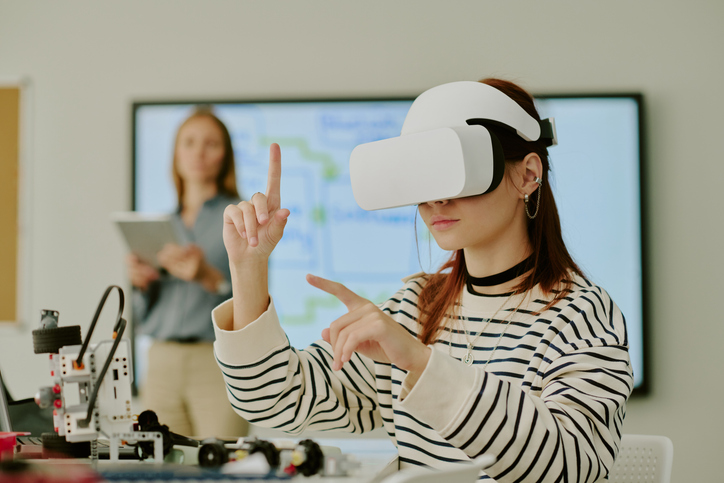
Virtual reality technology has improved steadily, offering gaming experiences, training simulations, and virtual tours that feel increasingly realistic. Early predictions suggested people might eventually spend large portions of daily life inside immersive digital environments for work, school, social gatherings, and entertainment, replacing traditional screens almost entirely with wearable headsets or lightweight visual systems.
While VR works well for certain specialized uses, most people still prefer regular laptops and phones for everyday tasks because they remain more comfortable for long sessions. Headsets can feel heavy, cause eye strain, or isolate users from their physical surroundings in ways that feel impractical for routine office work or casual browsing. Developers continue improving design, and lighter wearable versions may eventually change adoption patterns. Still, the fully virtual daily lifestyle imagined decades ago has not arrived yet. For now, virtual reality stays an occasional experience rather than the primary environment where most people choose to live and work.
26. Technology That Can Control Weather Patterns
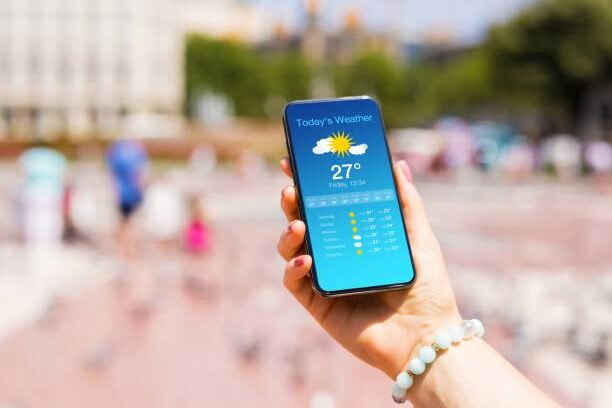
For generations, people dreamed about controlling rainfall, preventing hurricanes, or scheduling sunshine for important events. Some early scientific experiments explored cloud seeding to encourage precipitation, which led to speculation that full weather control might eventually become possible through large scale atmospheric engineering and powerful environmental monitoring systems.
However, Earth’s climate operates through vast interconnected systems involving oceans, temperature cycles, wind patterns, and solar radiation. Small changes in one region can trigger unpredictable effects elsewhere. Even modern forecasting remains imperfect despite advanced satellite networks and supercomputer modeling. Attempting precise long term weather control would require enormous energy input and extremely accurate predictive understanding of planetary dynamics. Researchers continue studying climate intervention methods cautiously, mostly focused on reducing harmful effects rather than actively designing daily weather. The prediction remains scientifically fascinating, but for now humanity still prepares for storms rather than scheduling them away.
27. Uploading Human Minds Into Computers
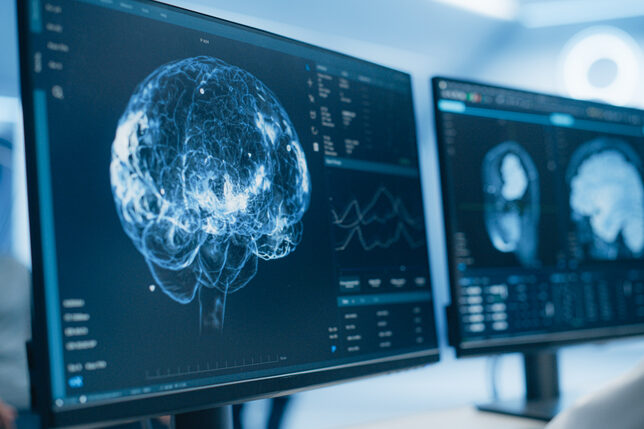
One of the most dramatic technological predictions involves transferring human consciousness into digital form, allowing memories, personality, and awareness to exist inside computer systems indefinitely. Science fiction often portrays this as a path to digital immortality where individuals could continue thinking, communicating, and experiencing simulated environments long after biological life ends.
Current neuroscience still struggles to fully explain how subjective consciousness emerges from physical brain activity. Mapping every neural connection alone would require extraordinary scanning precision, and even that may not capture the chemical and dynamic processes involved in thought and identity. Researchers successfully build brain computer interfaces that restore limited movement or communication, which is already remarkable progress. Yet copying an entire functioning human mind remains far beyond present technical capability. The prediction raises deep philosophical questions about identity and experience as well as engineering challenges, meaning this idea continues to live more in theoretical debate and speculative storytelling than in active practical implementation.
28. Unlimited Clean Fusion Energy Powering Everyday Life
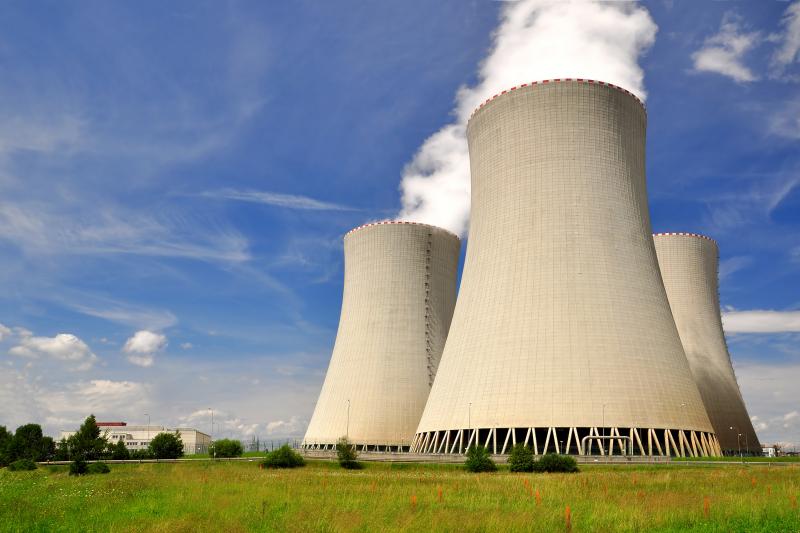
For decades, scientists have pursued nuclear fusion as a potential source of nearly limitless clean energy. The process aims to replicate the same atomic reactions that power the sun, producing enormous energy with minimal long term radioactive waste compared to traditional nuclear fission. Many early predictions suggested fusion plants might already be supplying electricity to major cities by now.
Experimental reactors have achieved encouraging breakthroughs in controlled fusion reactions, but maintaining stable, continuous output that produces more energy than it consumes remains extremely difficult. Containing superheated plasma requires advanced magnetic confinement systems operating under extreme conditions for sustained periods. Funding, engineering complexity, and material limitations all slow commercial deployment. Renewable sources like solar and wind expanded faster in the meantime, filling urgent energy needs. Fusion research continues steadily, and many experts still believe it will eventually succeed. For now, though, the promise of abundant fusion powered electricity remains a future milestone still being carefully built rather than a technology already running quietly behind our wall sockets.


