
1. The Electrical Grid That Quietly Powers Everything
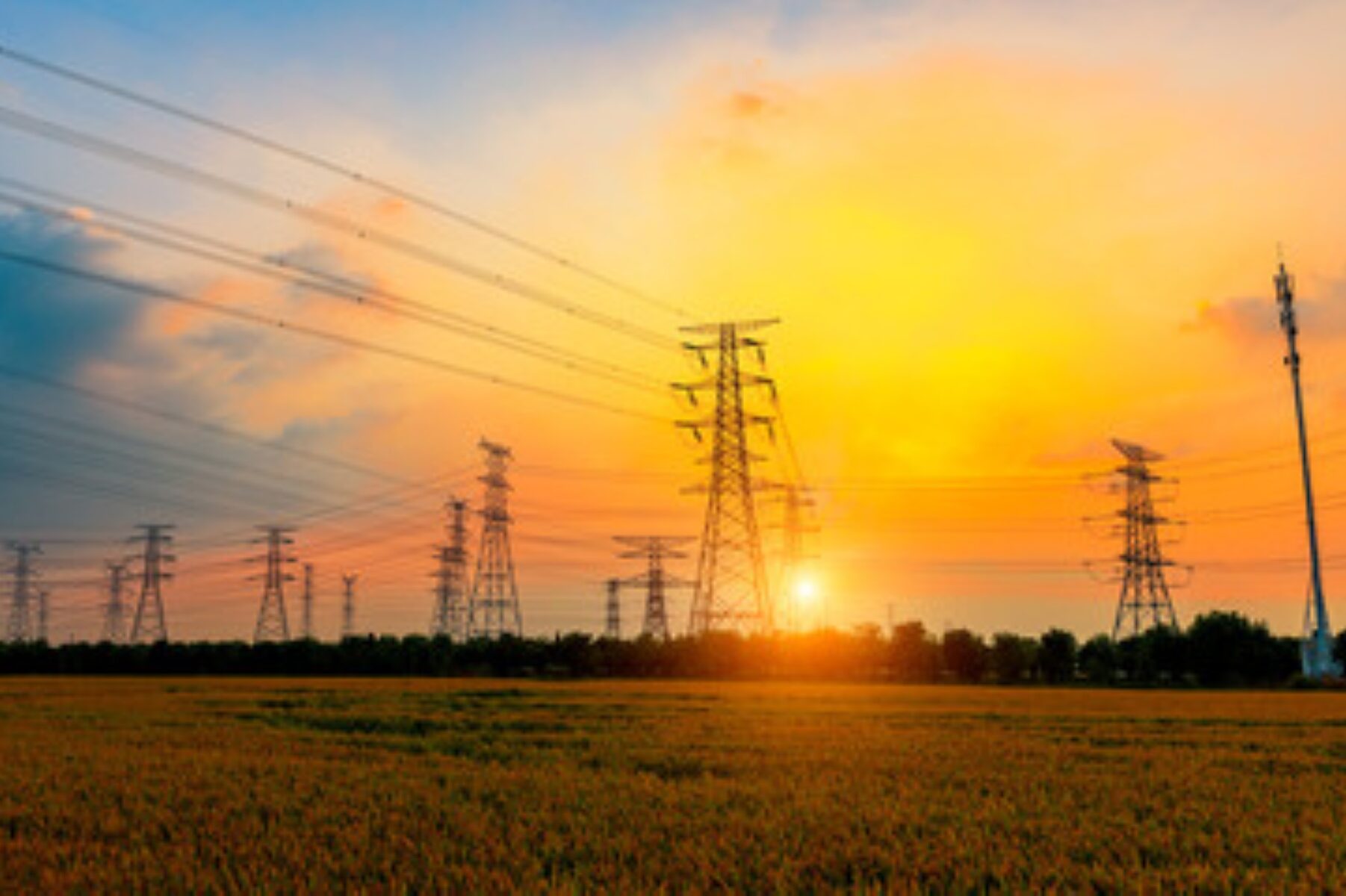
Most mornings begin with a simple act: flipping a light switch or plugging in a phone charger. That moment feels ordinary, but behind it sits one of the largest and most complex machines ever built. The electrical grid stretches across cities, states, and entire regions, connecting power plants, substations, transformers, and miles of transmission lines that move electricity to homes and businesses. What makes the grid remarkable is that it balances supply and demand constantly. Electricity cannot easily be stored at large scale, so grid operators must match how much power people use with how much power plants generate at that exact moment. According to the U.S. Department of Energy, “the electric grid is often described as the largest machine in the world.” Control rooms monitor flows of electricity in real time, adjusting generation to keep lights on and equipment running smoothly.
Most of this work happens quietly through automated systems and skilled operators watching screens full of data. People rarely see any of it. The cables are high overhead or buried underground, and the control centers are tucked away in secure facilities. Yet every device we rely on, from refrigerators to laptops, depends on this unseen network. It is easy to overlook because it works so reliably. When the lights come on instantly, we move on with our day without realizing just how much coordination made that moment possible.
2. The Water Treatment System Behind Every Tap
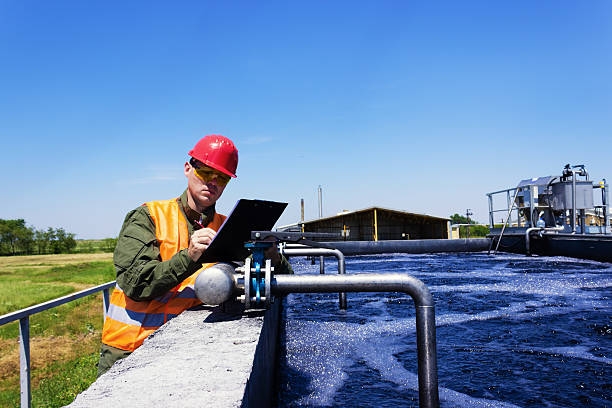
Turning on a faucet feels like one of the simplest things in the world. Water flows instantly, clean and ready for drinking, cooking, or washing. Yet that clear stream has already traveled through an extensive system of reservoirs, pumping stations, treatment plants, and underground pipes before it reaches the sink. Water treatment plants perform the quiet work of removing contaminants and making water safe. Engineers use filtration, sedimentation, and disinfection to eliminate bacteria, particles, and chemicals. The U.S. Environmental Protection Agency explains that drinking water treatment “removes contaminants and harmful microorganisms so that water is safe for human consumption.” Once treated, the water moves through thousands of miles of pipes beneath streets and neighborhoods, guided by pumps that maintain the pressure needed to reach homes and apartments.
Most people never see this system because it operates underground or inside industrial facilities. Technicians monitor quality constantly, testing water samples and adjusting chemical levels to maintain safety standards. It is steady, careful work designed to stay out of sight. The quiet reliability of the system is part of its success. When people pour a glass of water or wash their hands, they rarely think about the teams and technology ensuring that the water is safe and available. Yet without this hidden network, everyday comfort and public health would look very different.
3. The Internet’s Routing System That Delivers Every Click

Sending a message, loading a webpage, or streaming a video feels almost instant today. But every online action travels through a hidden network of routers, servers, and cables that guide data around the world. These systems decide the fastest and most reliable path for information to travel, often in fractions of a second. At the heart of this process are internet routing protocols that direct data packets between networks. When someone sends an email or opens a website, the information is broken into small packets that travel independently across different paths before being reassembled at the destination. The Internet Society describes routing as the process that “allows networks to exchange information about how to reach different parts of the Internet.” That constant exchange helps routers determine the best path at any moment.
Much of this infrastructure lives inside data centers and fiber-optic cables buried beneath oceans or roads. Engineers monitor traffic patterns and maintain equipment so that data continues flowing smoothly. Because these systems operate automatically, most users never notice them unless something goes wrong. What makes this invisible system remarkable is its scale. Billions of devices communicate across it every day, yet the process feels effortless to the people using it. Behind every search, message, and video stream, the internet’s routing system quietly keeps the digital world connected.
4. The GPS Network Guiding Phones and Cars

Navigation once meant unfolding a paper map or asking for directions. Today, most people simply open a map app and watch a small blue dot show exactly where they are. That everyday convenience comes from the Global Positioning System, a network of satellites orbiting Earth and sending timing signals to receivers on the ground. GPS works by measuring the time it takes signals from multiple satellites to reach a device. By comparing those signals, the receiver calculates its exact location. The National Oceanic and Atmospheric Administration explains that GPS allows users to determine their position “within a few meters anywhere on Earth.” That accuracy helps drivers navigate roads, pilots guide aircraft, and emergency services locate callers quickly.
The satellites themselves are far above the planet, moving silently through space while broadcasting signals around the clock. Ground stations track their positions and ensure the timing remains precise. Meanwhile, phones and navigation systems interpret those signals instantly, translating them into maps and directions people can understand. Because the technology operates quietly in the background, it rarely draws attention. Yet millions of people rely on it every day to reach destinations, track deliveries, and plan routes. The small location icon on a phone screen represents a global system working constantly overhead.
5. The Payment Networks That Approve Your Purchases

Paying for something with a card or phone takes only a few seconds. A quick tap or swipe, and the transaction is approved before the receipt even prints. Behind that moment sits a complex network of payment processors, banks, and security systems verifying the purchase almost instantly. When a card is used, the payment request travels through a payment network to the issuing bank. The bank checks whether the account is valid, confirms available funds, and approves or declines the purchase. According to the Federal Reserve, electronic payment systems “enable financial institutions to exchange payment information quickly and securely.” That entire process typically happens in just a few seconds. Security checks are also part of the system. Algorithms monitor transactions for unusual patterns that might indicate fraud. If something seems suspicious, the system can flag or block the purchase before it is completed.
Most people only see the brief “approved” message on the payment terminal, but behind it lies a web of encrypted communications and financial verification. The goal is simple: make payments feel quick and effortless while keeping accounts safe. These hidden financial networks are a quiet reminder that modern convenience often rests on systems designed to stay invisible. And once you start noticing them, it becomes clear that many parts of daily life run on quiet cooperation happening far behind the scenes.
6. The Air Traffic Control Network Watching the Skies

Most travelers only think about flying when they board a plane and settle into their seats. What they rarely see is the quiet coordination happening on the ground to keep thousands of aircraft moving safely through the sky every day. The air traffic control system is a vast network of radar stations, communication towers, satellites, and control centers that guide planes from takeoff to landing. Controllers track aircraft positions and give pilots instructions that help maintain safe distances between flights, even in crowded airspace. The Federal Aviation Administration explains that “air traffic controllers coordinate the movement of thousands of flights daily to keep them safe and efficient.” It is a constant balancing act where timing, weather, and traffic patterns must all be considered at once.
Most of this work happens inside windowless control rooms filled with radar screens and communication equipment. Controllers speak calmly with pilots, directing them to adjust altitude, speed, or course when needed. At the same time, computer systems assist by predicting potential conflicts between aircraft long before they happen. Passengers rarely see any of this coordination, yet it allows airports to handle enormous numbers of flights each day. When a plane glides smoothly onto the runway or arrives exactly when expected, it often reflects the careful work of people and systems quietly guiding the journey from far below.
7. The Sewer System That Keeps Cities Clean
Few people give much thought to what happens after water disappears down a drain. Yet beneath most cities lies a vast network of pipes that carry wastewater away from homes, businesses, and streets. The sewer system quietly protects public health by moving used water to treatment facilities where it can be cleaned before returning to the environment. According to the U.S. Environmental Protection Agency, wastewater treatment plants remove pollutants so that “water discharged into rivers and streams is cleaner and safer for communities and ecosystems.” It is a system designed to stay out of sight but play a critical role in everyday sanitation.
The network often stretches for hundreds or even thousands of miles beneath urban areas. Gravity helps move wastewater through sloped pipes, while pumping stations assist where the terrain makes natural flow difficult. Treatment plants then remove solids, bacteria, and other contaminants through several stages of filtration and biological processing. Maintenance crews inspect tunnels and clear blockages to keep the system running smoothly. Most residents never see these underground pathways, yet they make daily life far more hygienic and manageable. Without them, cities would face serious sanitation problems very quickly.
8. The Cellular Network That Keeps Phones Connected
Making a phone call or sending a text feels simple enough, but the signal that carries those messages travels through a carefully coordinated cellular network. Cell towers, antennas, switching centers, and fiber connections work together to transmit signals between devices across wide distances. Each tower covers a specific geographic area known as a cell, and as people move from place to place, their phones automatically connect to the nearest tower without interruption. The Federal Communications Commission notes that cellular networks are designed so “users can communicate while moving across large areas without losing service.”
Behind the scenes, switching centers route calls and data to the correct destination, whether that means another phone nearby or a server across the country. Engineers constantly monitor network performance and expand capacity as demand grows. With millions of devices connected at once, the system must handle enormous amounts of data every second. Yet most users never notice the complexity because the experience feels seamless. Messages arrive instantly, calls connect quickly, and navigation apps update in real time. The quiet success of the cellular network lies in how invisible it feels while keeping people connected almost everywhere they go.
9. The Weather Monitoring System Predicting Tomorrow
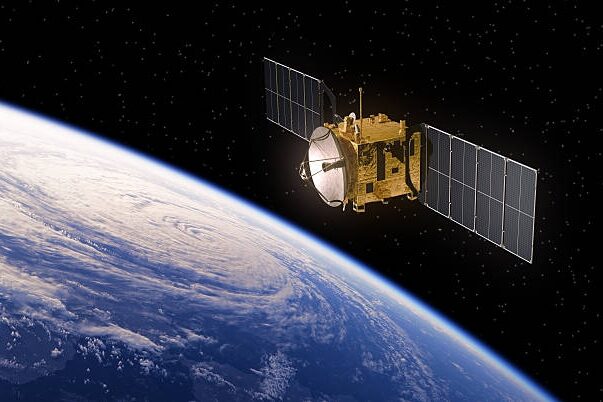
Checking the weather forecast has become a routine part of daily life. Before planning a trip, heading to work, or deciding what to wear, many people glance at an app that predicts the day’s conditions. Those forecasts rely on a broad network of satellites, radar systems, weather stations, and ocean buoys collecting data from across the planet. Meteorologists analyze this information using powerful computer models that simulate how the atmosphere is likely to behave. The National Weather Service explains that forecasting combines “observations from land, sea, air, and space with sophisticated computer models.”
Weather satellites orbit Earth and capture images of cloud formations and storm systems. Radar stations detect precipitation and track the movement of storms as they develop. On the ground, thousands of sensors measure temperature, humidity, wind speed, and air pressure. All of this information flows into forecasting centers where scientists interpret patterns and produce predictions. For most people, the system appears only as a simple icon on a smartphone screen. Yet behind that symbol sits a global effort to understand the atmosphere and provide warnings that help communities prepare for changing weather conditions.
10. The Logistics Networks That Move Packages Across the Country

Ordering something online often feels surprisingly simple. A few clicks later, a confirmation email arrives, and within days a package appears at the door. What most people never see is the intricate logistics network that makes that delivery possible. Warehouses, sorting hubs, trucks, cargo planes, and scanning systems coordinate the movement of millions of packages every day. According to the Council of Supply Chain Management Professionals, logistics involves “planning, implementing, and controlling the efficient movement and storage of goods.” The process depends on timing and organization across vast distances.
When a package is shipped, it usually travels through several sorting facilities where automated systems scan labels and route items to the correct destination. Conveyor belts move parcels through enormous distribution centers while software tracks their progress in real time. Drivers, pilots, and warehouse teams work in shifts to keep packages moving around the clock. For customers, the only visible part of this system may be a tracking update or a delivery truck pulling up outside. Yet behind that moment lies a coordinated chain of planning and technology quietly linking warehouses, highways, and neighborhoods across the country.
11. The Public Transportation System That Moves Millions
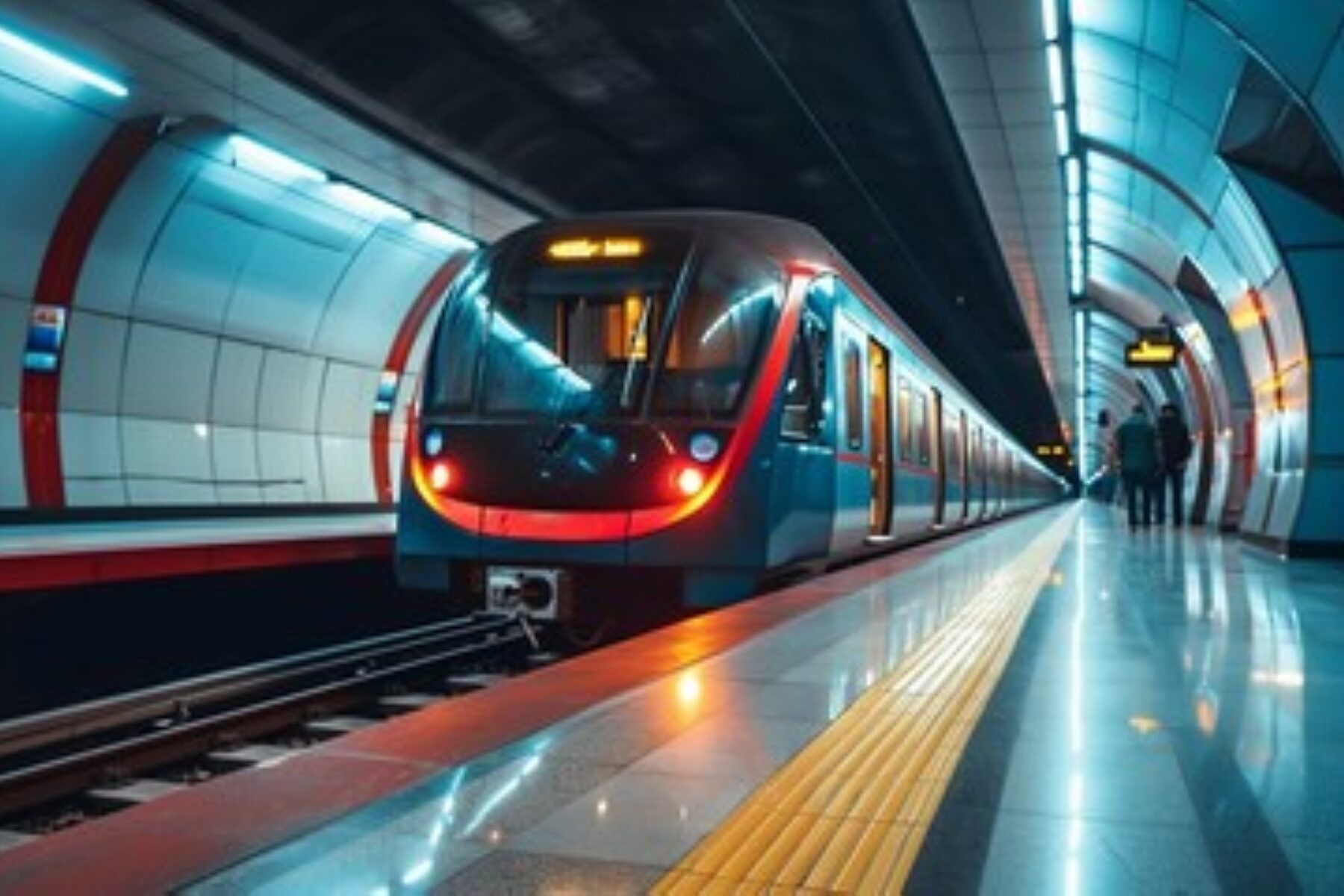
Riding a bus or subway feels familiar, even mundane, yet behind each smooth journey lies a carefully choreographed network of schedules, vehicles, signals, and maintenance crews. Public transportation systems move millions of people every day across cities and regions without most riders thinking twice. Transit agencies coordinate routes, adjust schedules based on demand, and keep vehicles in working order so commuters can rely on punctual service. The American Public Transportation Association notes that public transit “provides safe, reliable, and accessible transportation options while reducing congestion and pollution.”
Beneath the surface, computerized control systems track buses and trains, optimizing speed and timing to avoid collisions or delays. Stations are monitored for safety, and mechanical teams maintain tracks, engines, and brakes. Riders usually just glance at the schedule or tap a card and get on their ride, unaware of the orchestration happening behind the scenes. From city buses weaving through traffic to subways running underground, the system operates quietly to ensure millions reach work, school, or appointments efficiently. The next time you board without thinking, consider the network of people and technology keeping your journey on track.
12. The Postal System That Delivers Letters and Packages

Writing a letter or mailing a package can feel like a small, personal gesture, yet the U.S. Postal Service moves billions of pieces of mail every year through a massive, unseen network. Local post offices, sorting centers, trucks, airplanes, and automated machinery work together to ensure letters and packages arrive on time. According to USPS reports, “our delivery network covers every address in the United States, handling millions of pieces daily.” It’s a system so efficient that most people only notice it when something doesn’t arrive on schedule.
Sorting facilities hum with conveyor belts moving envelopes and parcels, while workers scan barcodes to track each item’s progress. Delivery trucks navigate precise routes that optimize time and fuel, and airplanes carry mail across states in hours. Customers rarely see the backend of this process, only the final arrival of a package or letter. Yet each envelope represents the culmination of careful planning and coordination, from post office counters to regional distribution hubs. The postal system quietly keeps personal, professional, and commercial communication flowing across the country.
13. The Grocery Supply Chain Behind Store Shelves

Walking through a grocery store, it’s easy to forget the enormous system that keeps shelves stocked. Every fruit, vegetable, canned good, and frozen item travels through a complex supply chain of farms, processing centers, warehouses, trucks, and retail staff. The United States Department of Agriculture explains that supply chains “connect farms to consumers efficiently while maintaining food safety and quality.” Each product’s journey involves timing, temperature control, and coordination to ensure freshness and availability.
Distribution centers serve as hubs where products are sorted and sent to individual stores. Refrigerated trucks maintain perishable goods at the right temperature, while software tracks inventory levels in real time. Grocery stores, in turn, restock shelves quickly to meet customer demand. Most shoppers only notice what’s available when they enter the store, rarely considering the intricate network making it possible. From farm to table, the grocery supply chain quietly guarantees that fresh produce, pantry staples, and snacks appear when we need them, making daily life feel convenient and reliable without a second thought.
14. The Cloud Servers That Hold Your Data

Saving a document, uploading photos, or streaming a show feels instant, but that convenience depends on cloud servers scattered across the country and the world. These data centers house the hardware and software that store information, run applications, and provide access to services anytime, anywhere. According to TechRepublic, cloud systems “enable users to access and process data without worrying about the underlying infrastructure.” The complex technology behind this simplicity remains invisible to most users.
Cloud servers operate in secure facilities, often equipped with backup power, climate control, and security systems. Data is replicated across multiple locations to prevent loss and maintain uptime. When someone streams a video, sends an email, or edits a shared file, requests are routed through servers, switches, and routers seamlessly. Users rarely see this process they just click, upload, or watch. The quiet reliability of the cloud underpins much of modern life, from personal storage to enterprise operations, ensuring that digital information is always accessible when needed.
15. The Banking Infrastructure That Keeps Money Moving

Swiping a debit card, depositing a check, or transferring funds seems effortless, yet these everyday actions rely on a hidden banking infrastructure. Behind every transaction are interconnected systems that process payments, manage accounts, and safeguard funds. The Federal Reserve highlights that banking networks “facilitate the smooth flow of money across the economy,” often in ways that remain invisible to customers. These systems are designed to be secure, fast, and reliable so people can trust that their money is available whenever they need it.
From ATMs to online banking platforms, networks of servers, security protocols, and communication channels coordinate the movement of funds. Transactions are validated, logged, and reconciled across banks, often in real time. Fraud detection systems scan patterns to prevent unauthorized access, and redundant systems ensure operations continue without interruption. Most people only notice the convenience when a balance appears instantly, or a payment goes through seamlessly. Yet the infrastructure behind these simple moments is vast and intricate, quietly making daily financial life functional and trustworthy.
16. The Natural Gas and Heating Networks That Keep Homes Warm

Winter mornings often begin with the comforting warmth of a shower or a heated home, but few people think about the network delivering the energy behind that comfort. Natural gas pipelines, storage facilities, compressors, and local distribution lines work quietly to ensure homes stay warm and appliances function properly. The U.S. Energy Information Administration notes that the natural gas system “moves large volumes of energy across long distances to reach homes, businesses, and industries,” with constant monitoring to maintain safety and reliability.
The infrastructure is vast, stretching across states and often buried underground. Compressor stations regulate pressure, valves direct flow, and monitoring systems detect leaks or pressure changes instantly. Gas utility companies coordinate deliveries to match demand fluctuations, particularly during cold snaps. Inside homes, meters and furnaces transform energy into heat with precision. Most residents only notice when the warmth is available, rarely thinking about the complex chain making it possible. This invisible system quietly keeps daily life comfortable, ensuring kitchens, heaters, and hot water continue to function without a second thought.
17. The Emergency Services Networks That Respond Instantly

Calling 911 or receiving help in a crisis may feel like an immediate, almost magical response, but it relies on an extensive unseen system of dispatchers, communications networks, and emergency personnel. Public safety answering points (PSAPs), radio networks, GPS tracking, and databases work together to ensure help arrives quickly. According to the National Emergency Number Association, “emergency communications systems are designed to coordinate and deliver lifesaving responses across multiple agencies.” The precision behind that coordination is often invisible to those receiving aid.
Dispatchers relay information to police, fire, and medical units while monitoring the location of responders in real time. Communication networks allow simultaneous coordination across multiple jurisdictions, and computer-aided dispatch software helps prioritize urgent calls. Emergency services operate 24/7, and their efficiency often goes unnoticed unless a crisis occurs. Most people only see the ambulance, fire truck, or police car, unaware of the network of people, software, and communications systems keeping communities safe every day. This quiet coordination is essential, providing peace of mind even when no one is in immediate danger.
18. The Recycling and Waste Management Systems That Keep Cities Livable

The final stop in our hidden systems list is something everyone interacts with but rarely considers: the systems that handle waste and recycling. Garbage collection, recycling centers, and material recovery facilities work together to manage daily trash and divert reusable materials from landfills. According to the Environmental Protection Agency, “effective waste management and recycling programs are critical for protecting public health and conserving resources.” These systems are designed to operate quietly while keeping neighborhoods clean and functional.
Collection trucks move through communities on set schedules, picking up residential and commercial waste. Recycling centers sort materials using automated conveyors, magnets, and manual inspection, ensuring metals, plastics, and paper are processed correctly. Landfills are monitored for environmental safety, while organic waste may be composted to reduce impact. Residents rarely think about the infrastructure behind curbside pickup or what happens to recyclables after the bin is emptied. Yet this hidden network of vehicles, workers, and facilities quietly maintains sanitation, protects ecosystems, and supports sustainable practices, making daily life cleaner and more manageable.


