
1. The Custody Obsession That Changed Everything
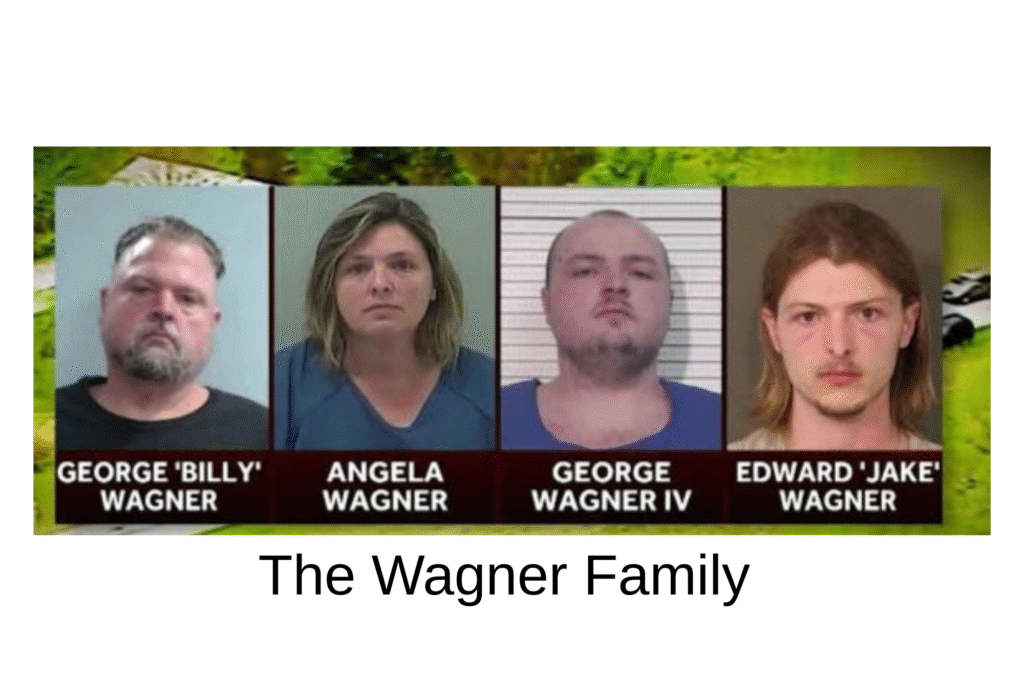
In April 2016, a quiet rural corner of Ohio became the centre of one of the most unsettling family crime stories in modern American history. Long before the murders, a bitter custody dispute quietly reshaped the Wagner family’s daily life. George “Billy” Wagner III and Angela Wagner became fixated on gaining full control over their young granddaughter, the child of their son George Wagner IV and Hanna May Rhoden. Court filings, testimony, and later trial evidence showed the dispute was not casual or temporary. The Wagners closely tracked court dates, legal strategies, and even parenting decisions involving the child. Friends later recalled how conversations often circled back to custody fears. What makes this stage especially chilling is how ordinary it looked on the surface: a family fighting for a child. Only later did investigators connect the intensity of this dispute to the extreme lengths the family was willing to take.
2. The Sudden Move to a Heavily Guarded Property
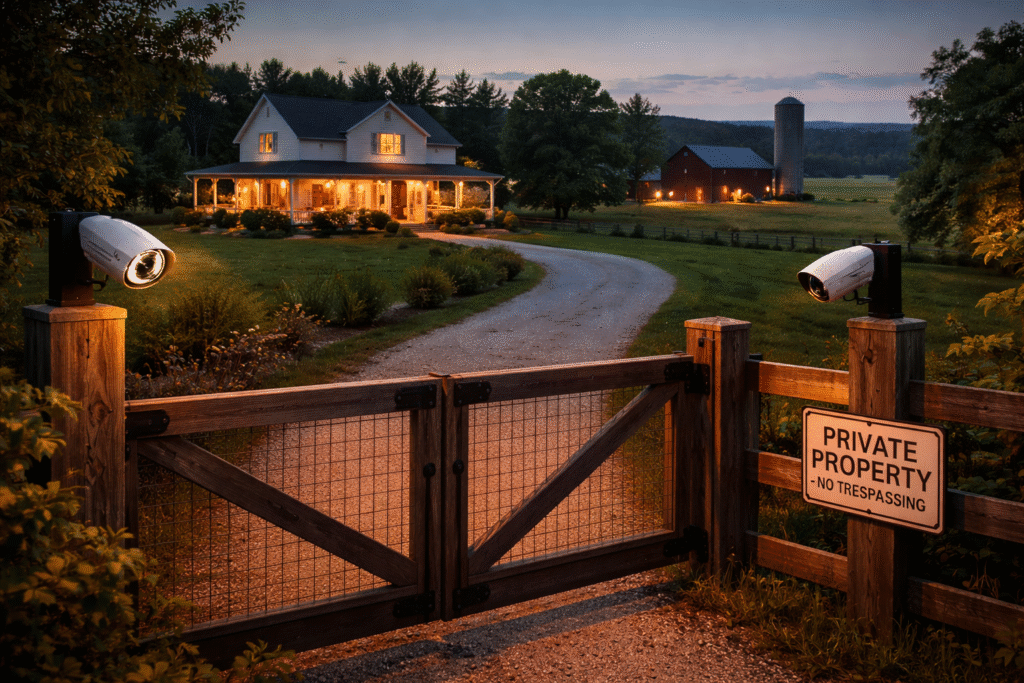
In the years leading up to the murders, the Wagner family relocated to a rural property that quickly drew quiet attention from neighbours. Testimony later revealed the land was fitted with multiple security cameras, gates, and surveillance equipment. While rural properties often value privacy, investigators noted the unusual scale of the security measures. Family members reportedly spoke openly about being watched or threatened, reinforcing a mindset of siege and suspicion. Prosecutors later argued that this environment fed a growing us-versus-them mentality. The move also allowed the family to train privately, store weapons, and operate without scrutiny. In hindsight, the heavily guarded property looks less like a safe haven and more like a preparation ground, designed to isolate the family while reinforcing shared fears and loyalty.
3. Intense Firearms Training Within the Family
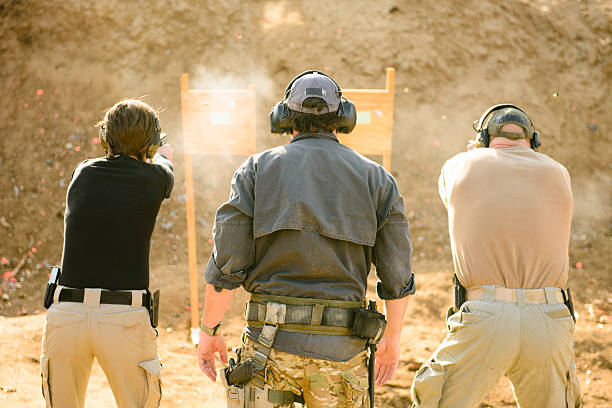
Firearms played a central role in the Wagner family’s routine long before the murders occurred. Court testimony revealed that family members regularly practised shooting together and discussed weapon handling in detail. This was not casual sport shooting; it involved deliberate practice with specific firearms later tied to the crime. Investigators established that silencers were tested and modified, an act that raised major red flags once uncovered. At the time, this training was largely invisible to outsiders, blending into rural gun culture. However, prosecutors would later argue that the structured nature of the training pointed to planning rather than hobby. The fact that multiple family members participated also suggested coordination, making it harder to dismiss these activities as individual interest rather than collective preparation.
4. Growing Isolation From Friends and Extended Family

As tensions escalated, the Wagner family reportedly pulled away from friends, neighbours, and even extended relatives. Witnesses later described cancelled visits, reduced communication, and a general withdrawal from social life. This isolation served multiple purposes. It limited outside influence, reduced the risk of conflicting opinions, and strengthened internal loyalty. Psychologists often note that isolation can amplify shared beliefs, especially when fear is involved. In the Wagners’ case, prosecutors argued it helped normalise extreme thinking. Without regular outside interaction, doubts went unchallenged and grievances grew unchecked. What might have appeared as simple privacy or family closeness at the time now stands out as a critical step in creating an environment where drastic actions could feel justified.
5. Sudden Sale of Property and Financial Preparations

One of the most striking pre-murder developments was the Wagner family’s financial repositioning. Evidence presented at trial showed the family sold property, vehicles, and assets shortly before the killings. Prosecutors argued these actions were not coincidental but strategic. The sales reduced traceable ties and provided cash flexibility. Investigators also highlighted changes in banking activity that suggested planning beyond everyday needs. At the time, such moves could be explained away as downsizing or lifestyle change. In hindsight, they appear more deliberate. Financial preparation is a common but often overlooked red flag in major crimes. In this case, it suggested the family anticipated major consequences and took steps to cushion themselves before crossing a line they could not undo.
6. Practising With Suppressors in Advance

One of the most disturbing revelations to emerge later was that members of the Wagner family practised firing weapons fitted with suppressors well before the murders. Court testimony established that suppressors were tested and adjusted to reduce noise, a detail that became critical once investigators analysed the crime scenes. The murders occurred without neighbours reporting gunshots, despite multiple victims and close proximity homes. At the time, such testing went unnoticed and unreported, blending into rural life where gun use was not unusual. In hindsight, this preparation stands out as highly unusual. It was not impulsive behaviour but a calculated effort to ensure silence, both literally and figuratively.
7. Repeated Expressions of Fear About Losing the Child

In the months leading up to the murders, Angela Wagner repeatedly expressed intense fear about losing custody access to her granddaughter. According to testimony and recorded conversations, she believed the Rhoden family posed a direct threat to her relationship with the child. These fears went beyond typical custody anxiety. Prosecutors later presented evidence showing that Angela viewed the situation as a zero-sum conflict, where compromise was impossible. This mindset was reinforced in family discussions, creating a shared narrative of danger and injustice. What is striking is how these fears escalated despite no legal ruling stripping the Wagners of custody at the time.
8. Detailed Discussions About the Rhoden Family’s Routines

Evidence presented in court showed that the Wagner family had unusually detailed knowledge of the Rhoden family’s daily routines. Testimony revealed discussions about who slept where, who was home on certain nights, and how the properties were laid out. This information later matched the precise way the murders were carried out across multiple locations. At the time, this level of attention might have seemed like curiosity or gossip within a small community. In retrospect, it resembled reconnaissance. Prosecutors argued that these conversations were part of deliberate planning, allowing the family to move quickly and quietly on the night of the killings. The precision of the crimes made it clear that the attackers knew exactly where to go and what to expect.
9. Angela Wagner’s Increasing Control Over Family Decisions
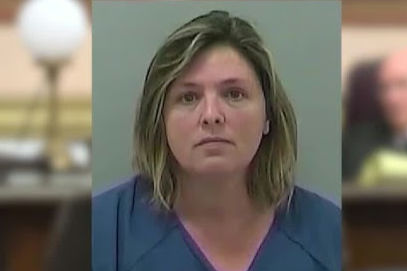
As the custody dispute intensified, Angela Wagner’s influence within the family reportedly grew stronger. Testimony suggested she played a central role in shaping decisions, framing threats, and reinforcing fears about the Rhoden family. Family members later described her as deeply involved in planning and justification discussions. Prosecutors argued that her role went beyond concern and entered the realm of manipulation, where emotional arguments were used to secure agreement and loyalty. This shift mattered because it helped unify the family around a single narrative. When one voice becomes dominant, dissent fades. Investigators later suggested that this dynamic made it easier for others to participate or remain silent, even as plans crossed from grievance into criminal intent.
10. Unusual Calm in the Days Just Before the Murders

Perhaps one of the strangest warning signs was the reported calmness of the Wagner family in the days immediately before the killings. Witnesses described normal conversations, routine activities, and no visible signs of panic or distress. This calm stood in stark contrast to the violence that followed. Prosecutors argued it reflected emotional detachment and resolve rather than peace. In many major crimes, this period of calm signals that a decision has already been made. There is no longer inner conflict, only execution. In hindsight, this quiet normalcy feels unsettling. It suggests the family had mentally crossed a line, settling into routine while preparing to carry out actions that would permanently alter many lives.
11. Late-Night Movements That Drew No Attention
On the night of the murders, the Wagner family’s movements initially appeared unremarkable. Testimony later revealed that vehicles were driven late at night along familiar rural routes, blending seamlessly into the area’s normal patterns. In a community where people often travelled after dark, nothing immediately stood out. This familiarity worked to their advantage. Investigators later reconstructed timelines showing how coordinated departures and arrivals allowed the family to move between multiple locations without raising alarms. Prosecutors argued that this relied on intimate local knowledge, including back roads and low-traffic times. What makes this detail unsettling is how ordinary it seemed. The lack of suspicion was not accidental but relied on routine behaviour, allowing extraordinary violence to unfold unnoticed until morning.
12. Strategic Use of Multiple Vehicles

Evidence presented at trial showed that the Wagner family used more than one vehicle during the night of the murders. This detail mattered because it reduced the chance of detection and complicated early investigative timelines. Prosecutors explained that switching vehicles limited the risk of eyewitness identification and allowed different family members to cover separate locations efficiently. At the time, the ownership and use of multiple vehicles was not unusual for a rural family. Only later did investigators piece together how this logistical choice supported the broader plan. The use of multiple vehicles also suggested foresight and coordination rather than impulsive action.
13. The Choice of Timing During Early Morning Hours

The murders occurred during the early morning hours, a time when most people were asleep and activity was minimal. This timing significantly reduced the likelihood of witnesses, traffic, or interruptions. Prosecutors highlighted that this was not random. The family understood local routines and selected a window when detection was least likely. Emergency response times were also slower at that hour, increasing the delay before help could arrive. In hindsight, the choice of timing underscores the calculated nature of the crimes. It reflects an understanding not only of the victims’ schedules but also of how law enforcement and communities function during overnight hours. This deliberate timing became one of the strongest indicators that the attacks were premeditated.
14. Careful Efforts to Leave No Immediate Evidence
Investigators later found that the Wagner family took steps to minimise forensic evidence. Testimony revealed the use of gloves, efforts to clean weapons, and attempts to manage clothing and materials after the murders. While no crime leaves zero evidence, these actions slowed the investigation and complicated early conclusions. Prosecutors argued that such precautions reflected knowledge of basic forensic principles, likely gained through prior discussion or research. At the time, these actions went unseen. It was only through later confessions, testimony, and recovered evidence that the full extent became clear. This attention to detail reinforced the idea that the family anticipated investigation and actively tried to counter it.
15. Returning Home and Resuming Normal Life

After the murders, members of the Wagner family returned home and resumed what appeared to be normal routines. They interacted with neighbours, followed daily habits, and showed no outward signs of involvement. This return to normalcy delayed suspicion and allowed them to remain under the radar for years. Psychologically, this behaviour is often linked to compartmentalisation, where individuals separate actions from everyday life. Prosecutors later argued that this ability made the crimes harder to detect early on. The contrast between the violence of the night and the calm of the following days remains one of the most unsettling aspects of the case. It demonstrated how thoroughly the family believed they could conceal what had happened.
16. Disposing of Evidence Across State Lines

In the weeks following the murders, investigators later uncovered evidence that key items were disposed of far from Pike County. Testimony revealed that weapons, ammunition, and other materials were taken out of state and discarded in multiple locations. This strategy significantly complicated the investigation, delaying recovery and analysis. Prosecutors argued that crossing state lines was a deliberate move, designed to widen the search area and reduce the chance of discovery. At the time, these trips appeared routine and attracted no attention. Only later did their true purpose become clear. This step demonstrated an understanding that distance creates difficulty for investigators. It also reinforced the conclusion that the family anticipated a long-term investigation and actively worked to obstruct it.
17. Careful Monitoring of the Investigation
As law enforcement began investigating the murders, members of the Wagner family closely followed developments. Testimony showed they paid attention to public statements, rumours, and investigative progress. Prosecutors later argued that this monitoring helped them adjust behaviour and maintain a low profile. They avoided suspicious actions and appeared cooperative when necessary. In small communities, staying informed often happens naturally, but investigators noted the intensity and consistency of the family’s interest. This awareness allowed them to blend in while silently assessing risk. In hindsight, their attentiveness reads less like concern and more like surveillance of the investigation itself, ensuring no mistakes or loose ends surfaced too quickly.
18. The Long Silence That Followed
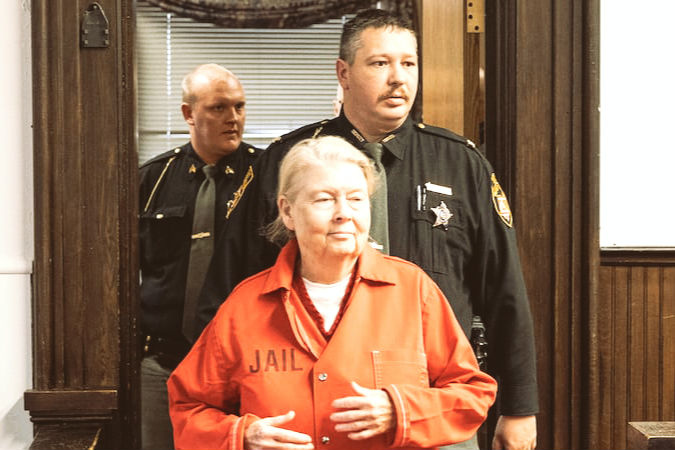
Perhaps the most haunting aspect of the case was how long the truth remained hidden. For more than two years, no arrests were made, and the Wagner family continued daily life without public suspicion. This silence was not accidental. Prosecutors argued it was maintained through shared secrecy, loyalty, and fear of consequences. No one spoke out, even as the community mourned and searched for answers. The length of this silence underscores how deeply the events had been planned and compartmentalised. When arrests finally came in 2018, they shocked a community that had lived alongside the perpetrators. The years of quiet now stand as the final strange chapter before the truth emerged.
Looking back, the Wagner family murders were preceded by a trail of warning signs that only make sense in hindsight. Understanding these moments does not lessen the pain, but it helps explain how something so shocking unfolded in plain sight.
Like this story? Add your thoughts in the comments, thank you.
This story 18 Strange Events Leading Up to the Wagner Family Murders was first published on Daily FETCH


