
Manners That Defined a Generation
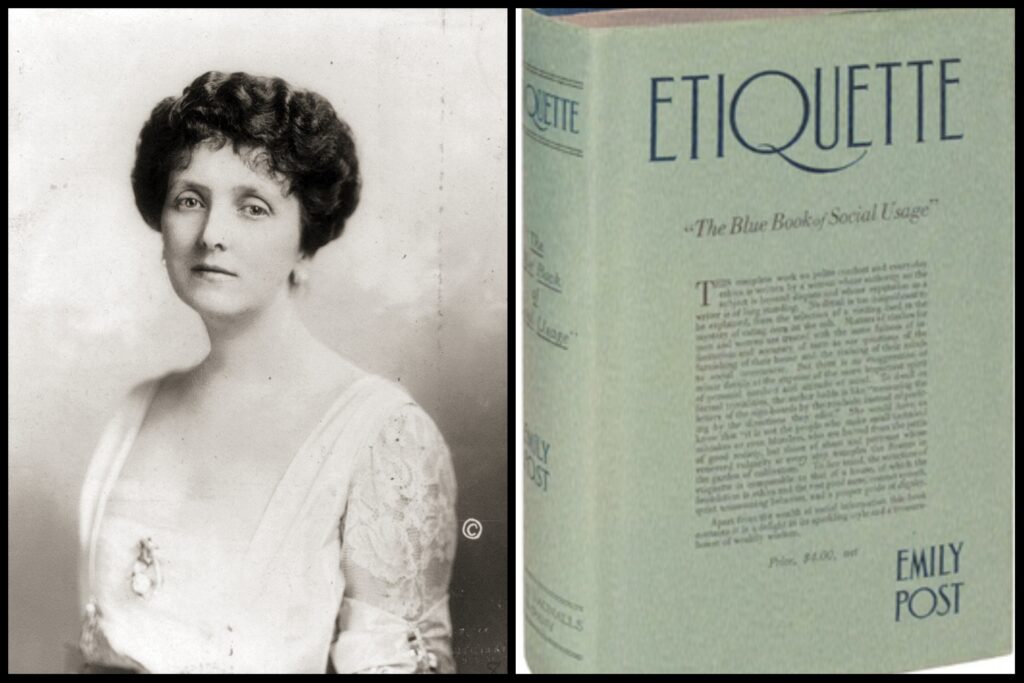
There was a time in American history, particularly between the early 1900s and the 1950s, when daily life followed a very specific rhythm of unspoken rules. These customs weren’t written into law, but they acted as a social glue that shaped how people dressed, spoke, and interacted. In 1922, Emily Post published her famous book Etiquette, which became a household bible for millions of people looking to navigate polite society. During this era, your reputation often depended on how well you followed these “common sense” behaviors in both public and private life.
In the modern world, much of this rigid structure has softened or disappeared entirely. Rapid shifts in technology, the rise of gender equality in the 1960s, and a generally more relaxed global culture have pushed many of these old-school expectations into the history books. While you might still see some of these traditions at a fancy wedding or a state dinner, they have mostly faded into the background of our fast-paced lives. Looking back at them today offers a fascinating glimpse into how much our everyday social interactions have evolved over the last century.
Hats Off Indoors
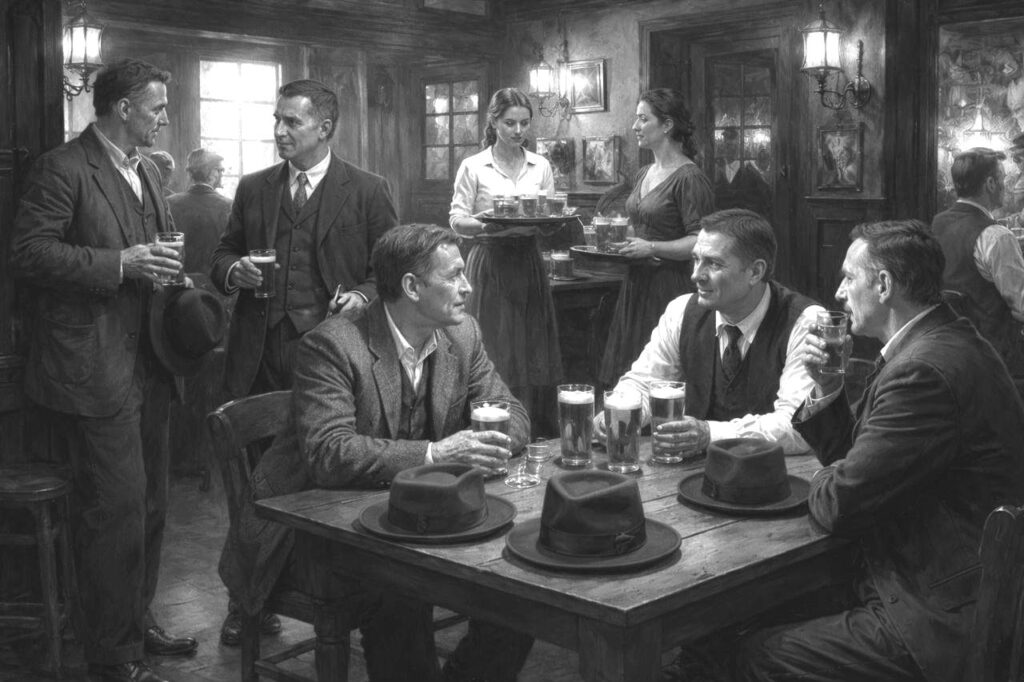
For a long time, one of the most strictly enforced rules for men was the removal of headgear when stepping inside a building. This tradition actually has roots going back to medieval knights, who would raise their visors or remove their helmets to show they came in peace and had nothing to hide. By the Victorian era and into the early 20th century, failing to take off a hat indoors was seen as a major insult to the host. It was a universal sign of respect that applied to homes, churches, and even elevators when a woman was present.
There was also a very practical reason for this rule: hats were functional tools that collected soot, dust, and rain while a man was outdoors. Bringing that grime into a clean home was considered quite messy and thoughtless. However, by the late 1960s, hats began to fall out of daily fashion for men, and the strict rules surrounding them started to crumble. Today, wearing a baseball cap or a beanie inside a mall or a restaurant is rarely given a second thought. What used to be a mandatory sign of character is now just a matter of personal style preference.
Standing For Ladies
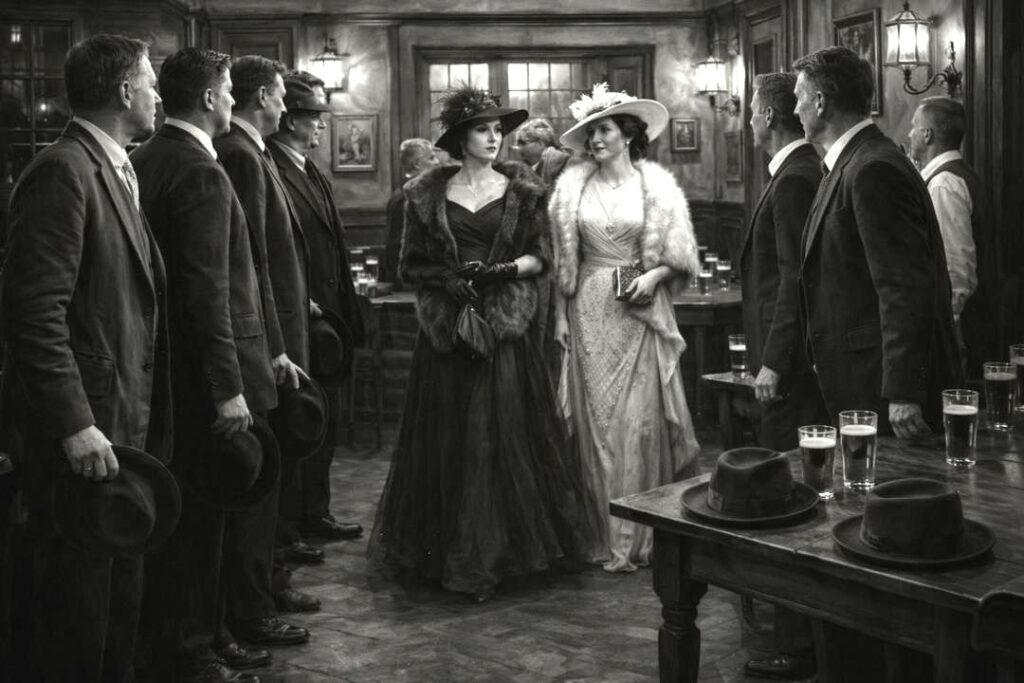
Throughout much of the 20th century, a gentleman was expected to rise to his feet whenever a woman entered or left a room. This gesture was a cornerstone of traditional chivalry and was practiced religiously in family living rooms, upscale restaurants, and formal social clubs. If a man remained seated while a woman was standing, he was often viewed as having a “poor upbringing” or lacking basic social awareness. It was a visible way to signal deference and protection within the social hierarchy of the time.
This specific custom was deeply tied to an era where gender roles were very clearly defined and rarely questioned. Men were expected to take on the role of the gallant protector, while women were treated with a specific, formal type of courtesy. As the feminist movements of the 1960s and 70s began to change the workplace and the home, these one-sided gestures started to feel patronizing or outdated to many. While it is still considered a very kind gesture to stand and greet anyone regardless of gender, the mandatory “standing for ladies” rule has mostly vanished from modern etiquette.
Handwritten Thank-You Notes
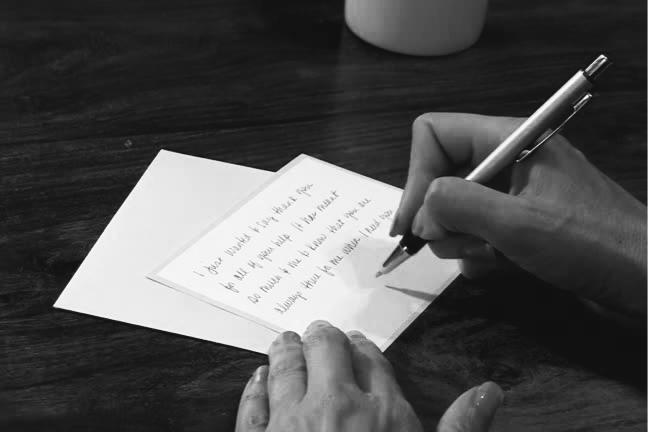
In the decades before instant messaging, showing gratitude was a slow and deliberate process that required a pen, paper, and a postage stamp. It was a firm social obligation to send a handwritten thank-you note within a few days of receiving a gift, attending a dinner party, or staying as an overnight guest. These letters were more than just a “thanks”, they were a way to prove you valued the effort someone else had made for you. In the mid-20th century, neglecting this task could actually damage a friendship or a professional relationship.
Because letter writing was the primary way people stayed connected over long distances, the quality of your stationery and your handwriting said a lot about your social standing. However, the digital revolution of the late 1990s changed everything. As email and texting became the norm, the ritual of the “bread-and-butter” note began to feel like a chore. While most people still appreciate a handwritten card for major life events like weddings or graduations in 2026, the everyday expectation of mailing a physical letter for every small kindness has largely been replaced by a quick, appreciative text message.
Waiting For Host
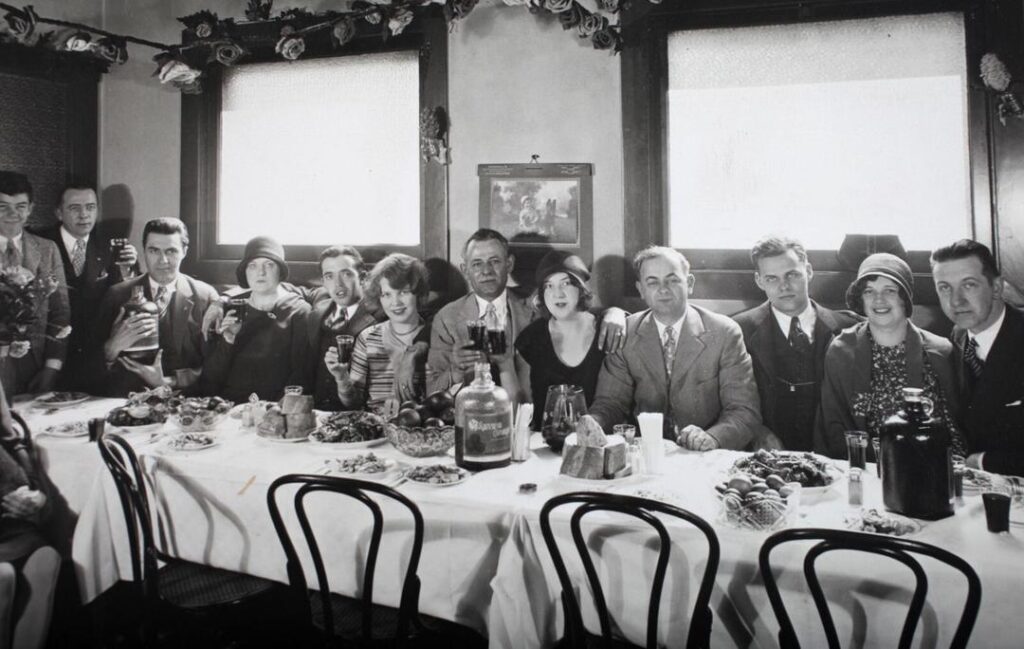
During the formal dinner parties of the early 1900s, it was considered a massive “faux pas” to take even a single bite of food before the host or hostess had started. This rule ensured that the meal stayed organized and that the person who provided the food was properly honored. It also prevented guests from rushing through their plates, as dining was meant to be a slow, social experience rather than just a way to satisfy hunger. Following the host’s lead was a subtle way of saying “thank you” for the hospitality provided.
In those days, meals were highly structured events with multiple courses, and everyone was expected to stay in sync with one another. However, as family dynamics changed and casual dining became more popular in the late 20th century, this rule began to slide. In the modern world, especially at large gatherings or buffet-style parties, people often start eating as soon as their food is served to ensure it stays hot. While the “wait for the host” rule is still polite at a formal 5-course dinner, it is no longer the rigid requirement it was for our grandparents.
Opening Car Doors
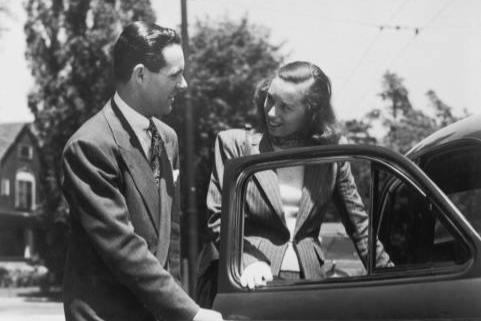
As automobiles became the standard mode of transportation in the 1920s and 30s, a new rule of chivalry emerged: a man should always open and close the car door for a woman. This was often seen as a necessary extension of opening building doors, meant to show care and attentiveness. For decades, it was the standard behavior for a first date or a husband driving his wife to a social event. It was one of those small, visible markers that people used to judge whether a man was a “true gentleman.”
As the decades passed and society moved toward a more egalitarian view of relationships, this practice began to change. Many people started to find the gesture unnecessary, and the focus shifted from gender-based “rules” to general politeness for everyone. By the early 2000s, the act of opening a car door became more of a romantic or extra-kind gesture rather than a social requirement. Today, modern couples often prioritize efficiency and independence, and while the gesture is still seen as sweet by many, it is certainly no longer expected as a mandatory part of a night out.
No White After Labour Day
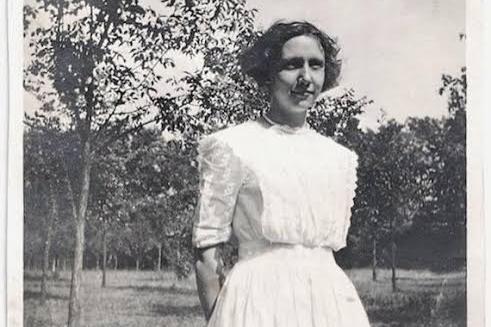
For a long time, one of the most famous fashion “laws” in America was the ban on wearing white clothing after Labor Day. This rule likely started in the late 19th century among the wealthy elite as a way to separate the seasons. White was the color of summer leisure, worn during vacations at the beach or in the countryside. Once Labor Day arrived in early September, signaling the return to the city and the start of work and school, people were expected to switch to darker, more “serious” tones like navy, grey, or black.
By the mid-20th century, this seasonal divide was promoted heavily in fashion magazines and by department stores. It became a way for people to show they understood the “rules” of high society. However, as fashion became more about personal expression and less about social climbing, this rule began to lose its sting. Designers like Coco Chanel eventually challenged these rigid boundaries, and by the 2000s, “winter white” became a popular trend. Today, the idea of a calendar date dictating your wardrobe feels quite silly to most, and people wear whatever color they feel comfortable in year-round.
Formal Titles For Elders
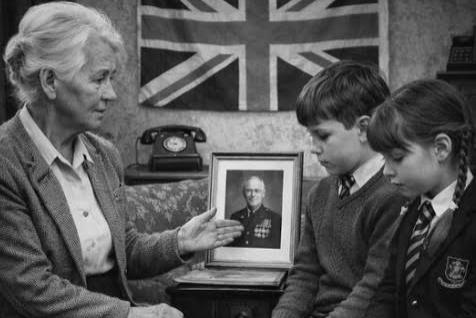
In the past, it was almost unthinkable for a child or a young adult to address an elder by their first name. Children were strictly taught to use formal titles like Mr., Mrs., or Miss followed by a surname. This wasn’t just about being “fancy”; it was a way to maintain a clear boundary of respect between generations. In many neighborhoods during the 1940s and 50s, calling a neighbor by their first name without being explicitly invited to do so was considered a sign of a very rebellious or disrespectful attitude.
This custom reflected a world where age and authority were given visible weight in every conversation. However, starting in the late 1960s and accelerating through the 1990s, social barriers began to drop. Many adults today prefer to be on a first-name basis with their friends’ children to create a more friendly and approachable environment. While formal titles are still common in classrooms or professional settings, the “first names are forbidden” rule of the past has largely faded away. Most people now value a warm, personal connection over a strict adherence to traditional hierarchical labels.
Pulling Out Chairs

At formal dinners during the first half of the 20th century, a man was expected to pull out a woman’s chair and help slide it back in as she sat down. This was part of a suite of dining rituals including standing when someone left the table; which were designed to make the dining experience feel polished and attentive. It was common practice in fine restaurants and at home during Sunday dinners. For many, it was the ultimate sign that a man was focused on the comfort of his companions.
Like many other gender-specific rules, this tradition has largely stepped aside to make room for a more casual lifestyle. As people shifted toward fast-casual dining and busy schedules, these elaborate rituals began to feel a bit cumbersome or even awkward in a modern setting. While you might still see a waiter or a very traditional date do this at a high-end steakhouse in 2026, it has mostly vanished from the average person’s daily life. Most people today are perfectly happy to seat themselves without waiting for a formal assist from their dinner partner.
No Phone At Table
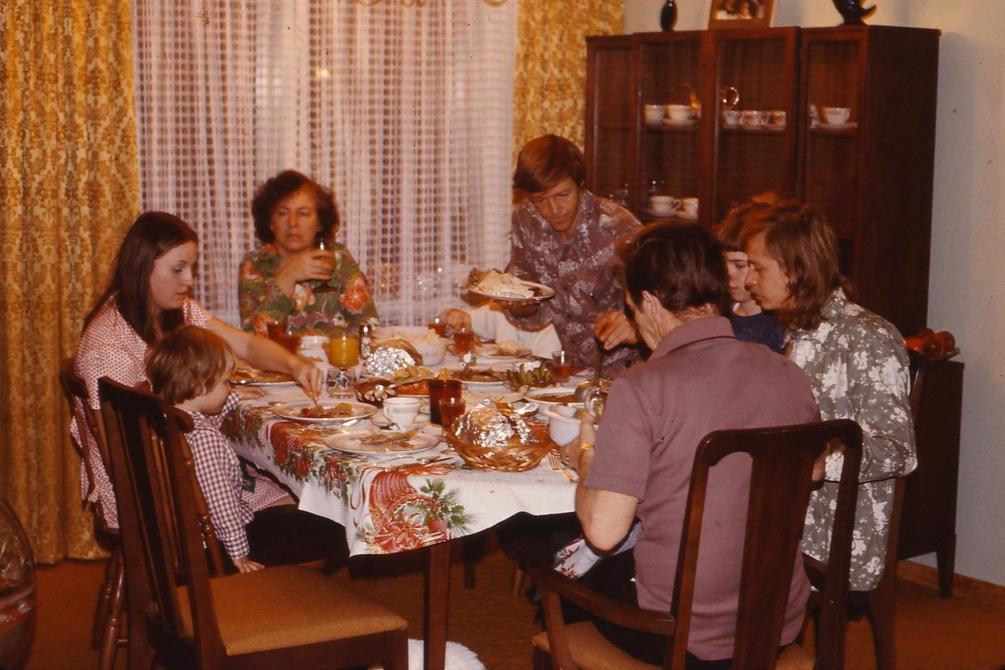
Even before everyone had a smartphone in their pocket, there was a very strong rule against distractions at the dinner table. In the era of landlines, it was considered incredibly rude to get up from a meal to answer a ringing telephone. Mealtimes were viewed as a sacred space for family connection and conversation, and allowing an outside interruption was seen as a slight to the people sitting right in front of you. The focus was entirely on the “here and now” and the people you were sharing food with.
Today, this is perhaps the most contested “disappeared” rule of all. With the rise of the iPhone in 2007 and the subsequent explosion of social media, the “no phones at the table” rule has been under constant attack. While many families still try to keep mealtimes tech-free, it has become common to see people checking messages, taking photos of their food, or even scrolling through news during dinner. What was once an absolute social taboo has become a frequent habit, reflecting a major shift in how we balance our digital lives with our face-to-face interactions.
Dressing Up To Travel
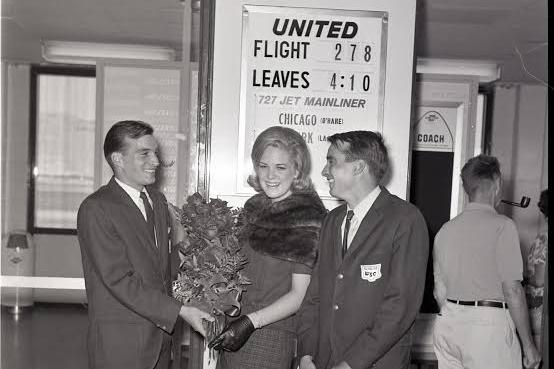
If you look at photos of airports or train stations from the 1950s and 60s, you will see a sea of suits, hats, and formal dresses. Travel was considered a luxury and a special event, and people dressed the part to show respect for the occasion. Even on long-haul flights, passengers would wear their “Sunday best,” and airlines often leaned into this by providing high-end service that matched the formal attire. It was a time when being in public meant putting your most polished foot forward, regardless of the destination.
Everything changed as travel became more accessible and “budget” airlines became popular in the late 20th century. When flying became a common necessity rather than a rare luxury, the emphasis shifted from style to survival and comfort. Today, seeing someone in a full suit on a plane is rare; instead, you’ll see joggers, hoodies, and sneakers. The idea that you need to “impress” your fellow travelers has been replaced by the practical need to get through security and endure a long flight in total comfort. This shift marks one of the biggest changes in how we view public appearances.
No Gum In Public

During the early and middle parts of the 20th century, chewing gum in public was often viewed as a sign of a “lack of class.” Etiquette experts and teachers frequently warned that chewing gum made a person look unrefined or even “bovine.” For women in particular, the rules were even stricter; many finishing schools explicitly forbade it because it was seen as a distraction from a composed and elegant appearance. In professional offices or during formal social calls, having a piece of gum in your mouth was considered a significant breach of decorum.
This judgmental view was part of a larger social code that prioritized a perfectly maintained public image. However, as the 1970s and 80s brought in a more relaxed cultural attitude, the “shame” associated with gum began to evaporate. The introduction of sugar-free gums and the focus on dental health also helped change the narrative from a “bad habit” to a helpful tool for fresh breath. While it’s still considered polite to chew quietly and discreetly, the days of being socially ostracized for enjoying a piece of gum are long gone, replaced by a much more practical and less judgmental outlook.
Formal Introductions Only
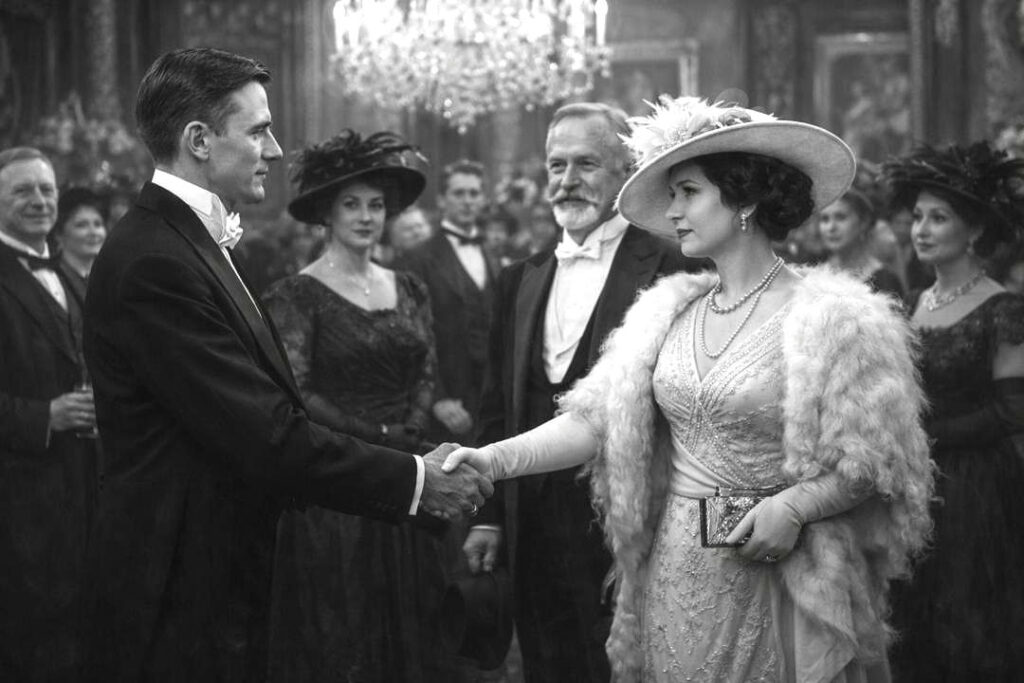
In the high-society circles of the early 1900s, you couldn’t just walk up to someone and start a conversation. There was a rigid rule that a “proper” introduction required a mutual friend to act as a bridge. This intermediary would vouch for both parties, essentially giving them permission to speak to one another. Being too forward and introducing yourself was often seen as aggressive or “common,” especially if there was a difference in social status or age between the two people involved.
This practice acted as a gatekeeper for social circles, ensuring that everyone “belonged” before an interaction took place. But as the world became more globalized and fast-paced, these barriers started to look like ancient relics. By the mid-20th century, the rise of business networking and a more democratic social culture made the “third-party introduction” rule nearly impossible to maintain. Today, the ability to confidently introduce yourself to a stranger is considered a valuable social and professional skill. We have moved from a guarded society to one that values directness and the ability to make new connections on our own terms.
Ladies Exit First
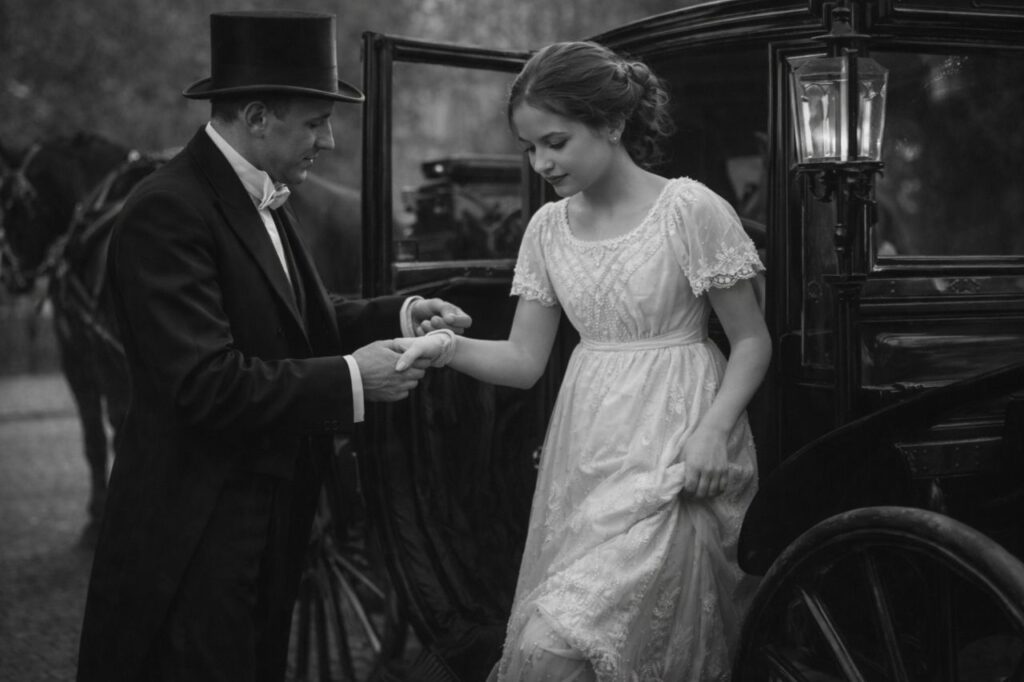
For generations, there was a simple rule for horse carriages, elevators, buses, and doorways: let the women exit first. This was a standard part of the “ladies first” code of conduct that was taught to every young boy as a sign of respect. In the early 20th century, men would often step back and hold the door or the elevator gate to ensure a smooth and unobstructed exit for any women present. It was a small, daily ritual that reinforced a sense of order and traditional politeness in crowded public spaces.
As the 21st century progressed, these gendered rules began to fade in favor of “situational etiquette.” Today, the general rule of thumb is more about efficiency, whoever is closest to the door or the elevator opening usually exits first. In a busy office building or a crowded subway in 2026, stopping to let everyone of a certain gender through first can actually cause a traffic jam and frustration. While many people still appreciate the gesture as an act of kindness, it has transitioned from a mandatory social law into an occasional, optional courtesy that is no longer tied strictly to gender.
No Elbows On Table
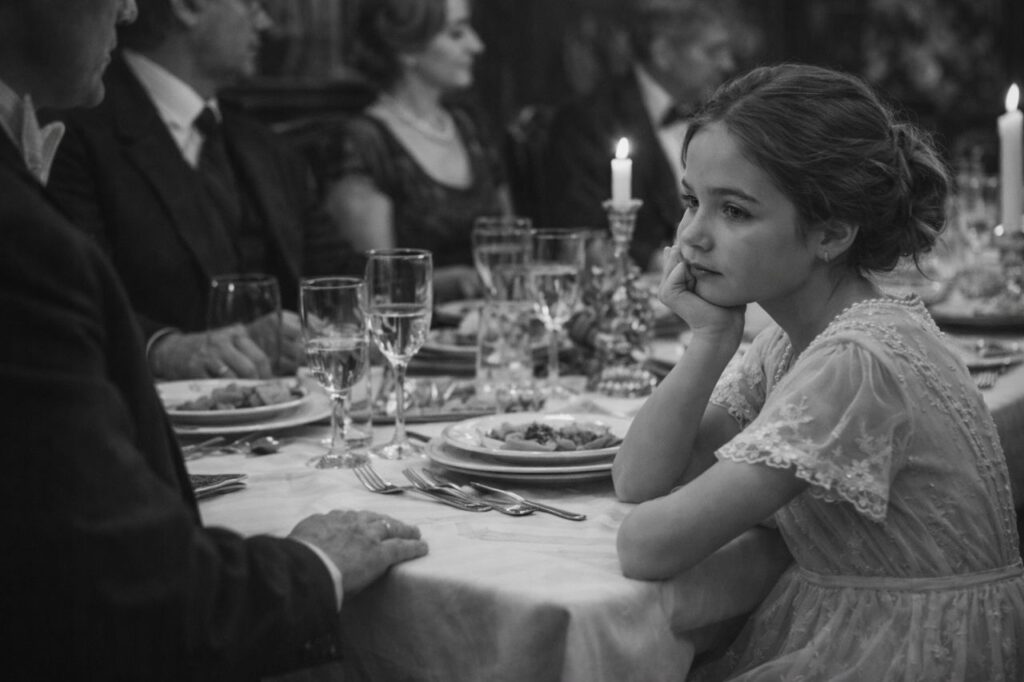
”Elbows off the table!” is a phrase that has echoed through dining rooms for centuries. This rule likely started in medieval times when tables were often just long boards placed on trestles; leaning too hard on one side could actually flip the table over! By the Victorian era, it became a test of a person’s posture and discipline. Keeping your elbows tucked in was a way to show you were in control of your body and were being mindful not to crowd the people sitting next to you during a multi-course meal.
While this rule is still taught to many children today, its “life-or-death” status in social circles has mostly vanished. In casual settings, leaning on the table is often seen as a sign that someone is relaxed and engaged in the conversation. Modern furniture is much sturdier than the trestle tables of the past, and our dining habits have become far less formal. Unless you are at a very high-stakes business dinner or a formal wedding, most people won’t even notice where your elbows are, marking a major shift from the days when this was a defining mark of good breeding.
Loungewear Stayed Home
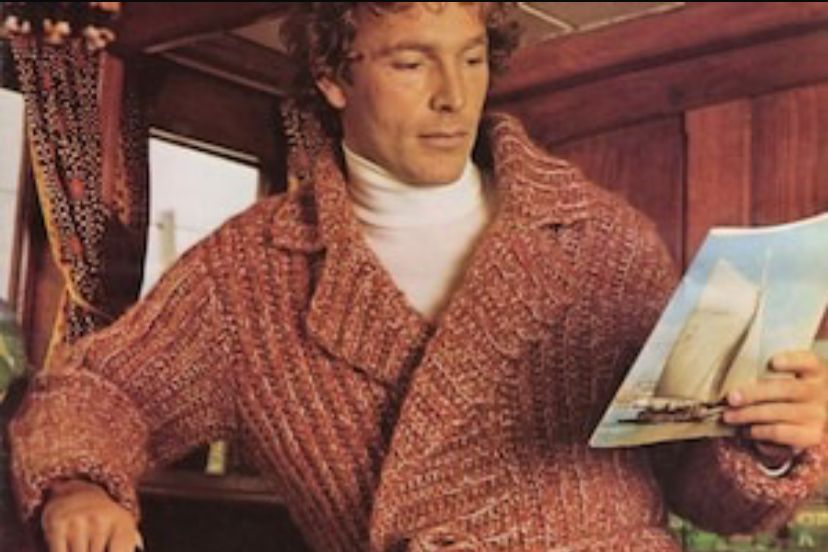
In the mid-20th century, there was a very clear line between “house clothes” and “street clothes.” You might wear a robe or house slippers while drinking coffee in the morning, but you would never dream of wearing them to the grocery store or the post office. Stepping outside in anything less than a neat, pressed outfit was seen as a sign that you had “given up” or lacked respect for your community. Even a quick trip to the corner store usually required a change into proper trousers or a day dress and real shoes.
This boundary between public and private attire began to blur significantly with the rise of “athleisure” in the early 2010s. The pandemic years further accelerated this trend, making sweatpants and leggings acceptable for almost any casual outing. Today, it’s completely normal to see people running errands in what would have been considered pajamas sixty years ago. We now live in a culture that prioritizes comfort and personal convenience over the “performative” neatness of the past, proving that our standards for public respectability have moved toward a much more relaxed “come as you are” philosophy.
Asking Before Smoking
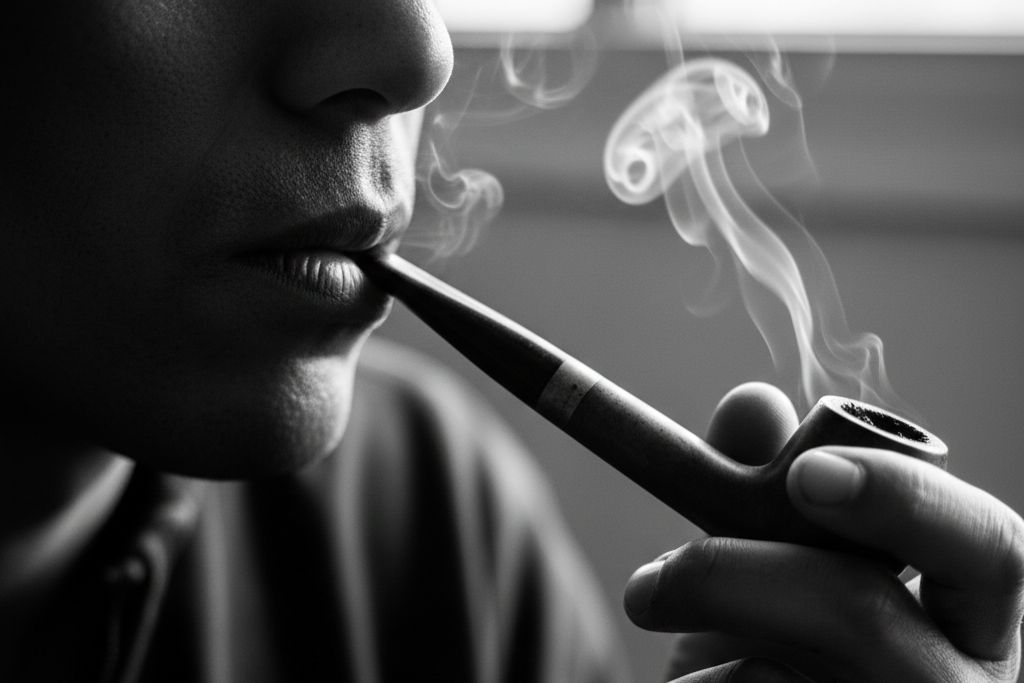
For a large portion of the 20th century, smoking was a ubiquitous part of social life. However, even when it was allowed everywhere from airplanes to offices, there was a polite rule: always ask “Do you mind if I smoke?” before lighting up. This was a way for smokers to acknowledge the comfort of those around them, especially in a private home or a small office. It was a gesture of consideration that allowed non-smokers to at least feel that their personal space was being respected, even if they usually said “go ahead.”
This etiquette rule didn’t just fade away; it was replaced by strict laws. As the health risks of second-hand smoke became widely known in the 1980s and 90s, the “choice” to allow smoking in public spaces was taken away by government regulations. By the early 2000s, indoor smoking bans became the global standard. Today, you don’t need to ask if someone minds, because smoking is prohibited in almost all shared indoor environments anyway. The polite question has been replaced by “No Smoking” signs, turning a social courtesy into a legal requirement that everyone must follow.
Avoiding Sensitive Topics
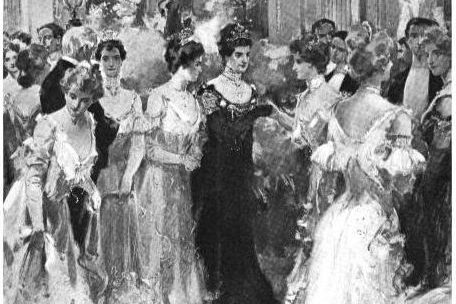
For decades, the golden rule of a high class polite dinner party was to avoid the “big three”: money, religion, and politics. These topics were considered far too “hot” and divisive for casual social gatherings. The goal of a host was to keep the conversation light, harmonious, and pleasant for everyone involved. If someone brought up their salary or their political leanings, a skilled hostess would quickly steer the conversation back to neutral ground like the weather, travel, or the latest books and movies.
This “hush-hush” attitude has almost entirely disappeared in the age of social media. Today, many people view transparency about money and passionate debate about politics as a sign of authenticity rather than rudeness. We live in a much more vocal society where sharing your “truth” is often encouraged. While some still prefer to keep things light at the dinner table to avoid an argument, the strict social taboo against discussing sensitive topics has mostly crumbled. We are now more likely to argue over dessert than to spend the evening talking about the weather.
No Unannounced Visits

There was a time, especially in the 1950s and 60s, when “dropping in” on a neighbor was the primary way people stayed connected. You didn’t need an appointment; you just walked over, knocked on the door, and hoped they were home for a cup of coffee. It was seen as a sign of a tight-knit community and a friendly, open-door policy. Before everyone had a phone in their pocket, this spontaneity was the heartbeat of social life in small towns and suburban neighborhoods alike.
However, as life became more scheduled and “busy-ness” became a status symbol in the late 20th century, the unannounced visit started to feel like an intrusion. With the invention of the “heads-up” text message in the 2000s, showing up at someone’s door without warning is now often considered a bit stressful or even rude. Most people today prefer to protect their personal space and time, expecting a quick digital check-in before any face-to-face interaction occurs. What used to be a warm neighborly gesture is now something that many people find surprisingly overwhelming.


