
The Breakfast Drinks That Rewrote What “Healthy” Meant

The American morning routine during the latter half of the 20th century was often a high-octane affair that leaned heavily on the wonders of food science and the bold promises of Saturday morning commercials. Before we became a nation obsessed with cold-brew coffee and artisanal almond milks, our kitchens were laboratories of powdered concentrates and neon-colored syrups that guaranteed a “great start” to the day. We didn’t just drink breakfast; we experienced it through a hazy lens of sugar-coated optimism where “fortified with vitamins” was the ultimate hall pass for what was essentially liquid candy.
Looking back at these vintage beverages reveals a fascinating slice of Americana that speaks to our obsession with convenience and the space-age belief that better living came through chemistry. We navigated the school day fueled by drinks that could stain a Formica countertop for eternity, yet we remember them with a deep, visceral fondness because they represented the flavor of our youth. These drinks were the silent partners in our childhood milestones, from the first day of kindergarten to the long, sleepy summers of the suburban dream, and revisiting them is like taking a time machine back to a much simpler, sweeter time.
Tang Orange Drink Powder
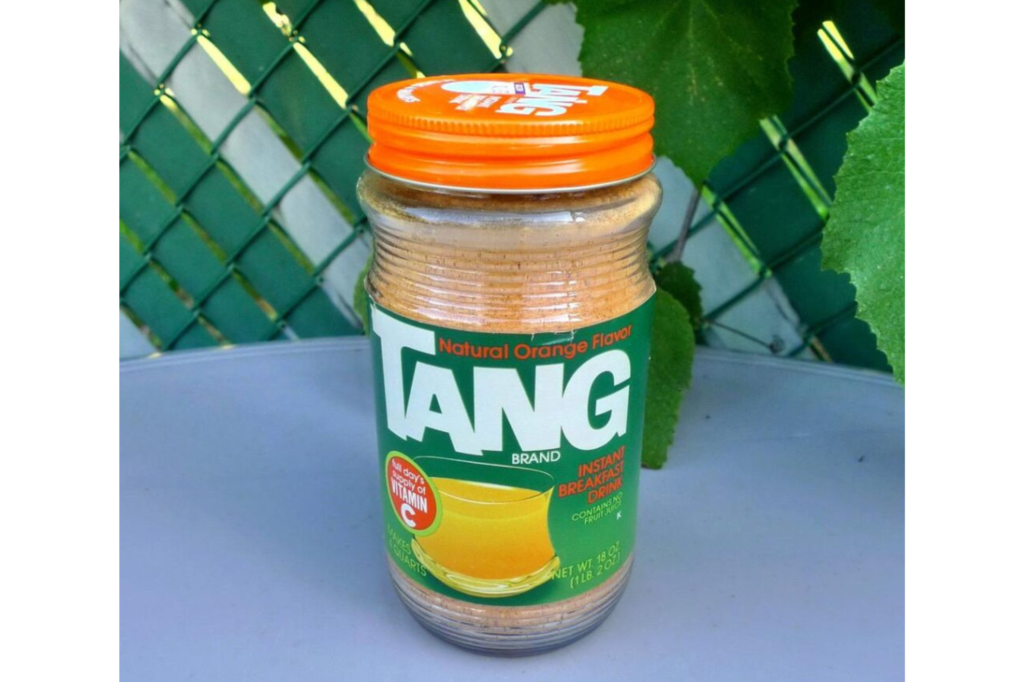
Tang is perhaps the most legendary of all American breakfast powders and it achieved immortal status in the 1960s when NASA selected it to accompany astronauts into the great unknown of outer space. For those of us growing up in the following decades, mixing a glass of Tang made us feel like we were part of the Apollo missions even if we were just sitting at the kitchen table in our pajamas. The beverage was famous for its gritty texture if you didn’t stir it long enough and its flavor was a sharp, acidic blast of citrus that didn’t really taste like an orange but tasted exactly like childhood. We watched the orange granules create a swirling cloud in the water and felt a sense of modern efficiency that only a space-age product could provide.
While it marketed itself as a vitamin-rich alternative to freshly squeezed juice, we mostly loved it because it was fast and vibrantly colored. It was the quintessential shelf-stable solution for busy moms who wanted to ensure we got our Vitamin C without the mess of a manual juicer and it became a staple of camping trips and sleepovers across the country. We survived the Tang era with a permanent orange tint on our tongues and a belief that if it was good enough for John Glenn, it was certainly good enough for a second-grade math test. It remains a potent symbol of American ingenuity and the era when we genuinely believed that the future would be powdered, packaged, and perfectly sweet.
Carnation Instant Breakfast
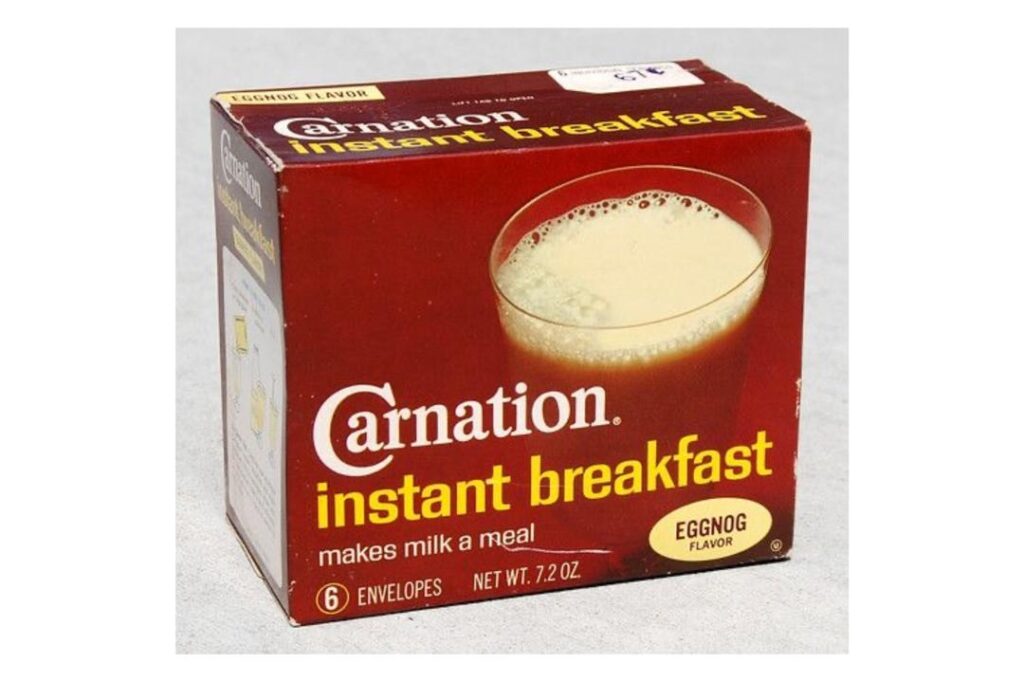
Long before protein shakes were a fitness industry billion-dollar behemoth, Carnation Instant Breakfast was the original “meal in a glass” for the American family on the go. It arrived in colorful paper sachets that promised to provide all the nutrition of a traditional breakfast in a fraction of the time, which made it the hero of many frantic Monday mornings. We remember the ritual of tearing open the packet and whisking the powder into cold milk until it became a thick, frothy concoction that felt surprisingly substantial for a liquid meal. The chocolate flavor was the undisputed champion of the lineup and it gave us the rare parental permission to essentially drink a milkshake for breakfast under the guise of “total nutrition.”
The consistency was remarkably smooth and it had a specific malty sweetness that felt much more decadent than a standard glass of milk. For kids who weren’t “breakfast people,” these shakes were a lifesaver that prevented us from running on empty until the lunch bell rang at school. We felt like sophisticated adults-in-training as we sipped our “instant” meals while our parents drank their coffee and read the newspaper. We survived those high-speed mornings with a sense of fullness and a deep appreciation for the chocolate-vanilla-strawberry trifecta that defined the brand. It was a classic example of American convenience culture at its finest and it paved the way for the entire meal-replacement industry that we see in supermarkets today.
Hawaiian Punch Fruit Juicy Red
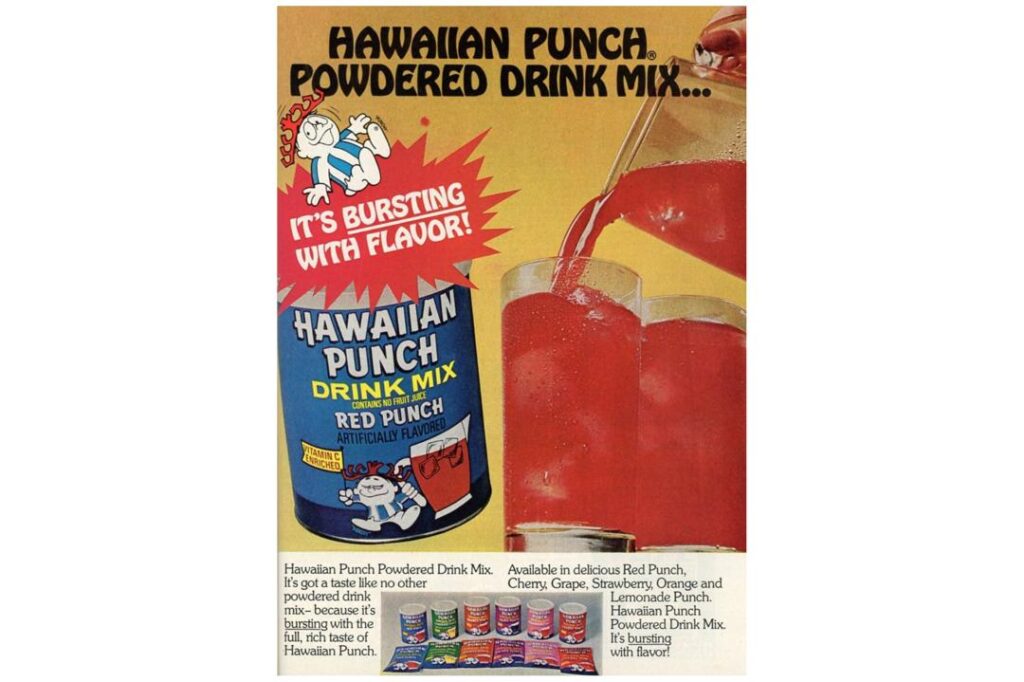
Hawaiian Punch was the heavy hitter of the afternoon snack world but it frequently made its way to the breakfast table because its “Fruit Juicy Red” flavor was simply too iconic to ignore. Originally starting as a cocktail mixer in the 1930s, it evolved into the ultimate childhood beverage thanks to the mischievous “Punchy” character who asked everyone if they’d like a nice Hawaiian Punch before delivering a comedic blow. We remember the massive metal cans that required a triangular church-key opener to punch two holes in the top; one for pouring and one for airflow. The liquid inside was a deep, staining red that seemed to defy the laws of natural coloration and it possessed a tropical sweetness that was both refreshing and incredibly heavy on the sugar.
Drinking Hawaiian Punch for breakfast felt like a bold start to the day because it was so unashamedly bold in its flavor profile and its ability to leave a red ring around our mouths. It was the drink of choice for birthday breakfasts or summer mornings when the heat was already rising before eight o’clock. We loved the blend of seven fruit juices even if we couldn’t name a single one of them by taste alone and we certainly didn’t mind the sugar rush that followed. We survived the Hawaiian Punch years with a lot of stained t-shirts and a lasting love for anything that tasted like a “tropical island” regardless of its actual fruit content. It remains one of the most nostalgic flavors of the American 20th century and a reminder of a time when breakfast could be a literal party in a glass.
Welch’s Grape Juice
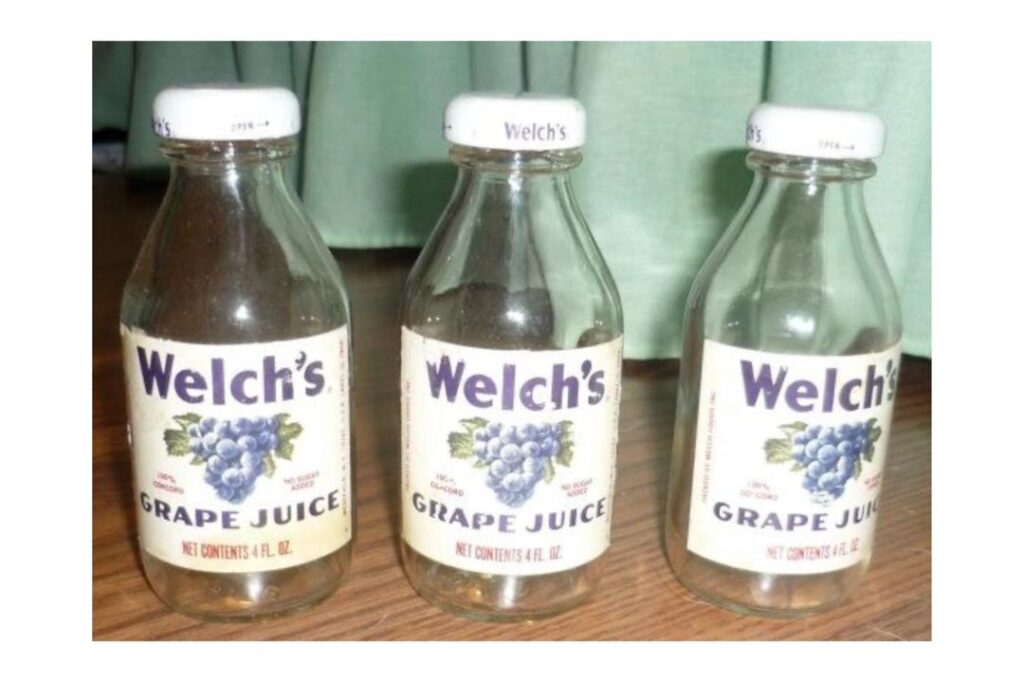
While other breakfast drinks focused on neon colors and cartoon mascots, Welch’s Grape Juice felt like the “serious” and wholesome option that our grandmothers always insisted on keeping in the fridge. Made from Concord grapes, it had a deep, dark purple hue and a flavor that was so intense and tart it would practically make your mouth pucker on the first sip. We remember the heavy glass bottles and the way the juice would leave a thick residue on the glass which made it feel like we were consuming something genuinely artisanal and packed with “purple power.” It was the classic accompaniment to a stack of buttery waffles or a plate of scrambled eggs and it provided a sophisticated contrast to the more sugary cereals of the era.
The brand’s long history in America gave it an air of authority and we were constantly told that it was good for our hearts and our overall health. We grew to love the specific, musk-like aroma of the Concord grapes and the way the juice felt cool and refreshing on a crisp autumn morning. It was a drink that bridged the gap between the nursery and the dining room and it taught us to appreciate a flavor profile that wasn’t just “sweet.” We survived those grape-filled mornings with a purple-stained smile and a respect for a brand that didn’t need a gimmick to stay relevant. Welch’s was a constant in the ever-changing landscape of American breakfast and it remains a symbol of family traditions and the simple pleasure of a cold glass of fruit juice.
SunnyD (Sunny Delight)
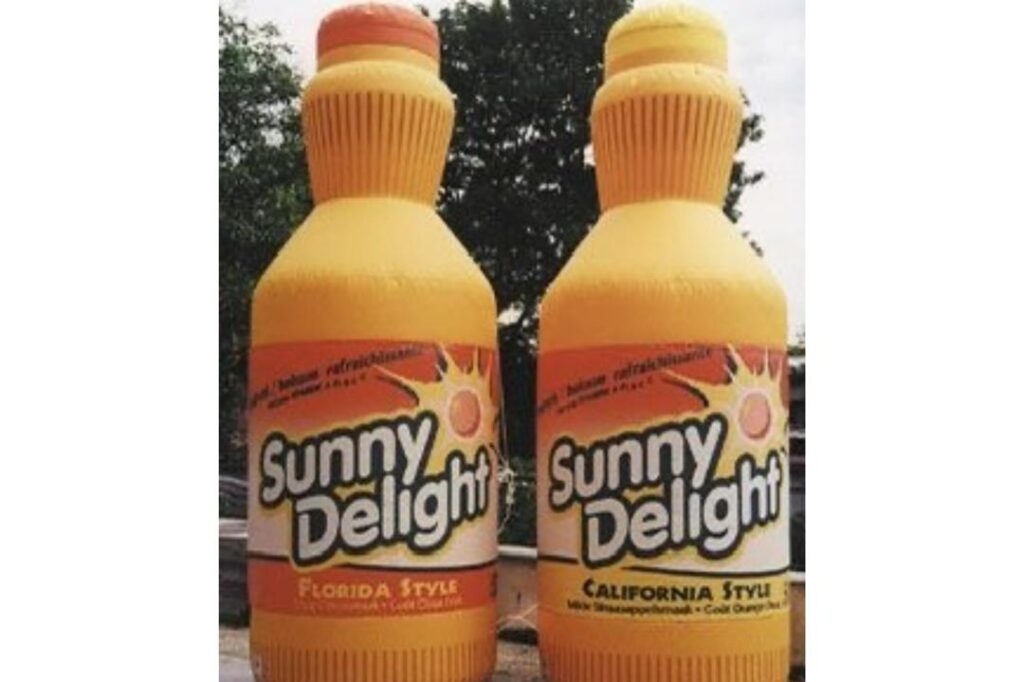
In the late 1990s, SunnyD became a cultural phenomenon that redefined what a “juice drink” could be for a new generation of American kids. It was marketed as the cool, refrigerated alternative to boring old orange juice and its commercials featured “extreme” teenagers having the time of their lives while sipping from the chunky plastic jugs. The flavor was a unique citrus punch that was famously smooth and lacked the acidity or pulp of traditional juice, which made it incredibly easy to gulp down by the pint. We remember the bright, almost glowing orange color that was the result of a heavy dose of beta-carotene and we were convinced that it was the key to being as cool as the kids on TV.
The drink’s popularity was so immense that it became a staple of every soccer practice and school breakfast program across the country during its heyday. We loved the way the “Florida Style” or “California Style” versions offered slightly different takes on the citrus theme and we never really bothered to read the label to see how much actual juice was inside. We survived the SunnyD craze with a lot of energy and a fascination with a product that managed to make the refrigerator aisle feel like the most exciting place in the grocery store. It was a masterclass in 90s branding that captured the spirit of the decade and it remains a nostalgic touchstone for anyone who grew up during the era of baggy jeans and frosted tips.
Hi-C Fruit Drinks
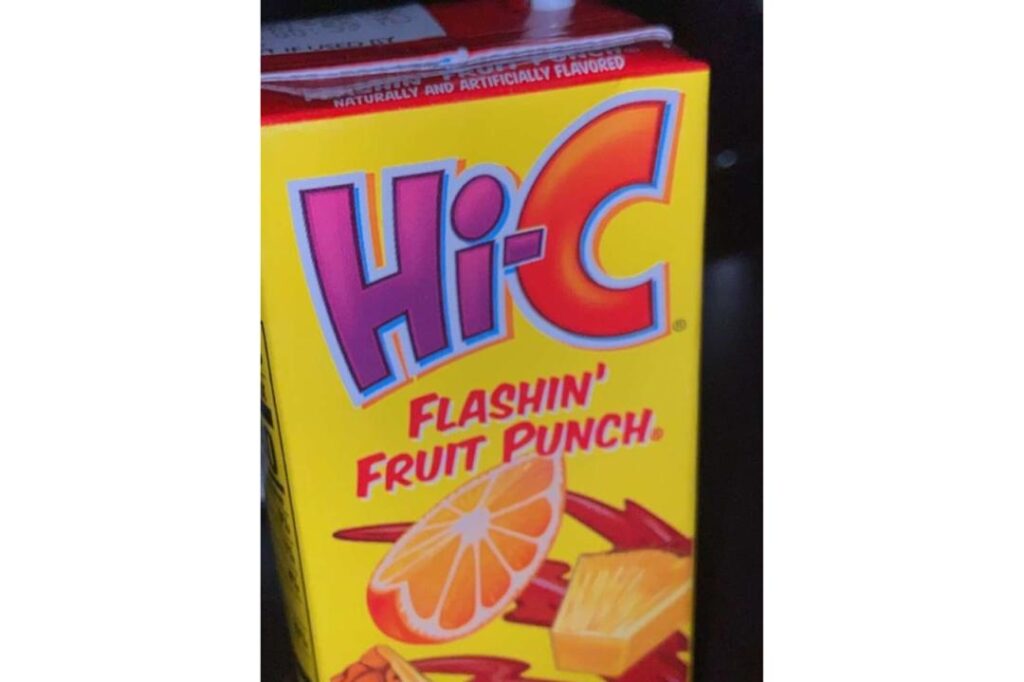
Hi-C was the undisputed king of the juice box era and it was a mandatory addition to millions of American lunchboxes and breakfast tables for decades. Whether it was the classic “Flashin’ Fruit Punch” or the legendary “Ecto Cooler” tie-in with the Ghostbusters franchise, Hi-C offered a library of flavors that were as loud as their packaging. We remember the tall, rectangular cans that preceded the juice boxes and the specific, metallic taste that the juice would take on if it sat in the sun for too long. It was the ultimate “fun” drink that made us feel like every morning was a field trip and we took great pride in choosing our favorite flavor for the week during the Sunday grocery run.
The sheer variety of Hi-C meant that there was a flavor for every mood and every breakfast pairing, from peanut butter toast to cold cereal. We loved the way the bright liquid looked in our glasses and the fact that it was “fortified with 10% fruit juice” was enough of a health claim to satisfy most parents of the time. We survived the Hi-C years with a rotating gallery of favorite mascots on our boxes and a deep-seated nostalgia for the specific, syrupy sweetness of the punch. It was a beverage that understood the assignment of being a kid-friendly staple and it remains one of the most beloved names in the history of American childhood drinks. Even today, the mention of “Ecto Cooler” is enough to spark a heated debate among millennials about the best retro flavor of all time.
Kool-Aid (The Breakfast Edition)
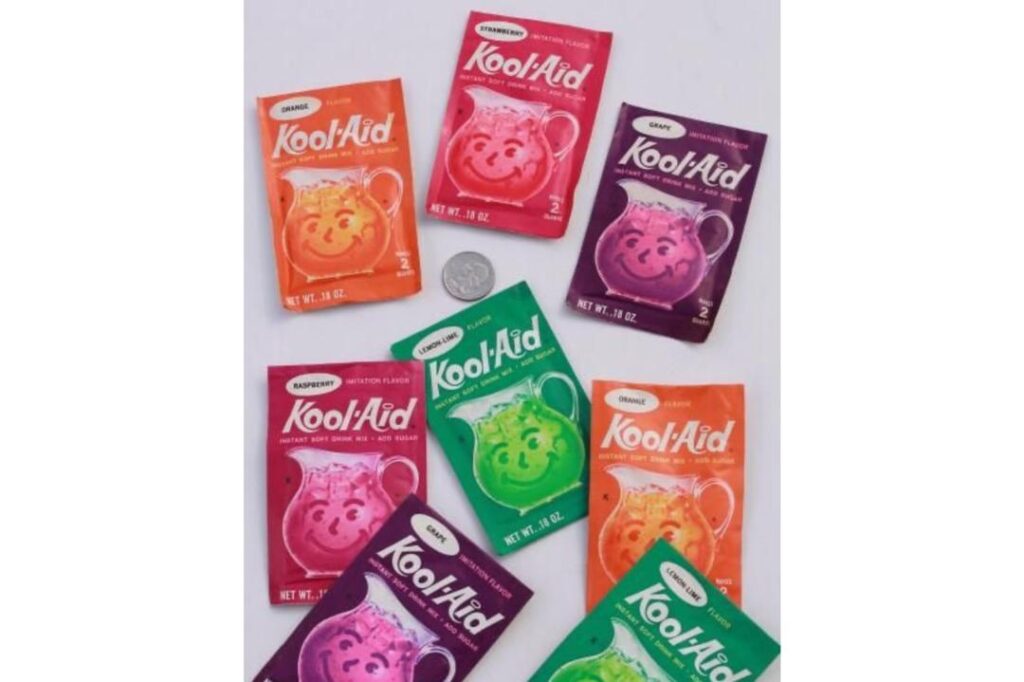
While Kool-Aid was technically an anytime drink, many of us remember the “Kool-Aid Man” crashing through the walls of our morning routine during summer vacations or slow weekends. It was the most cost-effective way for a family to stay hydrated and the ritual of dumping a five-cent packet into a massive pitcher followed by a mountain of sugar was a rite of passage for many American kids. We would stir the mixture until our arms ached and the water turned a brilliant shade of “Tropical Punch” red or “Grape” purple. Drinking Kool-Aid for breakfast was the ultimate sign that the school year was over and the long, hot days of summer freedom had finally arrived.
The sheer intensity of the flavor and the coldness of the pitcher made it a refreshing, if slightly chaotic, start to the day. We navigated the sugar-heavy mornings with a sense of reckless abandonment and a permanent mustache of whichever color we had mixed that day. We survived the Kool-Aid era with a deep appreciation for the DIY nature of the drink and a genuine love for the iconic pitcher-shaped mascot who seemed to enjoy life more than anyone else. It was a humble, powdered beverage that brought a sense of fun and community to the neighborhood and it taught us that sometimes the best things in life only cost a nickel and a whole lot of stirring.
Gatorade (The Early Years)
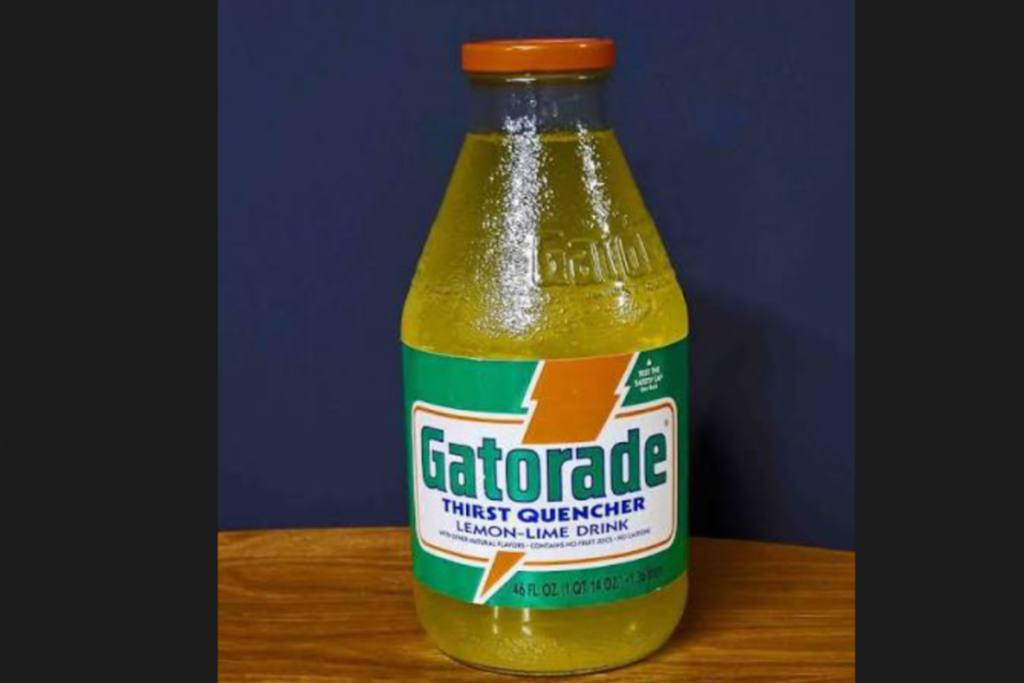
Before it was a global sports science empire, Gatorade was a salty, tangy curiosity that began appearing on American breakfast tables as the ultimate “thirst quencher” for active kids. Originally developed for the Florida Gators football team, it arrived in glass bottles with a flavor profile that was much more medicinal and savory than the fruit juices we were used to. We remember the original “Lemon-Lime” and “Orange” flavors that had a specific, electrolyte-heavy bite that made us feel like professional athletes even if we were just heading out to play kickball in the backyard. It was the drink of choice for hot humid mornings when we needed more than just water to keep us going through a day of sun-soaked activity.
The transition of Gatorade from the sidelines to the breakfast nook was a sign of the growing fitness culture in America and we embraced it with open arms. We loved the way the neon-colored liquid looked in our sports bottles and the “thirst quencher” branding made us feel like we were doing something scientifically beneficial for our bodies. We survived those early Gatorade years with a newfound appreciation for sodium and a belief that we could run faster and jump higher as long as we had our electrolytes in check. It was a beverage that changed the way we thought about hydration and it remains a cornerstone of the American morning routine for anyone who lives life at full speed.
Nesquik (Nestle Quik)
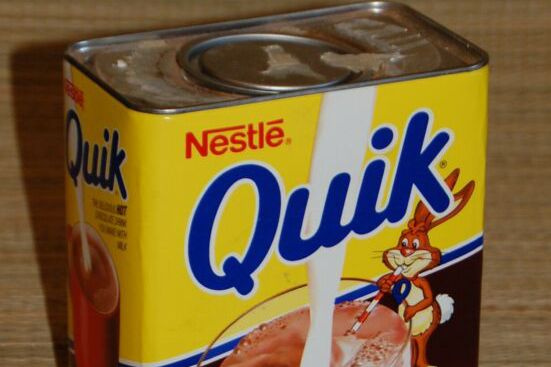
Nesquik, or “Nestle Quik” as it was known for much of our childhood, was the gold standard for chocolate milk and the primary reason many of us were willing to drink our daily dairy. The iconic yellow tin featuring the energetic bunny was a permanent fixture on the pantry shelf and the chocolate powder inside was the key to making any morning feel like a special occasion. We would spend minutes trying to perfectly incorporate the powder into cold milk, often resulting in those delicious, undissolved chocolate “islands” that floated on the surface and provided a concentrated burst of cocoa joy. It was a decadent start to the day that felt like a reward for getting out of bed and into our school clothes.
The strawberry variety offered a pink, medicinal alternative that had its own dedicated fan base, but the classic chocolate was the undisputed king of the American breakfast table. We loved the way the milk transformed into a rich, creamy treat and the bunny on the tin felt like a trusted friend who was always ready for a morning adventure. We survived the Nesquik era with a lot of chocolate-stained spoons and a lasting belief that breakfast should always have a dessert-like quality. It was a simple, powdered pleasure that brought a touch of whimsy to the kitchen and it remains one of the most enduring symbols of American childhood nostalgia. To this day, the scent of chocolate milk powder can instantly transport us back to a sunlit kitchen and a simpler time of life.
Minute Maid Frozen Concentrate
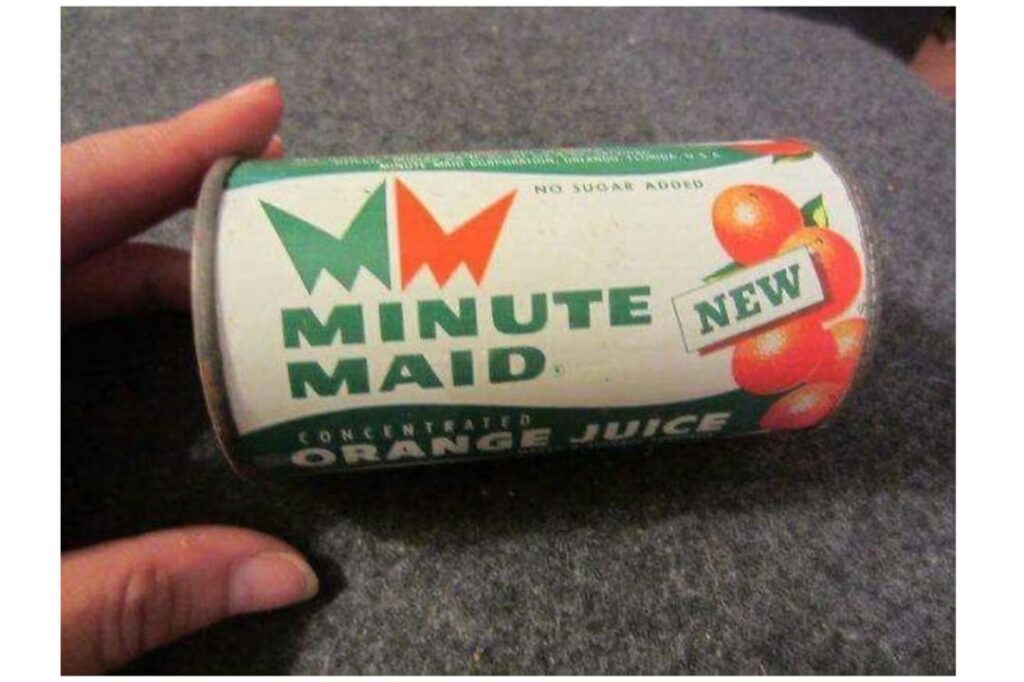
Long before the era of “premium” refrigerated juices, the American breakfast was defined by the cylindrical cans of Minute Maid frozen concentrate that lived in the depths of the freezer. The process of making the juice was a morning ritual in itself; we would peel back the plastic strip, pop the metal lid, and plop the frozen block of orange concentrate into a glass pitcher. We then had to add three cans of water and stir vigorously with a long wooden spoon until the icy slush melted into a cold, pulpy, and intensely flavored orange juice. It was a hands-on experience that made the juice feel more “real” and rewarding than something poured straight from a carton.
The flavor was famously consistent and had a sharp, bright acidity that was the perfect wake-up call for our sleepy senses. We remember the icy coldness of the first glass and the way the concentrate would sometimes have little bits of frozen pulp that were a treat to crunch on. It was a triumph of 20th-century food preservation that allowed families across the country to enjoy “fresh” tasting juice regardless of the season or their proximity to an orange grove. We survived those frozen-concentrate mornings with a steady supply of Vitamin C and a deep-seated respect for the “three-to-one” ratio that was the golden rule of the American kitchen. It was a humble but essential part of our upbringing that represented the intersection of technology and the traditional family breakfast.
Capri Sun Juice Pouches
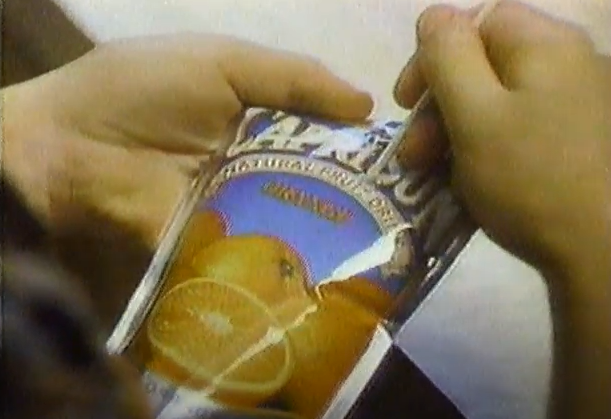
The silver pouch was the ultimate status symbol of the 1990s American breakfast and lunchbox scene, offering a futuristic way to consume fruit-flavored water that felt incredibly advanced at the time. We all remember the high-stakes physical challenge of trying to insert the yellow plastic straw into the tiny foil circle without accidentally piercing through the entire back of the pouch and soaking our shirts in Pacific Cooler. It was a drink that required a certain level of dexterity and patience, but the reward was a refreshing and ice-cold burst of tropical flavor that made us feel like the coolest kids on the block. The pouches were often kept in the freezer until they reached a slushy consistency, providing a perfect way to beat the morning heat during the sweltering months of summer break before we headed out to the neighborhood pool.
While the juice content was often minimal compared to the sugar and water, the branding was so effective that we felt we were part of an elite group of active and adventurous youth. We loved the way the pouch would deflate as we drank, allowing us to squeeze every last drop of the sweet liquid out before rolling it up and tossing it into the bin. It was a masterpiece of portable engineering that fit perfectly into the palm of a hand and offered a sense of independence that a glass and pitcher simply could not provide. We survived those Capri Sun mornings with a lot of sticky fingers and a lingering frustration over lost straws, yet the memory of that first successful “poke” remains one of the most satisfying sensory experiences of our upbringing. It was a beverage that understood the nineties aesthetic perfectly and it remains a cherished icon of our collective childhood.
Yoo-hoo Chocolate Drink
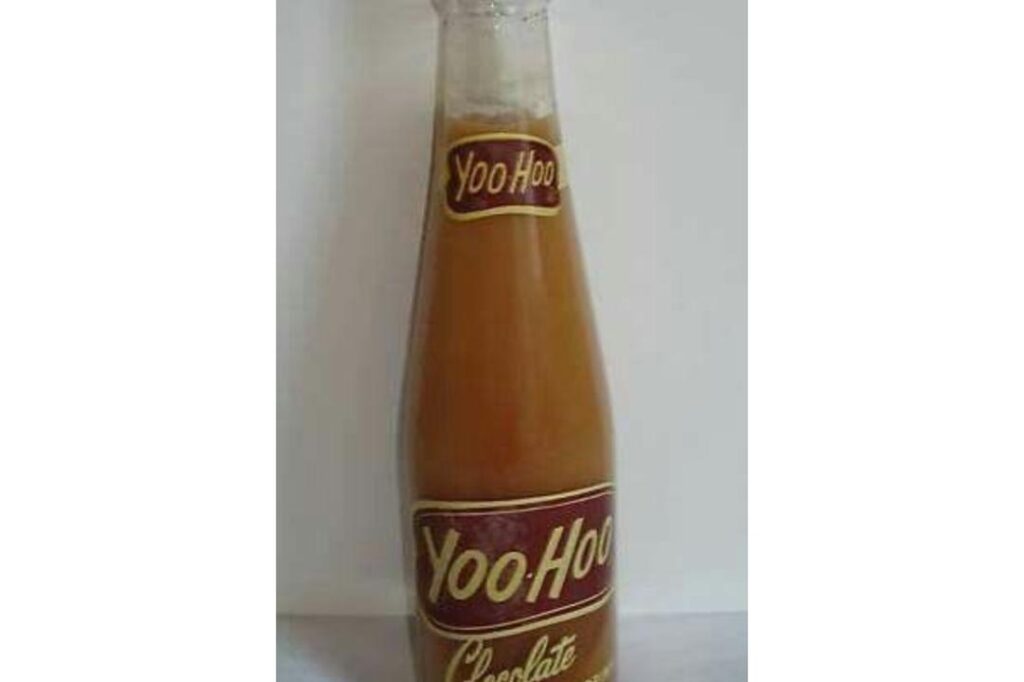
Yoo-hoo was a peculiar and beloved American staple that occupied the strange middle ground between a chocolate milkshake and a refreshing soft drink. Unlike traditional chocolate milk that required refrigeration, Yoo-hoo was shelf-stable and possessed a watery yet creamy consistency that was uniquely smooth and incredibly easy to drink in large quantities. We remember the distinct “shake it up” ritual that was required to ensure the chocolate sediment was properly incorporated before we popped the top of the glass bottle or the can. It had a mild, malty flavor that wasn’t quite as intense as a candy bar but offered a satisfying sweetness that paired perfectly with a morning doughnut or a piece of buttered toast. It was the drink of choice for kids who wanted a chocolate fix without the heaviness of a dairy-rich beverage.
The brand’s association with baseball and classic Americana gave it a timeless quality that made it feel like a staple of the suburban dream across the country. We loved the way it tasted best when it was bone-chillingly cold and we often debated whether the glass bottle version tasted better than the aluminum can. It was a drink that defied the standard rules of breakfast because it didn’t pretend to be “healthy” or “fortified,” it was simply a delicious and fun treat that made the morning a little bit brighter. We survived the Yoo-hoo years with a deep appreciation for its unique texture and a sense of loyalty to a brand that never felt the need to change its iconic yellow and blue packaging. It remains a cult favorite for those who remember the simple joy of a cold chocolate drink that didn’t need a fridge to stay fresh.
V8 100% Vegetable Juice
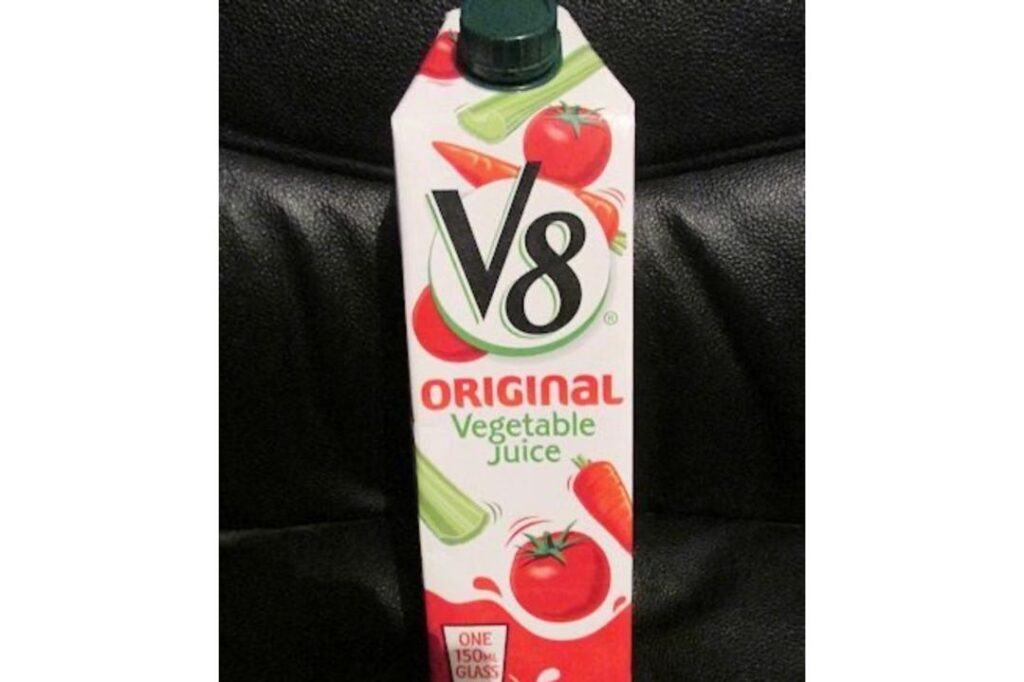
For those of us whose parents were particularly focused on nutrition, V8 was the “savory” breakfast option that often felt like a bit of a challenge compared to the sugary fruit juices on the market. This thick, tomato-based concoction was famously made from eight different vegetables and it possessed a salty, peppery flavor profile that was a sharp departure from the sweetness of most morning drinks. We remember the distinct sound of the large metal can being opened and the rich, red liquid being poured into small juice glasses where it looked more like a soup than a beverage. It was marketed as a convenient way to “drink your vegetables” and many of us were encouraged to gulp it down quickly to ensure we were getting our daily dose of vitamins before the school bus arrived.
The experience of drinking V8 was often polarizing; you either loved the garden-fresh taste or you spent the morning trying to avoid the heavy scent of celery and beets. It was often served with a dash of black pepper or a stalk of celery for the adults, while we were taught to appreciate the complex blend of flavors as a sign of a healthy lifestyle. We survived those vegetable-heavy mornings with a refined palate and a sense of accomplishment for having consumed so much produce before nine o’clock. It was a drink that represented the more serious side of the American breakfast table and it taught us that not every morning had to be a sugar rush. V8 remains a steadfast survivor of the health-trend wars and a reminder of a time when vegetable juice was the ultimate sign of a disciplined and well-balanced diet.
Sunkist Orange Soda
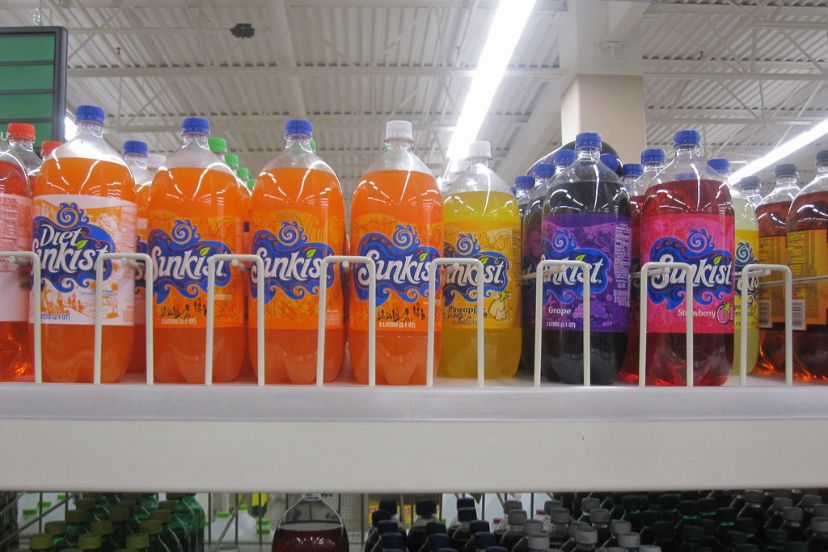
While soda for breakfast is largely frowned upon today, the 1970s and 80s were a time when a cold can of Sunkist was often viewed as a perfectly acceptable way to get a morning caffeine and citrus boost. Marketed with the sun-drenched imagery of California beaches and bright, energetic teens, Sunkist was the “orange” soda that felt a little bit more sophisticated than the generic brands. It had a high carbonation level and an intense, artificial orange flavor that was undeniably refreshing when served over a glass of ice. We remember the vibrant orange cans and the way the bubbles would tickle our noses as we took that first, sharp sip alongside a bowl of sugary cereal or a stack of pancakes. It was the ultimate “weekend treat” drink that made Saturday mornings feel like a true celebration of freedom.
The caffeine content in Sunkist was a hidden surprise for many parents, but for us, it just meant we had a little extra energy to fuel our neighborhood bike rides and backyard adventures. We loved the way it turned our tongues a bright shade of orange and the syrupy sweetness was the perfect antidote to the grogginess of an early morning. We survived the Sunkist era with a lot of energy and a genuine love for the crisp, clean taste of a well-carbonated citrus drink. It was a beverage that captured the optimism and vibrancy of the era and it remains a nostalgic favorite for anyone who grew up believing that a little bit of fizz was the best way to start the day. Even now, the sound of a Sunkist can opening can trigger a flood of memories of sunny kitchens and the effortless joy of childhood.
Ovaltine Chocolate Malt
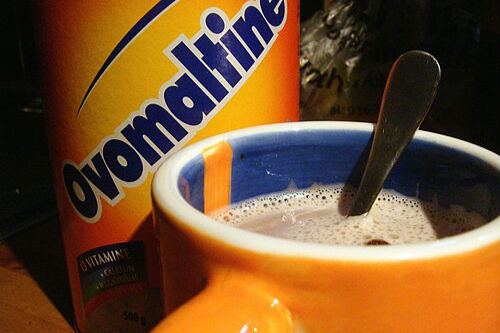
Ovaltine arrived on the American breakfast scene with a rich history and a reputation for being the “wholesome” way to enjoy chocolate milk. Originally from Switzerland, it was marketed in the US as a nutritional supplement that provided essential vitamins and minerals through its unique blend of malted barley and cocoa. We remember the iconic orange plastic jars and the way the granules would clink against the glass as we measured out a generous serving into our milk. Whether served hot on a snowy winter morning or cold during the summer, Ovaltine had a distinct, biscuity sweetness that was much more complex than a standard chocolate syrup. It felt like a “smart” choice that even our most health-conscious relatives would approve of, especially given its famous connection to the “Little Orphan Annie” radio show.
The texture of the malted powder was slightly crunchy if you didn’t stir it thoroughly, and many of us secretly enjoyed eating the dry granules straight from the spoon. It was the drink of choice for kids who wanted to feel a bit more grown-up and it provided a comforting, steady energy that lasted through the morning’s activities. We survived the Ovaltine years with a deep appreciation for the flavor of malt and a sense of pride in our “membership” to a brand that had been a staple of American life for generations. It was a drink that combined the best of old-world tradition with modern nutritional promises and it remains a cozy reminder of a time when a warm glass of malted milk was the ultimate cure-all for a rough morning.
General Foods International Coffees
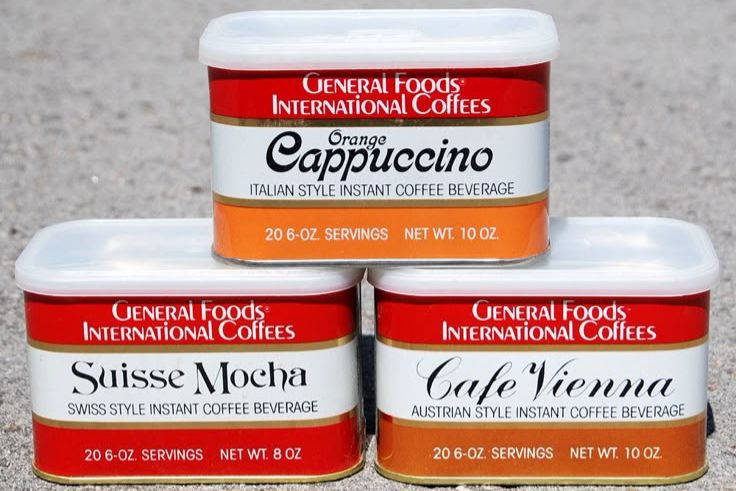
In the 1980s and 90s, the “Suisse Mocha” and “Cafe Francais” tins from General Foods International Coffees were the height of sophisticated home luxury for many American households. While these were primarily marketed to adults, many of us teenagers were allowed to have a “grown-up” drink on special mornings, feeling incredibly fancy as we stirred the sweet, powdered mixture into a mug of hot water. The tins were small and elegant, promising a taste of Europe from the comfort of a suburban kitchen, and the aroma of the artificial vanilla and hazelnut was undeniably alluring. It wasn’t really “coffee” in the traditional sense; it was a warm, creamy, and sugary concoction that acted as a gateway drink for an entire generation of future latte drinkers.
The ritual of selecting a flavor and watching the powder dissolve into a frothy head of foam made us feel like we were part of a sophisticated continental lifestyle. We remember the smooth, velvet-like texture of the drink and the way the sweetness masked any hint of actual coffee bitterness. It was the perfect accompaniment to a quiet Sunday morning or a holiday breakfast when the adults were lingering over the table and we wanted to join the conversation. We survived these “international” mornings with a burgeoning love for flavored lattes and a deep-seated nostalgia for those iconic metal tins that we eventually used to store buttons or loose change. It was a masterpiece of 80s marketing that brought a touch of perceived class to the American breakfast table and it remains a sentimental favorite for many who grew up during that era of aspiring elegance.
Tangy Fruit Swirls and Concentrates
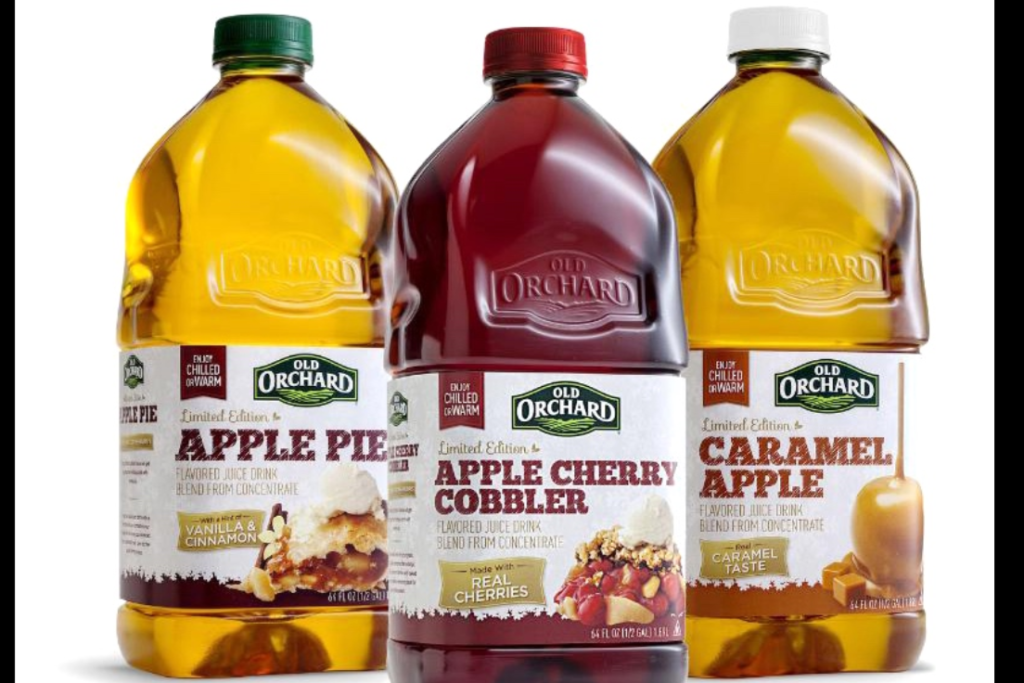
Before the convenience of modern juice boxes, many American families relied on frozen fruit concentrates that came in small, frozen cans from brands like Seneca or Old Orchard. These weren’t just limited to orange juice; we had apple, grape, and even exotic “fruit punch” blends that required a bit of manual labor before they could be consumed. We remember the satisfying “thump” of the frozen concentrate hitting the bottom of the pitcher and the intense, syrupy smell that would fill the air as we added the required cans of water. It was an economical way to keep the family hydrated and it gave us a sense of involvement in the kitchen as we stirred the icy mixture until it reached the perfect consistency. The flavor was often much more intense than modern “ready-to-drink” versions, with a sharp sweetness that would wake up our taste buds instantly.
These concentrates were the backbone of the American pantry because they were easy to store and lasted for months in the freezer. We loved the way we could customize the strength of the drink by adding a little more or less water, often leading to a much more “tangy” experience than the manufacturer intended. We survived those concentrated mornings with a lot of cold hands and a healthy dose of Vitamin C that fueled our daily activities. It was a simple, practical solution for a time when grocery shopping was a weekly event rather than a daily chore and it taught us the value of a little bit of hard work for a refreshing reward. Even now, the sight of those small frozen cans can trigger a wave of nostalgia for a time when breakfast was a DIY project.
Mott’s Apple Juice
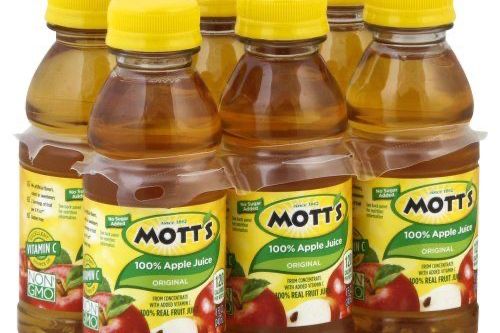
Mott’s Apple Juice was the quintessential “first juice” for millions of American children and it remained a breakfast staple throughout our elementary school years. It was the gold standard for clarity and sweetness, with a bright golden color that looked beautiful in the morning light and a crisp, clean flavor that was never too acidic. We remember the large glass jugs that were quite heavy to pour and the way the juice would sparkle when poured over a few ice cubes on a warm morning. It was often served alongside a bowl of oatmeal or a simple piece of toast, providing a natural sweetness that didn’t feel as overwhelming as the neon-colored fruit punches of the era. It was a brand that felt safe, reliable, and quintessentially American, with a history that stretched back to the mid-19th century.
The simplicity of apple juice made it a universal favorite that even the fussiest eaters would enjoy without complaint. We loved the way it tasted refreshing and light, acting as a perfect palate cleanser after a savory breakfast of bacon and eggs. We survived the Mott’s era with a genuine appreciation for the humble apple and a sense of comfort in a brand that stayed consistent through decades of changing food trends. It was a beverage that didn’t need a cartoon mascot or a fancy gimmick to earn its place on our table; it just needed to be cold, sweet, and made from good fruit. Mott’s remains a symbol of childhood innocence and the enduring power of a simple, well-made product in a world of ever-increasing complexity.
The incredible range of beverages we relied on illustrates just how much we trusted industrial production to provide our morning fuel, often choosing convenience and brand loyalty over the simple reality of the ingredients.
Like this story? Add your thoughts in the comments, thank you.


