
1. An Ocean Born by Accident
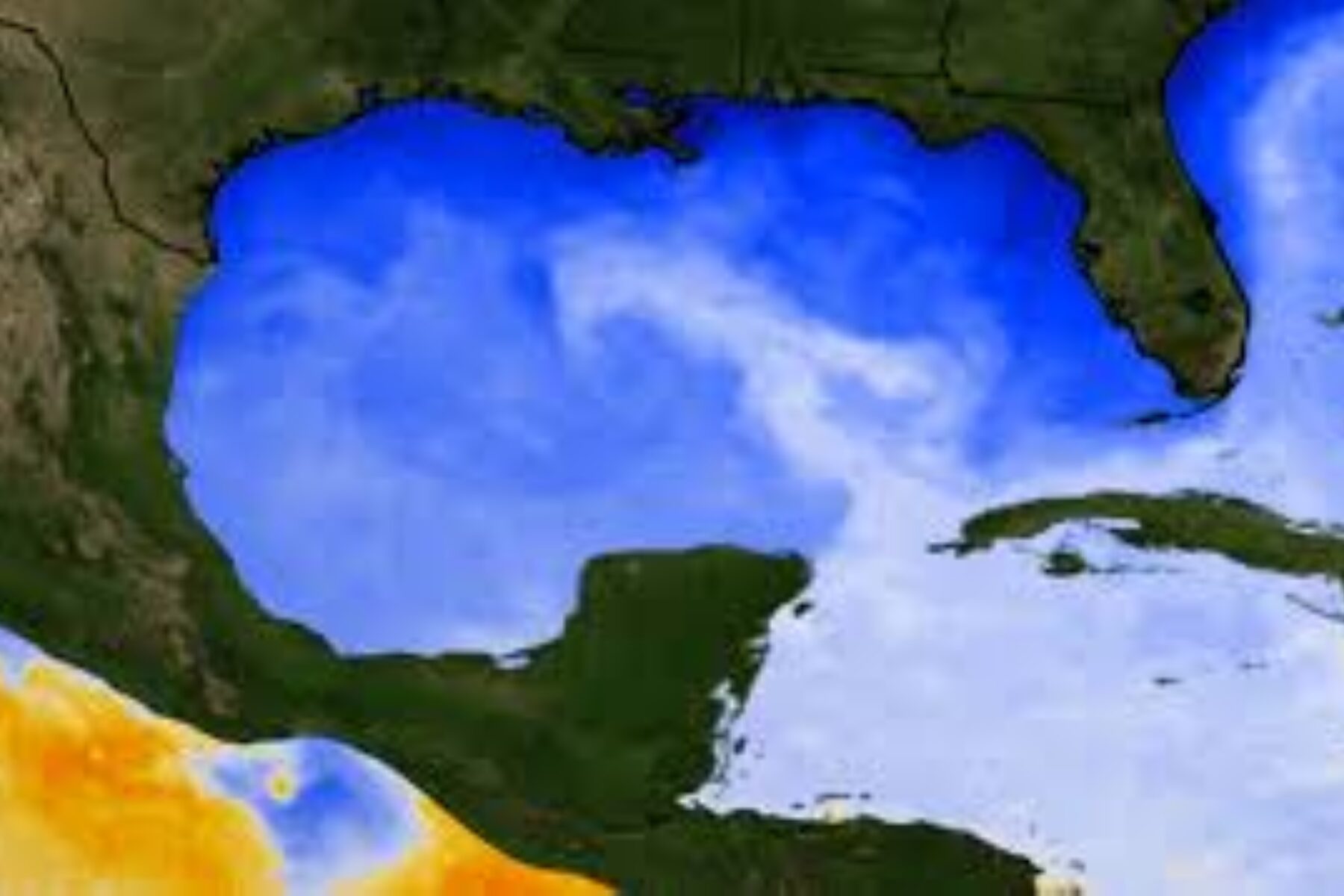
The story of the Gulf of Mexico begins not with waves, but with a crack in the Earth. Around 200 million years ago, as the supercontinent Pangaea began to split apart, the land that would become North America slowly drifted away from what is now Africa and South America. According to the National Oceanic and Atmospheric Administration, this separation created a basin that eventually filled with seawater, forming the gulf we know today. It wasn’t planned or neat. It was the result of shifting plates and deep geological forces that reshaped the planet.
When you stand along the coast of Florida or Texas, it feels calm and familiar, yet you are looking at something born from continental drama. Scientists often describe it as a passive margin basin, meaning it formed quietly after the initial split, but there is nothing small about it. Covering more than 600,000 square miles, it is sometimes called America’s accidental ocean because it exists thanks to movements no human witnessed. Knowing that gives even an ordinary beach day a little more depth, like the water is holding onto a very old secret.
2. Home to a Hidden River Beneath the Sea

It sounds like a myth, but there is a river flowing at the bottom of the gulf. Deep below the surface, a dense layer of salt water forms what researchers sometimes call an underwater river, complete with its own shoreline and waves. Scientists exploring this phenomenon near the Mississippi Canyon have described it as a briny lake resting on the seafloor. The water is so salty and heavy that it does not mix easily with the surrounding sea.
Researchers from institutions including NOAA have explained that this strange feature forms when salt deposits dissolve and seep upward, creating pools that are toxic to many forms of marine life. In some reports, divers have described it as looking like a shimmering mirror, with a clear boundary you can actually see. It is unsettling and beautiful at the same time. Knowing that a “river” exists under an ocean changes how you picture the seafloor. It reminds you that the gulf is layered and complex, with secrets tucked away miles beneath the boats and fishing lines.
3. The Loop Current That Shapes Storms

If you have ever wondered why some hurricanes grow so powerful in this region, the answer often traces back to the Loop Current. This warm ocean current flows northward from the Caribbean, loops into the gulf, and then exits through the Florida Straits to join the Gulf Stream. According to scientists at NASA, warm water acts like fuel for tropical storms, allowing them to intensify rapidly.
When storms pass over the deep, warm waters carried by the Loop Current, they can strengthen in ways that surprise forecasters. It has happened more than once, and coastal communities from Louisiana to Florida have felt the impact. Researchers continue to study this current closely, mapping its shifts and measuring its temperature changes. It is not just a flow of water but a powerful force shaping weather patterns and livelihoods. The idea that a hidden river of warmth can determine the strength of a storm makes the gulf feel both alive and unpredictable, like it is quietly steering events from beneath the surface.
4. A Hub of America’s Energy Industry
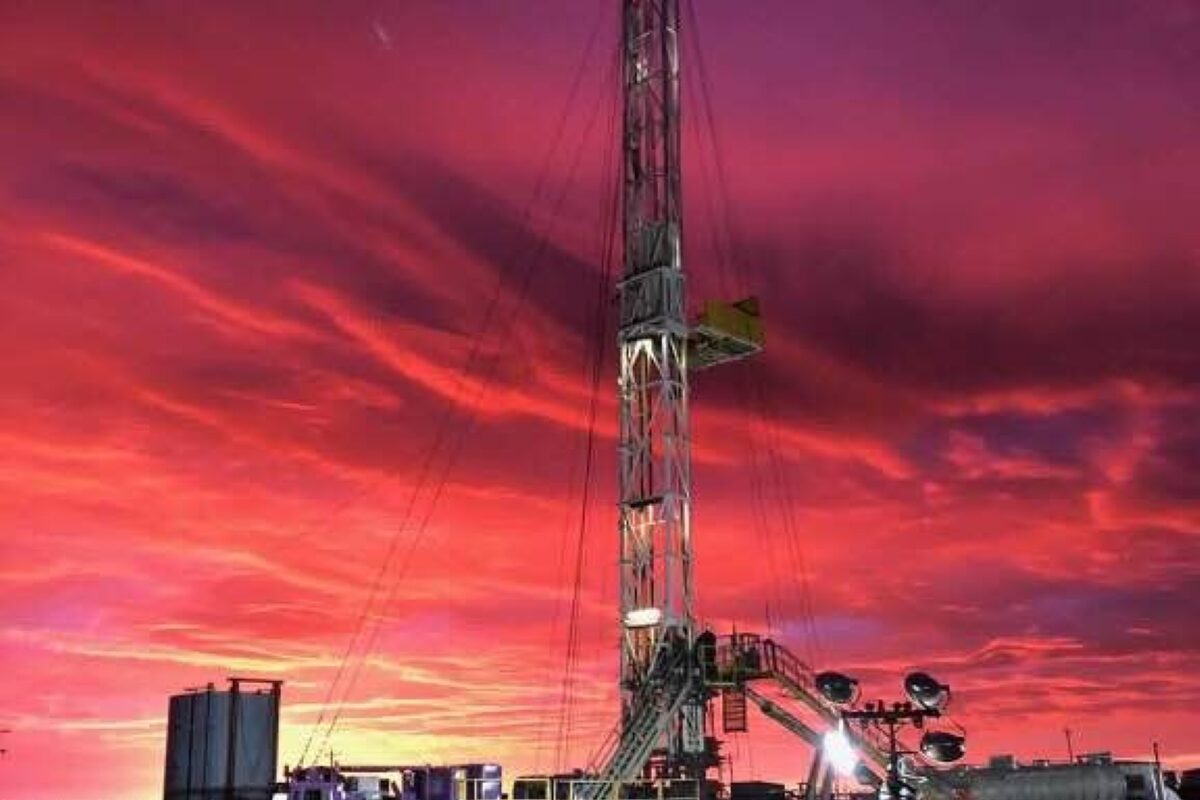
For decades, the gulf has been one of the busiest energy corridors in the United States. Thousands of oil and gas platforms rise from its waters, especially off the coasts of Texas and Louisiana. The U.S. Energy Information Administration reports that a significant portion of the nation’s offshore oil production comes from this region. It is hard to miss the silhouettes of rigs against the horizon when you visit certain beaches.
The gulf’s role in energy has brought jobs and economic growth, but it has also come with risk. The 2010 Deepwater Horizon disaster, linked to BP, released millions of barrels of oil into these waters and reminded the world how delicate this ecosystem can be. Scientists still monitor long term impacts on marine life and coastal wetlands. The contrast is striking. On one hand, the gulf powers cities and industries. On the other, it demands careful stewardship. That balance between benefit and responsibility continues to shape conversations along its shores.
5. A Nursery for Marine Life

Spend a little time learning about the gulf, and you will quickly discover how vital it is for wildlife. Its warm, shallow waters and extensive wetlands make it a nursery for countless species of fish, shrimp, and crabs. The U.S. Fish and Wildlife Service has emphasized how coastal marshes along Louisiana and Texas provide shelter for young marine animals before they head into deeper waters.
These habitats also support migratory birds that travel along the Mississippi Flyway, resting and feeding along the coast. Even larger creatures, like sea turtles and dolphins, depend on the gulf’s food web. For many fishing communities, this biodiversity is not just a statistic. It is a way of life passed down through generations. When you see seafood on a plate in a coastal town, you are tasting part of a vast and carefully balanced system. The gulf quietly sustains livelihoods and traditions, reminding us that beneath its surface lies a thriving and interconnected world.
6. One of the World’s Largest Dead Zones

Not every fact about the gulf is comforting. Each summer, a massive area of low oxygen water forms near the mouth of the Mississippi River. Scientists call it a hypoxic zone, but most people know it simply as the dead zone. According to the Environmental Protection Agency, nutrient runoff from farms and cities upstream feeds algae blooms. When the algae die and decompose, they consume oxygen, leaving marine life struggling to survive.
This seasonal dead zone can stretch for thousands of square miles, making it one of the largest in the world. Fishermen often have to travel farther to find healthy waters, and researchers track its size carefully each year. It is a reminder that what happens far inland can shape the fate of distant coastlines. The gulf connects farms in the Midwest to shrimp boats in Louisiana in ways that are easy to overlook. Understanding that link makes the water feel less distant and more personal. It encourages a quiet kind of responsibility that flows as steadily as the river itself.
7. The Impact Crater Beneath the Waves
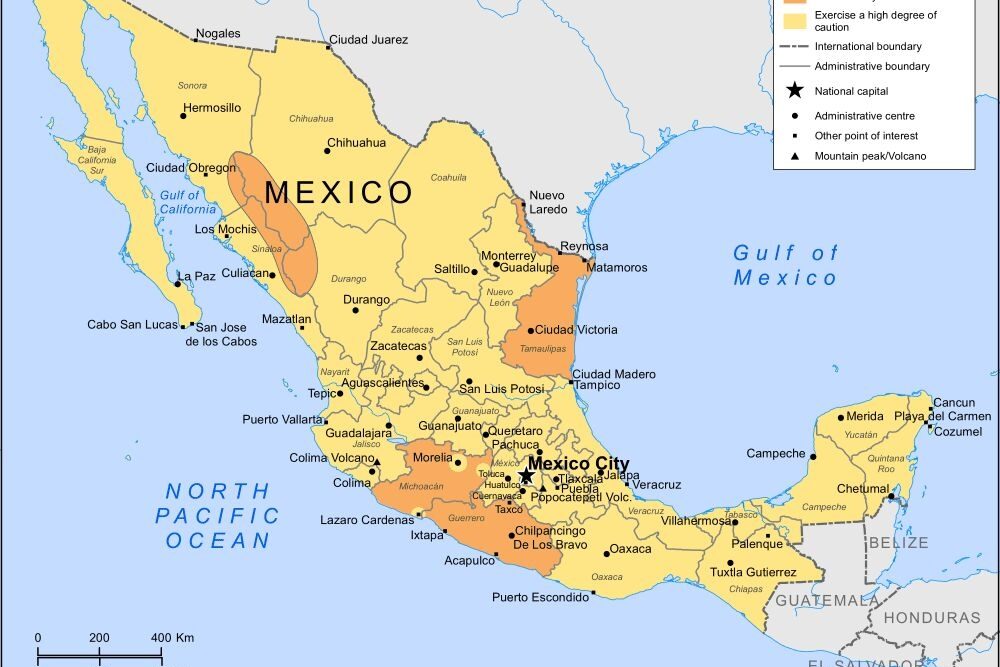
It’s not something you can see from a fishing boat, but buried under the waters off the Yucatán Peninsula lies evidence of one of Earth’s most dramatic days. Scientists widely link the Chicxulub impact crater to the asteroid strike that ended the age of the dinosaurs. Research published by teams studying the Chicxulub crater suggests the impact occurred about 66 million years ago, sending shockwaves and debris across the globe.
The crater’s outer edges stretch into what is now the gulf, meaning part of this ancient scar rests beneath its waters. When geologists drill core samples, they find layers of rock that tell the story of fire, dust, and sudden change. It is humbling to think that the same waters where families swim were once near the center of a global catastrophe. The gulf, in its quiet way, carries a record of extinction and survival. That knowledge adds weight to the horizon, as if history itself is folded into the seabed.
8. A Highway for Hurricanes

If you live along the coast, you already know this truth in a personal way. The gulf is one of the most active hurricane regions in the world. Warm waters, especially in late summer, provide the energy storms need to grow. The National Hurricane Center regularly tracks systems that move from the Caribbean into the gulf, where they sometimes strengthen quickly before landfall.
Cities like New Orleans and Houston have long histories shaped by these storms. Levees, evacuation plans, and building codes all reflect lessons learned over generations. Hurricanes are not new here; they are part of the rhythm of life. Still, each season carries uncertainty. Watching satellite images as a storm spins over open water has become a familiar ritual for many families. The gulf can look peaceful, almost glassy, but everyone knows how quickly it can change. That balance between beauty and power defines much of its story.
9. The Sargassum Seaweed Invasions

In recent years, thick mats of brown seaweed have washed onto gulf beaches in record amounts. Known as sargassum, this floating algae forms vast rafts in the Atlantic before currents push it toward the Caribbean and into the gulf. Researchers supported by NOAA have linked these blooms to changing ocean conditions and nutrient levels.
For beach towns in Alabama and Florida, the piles can be both a nuisance and a natural event. When fresh, sargassum provides habitat for fish and sea turtles offshore. But once it washes up and begins to decompose, it can create strong odors and affect tourism. Local crews often work early in the morning to clear it away before visitors arrive. The sight of seaweed stretching along the sand is a reminder that the gulf is connected to distant waters. What happens far out in the Atlantic does not stay there. It drifts, quite literally, to shore.
10. A Cultural Crossroads

The gulf is not just water; it is culture. For centuries, it has connected Indigenous communities, Spanish explorers, French settlers, African diasporas, and modern American cities. Ports like Tampa and New Orleans became hubs of trade and migration, blending languages, music, and food traditions.
Seafood gumbo, Cajun spices, Gulf shrimp, and coastal blues music all reflect this layered history. The Library of Congress preserves oral histories and recordings that show how deeply the gulf has shaped regional identity. Fishing stories, storm memories, and family recipes are passed down like heirlooms. Even today, shrimp boats leaving at dawn feel like part of an old rhythm that refuses to fade. The gulf has always been a meeting place, where currents of culture mix just as surely as tides. That human story runs alongside the natural one, giving the coastline its unmistakable character.
11. Coral Reefs in Unexpected Places
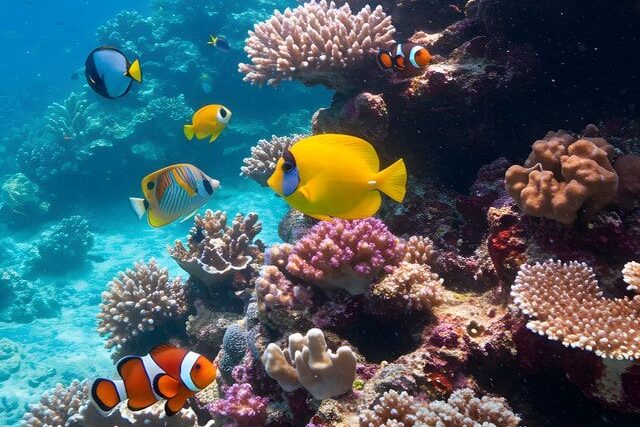
When people think of coral reefs, they often picture faraway tropical islands. Few realize that the gulf holds significant reef systems of its own. The Flower Garden Banks National Marine Sanctuary, located about 100 miles off the Texas coast, protects vibrant coral communities growing on underwater salt domes.
Managed in part by NOAA, this sanctuary is home to colorful fish, sea fans, and even manta rays. Divers who visit often describe clear waters and thriving coral colonies that rival more famous reef destinations. These ecosystems are sensitive to temperature changes and pollution, which makes ongoing research essential. Knowing that such life flourishes offshore challenges the idea that the gulf is only murky or industrial. In quiet pockets, it is bright and teeming, holding beauty that most beach visitors never see.
12. A Basin That Is Still Changing

It is easy to think of maps as fixed, but the gulf’s shape continues to evolve. Rivers deposit sediment, storms reshape barrier islands, and sea levels slowly rise. Along the coast of Louisiana, land loss has become a serious concern. The U.S. Geological Survey has documented how wetlands are disappearing due to erosion, subsidence, and human activity.
At the same time, restoration projects aim to rebuild marshes and strengthen natural defenses. Engineers and environmental scientists work side by side, trying to slow the retreat of the shoreline. The gulf is not static; it is in motion, responding to both natural forces and human choices. Standing at the water’s edge, you might not notice the gradual shifts, but they are happening. And perhaps that is the most mind bending fact of all. This accidental ocean is still writing its story, and in many ways, we are writing it with our actions.
13. The Deepest Point Few Talk About
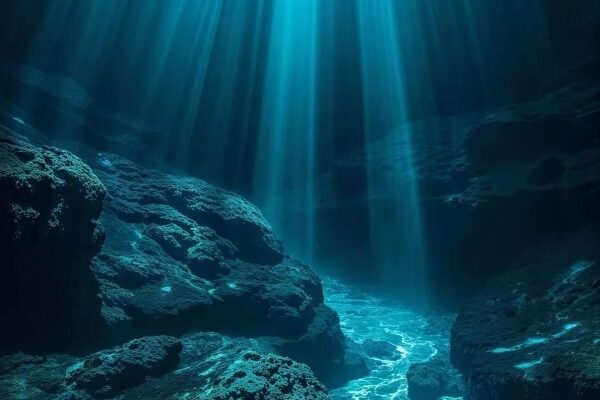
Most beachgoers picture the Gulf as shallow and gentle, but that image only tells part of the story. Far offshore lies the Sigsbee Deep, the lowest point in the basin. According to data compiled by the National Oceanic and Atmospheric Administration, this area reaches depths of more than 14,000 feet. That is deeper than many people imagine when they think of the Gulf’s turquoise shoreline.
The Sigsbee Deep sits within a complex geological region shaped by ancient salt deposits and shifting seafloor structures. Down there, sunlight never reaches, and pressure is immense. Yet life still finds a way. Scientists have documented unusual deep sea creatures adapted to darkness and cold. The contrast is striking. On the surface, you have fishing charters and cruise ships. Far below, an entirely different world exists in silence. Knowing that the Gulf stretches so far downward changes how you see it. It is not simply a warm coastal sea. It is layered, vast, and far more vertical than it appears.
14. The Mississippi’s Mighty Influence

It is impossible to talk about the Gulf without mentioning the Mississippi River. This river drains water from 31 U.S. states before emptying into the Gulf, carrying sediment, nutrients, and sometimes pollution along with it. The U.S. Geological Survey has long studied how this steady flow shapes coastal wetlands and barrier islands.
The river builds land even as storms tear it away. Its sediment creates marshes that act as natural storm buffers, protecting communities inland. At the same time, excess nutrients from agriculture upstream contribute to the seasonal dead zone we explored earlier. It is a relationship that feels almost personal. What happens in Iowa or Minnesota can ripple all the way to Louisiana shrimp boats. The Gulf is not isolated. It is connected to farms, towns, and cities hundreds of miles away. That web of cause and effect makes the water feel closer, as if it is quietly linked to everyday choices far beyond the shoreline.
15. A Global Shipping Lifeline

Look out from ports along the Gulf and you will see cargo ships lined up on the horizon. The region serves as a critical gateway for international trade. The Port of Houston Authority oversees one of the busiest ports in the United States, handling goods that move between America and the rest of the world.
From oil and natural gas to grain and manufactured products, massive volumes pass through these waters each year. The Gulf connects inland industries to global markets, making it an economic engine as much as a natural wonder. Tugboats guide tankers through channels carved and maintained with precision. Dockworkers, truck drivers, and logistics teams all depend on this steady flow. The Gulf may look calm from a beach chair, but it hums with activity just beyond view. It quietly keeps supply chains moving, linking continents in ways most of us rarely think about.
16. Home to Endangered Giants
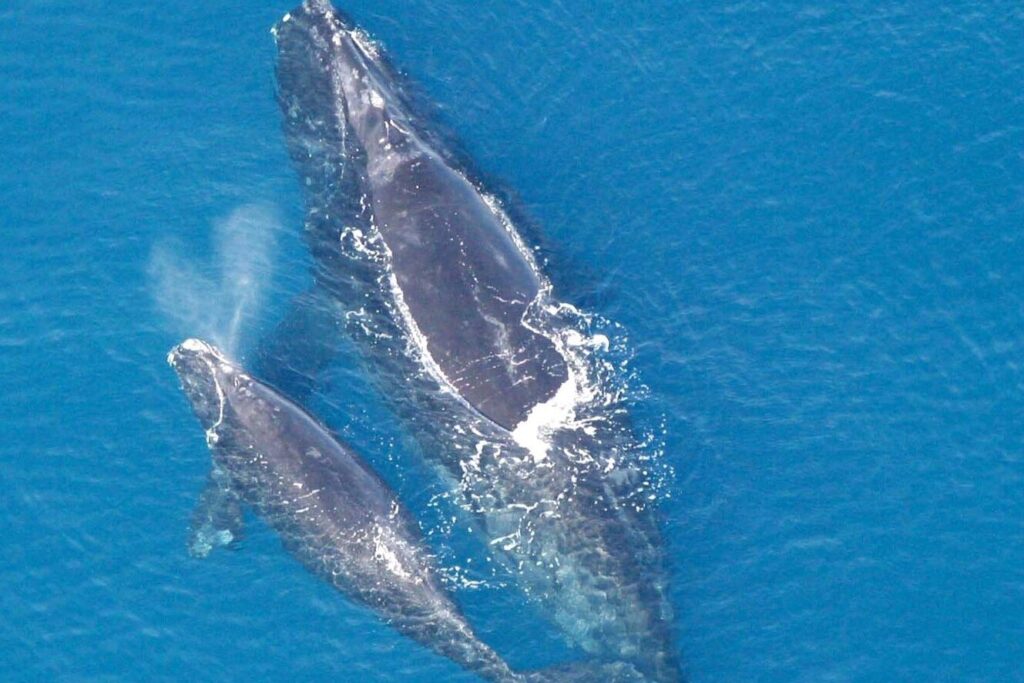
The Gulf is also home to some of the ocean’s most vulnerable species. The Rice’s whale, one of the rarest whales in the world, lives almost exclusively in its waters. Researchers supported by National Marine Fisheries Service estimate that only a small population remains.
These whales spend much of their time in deeper offshore areas, where shipping traffic and energy exploration can pose risks. Conservation efforts now focus on monitoring their movements and reducing potential harm. It is sobering to realize that such a large, powerful animal could be so fragile. The Gulf is not just a resource or a vacation spot. It is a habitat for creatures that depend on careful stewardship. When you consider that an entire species calls these waters home, the responsibility feels real and immediate.
17. A Place of Scientific Discovery

Over the decades, the Gulf has served as a living laboratory. Marine biologists, geologists, and climate scientists conduct ongoing research here. Institutions like Woods Hole Oceanographic Institution have participated in deep sea expeditions, mapping seafloor features and studying underwater ecosystems.
From hydrothermal vents to methane seeps, the Gulf continues to surprise researchers. Advanced submersibles capture footage of species never before recorded. Each expedition adds another piece to the puzzle of how oceans function and respond to change. The Gulf is not fully mapped or fully understood. In many ways, it remains a frontier. That sense of discovery keeps scientists returning year after year, reminding us that even familiar waters can hold unanswered questions.
18. An Accidental Ocean That Shapes Us Back

After everything we’ve explored, one truth stands out. The Gulf was formed by accident, shaped by tectonic shifts and ancient impacts. Yet over time, it has shaped us in return. Communities along its shores have built traditions, industries, and memories tied directly to its tides. Agencies like the Environmental Protection Agency continue to monitor its health, underscoring how vital it is to protect what it provides.
The Gulf influences weather, food, culture, and commerce. It carries stories of resilience after storms and of innovation beneath the waves. It reminds us that natural systems are interconnected, from Midwestern farms to offshore coral reefs. Standing at its edge, you see only water meeting sky. But beneath that horizon lies a record of Earth’s history and a mirror of our own choices.


