
1. Vikings Wore Horned Helmets
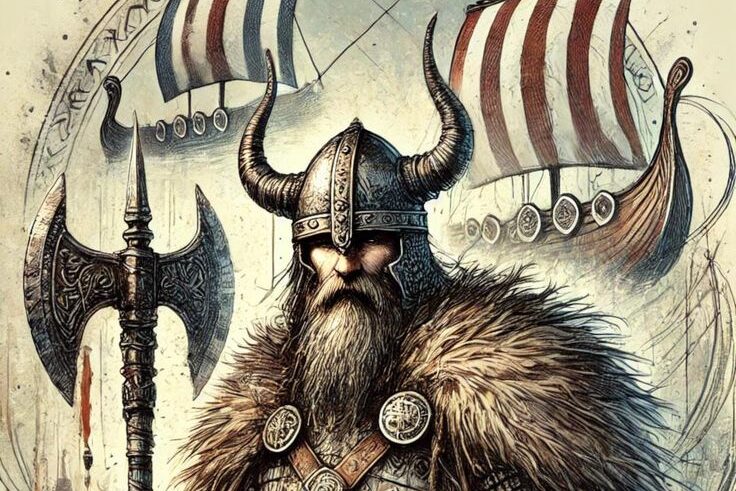
When people picture Vikings, the horned helmet is almost always part of the image. It appears in movies, cartoons, and even sports mascots. The picture feels so familiar that it seems impossible it could be wrong. But archaeologists have never found evidence that Vikings wore horned helmets in battle. Real Viking helmets that have been discovered were simple, practical, and designed for protection rather than decoration. Horns would have made combat difficult and dangerous, which makes the idea less realistic.
The horned helmet actually became popular much later through opera costumes and artistic interpretations. These dramatic designs looked impressive on stage, and audiences quickly embraced them. Over time, entertainment shaped memory more than historical evidence. The image stayed because it was visually striking and easy to remember. This myth shows how powerful visuals can be. Sometimes what we imagine history looked like comes from storytelling rather than archaeology. When you step back, the simpler version of Vikings feels more human, less theatrical, and closer to everyday reality.
2. Napoleon Was Extremely Short
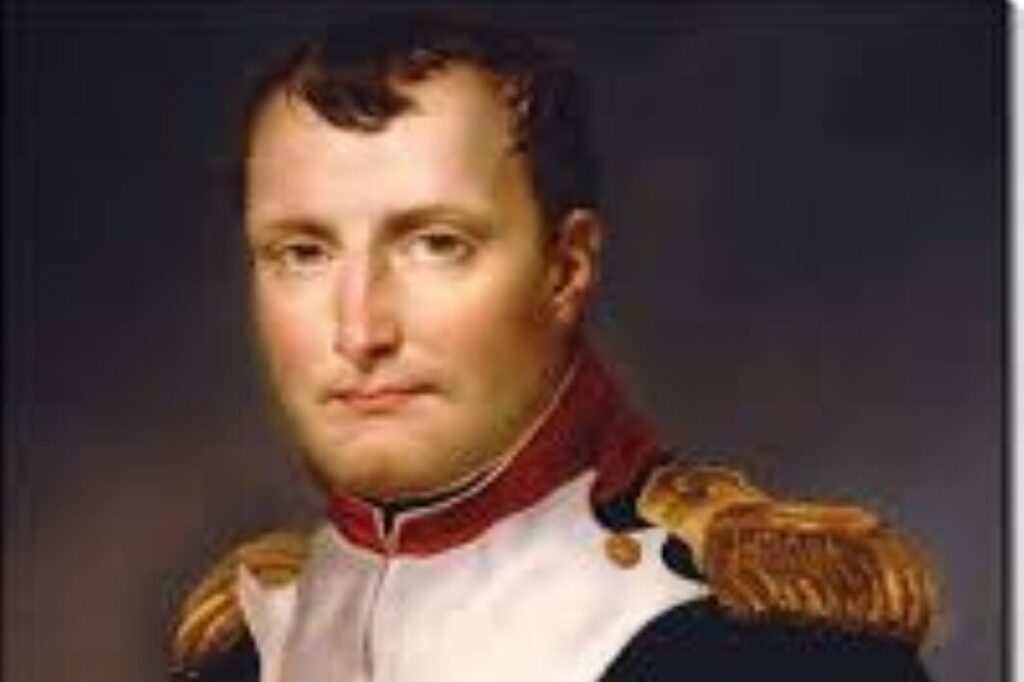
The image of Napoleon as unusually short is one of those ideas that many people never question. It shows up in cartoons, jokes, and even everyday phrases. But the truth is far less dramatic. Napoleon Bonaparte was actually around average height for a French man during his time. The confusion began with differences in French and British measurement systems, which made his height seem smaller when translated incorrectly. Add in British propaganda cartoons that exaggerated his size, and the idea quickly stuck in public imagination.
Over time, that exaggerated image became part of how people remembered him. It is interesting how something as simple as a cartoon can reshape historical memory for generations. Napoleon’s leadership, military strategies, and political influence shaped Europe in lasting ways, yet his height became one of the most repeated details about him. That says a lot about how storytelling works. We tend to hold on to small, memorable images, even when they are not accurate. Looking back now, the real story feels less dramatic but also more grounded, like history quietly correcting itself.
3. Columbus Discovered America
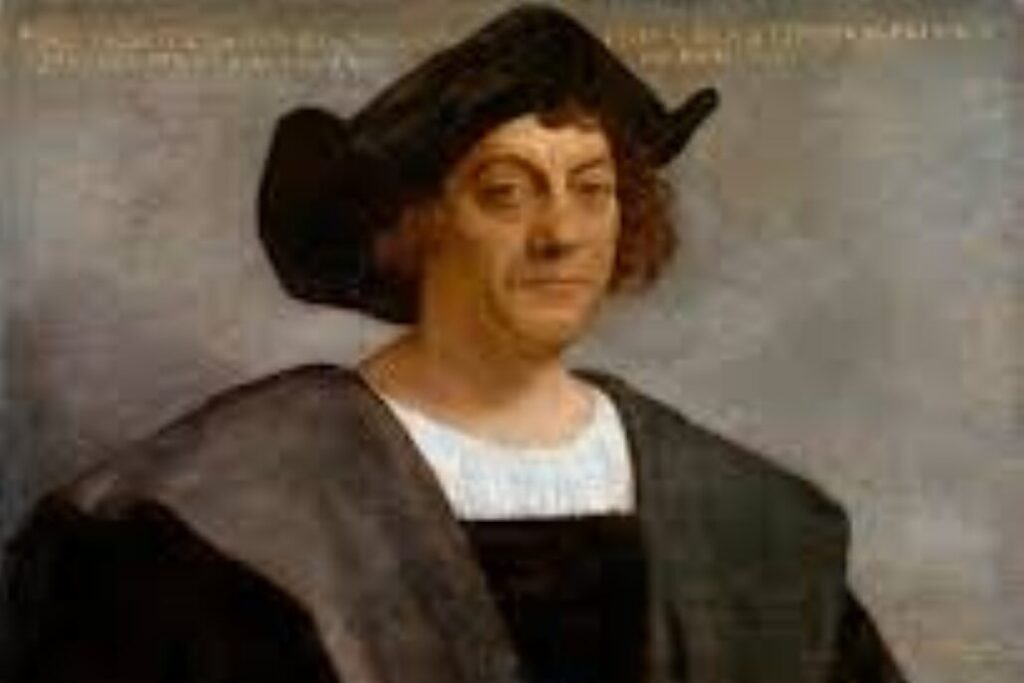
It is funny how many of us first learned history through neat, simple stories that sounded complete at the time. One of the most familiar was that Christopher Columbus discovered America in 1492. It felt like a clean starting point, like history began the moment he arrived. But when you look closer, that version leaves out an entire world that already existed. Indigenous communities had lived across the Americas for thousands of years, building cultures, trade systems, and societies long before Columbus sailed. Even some Europeans had already reached North America earlier, including Norse explorers who arrived centuries before.
So what Columbus actually did was open the door to sustained European contact, which later changed the course of global history. That is still significant, but it is very different from discovering a place that was already home to millions. This myth stayed popular because it was easier to teach and easier to remember. Over time, though, history started to feel more human when this story became more complete. It reminds us that history often sounds different when more voices are included, and sometimes the fuller version feels quieter but also more honest.
4. The Great Wall Of China Is Visible From Space

Many people grew up hearing that the Great Wall of China could be seen from space with the naked eye. It sounded impressive and helped highlight the scale of the structure. But astronauts later explained that the wall is actually very difficult to see without assistance. The wall is long, but it is also narrow and blends into the natural landscape. From orbit, it does not stand out the way people often imagine.
The idea likely became popular because the wall is such a remarkable achievement. It seemed natural to assume something that large would be visible from space. Over time, the statement was repeated in classrooms and textbooks until it felt like established fact. In reality, there are many man made structures that are easier to spot from orbit. The Great Wall remains impressive, but not in the way the myth suggests. Sometimes history becomes more relatable when the exaggerations fade, leaving behind a quieter appreciation for what people actually built.
5. Medieval People Thought The Earth Was Flat
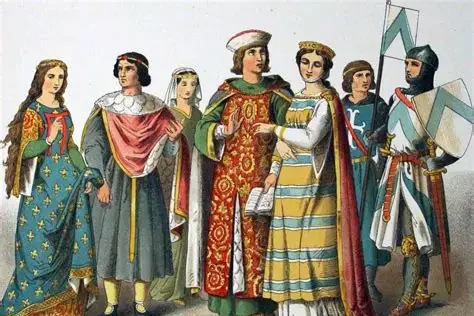
It is common to hear that people in medieval times believed the Earth was flat and feared sailing too far. That story paints earlier generations as uninformed, which makes modern knowledge feel like a dramatic leap forward. But educated scholars during the Middle Ages already understood that the Earth was round. This knowledge had been passed down from ancient Greek thinkers and continued through medieval education and scholarship.
The flat Earth myth became popular much later, partly through storytelling that simplified history into clear stages of progress. In reality, medieval scholars studied astronomy, mathematics, and geography with surprising depth. They calculated distances, mapped stars, and debated scientific ideas. When you look at the period more closely, it feels less like a dark time and more like a slow continuation of learning. The myth stayed because it was easier to explain, but the truth reveals something more interesting. Knowledge often grows gradually, carried forward by generations who rarely see themselves as living in history.
6. Marie Antoinette Said Let Them Eat Cake
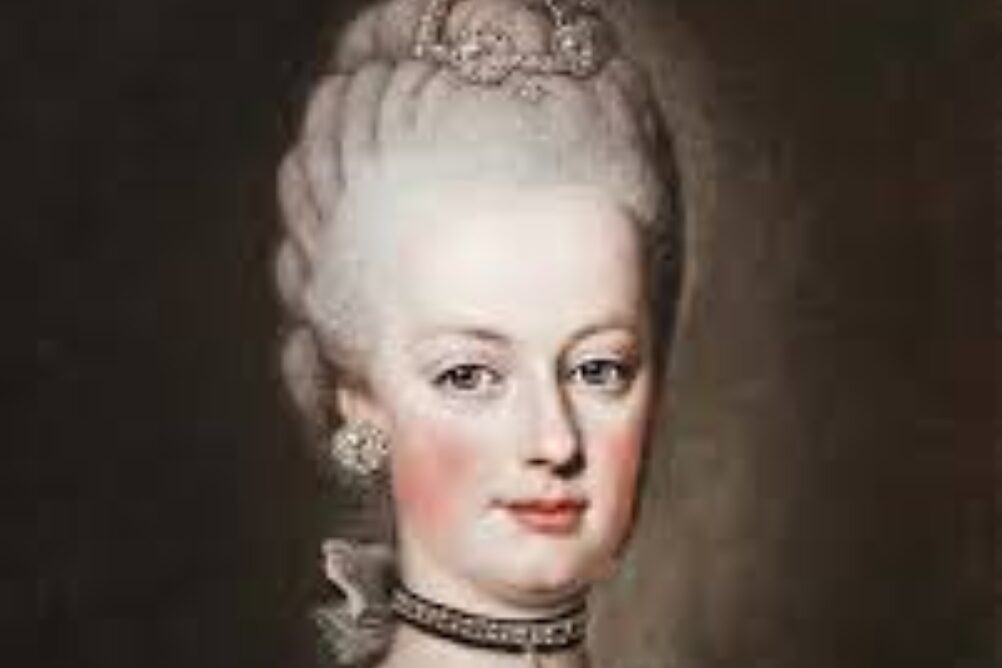
The phrase let them eat cake is often tied to Marie Antoinette as a symbol of royal indifference. It creates a powerful image of a queen disconnected from ordinary people. But historians have never found reliable evidence that she actually said it. The phrase appeared in earlier writings before she even became queen, which suggests it was later attached to her reputation.
During the French Revolution, public frustration toward the monarchy was already growing. Stories that reinforced that frustration spread quickly. The quote fit the mood of the time, so it stayed. Over time, it became part of how people remembered Marie Antoinette, even though the connection is uncertain. This myth shows how reputation can shape memory. Once a story feels believable, it becomes difficult to separate fact from narrative. Looking back, the quieter truth feels more human, reminding us that history often grows from perception as much as from documented events.
7. George Washington Had Wooden Teeth

The story of George Washington having wooden teeth is one many people remember from school. It is simple and memorable, which may explain why it lasted so long. But Washington’s dentures were actually made from materials like ivory, metal, and even human teeth. Over time, these materials stained and cracked, which may have made them look like wood. That visual impression likely helped create the myth.
Washington did struggle with serious dental problems throughout his life, and his discomfort was very real. But the wooden teeth version became easier to repeat and easier to remember. Sometimes history holds onto the simplest version, even when it is not accurate. Looking back, the real story feels more personal. It shows a leader dealing with everyday challenges, including pain and medical limitations of the time. That human detail often says more than the myth ever did.
8. Einstein Failed Math

The idea that Albert Einstein failed math is often shared as an encouraging story. It suggests that struggling students can still achieve great things. But Einstein actually excelled in mathematics from a young age. He showed strong curiosity and mastered advanced concepts earlier than many of his peers. The confusion came from grading changes at his school, which made his results appear lower than they actually were.
Over time, the story spread because it felt inspiring and easy to relate to. People like the idea of unexpected success. But Einstein’s real story is still meaningful. His curiosity, persistence, and love for learning shaped his achievements. Sometimes the quieter version is more helpful. It reminds us that success often grows from steady interest and deep thinking rather than sudden transformation. History feels more relatable when it shows growth rather than dramatic reversals.
9. The Salem Witch Trials Burned Victims
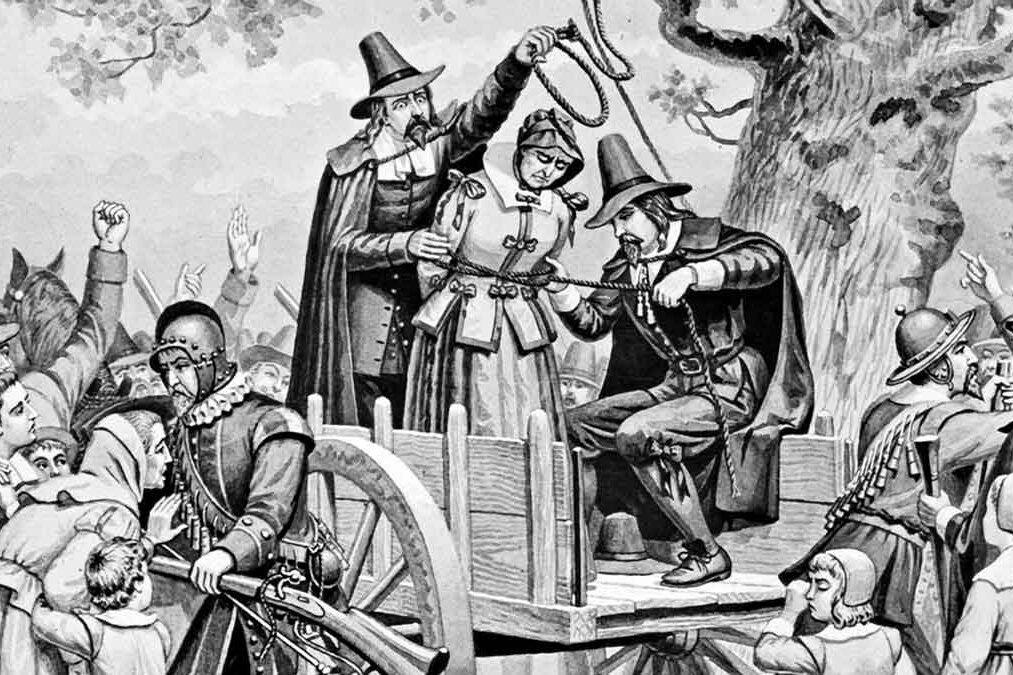
When people think about the Salem witch trials, many imagine victims being burned at the stake. This image appears often in movies and storytelling. But in Salem, most accused individuals were hanged, and one man was pressed with stones. Burning was more common in European witch trials, which likely influenced the misunderstanding over time.
The Salem events remain tragic regardless of the details. Fear, suspicion, and community pressure created an environment where accusations spread quickly. Understanding what actually happened helps bring the story closer to reality. It becomes less theatrical and more human. People made decisions shaped by fear and uncertainty, which feels familiar even today. Sometimes correcting a myth does not change the emotional weight of history, but it does make the story feel more grounded and easier to understand.
10. Pilgrims And Native Americans Were Always Friendly
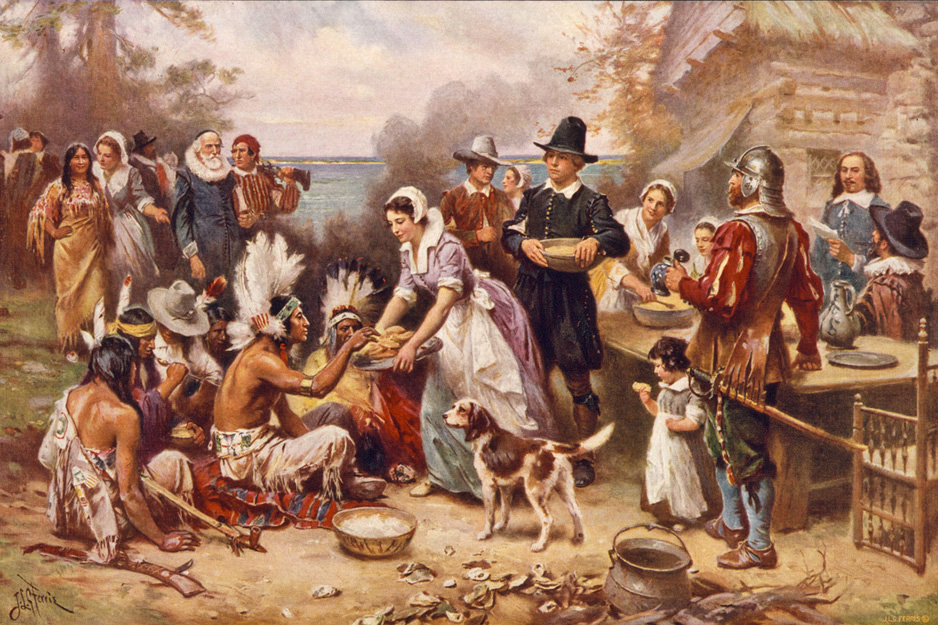
The story many of us learned about the Pilgrims and Native Americans often begins with a peaceful meal and ends there. It feels warm and hopeful, which is probably why it stayed in classrooms for so long. The 1621 gathering did happen, and it represented cooperation during a difficult time. The Pilgrims depended on Native communities for survival, learning how to farm, fish, and adapt to unfamiliar land. For a moment, there was shared purpose and cautious trust. That early cooperation became the version most commonly remembered and repeated.
But relationships between the groups did not remain peaceful. As settlements expanded, tensions grew over land, resources, and power. Misunderstandings increased, and conflict followed in later years. The early alliance had been shaped by necessity, not long term harmony. When history is told more fully, the story becomes less polished but more human. It shows people navigating unfamiliar circumstances, making choices shaped by survival and uncertainty. The quieter truth reminds us that relationships in history, like those today, often begin with hope but evolve in complicated and sometimes difficult ways over time.
11. The Dark Ages Were Completely Backward
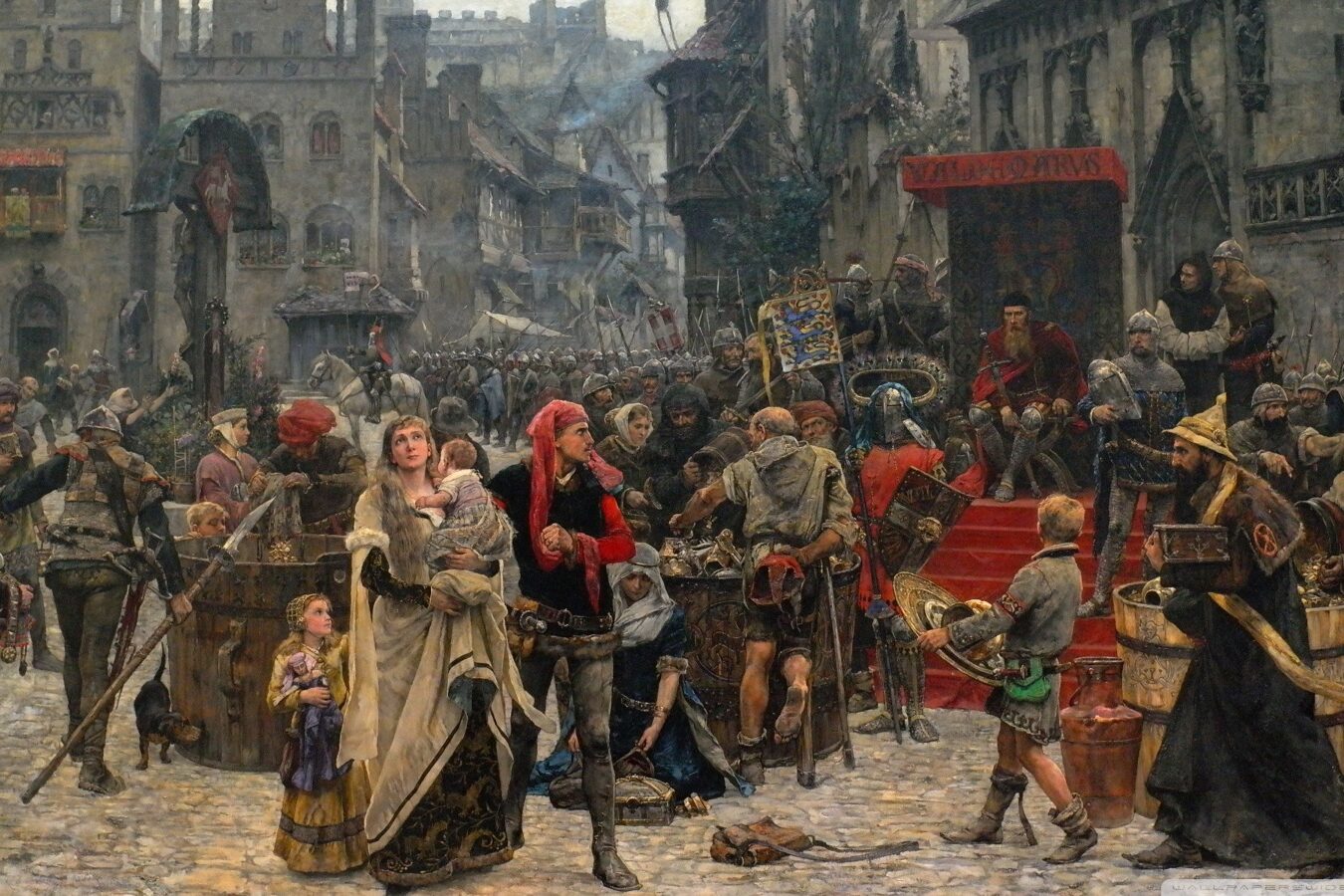
The phrase Dark Ages gives the impression of a time when learning stopped and progress disappeared. Many people grew up imagining medieval life as entirely primitive and stagnant. But historians now see this period differently. Communities continued building, farming techniques improved, and education slowly developed. Universities began forming, and scholars studied science, philosophy, and mathematics. Life was challenging, but it was far from completely backward.
The idea of a dark period likely grew because records from some regions were limited, making the era seem quieter in comparison to others. Over time, the label stuck because it simplified history into clear stages of progress. Yet when you look closer, the Middle Ages appear more like a period of gradual change. People built cathedrals, improved tools, and preserved knowledge for future generations. The myth faded as historians uncovered more evidence. What remains is a more balanced view that feels closer to real life, where growth often happens slowly and quietly rather than through dramatic leaps.
12. Cowboys Always Had Wild West Shootouts
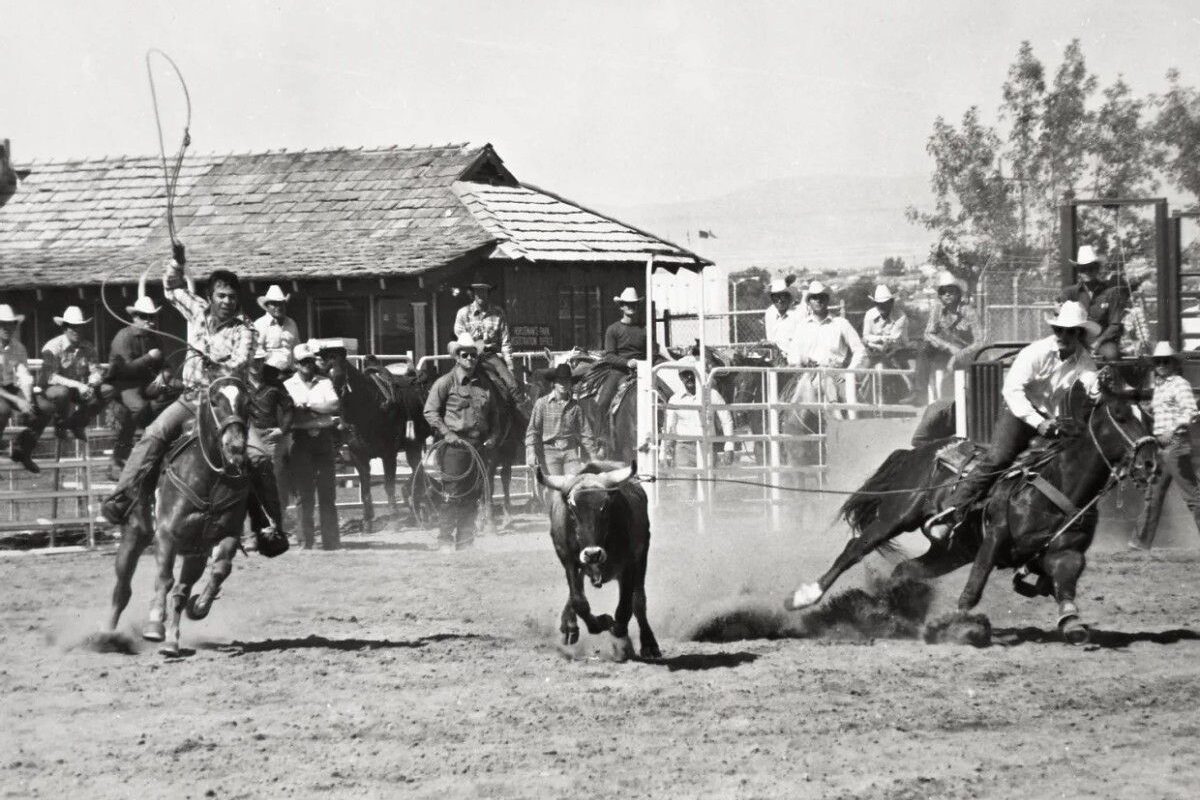
Many of us grew up watching movies where cowboys were constantly involved in dramatic gunfights. Dusty streets, quick draw showdowns, and tense standoffs became the image of the Wild West. But real cowboy life was much quieter. Most cowboys spent their days herding cattle, repairing fences, and traveling long distances across open land. Their work required patience and endurance more than confrontation. Violence did occur, but it was far less common than movies suggest.
In fact, many towns had rules restricting guns within city limits, which helped reduce conflicts. The dramatic version grew through storytelling and film, where excitement mattered more than accuracy. Over time, the cinematic image replaced the everyday reality. When you step back, the real story feels more relatable. Cowboys were workers doing demanding jobs, often dealing with long hours and unpredictable weather. Their lives were shaped by routine rather than constant danger. The quieter version may seem less dramatic, but it offers a more grounded understanding of what life in the West actually looked like.
13. Vikings Were Dirty And Uncivilized
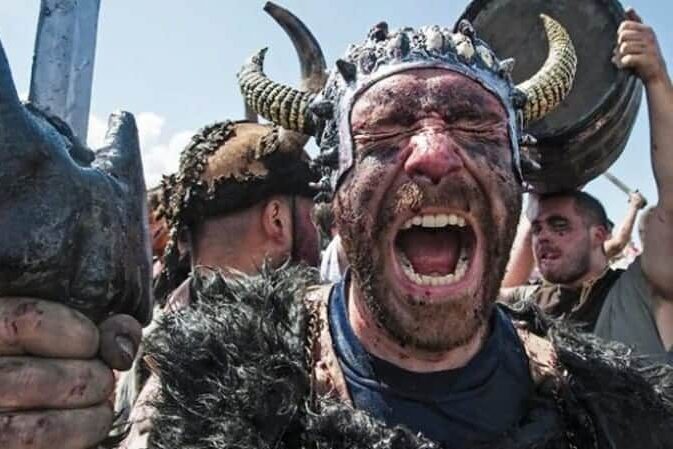
Vikings are often portrayed as rough warriors who cared little about hygiene or daily life. The image usually focuses on battles, raids, and harsh conditions. But archaeological discoveries tell a different story. Combs, grooming tools, and personal care items have been found in Viking settlements. These discoveries suggest that Vikings paid attention to cleanliness and appearance. Some accounts even describe them bathing regularly compared to other groups at the time.
The myth of dirty Vikings likely came from descriptions written by rivals who viewed them as outsiders. Over time, those descriptions shaped how people imagined Viking life. Yet when you look closer, Viking communities included traders, farmers, and families living structured daily lives. They explored new lands, built ships, and developed trade routes. The more complete story feels less dramatic but more human. It shows a culture balancing exploration with everyday responsibilities. Sometimes history becomes clearer when we move beyond stereotypes and see people in their ordinary routines.
14. The Emancipation Proclamation Freed All Slaves
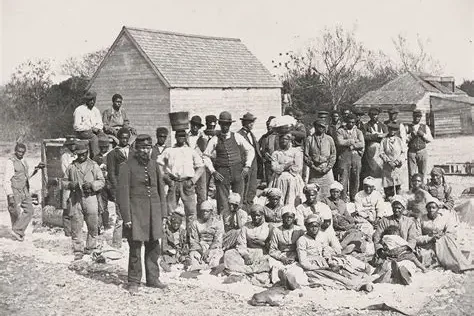
Many people learn that the Emancipation Proclamation ended slavery in the United States. It sounds like a single moment when freedom arrived for everyone. But the reality was more gradual. The proclamation applied mainly to Confederate states still in rebellion, which meant slavery continued in other areas for a time. Freedom expanded step by step rather than all at once.
Even so, the Emancipation Proclamation marked an important turning point. It shifted the purpose of the Civil War and encouraged more people to support the fight against slavery. Enslaved individuals in affected areas began moving toward freedom as Union forces advanced. The process took time, and the Thirteenth Amendment later ended slavery nationwide. Understanding this gradual change helps make the story feel more real. Progress often unfolds slowly, shaped by many decisions and moments rather than a single announcement. The quieter truth shows how freedom grew through persistence and collective effort.
15. The Boston Tea Party Was About Taxes Alone
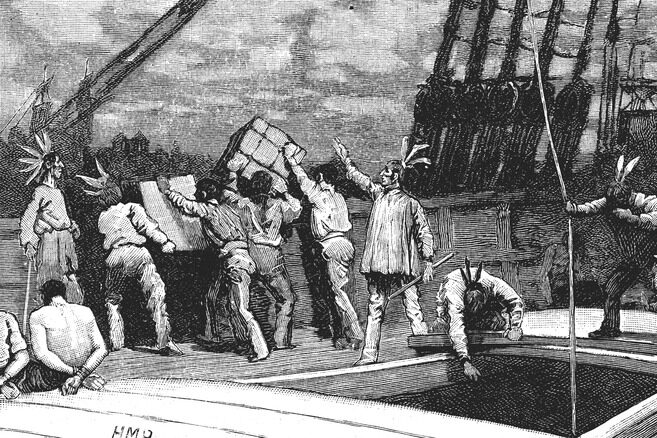
The Boston Tea Party is often described as a protest about taxes, which makes the story seem straightforward. Colonists were unhappy about paying more, so they threw tea into the harbor. But the situation was more complex. Many colonists were frustrated about decisions being made without their representation. They believed they should have a voice in laws that affected their lives. The protest reflected deeper concerns about control and political influence.
The tea became a symbol of these frustrations. When colonists dumped the cargo into the water, it represented resistance to broader authority rather than just one tax. Over time, the simplified version focused on taxes because it was easier to explain. Yet the fuller story shows people responding to growing tension and uncertainty. Their actions were shaped by principles as well as economics. Looking back, the Boston Tea Party feels less like a single act and more like part of an ongoing conversation about governance and independence.
16. Cleopatra Was Egyptian
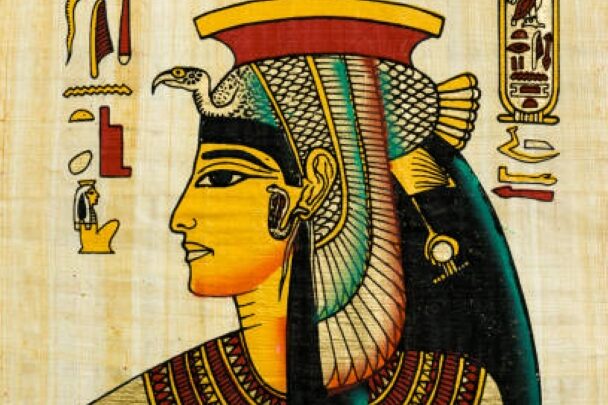
Cleopatra is often remembered simply as an Egyptian queen, which feels natural since she ruled Egypt and is closely tied to its history. But Cleopatra was actually of Greek Macedonian descent. Her family traced back to the Ptolemaic dynasty that ruled Egypt after Alexander the Great. Despite her background, Cleopatra embraced Egyptian culture and learned the local language, which helped strengthen her connection with the people she ruled.
Her leadership reflected a blend of cultures and traditions. Over time, her identity became closely linked with Egypt, which made the distinction less noticeable in storytelling. The myth stayed because it felt simpler to associate her entirely with Egypt. Yet the fuller story adds depth. Cleopatra navigated complex political landscapes and cultural influences. She balanced heritage and leadership in ways that shaped her reign. The more complete version feels less simplified and more human, showing how identity and leadership often develop across cultures.
17. The First Thanksgiving Happened In 1621 Only
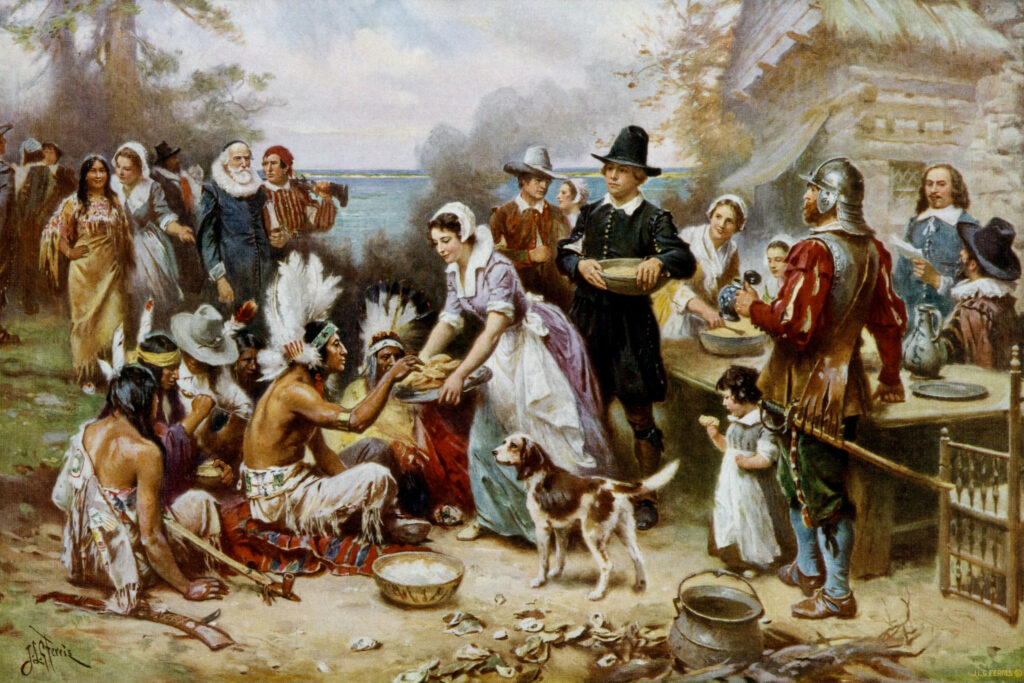
The 1621 Thanksgiving is often described as the first celebration, which makes it feel like the beginning of a tradition. The gathering between Pilgrims and Native Americans became widely taught and remembered. But harvest celebrations existed long before that moment. Many cultures held feasts to mark successful harvests and express gratitude. These gatherings happened across regions and time periods.
Over time, the 1621 event became the most recognized example, partly because it connected to early American history. Yet the tradition evolved gradually. Different communities celebrated in their own ways, and the idea of Thanksgiving grew over time. When the story expands, it becomes less about a single day and more about a shared human practice. People across cultures paused to reflect, gather, and give thanks. That broader perspective makes the tradition feel more inclusive and grounded in everyday life.
18. People In Ancient Egypt Built The Pyramids Using Slave Labor
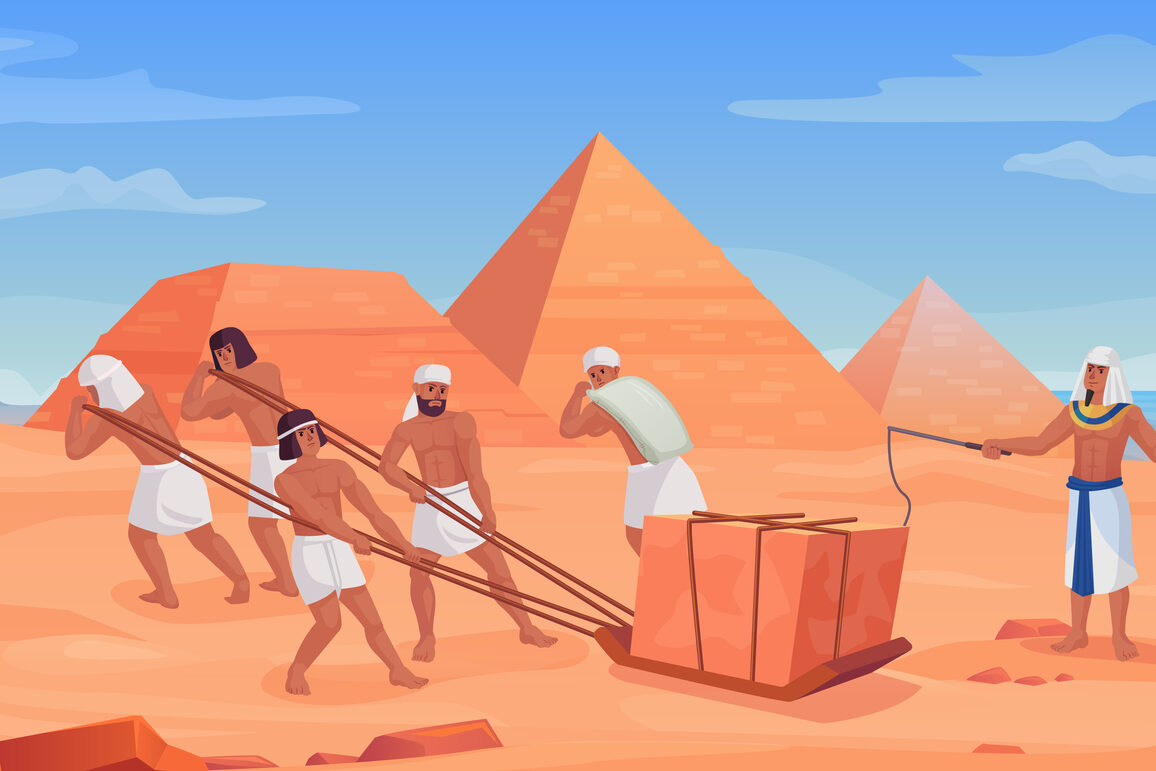
Many of us grew up hearing that slaves built the Egyptian pyramids, and the idea became so common that it rarely gets questioned. Movies, documentaries, and even some textbooks have shown long lines of enslaved workers forced to move heavy stones under harsh conditions. The story sounds believable because the pyramids are massive structures, and it feels logical to assume such work required forced labor. Over time, this explanation became the easiest way to understand how such monumental buildings were completed thousands of years ago.
However, archaeological discoveries suggest a different picture. Evidence shows that many pyramid workers were skilled laborers who were paid, fed, and housed near construction sites. Workers’ villages found near the pyramids included bakeries, sleeping quarters, and even medical care areas. These findings suggest organized labor rather than slave driven construction. Some workers were likely farmers who worked during seasons when the Nile flooded and farming paused. The more complete story feels less harsh but more human. It shows coordinated effort, skill, and planning, revealing that one of history’s greatest achievements may have been built through organized communities rather than forced labor.


