
1. Northern Mozambique Coast
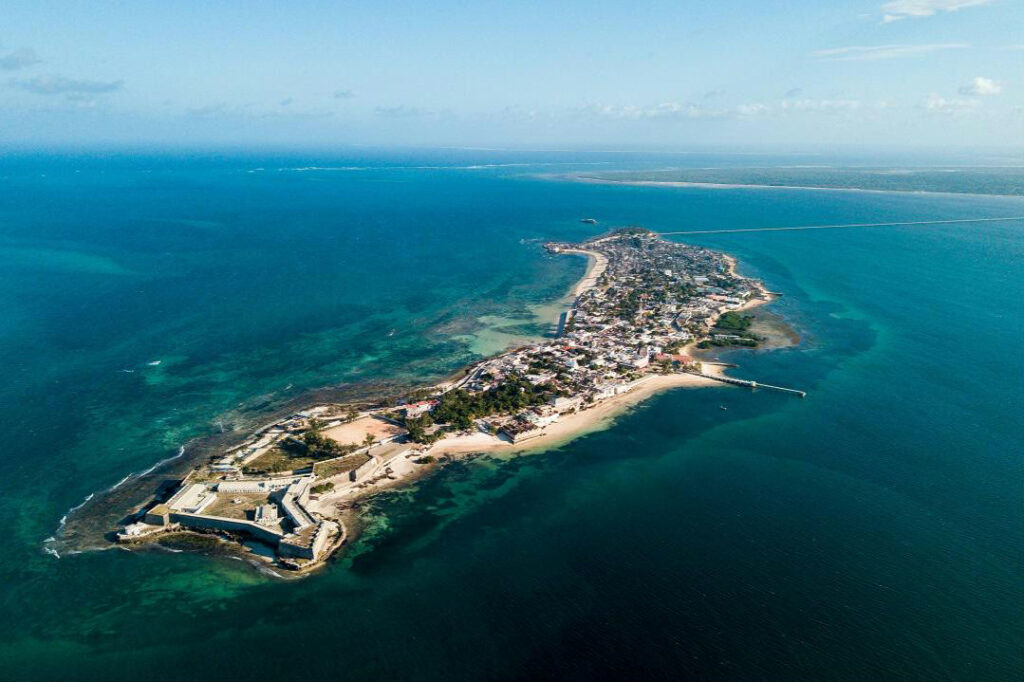
Across the planet, life is quietly rebounding in places many people rarely think about. Along the remote northern coastline of Mozambique, marine scientists have documented one of the healthiest coral reef systems in the western Indian Ocean. Surveys around the Quirimbas Archipelago reveal dense coral cover, thriving reef fish populations, and rare species that have disappeared elsewhere due to overfishing and warming seas. Limited industrial development and lower tourism pressure have allowed ecosystems here to remain relatively intact. Researchers from global conservation organizations frequently cite this region as a biodiversity stronghold, particularly for sharks, rays, and reef-building corals.
2. Eastern Himalaya Foothills
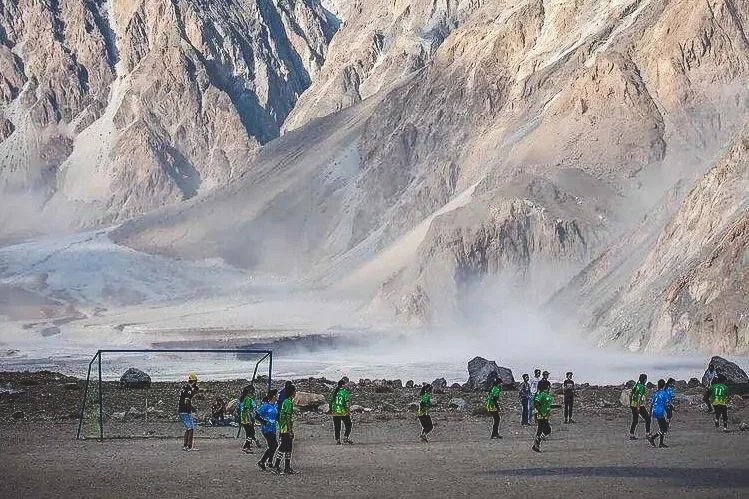
The eastern edge of the Himalayas, stretching through parts of India, Bhutan, and Myanmar, is one of the fastest-growing biodiversity zones on Earth. Known as the Eastern Himalaya, this region hosts tropical forests, alpine meadows, and river valleys packed into a narrow elevation range. Scientists regularly identify new species of frogs, orchids, insects, and mammals here, many found nowhere else. High rainfall, rugged terrain, and limited access have helped preserve ecosystems despite population pressures nearby. Conservation studies frequently describe the area as a global biodiversity hotspot, where biological discovery is still ongoing well into the 21st century.
3. Southern Chile Fjords
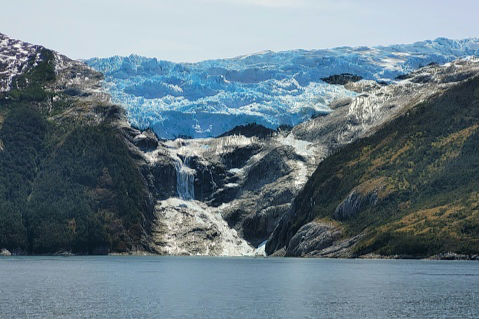
The cold-water fjords of southern Chile form an intricate network of channels, glaciers, and submerged forests that support remarkable marine life. Research has revealed dense kelp forests, sponge gardens, and cold-water corals thriving beneath the surface, creating nurseries for fish, seabirds, and marine mammals. The region’s isolation and harsh weather have limited industrial activity, allowing ecosystems to develop with minimal disturbance. Scientists studying Patagonia’s fjords often note their role as climate refuges, where species find stable conditions even as ocean temperatures shift elsewhere. These underwater ecosystems are now considered among the most biologically productive in the Southern Hemisphere.
4. Congo Peatlands
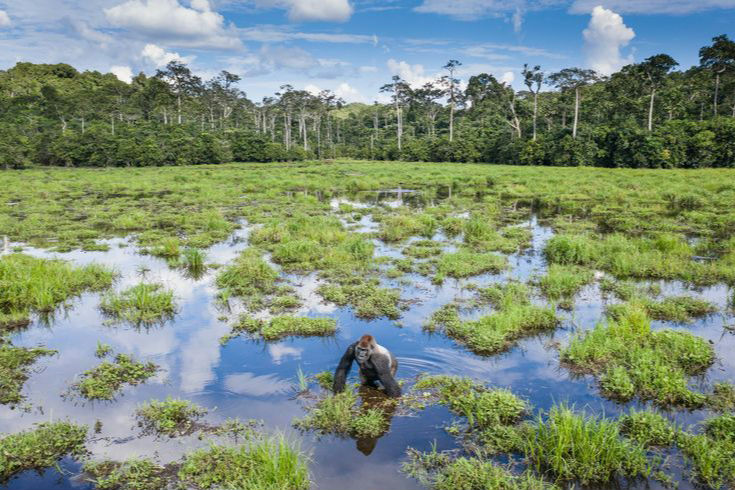
Hidden beneath the forests of the Congo Basin lies the world’s largest tropical peatland complex, known as the Cuvette Centrale. Discovered only in the last decade, these wetlands store enormous amounts of carbon while supporting rich biodiversity above and below ground. The surrounding forests host forest elephants, lowland gorillas, rare birds, and countless plant species adapted to waterlogged soils. Because the peatlands were largely unknown for years, they avoided large-scale development. Today, scientists emphasize their dual importance for biodiversity and climate stability, making them one of the most critical ecosystems on Earth.
5. Raja Ampat Islands
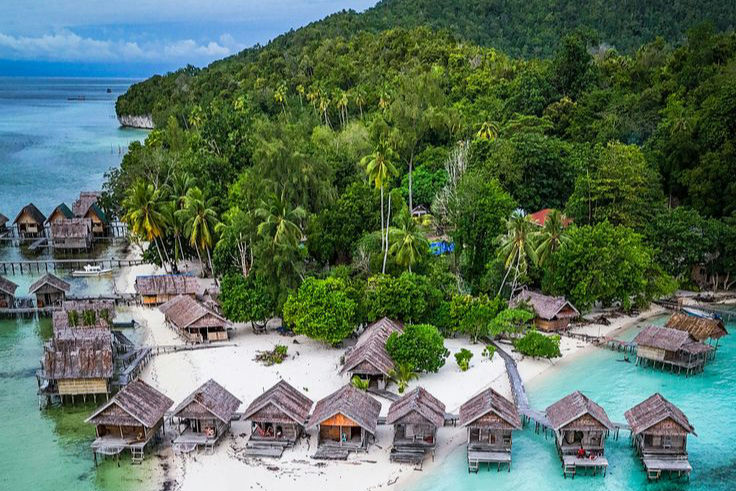
Off the coast of West Papua, the Raja Ampat archipelago sits at the heart of the Coral Triangle, the most biologically diverse marine region on the planet. Surveys consistently show record-breaking numbers of coral and fish species concentrated in its reefs. Strict local conservation measures, including community-managed marine protected areas, have helped fish populations rebound dramatically. Raja Ampat’s waters are now considered a benchmark for reef health globally. Divers and researchers alike describe the region as a living snapshot of what coral ecosystems looked like before widespread human impact.
6. Scottish Seabed Reefs
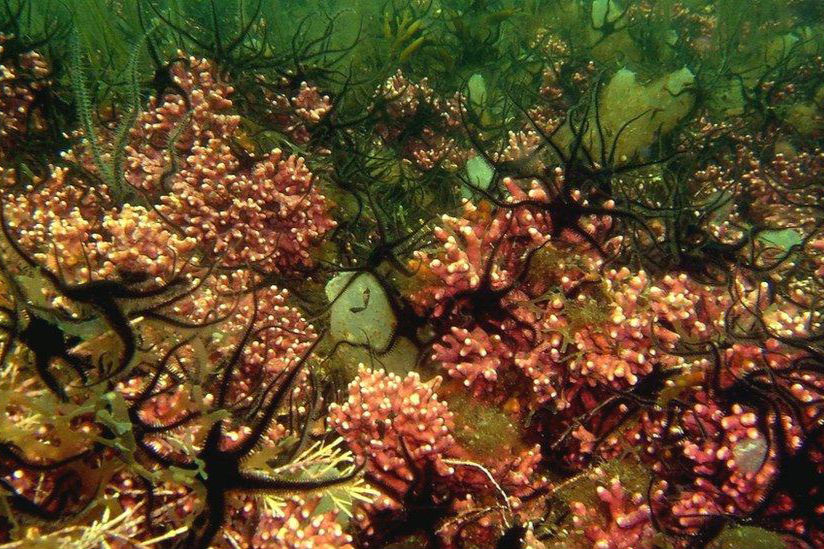
Beneath the cold waters surrounding Scotland lies a surprisingly rich seafloor ecosystem. Cold-water reefs made of maerl, sponges, and corals support diverse marine life, including shellfish, starfish, and juvenile fish species. Long overlooked, these habitats gained attention after marine surveys revealed their role in supporting fisheries and coastal ecosystems. Conservation restrictions on destructive fishing practices have allowed many of these reefs to recover. Scientists now recognize Scotland’s seabed as a key biodiversity reservoir in northern Europe, particularly important for species adapting to cooler ocean temperatures.
7. Pantanal Wetlands
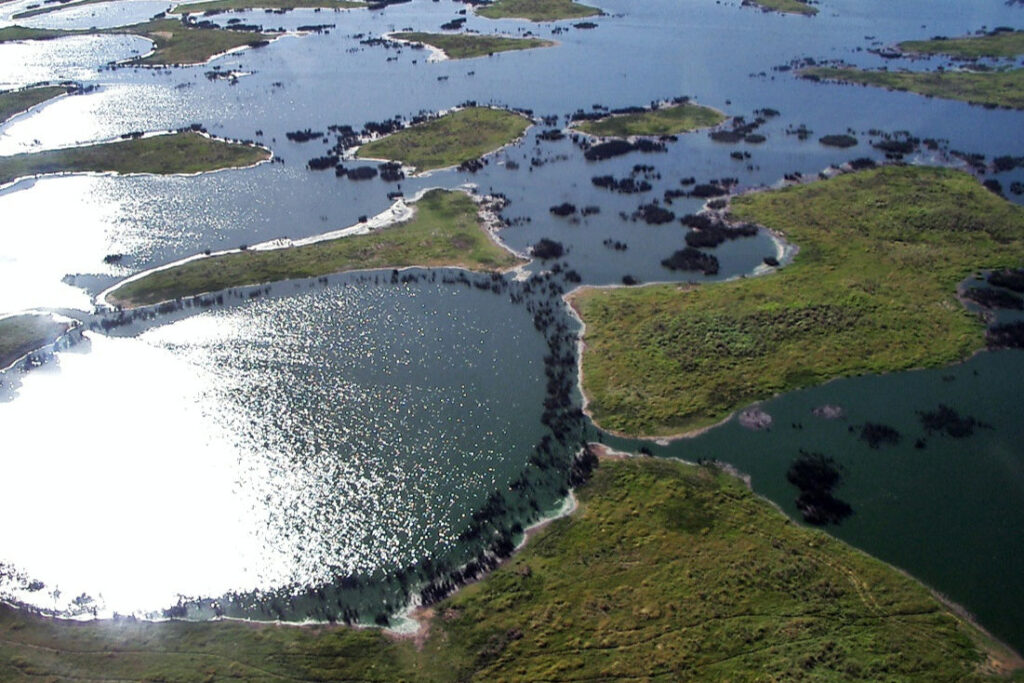
Spanning Brazil, Bolivia, and Paraguay, the Pantanal is the largest tropical wetland on Earth and one of its most biologically rich. Seasonal flooding creates a constantly changing mosaic of rivers, grasslands, and forests that support jaguars, giant otters, macaws, and hundreds of fish species. Despite threats from fires and development, large portions of the Pantanal remain intact, allowing wildlife populations to recover quickly after disruptions. Researchers often cite the region’s resilience as evidence of how dynamic ecosystems can sustain extraordinary biodiversity when natural cycles remain largely undisturbed.
8. Madagascar Limestone Forests
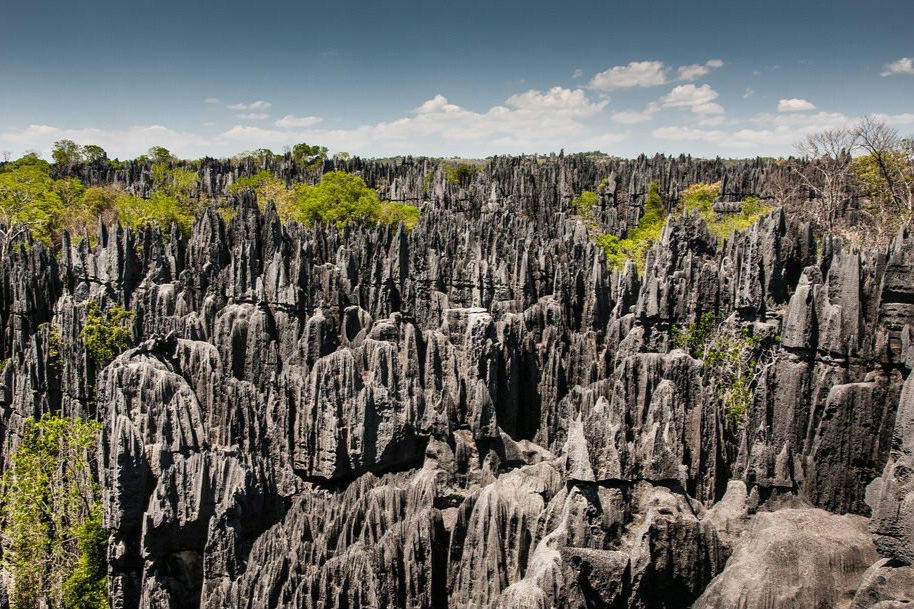
The dramatic limestone formations known as tsingy in western Madagascar create isolated forest pockets filled with unique life. Sharp rock pinnacles and deep crevices form natural barriers that have driven extreme levels of endemism. Lemurs, reptiles, and plant species found here exist nowhere else on Earth. Because the terrain is difficult to access, many areas have remained relatively undisturbed by agriculture or logging. Conservation scientists view these limestone forests as evolutionary laboratories, where isolation has produced an explosion of specialized species over millions of years.
9. Tibetan Plateau Lakes
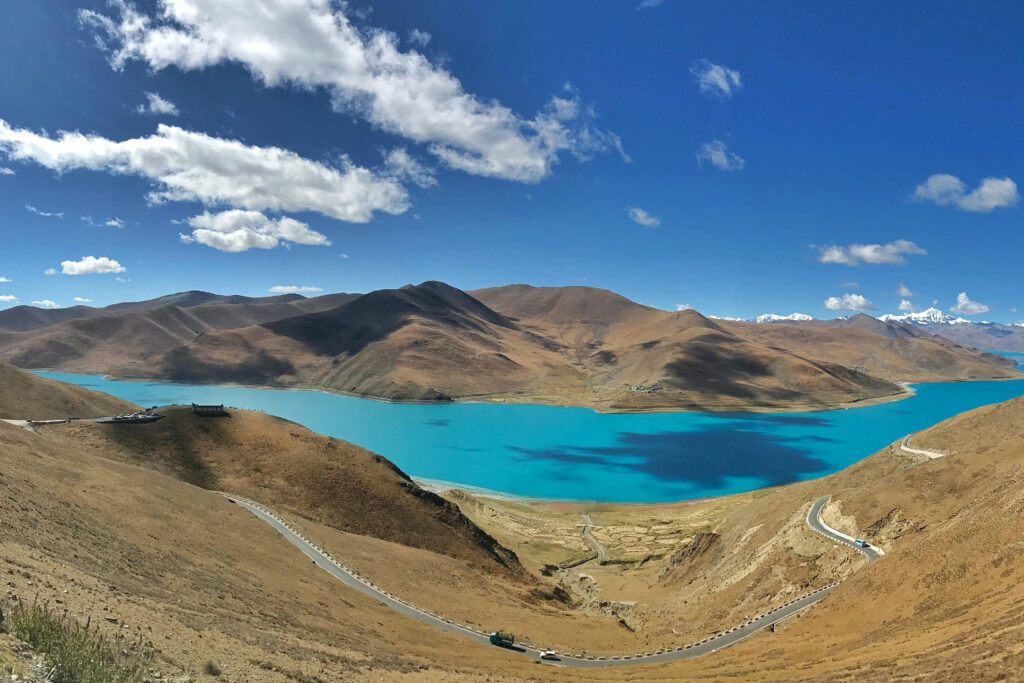
High-altitude lakes scattered across the Tibetan Plateau are showing surprising biological growth despite harsh conditions. Improved protection and reduced grazing pressure in some regions have allowed wetland plants, migratory birds, and aquatic species to flourish. These lakes serve as critical breeding grounds for rare birds and support food webs adapted to extreme cold and thin air. Scientists studying climate resilience often highlight the plateau’s ecosystems as examples of how life can rebound even in environments once considered too extreme to support significant biodiversity.
10. Urban Singapore Reserves
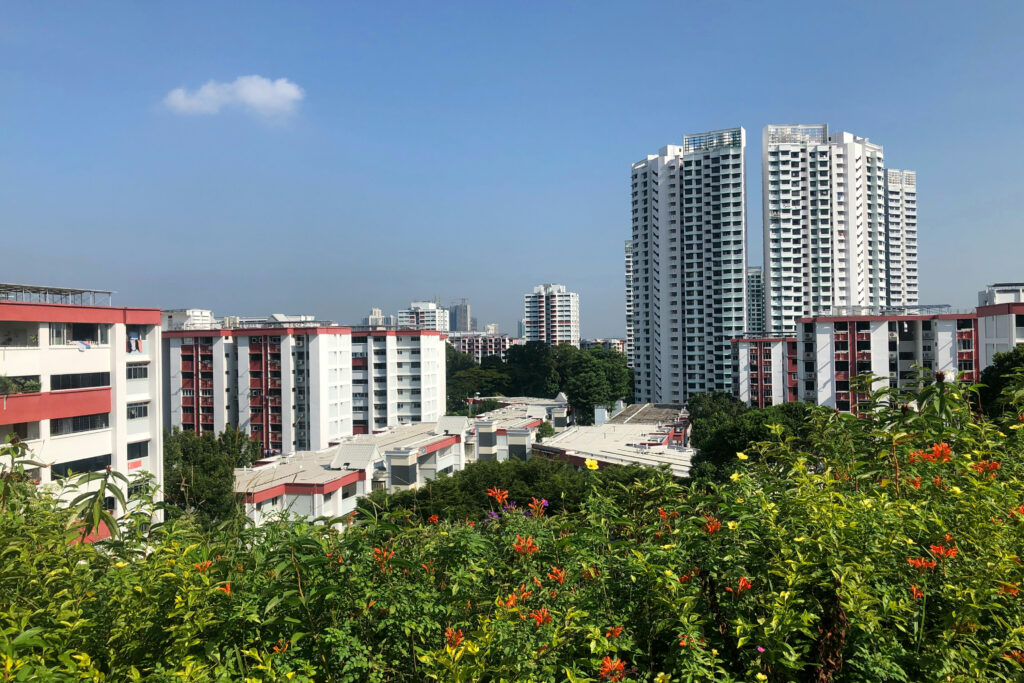
Despite being one of the world’s most densely populated cities, Singapore has quietly become a biodiversity success story. Carefully managed reserves like Bukit Timah and Sungei Buloh support native mammals, reptiles, birds, and rare plants within city limits. Long-term urban planning that integrates green corridors has allowed wildlife to persist alongside development. Ecologists frequently cite Singapore as proof that biodiversity can thrive even in heavily urbanized environments when conservation is prioritized. Its reserves now serve as models for cities worldwide seeking to balance growth with ecological health.
11. New Caledonia Lagoons
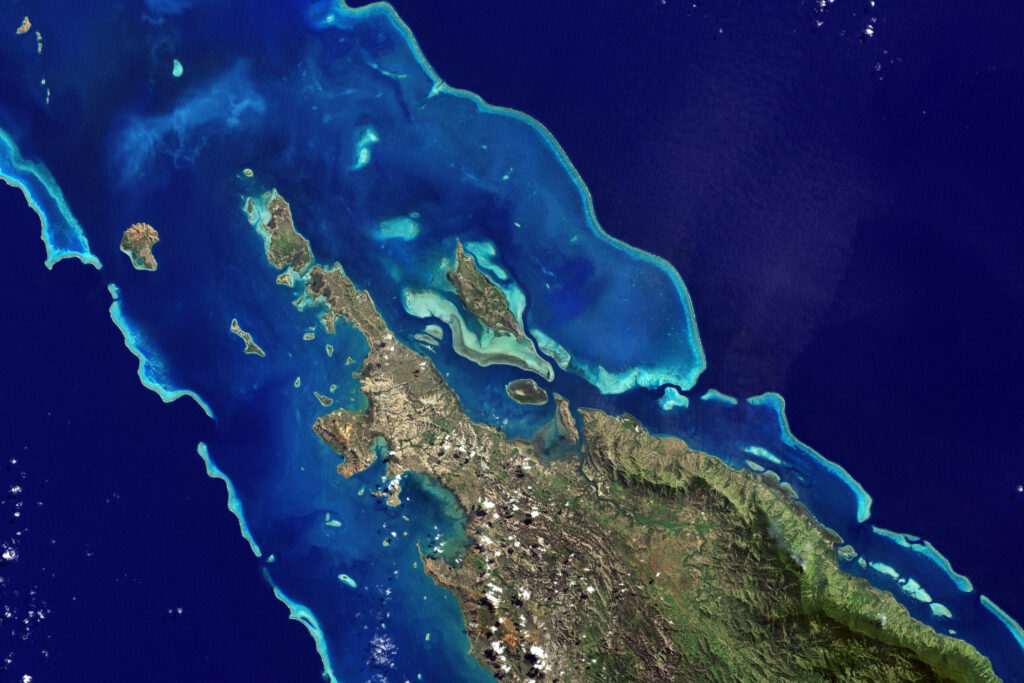
Encircling much of New Caledonia, one of the world’s largest lagoon systems has become a quiet center of marine biodiversity growth. Protected by extensive reef barriers, these lagoons host thousands of fish species, rare corals, sea turtles, and dugongs. Strong environmental regulations and UNESCO World Heritage status have limited industrial damage, allowing ecosystems to regenerate naturally. Scientists often point to New Caledonia as a rare example of large-scale reef protection working effectively. The lagoons now function as vital breeding grounds and climate refuges, helping sustain marine populations across the wider South Pacific.
12. Colombian Cloud Forests
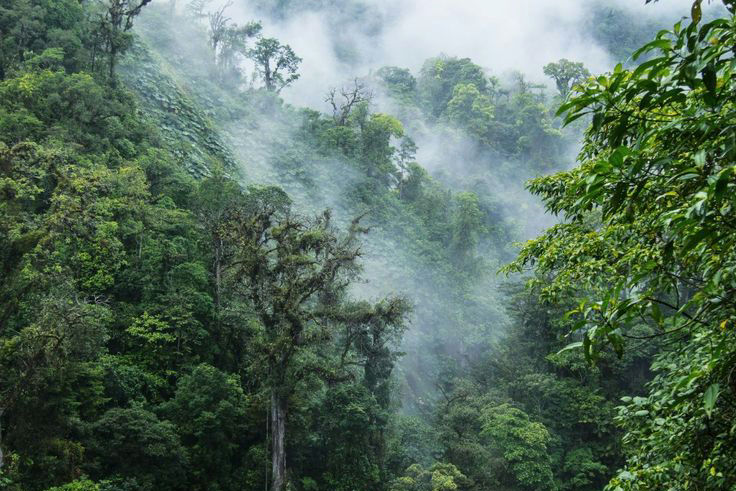
High in the Andes, Colombia’s cloud forests are experiencing a documented resurgence of plant and animal life. Following decades of deforestation and conflict, improved security and conservation initiatives have allowed ecosystems to recover. These mist-covered forests support exceptional diversity, including orchids, amphibians, birds, and mammals found nowhere else. Scientists continue to record new species, particularly frogs and insects, in recently protected areas. The combination of altitude, constant moisture, and forest regrowth has turned these cloud forests into one of South America’s most dynamic biodiversity zones, closely monitored by international research teams.
13. Okavango Delta Channels
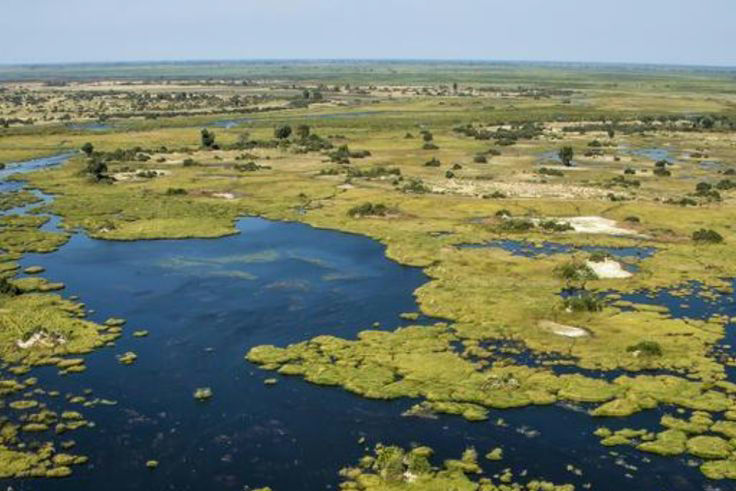
The Okavango Delta is a rare inland delta where seasonal floods transform dry land into a sprawling wetland teeming with life. As water spreads through shifting channels, it creates rich habitats for fish, birds, elephants, and large predators. Strong conservation policies in Botswana have limited large-scale development, allowing natural cycles to continue. Wildlife populations here remain among the healthiest in Africa, and researchers frequently cite the delta as evidence that protecting hydrological systems is key to sustaining biodiversity. Each flood season renews the ecosystem, fueling an ongoing biological boom.
14. Papua New Guinea Highlands
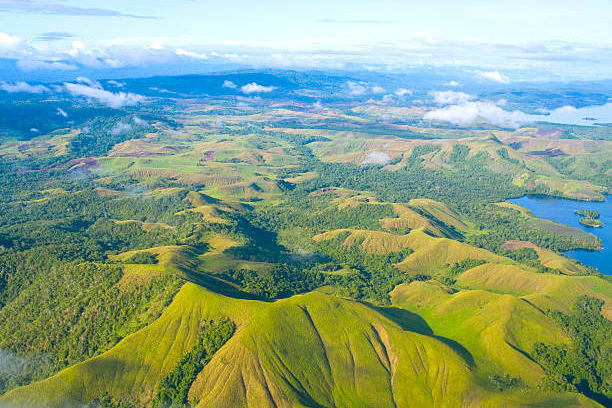
The rugged highlands of Papua New Guinea are among the least explored biological regions on Earth. Dense forests, deep valleys, and isolated plateaus have produced extraordinary levels of endemism. Scientists regularly discover new mammals, birds, insects, and plants during expeditions, even in the modern era. Limited road access and traditional land management have helped preserve large tracts of habitat. Conservation researchers describe the highlands as one of the last frontiers of biodiversity discovery, where evolutionary processes continue largely undisturbed by industrial development.
15. California Kelp Forests
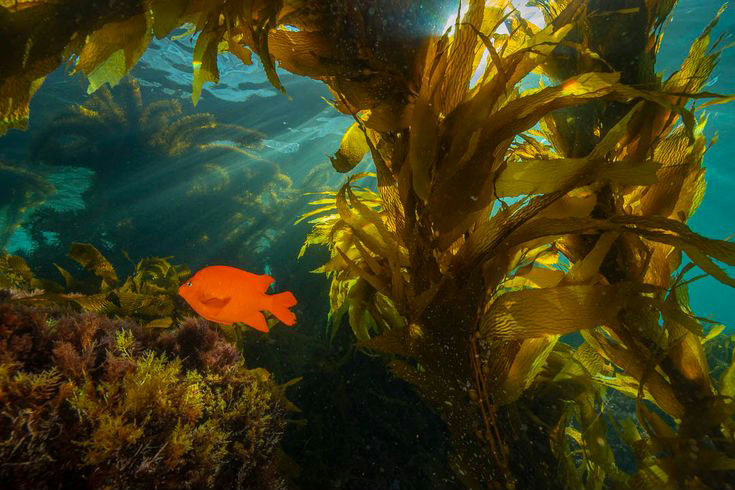
Along the Pacific coast of California, kelp forests are showing signs of recovery after years of decline caused by warming waters and sea urchin overpopulation. Conservation efforts, including marine protected areas and targeted species management, have helped kelp rebound in several regions. These underwater forests support hundreds of species, from fish and invertebrates to sea otters and seabirds. Scientists emphasize that healthy kelp forests play a crucial role in carbon absorption and coastal resilience. Their recovery highlights how active management can reverse biodiversity loss in marine ecosystems.
16. Western Ghats Slopes
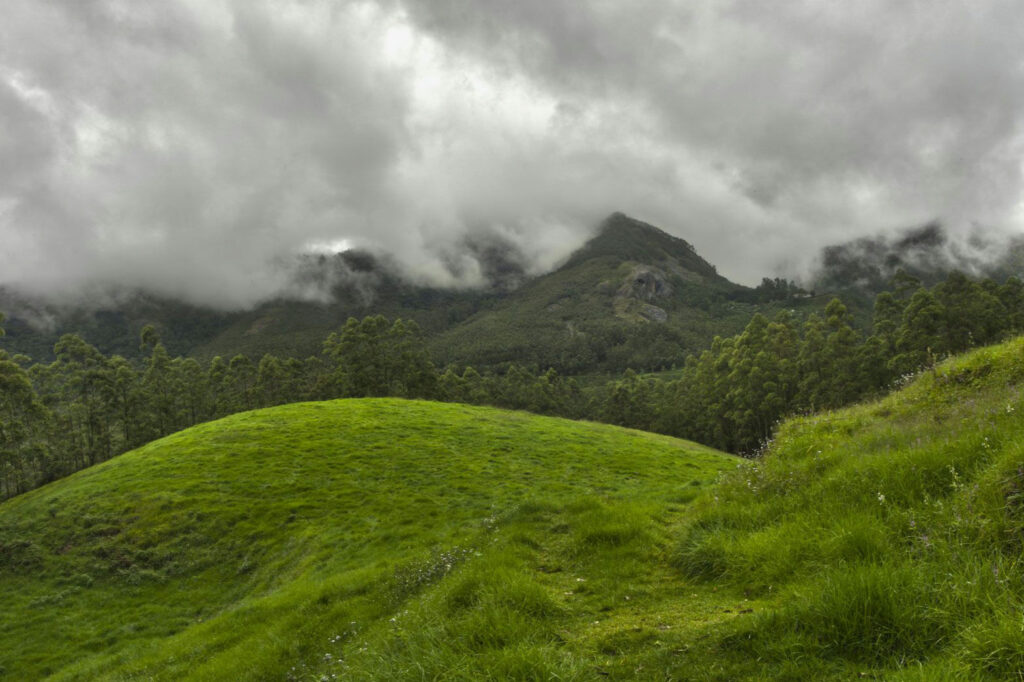
Running parallel to India’s western coast, the Western Ghats are recognized as one of the world’s most important biodiversity hotspots. These ancient mountains host rainforests, grasslands, and river systems packed with endemic plants, amphibians, and reptiles. Recent conservation measures, including expanded protected areas, have helped stabilize ecosystems in several regions. Scientists continue to uncover new species, especially among frogs and insects. The Western Ghats’ steep slopes and varied microclimates allow life to thrive across short distances, creating remarkable biological density rarely matched elsewhere.
17. Galápagos Deep Waters
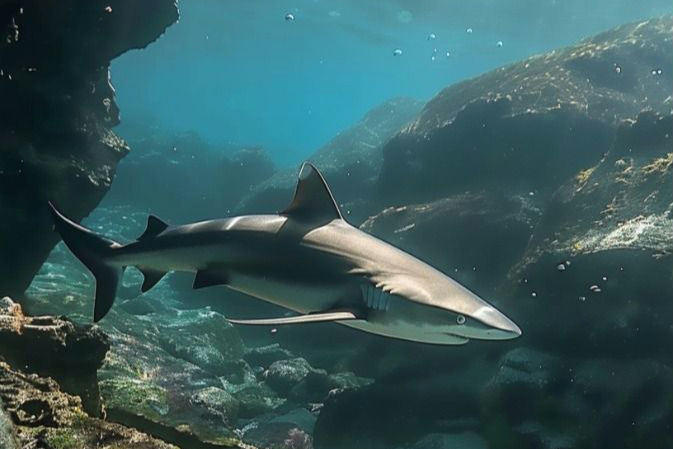
Beyond the famous islands of the Galápagos lies a deep-sea ecosystem rich in sharks, rays, and migratory species. Expanded marine protections in recent years have safeguarded vast underwater corridors critical for breeding and feeding. Cold, nutrient-rich currents fuel food webs that extend from microscopic plankton to top predators. Marine scientists emphasize that biodiversity growth here depends on preserving entire migration routes, not just shallow reefs. The deep waters of the Galápagos are now viewed as a cornerstone of eastern Pacific marine conservation.
18. Ukrainian Exclusion Zones
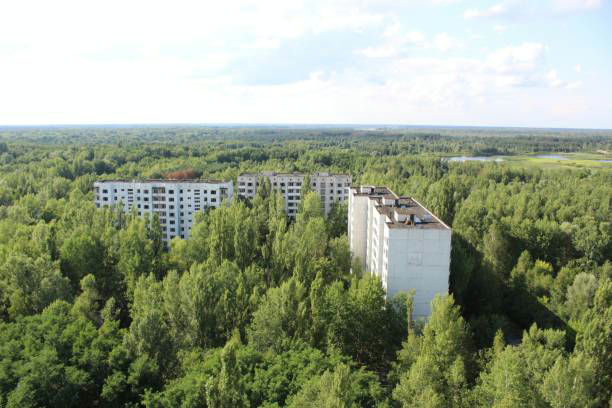
The Chernobyl Exclusion Zone has become one of the most unexpected biodiversity refuges in Europe. Following human evacuation after the 1986 nuclear disaster, wildlife reclaimed abandoned towns, forests, and wetlands. Studies have documented thriving populations of wolves, lynx, boar, birds, and rare plants. While radiation remains a concern, the absence of agriculture, hunting, and urban development has allowed ecosystems to flourish. Scientists often cite Chernobyl as a powerful example of how reduced human pressure can lead to rapid ecological recovery, even under challenging conditions.
Biodiversity is not only surviving but actively expanding in unexpected corners of the planet. Together, these regions offer both hope and practical lessons, showing that conservation, protection, and time can allow life to rebound in remarkable ways.
Like this story? Add your thoughts in the comments, thank you.


