
1. Shoes Stayed Outside
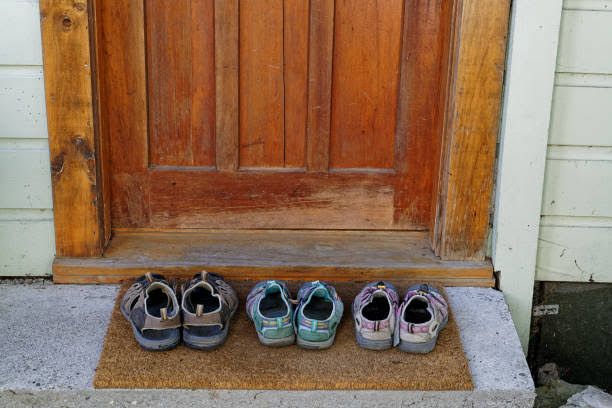
Long before smart homes, group chats, and delivery apps, families relied on simple household rules to keep daily life running smoothly. For decades, many households enforced a strict no-shoes rule indoors, especially in working-class and rural homes. The reasoning was practical rather than aesthetic. Shoes tracked in mud, animal waste, oil, and street grime long before paved roads and sanitation systems were common. Removing footwear at the door kept floors cleaner, reduced the spread of germs, and protected rugs that were expensive to replace. In colder regions, it also helped preserve heat by keeping wet soles off wooden floors. This rule quietly minimized cleaning time and illness, long before studies linked indoor shoes to bacteria. Today, the practice is still common worldwide and increasingly recommended by hygiene experts.
2. Dinner Was Nonnegotiable
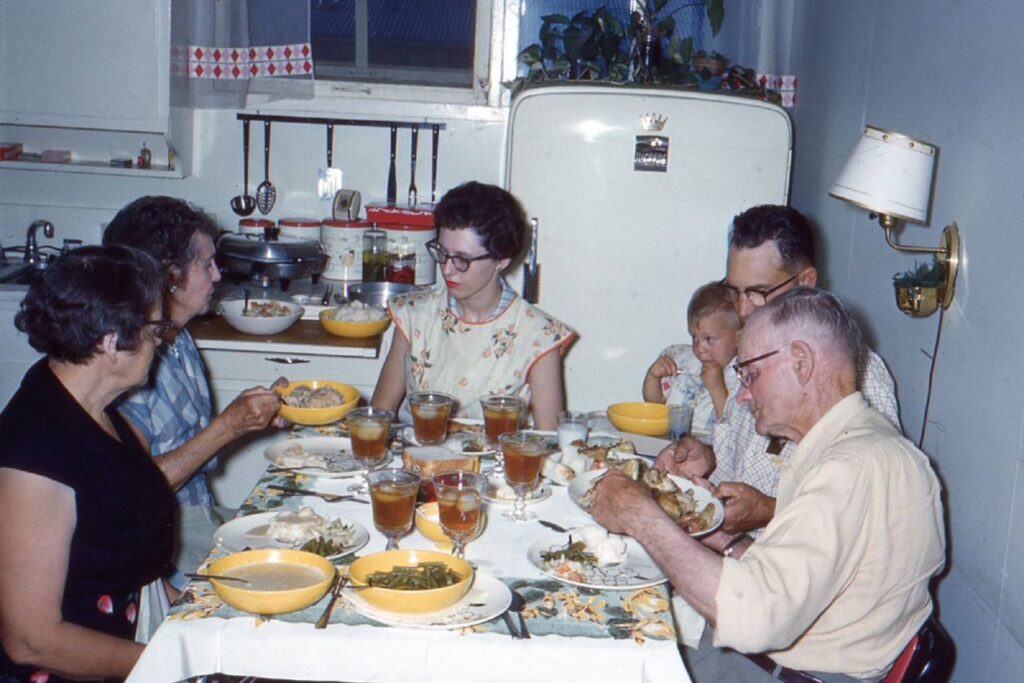
Families once treated shared dinner time as a fixed daily appointment rather than a flexible option. Meals were scheduled around work shifts, school hours, and chores, ensuring everyone gathered at the table at the same time. This rule encouraged consistent eating habits, reduced food waste, and made meal preparation more efficient. It also created a daily opportunity for conversation, discipline, and emotional check-ins. Research later confirmed what families already knew: regular shared meals are linked to better nutrition, improved communication, and stronger family bonds. Without apps or calendars, this rule naturally synchronized busy households.
3. Doors Stayed Unlocked

In many communities, especially small towns and rural areas, leaving doors unlocked was once normal. This rule reflected social trust and close-knit neighborhoods where people knew one another well. It allowed neighbors to help during emergencies, collect forgotten items, or check on someone without delay. Crime rates were often lower, and residents relied on community awareness rather than security systems. While modern realities have changed this practice, the rule functioned effectively in its time by reinforcing mutual responsibility and collective safety. It reduced fear, strengthened social ties, and simplified daily life.
4. Kids Played Outside

Sending children outdoors after chores or school was once a firm household rule. Parents expected kids to entertain themselves outside until dinner, limiting indoor noise and mess. This routine encouraged physical activity, independence, and social skills through unstructured play. Children learned problem-solving, negotiation, and resilience without adult supervision. It also gave parents uninterrupted time to manage household tasks. Long before concerns about screen time, this rule naturally balanced energy levels and reduced restlessness. Modern research on child development has since supported the mental and physical benefits of outdoor play.
5. Lights Were Turned Off

Turning off lights when leaving a room was a strictly enforced habit in many homes. Electricity was costly, and unnecessary usage was seen as wasteful. Parents often reminded children that power bills reflected real money, reinforcing financial awareness from an early age. This rule also extended the lifespan of bulbs, which were once more expensive and less durable. Beyond saving money, it instilled a broader sense of responsibility toward shared resources. Today’s energy-saving campaigns echo the same principle, proving the rule was both economically and environmentally sound.
6. Phone Calls Were Shared

Before personal devices, households typically had one shared telephone, and calls were often answered by whoever was closest. This created an informal accountability system where conversations were brief and purposeful. Family members were mindful of time, knowing others might be waiting to use the line. Important messages were written down and passed along accurately. This rule reduced distractions and discouraged secrecy, while keeping communication efficient. It also taught courtesy and patience, qualities that are often harder to enforce in the era of personal smartphones.
7. Chores Were Mandatory

Household chores were rarely optional. Children were expected to contribute through age-appropriate tasks like washing dishes, sweeping floors, or caring for siblings. This rule distributed labor evenly and reduced parental workload. More importantly, it taught responsibility, time management, and teamwork. Chores were tied to family contribution rather than rewards, reinforcing a sense of shared duty. Studies later linked early household responsibilities to stronger work ethics in adulthood. Without complex schedules or incentive systems, this rule kept homes functional and values clear.
8. Bedtimes Were Fixed

Strict bedtimes were once enforced regardless of weekends or special occasions. Parents believed consistent sleep schedules supported health, growth, and discipline. Without late-night television or digital entertainment, this rule was easier to maintain. Children woke up rested and ready for school or chores, while parents enjoyed predictable evenings. Medical research now confirms that regular sleep patterns improve mood, concentration, and immune function. The rule worked because it aligned with natural circadian rhythms, not convenience.
9. Guests Were Announced

Dropping by unannounced was common, but guests were expected to identify themselves clearly and wait to be invited in. This rule respected household privacy while maintaining social openness. Hosts had time to prepare seating or refreshments, even briefly. It also reduced misunderstandings and ensured visits were welcome. In tight-knit communities, this practice balanced friendliness with boundaries. The rule prevented awkward interruptions and helped households maintain order without appearing unfriendly.
10. Food Was Never Wasted

Wasting food was strongly discouraged, especially in households shaped by economic hardship or wartime rationing. Leftovers were reused creatively, and meals were portioned carefully. Children were taught to finish what they took, not what they were served. This rule reduced grocery expenses and ensured food lasted until the next shopping trip. It also fostered gratitude and awareness of scarcity. Today’s sustainability movements reflect the same values, showing how this simple rule supported both financial stability and respect for resources.
11. Mail Was Opened Daily

Households once treated mail as a shared responsibility that had to be handled the same day it arrived. Letters, bills, school notices, and official documents were opened promptly, read carefully, and placed where they could not be forgotten. This rule prevented missed payments, overlooked deadlines, and lost information at a time when reminders did not exist. Important dates were marked mentally or written on calendars visible to everyone. By dealing with mail immediately, families avoided stress and last-minute surprises. The habit encouraged organization and accountability, ensuring that small tasks never quietly became bigger problems.
12. The Table Was Sacred

Kitchen and dining tables were reserved strictly for eating, homework, or meaningful conversation. They were not dumping grounds for laundry, tools, or random clutter. This rule kept shared spaces functional and welcoming, making meals easier to prepare and enjoy. It also reinforced the idea that eating together deserved a clean, intentional setting. Without constant clearing and rearranging, families saved time and reduced frustration. Psychologically, the table became a signal for focus and connection. Even today, studies show that designated spaces improve habits and reduce distractions.
13. Laundry Had Its Day

Many households assigned specific days for washing clothes, often based on water access, weather, or shared facilities. This rule created routine and prevented laundry from piling up endlessly. Families planned outfits around wash days, reducing last-minute stress and clothing shortages. It also saved energy and resources by consolidating loads. In homes without machines, this system was essential for managing physical labor. The predictability of laundry day brought structure to weekly life and ensured cleanliness without constant effort.
14. Adults Ate Last (or Fathers Ate First)

In some homes, especially larger or lower-income ones, children were served first to ensure they had enough to eat. Although, it is common in other households that the father ate first, being the head of the house. Not all societies adhered to this. Adults adjusted portions or ate what remained. This rule reflected values of care and responsibility rather than hierarchy. It guaranteed that growing children received proper nutrition, even when food supplies were limited. The practice also modeled selflessness and prioritization. While not universal, it functioned effectively in households where resources were carefully managed and family welfare came first.
15. Noise Had Limits

Loud music, shouting, or disruptive play was often restricted to certain hours. This rule respected shared living space and acknowledged that others needed quiet for rest, work, or concentration. Without headphones or soundproofing, households relied on cooperation. Children learned situational awareness and self-control, while adults benefited from predictable calm periods. The rule reduced conflicts and fatigue, especially in multi-generational homes. It worked because expectations were clear and consistently enforced.
16. Everyone Knew Their Seat
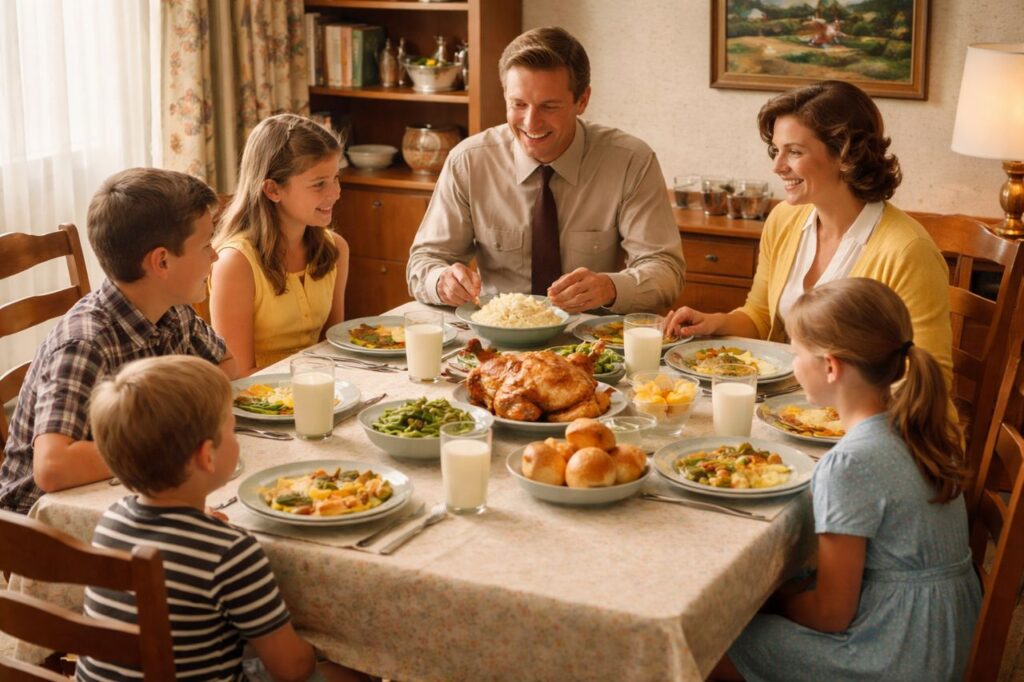
At many family tables, seating was unofficially assigned and rarely changed. This rule prevented arguments, saved time, and maintained order during meals. People instinctively went to their usual places, allowing food to be served efficiently. Seating patterns also reflected family dynamics and routines, creating a sense of familiarity and stability. While seemingly small, this habit eliminated daily friction and reinforced the rhythm of shared meals.
17. Respect Was Mandatory

Speaking back, interrupting adults, or using disrespectful language was widely discouraged. This rule emphasized listening, patience, and courtesy in daily interactions. Children learned boundaries and communication skills that extended beyond the home. Respect was not about fear but about maintaining harmony in shared spaces. Clear expectations reduced arguments and misunderstandings. Many social norms around politeness and cooperation were reinforced through this simple rule, shaping behavior long into adulthood.
18. Problems Were Handled Together

Family issues were typically discussed within the household before outside help was sought. This rule encouraged problem-solving, honesty, and mutual support. Whether financial concerns, discipline issues, or scheduling conflicts, families addressed them collectively. It reduced isolation and built trust, especially in times when external resources were limited. By working through challenges together, households strengthened resilience and communication. The rule fostered unity and accountability, making families more adaptable and self-reliant.
19. Windows Were Opened

Before air conditioners became common, opening windows daily was a household expectation. Fresh air was believed to clear odors, reduce dampness, and improve overall health, especially in kitchens and sleeping areas. In many regions, doctors and public health campaigns encouraged ventilation to limit the spread of airborne illness like tuberculosis and influenza. Families timed window opening around weather patterns, closing them before heat or cold set in. This rule also reduced mold growth and kept indoor air from becoming stale. Modern building science now supports what households practiced instinctively: regular ventilation improves air quality and comfort.
20. Sunday Was Different

Many homes treated Sundays as a slower, quieter day with altered routines. Heavy chores were paused, shops were often closed, and families stayed home more than usual. This rule wasn’t only religious; it served as a built-in reset after long workweeks. Clothes were laid out the night before, meals were planned, and expectations were lowered. The predictability reduced stress and created a weekly rhythm that balanced labor with rest. Sociologists later noted that households with regular rest days experienced less burnout and stronger family cohesion, even when incomes were modest.
21. Everyone Checked In

Parents often expected all household members to announce where they were going and when they planned to return. This rule improved safety long before mobile phones existed. If someone didn’t come home on time, families knew where to start looking. It also helped coordinate meals, chores, and shared resources like vehicles. Rather than control, the rule created awareness and accountability. In emergencies, this habit proved invaluable. Modern safety advice still emphasizes similar check-in practices, showing how effective the rule truly was.
22. Supplies Were Stocked

Households commonly kept a small but reliable reserve of essentials like flour, soap, candles, and canned food. This rule came from lived experience with shortages, strikes, storms, or delayed pay. Families planned purchases carefully and avoided running out unexpectedly. It reduced panic and unnecessary trips, especially in rural areas. During wartime rationing and economic downturns, this habit became critical. Even today, emergency preparedness guidelines echo the same principle. The rule worked because it balanced caution with practicality.
23. Radios Had Hours

Radios were not left on all day. Many homes limited listening to specific programs or time blocks. This reduced distractions, saved electricity, and kept household routines intact. Families gathered for news or evening entertainment, then turned the radio off. Children learned that media had boundaries, not constant presence. This habit preserved quiet hours for homework, conversation, and rest. Modern discussions about screen limits reflect the same concerns. The rule succeeded by making entertainment intentional rather than automatic.
24. Floors Were Swept Daily

Sweeping floors was once a daily routine rather than a weekly chore. Homes collected dust, ash, soil, and food crumbs more quickly before modern flooring and vacuum cleaners became common. Regular sweeping kept pests away, reduced allergens, and preserved rugs and wooden floors that were costly to replace. This rule also made deeper cleaning easier, since dirt never had time to build up. In many households, sweeping marked the transition from daytime activity to evening calm. Public health guidance later reinforced the benefits of frequent floor cleaning, confirming that this simple habit quietly supported hygiene and comfort.
25. Breakfast Was Required

Skipping breakfast was rarely allowed. Families believed the day could not start properly without food, especially for children heading to school or adults facing physical labor. Meals were simple but filling, often built around grains, eggs, or leftovers from the night before. This rule stabilized energy levels and reduced mid-morning fatigue. Long before nutrition science became mainstream, households observed that people functioned better after eating early. Modern research now links regular breakfast habits to improved concentration and metabolism, validating what families practiced through experience.
26. Water Was Conserved

Water use was carefully monitored in many homes, particularly where wells, pumps, or shared sources were involved. Long baths, unnecessary flushing, or running taps were discouraged. This rule reduced labor and ensured water remained available throughout the day. Children learned restraint and planning, especially during dry seasons. Even in urban areas, water bills encouraged moderation. Today’s conservation campaigns mirror these same principles, showing how households once managed resources efficiently without formal policies or reminders.
27. Repairs Were Immediate

Small household issues were addressed as soon as they appeared. A loose hinge, dripping tap, or cracked step was fixed quickly before it worsened. This rule saved money, prevented injuries, and extended the life of household items. Many families kept basic tools on hand for this purpose. Addressing problems early reduced stress and avoided larger disruptions. Modern maintenance advice still emphasizes early intervention, proving this practical habit was rooted in sound judgment rather than convenience.
28. Meals Were Planned

Families often planned meals days in advance based on available ingredients, budgets, and schedules. This rule minimized waste and ensured balanced eating throughout the week. Shopping lists were precise, and leftovers were incorporated intentionally. Without spontaneous takeout options, planning was essential. The habit reduced daily decision-making and financial strain. Today’s meal-planning trends echo the same logic, demonstrating how this structured approach once made household management far more efficient.
29. Afternoons Stayed Quiet

Many households enforced a quiet period in the afternoon, especially when younger children or older adults needed rest. Noise, rough play, and loud music were discouraged during these hours. This rule supported naps, recovery from physical labor, and mental reset before evening tasks. In warmer climates, it also aligned with the hottest part of the day, conserving energy. While not universal, the practice was common enough to shape daily rhythms. Modern research on productivity and rest cycles supports the idea that short periods of daytime calm improve focus and well-being.
30. Food Was Covered
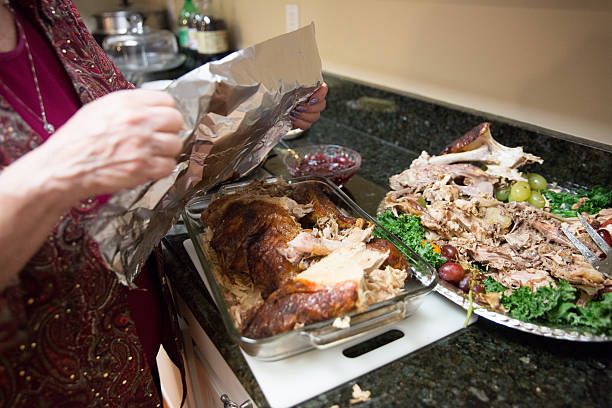
Leaving food uncovered was discouraged to protect it from insects, dust, and airborne contaminants. Plates were shielded with lids, cloths, or inverted bowls. This rule reduced spoilage and illness long before refrigeration became widespread. It was especially important in warmer climates and open-air kitchens. Families learned to store food thoughtfully, extending its usability without waste. Today’s food safety guidelines reflect the same principles, confirming that this habit effectively preserved health and resources.
31. Guests Helped Out
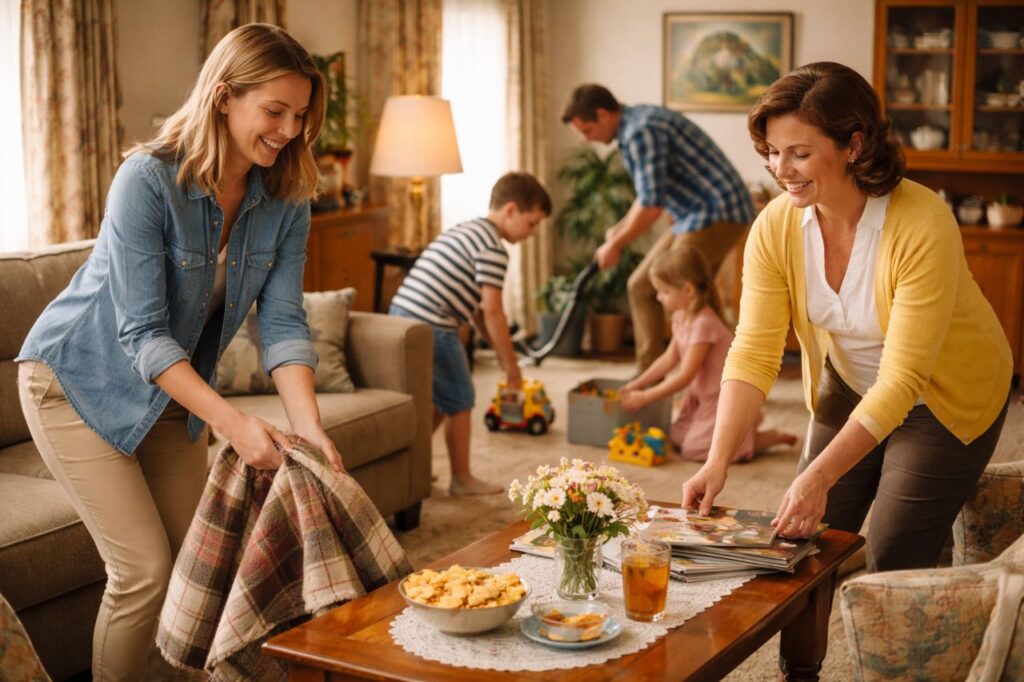
Visitors were often expected to assist with small tasks, especially during extended stays. Helping set the table, wash dishes, or mind children was considered polite rather than intrusive. This rule reduced strain on hosts and reinforced shared responsibility. It also made guests feel integrated rather than passive. In many cultures, contributing was a sign of respect. The practice fostered cooperation and reduced the burden of hospitality. Even now, informal expectations around helping persist, showing how naturally effective this rule was.
32. Paper Was Reused

Paper was rarely thrown away after one use. Envelopes, newspapers, and scrap paper were repurposed for notes, cleaning windows, or wrapping items. This rule emerged from necessity when supplies were limited or costly. It reduced waste and encouraged creativity. Children learned to value materials rather than discard them casually. Modern sustainability movements echo the same mindset, demonstrating how households once practiced environmental responsibility without formal recycling systems.
33. Clothes Were Repaired

Mending clothes was a routine household skill. Buttons were sewn back on, tears were stitched, and hems were adjusted rather than replacing garments. This rule extended the life of clothing and reduced expenses. Many families passed down basic sewing knowledge, making repairs quick and practical. In times of economic strain, this habit was essential. Today’s interest in slow fashion reflects the same values, proving that careful maintenance once kept wardrobes functional and budgets intact.
34. Shoes Were Repaired
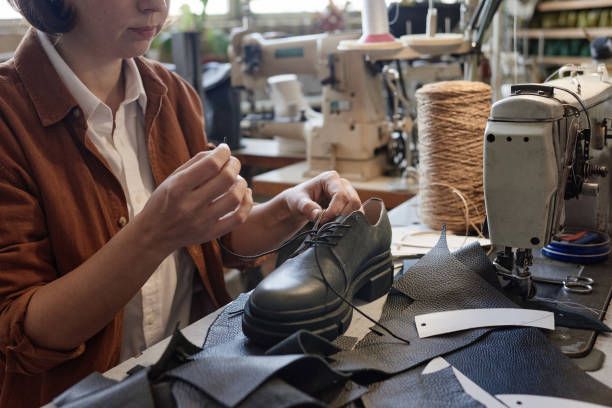
Replacing shoes was a last resort. When soles wore thin or stitching loosened, shoes were taken to local cobblers or repaired at home. This rule saved money and extended the life of footwear that was often expensive and hard to replace. Families planned repairs around seasons, ensuring shoes lasted through school years or work cycles. The habit also supported local trades and reduced waste. Modern interest in repairing rather than replacing items reflects this same logic. The rule worked because it balanced practicality with long-term savings.
35. Weather Dictated Plans

Household routines often shifted based on weather conditions. Laundry, cleaning, going to the beach, and even meal preparation were adjusted according to rain, heat, or daylight. This rule encouraged flexibility and realistic expectations. Families learned to work with natural conditions rather than fight them. It reduced frustration and wasted effort, especially in homes without modern climate control. Farmers and urban households alike followed this approach. Today, planners and productivity experts still recommend adapting schedules to external conditions, echoing this time-tested habit.
36. Meals Were Homemade

Eating at home was the default, not the exception. Restaurants and takeout were rare treats rather than daily solutions. This rule kept food costs manageable and allowed families to control ingredients and portions. Cooking skills were passed down naturally through repetition. Meals reflected seasonal availability and local traditions. Studies now confirm that home-cooked meals are generally more nutritious and economical. The rule succeeded because it aligned finances, health, and routine into one consistent practice.
37. Children Knocked First

Even within the same household, children were expected to knock before entering closed rooms. This rule taught respect for privacy and boundaries at an early age. It reduced interruptions and reinforced courtesy. Parents modeled the same behavior, making it a shared standard rather than a one-sided demand. The habit fostered trust and mutual respect, especially in crowded homes. Modern discussions about personal space and emotional safety echo this simple but effective rule.
38. Tools Had Homes

Every tool had a designated place, whether in a drawer, shed, or toolbox. Returning items after use was strictly expected. This rule saved time, prevented loss, and reduced arguments. It also ensured tools were ready when needed. Households without frequent access to replacements relied on careful organization. Today’s productivity systems still emphasize assigned storage as a key to efficiency. The rule worked because it removed confusion and reinforced responsibility.
These forgotten household rules weren’t designed to be nostalgic or charming, they were practical solutions to everyday challenges.
Like this story? Add your thoughts in the comments, thank you.


