
1. Walt Disney’s Bankrupt Beginning

Sometimes success stories begin quietly, long before anyone notices them. Walt Disney’s journey started that way. In the early 1920s he ran a small animation company called Laugh O Gram Studios in Kansas City. The business struggled financially and eventually went bankrupt, leaving him with almost nothing. Earlier he had also lost a newspaper job where an editor believed he lacked imagination. For many people those moments would0 have ended the dream. Disney chose to try again. He packed a suitcase, gathered his drawings, and traveled to California hoping to start fresh.
Life in California required patience and persistence. Disney continued experimenting with animated characters and storytelling while slowly rebuilding a studio with his brother Roy. During that time a cheerful character named Mickey Mouse appeared and quickly captured audiences’ attention. The success of those cartoons helped the studio grow stronger and led to larger projects. Animated films later proved cartoons could tell meaningful stories. Over time the company expanded into movies, television, and theme parks visited by families worldwide. Disney’s success did not begin with certainty. It began with failure and a decision to keep going anyway.
2. Oprah Winfrey’s Early Career Setback
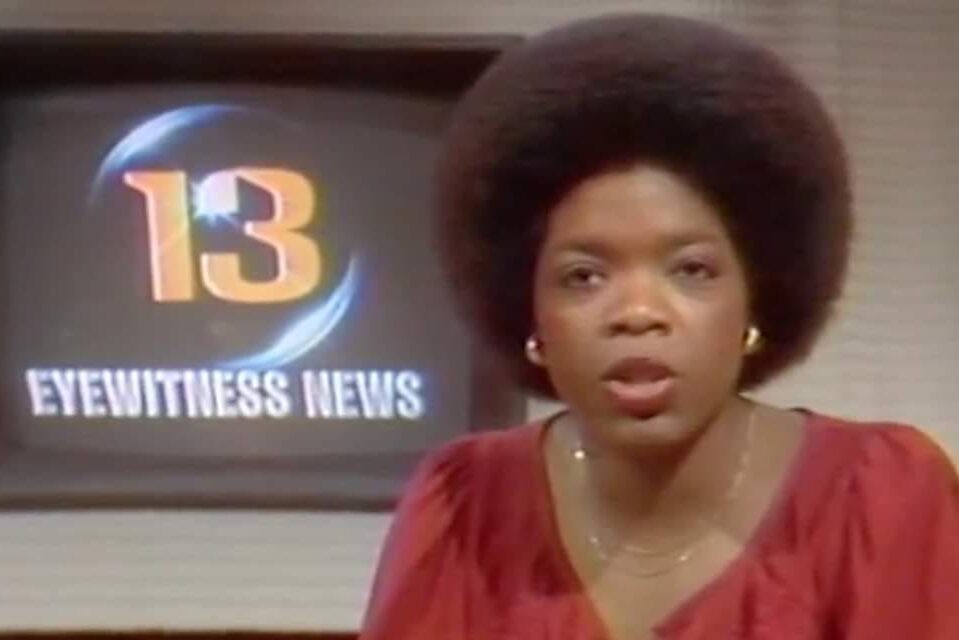
Oprah Winfrey’s path to becoming one of television’s most influential voices did not begin smoothly. Early in her career she worked as a news anchor in Baltimore, but the formal style of broadcast journalism did not match her natural personality. Eventually she was removed from the evening news desk because producers believed she was not the right fit. For a young journalist trying to build credibility, the moment felt discouraging and uncertain. Many people might have walked away from television entirely. Oprah stayed and remained open to new opportunities that appeared unexpectedly.
Soon afterward she was moved to a daytime talk show called People Are Talking. The change allowed her to speak with warmth and curiosity instead of following strict news scripts. Audiences responded to that authenticity almost immediately. The conversations felt personal, relatable, and engaging. Within a few years that format evolved into The Oprah Winfrey Show, which became one of the most successful programs in television history. The earlier setback now reads differently in hindsight. The news desk was not the right place for her voice, but the talk show format allowed it to reach millions of people.
3. Steve Jobs Getting Fired From Apple

Few career stories sound more surprising than a company founder being pushed out of the business he helped build. That moment arrived for Steve Jobs in 1985 when Apple’s leadership removed him after internal disagreements about the company’s direction. The decision was very public and deeply personal for Jobs. He had poured years of work and creativity into Apple, so leaving under those circumstances felt painful and uncertain. For a time it seemed like the defining chapter of his career had come to an abrupt end.
Instead of stepping away from technology, Jobs used the moment to explore new ideas. He started a company called NeXT and invested in a small animation studio named Pixar. Both ventures allowed him to experiment with creativity and leadership in new ways. Years later Apple purchased NeXT, bringing Jobs back into the company he once left. His return helped guide the development of products that reshaped personal technology. Looking back, the dismissal that once seemed humiliating became a turning point that helped shape Apple’s future.
4. J.K. Rowling And The Rejected Manuscript

Before Harry Potter became a global literary phenomenon, the story existed only as a manuscript that publishers repeatedly rejected. J.K. Rowling wrote the book while living in the United Kingdom as a single mother, often working in cafés during quiet moments of the day. Once the manuscript was finished, she sent it to several publishers hoping someone might see its potential. Instead the responses returned as rejection letters. Each one politely explained that the book was not the right fit. For a while it seemed the story might never reach readers.
Eventually a small publishing house agreed to take a chance on the manuscript. When Harry Potter and the Philosopher’s Stone appeared in bookstores in 1997, readers quickly connected with the magical world and its young hero. Word spread through schools, families, and libraries as more people discovered the story. The series soon expanded into one of the most successful book franchises in modern history. The early rejection letters now feel like the quiet beginning of something far bigger than anyone expected.
5. Michael Jordan Cut From His High School Team

Michael Jordan’s name is now closely linked with basketball greatness, yet one early moment in his life suggested a very different path. As a sophomore at Laney High School in North Carolina, Jordan tried out for the varsity basketball team but did not make the roster. The rejection felt painful for a teenager who loved the sport deeply. Many athletes remember moments like that as discouraging turning points. Instead of walking away from basketball, Jordan used the disappointment as motivation to train harder and improve his skills.
Over time his dedication began to show in his performance on the court. Jordan continued developing his game throughout high school and later at the University of North Carolina. Eventually he entered the National Basketball Association where his talent became undeniable. Over the years he won multiple championships and became one of the most recognized athletes in sports history. The early rejection from the varsity team did not define his future. Instead it quietly fueled the determination that shaped his legendary career.
6. Dr. Seuss And The Twenty Seven Rejections
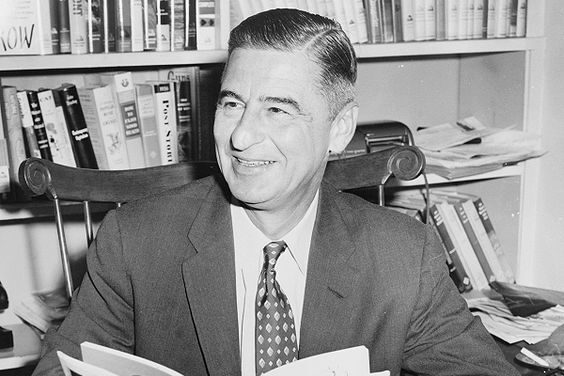
Before children around the world began enjoying the playful rhymes of Dr. Seuss, the author faced repeated rejection while trying to publish his first book. The manuscript for And to Think That I Saw It on Mulberry Street was sent to publisher after publisher, each hoping someone might recognize its charm. Instead the responses returned as polite refusals. In total the manuscript received twenty seven rejections. For many writers that number might have ended the effort entirely. At one point the author even considered abandoning the project.
A simple encounter changed everything. While walking through New York one day he met an old college friend who had recently started working as an editor. The friend agreed to read the manuscript and eventually helped publish the book in 1937. Readers embraced the imaginative rhythm and unusual storytelling style almost immediately. Over time Dr. Seuss created beloved books that shaped childhood reading for generations. The long list of rejection letters now reads like an early chapter that almost prevented the stories from reaching the world.
7. Colonel Sanders And The Hundred No’s
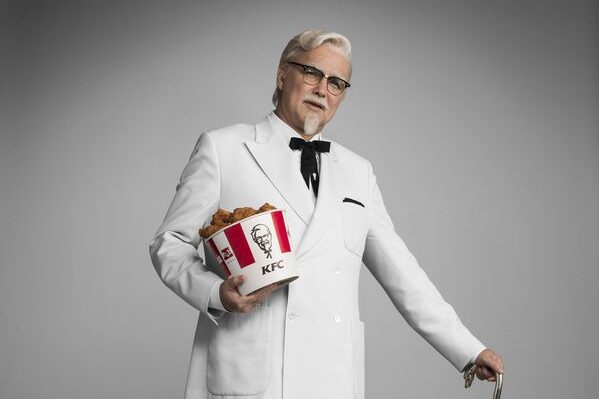
Harland Sanders did not begin building his famous fried chicken business during his youth. In fact he was already in his sixties when the idea finally began gaining attention. After developing his special recipe and cooking method, Sanders traveled from restaurant to restaurant hoping owners would agree to use it. Many declined the offer, unsure whether the idea would succeed. The journey became a long series of polite rejections and closed doors. For a while the project seemed unlikely to move forward.
Sanders continued presenting his recipe to new restaurant owners despite the repeated refusals. Eventually one owner agreed to partner with him and share profits from each meal prepared using his method. That small agreement became the beginning of the Kentucky Fried Chicken franchise system. From that modest start the business gradually expanded across cities and countries. Today the image of Colonel Sanders appears on restaurant signs around the world. The story often surprises people because success arrived late in life after years of persistence.
8. Albert Einstein Labeled A Slow Learner
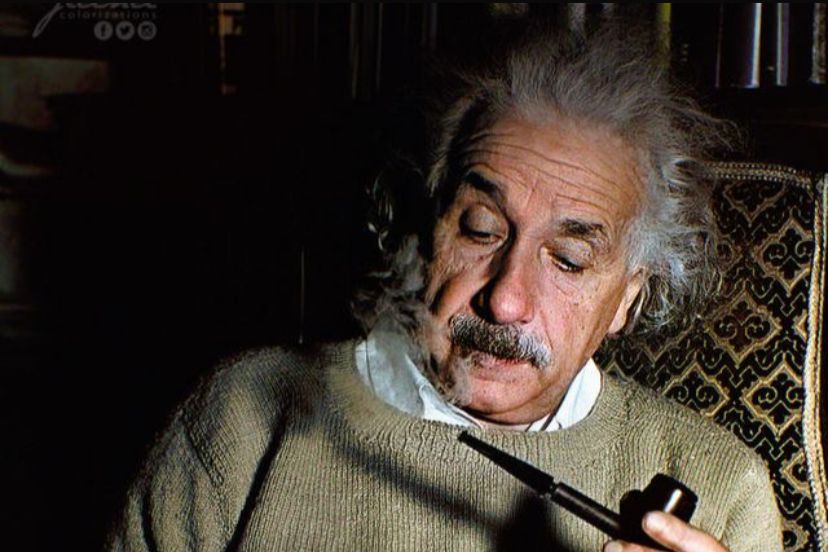
Albert Einstein’s name now represents extraordinary intelligence, yet his early school experience did not always suggest that future. As a child he sometimes struggled within rigid classroom systems that required quick answers and strict memorization. Some teachers believed he was slow or uninterested because he preferred thinking quietly about complex questions rather than responding immediately. Instead of fitting comfortably into traditional education, Einstein often explored ideas independently and followed his curiosity about how the universe worked.
That curiosity gradually shaped his understanding of physics and mathematics. Over time he developed theories that transformed how scientists think about space, time, and gravity. His work on relativity changed the direction of modern physics and influenced generations of researchers. Looking back, the early doubts about his abilities seem almost ironic. The student who once appeared distracted in class eventually produced ideas that reshaped scientific understanding. Einstein’s story reminds people that curiosity sometimes grows outside the boundaries of conventional learning.
9. Henry Ford’s Early Business Failures
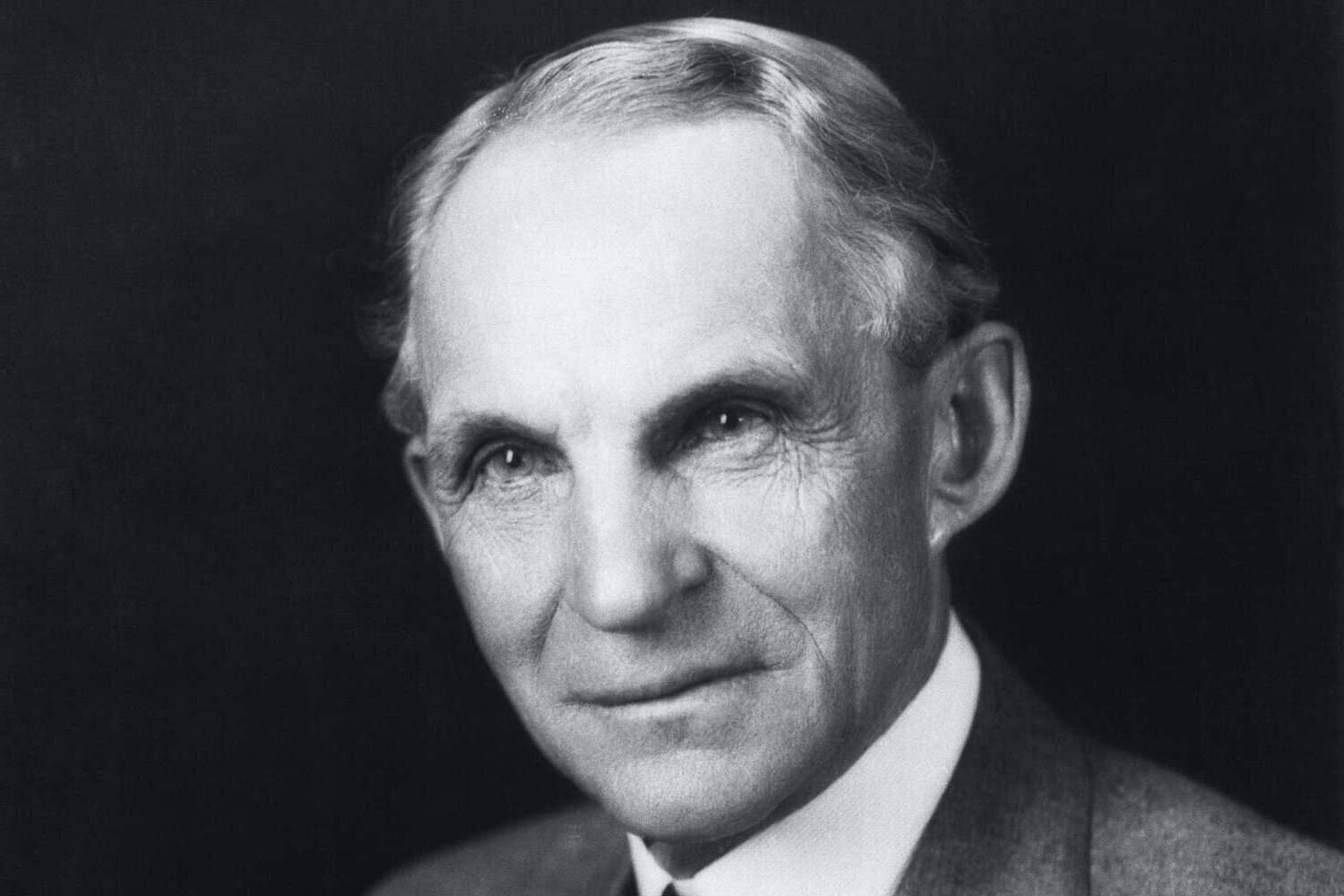
Henry Ford is often remembered for revolutionizing the automobile industry, but his early attempts at building a company were far from successful. Before founding the Ford Motor Company in 1903, Ford launched two earlier automobile ventures that failed due to financial disagreements and production difficulties. Investors lost patience and the businesses eventually closed. For a time the setbacks made it seem unlikely that Ford would achieve his vision of producing affordable cars for everyday people.
Rather than abandoning the idea, Ford continued refining his engineering methods and manufacturing strategies. When he founded the Ford Motor Company, he introduced production techniques that allowed cars to be built more efficiently. The Model T eventually became one of the most influential automobiles in history because ordinary families could finally afford it. Ford’s early failures did not disappear from the story. Instead they became part of the experience that helped him build a stronger and more effective company.
10. Arianna Huffington’s Rejected Second Book

Before Arianna Huffington became known for building one of the most widely read news platforms online, she was simply a writer trying to get her ideas published. Early in her career she wrote a second book and sent the manuscript to several publishers with hope and excitement. Instead of interest, she received rejection letters one after another. In total, thirty six publishers declined the book. For most writers that kind of response can feel discouraging and deeply personal. It can make the work feel invisible. Huffington admitted later that the experience was painful, but it did not convince her to stop writing or sharing her ideas publicly with readers.
Instead of quitting, she continued writing, speaking, and contributing to conversations about politics and culture. Over time she realized that media itself was changing as the internet became more important. In 2005 she co founded The Huffington Post, a digital platform that mixed journalism, commentary, and conversation. The site quickly gained readers and expanded internationally. Eventually it became one of the most influential digital media outlets in the world. Looking back, those thirty six rejection letters did not close her path. They were simply early obstacles in a career that was still forming, proving that persistence often matters more than early approval from gatekeepers.
11. Steven Spielberg’s Film School Rejection

Steven Spielberg’s name is now closely connected with some of the most memorable films ever made, but his journey into filmmaking began with rejection. As a young man he applied to the University of Southern California’s well known film school. He believed studying there would help him enter the movie industry. The school rejected his application more than once. For someone who dreamed about directing films, the decision felt discouraging. Many people might have assumed that meant their chances in the industry were over. Spielberg refused to accept that conclusion and continued pursuing filmmaking in other ways.
Instead of waiting for permission from a school, Spielberg kept making short films on his own while attending another university. He spent time experimenting with cameras, storytelling, and editing techniques whenever he had the chance. One of those early projects eventually caught the attention of executives at Universal Studios. That opportunity opened the door to professional directing work. Over the years Spielberg went on to create films that became cultural landmarks for audiences around the world. The rejection from film school did not stop his career. It simply pushed him to find a different path into the industry he loved.
12. Soichiro Honda’s Early Engineering Rejection
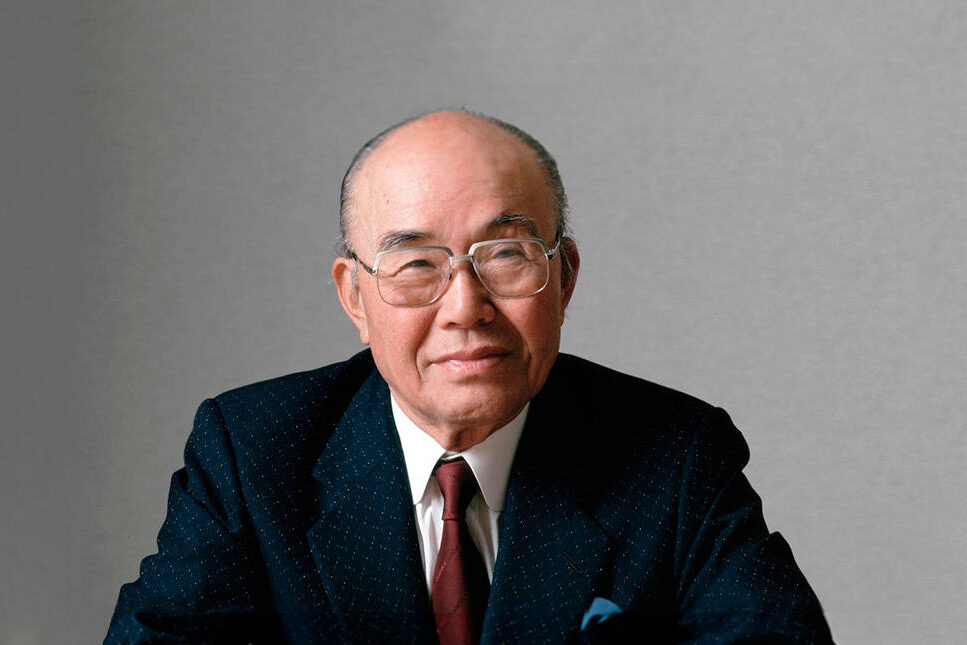
Soichiro Honda dreamed of building machines and working in the automobile industry from a young age. After finishing his studies he applied for a job at Toyota, hoping to begin his career with one of Japan’s leading companies. The application did not go the way he expected. Toyota rejected him, leaving him disappointed and unsure about his next step. For someone passionate about engineering, the decision could have felt like the closing of an important door. Instead of giving up, Honda decided to continue working independently and experimenting with mechanical ideas in his own small workshop.
He began developing piston rings and other mechanical parts while slowly building his knowledge through practical work. The early years included setbacks caused by war damage and economic challenges, yet Honda kept experimenting with engines. Eventually he began attaching small motors to bicycles, creating affordable transportation that people quickly embraced. That simple invention became the foundation of Honda Motor Company. Over time the business expanded into motorcycles and automobiles sold worldwide. The rejection from Toyota did not stop Honda from entering the automotive world. Instead it pushed him to create his own company and pursue his vision independently.
13. Thomas Edison’s Many Failed Experiments
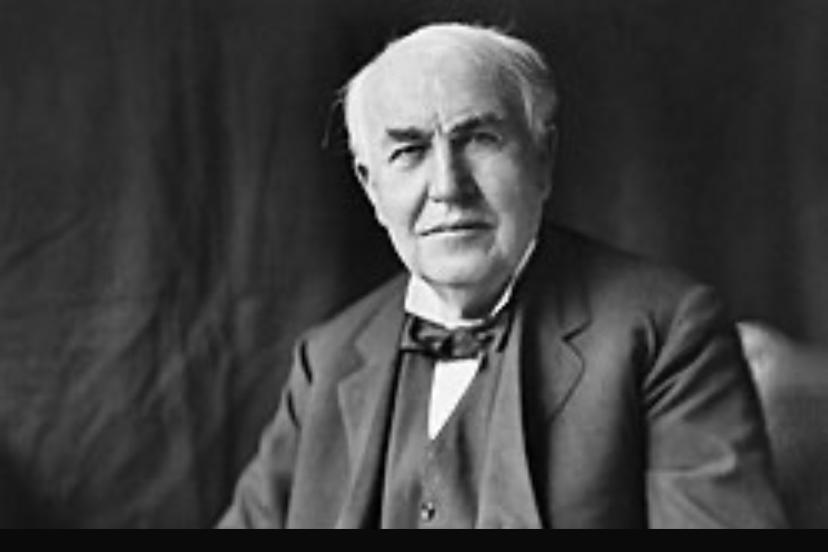
Thomas Edison is remembered as one of history’s most prolific inventors, but his achievements came after countless attempts that did not work. When he began experimenting with electric lighting, the goal was simple in theory but difficult in practice. Edison and his team tested many different materials in search of a filament that would last long enough to make electric light practical for everyday use. Most attempts failed quickly. The materials burned out or produced weak light that could not be sustained. To outside observers the long series of experiments might have looked like repeated failure, but Edison viewed each result as useful information that guided the next attempt.
Through patience and continuous testing, the team eventually discovered a filament that allowed electric light to burn longer and more reliably. This breakthrough made electric lighting practical for homes, streets, and businesses. The invention transformed daily life and helped accelerate the spread of electricity across cities. What often gets overlooked is how many experiments came before that success. Edison’s process showed that innovation rarely appears instantly. Instead it grows through persistence, curiosity, and the willingness to keep experimenting even when early attempts seem discouraging or unpromising to those watching from the outside.
14. Bill Gates And The Traf O Data Misstep
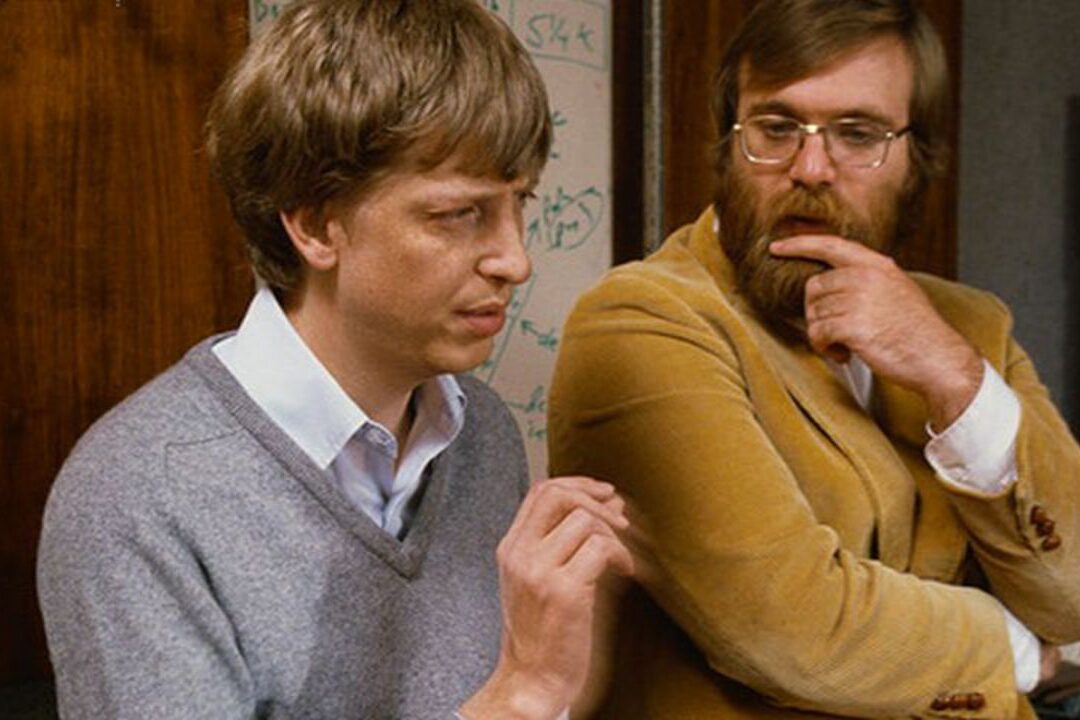
Before Microsoft became a dominant force in the technology industry, Bill Gates and his friend Paul Allen tried their hands at a small business called Traf O Data. The idea was to process traffic information collected from city roads and convert it into useful reports for transportation planners. Gates and Allen believed computers could make the analysis faster and more efficient. Despite their enthusiasm, the business struggled to gain traction. The technology was not widely adopted and the company eventually closed. For two young programmers hoping to build something meaningful, the experience felt like an early failure.
Although the business did not succeed, it gave Gates and Allen valuable experience working with software and microprocessors. They learned how computers could process information and solve real world problems. That knowledge soon led them toward a much larger opportunity emerging in personal computing. In 1975 they founded Microsoft and began developing software for the growing number of personal computers. The company eventually became one of the most influential technology businesses in the world. Looking back, Traf O Data now feels less like a failure and more like a small experiment that helped prepare its founders for something far bigger.
15. Jerry Seinfeld’s First Stage Disaster
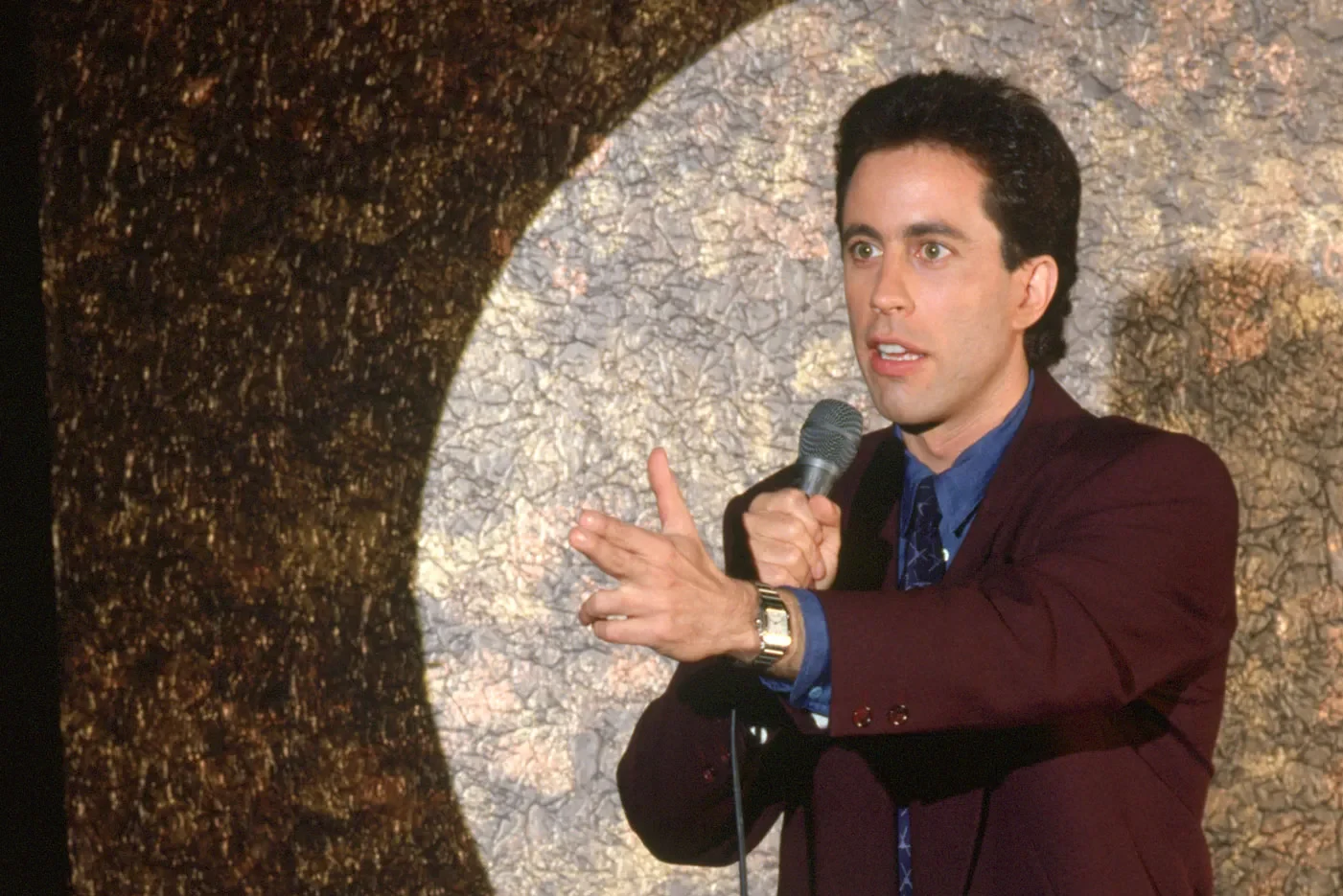
Jerry Seinfeld’s relaxed delivery and precise timing make stand up comedy look effortless, but his first performance was anything but smooth. Early in his career he stepped onto a stage at a New York comedy club ready to deliver his routine. Instead he froze in front of the audience and forgot his material. The performance ended quickly and left him embarrassed. Many performers experience a moment like that once and decide never to return. The silence of a room when jokes do not land can feel overwhelming for someone just starting out.
Seinfeld chose to face the moment rather than run from it. The very next night he returned to the same stage and performed again with the same material. This time the routine flowed more naturally and the audience responded with laughter. That experience gave him the confidence to continue performing and developing his comedic voice. Over the years Seinfeld built a career that included one of the most successful television sitcoms ever produced. The early disaster on stage did not define his future. Instead it became the moment that tested whether he would continue pursuing comedy or quietly walk away from it.
16. Akio Morita’s Early Product Flop
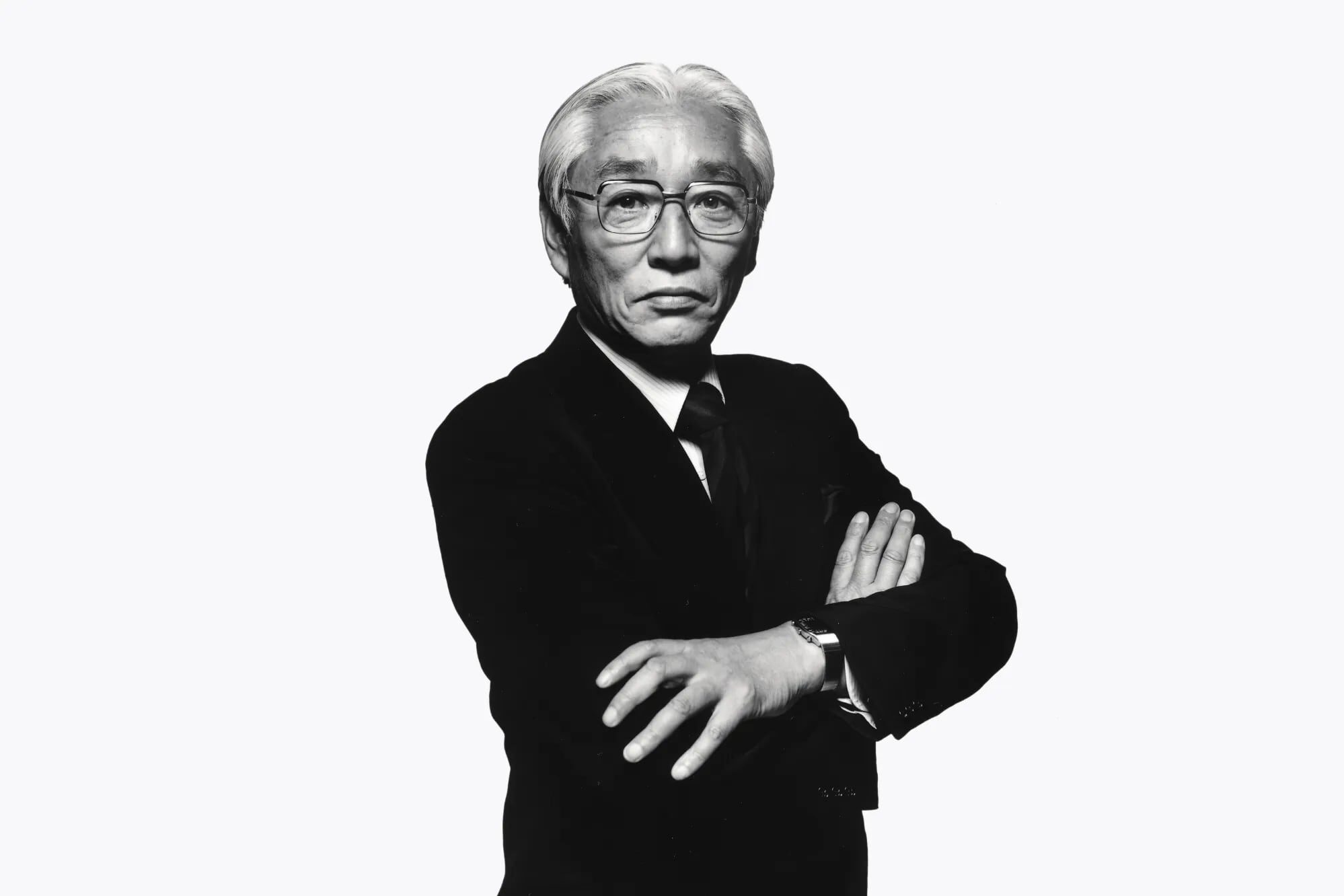
Sony is now known worldwide for electronics and entertainment technology, but one of its earliest products did not succeed at all. In the late 1940s the company introduced an electric rice cooker designed to simplify cooking in Japanese homes. The concept seemed promising, but the product did not work consistently. The cooker often produced unevenly cooked rice, which quickly discouraged customers from buying it. For a young company hoping to establish credibility, the failure was disappointing and potentially damaging to its reputation.
Instead of allowing the setback to discourage them, Sony’s founders decided to rethink their direction. Akio Morita and his colleagues began focusing more on developing audio and electronic devices. This shift eventually led to successful products such as transistor radios and other portable electronics. Over time Sony built a strong reputation for innovation and quality technology. The rice cooker that failed rarely appears in the company’s history discussions today, yet it represents an important lesson. Early missteps often help companies discover where their true strengths lie and guide them toward better opportunities in the future.
17. Elvis Presley Told He Had No Future

Before Elvis Presley became one of the most recognizable voices in popular music, he faced criticism that could have discouraged many young performers. During an early appearance at a music venue, a promoter reportedly suggested that Presley might be better off returning to his job as a truck driver. For someone hoping to build a music career, hearing that kind of comment could easily end the dream. Presley continued performing anyway, experimenting with a style that blended country music with rhythm and blues influences.
That unique sound soon caught the attention of Sun Records, where Presley recorded songs that began attracting listeners. His energetic performances and distinctive voice quickly stood out in the growing music scene. Within a few years Presley became one of the defining figures of rock and roll, influencing musicians across generations. The early criticism that once questioned his future now feels almost impossible to imagine. It serves as a reminder that new artistic styles sometimes sound unfamiliar at first, and it can take time before audiences fully recognize their impact.
18. Abraham Lincoln’s Long Road To The Presidency
Abraham Lincoln’s life is often remembered for his leadership as President of the United States, but the path that led him there was filled with repeated setbacks. Before reaching the White House, Lincoln experienced several political defeats that could have ended his ambitions. He lost multiple elections, including bids for the Illinois state legislature and later for the United States Senate. In addition to those public disappointments, he also faced personal hardships and financial struggles earlier in life. For many people such a series of failures might have suggested that politics was simply not the right path. Lincoln, however, continued learning from each experience and refining his approach to public service.
Over time his persistence began to reshape his political career. Lincoln gained recognition for his thoughtful speeches and his ability to communicate complex issues in clear language. When the presidential election of 1860 arrived, he emerged as a candidate whose ideas resonated with many voters across the country. His election marked a turning point in American history during a deeply divided period. Looking back, Lincoln’s earlier defeats did not weaken his story. They became part of the preparation that shaped his leadership and resilience before he stepped into one of the most difficult roles in the nation.


