
1. Watching Comes Before Doing

Most plant journeys start with excitement and end in confusion because we rush to act before we understand. This first habit is the quiet foundation for everything else. Before watering, moving, feeding, or fixing, sit with your plant for a few days and simply observe. Notice how the leaves hold themselves in the morning, how the soil feels by evening, and whether the plant leans toward light or stays still. This is not wasted time. It is how you learn what normal looks like in your space. When you skip this step, every small change feels like an emergency. When you embrace it, care becomes calmer and more intuitive. Plants are constantly responding to their environment, and watching helps you notice those responses without panic. That awareness sets the tone for a healthier relationship from the very beginning.
As you build this habit, your confidence grows quietly. You stop guessing and start recognizing patterns. Dry soil feels familiar instead of alarming. New growth looks intentional instead of accidental. Even mistakes feel easier to correct because you noticed the early signs. This way of caring removes pressure and replaces it with trust. Over time, you stop copying rules from strangers and start responding to your own home. That shift is what turns plant care from a stressful checklist into a steady rhythm that fits naturally into your daily life.
2. Less Water Builds Stronger Roots

Overwatering is rarely about neglect. It usually comes from wanting to help too much, too often. Many plants prefer soil that dries slightly between watering sessions, even if the surface looks dry sooner. Roots need oxygen to function properly, and constantly wet soil slowly takes that away. When water lingers too long, roots weaken and plants struggle silently before showing visible damage. Learning to water less feels uncomfortable at first because it requires restraint. You may worry you are doing too little, especially when leaves look dramatic. But patience allows roots to grow deeper and stronger, which creates long term stability above the soil as well.
As you practice this balance, your watering habits become more intentional. You begin checking soil depth instead of relying on schedules. Lifting pots to feel their weight becomes second nature. When you do water, you water thoroughly and let excess drain freely. This approach reduces stress for both plant and parent. Leaves firm up, growth steadies, and problems become easier to diagnose. Once you stop hovering, your plants often respond with healthier roots and calmer energy. That trust creates a routine that feels grounded instead of anxious, which makes caring for plants easier to sustain over time.
3. Light Is A Daily Conversation
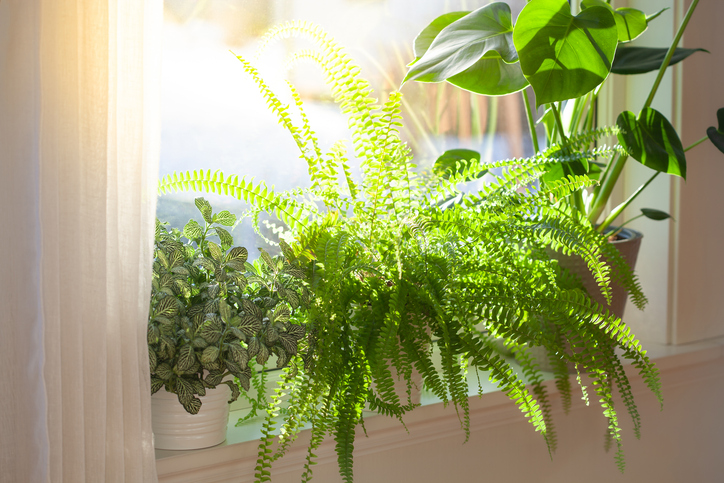
Light shapes everything about how a plant grows, even when the change is subtle. A space that feels bright to you may still be dim from a plant’s perspective. Morning light, afternoon sun, and indirect brightness each send different signals. When plants stretch, fade, or grow unevenly, light is often the quiet cause. Paying attention to where light actually falls throughout the day helps you place plants with intention instead of trial and error. This awareness prevents frustration and helps plants settle more comfortably into your home without constant repositioning.
Once you understand your light patterns, decisions become simpler. You stop forcing plants to adapt to unsuitable spaces and start choosing plants that match your environment naturally. Small adjustments like moving a plant closer to a window or slightly farther back can completely change its growth. Over time, you develop an instinct for placement that feels effortless. Plants respond with fuller leaves and steadier growth. Your home starts to feel balanced instead of crowded, and plant care becomes less about fixing problems and more about supporting what is already working quietly.
4. Pots Support Or Sabotage Growth

A pot does more than hold a plant upright. It controls drainage, airflow, and moisture retention around the roots. Without proper drainage, water collects at the bottom and slowly damages roots. Pot size also matters more than most people realize. A pot that is too large holds excess moisture, while one that is too small restricts root growth. Choosing the right pot is not about style alone. It is about creating an environment where roots can breathe, stretch, and stay healthy over time.
When you begin thinking of pots as tools instead of decorations, plant care becomes more predictable. You water with confidence because you trust excess water can escape. Repotting feels purposeful rather than intimidating. Over time, you build a small rotation of reliable pots that work for different plant types. This practical approach allows you to enjoy aesthetics without sacrificing health. Beauty and function begin working together, creating a space where plants look good and feel supported at the same time.
5. Soil Sets The Mood
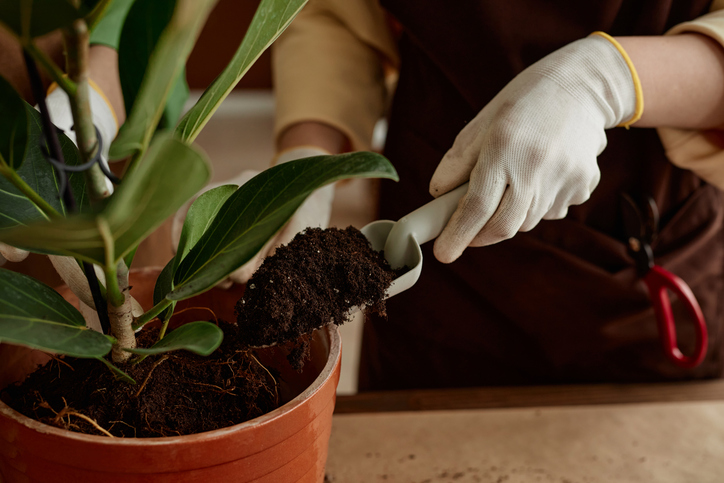
Soil is often treated like an afterthought, but it quietly decides how well everything else works. It controls how long water stays, how much air reaches the roots, and how nutrients move through the pot. When soil is too dense, roots sit in moisture longer than they should and begin to weaken. When soil is too loose, water drains before roots can absorb enough. Understanding this balance changes how you care for plants because problems stop feeling random. The soil becomes a living environment instead of just something that fills a container. When soil suits the plant, growth feels steadier and less dramatic. Leaves hold themselves better, roots spread more freely, and stress becomes less common. This foundation often determines whether a plant struggles quietly or settles in comfortably.
As you gain experience, you begin adjusting soil instead of replacing plants. Mixing in materials for drainage or moisture becomes normal rather than intimidating. You stop blaming yourself when a plant looks unhappy and start asking what the roots might be experiencing. This shift builds confidence and removes unnecessary guilt. Healthy soil creates consistency, which makes every other habit easier to manage. Over time, you notice fewer emergencies and more steady growth. Your plants respond to the stability below the surface, and care becomes calmer because the foundation is working with you instead of against you.
6. Leaves Always Say Something
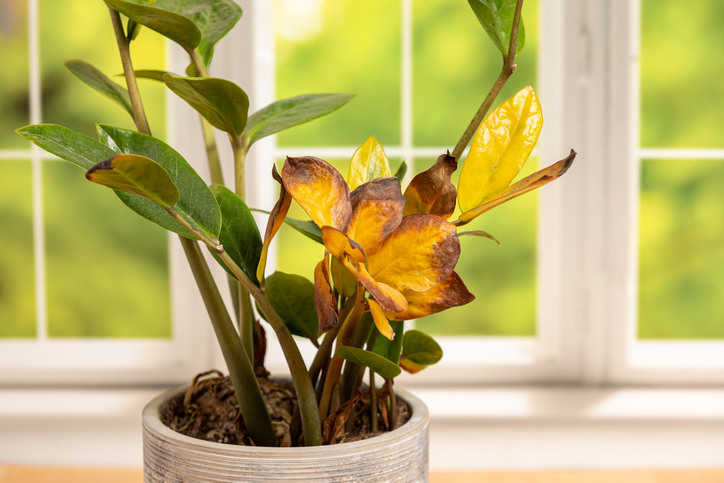
Leaves are often the first place a plant shows discomfort, even before roots struggle. Changes in color, texture, or position usually signal that something in the environment needs attention. Instead of reacting immediately, pause and look for patterns. Are older leaves affected first or new ones. Is the change slow or sudden. These small details guide you toward the real issue. Leaves respond quickly to stress, making them a useful early warning system. Learning to observe without panic turns confusion into clarity. When you understand what leaves are showing you, care becomes thoughtful rather than reactive. This habit helps you intervene early, before small issues grow into larger problems that feel overwhelming.
Over time, reading leaves becomes intuitive. You begin recognizing signs of thirst, light imbalance, or environmental stress without second guessing yourself. This confidence changes how you respond. Adjustments become gentle and measured instead of drastic. Plants recover more easily when their signals are respected early. As this understanding deepens, your relationship with your plants feels more cooperative. They communicate, and you respond calmly. That rhythm builds trust on both sides and turns plant care into a steady conversation rather than a series of emergencies.
7. Quiet Phases Still Count
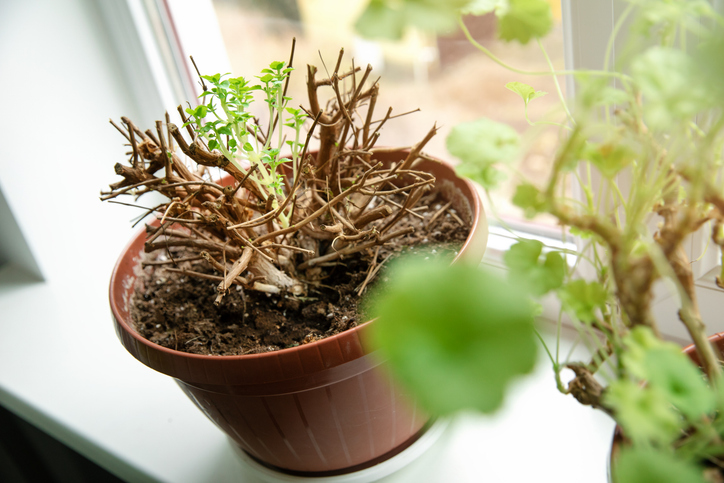
Many plant parents expect constant visible growth and feel discouraged when nothing seems to happen. In reality, plants often spend time strengthening roots or adjusting internally before producing new leaves. These quiet phases are not failures. They are part of the process. Assuming something is wrong because growth is slow often leads to unnecessary changes that disrupt progress. Allowing stillness requires patience, especially when you are eager to see results. But restraint during these periods protects the plant from stress. Growth below the surface prepares the plant for healthier visible development later.
As you learn to trust these pauses, your approach becomes calmer. You stop interfering and start observing. Over time, growth appears more balanced and intentional. New leaves emerge stronger, and the plant feels settled rather than rushed. This patience reduces anxiety and builds confidence in your care. Accepting stillness teaches you that progress does not always announce itself loudly. Sometimes it happens quietly, strengthening what you cannot see yet but will appreciate later.
8. Clean Leaves Work Better
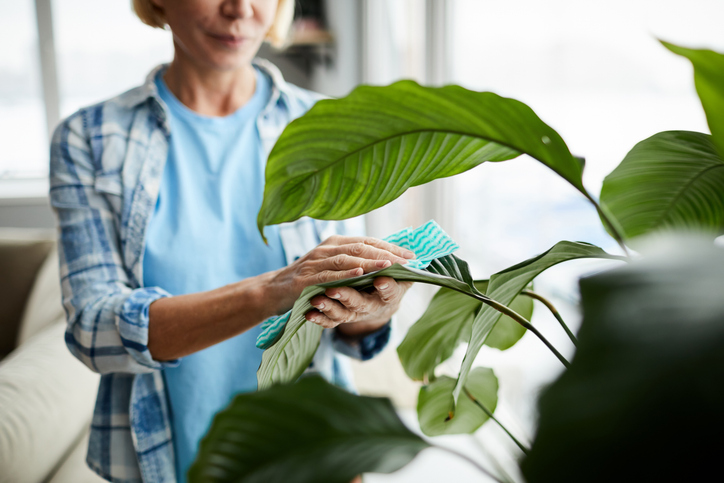
Dust slowly builds up on leaves and blocks light without drawing much attention. This buildup reduces photosynthesis and makes plants work harder than necessary. Gently wiping leaves with a damp cloth keeps surfaces clear and functional. This habit also allows you to check for pests, damage, or early stress while you clean. It is not about making plants look perfect. It is about helping them breathe and absorb light efficiently. Clean leaves often feel firmer and look brighter because they are working as intended.
As this becomes routine, you notice changes sooner and respond with ease. Cleaning turns into a moment of connection rather than maintenance. Plants benefit from the attention, and you gain familiarity with their normal appearance. Over time, this simple habit supports overall health and reduces surprises. It reinforces consistency and care without adding complexity. Clean leaves quietly improve growth while strengthening your awareness of how your plants are doing day to day.
9. Space Helps Plants Breathe
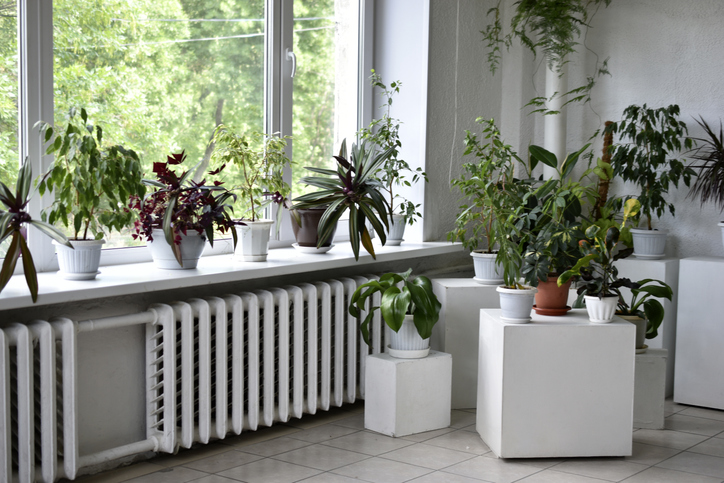
Grouping plants can improve humidity, but too much crowding limits airflow. Poor circulation encourages pests and moisture related issues that develop quietly. Some plants prefer space and show stress when pressed too closely together. Observing how plants respond to their surroundings helps you arrange them more thoughtfully. Spacing allows light to reach leaves evenly and air to move freely. This reduces stress and supports balanced growth. When plants have room, they often grow more predictably and require less intervention.
As you adjust spacing, your collection feels calmer and easier to manage. Problems become less frequent, and maintenance feels lighter. Each plant occupies its space comfortably, contributing to a balanced environment. Over time, you develop an instinct for when to group plants and when to give them distance. That awareness supports long term health and makes your space feel intentional rather than crowded.
10. Consistency Always Wins

Many plant problems begin with good intentions stretched too thin over time. Chasing perfect schedules often creates pressure that neither you nor your plants need. Life shifts, energy dips, and routines fall apart, leaving plants caught in constant adjustment. Consistency works differently. It favors small habits repeated gently, like checking soil before watering or noticing leaves while passing by. These actions seem simple, yet they build trust. Plants adapt to steady rhythms more easily than frequent changes. When care is predictable, roots settle, leaves stabilize, and growth becomes quieter. You stop reacting to every change and start responding with calm awareness. This steady approach reduces mistakes and allows plants to grow at their own pace without constant interruption that feels natural and supportive over time.
Over time, steady care becomes part of how you live, not something you perform. Instead of fixing, you notice. Instead of panicking, you pause. This shift changes everything. Plants respond with balanced growth and fewer dramatic setbacks. Missed days stop feeling like failures because the overall pattern remains intact. You learn which habits truly matter and which ones can bend without harm. That flexibility keeps plant care sustainable through busy seasons and quiet ones alike. As your confidence grows, your space reflects it. Plants look settled, not stressed. If this approach feels doable, start there today, repeat it tomorrow, and let your plants meet you exactly where you are with patience, consistency, and trust guiding the process forward gently for both you and them together.
11. Drainage Is Non Negotiable
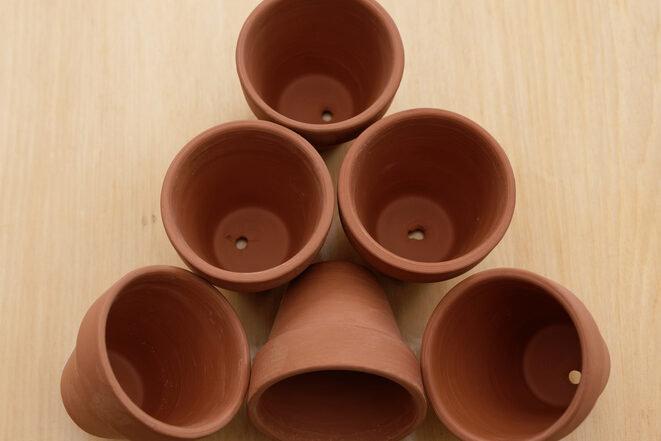
Drainage is one of those things that feels boring until it quietly saves a plant. Without a way for excess water to escape, soil stays wet longer than roots can handle. This leads to stress that shows up slowly, often mistaken for other problems. Yellowing leaves, soft stems, and sudden decline can all trace back to trapped moisture. A pot with proper drainage allows you to water thoroughly without fear. It creates balance by letting roots absorb what they need while releasing the rest. This simple feature supports oxygen flow and prevents suffocation. When drainage works, plants feel stable and forgiving, even if your watering timing is not perfect.
As you commit to drainage, your confidence improves. You stop hesitating during watering and start trusting your setup. Plants recover faster from mistakes because their environment can regulate excess moisture naturally. Over time, you notice fewer unexplained issues and more steady growth. Drainage reduces guesswork and creates consistency. It is one of the easiest ways to support plant health without adding effort. Once it becomes a standard, you wonder how you ever managed without it.
12. Repot Only When The Plant Asks
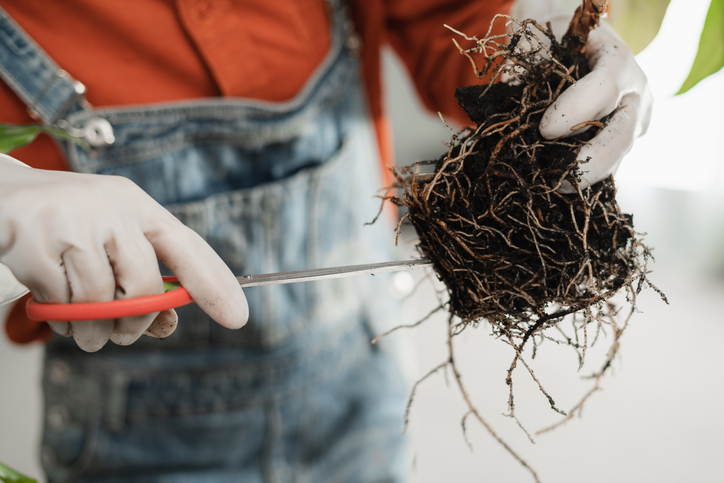
Repotting often feels like progress, especially when a plant looks stalled, but moving it too soon can quietly undo weeks of adjustment. Roots need time to explore their container, establish balance with moisture, and anchor the plant before being disturbed. When repotting happens too early, roots can tear, growth can pause, and stress can linger without obvious signs. Many plants actually prefer being slightly snug, using the resistance to grow stronger root systems. Signs that truly call for repotting include roots circling the pot, water running straight through soil, or growth slowing despite steady care. Waiting for these signals keeps repotting purposeful rather than impulsive. This patience prevents unnecessary shock and allows the plant to build resilience where it matters most, below the surface there.
When repotting is done with intention, the entire process feels calmer for both plant and caretaker. Choosing a container only slightly larger than the previous one reduces excess moisture and helps roots adjust faster. Handling the root ball gently and keeping familiar soil around it limits shock and preserves stability. After repotting, watering lightly and allowing time for recovery matters more than immediate growth. This slower approach respects the plant’s rhythm instead of forcing change. Over time, you become comfortable letting plants remain in their pots longer, trusting signs rather than impatience. That trust leads to fewer setbacks and healthier growth patterns. Repotting becomes a supportive step, not a gamble, and plants respond by settling in confidently and continuing their growth without unnecessary interruption forward.
13. Humidity Shapes Daily Comfort
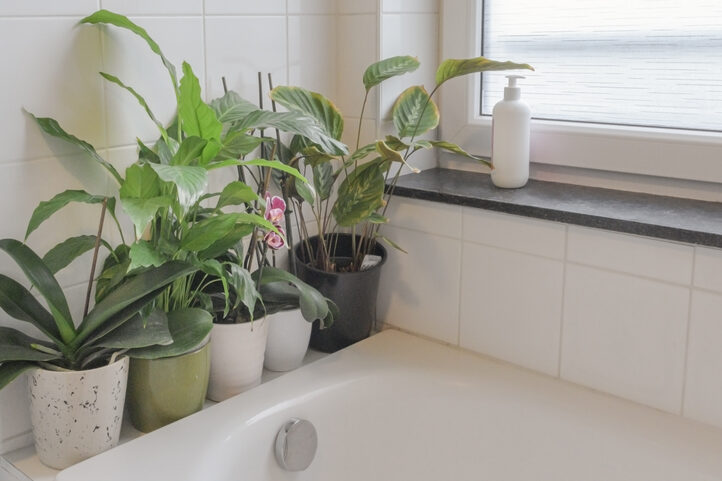
Humidity affects how plants manage water through their leaves, often more than new plant parents realize. In dry air, moisture escapes quickly, even when soil is properly watered. This imbalance can cause curling edges, dull leaves, or stalled growth that feels confusing. Indoor heating, air conditioning, and weather shifts all change humidity levels without warning. Understanding this connection helps explain why some plants struggle despite good care. Small adjustments can make a meaningful difference. Grouping plants together, placing shallow water nearby, or choosing naturally humid rooms supports healthier leaf function. These methods work quietly without overwhelming the plant. Humidity is not about perfection. It is about creating comfort that allows plants to breathe and regulate themselves more easily each day.
As you begin paying attention to humidity, your care becomes more balanced and less reactive. Plants appear calmer and recover more steadily from stress. You stop blaming watering habits for issues caused by dry air. Over time, you learn which plants need extra moisture in the air and which adapt well. This awareness reduces frustration and builds confidence. Humidity becomes part of the environment you shape gently rather than a problem you chase. With time, your space feels more supportive, and plants respond with healthier leaves and steadier growth that feels natural.
14. Seasons Change Indoor Rhythms
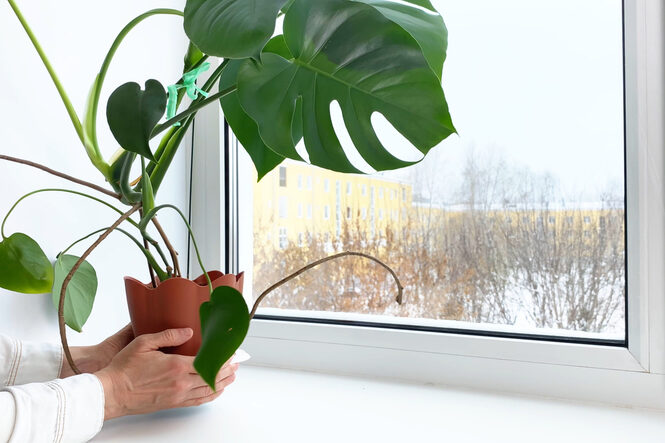
Even indoors, plants respond to seasonal changes in light and temperature. Shorter days often slow growth, while brighter seasons encourage new leaves. Continuing the same routine year round can quietly stress plants. During slower seasons, soil dries more slowly and roots need less water. Ignoring these shifts leads to overwatering and weakened growth. Paying attention to seasonal cues helps you adjust care without panic. Less frequent watering and gentler routines allow plants to rest when they need it. These changes reflect natural cycles plants are built to follow, even inside a home.
As you align care with seasons, plant health becomes more predictable. You stop forcing growth and start supporting balance. Over time, seasonal awareness becomes intuitive. You notice subtle changes in soil, leaves, and energy levels. Adjustments feel thoughtful instead of reactive. Plants respond with steadier growth and fewer setbacks. This flexibility removes pressure and builds trust. Care becomes responsive rather than rigid, allowing plants to move through their natural rhythms comfortably and without unnecessary interference.
15. Fertilizer Should Support Not Push
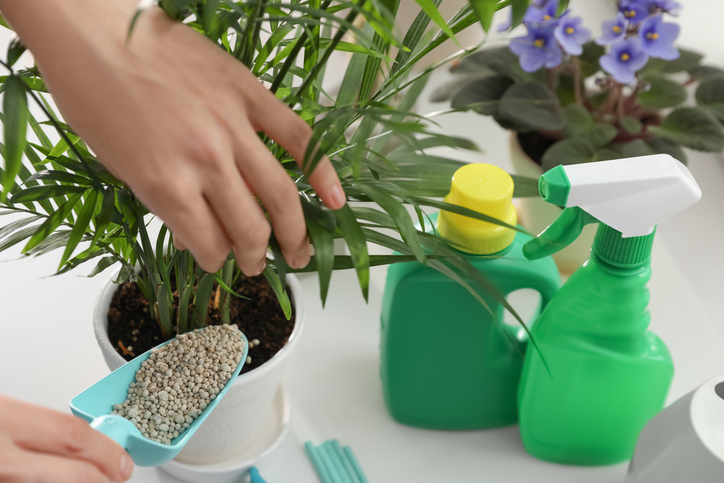
Fertilizer is often treated as a solution for slow growth, but using too much can create more problems. Overfeeding stresses roots and leads to weak or damaged leaves. Many plants require less fertilizer than expected, especially outside active growing periods. Feeding during dormancy can overwhelm roots that are not ready to absorb nutrients. Diluting fertilizer and applying it sparingly supports steady development. Fertilizer works best when it complements good light, soil, and watering habits. It should enhance growth, not force it.
When fertilizer is used gently, plants respond with healthier structure and balanced growth. Leaves strengthen without burning, and roots remain stable. You stop expecting instant results and focus on gradual improvement. Over time, feeding becomes intentional rather than frequent. This restraint protects plants from damage and encourages sustainable growth. Fertilizer becomes a supportive tool instead of a risk. With patience, plants show consistent progress that lasts beyond a single season.
16. Rotation Encourages Balanced Growth
Plants naturally lean toward light, and over time that leaning becomes permanent if nothing changes. One side stretches, stems bend, and leaves crowd together unevenly. This is not a flaw in the plant. It is a response to its environment. Rotation helps correct that response gently. Turning a plant slightly allows light to reach all sides, encouraging balanced growth and stronger structure. Rotation does not need to be frequent or dramatic. Small adjustments made consistently are enough to guide growth evenly. Without rotation, plants may weaken under their own weight or grow awkwardly. This simple habit supports symmetry and prevents strain before it becomes visible damage. It is an easy way to work with how plants naturally grow instead of fighting against it.
As rotation becomes part of your routine, you begin noticing subtle improvements. Leaves distribute more evenly, stems grow straighter, and plants appear calmer in their posture. This habit requires very little effort but delivers lasting benefits. Over time, rotation becomes automatic rather than something you remember only when a plant looks off balance. That consistency reduces stress and improves overall plant health. Balanced growth also makes plants easier to maintain and more visually pleasing. When plants are supported evenly, they require fewer corrections later. Rotation quietly reinforces stability and allows plants to grow comfortably within your space, adapting naturally without constant intervention or concern from you.
17. New Plants Need A Pause
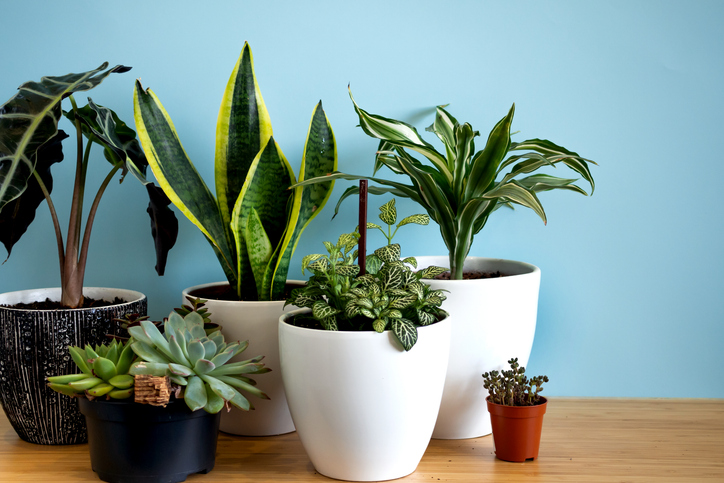
Bringing home a new plant often comes with excitement and the urge to place it immediately among others. However, new plants carry unknown conditions that are not always visible right away. Stress from transport, changes in light, or hidden pests can take time to appear. Giving a new plant its own space allows you to observe how it responds to your environment without risking the health of your existing collection. This pause is not about suspicion. It is about patience and protection. Watching leaf posture, soil moisture, and overall energy during the first weeks helps you understand the plant’s needs before it settles permanently. This brief separation creates clarity and prevents problems from spreading quietly.
As observation becomes routine, confidence grows. You notice small changes early and respond calmly. If a plant struggles, you can adjust care without affecting others. If it thrives, you introduce it knowing it is stable. Over time, this habit saves effort and prevents loss. New plants integrate more smoothly, and your collection stays healthier overall. The pause becomes a natural part of welcoming new additions. Instead of rushing, you allow adjustment to happen gently. That patience strengthens your relationship with your plants and reinforces thoughtful care from the very beginning.
18. Roots Need Air To Stay Healthy
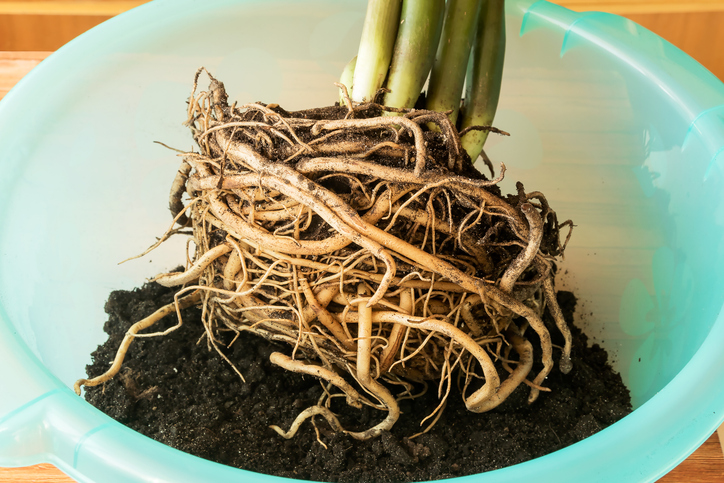
Roots do more than hold a plant in place. They breathe, absorb nutrients, and regulate water intake. When soil stays compacted or constantly wet, oxygen cannot reach the roots properly. This lack of airflow weakens roots and makes plants more vulnerable to stress. Symptoms often appear slowly, including drooping, yellowing, or stalled growth that feels confusing. Choosing soil that drains well and pots with proper openings helps prevent these issues. Air pockets in the soil allow roots to function efficiently. Healthy roots create a strong foundation for everything above the surface. When roots can breathe, plants manage water better and recover more easily from mistakes.
As you begin supporting airflow, you notice changes in stability and growth. Plants feel firmer in their pots and respond better to watering routines. Recovery from stress becomes quicker and more predictable. You stop chasing surface symptoms and start focusing on root conditions. Over time, this understanding reshapes how you approach plant care. You become more intentional with soil choices and watering habits. Roots thrive quietly when their needs are met, and plants reward that care with steady growth. Supporting airflow is not complicated, but it is essential for long term plant health.


