
1. Dogs Circling Before Lying Down

Long before dogs curled up on couches or cats ruled sunny windowsills, many everyday behaviors still echo those ancient roots in ways we often overlook. When dogs circle before lying down, they are repeating a behavior that dates back to wild canines. Wolves and early dogs would trample tall grass or leaves to create a safer resting spot, flattening vegetation that might hide snakes or insects. Circling also helped them check wind direction and scent for nearby threats. Research into wolf behavior shows this was part of selecting a secure sleeping area in open landscapes. Even though modern dogs sleep on cushions and beds, the instinct remains deeply wired. It’s a leftover survival ritual from a time when choosing the wrong resting spot could mean exposure to predators or harsh weather conditions.
2. Cats Kneading Soft Surfaces
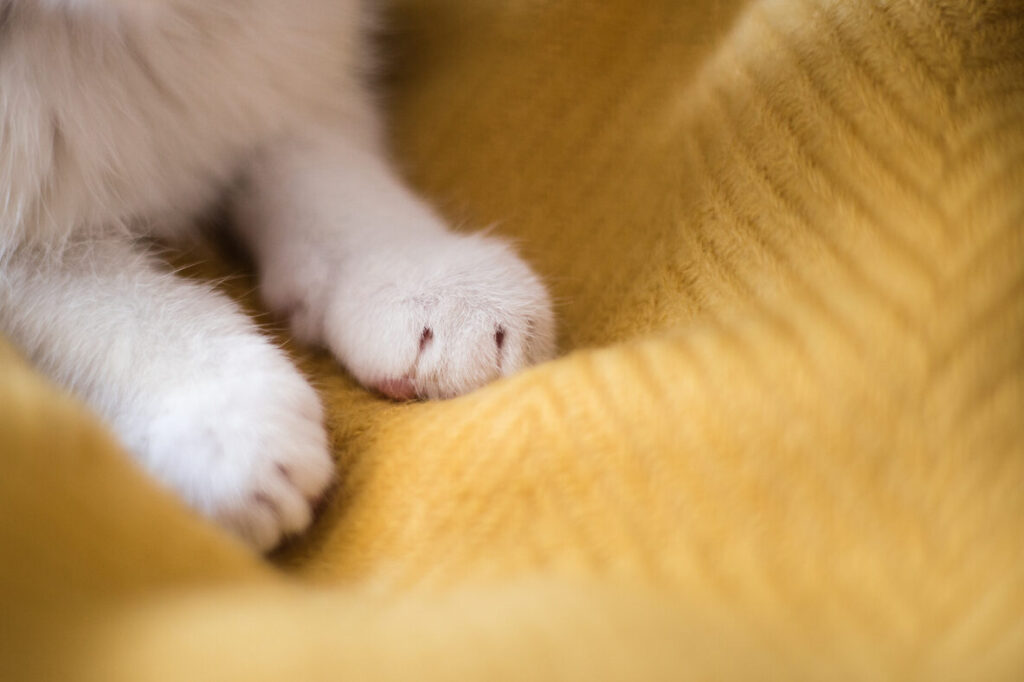
Kneading traces back to early feline survival behaviors linked to nursing and nesting. Kittens knead their mother’s belly to stimulate milk flow, a behavior observed across wild and domestic cats. As adults, cats continue kneading because it provides comfort and signals safety. In the wild, kneading also helped cats prepare soft bedding in grass or leaves before resting. Scientists studying feral cat colonies note that kneading is associated with relaxation and territory marking, as scent glands in a cat’s paws release pheromones. What looks like a sweet habit today is actually an ancient behavior rooted in early survival, bonding, and comfort.
3. Dogs Burying Food or Toys
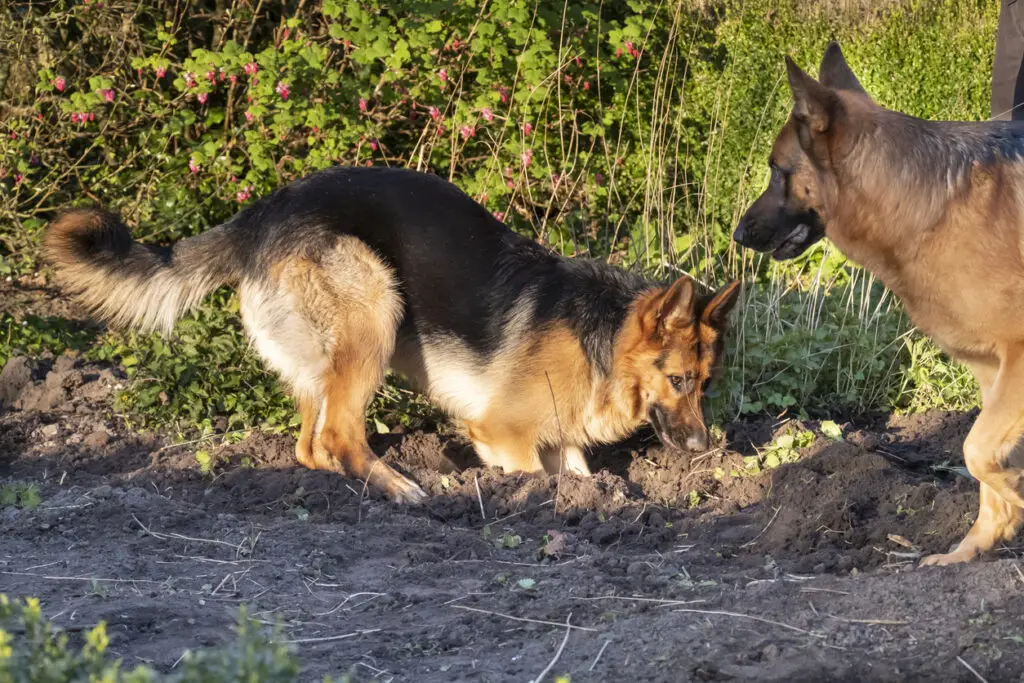
Burying food is a classic survival instinct inherited from dogs’ wild ancestors. Wolves and early dogs often cached leftover food by burying it to protect it from scavengers and return later during lean times. Studies of wild canids show this behavior helped ensure survival when prey was scarce. Domestic dogs don’t face starvation, but the instinct persists, especially with high-value items like bones or favorite toys. Digging and hiding also engages natural problem-solving behaviors tied to food security. Even dogs that never experience hunger may bury items simply because their brains are still wired for a world where saving resources mattered.
4. Cats Stalking Even During Play

When cats crouch low, flick their tails, and pounce on toys, they’re practicing ancient hunting skills. Wildcats relied on stealth and precise movement to catch prey, often conserving energy by stalking carefully before attacking. Behavioral studies confirm that play hunting in domestic cats mirrors real predatory sequences seen in wild felines. This instinct appears early in kittens and continues throughout adulthood. Even well-fed house cats retain the urge to hunt because their brains evolved for frequent small prey captures. What looks like playful fun is actually a deeply ingrained survival behavior honed over thousands of years.
5. Dogs Barking at Unfamiliar Sounds

Alert barking originates from dogs’ role as early warning systems in human and pre-human communities. Wild canines vocalized to signal danger, warn pack members, and defend territory. Archaeological and behavioral research suggests early domestication favored dogs that were good at alerting humans to threats. Barking at unfamiliar sounds today reflects that ancient watchdog role. Even in safe modern homes, dogs instinctively respond to unexpected noises because their ancestors survived by noticing and reacting quickly. This behavior helped protect packs and campsites from predators or rival groups long before modern security systems existed.
6. Cats Preferring High Places

Cats’ love for high places comes straight from their wild ancestry. Elevated positions gave early cats a strategic advantage, allowing them to observe prey and detect predators while remaining unseen. Studies of wild and feral cats show they naturally seek vertical territory for safety and control. Height also reduces stress by providing a sense of security. In homes, shelves, cabinets, and cat trees replace rocks and trees from prehistoric landscapes. This instinct isn’t about mischief; it’s about survival awareness embedded deep within feline behavior over thousands of years.
7. Dogs Forming Strong Pack Bonds
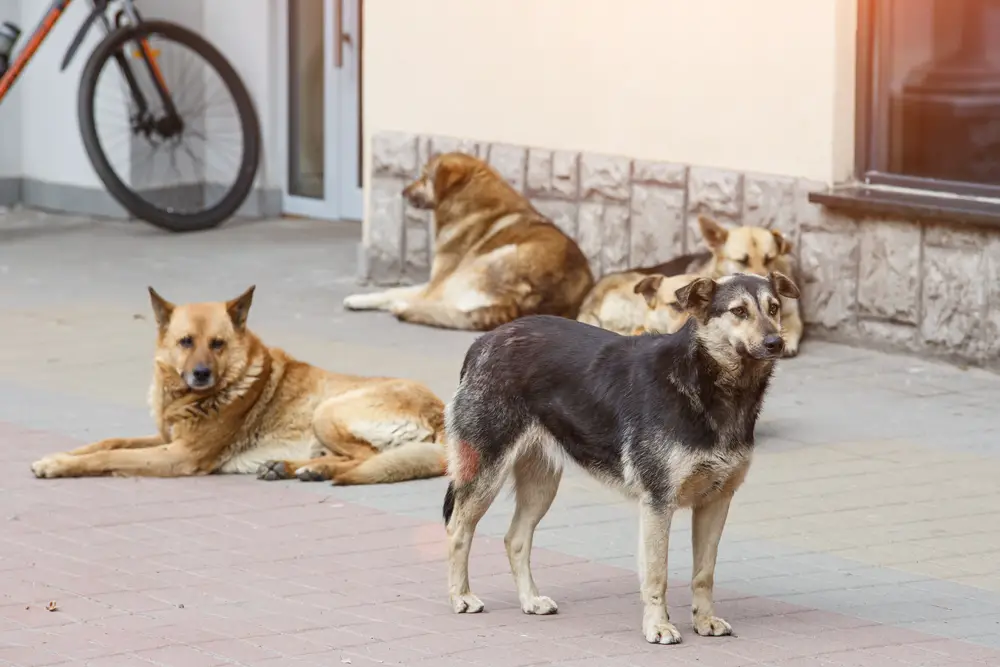
Dogs’ strong attachment to humans and other dogs reflects ancient pack dynamics inherited from wolves. Survival depended on cooperation, shared hunting, and social hierarchy. Research into canine cognition shows dogs are highly attuned to social cues, a trait shaped by pack living. These instincts explain why dogs thrive on companionship and struggle with isolation. Even today, dogs look to humans as part of their social group, responding to leadership, routine, and shared activity. Their loyalty and social awareness aren’t learned behaviors but evolutionary traits that once ensured survival in harsh prehistoric environments.
8. Cats Hiding Signs of Pain

Cats instinctively hide pain or illness, a behavior rooted in prehistoric survival. In the wild, showing weakness could attract predators or cause loss of territory. Studies in veterinary behavior confirm that cats mask symptoms until they become severe. This instinct helped solitary hunters avoid being targeted. Even domestic cats retain this protective behavior, often retreating to quiet places when unwell. While it can make illness harder to detect, the instinct reflects a deeply ingrained survival strategy. Understanding this behavior helps explain why subtle changes in routine can be critical warning signs for cat owners.
9. Dogs Digging Holes

Digging is one of the oldest canine survival instincts, tracing back to prehistoric wild dogs and wolves. In ancient environments, digging served several purposes, including creating dens for shelter, hiding food from scavengers, and regulating body temperature by reaching cooler soil. Studies of wild canines show that shallow pits were often used to escape heat or wind. Modern dogs dig for many of the same instinctive reasons, even if the environment no longer demands it. Whether it’s a backyard or a sofa cushion, the urge reflects an ancient behavior that once protected dogs from predators and harsh climates.
10. Cats Bringing “Gifts” Home
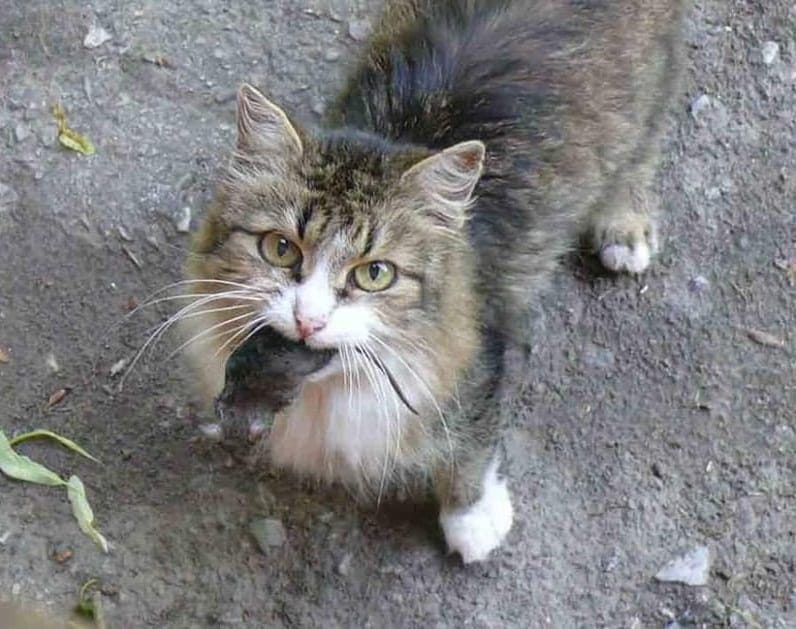
When cats bring home prey, it’s not misbehavior but a deeply rooted survival instinct. In wild feline societies, adult cats teach younger ones how to hunt by delivering injured or dead prey. Behavioral research suggests domestic cats extend this instinct toward their human families. Bringing prey also reflects territorial confidence and successful hunting skills. Even indoor cats may mimic the behavior with toys. This instinct dates back thousands of years, when hunting success meant survival. While it can be unsettling today, the behavior is a sign of natural predatory programming rather than aggression or defiance.
11. Dogs Rolling in Strong Smells

Rolling in strong or unpleasant smells is linked to ancient hunting and pack communication behaviors. Wild canines often masked their own scent by rolling in animal remains or strong odors, making it easier to approach prey unnoticed. Some researchers also suggest the behavior helped dogs bring new scent information back to the pack. Although modern dogs no longer hunt for survival, the instinct persists. This explains why many dogs eagerly roll in things humans find unpleasant. It’s not mischief but a prehistoric strategy rooted in camouflage and social communication.
12. Cats Scratching Vertical Surfaces

Scratching serves multiple ancient purposes for cats, all tied to survival. Wild cats scratched trees to sharpen claws, remove damaged outer layers, and maintain hunting tools. Scratching also marks territory through visible signs and scent glands in the paws. Research on feral cats confirms scratching helps establish boundaries without direct confrontation. In modern homes, furniture replaces tree trunks, but the instinct remains unchanged. This behavior isn’t about destruction but about physical maintenance and communication. It reflects a time when strong claws and clear territorial signals were essential to staying alive.
13. Dogs Chasing Moving Objects
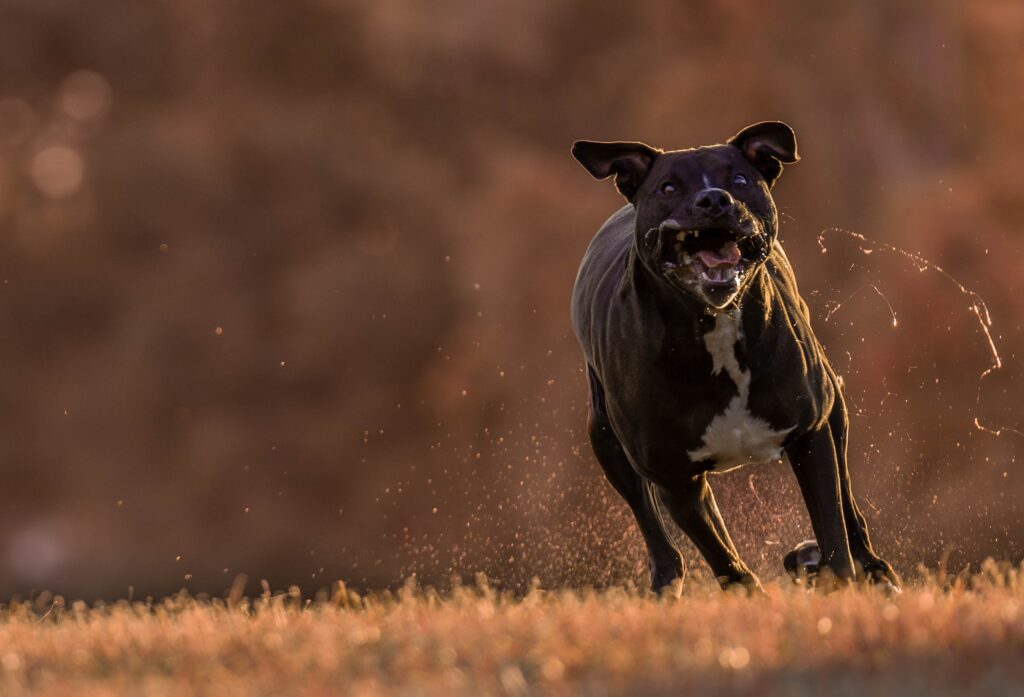
Chasing behavior comes directly from dogs’ prehistoric hunting instincts. Early dogs relied on movement cues to identify prey, triggering an automatic pursuit response. Studies in canine behavior describe this as prey drive, a sequence involving spotting, chasing, and capturing. While modern dogs no longer need to hunt, fast-moving objects like balls, bikes, or squirrels activate the same neural pathways. This instinct explains why chasing can be difficult to train away completely. It’s a deeply embedded survival response that once helped dogs secure food and support their pack.
14. Cats Grooming Themselves Constantly

Excessive grooming in cats has ancient survival roots. In the wild, grooming helped remove parasites, dirt, and blood that could attract predators or cause infection. Studies show that grooming also helps regulate body temperature and reduce stress. For solitary hunters like cats, staying clean was essential to remaining undetected. Domestic cats maintain this instinct, often grooming for hours each day. While it appears meticulous, the behavior reflects prehistoric necessity. Grooming wasn’t about comfort alone; it was a protective measure that improved survival odds in dangerous environments.
15. Dogs Sleeping Lightly

Dogs often sleep lightly, waking quickly at unfamiliar sounds, because their ancestors needed constant vigilance. Wild dogs rarely entered deep sleep for long periods, as predators or rival packs posed constant threats. Research into canine sleep patterns shows dogs alternate between light rest and alert awareness. This instinct allowed them to protect themselves and their group even while resting. Modern dogs retain this behavior, which explains why they may wake suddenly or change sleeping positions often. Light sleeping once increased survival and still shapes canine behavior today.
16. Cats Preferring Routine

Cats’ strong attachment to routine stems from territorial survival strategies developed in prehistory. Wild cats depended on predictable patterns to hunt efficiently and avoid danger. Research indicates that cats thrive when environments remain stable, as sudden changes once signaled threats. Routine feeding, resting, and patrol schedules helped conserve energy and maintain control over territory. Domestic cats continue to rely on predictability, becoming stressed when routines are disrupted. This instinct reflects ancient environments where consistency meant safety. What seems like stubbornness is actually a survival-based preference for stability.
17. Dogs Instinctively Protecting Resources
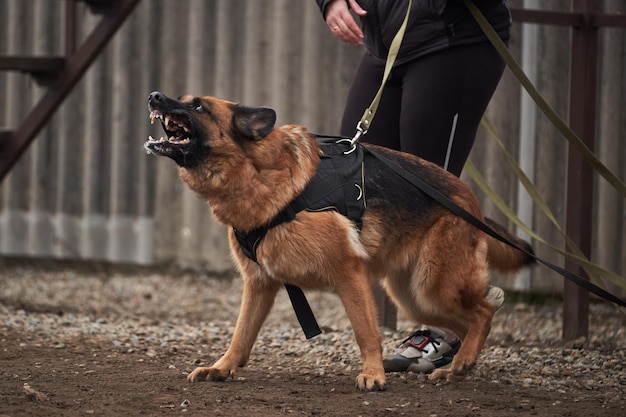
Resource guarding is an instinct that developed when food was never guaranteed. Prehistoric dogs and wolves competed with predators and rival packs, making protection of meals, resting spots, and even companions essential for survival. Behavioral research shows that guarding behaviors increase around high-value resources, reflecting ancient scarcity-driven instincts. Modern dogs may guard food bowls, toys, or favored sleeping areas, even when food is plentiful. This behavior is not rooted in dominance but survival memory. In early environments, losing food could mean starvation. Today, the instinct remains embedded, though it can be gently managed through training and trust-building.
18. Cats Freezing When Threatened
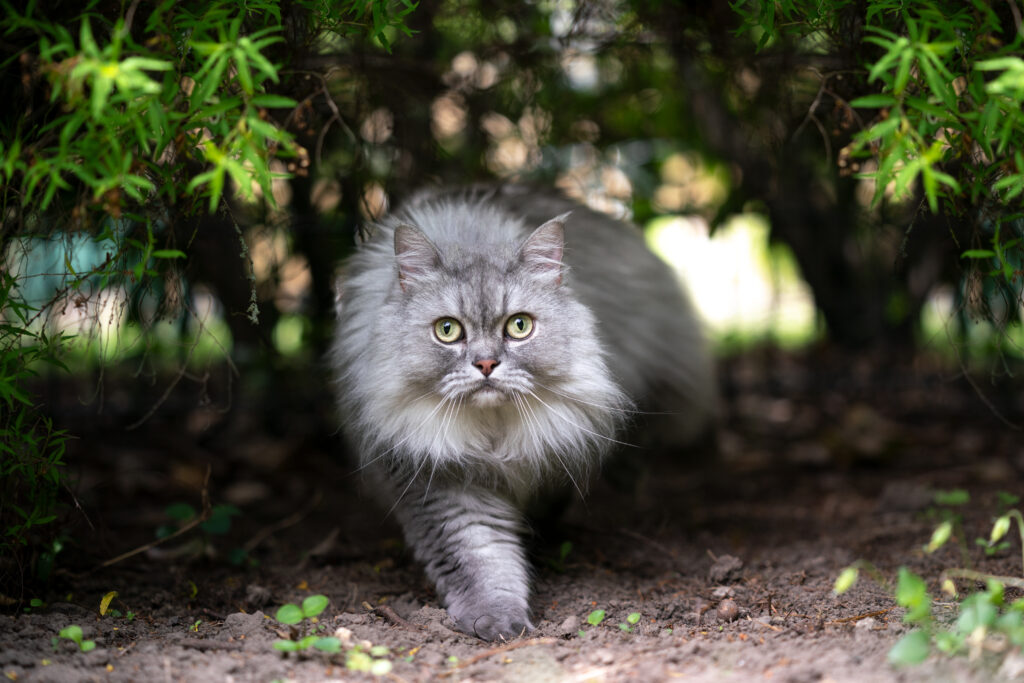
Freezing in place is a prehistoric defensive strategy still seen in cats today. Unlike dogs, cats often relied on remaining motionless to avoid detection rather than fleeing immediately. In wild environments, stillness helped cats blend into surroundings, reducing the chance of being noticed by predators or prey. Studies of feline behavior show that freezing is often the first response to perceived danger, buying time to assess escape options. Domestic cats may freeze during loud noises or unfamiliar encounters. This instinct reflects ancient survival logic, where sudden movement could attract unwanted attention and increase risk.
Our pets may live far from the dangers of prehistoric landscapes, but their instincts tell a much older story. Understanding these instincts helps us see everyday habits not as quirks, but as living connections to their ancient past.
Like this story? Add your thoughts in the comments, thank you.


