
1. Megalodon
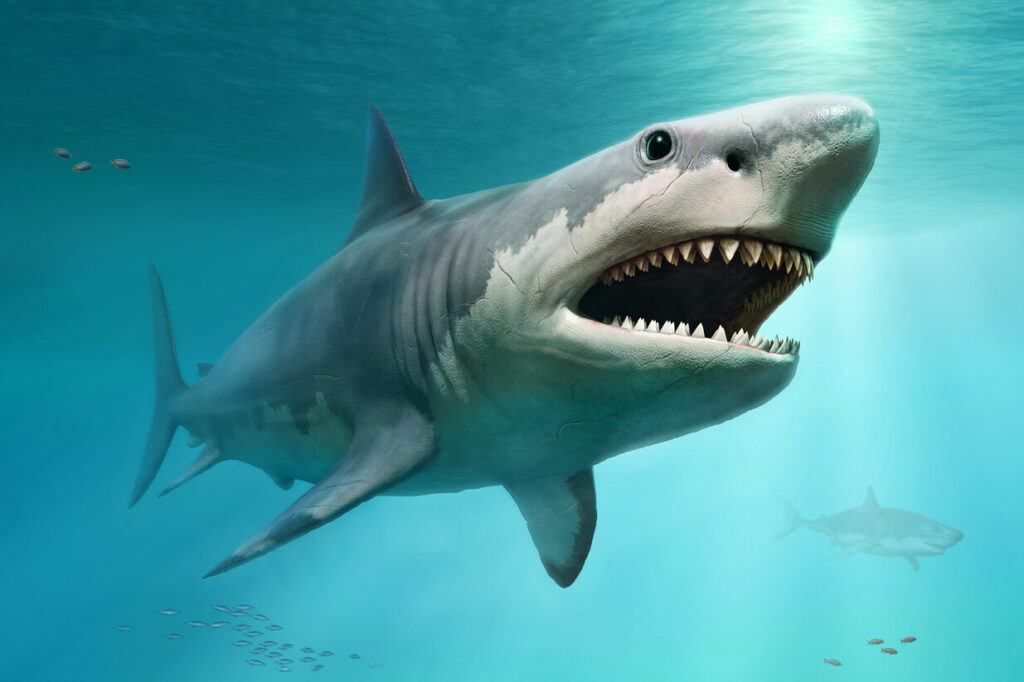
When people picture the most dangerous creatures in history, dinosaurs usually come to mind first because movies taught us to imagine roaring giants with massive teeth. Yet long before modern oceans felt familiar, Megalodon ruled the seas as a predator so large it fed on whales and anything else it chose to pursue. Its teeth, some as big as a human hand, show how enormous its bite really was. For animals living in those waters, there was no forest to hide in and no cliff to climb. There was only open ocean stretching endlessly in every direction.
That setting alone made the threat feel constant. Marine researchers believe Megalodon relied on stealth from below, attacking upward with crushing force before prey had time to react. Unlike land dinosaurs that often chased visible targets, this shark controlled a three dimensional environment where escape paths were limited from the start. Imagining calm water suddenly breaking beneath you makes it clear why this ocean ruler may have felt more unavoidable than many famous prehistoric hunters.
2. Titanoboa
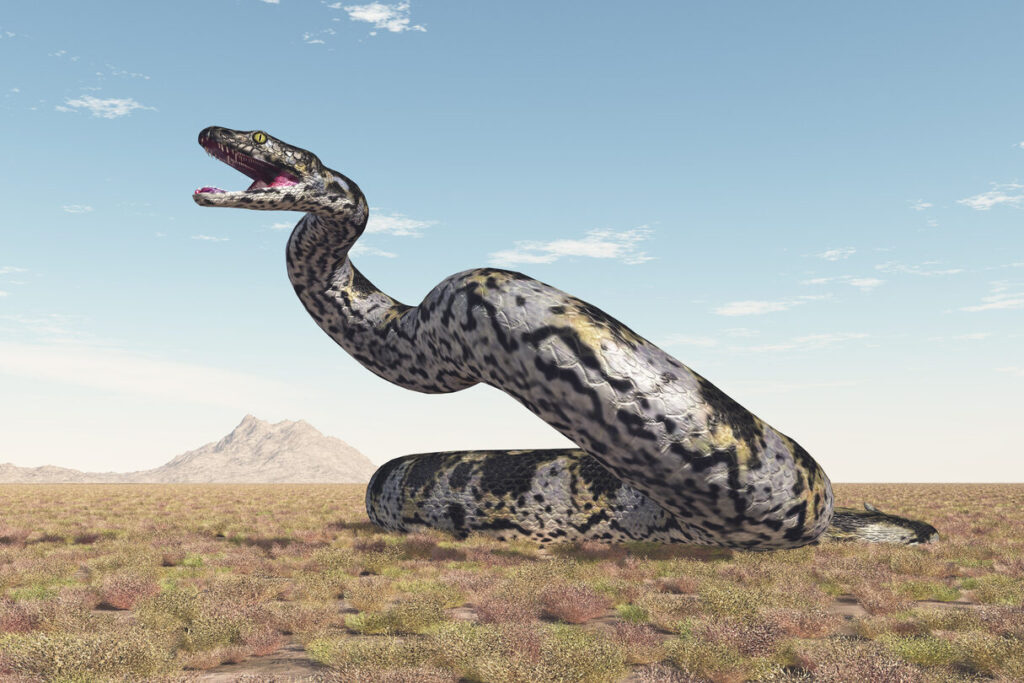
After the dinosaurs disappeared, tropical river systems in ancient South America held a snake so large that modern anacondas seem modest beside it. Titanoboa stretched over forty feet and lived in dense swamp environments where constant heat allowed reptiles to grow to extreme sizes. Fossil evidence suggests its body was thick enough to overpower giant crocodile relatives, using pure constriction rather than venom. That method feels unsettling because it mirrors the hunting style of modern boas, only expanded to a scale almost impossible to imagine beside an ordinary muddy shoreline.
Scientists studying Titanoboa believe it spent much of its time partially submerged, using still water and heavy vegetation as natural camouflage. Prey likely sensed danger only once the coils were already tightening. Standing near such a river would have meant sharing the bank with something patient, hidden, and massively strong. Compared with many dinosaurs that depended on speed or claws, this snake proved that silent pressure and overwhelming muscle could control an ecosystem just as effectively.
3. Sarcosuchus
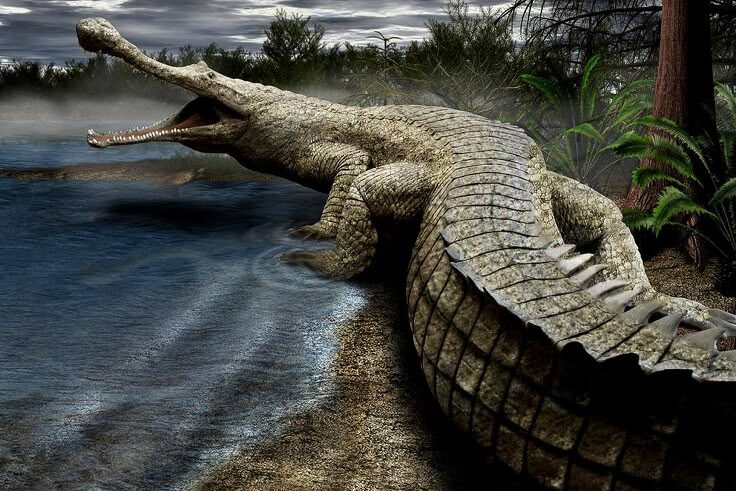
Sarcosuchus looked strikingly similar to modern crocodiles, which makes it easier and far more uncomfortable to picture in action. Growing close to forty feet long, this giant reptile likely waited along ancient riverbanks for dinosaurs that came to drink. Fossil skulls reveal a long snout filled with gripping teeth built for holding prey securely rather than slicing it apart. Paleontologists believe it launched sudden ambush attacks, dragging victims into deep water where struggling quickly became useless against its massive body weight.
Because its design resembles living crocodiles, the hunting scene feels less like fantasy and more like a familiar wildlife encounter pushed to an extreme size. Modern crocodiles already demonstrate how effective ambush and rolling force can be once jaws lock. Sarcosuchus likely used the same strategy with far greater power behind each movement. That similarity shows how nature sometimes perfects a predator design early and simply scales it upward when environmental conditions allow.
4. Dunkleosteus
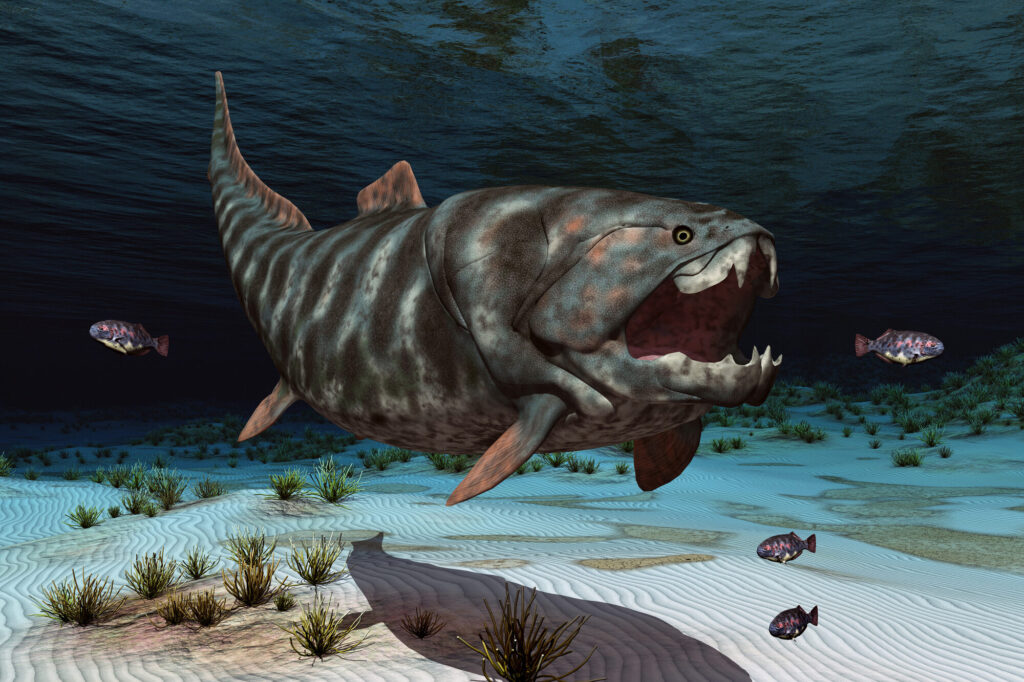
Long before dinosaurs dominated land, ancient seas contained Dunkleosteus, a massive armored fish built almost like a moving fortress. Instead of ordinary teeth, it carried sharpened bony plates that acted like natural cutting blades. Jaw studies suggest these plates could snap shut with remarkable speed, producing enough force to crush other armored sea animals instantly. Thick head armor protected vital areas while the rest of the body remained streamlined for pursuit, giving it both defense and sudden attack capability in dark prehistoric waters.
This predator did not rely on dramatic claws or long pursuit chases. Precision and mechanical efficiency handled everything. Fossils even show bite marks from its own species, hinting that territorial fights or cannibalistic feeding sometimes occurred. In murky seas where visibility stayed low, prey probably never saw what approached before impact. Dunkleosteus quietly proves that some of history’s most dangerous hunters succeeded not through terrifying appearance, but through fast, engineered effectiveness.
5. Mosquito
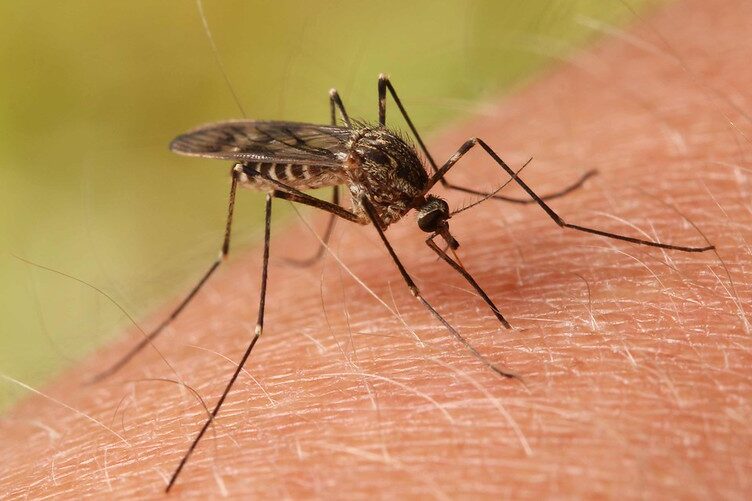
It feels unusual placing mosquitoes beside giant prehistoric predators, yet in terms of real human impact nothing else comes close. Mosquitoes transmit diseases such as malaria, dengue, and yellow fever, affecting millions of people every year across multiple continents. Unlike large predators that attack occasionally, mosquitoes operate constantly within everyday environments. Their danger comes not from visible strength but from invisibility and reach. A single unnoticed bite can begin an illness that spreads far beyond the moment of contact, changing how we measure biological threat entirely.
These insects thrive in cities, rural wetlands, forests, and even temporary puddles, adapting easily wherever humans live. That flexibility has allowed them to remain one of the most persistent dangers in recorded history. Dinosaurs frightened whatever crossed their path, but mosquitoes influence entire populations quietly and continuously. The contrast is humbling. Nature sometimes places its most powerful risks inside the smallest and most familiar shapes, reminding us that survival success often depends on adaptability rather than size.
6. Box Jellyfish
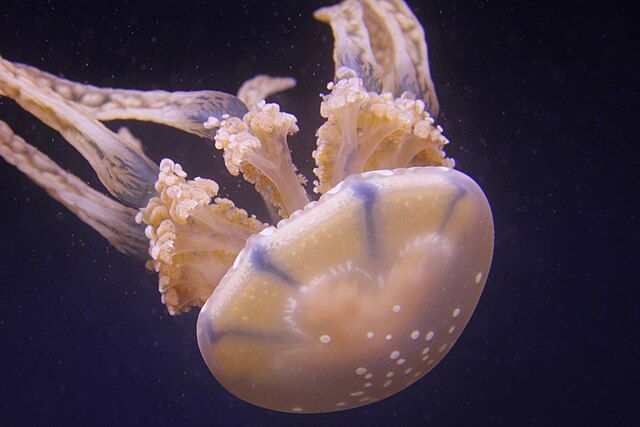
The box jellyfish drifts through tropical coastal waters with a body so transparent that swimmers often cannot see it even in clear sunlight. Its trailing tentacles carry venom capable of disrupting the heart and nervous system very quickly after contact. Because it does not chase or splash, encounters often feel sudden and confusing. A calm swim can turn serious within seconds simply from brushing against nearly invisible threads in the water, making this creature one of the ocean’s most quietly feared residents.
Beach safety teams in northern coastal regions monitor jellyfish movement closely during certain seasons because accidental contact alone can cause severe reactions. What makes this animal especially unsettling is the absence of dramatic warning signs. The sea can appear perfectly peaceful right up until the instant of contact. Compared with prehistoric hunters that relied on visible size or loud movement, the box jellyfish shows how evolution sometimes favors stealth and chemical defense over physical confrontation.
7. Saltwater Crocodile
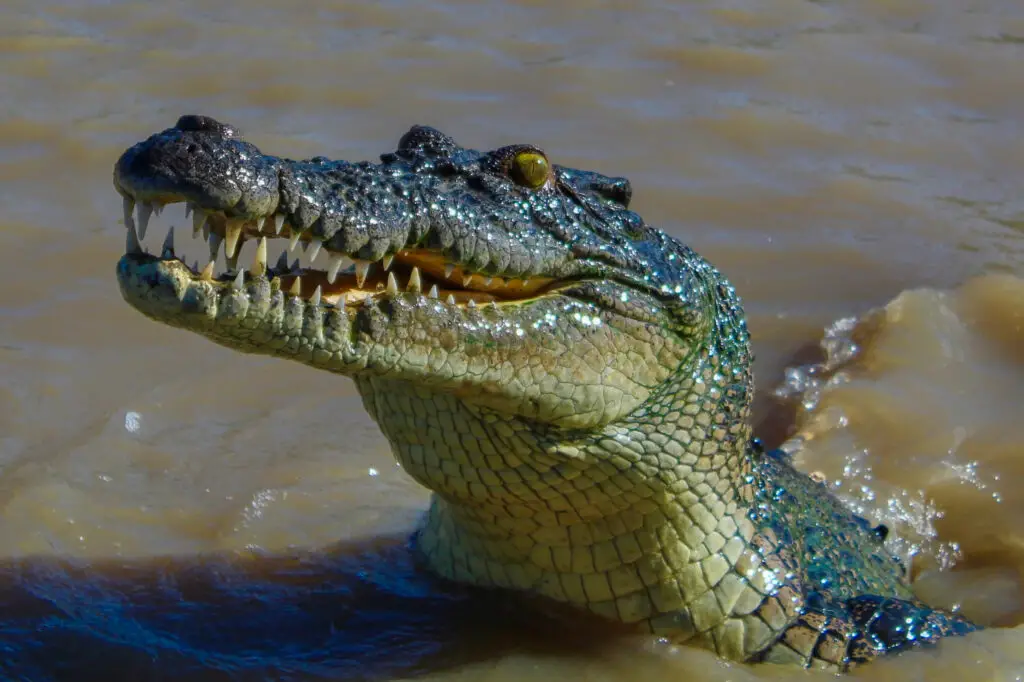
Saltwater crocodiles remain one of the clearest living links to ancient reptile dominance, growing over twenty feet in some cases and carrying immense bite strength supported by thick jaw muscles. They inhabit rivers, estuaries, and coastal zones across parts of Asia and Australia, often sharing waterways with fishing routes and local communities. Their hunting strategy relies on long periods of stillness near shorelines followed by explosive lunges when prey approaches water to drink or cross.
Wildlife officers treat these crocodiles with serious caution because they can move faster than expected during short bursts on both land and water. Their ability to remain mostly submerged with only eyes visible makes them difficult to detect until they are already close. Unlike extinct reptiles that exist only in fossil records, saltwater crocodiles represent an ongoing coexistence between humans and prehistoric level predators, reminding observers how effective this survival design has remained across millions of years.
8. Pufferfish
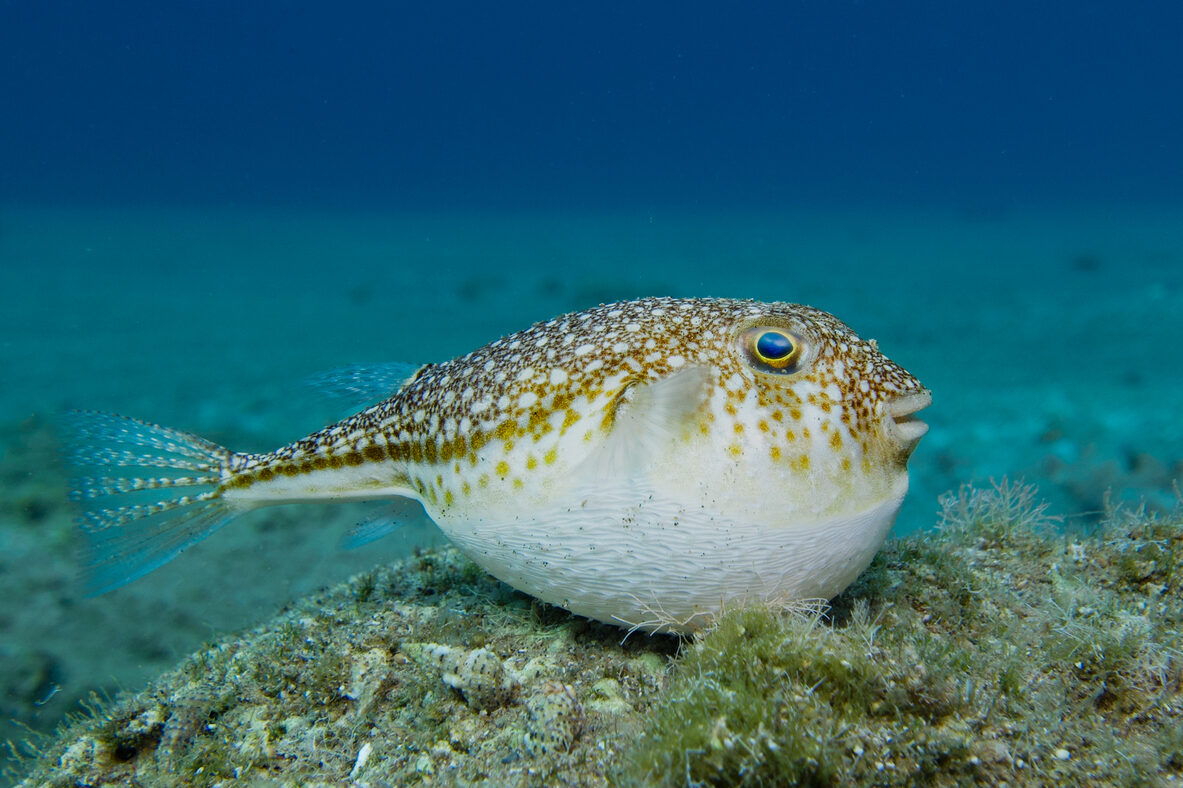
Pufferfish often appear gentle and almost curious while swimming slowly along coral reefs, which makes their internal defense especially surprising. Inside their organs sits tetrodotoxin, a neurotoxin strong enough to cause paralysis in extremely small quantities. The fish itself does not chase large prey or behave aggressively. Instead, its entire survival strategy relies on becoming too dangerous to eat safely. When threatened, it inflates its body into a rounded defensive shape that signals predators to stay away.
In some regions, specially trained chefs prepare certain pufferfish dishes under strict licensing because improper handling can leave dangerous toxin levels. This unusual relationship between harmless appearance and powerful chemical protection shows a very different evolutionary path compared with clawed prehistoric hunters. The pufferfish demonstrates that an animal does not need size, speed, or aggression to become formidable. Sometimes nature protects a species simply by making it biologically untouchable.
9. King Cobra
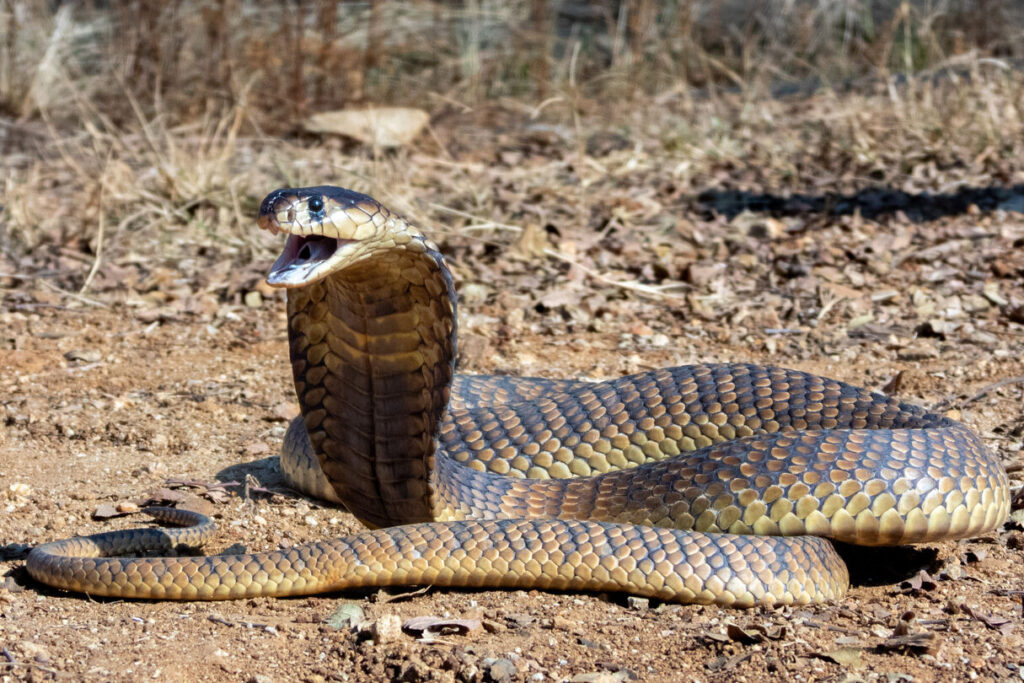
The king cobra carries a calm but serious presence in the forests where it lives, growing up to eighteen feet long and capable of lifting part of its body upright while observing movement carefully. Rather than striking immediately, it often watches first, creating tense moments where both snake and intruder remain still. Its venom targets the nervous system, meaning untreated bites can shut down breathing and muscle control, making encounters extremely dangerous despite the snake’s generally measured behavior.
Herpetologists often describe the king cobra as unusually aware compared with many other snake species, showing controlled defensive reactions rather than random aggression. That composed readiness can feel more intimidating than sudden chaotic attacks because the movement appears deliberate and focused. Across many cultures, the cobra has long symbolized both danger and respect. Its behavior quietly demonstrates how patience, awareness, and precise timing can make a predator effective without needing overwhelming body size.
10. African Cape Buffalo
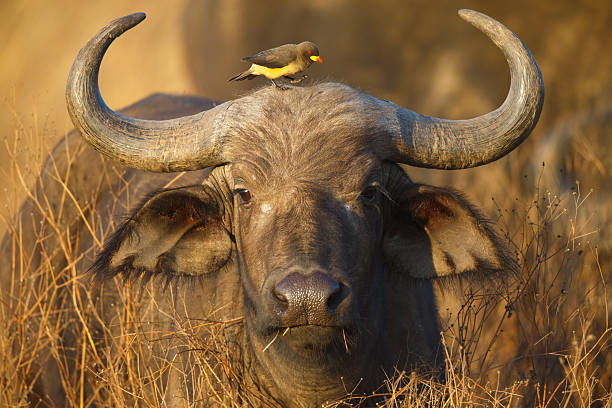
African Cape buffalo often look calm while grazing, which is exactly why many first time safari visitors underestimate them. Adult males can weigh close to a ton and carry heavy curved horns that form a thick defensive shield across the forehead. Wildlife guides frequently explain that buffalo react very quickly when they sense danger, sometimes charging without long warning if they feel cornered or if the herd becomes stressed. Because they live in large groups, even a small disturbance can trigger a strong collective response that turns a peaceful grassland moment into a tense situation within seconds.
Field trackers say buffalo are especially risky because injured individuals sometimes circle back rather than fleeing, creating unexpected encounters for anyone following their trail. Their strength, herd loyalty, and unpredictable defensive behavior combine to make them one of the animals professionals treat with steady respect. Compared with prehistoric predators that hunted alone, the buffalo shows how group awareness and protective instinct can create real world danger that feels immediate, grounded, and very present in modern landscapes.
11. Army Ants
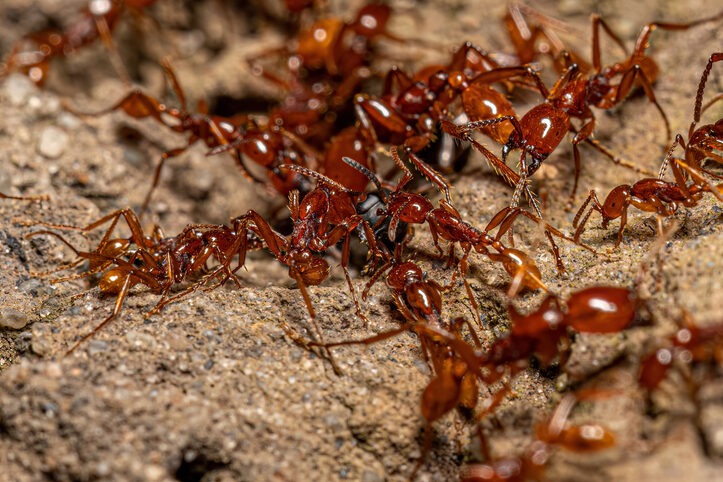
Army ants are tiny on their own, yet together they form enormous coordinated swarms that move through forest floors like a slow advancing tide. These insects communicate through chemical trails, allowing thousands to move in the same direction while searching for food. As the swarm progresses, small animals, insects, and reptiles flee ahead of it because anything trapped in place can be overwhelmed by sheer numbers. The system works without leaders, relying entirely on instinctive cooperation that keeps the movement steady and highly organized.
Scientists studying their behavior often describe these raids as one of the clearest examples of collective survival strategy in nature. The ants do not depend on strength or speed individually, but their coordination creates unstoppable pressure once the swarm forms. Larger animals usually avoid active columns rather than challenge them directly. Watching footage of an army ant advance makes it clear that danger in the natural world is sometimes built from organization rather than size, reminding us that even the smallest creatures can dominate an environment when they move together.
12. Komodo Dragon
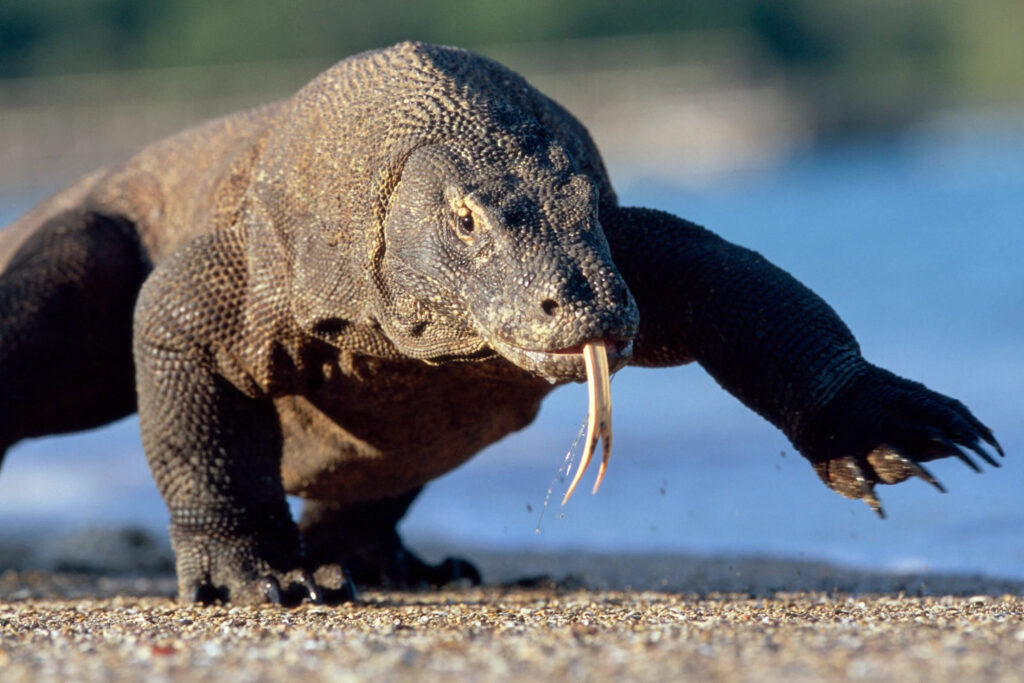
Komodo dragons move with a slow confidence across the dry islands where they live, giving the impression that nothing in their environment truly rushes them. These giant lizards can grow over ten feet long, equipped with serrated teeth, strong limbs, and venom that interferes with blood clotting. When they bite prey, they do not always need to chase immediately. Rangers explain that the injured animal often weakens over time, allowing the dragon to follow patiently until exhaustion takes over and resistance drops naturally.
Visitors to Komodo National Park are always accompanied by trained guides because even a curious approach can become dangerous if the animal feels threatened or smells food nearby. Seeing one walk calmly across open ground feels like watching a smaller echo of ancient reptile dominance still functioning in today’s world. The Komodo dragon quietly proves that patience and biological efficiency can matter more than speed, showing how some survival strategies from deep history never really disappeared at all.
13. Short Faced Bear
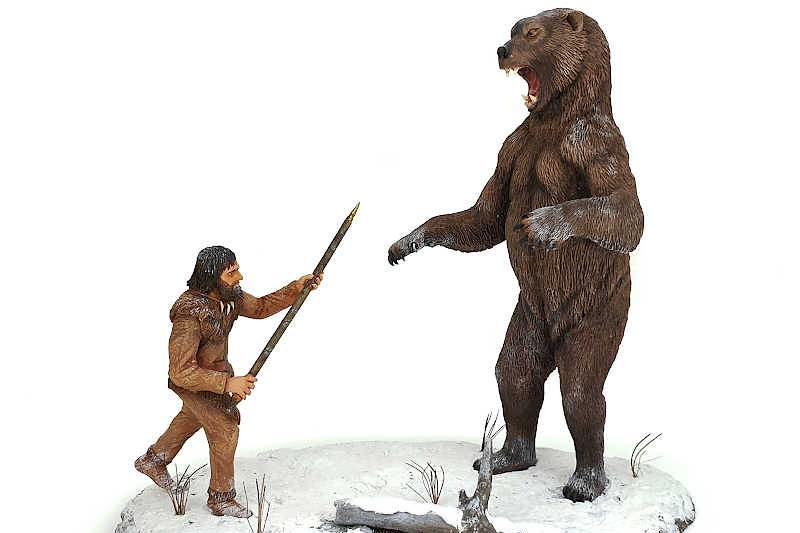
Short faced bears of the Ice Age were enormous compared with most modern bears, standing potentially over ten feet tall when upright and built with long legs that allowed surprisingly fast movement. Fossil analysis suggests they could cover ground efficiently while also intimidating other predators away from carcasses simply through size and presence. Unlike animals specialized for only one hunting style, these bears likely combined scavenging, active hunting, and territorial dominance depending on opportunity. That flexibility may have made them extremely formidable within their environment.
Imagining such a massive animal crossing open plains would have changed how every nearby species behaved, since even large competitors would hesitate before challenging it. Their build suggests not just strength but endurance, allowing them to control feeding grounds across wide territories. Compared with many dinosaurs that depended on narrow ecological roles, this bear’s adaptability shows how survival sometimes belongs to animals capable of switching strategies rather than relying on one dramatic feature alone.
14. Great White Shark
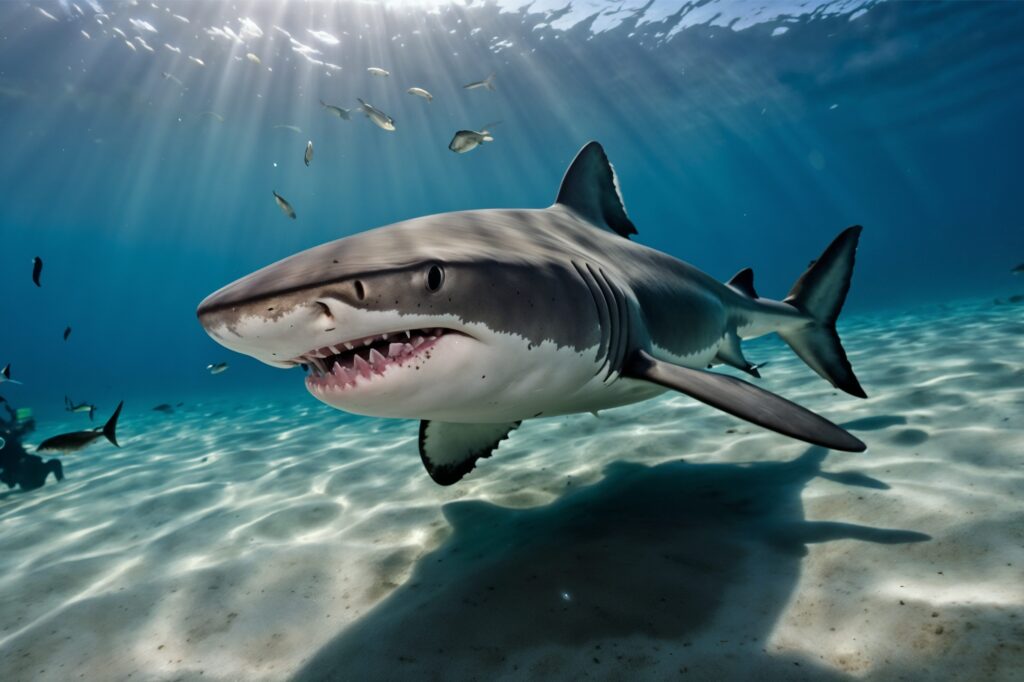
Great white sharks may not reach the legendary size of Megalodon, yet their modern presence in coastal waters keeps them firmly in human awareness. Adults can exceed twenty feet and possess rows of constantly replacing teeth designed for gripping large marine prey. Marine researchers note that their hunting method often involves approaching from below with a rapid upward burst, using surprise and momentum to disable targets quickly before circling back. Because these encounters happen in the same waters used for swimming, surfing, and fishing, the psychological impact feels especially strong.
Even rare sightings from boats tend to shift how people view the surrounding ocean, turning an ordinary stretch of blue water into a space that suddenly feels alive with possibility. Unlike extinct predators that remain distant in fossils, the great white represents a living continuation of ancient marine hunting design. Its presence quietly reminds coastal communities that some evolutionary blueprints were already highly effective millions of years ago and never truly needed replacement.
15. Blue Ringed Octopus
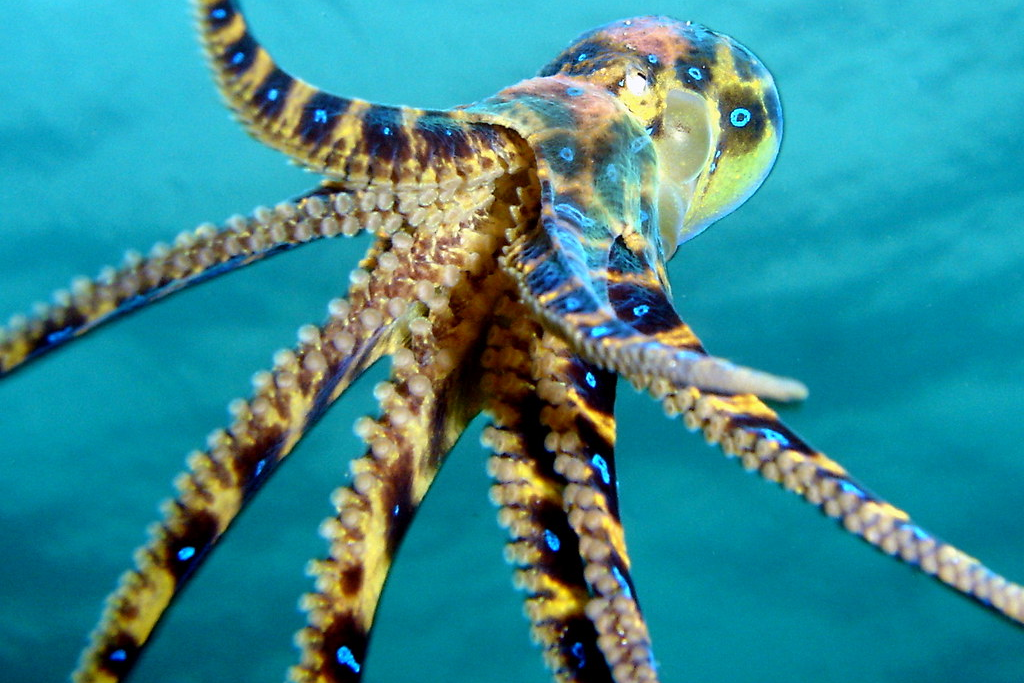
The blue ringed octopus is small enough to rest comfortably in a human palm, yet it carries venom powerful enough to cause rapid paralysis. Found in shallow Pacific tide pools, it usually blends easily into sand and coral until threatened. When disturbed, bright blue rings flash across its body as a clear visual warning. This display gives a rare moment of notice in the natural world, signaling that contact would be a serious mistake despite the creature’s gentle size and slow movement.
Because it often lives in areas explored by beach walkers and shell collectors, accidental encounters can happen when someone unknowingly reaches into a hidden crevice. The octopus does not hunt humans or behave aggressively, but its chemical defense remains extremely strong. Its existence shows how danger in modern ecosystems often hides inside small, visually fascinating animals rather than large obvious predators. That contrast between beauty and biological power makes it one of the most quietly formidable sea creatures alive.
16. Dire Wolf
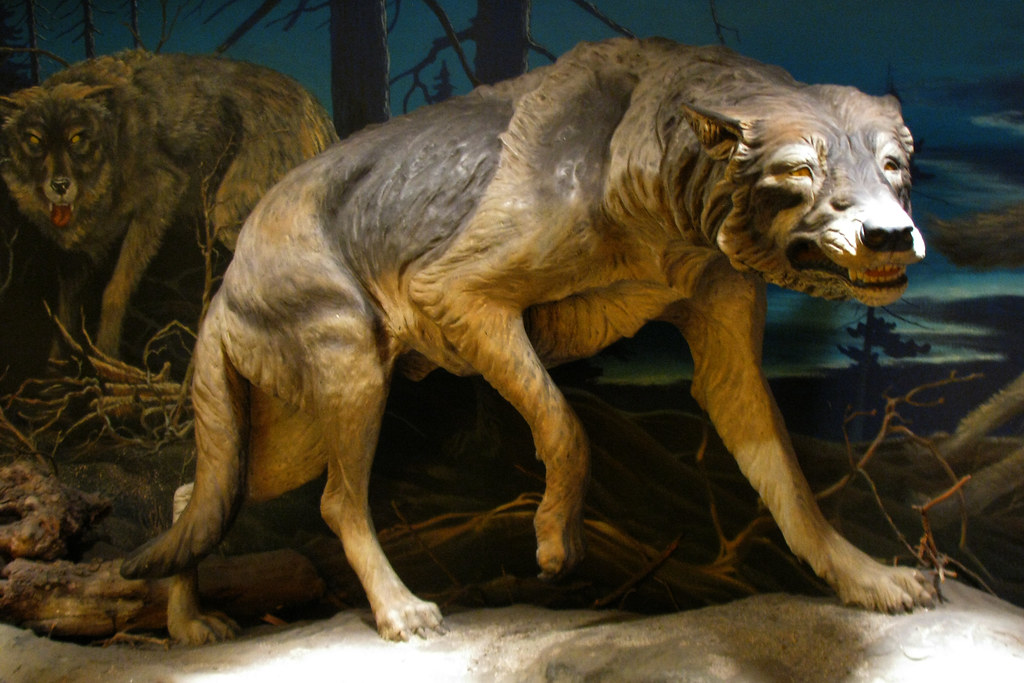
Dire wolves once roamed Ice Age North America with heavier builds than modern gray wolves and jaws suited for handling large prey. Fossil discoveries in tar pits show strong evidence that they often moved and hunted in coordinated packs. This teamwork allowed them to exhaust and surround animals much larger than any individual wolf could manage alone. Their strength was not just in muscle but in endurance, communication, and persistence across long tracking distances that slowly wore prey down.
A coordinated pack pursuit creates a very different form of danger compared with a single ambush predator. Once the chase begins, escape becomes harder with every mile as fresh pack members rotate forward while others recover behind. This method likely made dire wolves highly efficient within their ecosystems. Their story reinforces a simple pattern seen again and again in nature, which is that cooperation often becomes a more powerful survival tool than sheer individual size or dramatic physical features.
17. Hippopotamus
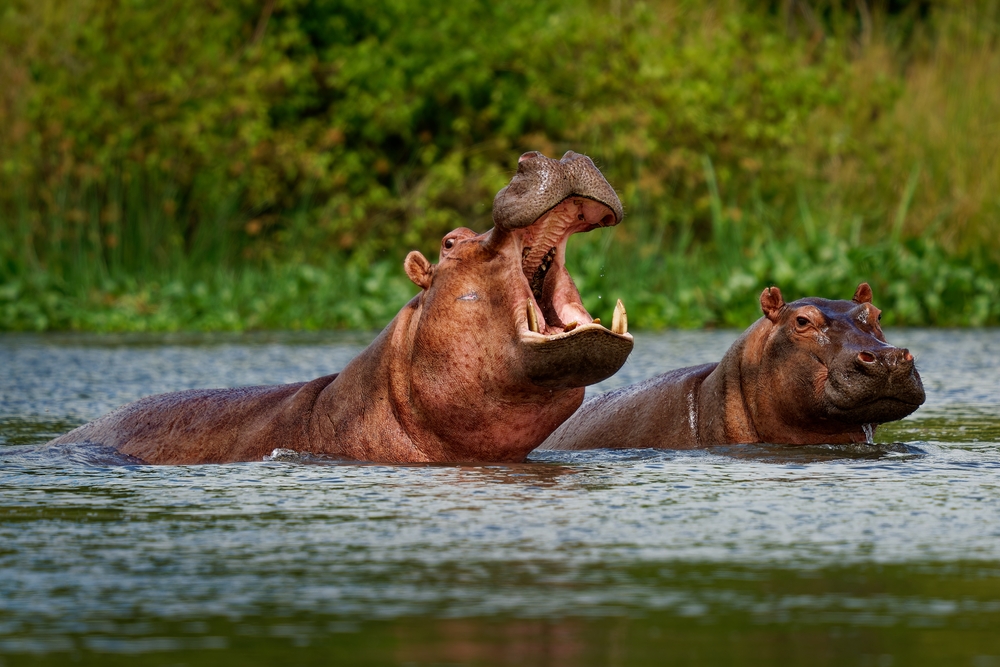
Hippos spend much of their day half submerged in rivers, often looking slow, relaxed, and almost harmless from a distance. Yet adult males can weigh several tons and defend their water territory very aggressively if they feel blocked or threatened. Conservation officers regularly warn visitors never to stand between a hippo and deep water, since that path becomes an instant trigger for defensive movement. Despite their bulk, they can run surprisingly fast over short distances, making close encounters far riskier than most people expect.
Their enormous jaws open wide enough to crush boats or severely injure predators that approach too closely, and disputes between males can become intense during territorial seasons. What makes hippos especially dangerous is how ordinary they appear before reacting. Calm grazing can shift into explosive motion within seconds. This unpredictability reminds observers that real world animal risk often comes from misunderstood behavior rather than obvious predatory intention.
18. Cone Snail
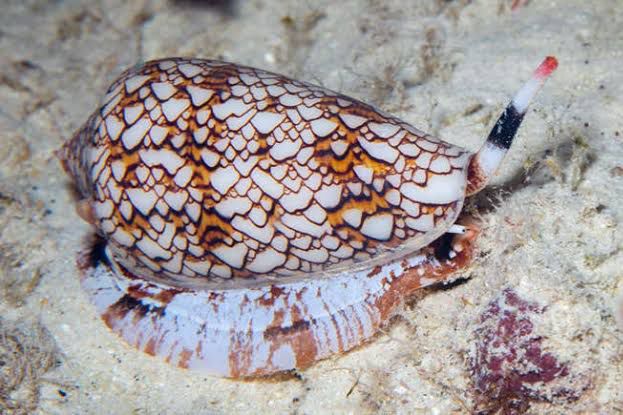
At first glance, the cone snail looks like nothing more than a small patterned seashell resting quietly on tropical seabeds. Many beach walkers might even pick one up without a second thought because it appears decorative and harmless. Yet this slow moving marine snail carries a tiny harpoon like tooth that injects venom strong enough to paralyze fish instantly. The attack happens so fast that prey often stops moving before it understands what happened, allowing the snail to swallow animals surprisingly large for its size.
Marine researchers warn that some cone snail species can seriously harm humans if handled carelessly, which makes it one of the most unexpectedly dangerous small sea creatures alive today. What makes the cone snail especially striking is how completely ordinary it looks compared with dramatic ocean predators. It does not chase, roar, or even move quickly. It simply waits and strikes with biological precision. Its quiet effectiveness perfectly closes the list by reminding us that nature’s most dangerous animals are often the ones people least expect.
mm mm


